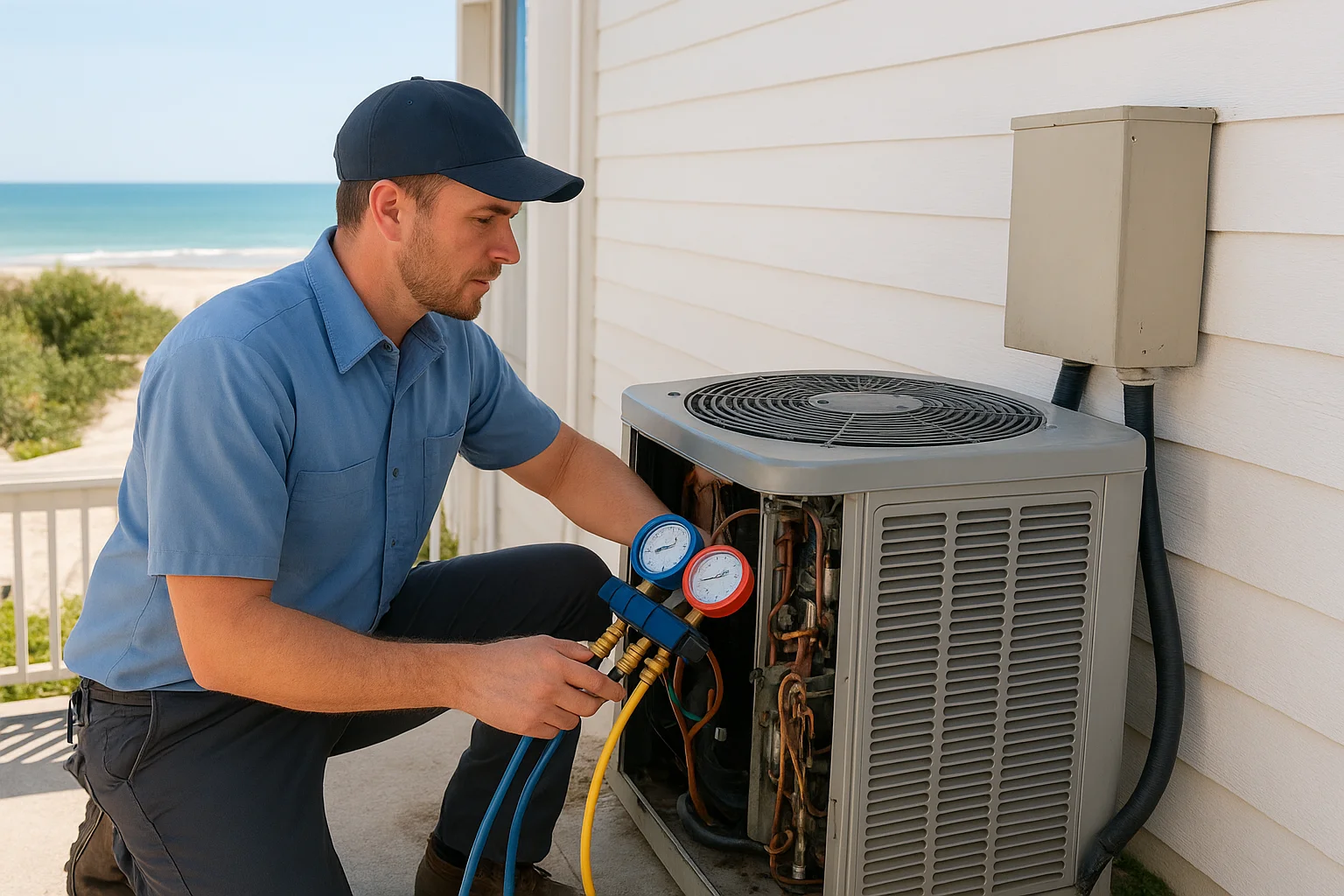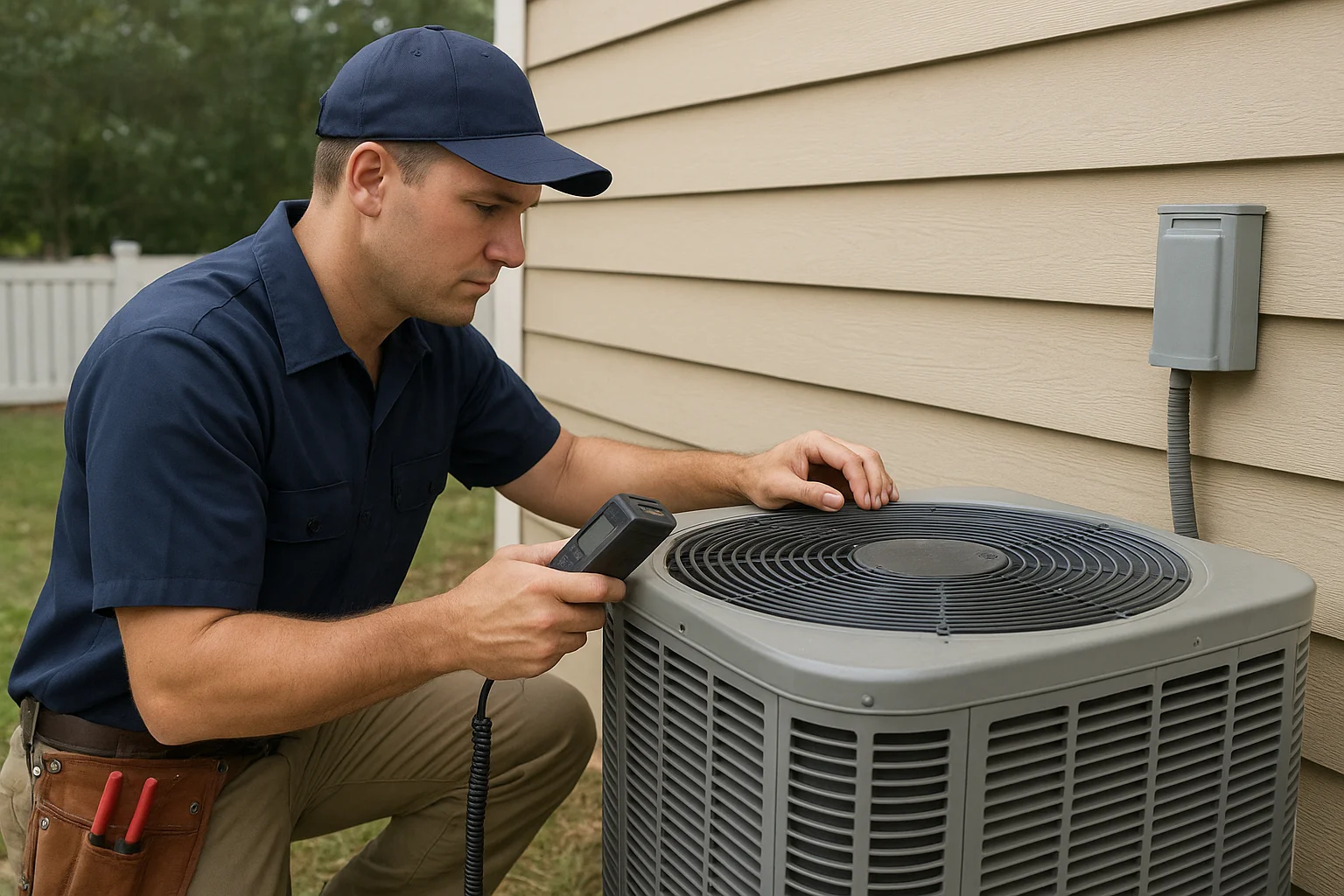
Bluewater Bay homes spend a lot of time balancing comfort. Even when the weather feels mild, Florida heat, humidity, and salt air can push HVAC systems to work harder than homeowners expect. Heating control systems are the “brain” behind that balance. When controls, airflow, and indoor air quality are mismatched, you can end up with uneven temperatures, higher energy use, and emergency cooling concerns during the hottest stretches of the year.
This guide explains how heating control systems work in Bluewater Bay, FL and what to look for before small control issues turn into costly repairs. If you are searching for heating control systems in Bluewater Bay, FL, the details below will help you ask better questions and spot problems earlier.
What “heating control systems” really include in a Bluewater Bay HVAC setup
Most homeowners think of a thermostat when they hear “heating controls.” That is part of the story, but heating control systems usually include several interacting components:
- Thermostats and control boards: The thermostat reads temperature and sometimes humidity, then sends signals to the HVAC equipment.
- Zone controls and dampers (when installed): Zoning divides airflow by area, often using dampers and zone control hardware.
- Airflow management: Controls assume ducts and registers can deliver air. If airflow is restricted, the system may run longer or short cycle.
- Refrigerant systems and heat pump operation: In heat pump homes, controls coordinate heating and cooling modes, defrost cycles, and compressor behavior.
- Condensate drainage: When humidity is high, especially during cooling mode, condensate drainage affects indoor comfort and can also influence how controls manage related sensors.
- Indoor air quality controls: Some systems coordinate filtration, humidity management, and ventilation behavior to keep comfort stable.
When one of these pieces is out of sync, the thermostat may “do its job,” but the system cannot respond correctly. That is where costs can rise.
Why Florida humidity and salt air make control problems show up faster
Bluewater Bay sits in Okaloosa County, where warm coastal air and humidity are normal. Salt air can also contribute to corrosion on outdoor components over time. In that environment, heating control systems and HVAC performance depend heavily on:
- Reliable airflow: Humidity and temperature swings are amplified when air circulation is weak.
- Accurate sensing: If a thermostat sensor is reading incorrectly, the system may overshoot setpoints and waste energy.
- Stability during mode changes: Heat pumps and air conditioners switch between cooling and heating seasons, and controls must handle those transitions smoothly.
Homeowners sometimes notice the problem first as “comfort weirdness.” Rooms feel stuffy, some areas run cooler while others stay warm, and the system seems to cycle more often. Those symptoms can be linked to thermostat placement, zoning behavior, ductwork issues, or refrigerant system performance.
Common symptoms that point to heating control issues (not just “old HVAC”)
Before you assume the entire system is failing, pay attention to how the HVAC behaves. These are frequent indicators that heating control systems may be misconfigured, failing, or operating against airflow constraints.
1) The temperature never stabilizes
The thermostat may show you are near the setpoint, but rooms can feel uneven. This can happen when:
- Thermostats are installed near heat sources, direct sunlight, or supply vents
- Zoning dampers are not opening and closing as intended
- Ductwork delivers air unevenly, causing the system to run longer than needed
If you are also dealing with humidity, comfort can feel “stuck” because airflow and moisture removal do not match the control strategy.
2) Short cycling or frequent starts
Short cycling can be a control strategy problem or a system performance problem. Controls may call for heat or cooling repeatedly when they see temperature drift. If airflow is restricted or the system cannot move heat as expected, cycling increases. That can lead to wear on components and higher energy use.
3) Strange behavior during heating or defrost cycles
In heat pump homes, controls coordinate heating operation and defrost cycles when outdoor conditions require it. If controls are not reading properly, the system can appear to pause, change modes, or produce confusing temperature swings. These are not “DIY tune-up” situations. A professional can check settings, verify sensor behavior, and evaluate how the refrigerant system is operating.
4) Humidity feels worse even when the thermostat is set correctly
Florida humidity can make indoor air quality feel heavy. When controls and airflow do not align, you may feel dampness, see condensation where it should not be, or notice musty odors. Condensate drainage and filtration also play roles. If you are noticing moisture concerns, it is worth having an HVAC technician inspect the system holistically rather than only adjusting thermostat settings.
5) Alerts, error codes, or “dead” thermostat behavior
Modern thermostats can display warnings, but homeowners do not always know what the message means. Some issues are related to wiring, power, or communication. Others are related to how the HVAC equipment responds to control signals. An in-person evaluation is the safe path before you replace components.
If you suspect airflow is part of the problem, read Why Ductwork Problems Hit Bluewater Bay Homes Harder Than You Think for a local perspective on how ducts affect comfort and system run time.
How airflow and ductwork affect heating control system performance
Heating control systems assume the HVAC can deliver the air volume needed to meet the thermostat demand. In real homes, ductwork performance varies. In Bluewater Bay, common duct-related issues include:
- Leaky ducts that lose conditioned air before it reaches rooms
- Blocked or crushed duct sections that reduce airflow
- Undersized ducts for the layout of the home
- Registers and returns that do not balance properly between rooms
- Problems that show up after renovations or attic changes
When airflow is restricted, controls may compensate by running longer, which increases energy use and can strain refrigerant systems. It also can worsen indoor air quality because air is not moving through the system as designed.
If you are searching for licensed HVAC contractor near me or duct inspection near me to understand comfort problems, ask whether airflow testing and duct evaluation are included with the control service. Controls and ductwork should be checked together.
Thermostat settings that can quietly drive up energy use
Thermostats are powerful, but small setting choices can create big comfort and cost impacts in humid climates. Here are setting areas homeowners often adjust without realizing the consequences:
- Fan operation schedule: Constant fan can sometimes improve comfort, but it can also increase humidity spread if the system cannot dehumidify effectively.
- Heating and cooling setpoint spacing: Too tight a range can create frequent mode changes.
- Reheat or auxiliary heat behavior (heat pump homes): Some systems use auxiliary heat under certain conditions. Control logic matters, and the equipment needs to be evaluated if behavior seems off.
- Humidity settings (if equipped): In Florida, humidity control is part of comfort. If the system cannot remove moisture due to airflow or drainage issues, humidity settings alone will not fix the problem.
A Superior Mechanical can review how your heating control system is programmed and how it matches your home’s real airflow and comfort needs. This is especially important if you are comparing options for HVAC repair or considering system replacement later.
Zoning and multi-zone controls: comfort control that can backfire
Many Bluewater Bay homes use zoning or multi-zone strategies to improve comfort across different areas. Zoning can be effective, but it depends on:
- Correct damper operation and calibration
- Balanced airflow and proper return paths
- Thermostat placement in each zone
- Equipment settings that match the zone count and airflow needs
When zoning is not working correctly, you might see one zone calling for heating while another zone is closed off, which can stress the system and lead to inconsistent temperatures. Homeowners often interpret this as “the HVAC is failing,” but the fix can be control programming, airflow balancing, or duct repair. You should not assume replacement is the answer until controls and airflow are evaluated in person.
If your home uses advanced multi-zone equipment, you may also want to explore VRF Multi-Zone Systems for a broader view of how zoning logic affects performance.
Condensate drainage and humidity management link to heating controls
Even though this article focuses on heating control systems, humidity management and condensate drainage connect directly to comfort. In humid coastal climates, condensate drainage must work consistently so the system can dehumidify and maintain stable indoor conditions.
When condensate drainage is restricted or overflowing, homeowners may notice:
- Water near indoor units or in areas around air handlers
- Unusual odors
- Reduced comfort because moisture removal is not working as expected
- System behavior changes if safety switches or related sensors intervene
Controls can appear “wrong” when the moisture removal path is compromised. A professional evaluation helps connect the dots between controls, airflow, and condensate drainage.
Refrigerant systems and why controls should be evaluated together
In heat pump and air conditioning systems, controls manage compressor and mode behavior. But refrigerant systems and airflow performance influence how well the equipment responds to thermostat demands. If the system is not operating correctly, controls can only do so much.
It is not appropriate for homeowners to attempt refrigerant diagnosis or equipment replacement based on symptoms alone. An HVAC professional can inspect the system in person, verify performance, and determine whether the issue is control configuration, airflow limitations, or refrigerant system behavior. If you are considering Heating Services or HVAC repair, ask for an assessment that includes how controls interact with airflow and refrigerant system performance.
Preventive HVAC maintenance that protects heating control reliability
Heating control systems are only as dependable as the equipment they control. Preventive HVAC maintenance helps reduce the odds of mid-season failures and improves indoor air quality by keeping airflow and filtration in check.
For Bluewater Bay homeowners, maintenance is especially valuable because humidity and salt air can accelerate wear. A strong maintenance plan typically includes:
- Thermostat and control verification, including sensor checks and programming review
- Airflow inspection so the system can meet heating and cooling demands
- Filter and indoor air quality evaluation
- Condensate drainage inspection to support humidity control
- Outdoor unit inspection to address corrosion risk and debris buildup
- General system performance checks that help prevent short cycling and comfort swings
If you want to understand how maintenance supports heating control systems, see How Better HVAC Maintenance Supports Heating Control Systems in Alys Beach. The climate is different by a few miles, but the comfort challenges are similar across the Emerald Coast.
How to avoid expensive surprises: a homeowner checklist
Use this checklist to catch control and comfort issues early. If you notice multiple items, plan for an HVAC evaluation.
- Track comfort issues by room: Which rooms are consistently too hot or too cold?
- Watch run times: Does the system run longer than it used to to reach setpoints?
- Check thermostat placement: Is it near a sunny window, hallway heat sources, or direct supply air?
- Review zoning behavior: Do some zones never seem to satisfy, or do dampers sound like they struggle?
- Look for moisture clues: Any condensation, damp drywall, or musty odors?
- Notice airflow: Are vents weak, noisy, or uneven between floors?
- Pay attention to indoor air quality: Are allergies worse, or do odors linger longer?
When homeowners in Okaloosa County search for AC tune up near me or air conditioner service near me, they often want comfort restored quickly. A well-run evaluation can identify whether the problem is control logic, ductwork, airflow, or equipment performance.
When to call A Superior Mechanical for heating control system help
Some control issues are simple to fix. Others require careful inspection because they affect safety, moisture control, and equipment operation. Call a professional HVAC contractor when you notice:
- Frequent cycling, persistent temperature swings, or comfort problems that do not improve after thermostat changes
- Zoning issues such as dampers not responding or large differences between rooms
- Humidity problems that suggest drainage or airflow limitations
- Error codes, repeated alerts, or thermostat communication problems
- Any concern that the system cannot maintain safe and reliable operation during hot weather
Florida weather can turn quickly, and when heating control systems are not working properly, emergency cooling concerns can become more likely. If you are dealing with an urgent comfort failure, review Why Bluewater Bay Homes Rely on Fast Emergency HVAC Service so you know how fast help can matter during peak heat.
Choosing the right HVAC contractor for controls, ductwork, and indoor air quality
When you are searching for HVAC repair near me or a licensed HVAC contractor near me, focus on whether the contractor treats the system as a whole. Heating control systems are not isolated. They depend on airflow, refrigerant system operation, condensate drainage, and indoor air quality.
Ask about:
- Whether they evaluate thermostat behavior and control settings as part of the visit
- How they assess ductwork and airflow, including balancing and airflow restrictions
- How they address humidity and condensate drainage
- Whether they explain findings in plain language and outline next steps
For homeowners who want to understand the broader service landscape across the area, visit our Bluewater Bay service area page or browse Okaloosa County HVAC services.
If you are considering new installation, controls should be part of the plan
Homeowners sometimes start with the question of new AC installation near me. In Bluewater Bay, that decision should include how the new equipment will be controlled. Smart thermostats, zoning strategies, and airflow design all affect comfort and energy use.
If you are planning for an upgrade, use a checklist that includes controls and ductwork. A helpful starting point is A Practical Guide to Air Conditioning Installation for Bluewater Bay Homes. If your home is exploring room-by-room solutions, you may also want to ask about ductless options and how controls coordinate performance, including ductless mini split installation near me inquiries during your consultation.
What to expect from a professional heating control systems assessment
A good evaluation will connect symptoms to system behavior. That usually means reviewing thermostat settings, checking airflow realities, confirming how the HVAC responds to control signals, and verifying that humidity and condensate drainage are handled properly. If a refrigerant issue is suspected, it should be evaluated by a technician on site. If duct repair is needed, the plan should address airflow first so controls can work as designed.
For heating control upgrades and troubleshooting in Bluewater Bay, start with A Superior Mechanical’s heating control systems service page. For commercial properties, the control requirements can be different due to schedules and multi-zone needs, so it may help to review Commercial HVAC Services or Commercial HVAC Repair.
Find Heating Control Systems in Bluewater Bay, FL
If you need Heating Control Systems in Bluewater Bay, FL, visit our local service page or contact A Superior Mechanical today.
Map of Bluewater Bay, FL
Frequently Asked Questions
How do I know if my thermostat is the problem or my heating control system?
Start by noticing patterns. If temperatures swing in multiple rooms, cycling is frequent, or humidity feels off, the issue may be control settings, sensor placement, zoning behavior, or airflow limitations. A professional can verify thermostat readings and how the HVAC responds to control signals during heating and cooling.
Can ductwork issues make my heating system seem like it has control problems?
Yes. Heating control systems rely on airflow to move heat where it is needed. Leaky, blocked, or poorly balanced ductwork can cause uneven comfort, longer run times, and inconsistent temperature recovery. That can look like a thermostat or programming issue when it is actually an airflow problem.
What should I check first for humidity and comfort problems in Bluewater Bay?
Check for airflow weaknesses and any signs of drainage issues, such as condensation or musty odors. Humidity control depends on proper condensate drainage, filtration, and airflow. If the system is not removing moisture effectively, thermostat settings alone will not solve the root cause.
Is it safe for homeowners to adjust heating control settings or replace parts on their own?
Basic thermostat settings are fine, but changing control wiring, diagnosing refrigerant system behavior, or replacing HVAC components should be handled by a technician. An in-person evaluation helps prevent unnecessary repairs and ensures the system operates correctly under Florida heat and humidity.
Related Articles
Photo Gallery