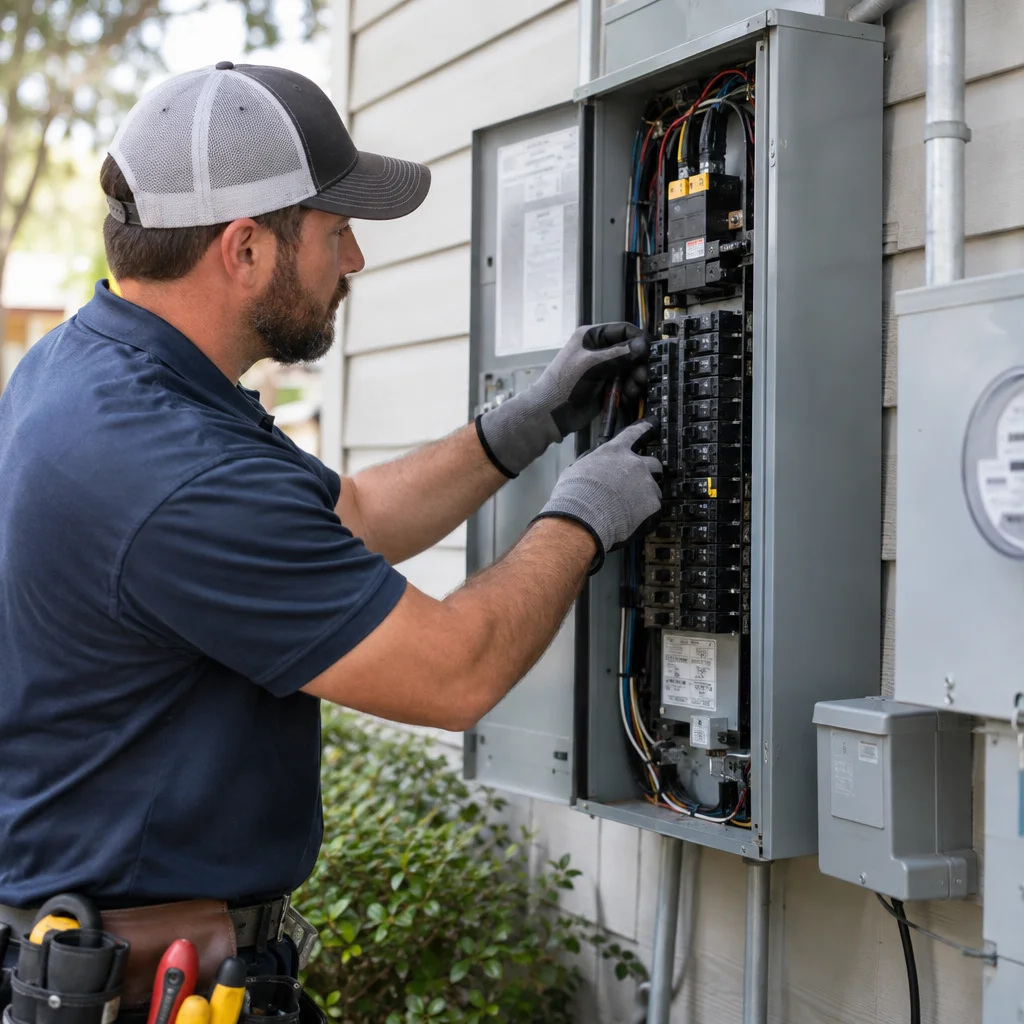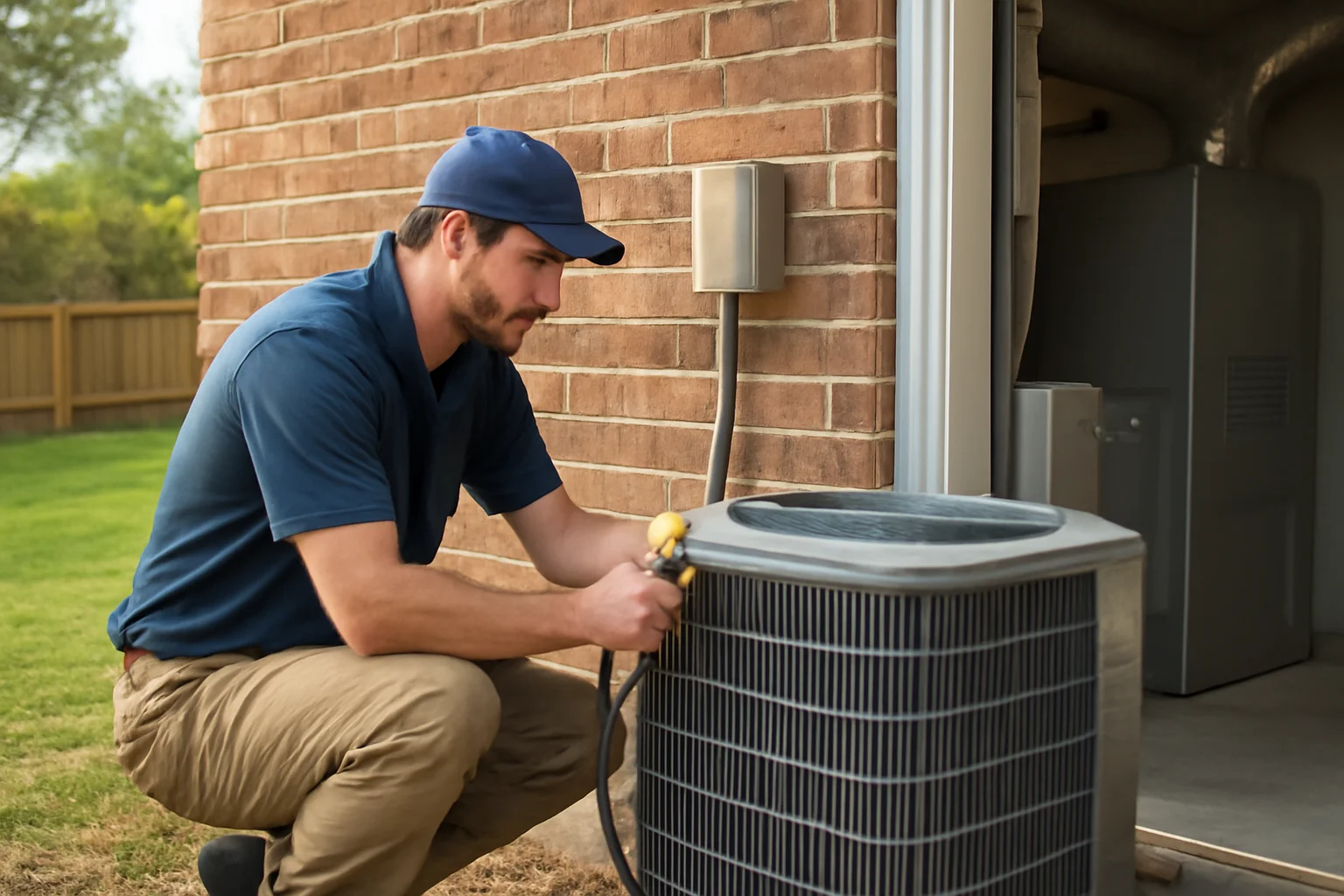
Camp Creek, FL summers bring heat and humidity that can make comfort feel unpredictable. When your heating system is controlled poorly, you may notice hot and cold spots, short cycling, strange temperature swings, or rooms that never feel right. A Superior Mechanical helps homeowners in Camp Creek troubleshoot heating control system problems and plan repairs that restore stable comfort and better HVAC performance.
If you are dealing with HVAC repair needs, this guide focuses on heating controls, thermostats, zoning, airflow, ductwork, condensate drainage, and indoor air quality. It also covers why Florida conditions like salt air, moisture, and high humidity can stress HVAC components and control systems over time.
What heating control systems actually do for comfort
Heating control systems are the “decision makers” that coordinate how heat is produced and delivered through your home. In most Camp Creek homes, that includes the thermostat, control board and wiring, and often features like staging, scheduling, and zoning.
When controls are working correctly, they help your system maintain the temperature you set without fighting itself. They also support proper airflow. In Florida, where humidity is part of daily life, controls that manage run times and airflow can influence how well your home balances temperature and moisture. That is why heating control issues can show up as comfort problems even when the system is technically “running.”
Common control-related comfort complaints in Camp Creek
Temperature swings: The thermostat reads one temperature while rooms feel significantly warmer or cooler.
Uneven heating: Certain rooms feel drafty, while others remain too warm.
Short cycling: The system turns on and off more frequently than it should, which can wear components and disrupt comfort.
Humidity staying high: Even if heating seems to be working, the home may feel clammy or muggy.
Airflow feels weak: Vents may blow cool or lukewarm air, or airflow may seem inconsistent.
These symptoms often point to more than one variable, such as thermostat settings, ductwork issues, filter restrictions, condensate drainage problems, or control logic that no longer matches the system.
Why Florida weather makes heating control problems show up faster
Camp Creek is in Walton County, where heat, humidity, and coastal influences can be tough on HVAC systems. Even if your home uses an efficient heat pump or a traditional heating setup, controls and related components can be affected by environmental stress.
Salt air and moisture can affect control reliability
Salt air can contribute to corrosion over time. High humidity can increase the likelihood of condensation around HVAC components. When moisture and corrosion impact wiring connections, sensors, or control boards, the system can behave inconsistently. That can look like “the thermostat is wrong,” when the underlying issue is actually control stability or sensor accuracy.
Airflow and humidity are tightly connected
In humid Florida weather, airflow is not just about comfort. It is also about how effectively the system manages indoor moisture. If airflow is restricted by ductwork issues, a clogged filter, or blocked returns, the system may struggle to maintain temperature and humidity targets. Homeowners then experience comfort problems and may blame heating controls when the root cause is airflow or indoor air quality related.
Thermostat issues that commonly cause heating control headaches
The thermostat is the most visible part of your heating control system, so it is often the first suspect. But thermostats can cause problems in several ways: incorrect settings, sensor placement issues, worn components, or mismatched programming with how your HVAC system is configured.
Look for these thermostat red flags
Wrong mode: Heating mode set incorrectly, or a schedule that runs at times you do not expect.
Deadband too wide or schedule conflicts: Some systems allow configuration that can lead to temperature swings if set improperly.
Sensor location problems: If the thermostat is near a draft, direct sun, or a heat source, the reading can drift.
Loose wiring or failing connections: Signs include delayed responses, frequent “rebooting,” or intermittent behavior.
Compatibility issues: A new thermostat may not be configured correctly for your specific HVAC setup.
If you are searching for “thermostat installation near me” or “HVAC repair near me,” it is worth remembering that thermostat installation is not only about mounting the device. It also includes confirming compatibility, correct wiring, and proper settings so the system can respond accurately.
Airflow and ductwork problems that mimic control failures
Sometimes the heating control system is doing what it was told, but the home cannot receive heat properly. That is where ductwork and airflow come in. In Camp Creek homes, especially those with older ductwork, renovations, or additions, airflow can become unbalanced.
Symptoms that point toward ductwork or airflow restrictions
Vents in some rooms are much weaker than others
Registers feel blocked by furniture, rugs, or landscaping changes near outdoor units
Dustier rooms or noticeable changes in indoor air quality
Hot or cold spots that remain even after thermostat adjustments
Long run times to reach set temperature
Duct issues can also affect energy use. When airflow is restricted, your system may run longer to compensate. That can increase wear and strain on refrigerant systems, compressors, and control components. If you are noticing comfort issues plus rising utility bills, an air conditioning inspection near me style evaluation is often the right starting point, even if your complaint is about heating controls.
Refrigerant systems and control behavior: what homeowners should understand
Heating control systems and refrigerant systems work together. Control logic influences compressor run time, staging, and temperature targets. If refrigerant levels are off, the system may not perform as expected, which can create temperature problems and confusing symptoms.
It is important to avoid guessing about refrigerant based on feel alone. Homeowners should not attempt refrigerant diagnostics. A proper evaluation requires in-person inspection and testing. If you suspect refrigerant system trouble, contact an HVAC service near me provider so a technician can assess performance and confirm the actual cause.
Also note that Florida humidity and airflow conditions can influence how the system behaves. A control system may respond to temperature and humidity sensors, but if airflow is restricted or condensate drainage is impaired, the system can react in ways that look like control failure.
Condensate drainage and moisture control concerns
Even though condensate drainage is often discussed with air conditioning, it matters for overall comfort and system stability. When moisture cannot drain correctly, it can lead to water buildup and may affect system performance. In high humidity climates, proper condensate drainage becomes even more important.
What to watch for
Water pooling around the indoor unit or near the air handler
Musty odors or increased indoor humidity
Unusual system shutdowns or safety behavior
Visible moisture on or around drain lines
Moisture issues can also affect indoor air quality. If you are looking for indoor air quality services near me, ask your HVAC technician to consider how airflow, filtration, and moisture control are working together, not just whether the system is turning on.
Zoning and multi-stage heating: comfort benefits and common pitfalls
Some Camp Creek homes use zoning to improve comfort. Zoning can reduce hot and cold spots by directing airflow where it is needed. Heating control systems coordinate zone dampers, thermostat calls, and equipment staging.
When zoning works well, it can feel like the home finally “listens.” When it does not, homeowners may experience uneven temperatures, dampers that do not open properly, or rooms that lag behind.
Common zoning-related problems
Zone dampers sticking or failing to respond to thermostat calls
Incorrect zone settings or thermostat programming
Airflow imbalance caused by ductwork limitations
Control logic that short cycles equipment
These issues can feel like thermostat problems, but they are often control integration or airflow related. A professional evaluation is the fastest path to clarity.
How to plan a heating control system repair without making things worse
If you suspect your heating control system is the cause of comfort problems, planning helps you avoid unnecessary guesswork. The goal is to document symptoms, identify patterns, and schedule an in-person HVAC service that can test the system safely.
Step 1: Write down what you observe
Before a technician arrives, note when the problem happens. For example: only at certain times of day, only in certain rooms, or only when humidity is high. Track:
Thermostat settings and modes used
How quickly the temperature changes after the system starts
Whether the system short cycles
Any new sounds, odors, or error messages
Step 2: Check simple items safely
Homeowners can safely check a few basics without opening equipment:
Air filter condition and whether it is installed correctly
Thermostat display and whether it shows any alerts
Vents and returns for obvious obstructions
Whether the thermostat is exposed to direct sunlight or drafts
For duct repair near me concerns, avoid taking ducts apart yourself. Air handling and sealing issues require careful evaluation.
Step 3: Ask the right questions during your visit
When you schedule HVAC repair near me or heating control system service, ask about:
Whether the thermostat and control logic match your HVAC configuration
How airflow and ductwork impact temperature and humidity control
Whether condensate drainage is functioning properly
Whether refrigerant system performance appears consistent with the control behavior (without you trying to diagnose refrigerant yourself)
What preventive HVAC maintenance steps reduce recurrence
A Superior Mechanical can help homeowners plan repairs by identifying whether the issue is controls, airflow, moisture management, or system performance. That approach is especially valuable in Camp Creek, where humidity and salt air can create layered problems.
Preventive maintenance that supports heating control systems
Heating control problems often return when the system is not maintained consistently. Preventive HVAC maintenance helps keep sensors, airflow pathways, and control performance stable. It also supports indoor air quality by keeping filtration and airflow functioning as intended.
Maintenance items that matter most
Regular AC tune up near me style service: Technicians can check airflow, verify control operation, and ensure the system responds correctly to thermostat calls.
Filter and airflow checks: Restricted airflow can cause temperature instability and humidity issues.
Indoor coil and drainage inspection: Helps prevent moisture-related problems that can affect comfort and system behavior.
Thermostat performance verification: Includes confirming settings and sensor behavior.
Ductwork assessment: Identifies whether air distribution is contributing to uneven heating.
If you want a stronger indoor air quality plan, read Smart HVAC Planning for Cleaner Indoor Air in Camp Creek. For homeowners focused on installation quality and comfort from the start, Smart HVAC Planning for Camp Creek Homes: Comfort, Humidity, and Better AC Installations is also a helpful read.
For related seasonal maintenance, see A Practical Guide to Air Conditioning Maintenance in Camp Creek, FL. If you are comparing how maintenance supports controls in similar coastal conditions, How Better HVAC Maintenance Supports Heating Control Systems in Alys Beach offers useful context.
Energy use and comfort: why controls should be tuned to your home
When heating controls are not operating correctly, energy use often rises. That can happen when the system runs longer to reach set temperature, short cycles due to control logic mismatches, or struggles with airflow and moisture balance. In humid Florida weather, inefficient control behavior can also affect how long your system needs to run to maintain comfort.
Rather than chasing symptoms, a professional HVAC service can look at the whole system: thermostat behavior, airflow delivery, ductwork condition, refrigerant system performance, and condensate drainage. That holistic approach can help reduce repeated repairs and improve day-to-day comfort.
When comfort problems turn urgent: emergency cooling concerns
Camp Creek homeowners usually associate emergency concerns with air conditioning, but heating control issues can sometimes overlap with broader system failures. If your home becomes dangerously hot, or if the system shuts down repeatedly during extreme weather, treat it as urgent.
Look for warning signs like:
Complete loss of heating or cooling response
Frequent system shutdowns with error indicators
Strong burning smells or unusual electrical-like odors (leave the area and call a professional)
Rapid indoor temperature rise that makes the home unsafe
In those situations, search terms like “emergency AC repair near me” may become relevant. A Superior Mechanical can help you prioritize troubleshooting based on what is happening in your specific home.
Choosing local help in Camp Creek, Walton County, FL
Heating control systems are sensitive to how they are installed, configured, and integrated with airflow and moisture management. A local residential HVAC service near me provider understands the climate pressures Camp Creek homes face, including humidity, salt air, and ductwork realities in older housing stock.
For homeowners who want a complete plan, start with the service page for this exact need: Heating Control Systems in Camp Creek. You can also explore the broader service area coverage at Camp Creek HVAC services and Walton County HVAC services.
If your comfort problem includes equipment performance or airflow delivery, these related services may also be relevant: Air Conditioning Installation, Air Conditioning Maintenance, and New Construction Air Conditioning. For some homes exploring long-term efficiency and consistent comfort, you may also want to ask about Geothermal Energy.
Quick checklist: are your heating controls likely involved?
Temperature swings persist even when you adjust thermostat settings
Some rooms are consistently uncomfortable while others behave normally
The system runs longer than expected or short cycles frequently
Humidity feels high or indoor air quality seems worse
Condensate drainage seems questionable or moisture odors appear
If several of these match your experience, it is a good time to schedule a professional evaluation. A Superior Mechanical can help you connect the dots between thermostats, heating control systems, airflow, and system performance so you can plan repairs with confidence.
Find Heating Control Systems in Camp Creek, FL
If you need Heating Control Systems in Camp Creek, FL, visit our local service page or contact A Superior Mechanical today.
Map of Camp Creek, FL
Frequently Asked Questions
What are the most common heating control system issues in Camp Creek homes?
Homeowners often run into thermostat programming or sensor placement problems, control integration issues, and comfort complaints caused by airflow or ductwork restrictions. In humid Florida conditions, moisture and drainage concerns can also make system behavior seem inconsistent.
Can poor airflow make it seem like my thermostat or heating controls are broken?
Yes. If ductwork delivers uneven airflow, the thermostat may call for heat while some rooms never reach the set temperature. That can lead to temperature swings and longer run times that feel like a control problem.
Should I try to diagnose refrigerant or thermostat wiring myself?
No. Refrigerant diagnosis and electrical or control-board troubleshooting should be done in person by a qualified technician. You can safely check the air filter, thermostat settings, and whether vents and returns are unobstructed, then schedule an HVAC evaluation.
How does indoor humidity in Walton County affect heating control performance?
Humidity can influence how the system responds to temperature and moisture needs. When airflow is restricted or moisture drainage is impaired, comfort can feel off even if the system is operating. That is why heating controls, airflow, filtration, and condensate drainage should be evaluated together.
What preventive maintenance helps keep heating control systems stable?
Consistent HVAC maintenance that includes airflow checks, filter management, indoor coil and drainage inspection, and verification of thermostat and control operation can reduce recurring comfort issues. If you want a maintenance plan, ask about AC tune ups and seasonal inspections.
Related Articles
Photo Gallery