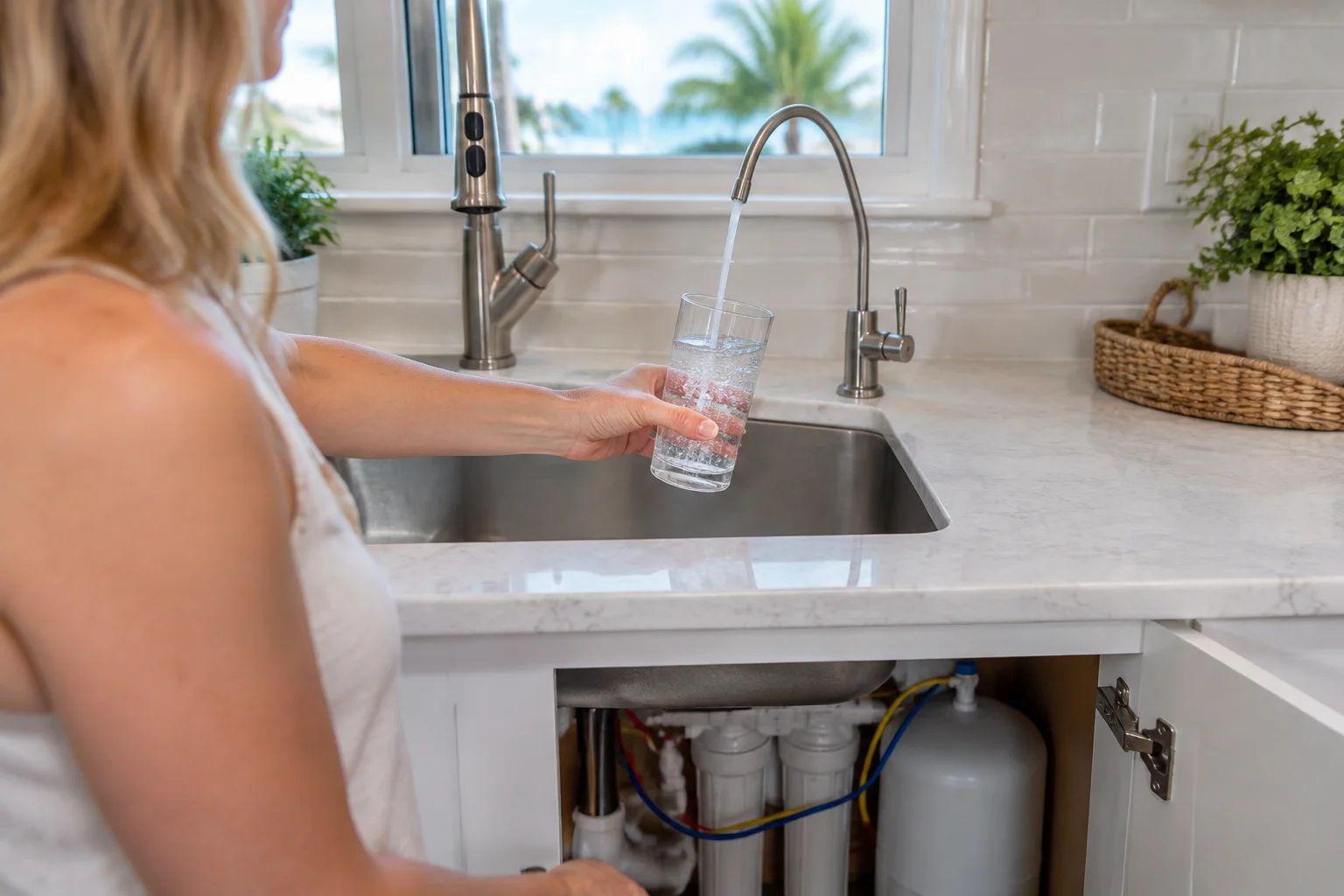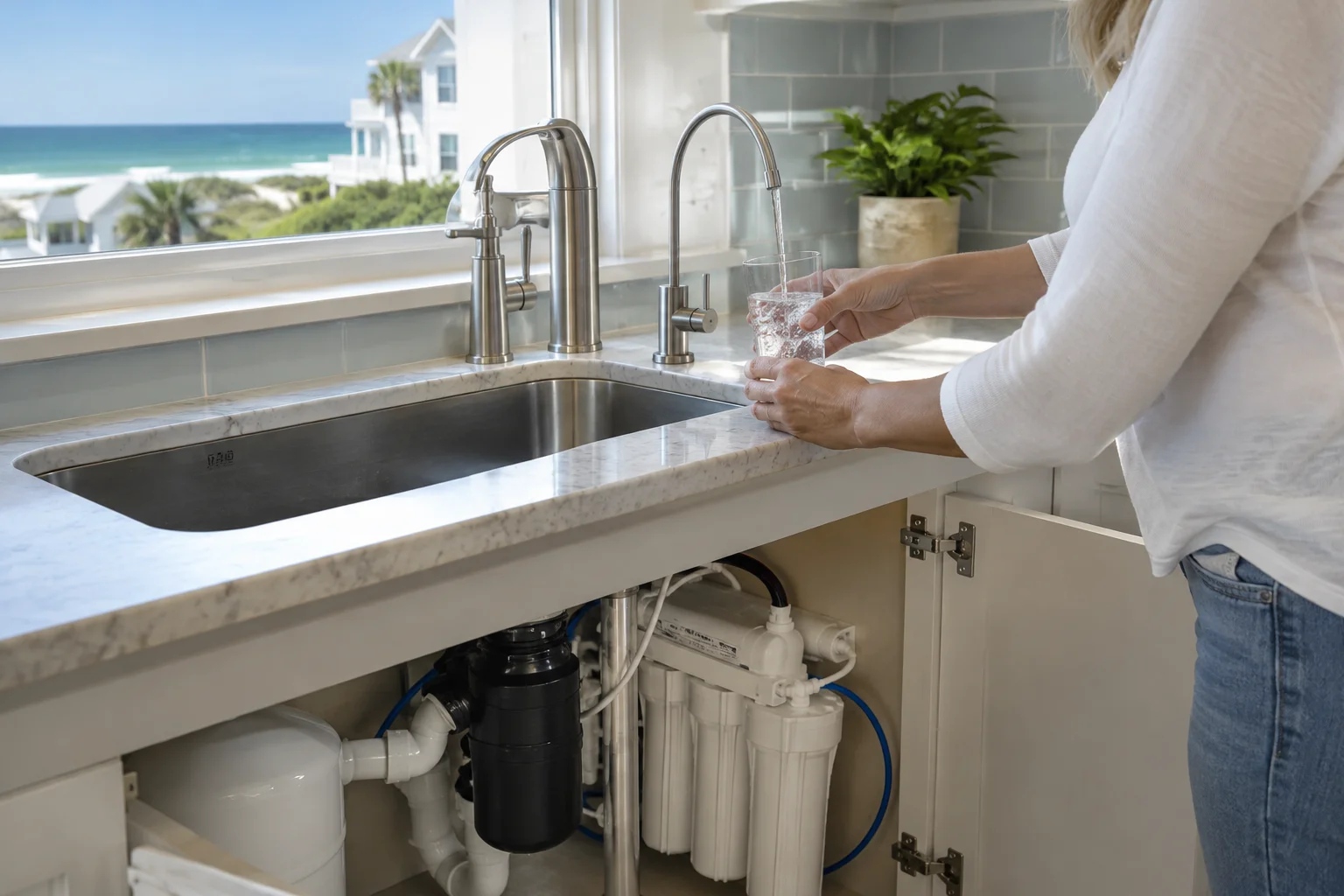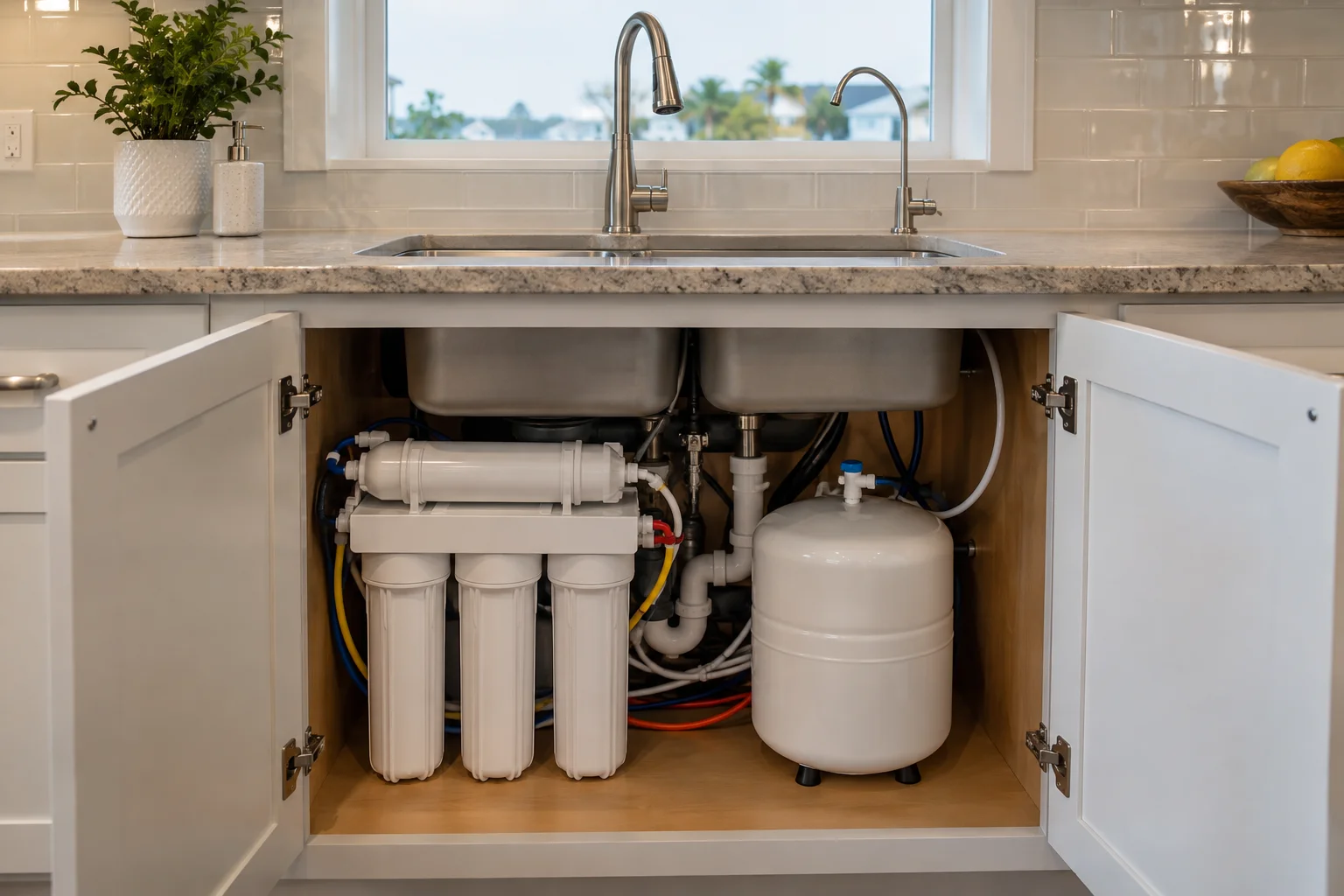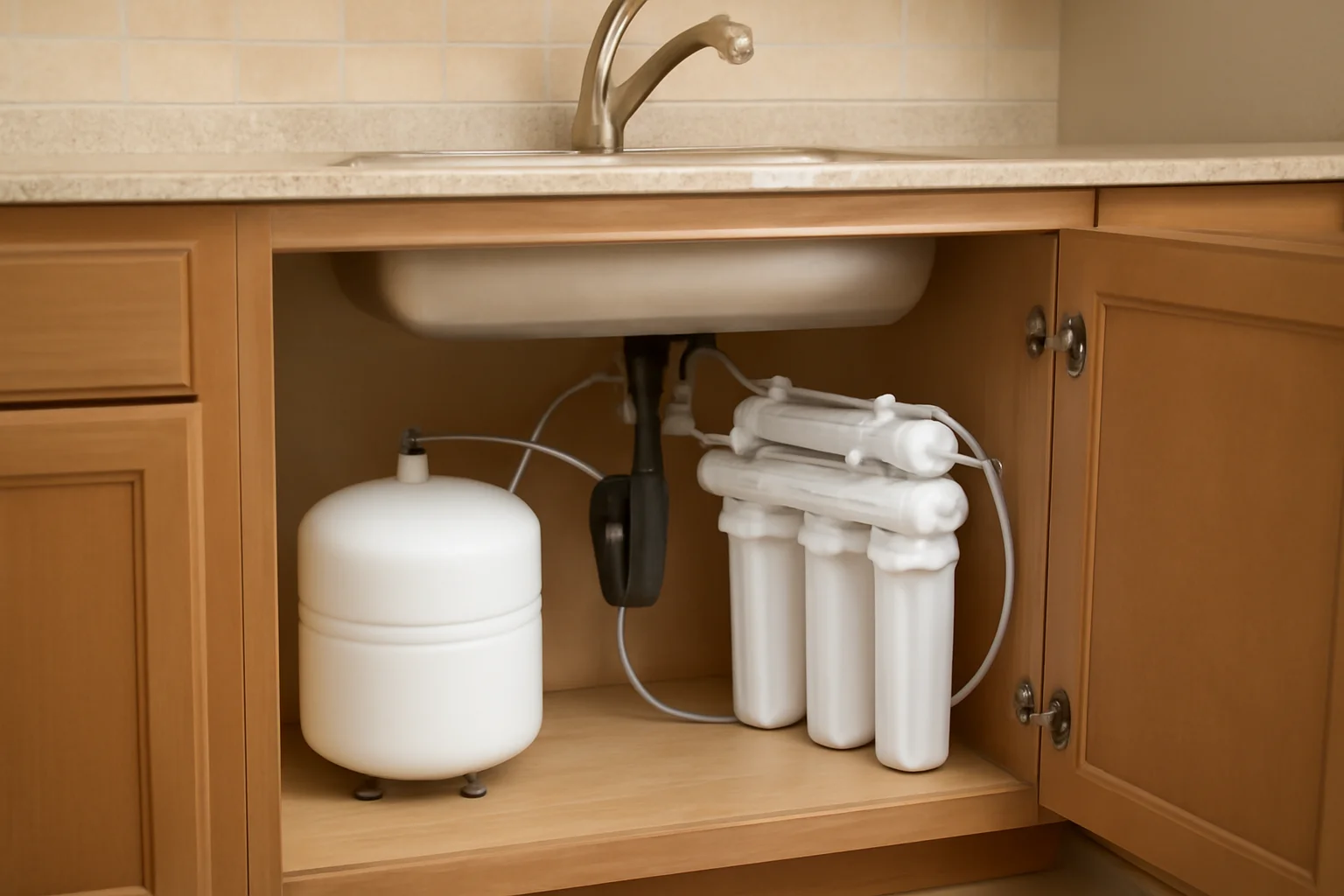
Freeport homes rely on reverse osmosis for clean, great-tasting drinking water and convenient RO drinking water system water for coffee, cooking, and even everyday rinsing. But homeowners often notice that RO performance changes over time. Taste can shift, ice cubes may look cloudy, and you might start seeing scale buildup on faucets, showerheads, and plumbing. The good news is that better water treatment upstream can make a big difference for how your reverse osmosis system works day to day.
At A Superior Mechanical, we help Freeport families dial in reverse osmosis installation and maintenance with the right filtration and water softening approach for local conditions. If you are searching for water treatment near me or reverse osmosis system near me, this guide explains why pre-treatment matters and what to watch for in your home.
Why reverse osmosis needs help before it filters
Reverse osmosis is a powerful process that pushes water through a semi-permeable membrane. That membrane is what produces cleaner water by reducing contaminants. However, the membrane is also sensitive to the things that commonly show up in home water, especially in areas where hard water, suspended sediment, and chlorine taste in water can be present.
When water enters an RO system with high hardness, fine particles, or dissolved minerals, it can lead to:
- Scale buildup on faucets and other fixtures, which is often the same mineral story impacting your RO membrane.
- Clogging or faster wear of RO components, including pre-filters.
- Reduced flow, slower production of RO drinking water system water, and more frequent filter changes.
- More noticeable taste issues, such as metallic or chlorinated notes.
- Cloudy ice cubes, especially when the source water contains dissolved solids or fine particulates.
That is why better water treatment is not just “extra.” It is a way to protect your RO system so it can perform as intended, producing clean water consistently for the whole household.
Hard water in Freeport: the everyday clue that RO needs pre-treatment
In Freeport, many homeowners know hard water by how it looks and feels. You may see hard water spots on glass after dinner guests leave the kitchen. Dishes might come out with a film that does not rinse cleanly. You might notice scale buildup around faucets and showerheads. Over time, fixtures can look dull, and plumbing can collect mineral deposits.
Hard water can also show up in bathing. If you have started to notice dry skin or dull hair after bathing, it may not be only about soap. Mineral content can interfere with how soap lathers and rinses. When soap does not lather well, it often feels like you are using more than usual, yet you still do not get that clean rinse.
For reverse osmosis systems, hardness matters because it can contribute to scaling. When scaling happens in or near RO components, the system has to work harder, and the membrane can foul sooner. Better water treatment, often including water softening, helps reduce that risk.
Chlorine taste, sediment, and the “kitchen test” for your RO system
Freeport kitchens are where water quality becomes obvious. Think about the first pour of the day: drinking water from the RO faucet, coffee brewed from RO water, and cooking water used for pasta or rice. If your water has a chlorine taste in water or a metallic taste, you will notice it even if the rest of the system seems to be operating.
Some common signs that your RO system may need better pre-treatment include:
- Poor tasting coffee and cooking water that tastes flat or off, even after you clean the kettle.
- Visible sediment or discoloration in the supply, which can affect the RO feed and pre-filters.
- Odor concerns that come and go, especially if source water conditions change.
- Cloudy ice cubes that look white or milky in the freezer tray.
Pre-treatment steps such as carbon filtration for taste and odor, along with sediment reduction, can help protect your RO membrane. That often leads to better tasting drinking water and more stable RO performance.
How water softening supports reverse osmosis performance
Water softening is one of the most common upgrades we recommend when hard water is part of the picture. Softening reduces hardness minerals that can cause scaling. When those minerals are controlled, your RO system can run more efficiently and membranes often last longer.
For homeowners, the benefits are not limited to the RO faucet. When hard water is reduced throughout the home, you typically see improvements like:
- Less scale buildup around faucets and showerheads.
- Dishes that rinse cleaner with less film.
- Soap that lathers and rinses better, which can make bathing more comfortable.
- Appliances that wear out slower, because scale is a major driver of buildup in water heaters and other equipment.
If you are searching for water softener service near me, it is worth asking how softening can work together with reverse osmosis installation near me. In many homes, the best results come from pairing RO with a proper softening and filtration setup rather than relying on RO alone.
Whole home water filtration can reduce stress on your RO system
Many Freeport homeowners start with an RO faucet for drinking water, then gradually realize that the entire home water routine is affected by the same source water. That is where whole home water filtration comes in.
A whole house water filter can help with:
- Sediment control so RO pre-filters do not clog as quickly.
- Consistent water quality for bathing, laundry, and appliance use.
- Cleaner-feeling water that makes daily routines more pleasant.
When you protect the water entering your RO system, you can often reduce the frequency of filter changes and maintain a steadier output. This matters for families who rely on RO water for more than drinking, such as cooking water, ice production, and filling refillable bottles.
For homeowners looking at water filtration near me and clean water systems near me, we often recommend reviewing whether a whole home filtration strategy makes sense alongside an RO drinking water system.
AO Smith water filtration: building a cleaner water path for RO
Not all filtration is the same, and the order matters. Many homeowners in Walton County evaluate options like AO Smith water filtration because of the brand’s focus on residential water treatment. While every home is different, a well-designed system typically includes multiple stages that work together.
In a properly planned setup, the goal is to:
- Remove particles that can foul membranes.
- Address taste and odor issues that come from chlorine or other compounds.
- Reduce hardness through water softening or other appropriate conditioning.
- Deliver a stable feed to the RO membrane so it can produce consistent, cleaner water.
If you are considering reverse osmosis installation near me, ask about the full treatment train. A Superior Mechanical can help you map the right components for your home’s water conditions, including whether AO Smith water filtration products fit your goals.
What better pre-treatment looks like in everyday life
It is easy to think of reverse osmosis as a single “on and off” solution. In reality, water treatment is a chain. When that chain is well designed, the difference shows up in normal routines.
Drinking water and the breakfast routine
Picture a typical morning in Freeport. Kids grab water bottles. Adults make coffee. Someone fills a glass for the table. When pre-treatment is correct, you are more likely to get better tasting drinking water with fewer metallic or chlorinated notes. Your ice cubes may stay clearer, because the water behind the RO faucet is less likely to carry fine sediment or inconsistent dissolved solids.
Cooking water that tastes right
Cooking is where small differences become big. Poor tasting coffee water is one clue, but the same issue can affect tea, soups, and pasta. When your RO system is protected by upstream filtration and proper conditioning, the water used in cooking tends to taste cleaner and more consistent.
Bathing and laundry comfort
Hard water does not just leave spots. It can leave skin feeling dry or hair looking dull after bathing. When water softening is part of your broader plan, you often see improvements in how soap lathers and rinses. That can make bathing feel more comfortable and can reduce the “must use extra detergent” feeling during laundry.
Fixtures and appliances that stay cleaner
Homeowners often notice scale buildup around faucets first. Then it spreads to showerheads and other plumbing contact points. Over time, appliances can wear out faster when mineral buildup accumulates where water flows and heats. Better water treatment that supports your RO system can help reduce scale pressure throughout your home.
Common RO problems that are really water treatment problems
Some RO complaints are symptoms of upstream issues. If you recognize any of these in your Freeport home, it is a good time to ask about water treatment service and testing, not just membrane replacement.
Slower production and frequent filter changes
If your RO drinking water system output has slowed, the pre-filters may be loading faster than expected. That can happen when sediment, hardness, or taste compounds are not being addressed before the RO step.
Metallic or chlorinated taste creeping back
When chlorine taste in water returns, it can mean carbon stages are not doing their job or the feed water conditions have changed. Better pre-treatment helps stabilize taste.
Cloudy ice cubes
Cloudy ice cubes can come from dissolved gases, fine particulates, or inconsistent water chemistry. With proper filtration and conditioning, many homeowners see clearer ice.
Soap that does not lather or rinse well
This sign points to hardness. If your home is dealing with scale buildup on glass, dishes, and fixtures, you may be trying to solve the problem with RO alone. Whole home water filtration and water softening can address the hardness affecting bathing and laundry, while RO focuses on drinking water.
Maintenance that keeps RO clean, not just “working”
Even with the right pre-treatment, reverse osmosis systems still need routine care. Maintenance helps ensure the membrane and filters remain effective and that your household continues to get clean water without surprises.
For Freeport homeowners, good maintenance typically includes:
- Monitoring and replacing RO pre-filters on schedule, based on usage and water conditions.
- Checking the RO membrane performance and system output.
- Inspecting tubing and fittings for leaks or mineral buildup.
- Verifying that any carbon or taste and odor stages are still functioning properly.
- Reviewing water softener settings if softening is part of your setup.
If your system is producing water but taste and clarity are slipping, a service visit can identify whether the issue is the RO membrane, the pre-treatment stages, or both. If you are looking for clean water systems near me, this is where professional testing and a system review help.
Freeport climate and local water conditions: why service matters here
Freeport sits in a humid coastal region of Walton County, and many homeowners experience seasonal shifts in water quality and household demands. Summer routines can increase water usage, which may also increase how quickly filters load. Also, homes in coastal areas can be more sensitive to taste and odor fluctuations and changes in how minerals behave in plumbing.
When hard water treatment becomes part of protecting fixtures and appliances, and when RO is supported by the right filtration stages, you get a more predictable water experience. That is why local water treatment service matters. A system designed for your home’s specific needs tends to deliver better daily results than a one-size-fits-all approach.
To learn more about service options in the area, you can explore our Freeport service area or review the detailed RO coverage on our reverse osmosis systems page.
Preventive steps homeowners can take between service visits
You can support your RO system with a few practical habits, especially if you are trying to stretch filter life while keeping water quality high.
- Keep up with scheduled filter and membrane changes rather than waiting for taste to decline.
- Pay attention to ice clarity and taste changes. Cloudy ice cubes or metallic tasting water can be early clues.
- Don’t ignore scale buildup on faucets. If you see it increasing, it can indicate hardness issues that will also impact RO.
- Clean the RO faucet gently and keep the area free of debris that could affect flow.
- Use RO water for what it is designed for. Many families use RO for drinking, cooking, and ice, while handling bathing and laundry with the broader home water treatment plan.
If you are managing an RO system in a home with multiple water outlets, these routines can help. You may also like Smart Plumbing Habits for Reverse Osmosis Systems in 30A Homes for practical guidance that complements water treatment.
Choosing the right setup: RO plus whole home filtration and softening
Many Freeport families end up with the best results when reverse osmosis is part of a broader clean water strategy. RO focuses on producing cleaner drinking water, while whole home water filtration and water softening help protect fixtures, appliances, laundry, and bathing comfort.
If you are exploring options like water filtration near me, it helps to think in terms of outcomes:
- Cleaner drinking water and better-tasting coffee and cooking water from the RO faucet.
- Less scale buildup around faucets and showerheads across the home.
- Dry skin or dull hair relief when hardness is reduced.
- Better daily use for dishes, laundry, and household appliances.
To explore how RO, water softeners, and whole home filtration fit together, visit our water filtration and RO water softeners landing page. For homeowners who want a deeper look at how RO supports healthier plumbing routines, see Cleaner Drinking Water and Healthier Plumbing: A Rosemary Beach Homeowner’s Guide to Reverse Osmosis Systems.
When it is time to call A Superior Mechanical
Homeowners in Freeport do not need to wait until the RO system stops working. Call a professional for a system review if you notice:
- Metallic, chlorinated, or unpleasant taste coming from the RO faucet.
- Cloudy ice cubes or visible discoloration.
- Scale buildup on faucets increasing or spreading faster than before.
- Soap that does not lather or rinse well, paired with dry skin or dull hair after bathing.
- Appliances wearing out faster or more frequent maintenance due to mineral buildup.
- Frequent filter changes or a noticeable drop in production.
These are the moments when better water treatment becomes more than a recommendation. It is the difference between a system that just runs and one that consistently delivers cleaner, better-tasting water for your family.
If you want to compare solutions for your home, start with reverse osmosis systems in Freeport and discuss whether whole home water filtration and water softening should be included. For homeowners who are also concerned about plumbing condition and long-term performance, you can review Why Professional Pipe Replacement Matters for Freeport Homes as part of protecting your home’s water infrastructure.
For families who want clean water systems near me and a reverse osmosis setup that keeps working season after season, the right pre-treatment is the foundation.
Find Reverse Osmosis Systems in Freeport, FL
If you need Reverse Osmosis Systems in Freeport, FL, visit our local service page or contact A Superior Mechanical today.
For a broader look at whole-home water filtration, reverse osmosis, and water softener options, visit our water filtration, RO, and water softener page.
Map of Freeport, FL
Frequently Asked Questions
Can I rely on reverse osmosis alone if my home has hard water?
RO can improve drinking water taste and clarity, but it does not always solve hard water effects across the home. Hardness can still cause scale buildup on faucets, showerheads, and plumbing, and it can also contribute to membrane scaling. Many Freeport homeowners get better results when RO is paired with water softening and whole home filtration.
Why do my ice cubes look cloudy even when I use RO water?
Cloudy ice cubes can be caused by dissolved gases, fine particulates, or changes in water chemistry. If your ice clarity has worsened, it can indicate pre-filter loading, carbon stage performance issues, or other feed water problems. A technician can test the water and review your RO system stages.
How do I know if my RO system needs new filters or membrane service?
Watch for metallic or chlorinated taste returning, slower RO production, cloudy water, or changes in coffee and cooking water flavor. If you are also seeing more scale buildup on fixtures, that is another clue that your overall water treatment plan may need adjustment.
Is AO Smith water filtration compatible with reverse osmosis systems?
In many homes, AO Smith water filtration components can be part of a multi-stage treatment setup that supports RO. The best configuration depends on your water test results, including hardness, sediment, and taste and odor concerns.
What is the difference between a whole house water filter and a reverse osmosis drinking water system?
A whole house water filter helps improve water quality for bathing, laundry, and fixture use by reducing sediment and other issues entering your home. A reverse osmosis drinking water system focuses on producing cleaner water for drinking, cooking, and ice by filtering through an RO membrane.
Related Articles
Photo Gallery