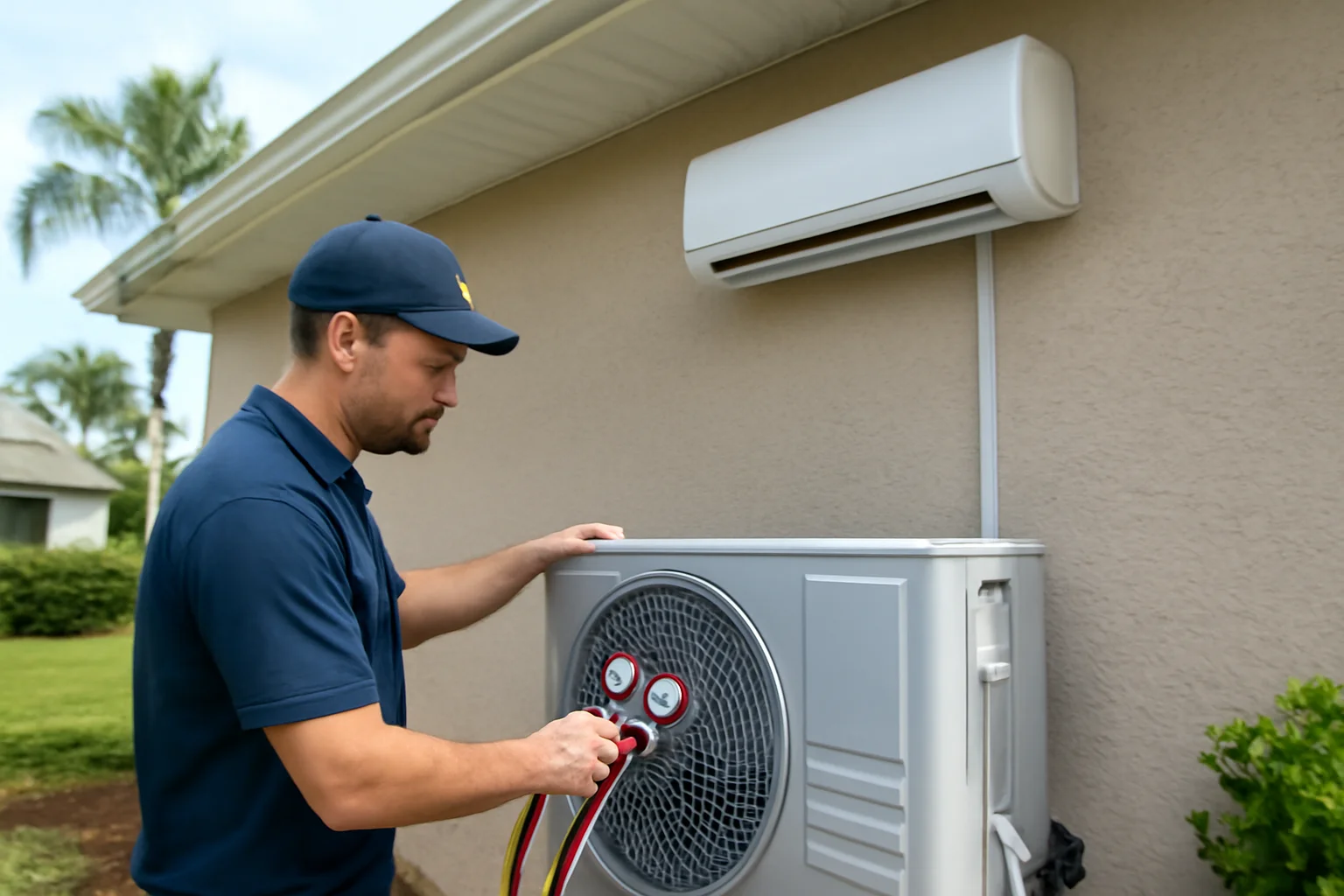
Bid-A-Wee, FL is the kind of place where comfort is not a seasonal luxury. Even when the calendar cools down, the air often stays humid, and many homes run air conditioning for long stretches. For homeowners with ductless mini-splits, that means the system is working through extended cooling seasons, sometimes in houses that were built for different HVAC expectations.
This guide explains how long cooling seasons stress ductless mini-splits in both older and newer homes in Bid-A-Wee, what symptoms to watch for, and how preventive HVAC maintenance and professional service help keep indoor air quality steady. If you are comparing options or planning ductless mini-splits installation and service in Bid-A-Wee, the details below can help you ask better questions and spot problems earlier.
Why Bid-A-Wee’s climate is hard on cooling systems
Florida heat is only part of the story. In Bay County, humidity adds a second load. When indoor humidity stays high, your mini-split has to remove moisture while also cooling the air. That added work affects airflow, the refrigerant system’s operating cycle, and condensate drainage.
Older homes in Bid-A-Wee may also have challenges that newer builds sometimes avoid: leaky ductwork or no ductwork at all, insulation that does not hold temperature well, and rooms that are hard to cool evenly. Newer homes can still face stress if they have tight envelopes, sun exposure, or occupant patterns that keep cooling demand high.
In both cases, a long cooling season means your mini-split is cycling more often and running longer. Over time, that can make small issues show up faster.
Ductless mini-splits: what actually gets stressed during long cooling seasons
Ductless mini-splits move heat using a refrigerant system, with indoor air passing over indoor coil surfaces and outdoor components rejecting heat. When the system runs frequently, several areas are more likely to see wear, reduced performance, or comfort complaints.
1) Airflow and indoor coil performance
Mini-split indoor heads pull room air across a coil and then send cooled air back into the space. Over months of operation, indoor filters can load up with dust, and coil surfaces can collect grime. When airflow slows down, the system may struggle to remove humidity effectively. You can end up with:
- Weaker cooling at the indoor head
- More noticeable temperature swings between rooms or zones
- Higher indoor humidity that makes the air feel sticky
For homeowners searching for HVAC repair near me or air conditioning repair near me, many “cooling problems” are actually airflow problems that start with maintenance.
2) Humidity load and condensate drainage
During cooling, the indoor unit dehumidifies. That moisture collects and drains through condensate drainage components. In humid Bay County summers, condensate drainage has to keep up. If drainage is restricted or improperly routed, you may notice:
- Water spotting near the indoor unit or on nearby surfaces
- Musty odors that suggest moisture is lingering
- Reduced cooling comfort because the coil area is not operating as intended
Condensate drainage issues can be subtle at first. They can also contribute to indoor air quality concerns if moisture remains where it should not.
3) Refrigerant system cycling and performance
Ductless systems are built to manage refrigerant flow and temperature transfer through controls and the sealed refrigerant system. A long cooling season can reveal problems that were not obvious during milder months, especially if a unit has:
- Operating conditions that keep demand high for extended periods
- Dirty coils or restricted airflow that forces the system to work harder
- Installation factors that affect airflow and heat rejection
It is important to note that refrigerant system performance should be evaluated by a licensed HVAC professional on site. Homeowners should not attempt refrigerant diagnosis or DIY refrigerant adjustments. If you suspect refrigerant-related issues, contact a licensed HVAC contractor near me or an HVAC company near me for an in-person assessment.
4) Outdoor unit heat rejection in salt air and Gulf coastal conditions
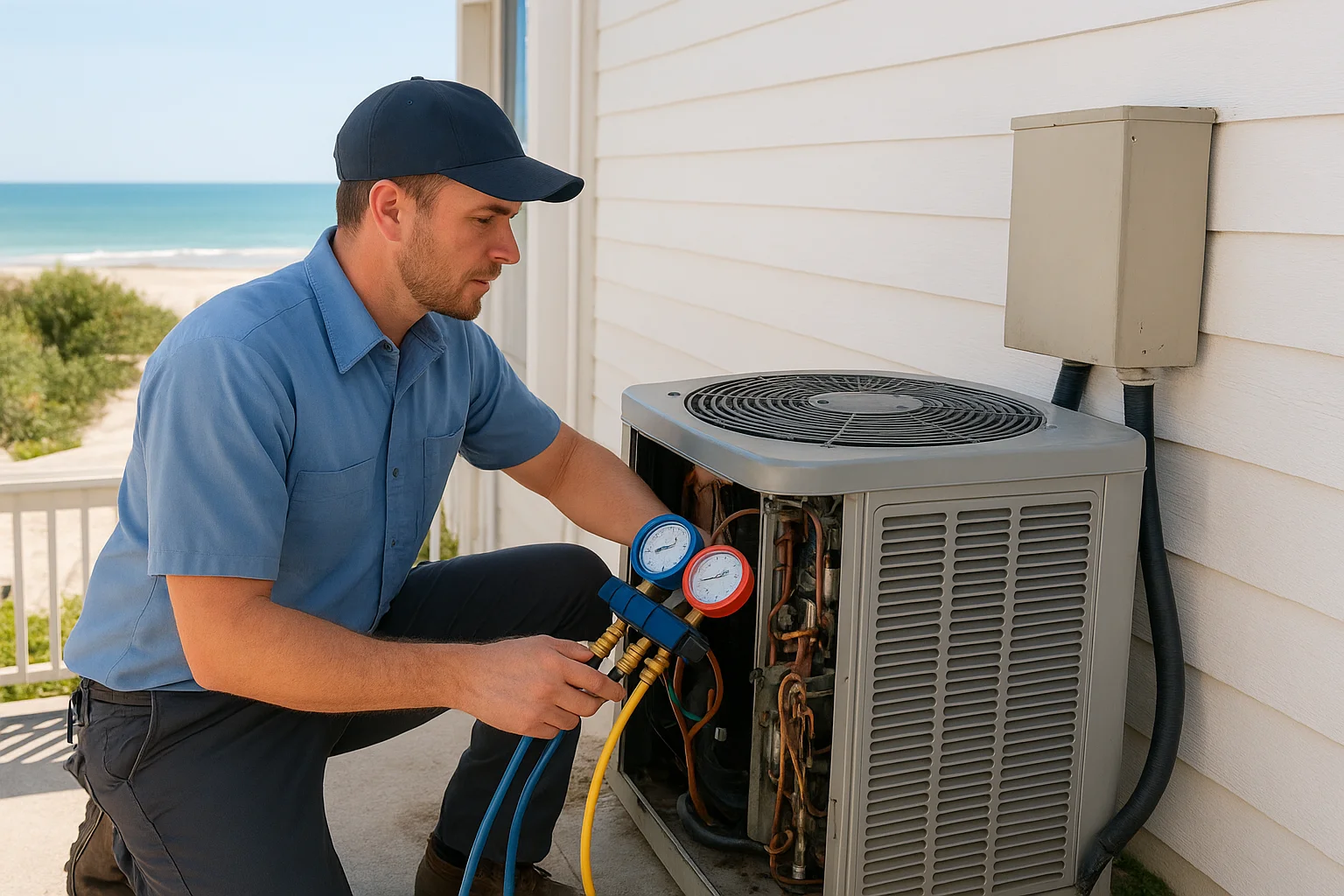
Bid-A-Wee is in Bay County, where coastal air can include salt and moisture. Over time, outdoor coils and fan areas can collect debris and corrosion. When outdoor heat rejection is less efficient, the system may run longer, cycle more, and feel like it is “never quite catching up.”
Salt air and humidity can also accelerate the need for cleaning and inspection of outdoor components. This is one reason preventive HVAC maintenance matters more locally than it does in drier climates.
Older homes vs. newer homes: why the stress shows up differently
Home age affects insulation levels, window performance, air sealing, and the overall load on your mini-split. That means the same mini-split model can behave differently from one home to another, even in the same neighborhood.
Older homes in Bid-A-Wee: comfort gaps and higher run time
Older homes may have:
- More air leakage, which can increase cooling demand
- Rooms that were added later, with uneven insulation
- Sun exposure patterns that change across the day
In these settings, ductless mini-splits can be a great solution because zoned comfort helps target the spaces that matter. Still, long cooling seasons can highlight airflow restrictions, dirty filters, and condensate drainage problems more quickly because the system runs harder.
Newer homes: tight envelopes, humidity control, and thermostat behavior
Newer construction can be tighter, which helps with energy use but can also trap humidity if ventilation and dehumidification are not well managed. Mini-splits can remove moisture, but comfort depends on correct thermostat settings, proper airflow, and correct system sizing for the space.
If you notice that the system cools but humidity stays high, that points to airflow or coil performance issues more often than it points to a simple “set it colder” fix. A professional indoor air quality services near me approach can also help you understand how your home’s ventilation and moisture sources interact with your HVAC setup.
Common symptoms homeowners notice during peak summer runs
Extended cooling seasons make it easier to detect trends. Instead of waiting for a full breakdown, pay attention to patterns.
Reduced cooling and uneven comfort across zones
If one indoor head feels weaker than another, or some rooms never reach the set temperature, start by thinking about airflow and filter loading. Also consider whether furniture placement, curtains, or blocked return air paths are limiting circulation.
Uneven comfort can also happen when a system is undersized for the current heat load, or when installation details affect airflow. A licensed HVAC contractor can evaluate your layout, zone needs, and operating behavior.
Short cycling, longer run times, or temperature swings
When a mini-split runs for a while, stops, then starts again quickly, or runs continuously without reaching comfort, it may be reacting to airflow restrictions, coil contamination, or a control issue at the thermostat level. Thermostat installation and thermostat settings matter, especially if you have multiple zones or schedule-based control.
Do not ignore repeated cycling. It can increase wear on components and raise energy use over time.
Strange sounds or vibrations from indoor or outdoor units
During long cooling seasons, small changes can become noticeable. Typical homeowner observations include:
- Rattling or buzzing near an indoor head
- Grinding sounds from outdoor components
- Fan noise that seems louder than usual
Some noises are normal during start up or defrost cycles, but persistent abnormal sounds should be checked by a professional. This is especially true if the sound changes as humidity rises.
Condensate drainage problems and moisture concerns
Look for water around the indoor unit, damp drywall, or a musty odor. If you have ever had a leak or water damage event, treat condensate drainage symptoms seriously. Moisture can impact indoor air quality and create conditions that are unpleasant for occupants.
Indoor air quality complaints that track with AC operation
When ductless systems run continuously, air quality issues can become more obvious. Homeowners may notice dust, stale air, or irritation that improves when the system is off. Dirty filters and coil buildup can contribute. A preventive approach, including filter cleaning and coil inspection, supports cleaner indoor air.
If you want to go deeper, read How Preventive HVAC Service Supports Cleaner Indoor Air in Bid-A-Wee.
Preventive maintenance that helps mini-splits survive long cooling seasons
Preventive HVAC maintenance is not just about avoiding breakdowns. It is also about keeping airflow stable, supporting humidity removal, and helping the refrigerant system operate as efficiently as it should.
Seasonal checkups before the hottest weeks
For Bid-A-Wee homeowners, planning maintenance early in the cooling season can reduce the chance of a mid-summer emergency cooling concern. A technician can inspect indoor and outdoor components, check airflow pathways, and confirm condensate drainage is clear.
If you are trying to coordinate work across multiple indoor heads, schedule sooner rather than later. Long cooling seasons can increase demand for air conditioner service near me and emergency AC repair near me.
Filter care and coil cleaning
Indoor filters are the first line of defense for airflow. Homeowners can typically clean or replace filters based on the unit’s instructions, but professional coil cleaning may still be needed for buildup that affects performance.
During humid months, coil performance matters for both cooling and dehumidification. When coil surfaces are dirty, the system may not remove moisture effectively, which can make the air feel warmer than the thermostat setting suggests.
Outdoor unit inspection in salt air conditions
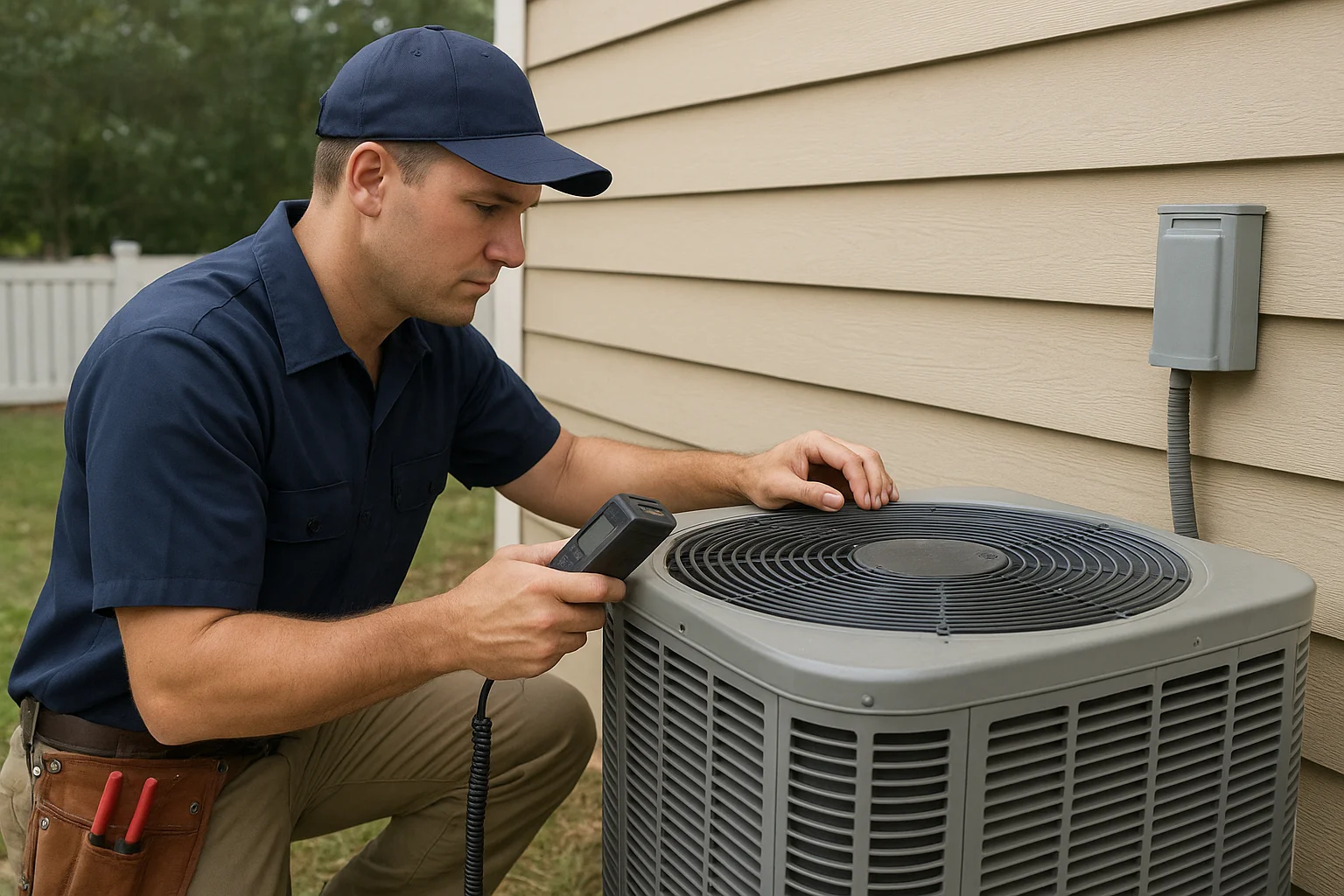
Outdoor components need attention too. Debris, vegetation, and coastal corrosion can reduce heat rejection. A technician can inspect the outdoor unit, verify airflow around the cabinet, and recommend safe cleaning practices.
If you live in an area with more exposure to salt air or wind-driven debris, the outdoor unit may require more frequent attention than a unit in a sheltered yard.
Condensate drainage verification
Condensate drainage should be checked as part of routine service. Technicians can inspect the drainage pathway, confirm proper slope and routing, and ensure that condensate can drain away without backup.
This step supports both comfort and indoor air quality because moisture issues can lead to odors and dampness.
Thermostat settings and control updates
Thermostat behavior affects how your mini-split runs. Some homeowners set aggressive temperatures to “catch up” and then leave the system there. That can increase energy use and lead to discomfort if humidity removal does not match the setpoint strategy.
Ask an HVAC professional about thermostat installation and best practices for your specific home. If you have multiple zones, confirm that each zone is controlled correctly so the system does not fight itself.
If you are evaluating a system for a property with different room loads, you may also find this helpful: Camp Creek Homes and the Case for Ductless Mini-Splits That Handle Heat, Humidity, and Uneven Rooms.
Energy use and comfort: how small issues add up over a long season
Homeowners often notice higher electric bills after a few weeks of hot weather. While energy use is influenced by many factors, HVAC performance issues can push the system to run longer than necessary.
Dirty filters, restricted airflow, and coil buildup can increase run time. Poor humidity control can also make the home feel uncomfortable even when the temperature is “set correctly,” leading to further adjustments.
Ductwork is not always part of a ductless system, but airflow still matters. Indoor head placement, air direction, and clearances around the units influence how air circulates through the space. If your home has ductwork elsewhere, duct repair or duct inspection may still matter for whole-home comfort and ventilation balance. For homeowners comparing ducted and ductless strategies, it helps to consider how airflow moves through the entire house.
When ductless mini-splits need repair versus replacement planning
Some problems are repairable, while others may point to age-related wear or installation mismatches. Homeowners should avoid guessing. A professional evaluation is the right way to determine whether HVAC repair is the best path or whether a replacement plan is more appropriate.
Repair is often the right first step
Consider repair when you notice:
- Cooling performance changes after routine operation
- Condensate drainage problems or new odors
- Unusual sounds or fan behavior
- Thermostat or zone control inconsistencies
For comfort that holds steady, professional service can restore airflow, verify system operation, and address issues safely.
If you want practical guidance on troubleshooting before a bigger failure, read Comfort That Holds Up in Bid-A-Wee Starts With Timely AC Repair.
Replacement planning may come up after repeated issues
If a system has frequent breakdowns, cannot maintain comfort, or requires repeated repairs during the same cooling season, replacement planning can be part of the conversation. If you are searching for air conditioning replacement or air conditioning installation options, ask about ductless mini-split system design for your home’s load and humidity conditions.
Some homeowners also look for HVAC financing as they plan an upgrade. Financing can help you spread out costs, but it should not replace the need for a proper evaluation of what your home needs.
Emergency cooling concerns in humid Florida: how to reduce the odds
When a ductless mini-split fails during peak heat, it can become an emergency cooling concern quickly. Humidity can make the indoor environment feel worse than the thermostat reading suggests.
You can reduce risk by:
- Scheduling preventive HVAC maintenance before the hottest weeks
- Keeping filters clean and checking indoor heads for airflow blockages
- Monitoring condensate drainage and addressing moisture signs early
- Not waiting to call when cooling performance changes or cycling becomes abnormal
When you do need help, look for a licensed HVAC contractor near me who understands ductless systems and Bay County conditions. If you are dealing with an ongoing reliability issue, professional diagnosis is the safest way to avoid guessing about refrigerant systems or controls.
Choosing the right ductless mini-split approach for Bid-A-Wee homes
“Ductless” does not mean “one size fits all.” The right approach depends on your layout, insulation, sun exposure, and how humidity behaves in your rooms. Zoned comfort can be a major advantage, especially in homes with uneven temperatures or added spaces.
If you are considering a new system or a mini split replacement near me, focus on the fundamentals that professionals evaluate in person: placement of indoor heads, outdoor unit location and airflow clearances, condensate drainage routing, and control strategy through your thermostat.
For additional local context on performance in Bay County heat, see Ductless Mini-Splits in Upper Grand Lagoon: Efficiency That Holds Up in Bay County Heat.
If you have a business or rental property, comfort and reliability matter for occupants. You can also explore Commercial HVAC Repair if your building has different usage patterns or more frequent occupancy changes.
Get help from A Superior Mechanical for ductless mini-splits in Bid-A-Wee
Long cooling seasons in Bid-A-Wee place real demand on ductless mini-splits. When airflow, humidity removal, condensate drainage, and refrigerant system performance are all working together, you get steadier comfort and better indoor air quality. When one part falls behind, symptoms show up as uneven cooling, rising humidity, odors, or abnormal cycling.
A Superior Mechanical provides ductless mini-split installation and service in Bid-A-Wee, FL. If you are dealing with HVAC repair near me requests, air conditioning service concerns, or planning mini split replacement near me, start with an in-person evaluation so the solution matches your home and your comfort goals.
Learn more about our ductless work at ductless mini-splits installation and service in Bid-A-Wee, and browse our service coverage at the Bid-A-Wee service area page and Bay County.
Find Ductless Mini-Splits in Bid-A-Wee, FL
If you need Ductless Mini-Splits in Bid-A-Wee, FL, visit our local service page or contact A Superior Mechanical today.
Map of Bid-A-Wee, FL
Frequently Asked Questions
Do ductless mini-splits really handle humidity better in Bid-A-Wee?
Ductless mini-splits can dehumidify while cooling because the indoor coil removes moisture during operation. Humidity control depends on airflow, coil cleanliness, correct thermostat settings, and proper condensate drainage. If your home feels sticky even while cooling, it is a good time for a professional inspection.
What are the first signs my mini-split needs service during a long cooling season?
Common early signs include reduced cooling at one indoor head, uneven comfort across zones, unusual cycling, rising indoor humidity, new odors, or any water near the indoor unit that suggests condensate drainage problems.
Can I fix condensate drainage issues on my own?
Homeowners can check for obvious blockages around the indoor unit, but condensate drainage should be verified professionally because moisture problems can affect indoor air quality and comfort. An HVAC technician can inspect the drainage pathway and confirm proper routing.
Should I DIY refrigerant-related troubleshooting?
No. Refrigerant system issues require in-person evaluation by a licensed HVAC professional. DIY refrigerant diagnosis or attempts to adjust refrigerant are unsafe and can lead to bigger problems.
How often should I schedule preventive HVAC maintenance for a ductless mini-split in Bid-A-Wee?
Because Bid-A-Wee has long, humid cooling seasons, many homeowners benefit from routine maintenance before peak summer demand and follow-up checks as needed based on system performance. A Superior Mechanical can recommend a local maintenance schedule after inspecting your system.
Related Articles
- How Preventive HVAC Service Supports Cleaner Indoor Air in Bid-A-Wee
- Ductless Mini-Splits in Upper Grand Lagoon: Efficiency That Holds Up in Bay County Heat
- Comfort That Holds Up in Bid-A-Wee Starts With Timely AC Repair
- Camp Creek Homes and the Case for Ductless Mini-Splits That Handle Heat, Humidity, and Uneven Rooms
Photo Gallery