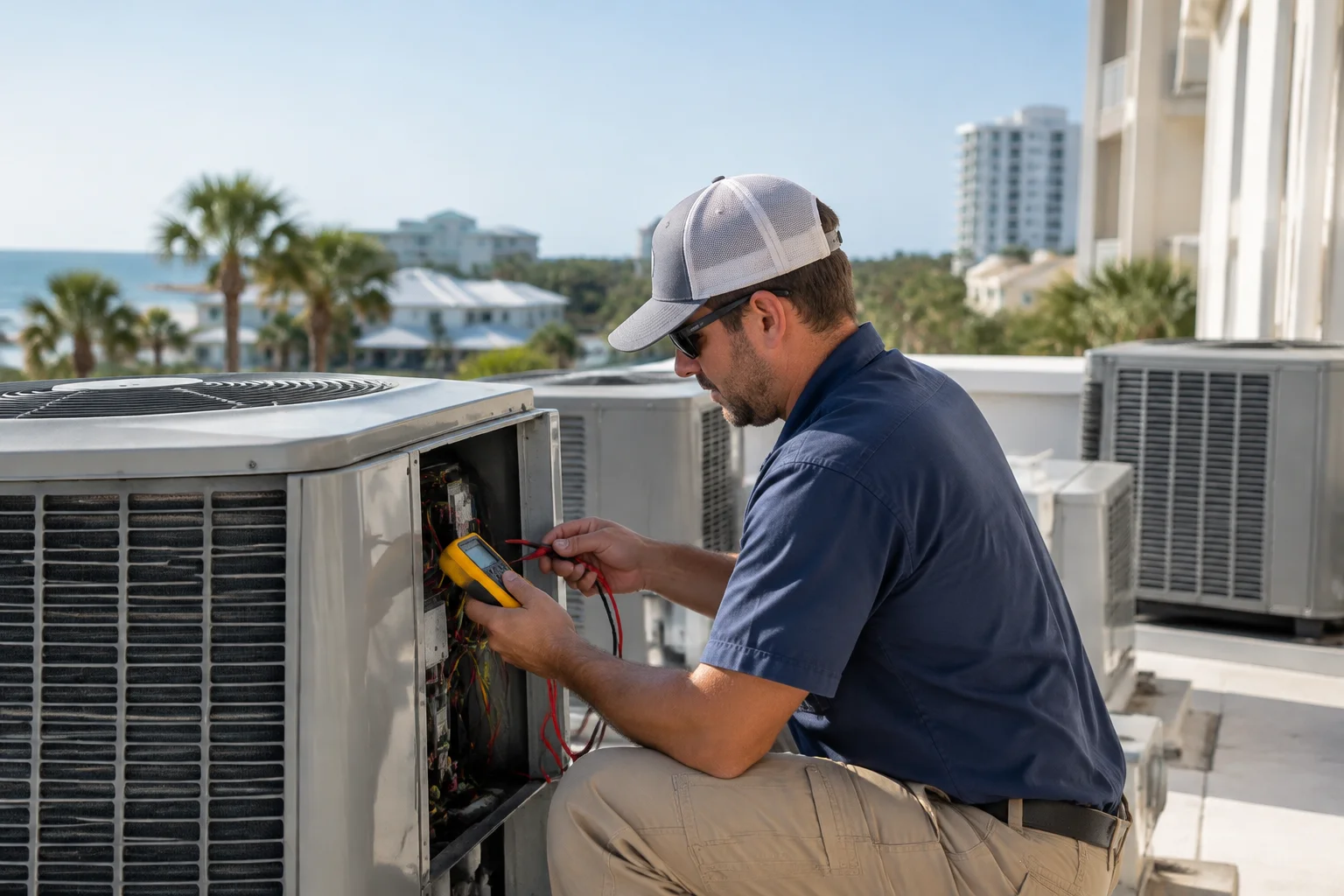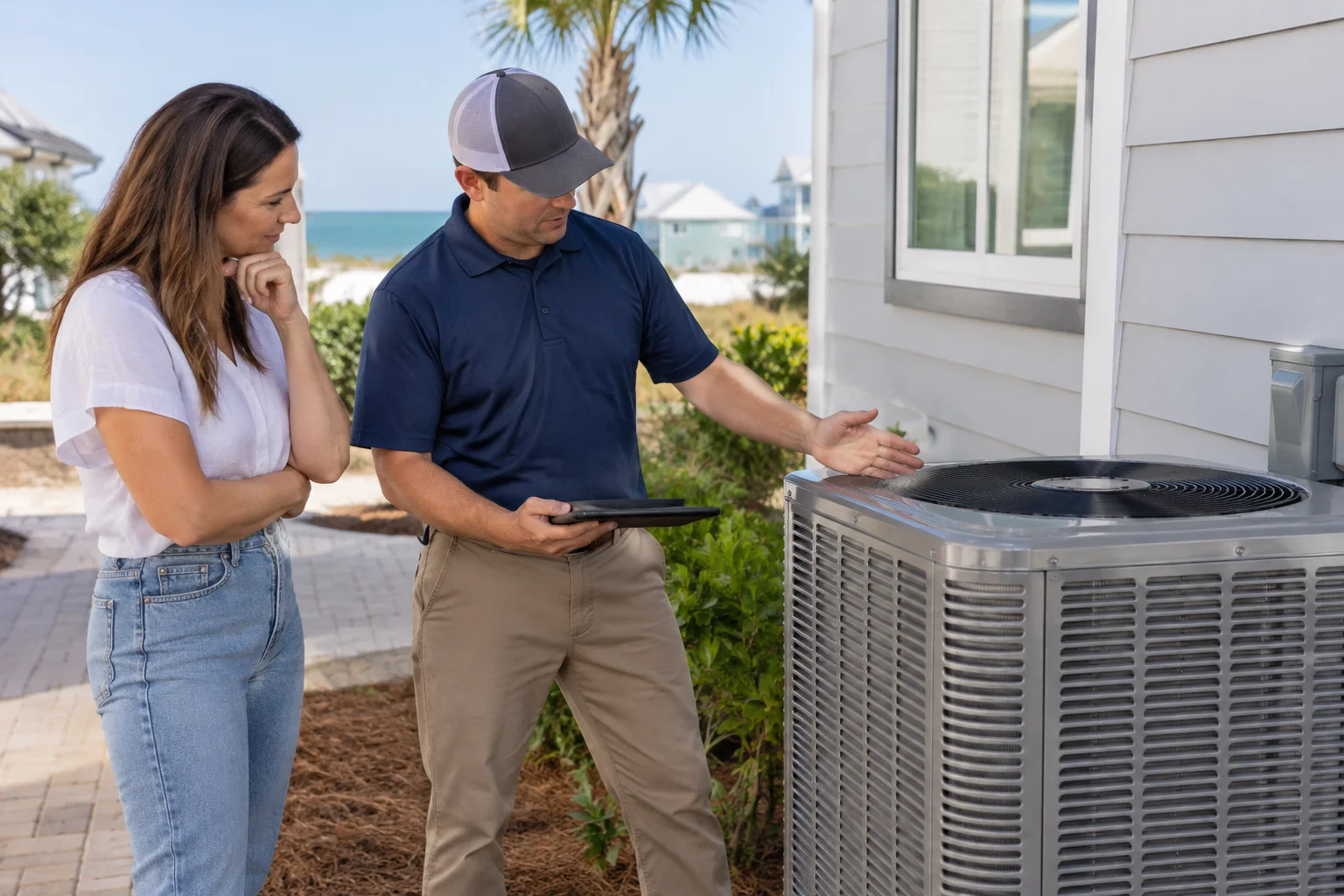
Seagrove Beach feels great when your home is properly cooled, but the same Gulf humidity that makes the air feel “sticky” can stress a heat pump system. When heat pump services are delayed, rushed, or not matched to how your home is built, homeowners often notice problems with cooling performance, airflow, and humidity control. Those issues can show up as clammy rooms, uneven temperatures, unpleasant odors, or even emergency cooling concerns during the hottest stretches of Florida weather.
Below is a homeowner-focused guide to the most common causes of heat pump problems tied to cooling and humidity management in Seagrove Beach, FL. You will also find practical prevention steps and clear signs that it is time to schedule residential HVAC service near me with a licensed local HVAC contractor.
Seagrove Beach conditions that make heat pump service harder
Heat pumps work by moving heat and managing moisture. In coastal Walton County, that job is tougher because indoor comfort depends on more than “temperature.”
- High humidity most of the year: When outdoor moisture is high, the system must remove moisture effectively during cooling.
- Salt air and coastal corrosion: Salt exposure can accelerate wear on components and affect how the system performs over time.
- Airflow challenges from older ductwork: Many homes and vacation rentals have ductwork that was never optimized for today’s humidity expectations.
- Thermostat behavior: Incorrect settings, calibration issues, or mismatched thermostat type can lead to short cycling or poor dehumidification.
When any part of heat pump service does not account for these realities, homeowners can see symptoms that look like “the AC is running but the house still feels humid.”
Cooling problems that often start with airflow issues
Airflow is the foundation of both comfort and humidity control. Your system can have the right refrigerant charge and still struggle if air cannot move through the indoor coil and ductwork the way it should.
1) Dirty filters and restricted returns
One of the simplest causes of poor cooling and humidity control is restricted airflow. When filters are clogged or returns are blocked, the indoor fan may move less air. That can cause the coil to behave differently, reducing moisture removal and increasing the chance of uneven temperatures.
What homeowners notice: Cold air feels weaker in some rooms, the system runs longer, and humidity can rise even while the thermostat shows cooling.
2) Ductwork leaks or poor duct sizing
Leaky ducts and poorly designed ductwork are common in coastal Florida homes. If cooled air is lost in attics, crawl spaces, or wall cavities, the system has to work harder to maintain temperature. Worse, the airflow balance can shift so some rooms receive more air than others.
What homeowners notice: Hot spots, rooms that never feel comfortable, and “always-on” cooling cycles.
3) Blower or fan speed not matched to the system
Heat pumps rely on correct indoor airflow across the evaporator coil. If the blower speed or control settings are off, the system can cool without removing enough moisture. This is one reason homeowners searching for air conditioning repair near me may find that the problem is not “low cooling” but inadequate dehumidification.
Humidity problems tied to condensate drainage and coil performance
During cooling, a heat pump’s indoor coil removes moisture from the air. That moisture must drain properly through condensate drainage. If drainage or coil conditions are off, humidity can remain trapped indoors.
4) Condensate drain clogs or incorrect drainage slope
A clogged condensate line can cause water to back up or prevent proper moisture removal. Some homes show it as a musty smell, dampness, or water around the indoor unit. Even if water is not obvious, a partially restricted drain can still contribute to comfort issues and indoor air quality problems.
What homeowners notice: A damp odor, visible moisture near the air handler, or humidity that stays high despite cooling.
5) Coil buildup from dust, salt residue, or hard-to-control indoor air
Coil surfaces are where moisture removal happens. If coils are dirty, blocked, or not cleaned as part of routine maintenance, airflow resistance increases and the system’s ability to dehumidify can drop.
What homeowners notice: Reduced cooling comfort, higher humidity, and longer run times.
6) Refrigerant system issues that affect moisture removal
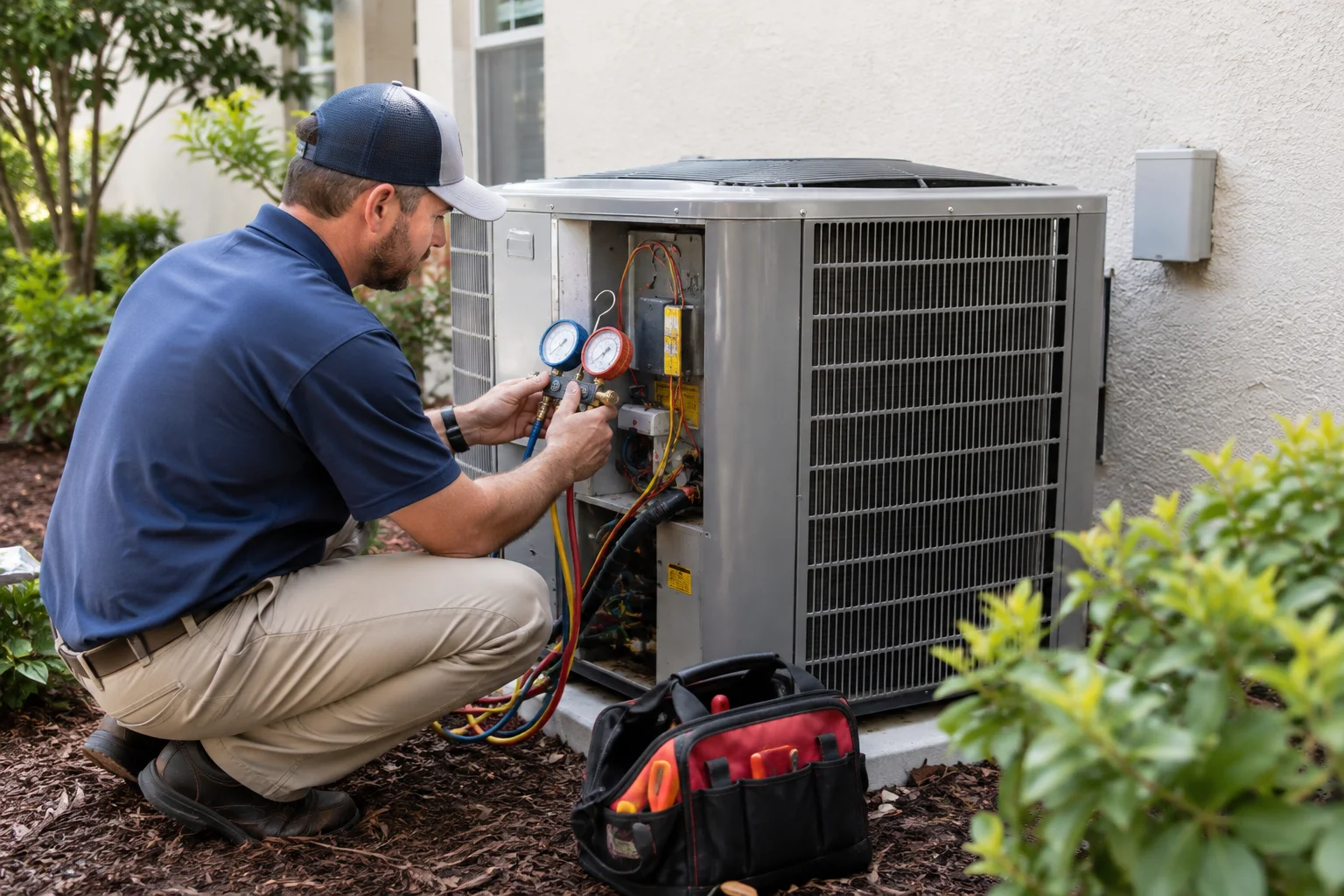
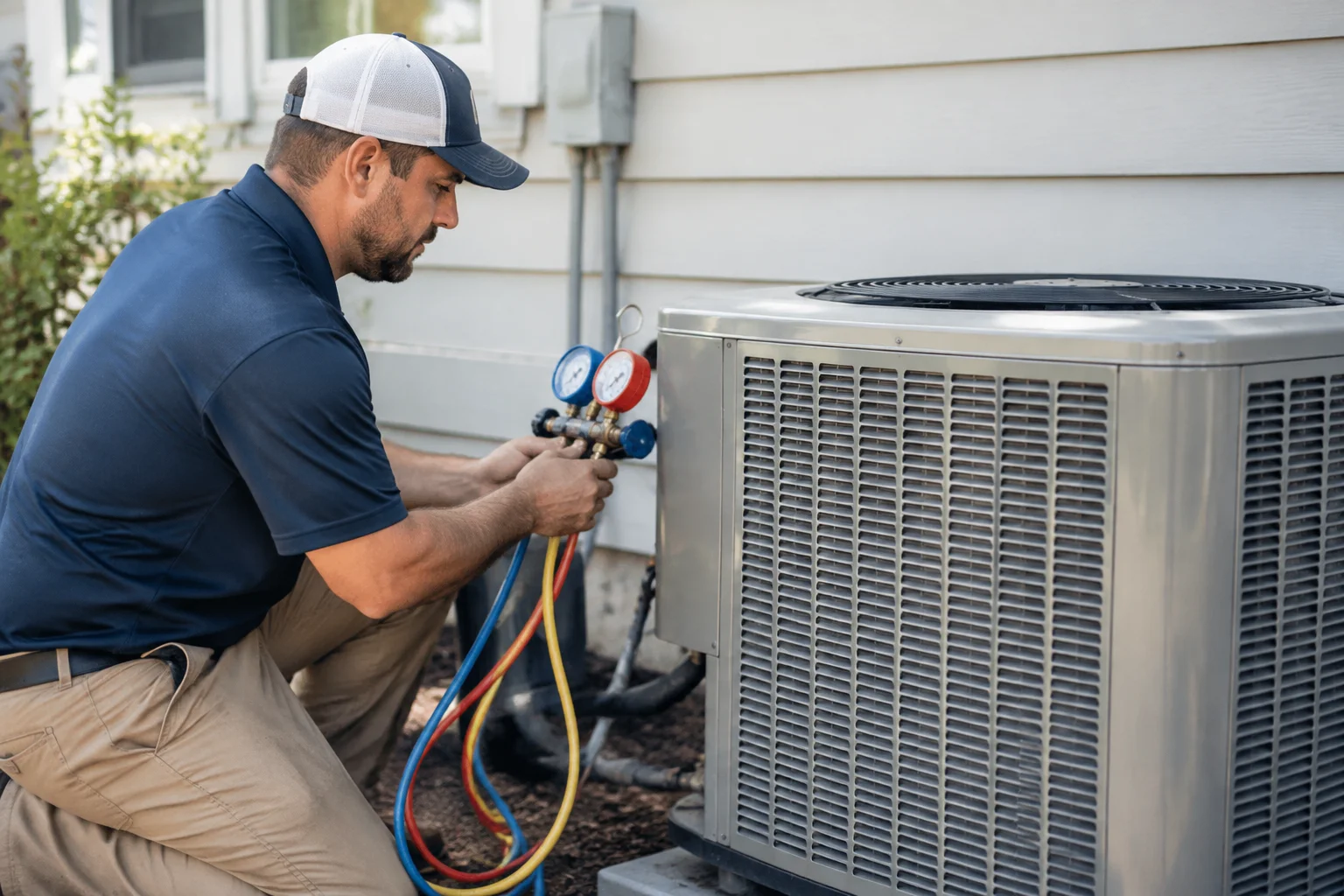
Refrigerant systems are designed to operate within specific ranges. However, homeowners should not attempt to diagnose refrigerant charge or system faults themselves. Refrigerant performance problems can lead to improper coil temperatures and reduced moisture removal, but confirming the root cause requires on-site measurement and evaluation.
What homeowners notice: Cooling that seems weak, inconsistent comfort, or symptoms that do not match simple filter or thermostat issues.
If you suspect a refrigerant-related heat pump repair, a licensed HVAC contractor near me should inspect the system in person before any refrigerant diagnosis or service decisions are made.
Thermostat settings and control behavior that sabotage dehumidification
Even when the equipment is healthy, thermostat behavior can reduce comfort. In Seagrove Beach, humidity control is often the difference between “cool” and “comfortable.”
7) Fan settings left on “ON” or “Auto” incorrectly
Some thermostats allow the fan to run continuously. Continuous fan operation can increase air mixing, but it can also change how long the coil stays at the right conditions to remove moisture. If the system’s control strategy is not aligned with your home’s ductwork and humidity patterns, it may not dehumidify well.
8) Incorrect thermostat placement or calibration drift
Thermostats installed near heat sources, in direct sun, or behind furniture can read temperatures that do not reflect the living space. That can cause short cycling or delayed responses, which can reduce total moisture removal time.
What homeowners notice: The thermostat reads “cool enough” while rooms feel humid, or the system cycles too frequently.
9) Heat pump mode settings and staging behavior
Heat pumps have different operating modes for heating and cooling. If a home uses the wrong mode, or if the thermostat triggers stages in a way that does not match the system, the equipment may run without achieving the humidity goals.
If you are considering Heating Control Systems, ask a technician how thermostat control affects humidity management, not just temperature.
Service mistakes that lead to repeated heat pump problems
Homeowners sometimes schedule heat pump services expecting a one-time fix, but recurring issues often point to service gaps. These are common areas where a repair or maintenance visit can fail to fully solve the comfort problem.
10) Skipping airflow checks during heat pump repair
When technicians focus only on visible issues and do not evaluate airflow and duct performance, homeowners may see the same symptoms return. Proper heat pump service should include checking how air moves through the indoor unit and ducts, especially when humidity is the main complaint.
11) Not addressing ductwork and return air problems
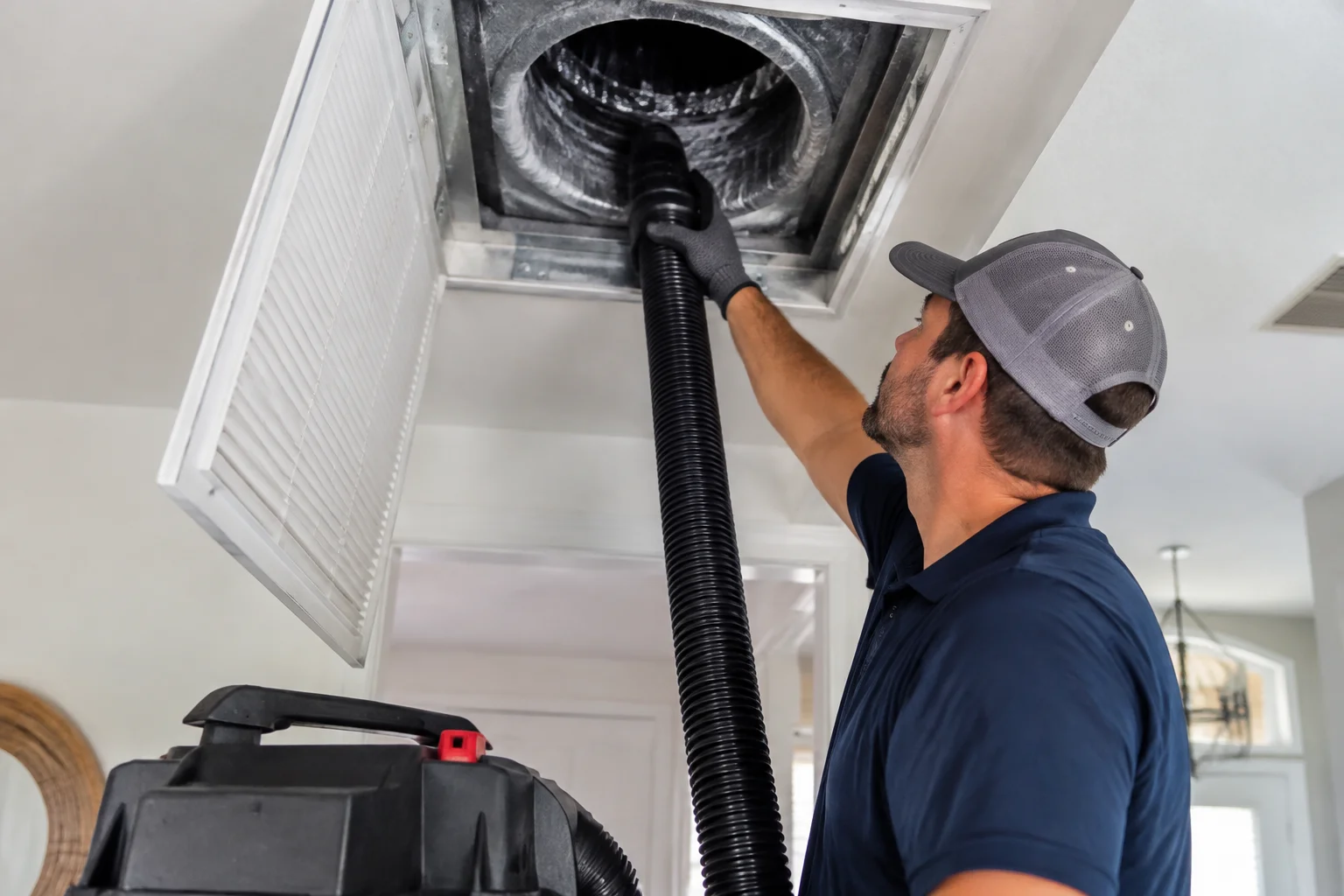
Some homes have returns that pull air from areas that are not ideal, or ducts that leak into hot attics. If the duct system is not evaluated, the heat pump may continue to struggle. That is why ductwork matters for both cooling comfort and indoor air quality services near me.
12) Incomplete condensate drainage inspection
A condensate line can partially drain and still cause moisture problems. If the drain pan, line, and related components are not inspected, you may see humidity issues persist even after a repair.
13) Maintenance that only targets temperature
Preventive HVAC maintenance should consider humidity control and system balance. A maintenance visit that only checks the unit while ignoring filters, airflow, duct leakage, and indoor air quality factors may leave the underlying comfort problem unchanged.
How poor indoor air quality can be mistaken for “humidity”
In Seagrove Beach, homeowners often describe problems as “too humid,” but indoor air quality can also contribute to how the air feels and smells. When the system runs inefficiently or filters are not effective, contaminants can accumulate and the home can feel stale.
That includes dust, pollen, and moisture-related odors, especially in vacation rentals where occupancy schedules change. If you manage a rental property, comfort consistency becomes even more important.
You can explore strategies for consistent comfort in Keeping Seagrove Beach Rentals Comfortable with Smarter HVAC Management.
Why salt air and coastal corrosion can show up after “service”
Even when a heat pump repair is performed correctly, coastal exposure can change how components perform over time. Salt air can accelerate corrosion on exterior sections, and that can affect heat exchange efficiency and moisture handling.
What homeowners notice: Cooling comfort that declines over the season, recurring performance issues after a period of good operation, or unusual noises during operation.
Professional service matters because a technician can evaluate how coastal conditions are affecting airflow, coil surfaces, and system controls. That is also where a licensed HVAC contractor near me can help homeowners separate normal seasonal wear from a specific equipment or ductwork problem.
Energy use spikes and comfort tradeoffs when the system is not balanced
Florida heat pushes systems to run longer. When airflow is restricted, condensate drainage is not functioning well, or humidity removal is inadequate, energy use can rise because the heat pump spends more time trying to reach setpoint temperatures.
Homeowners may notice:
- Higher utility bills during humid weeks
- Long run times without feeling “dry” or comfortable
- More cycling, which can reduce comfort consistency
These patterns are a reason to pair heat pump services with preventive HVAC maintenance. If you are looking for a broader approach, consider reading A Practical Plan for Cleaner Air and More Reliable HVAC in Seagrove Beach.
Signs your heat pump service needs a more thorough look
Any one symptom can have multiple causes, but several together often point to airflow, humidity control, or system balance issues.
- Cooling runs continuously but humidity stays high
- Rooms feel clammy even though the thermostat reads “cool”
- Uneven temperatures between rooms or floors
- Musty or damp odors that increase during cooling season
- Water around the indoor unit or signs of condensate problems
- Frequent cycling or short run times
- Visible dust buildup around vents or on registers
When homeowners search for HVAC repair near me, they often want the fastest fix. The best outcome usually comes from a technician who can evaluate airflow, ductwork, condensate drainage, thermostat behavior, and refrigerant system performance as a connected comfort system.
Prevention that helps keep cooling and humidity in balance
Preventive steps are especially valuable in Seagrove Beach because the environment can overwhelm systems that are already running at less-than-ideal performance.
Replace filters and protect airflow
Use the filter type recommended for your system and replace it on schedule. If anyone in the home has allergies or if the home is a vacation rental, you may need more frequent changes during peak pollen and humidity periods. Restricted airflow can undermine both cooling and dehumidification.
Schedule HVAC maintenance before the hottest stretches
Heat pump services should not wait until comfort is already failing. A maintenance visit can help identify clogged condensate drainage pathways, airflow restrictions, and performance issues that worsen in Florida heat.
Check ductwork for leaks and airflow imbalance
Ductwork issues can be subtle. Small leaks and poor airflow balance can raise humidity because the coil does not operate under the right airflow conditions. Ask about ductwork evaluation as part of your residential HVAC service near me plan.
Consider whole-home dehumidification if humidity remains high
If your home consistently feels damp even with normal cooling, you may need additional humidity control. A technician can discuss options such as Whole Home Dehumidifiers and how they integrate with your heating and cooling strategy.
Use thermostat scheduling that supports dehumidification
Thermostats can help you avoid comfort swings. A professional can recommend thermostat settings and placement for humidity management, and if you need upgrades, you can explore Heating Control Systems.
When humidity issues become an emergency cooling concern
Severe Florida heat can turn a comfort problem into a safety issue quickly, especially for children, older adults, and anyone with health conditions that are sensitive to high temperatures and humidity.
Call for emergency AC repair near me or immediate HVAC service if you notice:
- The system stops cooling during peak heat
- Indoor temperatures rise rapidly
- You see water overflow or significant condensate drainage problems
- There are unusual smells or signs of severe moisture accumulation
Because refrigerant systems, condensate drainage, and thermostat controls all interact, an in-person evaluation is the right starting point. Avoid DIY attempts to diagnose refrigerant or make electrical-related changes.
Repair versus replacement: what homeowners should consider
Some comfort problems are resolved with heat pump repair, while others may point to a system that no longer matches the home’s needs. Salt air, ductwork limitations, and aging components can all contribute to recurring performance issues.
A Superior Mechanical can help you understand whether the best path is repairs, ductwork upgrades, or a new AC installation. If replacement is part of the conversation, homeowners can review Air Conditioning Replacement for guidance on planning the next step.
For homeowners also thinking about new comfort systems, it helps to review how your home is built and how that affects airflow and humidity. That is why local expertise in Seagrove Beach and Walton County matters, not just the equipment name on the label.
Why local, licensed heat pump service matters in Walton County
In Seagrove Beach, heat pump performance depends on humidity management, airflow, condensate drainage, and how your ductwork handles coastal loads. A technician who regularly services homes in the area is more likely to understand the patterns behind the complaints, including common duct limitations and the way salt air can contribute to wear.
If you are comparing options, look for a licensed HVAC contractor near me who can evaluate the system as a whole, explain what is driving cooling and humidity issues, and recommend prevention steps that fit your home and lifestyle. You can also explore additional guidance through A Superior Mechanical’s service area pages like /service-areas/walton-county/seagrove-beach and book heat pump service through /service-areas/walton-county/seagrove-beach/heat-pump-services-seagrove-beach-fwbmb.
Related comfort upgrades that can support humidity control
Sometimes the best solution is not only a repair, but also a system upgrade that improves how your home handles humidity and air quality.
- Better airflow and reliability through installation quality: If your system was not installed with balanced airflow in mind, future service can be harder. See Building Better HVAC Reliability for Seagrove Beach Businesses Starts With the Installation for the installation mindset.
- Cleaner air and dependable operation: A comfort plan that targets filtration, maintenance, and airflow can improve indoor air quality. Read A Practical Plan for Cleaner Air and More Reliable HVAC in Seagrove Beach.
- Commercial comfort needs: Larger spaces can amplify airflow and humidity issues. For business owners, How Better Commercial HVAC Repair Helps Seagrove Beach Homes Stay Protected explains the broader approach.
For new builds, airflow and comfort planning should start early with correct equipment sizing and duct design. If you are working on a new home or major remodel, review New Construction HVAC.
Find Heat Pump Services in Seagrove Beach, FL
If you need Heat Pump Services in Seagrove Beach, FL, visit our local service page or contact A Superior Mechanical today.
Map of Seagrove Beach, FL
Frequently Asked Questions
Why does my heat pump run but my Seagrove Beach home still feels humid?
Humidity staying high usually points to insufficient moisture removal. Common causes include restricted airflow from filters or ductwork, coil conditions that reduce dehumidification, thermostat control settings that change run time, or condensate drainage problems. A Superior Mechanical can inspect the system in person to identify the underlying cause.
Can ductwork problems make heat pump cooling and humidity control worse?
Yes. Leaks, poor duct sizing, and imbalanced airflow can prevent the indoor coil from operating with the right air volume. That can lead to uneven temperatures and less effective dehumidification, even when the heat pump appears to be working.
What role does condensate drainage play in humidity control?
During cooling, the indoor coil removes moisture and the system drains that condensate. If the condensate drain is partially clogged or not draining correctly, moisture can remain indoors and comfort can suffer. Visible overflow or damp odors are strong reasons to schedule service.
Should I try to adjust refrigerant myself if cooling seems weak?
No. Refrigerant-related issues require an in-person evaluation with proper tools and procedures. DIY refrigerant work can create safety risks and can worsen system performance if the underlying cause is not confirmed.
When is emergency AC repair necessary in Seagrove Beach?
If your system stops cooling during extreme heat, indoor temperatures rise quickly, or you notice significant condensate overflow or severe moisture-related odors, treat it as urgent. Contact an HVAC professional for emergency cooling support so your home stays safe and comfortable.
Related Articles
- Building Better HVAC Reliability for Seagrove Beach Businesses Starts With the Installation
- A Practical Plan for Cleaner Air and More Reliable HVAC in Seagrove Beach
- How Better Commercial HVAC Repair Helps Seagrove Beach Homes Stay Protected
- Keeping Seagrove Beach Rentals Comfortable with Smarter HVAC Management
Photo Gallery