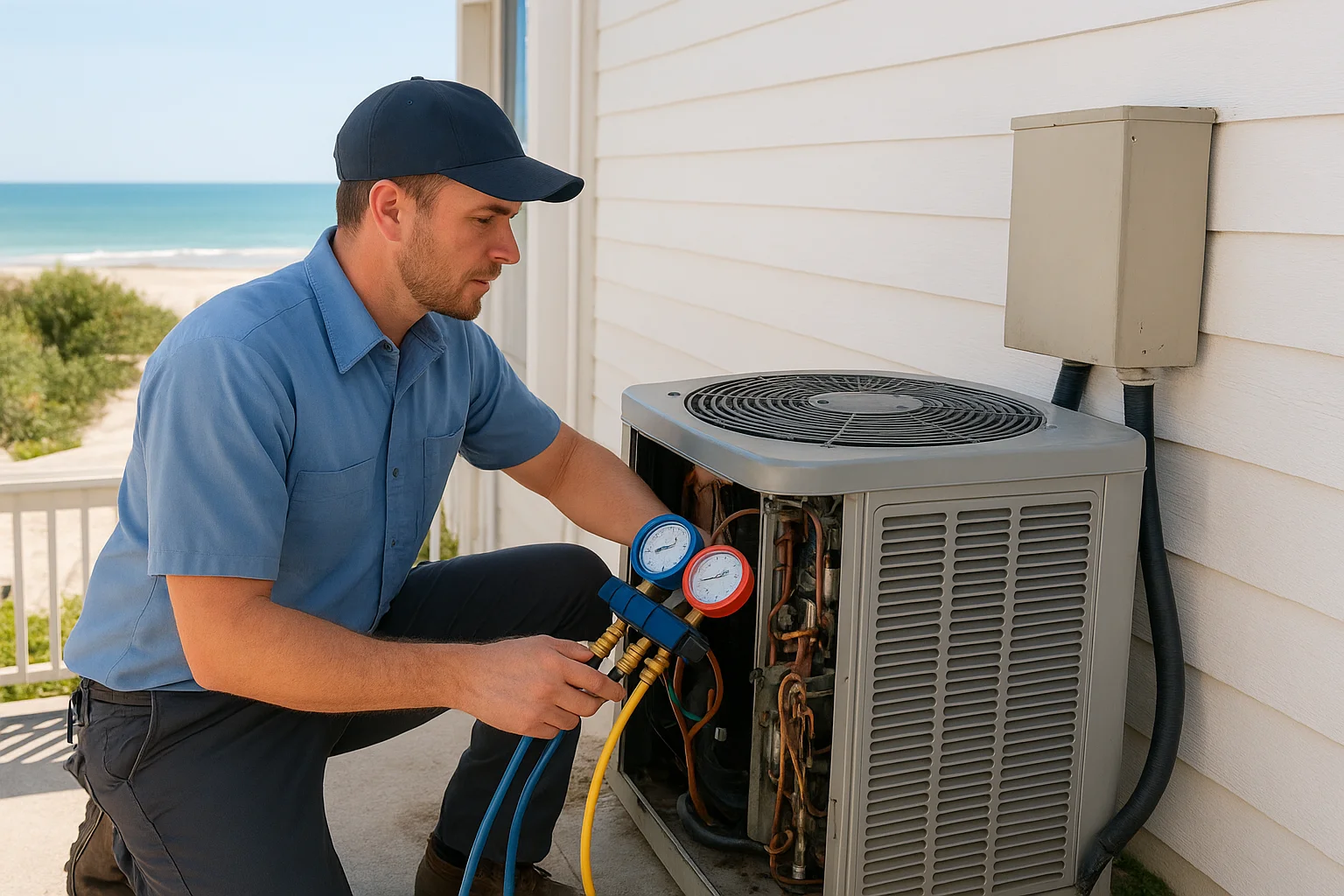
In Fort Walton Beach, HVAC reliability is not just about whether your system can cool. Florida heat, humidity, and salt air put real stress on heating control systems too, especially when thermostats, zoning controls, and airflow paths do not work together the way they should. When a control system starts to drift, homeowners often notice comfort issues first. If those warning signs get ignored, the problem can spread into refrigerant systems, condensate drainage, and the parts that make your heat pump or furnace cycle correctly.
This guide covers the most common HVAC warning signs that are connected to heating control systems. You will also find practical steps to reduce risk, improve indoor comfort, and protect your budget in Okaloosa County. For installation, repair, or upgrades, you can explore heating control systems in Fort Walton Beach and review our Fort Walton Beach service area coverage. If you manage multiple properties, the county-wide page at /service-areas/okaloosa-county can help you plan maintenance across locations.
Why heating control systems matter in Fort Walton Beach
Heating control systems coordinate how your HVAC equipment responds to indoor conditions. They typically include the thermostat, control board logic, sensors, zoning components (if your home has them), and how the system manages airflow. In a heat pump setup, the controls also influence how the system switches modes and how it stages heating output.
In Fort Walton Beach, the environment makes control accuracy more important. Humidity affects comfort and airflow performance. Coastal salt air can contribute to corrosion on components over time. And the way your ductwork distributes air can change how quickly the thermostat senses temperature. When those factors are off balance, the system may cycle too often, run longer than needed, or fail to respond properly during hot spells and cooler evenings.
That is why heating control warning signs are often comfort-related at first, then become operational issues. Homeowners searching for HVAC repair near me are frequently surprised to learn that the root cause was control behavior, not only the heating or cooling equipment itself.
Everyday warning signs linked to heating control problems
1) The thermostat setting does not match what you feel
If you set the thermostat to a specific temperature and the home never reaches it, the issue may be more than a dirty air filter. Heating control systems rely on accurate sensing. Problems can include a thermostat that is out of calibration, a sensor that reads incorrectly, or control logic that is not configured for your system type.
Common homeowner observations include:
- Rooms that feel consistently warmer or cooler than the thermostat location
- Frequent temperature swings, where the home overshoots and then drops back
- Heating or cooling that seems to run but never stabilizes
In Fort Walton Beach, ductwork and airflow distribution can amplify this. If supply vents are blocked or return airflow is restricted, the thermostat may “see” the wrong temperature, prompting unnecessary cycling.
2) Short cycling or frequent on-off behavior
Short cycling is one of the most expensive control-related patterns because it increases wear on compressors and other moving parts. Heating control issues can contribute when the thermostat or zoning controls do not allow steady airflow or when the system is receiving confusing signals.
Possible causes tied to heating control operation include:
- Zoning dampers that are sticking or not opening fully
- Airflow settings that are not aligned with your ductwork and blower behavior
- Thermostat schedules that trigger rapid mode changes
If you see a pattern where the system turns on and off repeatedly within a short period, that is a strong reason to schedule air conditioning repair near me or heating control service. A technician can evaluate whether the control system is driving the behavior and whether airflow and ductwork performance are contributing.
3) Zoning that feels “stuck” or uneven
Zoning can improve comfort, but it only works when dampers, zone sensors, and thermostat logic coordinate properly. Homeowners often notice uneven heating or cooling, with one zone feeling comfortable while another never catches up.
Warning signs include:
- One zone stays too hot or too cold while others respond normally
- Rooms feel drafty because dampers open and close too aggressively
- Heating and cooling comfort changes when you adjust thermostat settings, but never truly balances
Florida humidity can make zoning problems feel worse because comfort depends on both temperature and moisture levels. When airflow is uneven, humidity removal can suffer, which can lead to musty odors and poor indoor air quality. If you are also concerned about duct inspection or ductwork services, those can be part of a full comfort assessment. You can review duct inspection and ductwork services for more details.
4) Heating or cooling that only works in one mode
Some systems seem to behave normally until you switch modes. For example, cooling may run fine but heating feels weak, or heating works but cooling response is delayed. Heating control systems handle mode selection, staging behavior, and safety checks.
When mode performance is inconsistent, it can involve:
- Thermostat configuration that does not match the equipment
- Sensor inputs that are delayed or reading incorrectly
- Control board logic that is responding to abnormal airflow conditions
Because mode behavior touches multiple system components, it is not a good idea to guess. An in-person evaluation is the safest way to avoid unnecessary parts replacement. If you are considering heat pump installation near me or upgrades, it is also important that the controls are matched to your equipment and ductwork layout.
5) Comfort problems that track with humidity
Humidity is part of life in Fort Walton Beach. When heating control systems are not managing airflow correctly, the system may not remove moisture as intended. You may notice:
- Sticky indoor feel even when temperatures seem close
- Condensation on nearby surfaces
- Musty smells that suggest moisture has been lingering
Condensate drainage is also connected to HVAC performance. If condensate drainage is slow or blocked, moisture can contribute to indoor air quality problems and can affect system operation. While condensate drainage is a separate component area, heating control behavior influences how long the equipment runs and how airflow is managed during cooling and heating cycles.
6) Unusual sounds or smells that appear after thermostat changes
Some homeowners only notice issues after changing thermostat settings or after schedule updates. That can happen when control changes trigger different operating patterns, such as switching fan speeds, adjusting staging, or changing airflow behavior.
If you hear new rattling, clicking that seems excessive, or notice burning or electrical-like smells, stop troubleshooting and contact a professional. This is especially important if the issue could involve safety controls or abnormal system operation. A licensed HVAC contractor near me can verify what the control system is commanding and whether airflow, drainage, or refrigerant systems behavior is being affected.
What causes heating control warning signs in Okaloosa County homes?
Heating control issues rarely come from one single cause. In Fort Walton Beach, multiple factors can combine.
Thermostat placement and airflow realities
Thermostats are not magic. If they are installed near a heat source, in direct sunlight, or in an area with poor airflow, they can read temperatures that do not represent the rest of your home. That mismatch can cause the system to run longer, cycle more frequently, or fail to reach stable comfort.
Also consider return airflow. If returns are blocked by furniture or if ductwork has leaks or poor distribution, the thermostat may receive misleading temperature feedback. This is one reason why pairing thermostat evaluation with ductwork services and airflow checks can prevent repeat problems.
Humidity, salt air, and corrosion over time
Coastal conditions can accelerate wear on exposed components. Salt air and humidity can contribute to corrosion at the equipment level, which may affect how controls interpret feedback signals. Even if the thermostat itself is functioning, the system may still respond incorrectly if sensors or control connections have degraded.
That is also a reason why preventive HVAC maintenance matters. Regular inspections help catch early issues before they become a full HVAC repair near me emergency during the hottest weeks.
Ductwork restrictions and airflow imbalance
Airflow is the bridge between controls and comfort. When airflow is restricted, the system may reach temperature targets too quickly or too slowly, leading to control cycling and uneven comfort. Common contributors include:
- Dirty filters
- Blocked registers or return grilles
- Leaky ducts that reduce effective airflow
- Improper duct sizing or poor layout
These issues can also affect how the refrigerant system performs because the heat transfer process depends on correct airflow. While a homeowner cannot diagnose refrigerant systems safely, controlling airflow and ensuring proper duct performance reduces the likelihood of refrigerant-related symptoms caused by airflow problems.
Outdated settings after upgrades or changes
Homeowners sometimes replace a thermostat or add smart control features without fully rechecking system settings. If the thermostat type, staging configuration, or mode settings do not match the HVAC setup, the system can behave oddly.
This is a common path to higher energy use. The system may run longer than needed, or it may not optimize heating and cooling cycles the way it was designed to.
Practical steps homeowners can take right now
Before calling for service, there are a few safe checks that can clarify whether the problem is control-related or airflow related.
Verify thermostat basics
- Check that the thermostat is not in direct sun or near a drafty exterior door.
- Confirm the system type setting matches your equipment (heat pump versus other heating sources).
- Review schedules. If comfort changes are happening after schedule updates, consider reverting to a simpler schedule temporarily.
If you are searching for thermostat installation near me or upgrades, ask the installer to verify thermostat configuration against your exact HVAC setup and duct layout.
Inspect airflow paths and filter condition
- Check return grilles for obstructions.
- Make sure supply vents are open and not blocked by furniture or curtains.
- Replace air filters if they are dirty. A clogged filter can change airflow and trigger control cycling behavior.
For homeowners focused on indoor air quality services near me, remember that filtration is only part of the picture. If humidity is high or airflow is uneven, you may need duct evaluation and maintenance as well.
Track patterns, not just symptoms
Write down when the issue happens. Note whether it occurs more often during mornings, evenings, or after humidity spikes. Also record whether it starts right after thermostat adjustments or after zoning changes. This information helps a technician evaluate the heating control system and associated airflow and comfort performance.
Why ignoring heating control warning signs can get expensive
When a control system is driving inefficient operation, the HVAC system can experience added stress:
- Higher energy use from longer run times or repeated cycling.
- More wear on compressors and blower components due to unstable operation.
- Moisture and indoor air quality concerns when airflow and condensate drainage do not align with comfort needs.
- Emergency cooling concerns during peak summer conditions, when a small control issue can become a bigger operational problem.
Fort Walton Beach summers can be unforgiving. Homeowners often do not notice the early signs until the system struggles to keep up. That is why homeowners searching for emergency AC repair near me sometimes end up paying more than necessary because the system was already operating outside normal comfort parameters.
What a professional heating control system service typically includes
A Superior Mechanical focuses on practical, comfort-first solutions for heating control systems. While every home is different, an in-person visit generally addresses the control system, the comfort outcomes, and the airflow paths that connect controls to performance.
Common service components include:
- Thermostat and control verification, including configuration for your system type
- Assessment of zoning behavior, including damper response and sensor inputs
- Airflow checks that connect comfort performance to ductwork and system operation
- Review of condensate drainage behavior when humidity-related comfort issues appear
- Recommendations for preventive HVAC maintenance to reduce repeat failures
When refrigerant systems symptoms are suspected, a professional evaluation is essential. Homeowners should not attempt refrigerant diagnosis or repairs. The same applies to electrical diagnosis or equipment replacement decisions. Controls, airflow, and system behavior must be evaluated together to avoid misdiagnosis.
Maintenance habits that support long-term HVAC reliability
Preventive maintenance is the best way to catch heating control warning signs before they cascade into larger repairs. In Fort Walton Beach, that plan should include both comfort controls and the HVAC performance they depend on.
Build a seasonal plan for heating and cooling transitions
Even though most people think about air conditioning first, heat pump and heating systems still rely on controls year-round. Seasonal transitions can reveal configuration issues, airflow restrictions, or sensor behavior that only shows up under certain operating conditions.
Keep airflow stable
Stable airflow helps controls do their job. That means clean filters, unobstructed vents, and attention to ductwork performance. If you have questions about airflow distribution, a duct inspection can help identify where comfort problems start.
Consider upgrades that match how your home actually behaves
Smart thermostats and zoning upgrades can improve comfort and energy use when they are configured correctly for your equipment and ductwork. If you are looking at new AC installation near me, heat pump upgrades, or ductless mini split installation near me, it is worth pairing equipment decisions with control strategy. The better the control setup, the fewer “mystery” comfort problems you will experience.
If your home is due for heat pump service, you can review heat pump services to align control behavior with equipment performance.
Additional reading for Fort Walton Beach homeowners
If you want a deeper look at how controls and maintenance affect day-to-day reliability, these local resources can help:
- Getting More Life Out of Heating Control Systems in Fort Walton Beach Homes
- What Fort Walton Beach Homes Can Learn From Commercial HVAC Maintenance
- Fort Walton Beach Homeowners and the HVAC Problems That Can’t Wait
For property owners managing multiple units or commercial spaces, control problems can show up differently due to schedules, zoning, and occupancy patterns. You may also find this helpful: Commercial HVAC Repair in Fort Walton Beach: What Property Owners Should Pay Attention To Before Small Problems Grow. And if you need service options, consider Commercial HVAC Repair.
When to call A Superior Mechanical
Call a licensed HVAC contractor when you see heating control warning signs that repeat, worsen, or affect comfort during peak humidity periods. It is especially important if the system shows short cycling, zoning imbalance, mode switching problems, or persistent humidity-related comfort issues.
If you are dealing with thermostat behavior that does not match the comfort you expect, the fastest path to reliable results is a visit focused on heating control systems and the HVAC performance they influence. You can start by reviewing heating control systems in Fort Walton Beach or browse our Fort Walton Beach service area for other HVAC options across Okaloosa County.
Find Heating Control Systems in Fort Walton Beach, FL
If you need Heating Control Systems in Fort Walton Beach, FL, visit our local service page or contact A Superior Mechanical today.
Map of Fort Walton Beach, FL
Frequently Asked Questions
Can a thermostat cause my heat pump to cycle too frequently?
Yes. If the thermostat or its configuration is not matched to your system and airflow conditions, it can trigger short cycling or unstable temperature control. A technician can verify thermostat settings and evaluate airflow and zoning behavior before pointing to any single component.
How do humidity and salt air in Fort Walton Beach affect heating control systems?
Humidity can worsen comfort when airflow and moisture removal are not balanced. Coastal salt air can also contribute to corrosion on HVAC components over time, which may affect sensors and control feedback. Regular maintenance helps catch early issues linked to these conditions.
What is the connection between heating control issues and ductwork?
Heating control systems rely on accurate temperature sensing and proper airflow. If ductwork is restricted, leaky, or poorly balanced, the thermostat can receive misleading temperature feedback. That can lead to longer run times, uneven comfort, and increased wear.
Should I try to diagnose refrigerant or electrical problems based on thermostat symptoms?
No. Thermostat and control symptoms can overlap with multiple system causes. Refrigerant diagnosis and electrical troubleshooting should be handled during an in-person evaluation by a licensed HVAC professional to avoid misdiagnosis and safety risks.
What should I ask about during heating control system service in Fort Walton Beach?
Ask the technician to check thermostat configuration, sensor behavior, zoning damper response (if applicable), and airflow performance that affects comfort and energy use. If humidity or condensate drainage seems involved, mention those symptoms so the visit addresses the full comfort picture.
Related Articles
- Getting More Life Out of Heating Control Systems in Fort Walton Beach Homes
- What Fort Walton Beach Homes Can Learn From Commercial HVAC Maintenance
- Commercial HVAC Repair in Fort Walton Beach: What Property Owners Should Pay Attention To Before Small Problems Grow
- Fort Walton Beach Homeowners and the HVAC Problems That Can’t Wait
Photo Gallery