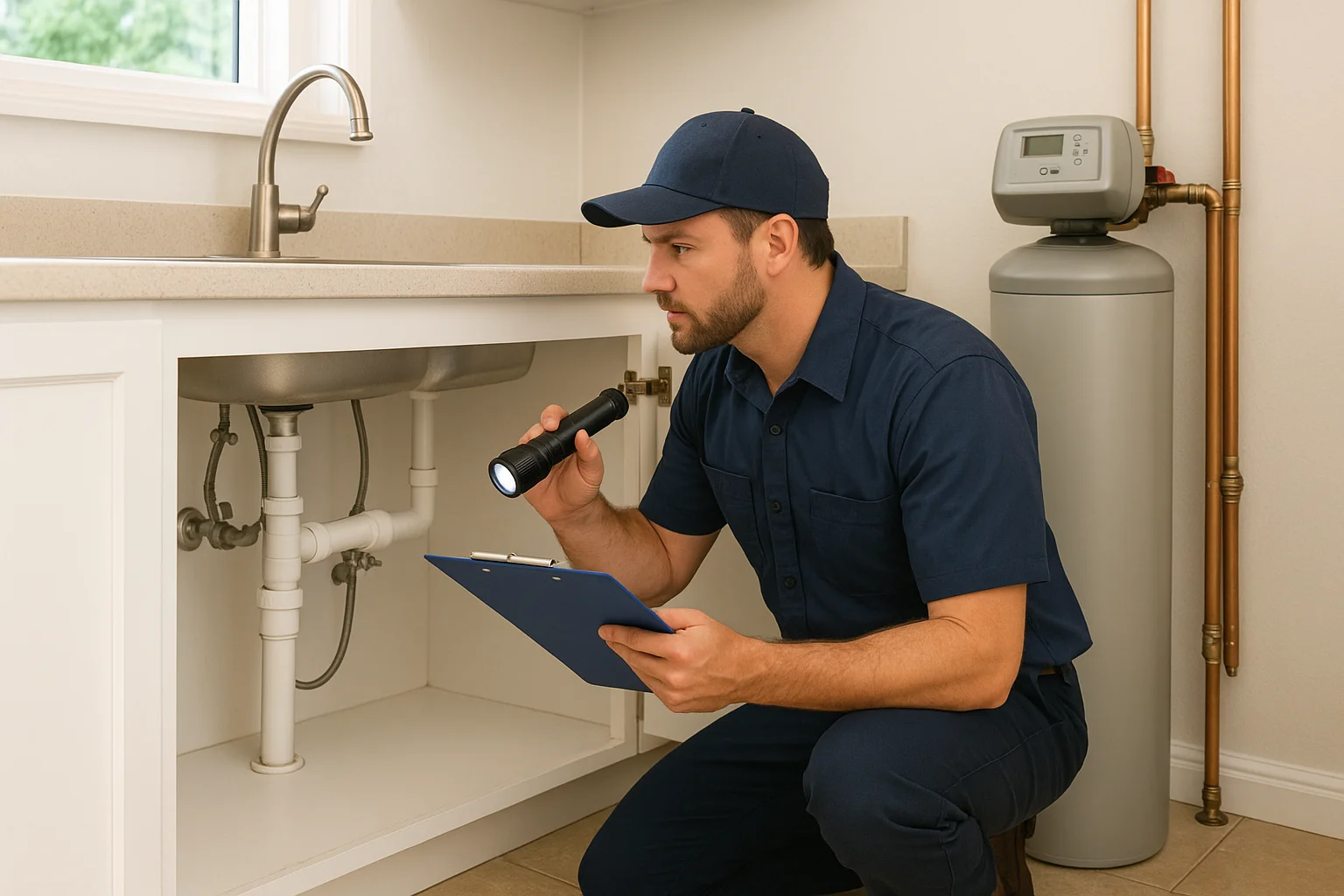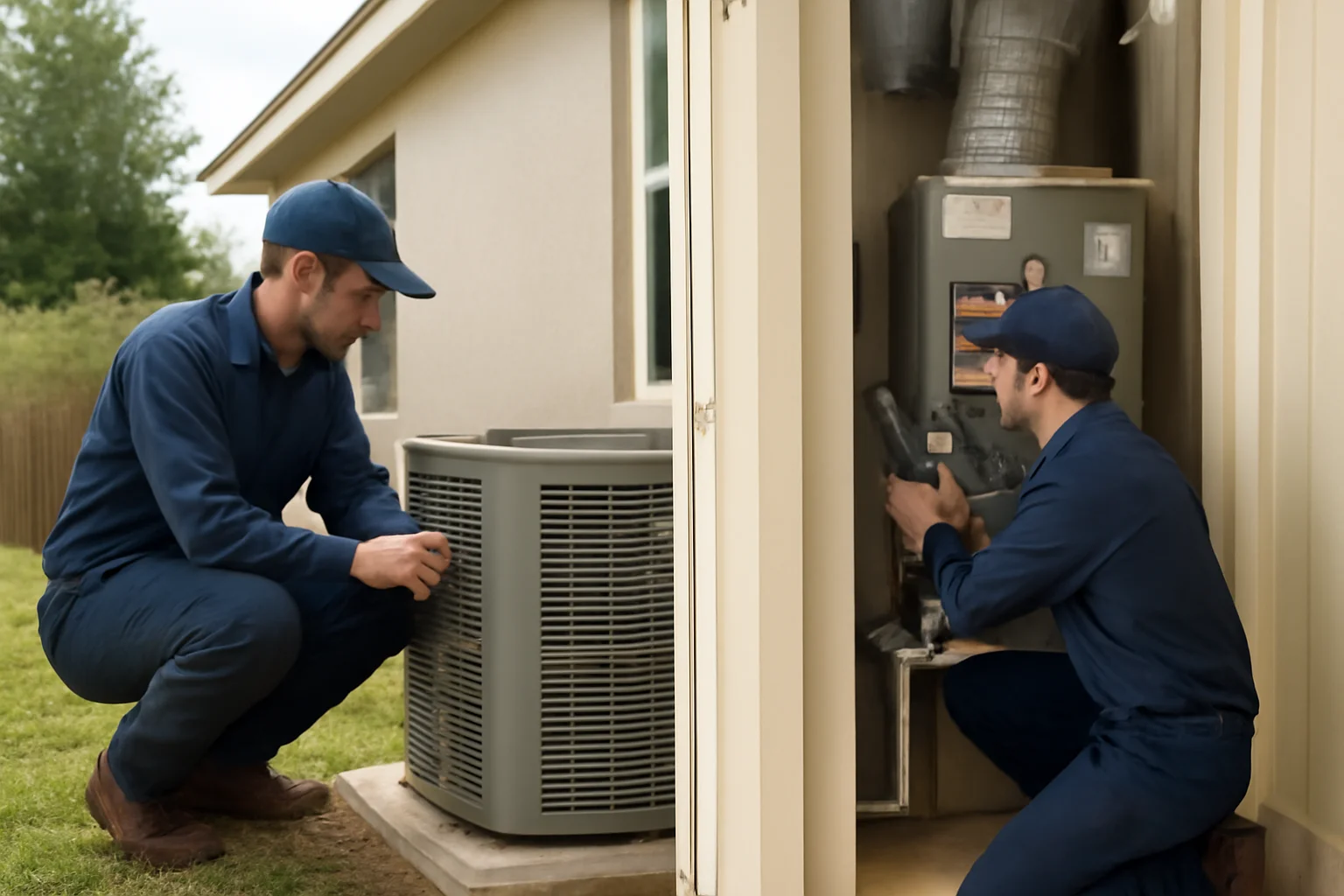
Lynn Haven homes need HVAC that can handle humid Gulf Coast weather, salt air exposure, and long stretches of hot, sticky days and cooler evenings. When your heating control system does not work the way it should, comfort suffers and energy use can climb. Even if your heating equipment is healthy, control problems can cause uneven temperatures, short cycling, and failed calls for heating or cooling.
This guide covers the most common causes of heating control system problems in Lynn Haven, FL, and practical steps to improve airflow and reliability. If you are searching for heating control systems in Lynn Haven, this will help you understand what to ask about during HVAC service.
Why heating control systems matter for year-round protection
Heating control systems coordinate how your thermostat, heating equipment, and airflow work together. Depending on your setup, that may include a standard thermostat, a heat pump control board, zone dampers, and duct airflow paths that keep warm air moving where it is needed.
In Lynn Haven’s climate, the challenge is not only temperature. Gulf humidity and coastal air can affect components, while duct restrictions can limit airflow and cause comfort problems that look like “control issues.” When airflow is off, controls may respond by running longer, cycling more often, or shifting between heating and cooling in ways that feel unpredictable.
Common causes of heating control system problems in Lynn Haven
1) Thermostat location and settings that do not match real airflow
A thermostat can read the wrong temperature if it sits in direct sun, near a supply register, above a heat source, or in a drafty hallway. In coastal Florida, afternoon sun and HVAC airflow can create hot and cold pockets, especially in homes with leaky ductwork or uneven return paths.
Other setting issues can also create control confusion, such as improper heating and cooling setpoints, incorrect fan mode, or scheduling that does not account for weekend patterns. If you have zoning, thermostat programming must align with zone priorities so dampers and airflow stay balanced.
What this looks like: the system runs but the house never feels consistent, one room stays too warm, or the system cycles frequently without reaching stable comfort.
2) Restricted ductwork and poor airflow paths
Airflow problems are one of the most frequent reasons homeowners think they have a “control” problem when the root cause is airflow. Ductwork can collect dust and debris, develop leaks, or lose proper airflow due to crushed sections or poorly designed returns.
When airflow is restricted, your system may not move air across the heat exchange surfaces efficiently. Controls can then respond with longer runtimes, delayed responses, or shutdowns meant to protect the equipment. Over time, that can lead to higher energy use and more frequent service calls.
If you are considering duct inspection as part of better HVAC maintenance, it is often the fastest way to confirm whether airflow limits are driving control behavior.
3) Zoning problems: dampers not moving or airflow not balanced
Many Lynn Haven homes use zoning to improve comfort across multiple bedrooms, floors, or additions. Zoning is effective when dampers open and close correctly and when each zone has enough return airflow.
Common zoning failures include stuck or slow dampers, mismatched zone sizes, or returns that do not support the amount of supply air being delivered. When a zone calls for heat but airflow does not reach it, the thermostat may keep demanding heat, which can cause short cycling and uneven temperatures.
What to watch for: zones that never reach setpoint, dampers that sound like they struggle, or noticeable temperature swings between zones.
4) Humidity and condensate drainage issues that affect comfort and system performance
In humid Florida weather, moisture management is part of reliable HVAC control. Even when your main concern is heating, the system’s cooling and dehumidification cycles still interact with airflow and drainage.
Condensate drainage problems can lead to water backing up, trapped moisture, and reduced system efficiency. That can also influence how controls respond to operating conditions. If your system has a drain line, drain pan, or secondary drain setup, routine checks matter.
Homeowners often notice musty odors, water staining near indoor components, or signs that the system is not removing moisture the way it used to. These conditions can worsen indoor air quality and increase the likelihood of control-related comfort complaints.
5) Salt air and coastal exposure affecting components
Lynn Haven’s proximity to the Gulf means salt air exposure can be a factor for outdoor units and some indoor components. Over time, corrosion can affect contact points, sensors, and control boards. Even when the system starts, corrosion can cause intermittent behavior that looks like “random” thermostat or control failures.
What this looks like: occasional failure to respond to calls, inconsistent heating or cooling, or error codes that come and go.
6) Refrigerant system issues that change operating conditions
Heating and cooling controls depend on stable operating conditions across the refrigerant system. If refrigerant levels are off or if there is a related performance issue, the system can behave differently than normal. Controls may compensate by adjusting cycle length, fan speed, or defrost behavior on heat pump systems.
It is important to note that refrigerant issues should not be diagnosed from a thermostat complaint alone. A professional evaluation is needed to confirm what is happening and why, because incorrect handling can be unsafe and can damage equipment.
What to watch for: cooling or heating performance that seems weaker, unusual noise, or persistent comfort issues that do not improve after thermostat adjustments and duct airflow checks.
7) Dirty indoor components and clogged filters limiting airflow
Filters and indoor coils influence airflow and heat transfer. A filter that is too restrictive or not replaced often enough can reduce airflow, raise pressure drop, and stress the system. Dirty evaporator or air handler components can also reduce performance, which can make the controls “chase” the setpoint.
In Lynn Haven’s humid environment, indoor air can carry more airborne moisture and particles, especially when doors and windows are opened frequently. That can increase how quickly filters load.
If you are looking into whole home dehumidifiers, it can help reduce humidity load, but airflow and filtration still need to be maintained so your heating and cooling equipment can operate reliably.
How to improve airflow and reliability without guessing
Homeowners can do several practical steps that support stable heating control system operation. The goal is to reduce airflow surprises that cause the system to respond unpredictably.
Start with thermostat comfort and airflow verification
Check thermostat placement and operation. Make sure it is not exposed to direct sunlight, drafts, or supply air. Confirm the system mode is correct for the season and that fan settings align with your comfort goals.
If you have zoning, verify that zone dampers are opening when a zone calls. If you hear repeated damper movement but rooms do not warm or cool, you may have an airflow balance issue rather than a thermostat problem.
Inspect ductwork for leaks, restrictions, and return problems
Ductwork issues can show up as “control” complaints because the system cannot deliver the air the controls assume it can deliver. A room that stays cold or humid might be receiving less air than it should.
Ask your HVAC technician to evaluate ductwork condition, supply and return balance, and airflow paths. Depending on your home, duct sealing or ductwork upgrades may be recommended. If you are comparing options, review guidance like better duct replacement in Lynn Haven to understand how duct design affects comfort and system longevity.
For homeowners searching for duct cleaning near me, it helps to clarify what you need. Cleaning alone does not fix leaking or restricted ducts. A solid inspection can tell you whether cleaning is appropriate and whether sealing or other ductwork changes are the real priority.
Address humidity at the system level
Because Lynn Haven humidity can push comfort issues, improving moisture removal supports consistent operation. If indoor humidity stays high, your system may run longer and the control system can feel like it is constantly adjusting.
Make sure condensate drainage is clear and that drain lines are functioning properly. Also consider whether a dehumidification approach fits your home, especially if you see condensation on windows or feel clamminess even when temperatures are “set correctly.”
Keep air filters and indoor airflow consistent
Replace filters on schedule and choose a filter that matches your system’s airflow design. If you use higher MERV options, confirm compatibility with your blower and duct system so airflow does not become too restricted.
When airflow drops, controls can overcompensate, and energy use can rise. Consistent filtration also supports indoor air quality, which matters for allergy seasons and everyday comfort.
Why “it runs” does not always mean “it is controlled correctly”
Many homeowners notice that their system turns on, so they assume the thermostat and heating control system are fine. But heating control is not only about start and stop. It is about delivering the right airflow at the right time and maintaining stable conditions so the system does not cycle or drift.
For example, if ductwork is not delivering air, the thermostat may keep calling for heat because the measured room temperature does not stabilize. The system then runs longer than necessary. If zoning is involved, a single zone that is underfed with airflow can cause the whole control strategy to behave poorly.
Preventive HVAC maintenance that reduces control problems
Preventive maintenance is often the difference between a predictable season and a mid-season breakdown. In Lynn Haven, that includes checking components that affect airflow and control behavior, not just the outdoor unit.
Seasonal tune-ups for heating and heat pump systems
An AC tune up near me search can bring up many options, but for heating control reliability, ask specifically about the heating side and heat pump operation. A thorough tune-up should include airflow checks, indoor component inspection, thermostat and control verification, and evaluation of drainage where applicable.
For homeowners who rely on both heating and cooling through the year, consistent maintenance helps reduce surprises when temperatures shift from warm coastal days to cooler evenings.
Airflow testing and duct-related checks
Airflow testing helps confirm that the system can deliver what the controls expect. If airflow is weak, addressing duct leakage, return restrictions, or filter and coil issues can stabilize operation.
If you want to improve indoor air quality services near me, consider pairing maintenance with a ductwork plan. Better airflow supports how your system filters, distributes air, and controls humidity.
Indoor humidity and condensate drainage inspections
Even if you feel like you are dealing with a heating control system, humidity management is part of HVAC reliability in Florida. Ask your technician to check condensate drainage and related components so moisture does not interfere with performance.
When to call a professional HVAC contractor in Lynn Haven
You should contact a local HVAC contractor when comfort problems persist despite basic thermostat and filter checks, or when you notice symptoms that suggest the control system is responding to abnormal conditions.
- The system repeatedly cycles, struggles to reach setpoint, or changes modes unexpectedly
- One or more zones never reach temperature targets
- You see water staining, musty odors, or signs of poor condensate drainage
- Performance has dropped and seems unrelated to thermostat settings
- You suspect refrigerant performance problems and want a proper evaluation
If you are also worried about emergency cooling concerns during hot weather, review what Lynn Haven homeowners should know about 24/7 emergency HVAC service so you are not scrambling when humidity is at its worst. Heating control reliability and cooling reliability are connected, especially with heat pumps.
How A Superior Mechanical supports heating control system reliability
A Superior Mechanical helps Lynn Haven homeowners and businesses improve heating control system performance through practical troubleshooting and HVAC-focused solutions. That often includes evaluating airflow, ductwork condition, thermostat operation, and the way your system responds under local Florida humidity and coastal conditions.
If you want to upgrade how your home controls heat and comfort, consider reviewing heating control systems in Lynn Haven for zoning, control upgrades, and reliability improvements. If your home needs broader HVAC updates, you can also explore air conditioning systems or discuss whether commercial HVAC installation is the best path for larger properties.
For duct-related fixes that support airflow and comfort, ask about duct sealing and Aeroseal services when appropriate. And if your home or business is in Bay County and you want a broader local view, start at Lynn Haven HVAC services or Bay County HVAC services.
Homeowners searching for HVAC service near me often want quick answers. The most reliable results usually come from a professional approach that confirms airflow, indoor humidity factors, and control behavior together, instead of treating the thermostat as the only cause.
Practical checklist for homeowners before the next service call
If you want your HVAC contractor to get to the root cause faster, gather a few details. These notes can help your technician evaluate heating control systems and airflow reliability.
- When the problem happens: only mornings, only evenings, after humidity spikes, or during mode changes
- Which rooms are affected and whether it is one zone or multiple areas
- Thermostat settings, including fan mode and heating and cooling setpoints
- Any signs of moisture issues such as odors or water staining
- How often the system cycles or whether it runs longer than usual
These observations support better troubleshooting and can prevent unnecessary parts guessing. If you are considering HVAC replacement near me or a heat pump installation near me, it is still smart to start with a proper evaluation so you know whether control and airflow improvements can restore performance.
For homeowners who need HVAC repair near me, clear symptom notes plus a willingness to check airflow and ductwork often lead to more reliable fixes. A Superior Mechanical can help you connect the dots between thermostat behavior, refrigerant system performance, condensate drainage, and the airflow your home actually receives.
Find Heating Control Systems in Lynn Haven, FL
If you need Heating Control Systems in Lynn Haven, FL, visit our local service page or contact A Superior Mechanical today.
Map of Lynn Haven, FL
Frequently Asked Questions
Why does my thermostat call for heat but some rooms never warm up in Lynn Haven?
That pattern often points to airflow problems such as leaky or restricted ductwork, weak return airflow, or zoning issues where dampers do not deliver enough air to a specific area. A professional airflow and duct evaluation can confirm what is limiting comfort.
Can humidity in Lynn Haven cause heating control system problems?
Yes. High humidity can increase comfort complaints and can also affect condensate drainage and overall system performance. When moisture management is off, the equipment may run differently, which can make thermostat behavior seem unreliable.
What should I check before scheduling heating control system service?
Start with thermostat placement and settings, confirm the system mode is correct, and replace or inspect the air filter. If the issue persists or you notice moisture signs, inconsistent zoning, or frequent cycling, schedule HVAC service so a technician can inspect airflow, controls, and system operation.
Is it safe for me to troubleshoot refrigerant or control boards myself?
No. Refrigerant system issues and control board diagnostics require proper tools and safety procedures. An in-person evaluation is the right approach to identify the cause accurately and avoid unsafe or incorrect repairs.
How does ductwork affect heating control reliability?
Ductwork determines how much air the system can deliver. Leaks, restrictions, or poor return paths can prevent rooms from reaching setpoint, which makes the thermostat keep calling for heat and can increase cycling and energy use. Duct sealing, balancing, and airflow testing help restore predictable control performance.
Related Articles
- Why Better HVAC Maintenance Makes Duct Inspection More Useful for Lynn Haven Homes
- What Lynn Haven Homeowners Should Know About 24/7 Emergency HVAC Service
- Better Duct Replacement in Lynn Haven for Cooler Rooms, Lower Bills, and Longer HVAC Life
- Keeping Lynn Haven Buildings Comfortable Without the Repair Surprise: Smarter Commercial HVAC Care for Lower Risk
Photo Gallery