Callaway, FL homes feel the weather in every room. When the air is humid and the days swing from warm to cooler evenings, your heating system depends on steady control to keep comfort consistent. Heating control systems do more than turn heat on and off. They coordinate thermostats, HVAC sequencing, zoning behavior, and airflow paths so your home can warm evenly without overworking the system.
When control gets disrupted, homeowners often notice uneven temperatures, rooms that feel stuffy, frequent cycling, or comfort that never matches what the thermostat says. The good news is that many issues can be prevented with better habits and timely professional HVAC service.
Why heating control systems are especially sensitive in Callaway humidity
In Callaway, the combination of Florida heat, high humidity, and salt air exposure can be tough on HVAC components and the systems that manage them. Even if your furnace or heat pump is sized correctly, control problems can still show up when airflow and moisture levels are not managed well.
Heating control systems rely on accurate signals and stable airflow. If airflow is restricted, the system may run longer, cycle more often, or fail to reach the expected temperature. If humidity is high, comfort can feel worse even when temperature readings seem close. If salt air or corrosion affects internal parts, controls can behave inconsistently.
That is why homeowners looking for heating control systems in Callaway, FL benefit from both smart control upgrades and practical maintenance that supports airflow and indoor air quality.
Common causes of heating control issues that affect airflow and comfort
1) Thermostat settings that fight the weather
Many comfort problems start with settings that seem reasonable but do not match how a heat pump or furnace actually operates in humid coastal climates. Examples include:
Leaving the thermostat in a schedule that expects steady conditions even when afternoons get hotter than the rest of the day.
Using overly aggressive temperature swings that encourage frequent cycling.
Turning on features that change fan behavior without considering how your ductwork distributes air.
Thermostats are not just displays. They influence HVAC staging and fan operation. When the thermostat tries to correct too quickly, the system can overshoot, short cycle, or create uneven airflow.
2) Poor duct airflow that makes controls “think” something is wrong
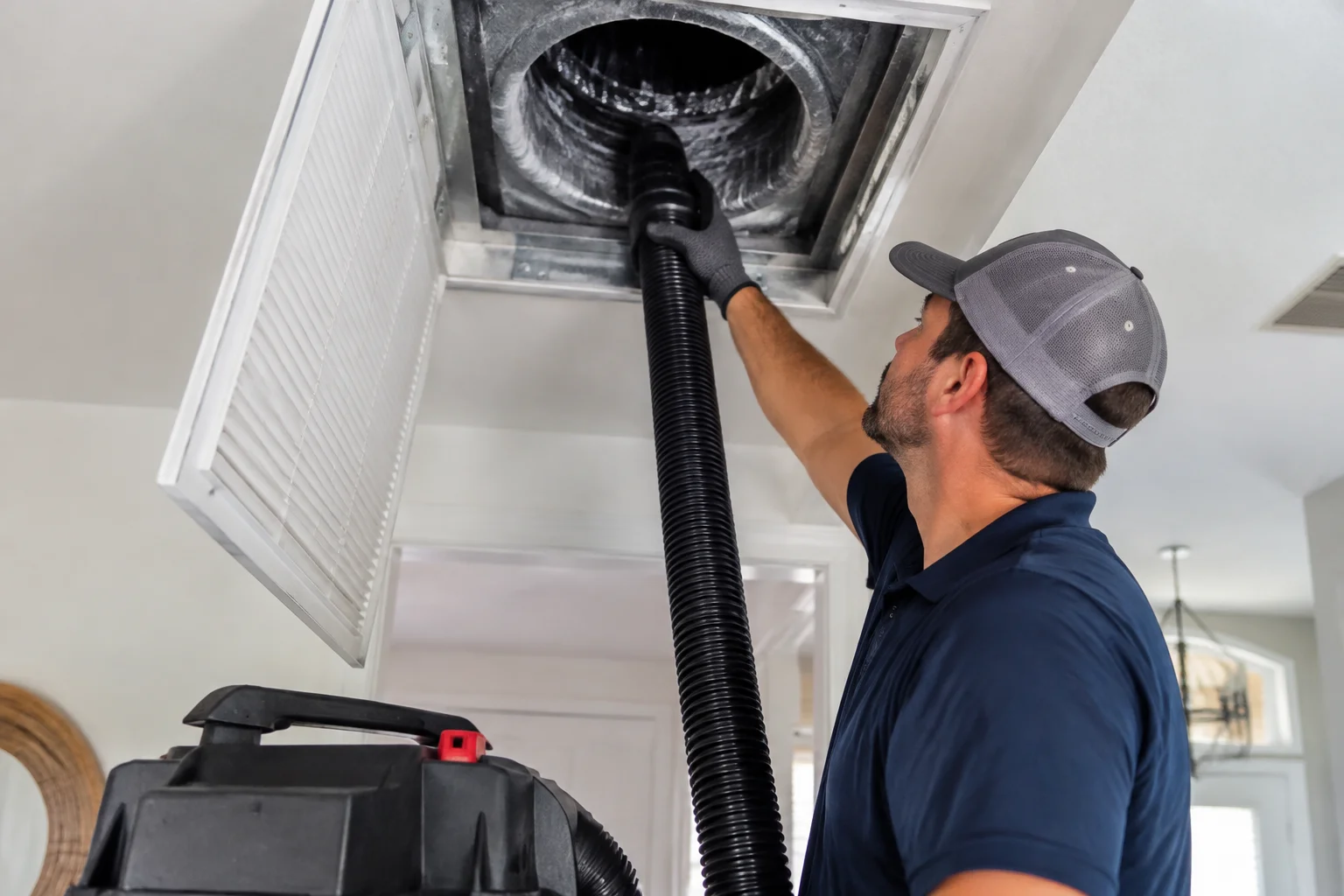
Heating control systems can only do their job when air moves the way the system expects. Callaway homes may have ductwork that is partially blocked by debris, has leaky joints, or has sections that do not deliver air evenly. When airflow drops, the heating system may run longer, raise energy use, and still fail to feel comfortable in every room.
Duct problems can also affect indoor air quality. Stagnant air can trap moisture and dust, which can make the home feel warmer or colder than the thermostat suggests.
If you are searching for duct inspection near me, that is often the right place to start when control seems “off” but the thermostat looks fine.
3) HVAC zoning that is not balanced for how you actually live
Zoning can be a great solution for comfort, especially in homes where bedrooms, hallways, and living spaces experience different sun exposure. But zoning depends on correct damper operation, airflow balance, and control logic.
In practice, homeowners sometimes leave zones closed too aggressively or change room usage patterns without adjusting the schedule. That can lead to:
One zone always calling for heat while other zones stay closed.
Air pressure changes that make dampers behave inconsistently.
Comfort complaints that look like thermostat problems but are actually airflow and control coordination issues.
If your home has zoning, it is worth having a technician verify that dampers, airflow, and control settings work together. This is also why a property management HVAC services approach can help rentals and multi-tenant homes stay consistent, especially when occupants change frequently.
4) Condensate drainage issues that disrupt system operation
Even heating seasons in Florida can involve humid weather. Many HVAC systems include components that produce condensate during cooling or dehumidification cycles, and some systems can still be affected by moisture afterward. When condensate drainage is slow, clogged, or improperly routed, the system may respond with protective behavior or reduced performance.
Homeowners may notice symptoms like:
Unusual system behavior after humid periods.
Musty odors or dampness near equipment.
Comfort swings that do not match thermostat demand.
Condensate issues are not always obvious from the thermostat interface. They are often best evaluated on site, because the control response depends on how the system is sensing and protecting itself.
5) Sensor drift, calibration issues, and control communication problems
Heating control systems use sensors to measure conditions like temperature and, in some setups, humidity or airflow related signals. Over time, sensors can drift, get coated with dust, or be affected by airflow changes. If a thermostat or sensor reads incorrectly, the system may run too long, stop too early, or cycle oddly.
Communication issues can also occur in systems that use automation features or smart thermostats. Wi-Fi interruptions or configuration mismatches can lead to delayed commands, confusing schedules, or unexpected fan behavior.
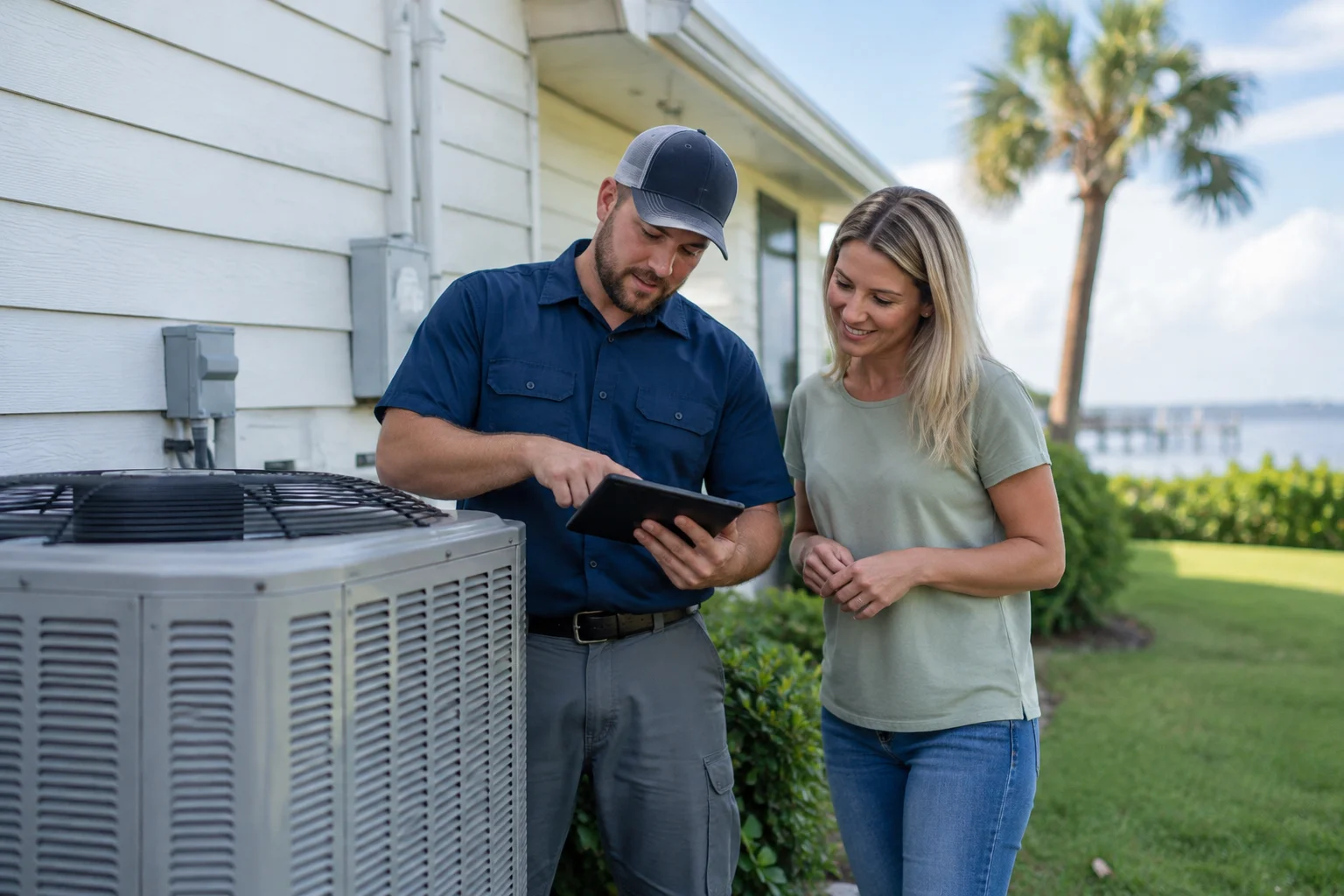
It is important to avoid assuming the thermostat is always the culprit. A licensed HVAC contractor near you can evaluate whether the control issue is coming from the thermostat, the HVAC control board, sensor location, or airflow limitations.
6) Filter and airflow restriction that increases energy use and causes uneven comfort
Dirty filters are one of the most common causes of airflow problems, and they can make control systems work harder than necessary. In Callaway, pollen, dust, and humidity can load filters faster, particularly if your home is near coastal vegetation or if windows are opened often.
When airflow drops:
The system may struggle to reach target temperatures.
Controls may trigger more frequent cycling.
Indoor air quality can decline as dust and moisture circulate.
Regular filter checks support better airflow and help your heating control system respond correctly to thermostat demand.
7) Corrosion and wear from salt air exposure
Callaway is in a region where salt air can accelerate corrosion on HVAC components over time. Heating control systems include parts that can be affected by corrosion, including contacts and internal control components. While homeowners cannot reliably inspect these parts themselves, you may see symptoms like intermittent operation, inconsistent response to thermostat commands, or performance changes that come and go.
These are good reasons to schedule preventive HVAC maintenance rather than waiting for comfort to collapse.
Simple habits that prevent heating control problems
Set comfort schedules with Florida’s daily swings in mind
Instead of expecting one schedule to match every day, consider adjusting based on typical patterns. Warm afternoons followed by cooler evenings can make a single aggressive schedule feel unstable. Try smoother transitions and avoid large temperature jumps that force rapid corrections.
If you use a smart thermostat, confirm that it is using the correct mode for the season and that any “eco” or “hold” features align with how you want the home to feel.
Keep vents open where you need airflow, and be careful with zoning
Closed or blocked vents can change pressure and airflow distribution. If you have zoning, do not treat closed doors as an automatic comfort solution. A zone that is starved of airflow can trigger control behavior that affects other rooms.
For best results, keep return paths clear and ensure supply vents are not fully blocked by furniture or curtains.
Check filters and replace them before they cause airflow problems
A quick filter check during humid stretches can prevent control issues that start as airflow restrictions. If you notice dust buildup or reduced airflow at registers, replace the filter and monitor comfort changes.
When homeowners search for AC tune up near me or HVAC service near me, it is often worth asking about filter and airflow practices as part of the maintenance plan.
Watch for condensate drainage concerns after humid weather
If your system is producing condensate, keep an eye out for signs of drainage trouble. Any recurring dampness, odd odors, or water-related issues around the indoor unit or drain line should be handled promptly by an HVAC professional.
Use fan settings thoughtfully
Fan operation affects airflow distribution and indoor air quality. Running the fan continuously can improve circulation, but it can also increase humidity movement depending on conditions and system design. Running the fan only when heating demand is active can help the system control moisture and temperature more predictably.
A technician can help you pick a fan strategy that matches your ductwork and comfort goals.
Signs your heating control system needs professional attention
Some issues are easy to ignore until they become expensive. Look for patterns that suggest the control system is not coordinating with airflow or sensing correctly.
Rooms feel uneven even after thermostat changes.
The system cycles on and off frequently during heating demand.
Comfort improves briefly, then slips again without a clear reason.
You hear unusual sounds from dampers, vents, or the indoor unit during control changes.
You notice musty odors or signs of moisture near equipment that follow humid periods.
Your thermostat display says one thing, but the system behavior does not match.
Why local HVAC service in Callaway matters for control and comfort
Heating control systems are not one-size-fits-all. In Callaway, the humidity load, duct aging, and salt air exposure can shape how your system performs. A licensed HVAC contractor understands what is common in Bay County homes and can evaluate the entire comfort pathway, not just the thermostat screen.
Local service also matters because problems often show up seasonally. A system might heat fine during dry weeks, then act inconsistently when humidity rises. Professional residential HVAC service near me is most valuable when it includes airflow checks, control verification, and indoor air quality considerations.
How technicians typically troubleshoot heating control problems without guessing
Homeowners should expect a structured evaluation. A professional HVAC technician generally focuses on the relationship between controls, airflow, and system operation. That can include:
Reviewing thermostat settings, schedules, and mode behavior.
Inspecting ductwork for airflow restrictions and performance issues.
Checking zoning components for proper operation and airflow balance.
Verifying condensate drainage where applicable.
Examining sensors and control communication in context of the system layout.
Confirming filter condition and air distribution patterns.
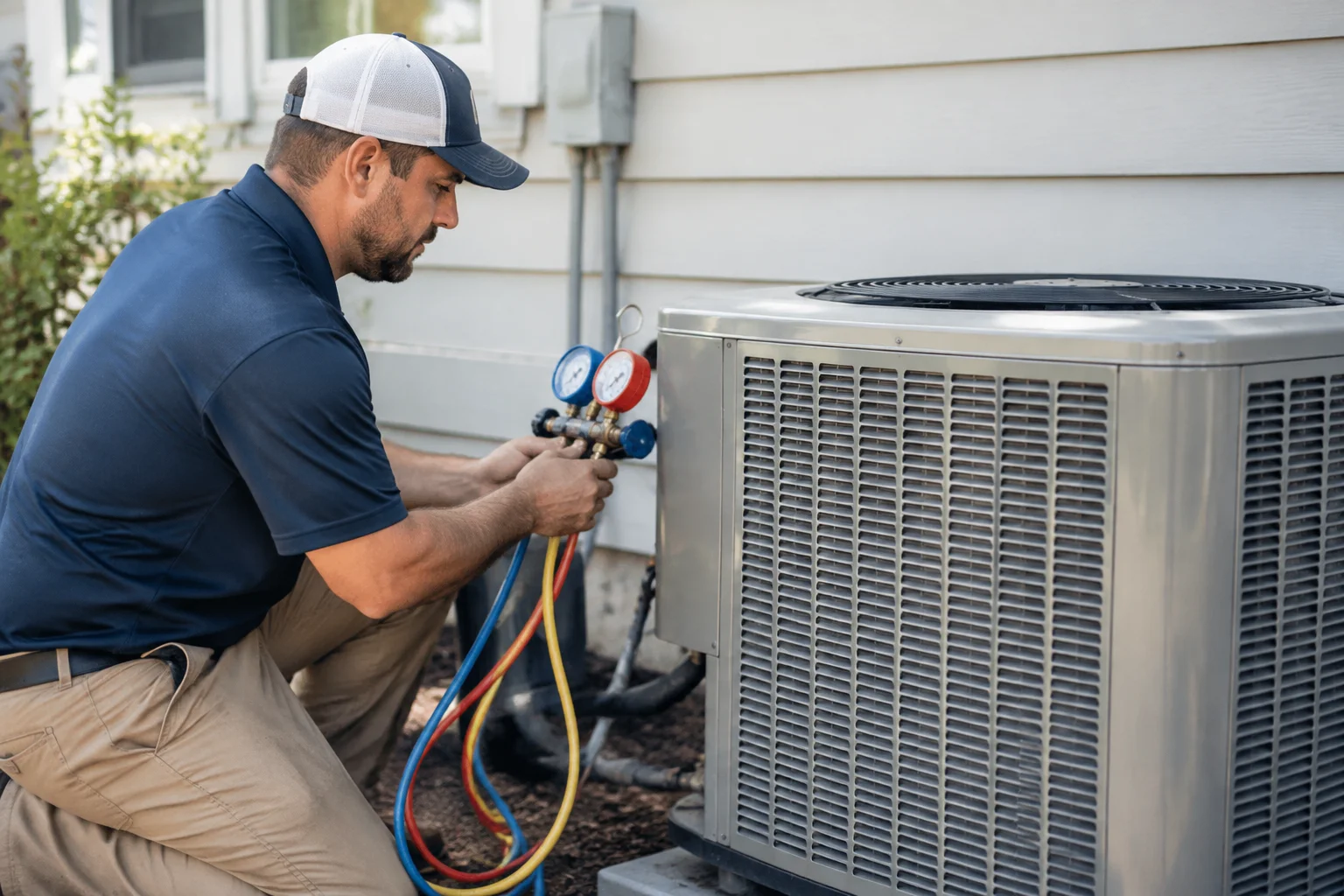
Even if you suspect a thermostat issue, it is not appropriate to diagnose refrigerant systems, electrical components, or recommend equipment replacement without an in-person evaluation. Heating control behavior can be influenced by multiple parts working together, including refrigerant systems indirectly through performance and airflow response.
Maintenance habits that support better airflow and indoor air quality all year
Preventive HVAC maintenance is the easiest way to keep heating control systems stable. It also supports energy use and comfort by keeping airflow pathways clear and controls aligned with real system performance.
Prioritize airflow and filtration
Airflow is not just about comfort. It affects how indoor air quality performs. When air moves correctly, your home can manage dust and humidity more effectively. Keeping filters fresh and ensuring returns are unobstructed helps the system respond as the thermostat expects.
Schedule tune ups that include control and airflow checks
When you book an AC tune up near me or heating service, ask whether the technician will review thermostat operation, airflow conditions, and any zoning behavior. If you have a heat pump, consider exploring heat pump services to ensure your heating control strategy matches how your system handles both heating and humid conditions.
Plan for seasonal stress on ducts and registers
Callaway homes often experience seasonal shifts that stress duct performance. If you notice comfort problems that come and go, ductwork may be part of the story. A duct inspection can help identify issues that cause the HVAC system to work harder than it should.
For homeowners dealing with seasonal HVAC stress, read Why Duct Inspection Matters More in Callaway Homes Facing Seasonal HVAC Stress to understand how airflow problems can show up as control confusion.
When to consider upgrading heating control systems
Upgrades can help when your current setup cannot deliver stable comfort. Smart thermostats and HVAC zoning automation can improve control, but they should be installed and configured based on your actual ductwork and home layout.
If you are exploring heating control system improvements, start with an assessment. A technician can help you understand whether you need a control upgrade, better zoning balance, ductwork support, or a combination. If you are comparing options, it can also help to review how your home has performed over time. See How Callaway Homes Put HVAC Systems to the Test Over Time for a practical look at seasonal performance patterns.
Emergency cooling concerns still matter even in heating season
Florida weather can change quickly. Even during cooler stretches, humid conditions and unexpected warm spells can push your comfort system. If heating control problems are already present, they can become more urgent when you need cooling control to respond reliably.
If you are dealing with inconsistent system behavior during hot, humid periods, search for HVAC service near me and prioritize air conditioning service or heating control system support that can address comfort and emergency cooling concerns. Problems that look like “just a thermostat” can affect how the system transitions between heating and cooling modes.
Related service directions for Callaway homeowners
Depending on what you are experiencing, you may also need adjacent HVAC support. Many homeowners find it helpful to explore:
Property Management HVAC Services for consistent comfort across rentals and multi-tenant homes.
Ductless Mini-Splits when ductwork limitations or zoning needs call for a different approach to airflow.
Air Conditioning Systems if control issues show up most during cooling seasons and humidity peaks.
If you are unsure where your control problem is coming from, A Superior Mechanical can help you connect the dots between thermostats, airflow, ductwork, and system performance in Callaway and across Bay County. For heating control system support, visit /service-areas/bay-county/callaway/heating-control-systems-cbcfl and for broader coverage, explore /service-areas/bay-county/callaway or /service-areas/bay-county.
For homeowners comparing comfort improvements, it is also worth understanding how financing decisions can affect timelines for repairs and replacements. If that is part of your planning, read Understanding HVAC Financing in Callaway: Homeowners Should Not Overlook These Costly Warning Signs.
And if you manage a business property, humidity and control stability can be even more demanding. You can review Keeping Commercial HVAC Systems steady in Callaway’s heat and humidity for insights that also highlight why reliable control matters.
Keeping your heating control system aligned with airflow and humidity conditions is one of the simplest ways to protect comfort, reduce unnecessary energy use, and avoid the stress that shows up when Florida weather turns.
Find Heating Control Systems in Callaway, FL
If you need Heating Control Systems in Callaway, FL, visit our local service page or contact A Superior Mechanical today.
Map of Callaway, FL
Frequently Asked Questions
Why does my thermostat show the right temperature, but rooms still feel uncomfortable in Callaway?
That mismatch is often a sign of airflow problems in the ductwork, zoning imbalance, or sensor placement. Humidity can also make the home feel warmer or cooler than the thermostat reads. A technician can evaluate airflow distribution, thermostat operation, and control coordination in person.
Can humidity cause heating control systems to act up even when I am not running cooling?
Yes. Florida humidity can affect indoor comfort and can also influence condensate drainage, fan behavior, and how the system responds to control commands. If moisture is impacting airflow or system operation, the heating control system may behave inconsistently until the underlying issue is corrected.
What are the most common homeowner habits that lead to airflow and control issues?
Common issues include leaving filters too long, blocking supply vents, closing doors that disrupt airflow paths, and using schedules or fan settings that do not match how your home performs through Callaway’s daily temperature swings. Zoning settings also matter, especially when zones are kept closed too often.
Should I try to troubleshoot refrigerant or electrical problems if I suspect a control issue?
No. Refrigerant system and electrical component diagnosis should be handled by a licensed HVAC professional. Heating control behavior can be influenced by multiple parts, and guessing can delay the real fix or create safety risks. Start with an on-site evaluation of controls, airflow, and related system operation.
When is it time to call a licensed HVAC contractor for heating control systems?
Call when you notice frequent cycling, uneven comfort that does not improve with thermostat changes, moisture or musty odors near equipment, or system behavior that does not match thermostat commands. Those patterns often point to control coordination, duct airflow, condensate drainage, or sensor issues that are best evaluated on site.
Related Articles
- Understanding HVAC Financing in Callaway: Homeowners Should Not Overlook These Costly Warning Signs
- Keeping Commercial HVAC Systems steady in Callaway’s heat and humidity
- How Callaway Homes Put HVAC Systems to the Test Over Time
- Why Duct Inspection Matters More in Callaway Homes Facing Seasonal HVAC Stress
Photo Gallery