Freeport, FL is all about outdoor living, but inside your home the air quality depends on how well your HVAC system performs. When components get worn, dirty, or misaligned, they can change airflow, humidity levels, and filtration effectiveness. Over time, that can make everyday comfort feel off and can also increase airborne irritants that affect allergies, asthma symptoms, and general wellbeing.
A Superior Mechanical provides indoor air quality services in Freeport, FL that address the root causes, not just the symptoms. This guide explains how HVAC wear and tear affects indoor air quality and what homeowners can do to protect air quality through preventive HVAC maintenance, air filtration, and humidity control.
Why Freeport’s climate makes HVAC wear and tear show up faster
In Freeport, the air can stay humid for long stretches. Warm temperatures, salt air from the coast, and frequent moisture exposure all put extra stress on HVAC systems. Even when your air conditioner or heat pump seems to cool, small efficiency losses and component degradation can affect how the system moves air and how well it controls moisture.
Humidity is a major indoor air quality factor. When your system cannot remove moisture effectively, indoor humidity can rise, which can encourage musty odors and increase the likelihood of mold growth in hidden areas such as ductwork cavities and around condensate drainage lines.
Salt air and coastal conditions can also accelerate corrosion on certain HVAC surfaces. Meanwhile, dust and pollen in the local environment can build up on filters, coils, and blower components. As those surfaces get coated, airflow changes, energy use increases, and the system may pull more contaminants into circulation.
Wear and tear that impacts indoor air quality, not just comfort
Many homeowners notice comfort issues first. But indoor air quality is often affected by the “invisible” parts of system performance. Below are common wear and tear pathways that can reduce indoor air quality in everyday homes.
1) Dirty or degraded filters reduce filtration effectiveness
Filters are the first line of defense for airborne particles. Over time, filters can become clogged with dust, lint, and debris, and the filter media can be damaged. A clogged filter increases resistance to airflow. When airflow drops, the HVAC system may not circulate air as intended. That can also reduce the amount of treated air that reaches each room.
Some homeowners also reuse the same filter longer than recommended, especially during busy seasons. In Freeport’s humidity, dust and organic material can cling more readily, making filter maintenance even more important.
If you have allergies or notice more dust settling on furniture, it may be time for an indoor air quality assessment that includes filter and airflow evaluation.
2) Worn blower components can change airflow patterns
The blower motor and fan assembly move air through the ducts and across the indoor coil. When blower components wear, you can get reduced airflow, uneven room temperatures, or a system that cycles more frequently. Lower airflow can mean less effective distribution of conditioned air, and it can also reduce the system’s ability to remove humidity.
Airflow is central to indoor air quality services because most filtration and air treatment equipment relies on proper air movement. If the system cannot move air through ducts and across the treatment devices, even high-quality filtration will not perform as expected.
3) Coil buildup on evaporator and condenser surfaces increases contaminants and moisture risk
Coils are where heat exchange happens, but they also collect dirt. When coils accumulate buildup, the system may not cool or dehumidify as efficiently. In a humid climate, reduced dehumidification can lead to higher indoor moisture levels.
Moisture and organic residue can contribute to musty odors and can increase the chance of microbial growth in areas that are not easily visible. Even when the home feels “cool enough,” humidity control may be slipping.
4) Condensate drainage problems can affect indoor air quality
During cooling, air conditioning systems remove moisture. That moisture drains through a condensate line. Wear and tear can show up as clogged drain lines, improper slope, or drainage pan issues. When condensate does not drain properly, water can collect where it should not.
That can lead to odors and can create conditions that support mold or mildew. It can also affect system performance, since water-related issues often lead to changes in cycling and airflow.
5) Thermostat issues can cause comfort swings and poor humidity control
Thermostats influence how long the system runs and how consistently it maintains temperature. If a thermostat is misreading, has wiring problems, or is set up in a way that causes short cycling, the system may not run long enough to handle moisture removal effectively. Short cycling is also a common contributor to uneven indoor air quality because the air treatment process does not get enough time to do its job.
Some homeowners assume that a “more cooling” setting will fix humidity. In reality, the system’s runtime and airflow matter just as much as temperature set points.
6) Aging ductwork can spread contaminants and reduce filtration performance
Ductwork wear and tear can include leaks, poor insulation, and areas where dust collects. Even small leaks can allow unconditioned air to mix into the living space. If that air is humid or dusty, it can undermine humidity control and increase airborne particles.
When ductwork is not delivering air effectively, rooms can feel stale or unevenly cooled. That can also make homeowners adjust thermostats more often, increasing system wear.
If you suspect duct issues, consider duct inspection or duct sealing and Aeroseal services as part of a broader indoor air quality plan.
Common indoor air quality symptoms that line up with HVAC wear
Indoor air quality problems can overlap with comfort issues, but the patterns are often consistent. If you are noticing any of the following, HVAC wear and tear may be part of the cause.
- More dust and debris accumulating on surfaces, especially near returns and vents
- Musty or stale odors that seem to appear after the system runs
- Higher humidity or “clammy” indoor feel even when the thermostat is set to cool
- Allergy or asthma flare-ups that are worse during certain seasons
- Uneven airflow where some rooms feel stuffy while others feel colder
- Frequent cycling or short run times that reduce dehumidification
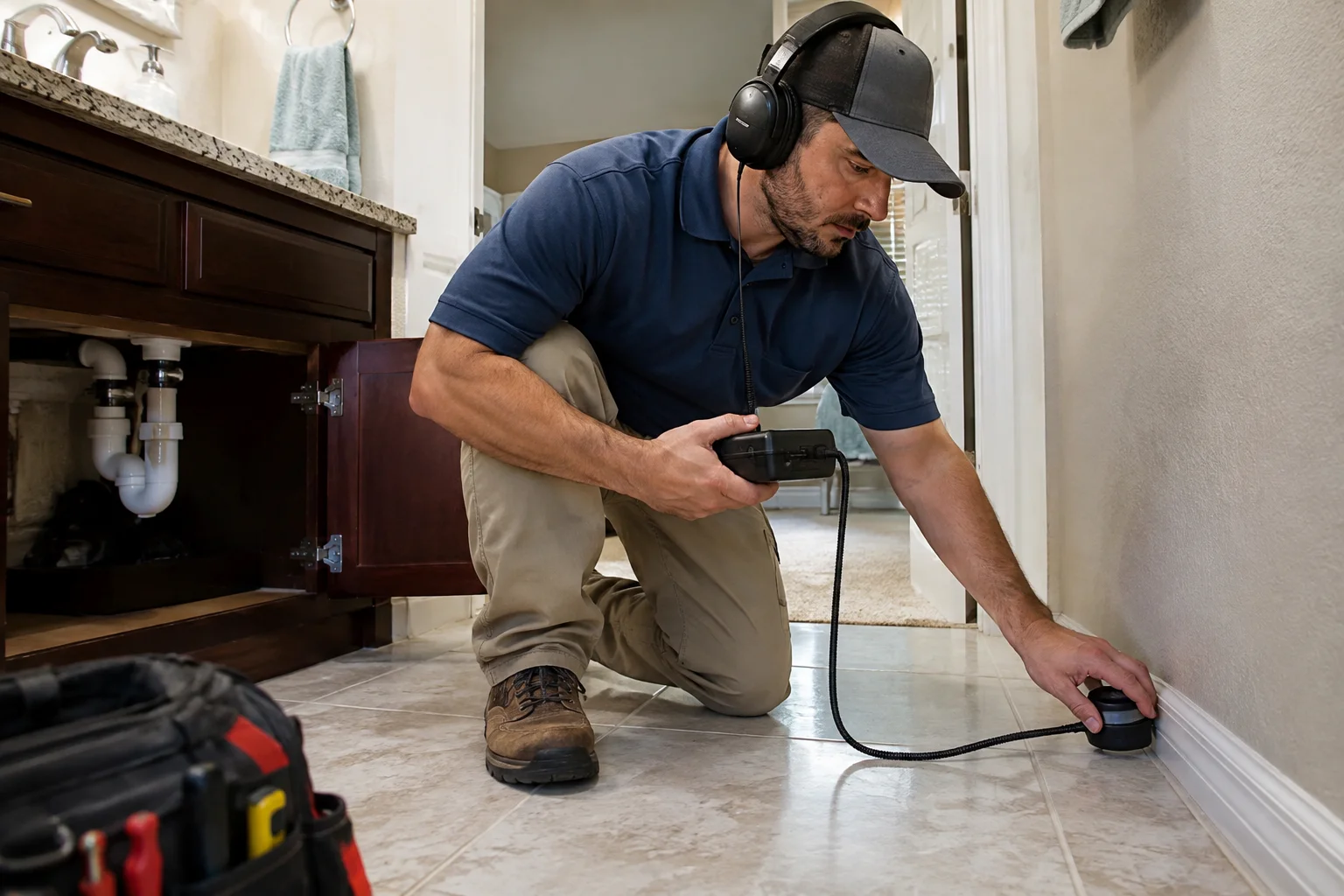
These symptoms do not automatically mean the same cause. A professional HVAC contractor can evaluate airflow, filtration, condensate drainage, duct performance, and system operation to understand what is driving the air quality issues.
How HVAC problems can increase energy use and still reduce air quality
Wear and tear often shows up as higher energy use. When coils are dirty, airflow is restricted, or components are failing to perform at their designed level, the system has to work harder to achieve the same temperature. That can raise operating costs, but it can also reduce indoor air quality performance.
For example, restricted airflow from a clogged filter can cause the system to run differently than intended. That can lead to less effective air mixing, reduced moisture removal, and inconsistent distribution of filtered air. The result is a home that feels uncomfortable while still circulating more airborne particles.
Professional indoor air quality services often include evaluating how the HVAC system is moving air, not just what air treatment equipment is installed.
Where HVAC reliability meets indoor air quality: filtration, humidity control, and airflow
Indoor air quality solutions work best when the HVAC system is healthy. That is why preventive maintenance and reliability-focused repairs matter. When HVAC components are worn, air treatment devices can be underused or mismatched to actual airflow.
Air filtration and HVAC air filtration planning
Many homeowners look for “stronger filters,” but the right approach depends on system airflow and the duct setup. If airflow is already compromised, installing a higher resistance filter without evaluating the system can create new comfort and performance problems.
A Superior Mechanical can help homeowners understand the role of filtration in an indoor air quality plan, including how to match air filtration choices to the system’s operating conditions.
Whole-home humidity control for Freeport’s moisture levels
Humidity control is not just about comfort. It affects perceived air freshness, reduces the likelihood of microbial growth, and can help the HVAC system operate more consistently. Wear and tear that reduces dehumidification can leave moisture behind even after cooling.
Humidity control strategies may include system tuning, condensate drainage evaluation, and indoor air quality equipment such as dehumidification solutions when appropriate.
UV treatment and air scrubbers as part of an integrated system
UV treatment and air scrubbers are often discussed for indoor air quality, especially for homes that need added help with airborne contaminants. These tools can complement filtration and proper HVAC operation.
However, they are not a substitute for clean coils, correct airflow, and effective humidity management. The most effective results usually come from pairing air treatment with preventive HVAC maintenance and duct performance checks.
If you are searching for air scrubber installation near me or HVAC air filtration near me, ask how the contractor evaluates airflow and system reliability before recommending equipment.
Why preventive HVAC maintenance prevents indoor air quality problems
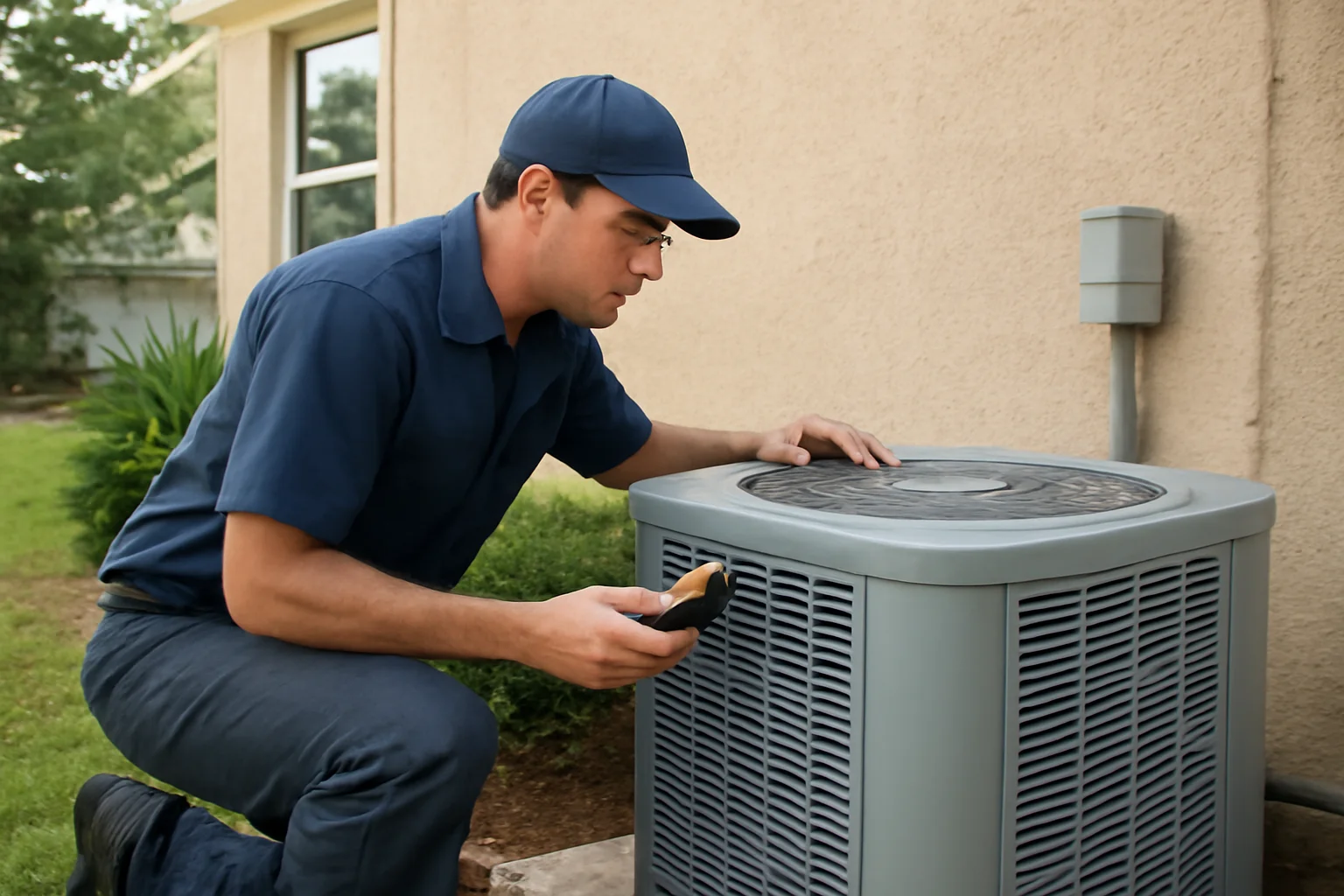
Preventive HVAC maintenance is one of the best ways to keep indoor air quality stable because it addresses wear before it becomes a performance issue. In Freeport, maintenance is especially valuable because heat and humidity can magnify the effects of dirty components and drainage problems.
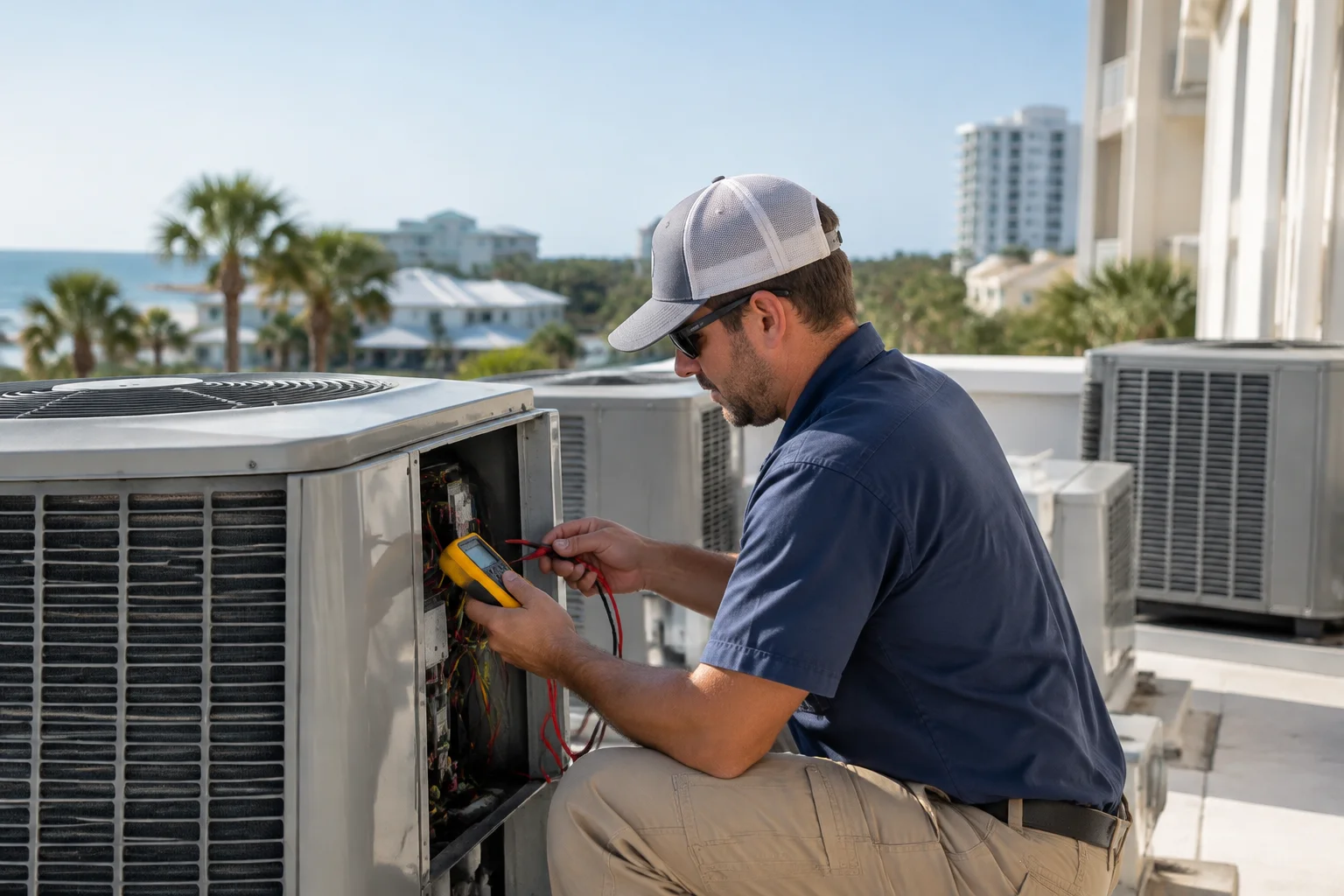
During maintenance visits, a professional HVAC contractor can check system operation, airflow, filtration setup, coil condition, and condensate drainage. They can also help ensure thermostats are configured correctly for consistent runtime and comfort.
Maintenance also helps reduce the chance of emergency cooling concerns. When the system fails on the hottest days, homeowners often end up with temporary solutions or rushed decisions. That can be risky for indoor air quality if airflow, filtration, and humidity control are not properly addressed.
Signs you should schedule an indoor air quality service visit
Some homeowners wait until something breaks. For indoor air quality, it is usually smarter to act before performance drops.
- Your home feels more humid than it used to, even with the thermostat settings you have always used
- You notice increased dust around vents or returns
- There is a recurring musty smell when the system runs
- Airflow feels uneven or weaker than normal
- Your system cycles frequently or struggles to maintain steady temperatures
- You are planning system replacement and want to improve air quality as part of the upgrade
If you are looking for AC repair, air conditioning service, or heat pump service with an indoor air quality focus, the evaluation should include how the system handles airflow, humidity, filtration, and condensate drainage. That is especially important if you are considering HVAC replacement near me because a new system should be sized and configured for both comfort and indoor air quality needs.
How to prepare for an HVAC contractor visit for indoor air quality
You can get more useful answers when you share a few details upfront. Before your appointment, take note of:
- When you notice humidity issues or odors
- Which rooms feel stuffy or receive less airflow
- How often filters are changed and what type of filter is used
- Any recent changes, such as new pets, renovations, or water intrusion history
- Any thermostat behavior such as short cycling or unusual run times
Bring these observations to your visit. A professional HVAC contractor can then evaluate the system in person and recommend the right next steps for filtration, ductwork, and humidity control.
Local reliability matters in Walton County properties
Freeport homes range from traditional builds to newer construction, including rental properties where comfort and air quality consistency are critical for occupants. In Walton County, HVAC systems also face the combined challenges of heat, humidity, and salt air exposure. That makes a reliable local HVAC contractor more than a convenience. It is a way to protect indoor air quality while keeping the system dependable through peak seasons.
If you want to understand how maintenance affects performance, you may also find these reads helpful: Why Efficient Heating and Cooling Starts With Commercial HVAC Maintenance in Freeport, FL and The Details That Get Missed in Commercial HVAC Installation in Freeport, FL. While those articles focus on commercial systems, the reliability principles connect directly to indoor air quality outcomes.
For homeowners planning upgrades, budgeting, or financing options, see A Homeowner’s Guide to HVAC Financing and Why It Matters in Freeport, FL. For duct-related planning in your area, it can also help to explore duct inspection and duct sealing and Aeroseal services as part of a whole-home approach.
When the issue might be more than filtration
Some indoor air quality concerns are tied to the HVAC system’s reliability and airflow, while others can involve ductwork performance or moisture management. A professional evaluation helps separate these possibilities.
It is important to avoid assumptions. A refrigerant system, condensate drainage, and thermostat behavior can all influence indoor air quality, but the correct diagnosis requires an in-person inspection. A contractor should not claim a refrigerant diagnosis, electrical diagnosis, or replacement is appropriate without checking the system directly.
That same careful approach applies to ductwork. If you are searching for duct repair near me, ask for an evaluation that considers airflow, leakage, and how ductwork interacts with filtration and humidity control.
Keeping everyday HVAC reliability from undermining indoor air quality
HVAC wear and tear does not always create dramatic breakdowns. Sometimes it quietly changes how air moves, how moisture is removed, and how effectively particles are captured. In Freeport’s heat and humidity, those changes can show up as higher humidity, musty odors, more dust, or allergy flare-ups.
Healthy airflow and effective humidity control support indoor air quality services. That is why homeowners often benefit from combining preventive HVAC maintenance with targeted indoor air quality solutions such as advanced filtration, UV air treatment, air scrubbers, and whole-home humidity control.
If you are ready for an indoor air quality evaluation, A Superior Mechanical serves Freeport and Walton County. Learn more on the Freeport service area page or review the Walton County service area coverage. You can also explore related options like commercial HVAC repair if your property is a rental, office, or other commercial space.
For homeowners searching for AC tune up near me or HVAC maintenance near me with indoor air quality goals, the best next step is a visit focused on how the system is performing today. That is how you protect indoor air quality while keeping cooling reliable through the season.
Find Indoor Air Quality Services in Freeport, FL
If you need Indoor Air Quality Services in Freeport, FL, visit our local service page or contact A Superior Mechanical today.
Map of Freeport, FL
Frequently Asked Questions
How does a dirty air filter affect indoor air quality in Freeport homes?
A clogged or worn filter can reduce airflow and limit how much dust, pollen, and other particles get captured. When airflow drops, the system may not circulate treated air as effectively, which can make indoor air feel stale and can contribute to more dust settling indoors.
Can HVAC humidity problems be caused by normal wear and tear?
Yes. As coils get coated, airflow changes, or condensate drainage performance declines, the system may not remove moisture as well. In Freeport’s humid conditions, that can raise indoor humidity and increase the chance of musty odors or microbial growth.
What indoor air quality symptoms point to HVAC issues instead of outdoor pollen alone?
Look for patterns tied to system operation, such as musty odors when the AC runs, increased dust near returns, uneven airflow, or humidity that feels worse even when cooling is running. These can indicate filtration, airflow, duct performance, or drainage concerns that a professional should evaluate.
Do UV air treatment or air scrubbers replace the need for HVAC maintenance?
No. UV treatment and air scrubbers can complement filtration and humidity control, but they still rely on proper airflow and a correctly operating system. Preventive HVAC maintenance helps ensure coils, condensate drainage, and airflow are supporting the indoor air quality equipment you install.
Should I schedule indoor air quality service before my AC breaks?
Yes. If you are noticing humidity changes, odors, dust buildup, or allergy flare-ups, an indoor air quality focused evaluation can catch reliability issues early. That helps reduce the risk of emergency cooling concerns during peak heat.
Related Articles
- Why Efficient Heating and Cooling Starts With Commercial HVAC Maintenance in Freeport, FL
- The Details That Get Missed in Commercial HVAC Installation in Freeport, FL
- A Homeowner’s Guide to HVAC Financing and Why It Matters in Freeport, FL
- Staying Ahead of Commercial HVAC Problems in Freeport, FL: A Practical Guide for More Reliable Buildings
Photo Gallery