Panama City Beach homes work hard year-round. Between humid Florida summers, salt air moving through coastal neighborhoods, and air conditioners running to keep indoor air comfortable, your HVAC system and ductwork take a steady beating. Over time, HVAC wear and tear can change what a duct inspection reveals, how airflow behaves, and even what problems look like on the surface.
This guide explains how duct inspection findings can be influenced by system aging, common coastal conditions, and related HVAC components like thermostats, refrigerant systems, and condensate drainage. You will also see what homeowners can do to prevent duct and airflow problems, and when it makes sense to schedule professional duct inspection services in Panama City Beach.
Why duct inspection matters more in Panama City Beach than you might think
Duct inspection is about more than checking if ductwork is “there.” In a real home, duct performance is tied to airflow, pressure, filtration, and the way the HVAC system delivers air from the air handler or furnace to the rooms. In Panama City Beach, the goal is not just comfort. It is also controlling indoor air quality and humidity so the system can run efficiently without creating extra moisture, odors, or uneven temperatures.
When homeowners search for duct inspection near me, they are usually dealing with at least one symptom:
- Hot or cold rooms that never seem to stabilize
- More dust on furniture or faster filter clogging
- Musty smells that come and go with the AC cycle
- Higher energy use during peak heat
- Airflow that feels weak even when the system is running
Wear and tear changes how these symptoms develop, which is why a careful inspection is so important.
HVAC wear and tear does not stop at the air handler
Many people think duct problems are only caused by damaged ductwork. In practice, ductwork performance is influenced by several connected parts of the HVAC system:
- Refrigerant systems and cooling performance: If the air conditioner or heat pump is not moving heat the way it should, the indoor coil temperature and condensation behavior can change. That can affect airflow and moisture handling, which then affects ducts and indoor air quality.
- Condensate drainage: If condensate drainage is slow or partially blocked, moisture can linger. Even small moisture issues can make duct interiors more vulnerable to contamination and odor.
- Thermostats and controls: Thermostat settings, calibration issues, and control behavior can cause short cycling or extended run times. Those patterns influence airflow demand and how the ducts experience pressure changes.
- Airflow across the system: Filters, blower performance, and duct restrictions all work together. When airflow is off, duct inspection results can look different than they would in a “healthy airflow” scenario.
Coastal conditions in Bay County also add stress. Salt air can contribute to corrosion on metal components, and Florida humidity can amplify moisture-related concerns. When the HVAC system ages, those pressures show up in the duct system too.
How wear and tear can change what an inspection finds
Professional duct inspection is designed to identify airflow issues, leaks, moisture concerns, and duct damage. However, the way wear and tear evolves can make some problems harder to spot, or can create misleading symptoms.
1) Duct leaks can “hide” behind normal supply air
Even if you feel air coming from vents, leaks can still be present. Over time, duct joints can loosen, screws can loosen due to vibration, and flexible duct sections can sag. In a humid coastal climate, thermal expansion and contraction can also stress connections.
During inspection, technicians may find that leaks show up more clearly when the system runs under the right conditions. That is why inspection is not just a visual check. It also considers airflow behavior and pressure changes, which can be affected by other components that are aging.
If you are searching for duct repair near me because of uneven temperatures, it is worth knowing that the “problem room” may not be the only issue. Leaks can shift where air goes, and that can make the duct system look like it is delivering “enough” air in some spots while starving other areas.
2) Moisture problems can look like dust or odors
Florida humidity is a constant factor. When the AC runs, the indoor coil produces condensate. If condensate drainage or system airflow is not functioning as it should, moisture can remain in parts of the system. Duct interiors and nearby insulation can be impacted, especially in attics, crawl spaces, and wall cavities where temperatures swing between hot and cooler periods.
Moisture can contribute to odors and can affect indoor air quality by increasing the likelihood of contamination. During duct inspection, a professional may look for signs consistent with moisture exposure, including areas that appear darker or damp, insulation that has changed, or conditions that suggest lingering humidity.
Homeowners sometimes assume that dust alone is the problem. A thorough inspection helps separate dust from moisture-driven contamination concerns.
3) Restrictions can be caused by aging ductwork and also by system limits
Over time, ductwork can develop internal buildup, crushed sections, or partial collapse. But restrictions can also be tied to HVAC wear and tear elsewhere, like:
- Blower performance changes
- Filter conditions that reduce airflow
- Return path issues that alter pressure balance
- Coil performance changes that influence how the system cycles
When restrictions are present, supply air can feel weak. That can lead homeowners to schedule duct cleaning near me thinking cleaning alone will fix comfort. Cleaning can help in some cases, but if leaks or moisture issues exist, cleaning may not solve the root cause. Wear and tear affects duct inspection because it can create a pattern where airflow is reduced for multiple reasons at once.
4) Airflow imbalance can be mistaken for “a duct problem” or “an AC problem”
Uneven temperatures can come from ductwork issues, but they can also come from refrigerant system performance, airflow across the indoor coil, or thermostat and control behavior. In a coastal Florida home, the AC may run longer to maintain comfort. That can change how ductwork behaves under steady load.
That is why duct inspection often pairs with a broader HVAC understanding. A technician may document airflow symptoms and compare them to what the duct layout and return paths suggest. The goal is not to guess. The goal is to identify what is most likely contributing to the issue, then recommend the correct next step.
Common duct and HVAC wear patterns in Panama City Beach homes
Local housing styles and environmental factors shape what technicians tend to see during duct inspections. While every home is different, these patterns come up frequently in the area:
- Attic and ceiling duct exposure: In many homes, ductwork runs through spaces that experience strong temperature swings. Over time, metal can corrode and flexible sections can lose shape.
- Loose connections and aging joints: Vibration and repeated heating and cooling cycles can affect seams and joints.
- Return path concerns: If returns are undersized or obstructed, airflow balance can drift. That can worsen hot and cold spots.
- Humidity-related insulation wear: In humid conditions, insulation may degrade more quickly, and moisture exposure can create ongoing indoor air quality issues.
- Filters and maintenance gaps: When filters are not changed on schedule, airflow is reduced. That can increase strain on the blower and make duct symptoms worse.
If you have a system that seems to be running constantly during summer, it can be tempting to focus only on the AC unit. Yet the duct system can amplify or reduce the comfort outcome. That is where duct inspection helps connect the dots.
What a professional duct inspection should cover
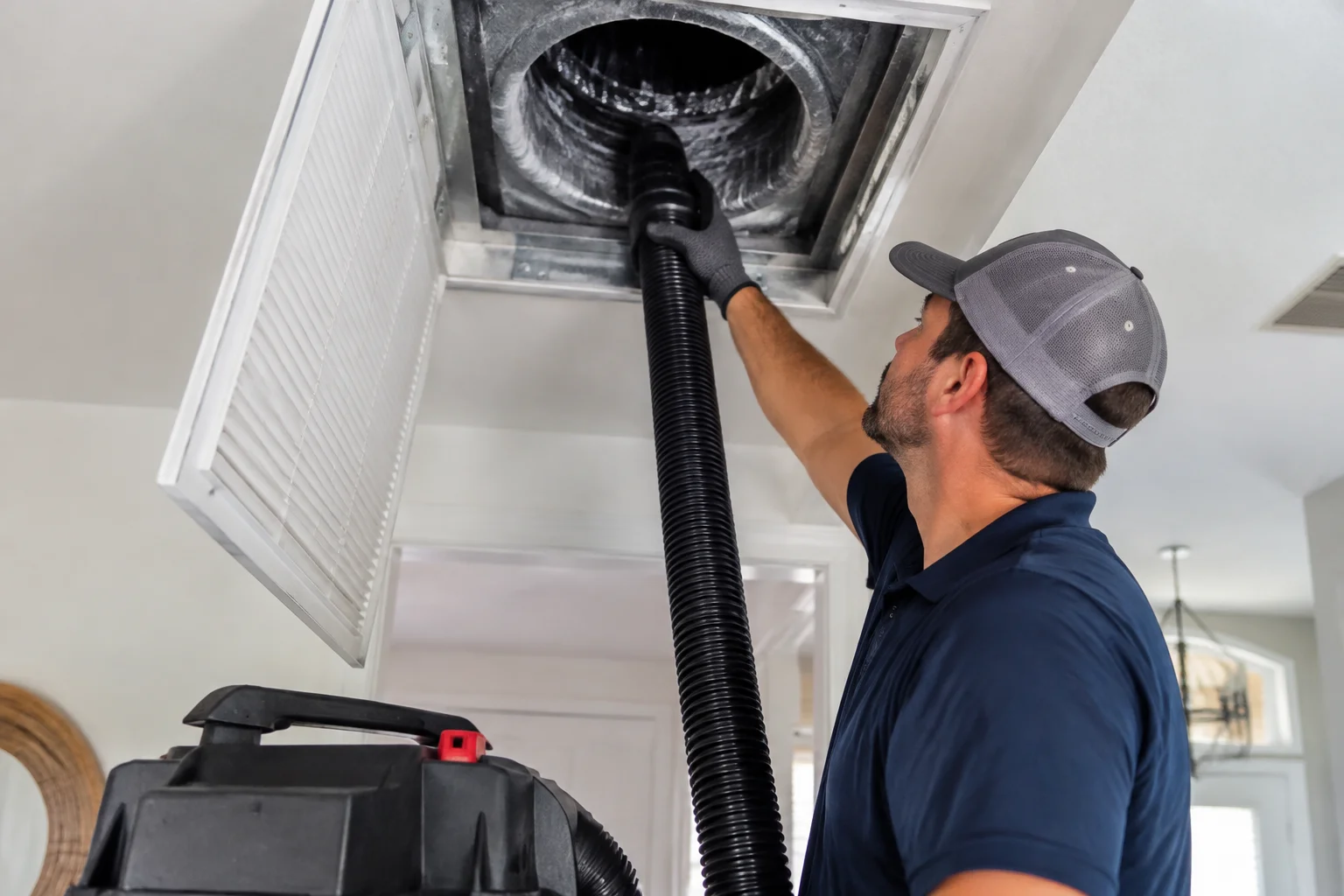
A good duct inspection in Panama City Beach should be thorough, organized, and tied to real airflow and comfort concerns. While specific methods vary, homeowners can expect the technician to look at:
- Duct layout and visible duct condition: Connections, seams, flexible duct condition, and signs of wear or damage.
- Airflow pathways: How supply and return paths work together, and whether airflow seems balanced.
- Potential leak locations: Areas where joints, transitions, and duct segments commonly separate.
- Moisture and condensate concerns: Signs that moisture may be affecting duct interiors or surrounding materials.
- System context: How the current HVAC setup, thermostat behavior, and cooling patterns could be influencing duct performance.
It also helps when the inspection is paired with a practical conversation about your symptoms and maintenance history, including filter changes, thermostat settings, and any recent AC repair work.
If you are also dealing with comfort problems that feel like HVAC replacement is around the corner, it is still wise to start with accurate evaluation. For homeowners searching for air conditioning inspection near me, duct inspection can be a key part of the bigger picture.
How duct wear affects indoor air quality and energy use
Indoor air quality is often the reason people notice duct problems first. When ductwork has leaks, restrictions, or moisture exposure, the HVAC system may pull in air from places you do not want, or it may fail to distribute conditioned air effectively.
In Panama City Beach, higher humidity can also affect comfort and air quality. If the system cannot remove moisture effectively, the home can feel sticky even when the thermostat is set correctly. That can increase system run time, which raises energy use and increases overall wear on the HVAC system.
Energy use is not only about the outdoor temperature. It is about how the system delivers airflow to the rooms you live in. Duct leaks can waste conditioned air. Restrictions can cause the blower to work harder. Moisture issues can create conditions that lead to repeated cleaning needs and ongoing comfort complaints.
Preventive maintenance that helps duct systems last longer
Wear and tear is unavoidable, but it does not have to become a duct failure story. Preventive HVAC maintenance helps keep airflow steady and reduces the chances that moisture and contamination become recurring issues.
Filter and airflow habits that make a difference
- Replace filters on the schedule your system needs, not just when they look dirty.
- Keep vents and returns clear so the system does not struggle to move air.
- Pay attention to airflow changes. If vents suddenly feel weaker, that can be an early clue before comfort problems become severe.
Humidity awareness during Florida summers
Because Panama City Beach humidity can be high, it helps to monitor comfort. If you notice persistent musty odors, condensation around registers, or a “wet” feeling when the AC runs, that is a strong reason to schedule duct inspection. Moisture concerns can be connected to condensate drainage and airflow patterns, so professional evaluation matters.
Some homeowners also explore whole home dehumidifiers to support comfort and indoor air quality. If that is on your radar, you can review Whole Home Dehumidifiers to see how humidity control fits into overall HVAC performance.
Thermostat settings and control behavior
Thermostats influence run time and cycling patterns. If the thermostat is set in a way that causes short cycling or constant operation, duct airflow can behave differently than expected. If you are considering Air Conditioning Systems or you suspect your thermostat is contributing to comfort issues, an HVAC professional can help evaluate what is happening during operation without guessing.
When duct inspection should lead to duct sealing, duct repair, or duct replacement decisions
Duct inspection findings often guide the next step. Sometimes the recommendation is duct sealing to address leaks. Other times it is duct repair for damaged sections. In more severe cases, duct replacement may be discussed, especially when ductwork is compromised beyond repair.
Homeowners searching for duct replacement near me often do not realize that the “best” solution depends on the type of damage and how the system is currently performing. A professional inspection can help differentiate between issues that can be corrected and issues that are likely to keep returning.
If you are also weighing AC repair near me or HVAC repair near me options, it is helpful to know that ductwork and the HVAC system work together. Fixing one without understanding the other can prolong the problem.
Emergency cooling concerns: why duct problems can make hot days worse
Panama City Beach summers can move quickly from comfortable to uncomfortable. If your AC is already struggling, duct leaks, airflow restrictions, or moisture-related issues can make it harder for the system to deliver cooling where you need it most.
That can turn a normal service call into an emergency cooling concern, especially if you have a heat pump or air conditioning system that is aging. If you are experiencing sudden airflow loss, strong musty odors, or rooms that are not cooling while the system runs, it is reasonable to treat that as urgent and contact a local HVAC company for evaluation.
For homeowners searching for duct inspection services in Panama City Beach, the inspection can help identify whether ductwork is contributing to the cooling problem or whether the root cause sits elsewhere in the HVAC system.
Why local HVAC service matters in Bay County
Coastal air and Florida humidity are not the same as inland climates. A local HVAC company serving Panama City Beach and Bay County understands the practical realities of:
- Homes with duct runs in attics and wall cavities
- Corrosion and wear patterns that show up on metal duct sections
- Moisture behavior during humid months
- Airflow complaints that are common in older housing layouts
It also helps when the company can connect duct inspection results to broader HVAC needs. For more context on why professional service matters, read Why Professional HVAC Service Matters for Panama City Beach Air Conditioning. If you manage a business property or larger building, Keeping Panama City Beach Properties Comfortable with Commercial HVAC Care That Holds Up to Coastal Weather can offer additional perspective.
You can also explore service options in Panama City Beach and browse Bay County HVAC services when you want a broader look at solutions that may be relevant to your home.
Related HVAC care that pairs well with duct inspection
Duct inspection is most effective when it connects to other HVAC maintenance and service areas. Depending on what the inspection uncovers, you may also need attention in these areas:
- Air filtration and purifiers: If dust and indoor air quality concerns are part of the picture, consider Air Filtration & Purifiers to support cleaner air circulation.
- Preventive maintenance plans: Regular HVAC maintenance helps reduce wear and tear across the system, which can stabilize airflow and reduce recurring duct issues. A helpful read is A Panama City Beach Homeowner’s Guide to Commercial HVAC Maintenance and Better System Reliability.
- System upgrades and financing: If ductwork issues are severe and system replacement becomes part of the conversation, it may help to review HVAC Financing so you can plan responsibly.
These are not automatic next steps. The right plan depends on your inspection findings, your comfort goals, and the condition of your HVAC system. A professional evaluation keeps decisions grounded in what is actually happening in your home.
Contact A Superior Mechanical for duct inspection in Panama City Beach
If your duct inspection results feel confusing, or you suspect that HVAC wear and tear is affecting airflow, moisture handling, or indoor comfort, A Superior Mechanical can help you sort it out. Professional air duct inspections are designed for better airflow, efficiency, and indoor comfort in Panama City Beach.
Schedule duct inspection services at /service-areas/bay-county/panama-city-beach/duct-inspection-services-pcb and learn more about local service at /service-areas/bay-county/panama-city-beach.
Find Duct Inspection in Panama City Beach, FL
If you need Duct Inspection in Panama City Beach, FL, visit our local service page or contact A Superior Mechanical today.
Map of Panama City Beach, FL
Frequently Asked Questions
Can HVAC wear and tear make duct inspections look worse than they really are?
Yes. Aging HVAC components can change airflow and moisture patterns, which can make duct symptoms appear more severe. A thorough inspection considers the ductwork along with system operation so you are not only reacting to one symptom.
What duct problems are most common in Panama City Beach homes?
Homeowners commonly see duct leaks at joints, flexible duct sagging, airflow imbalance from supply and return issues, and moisture concerns influenced by Florida humidity and condensate drainage conditions.
Should I schedule duct cleaning before duct inspection?
Often it is better to start with duct inspection. Cleaning may help in some cases, but if leaks, moisture exposure, or damage are present, cleaning alone may not resolve the underlying cause. An inspection can guide the right next step.
When should duct inspection be treated as urgent during hot weather?
If you notice sudden airflow loss, strong musty odors, or rooms that are not cooling while the system runs, it can be an urgent comfort issue. Contact a local HVAC company so the problem can be evaluated before the heat becomes a bigger emergency.
Will duct inspection help with indoor air quality problems like dust or odors?
It can. Duct leaks, restrictions, and moisture exposure can contribute to dust and odors. A professional inspection can identify likely duct-related contributors so you can address the right issue and support healthier indoor air.
Related Articles
- Why Professional HVAC Service Matters for Panama City Beach Air Conditioning
- How HVAC Wear and Tear Changes the Way Duct Cleaning Works in Panama City Beach Homes
- Keeping Panama City Beach Properties Comfortable with Commercial HVAC Care That Holds Up to Coastal Weather
- A Panama City Beach Homeowner’s Guide to Commercial HVAC Maintenance and Better System Reliability
Photo Gallery