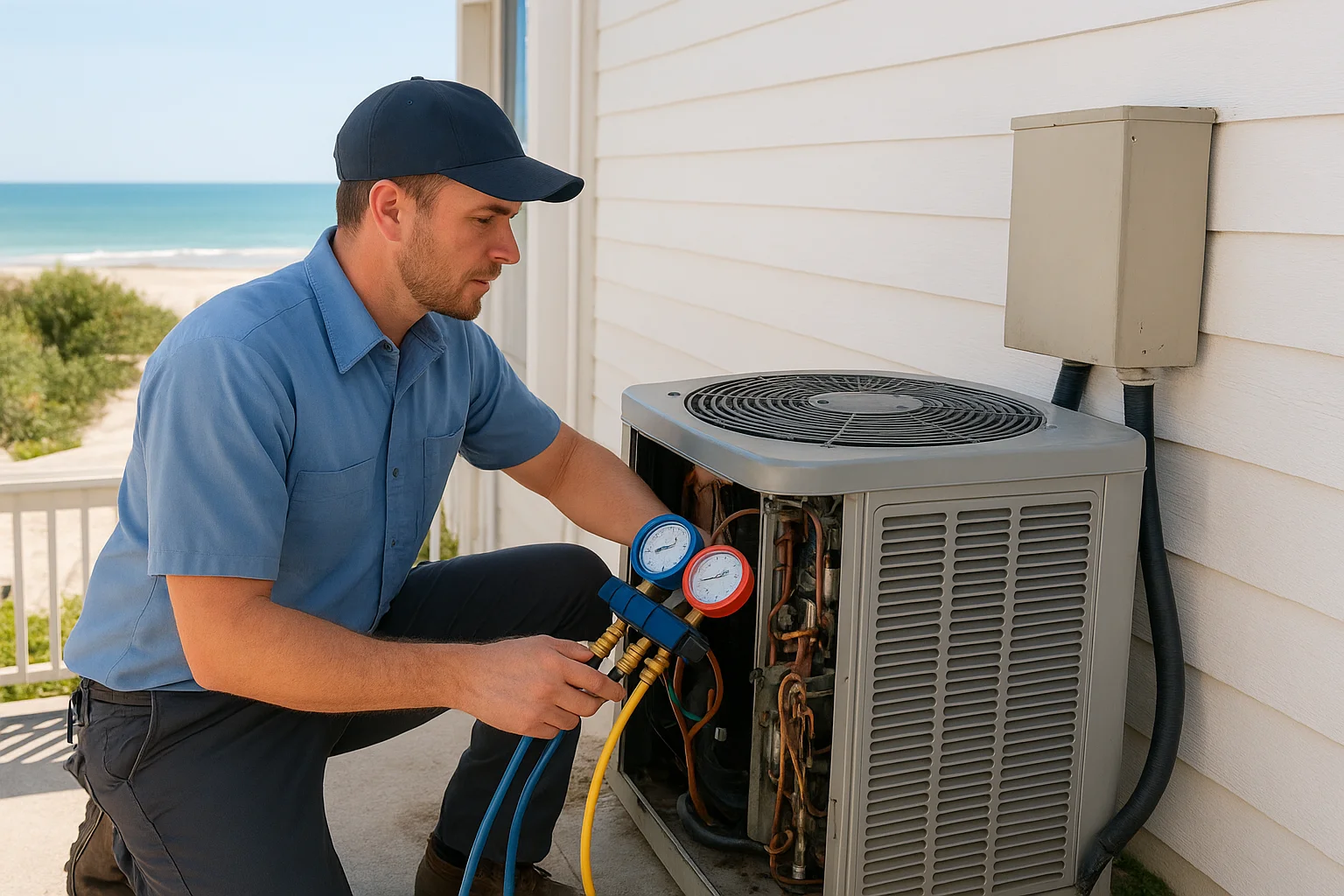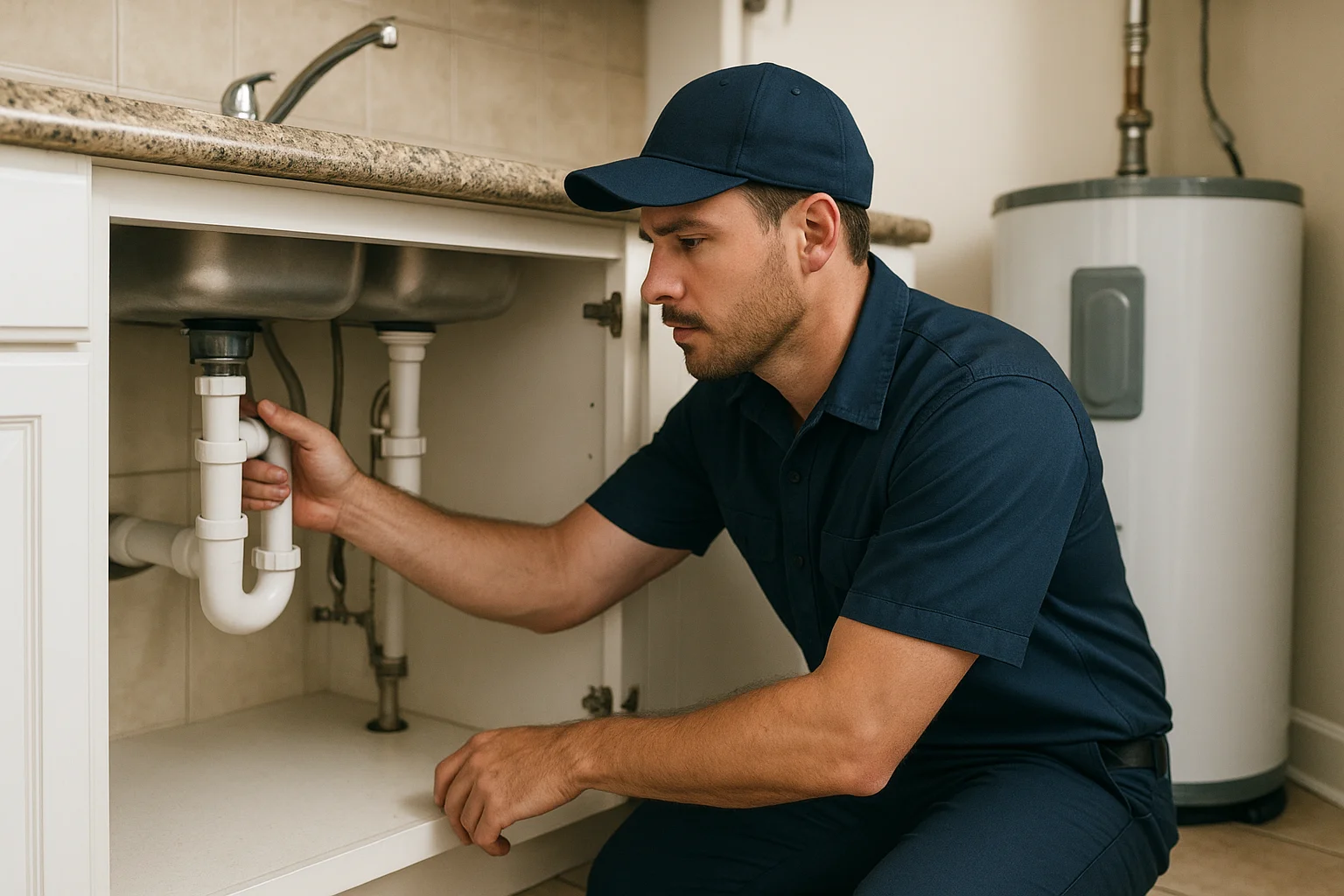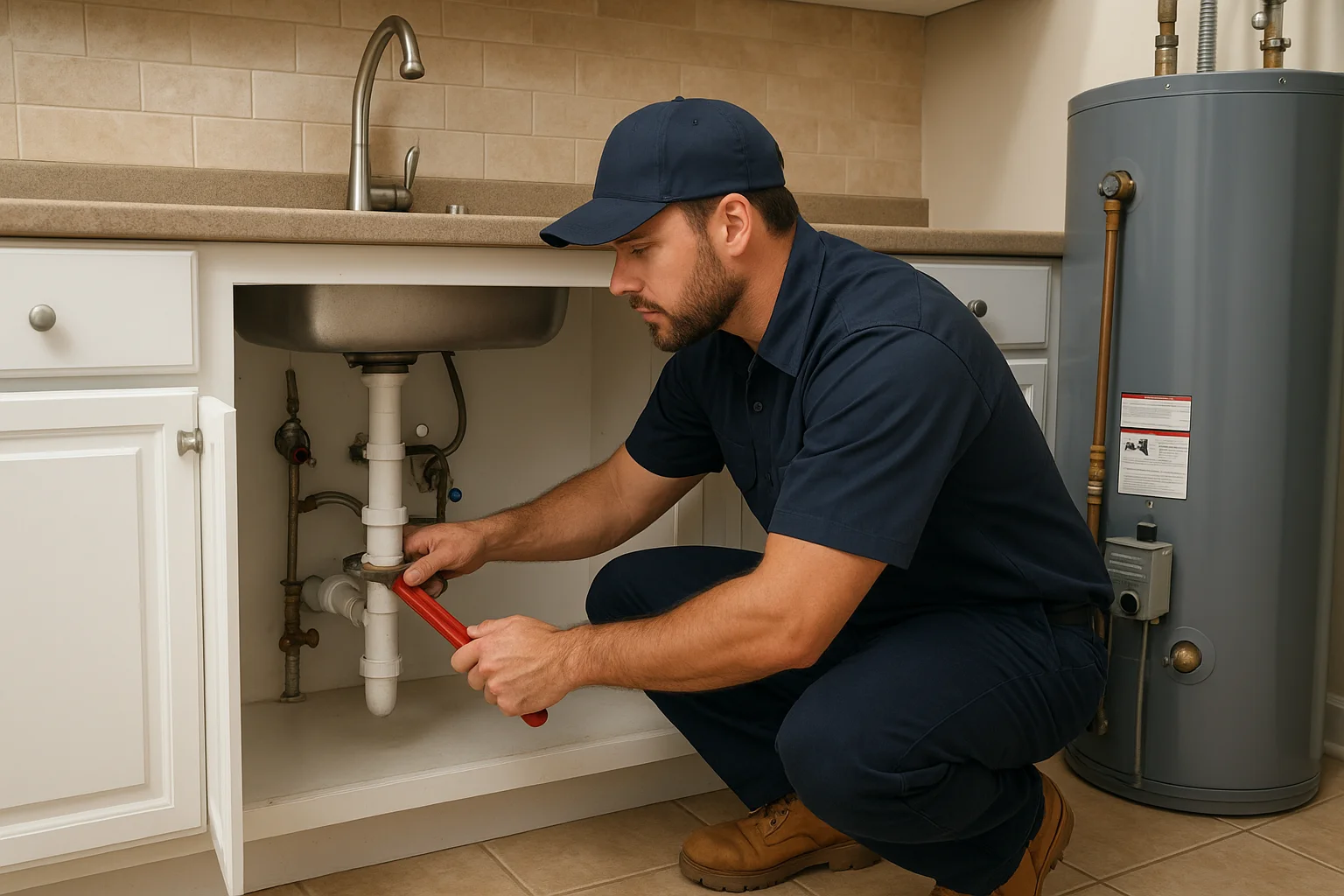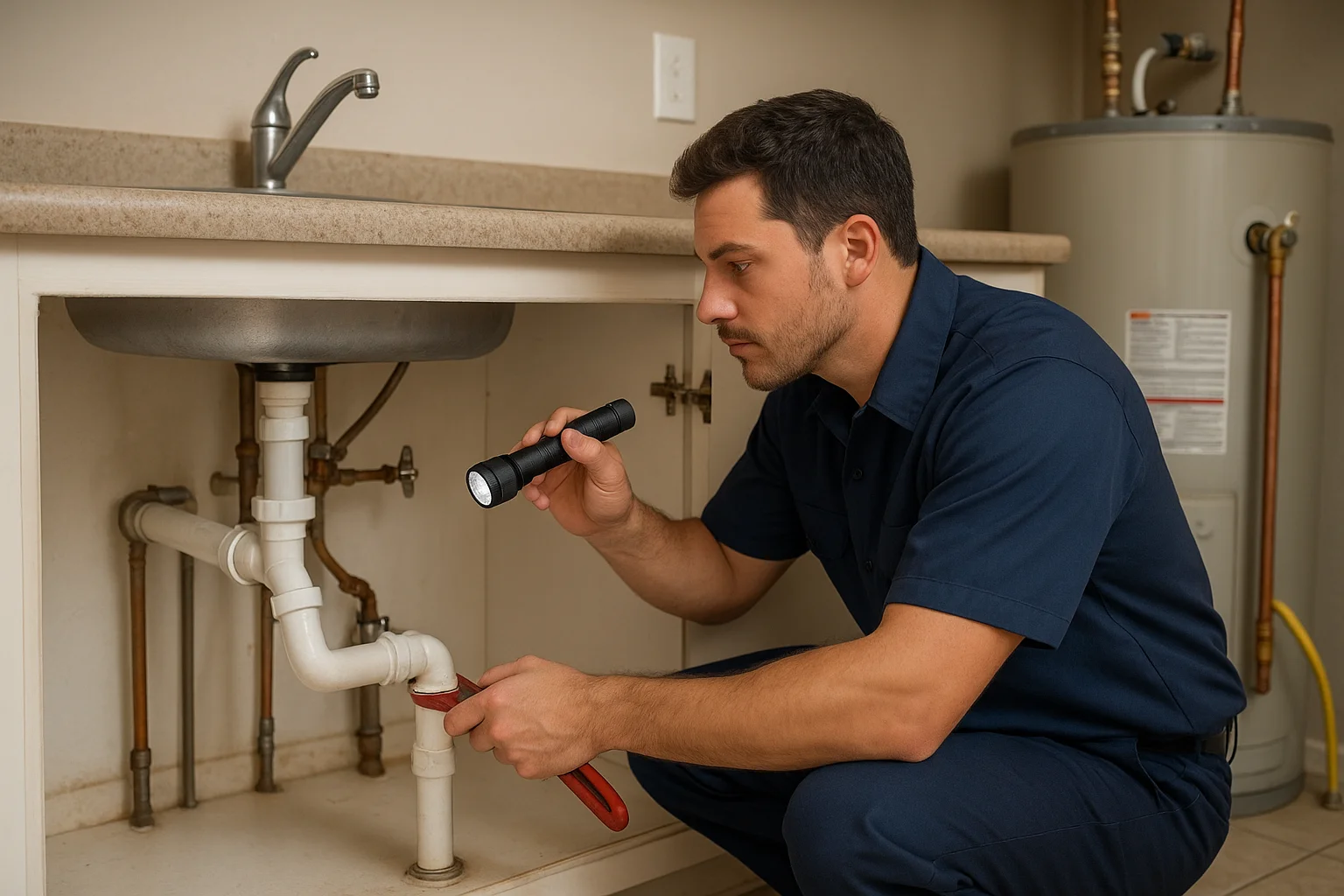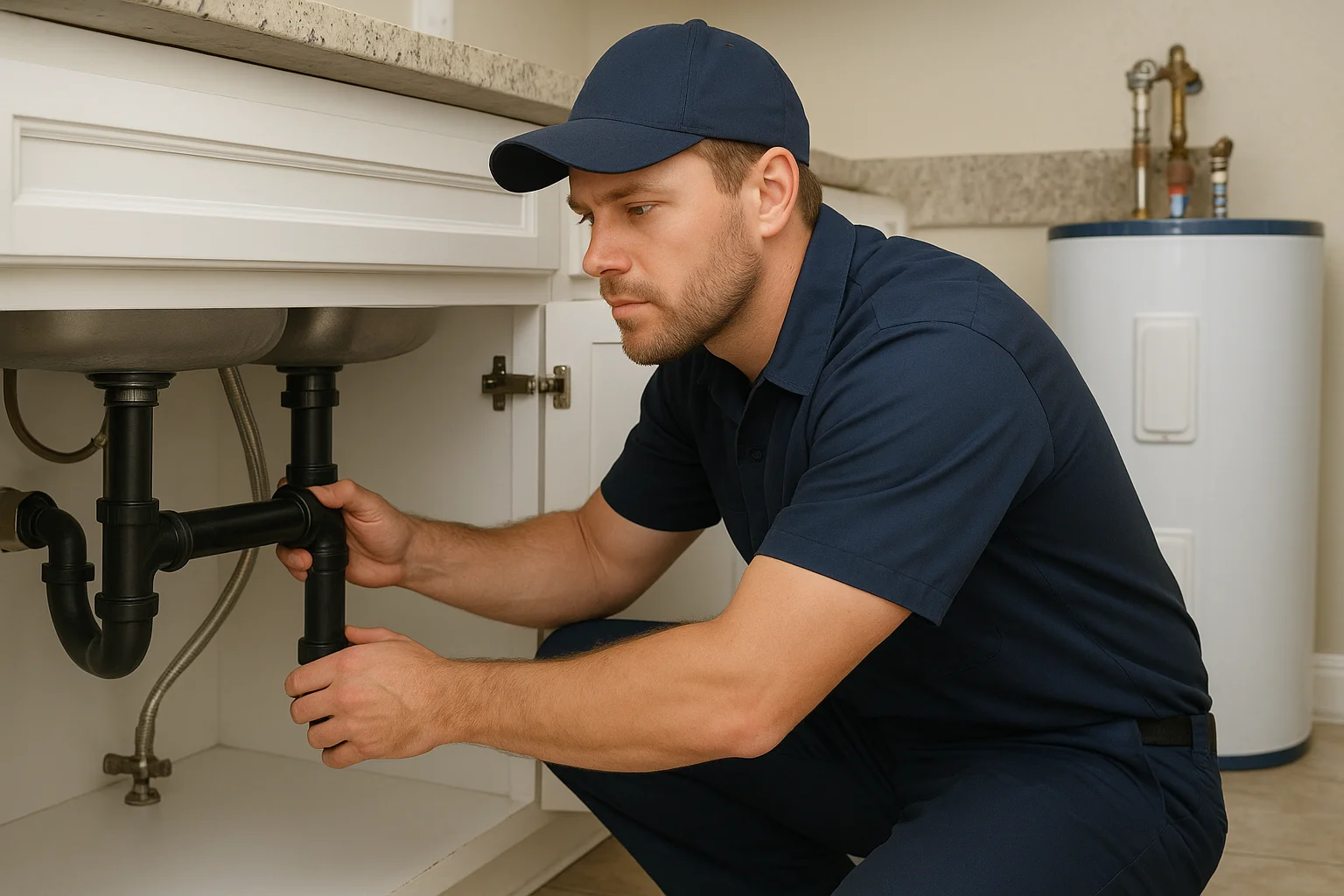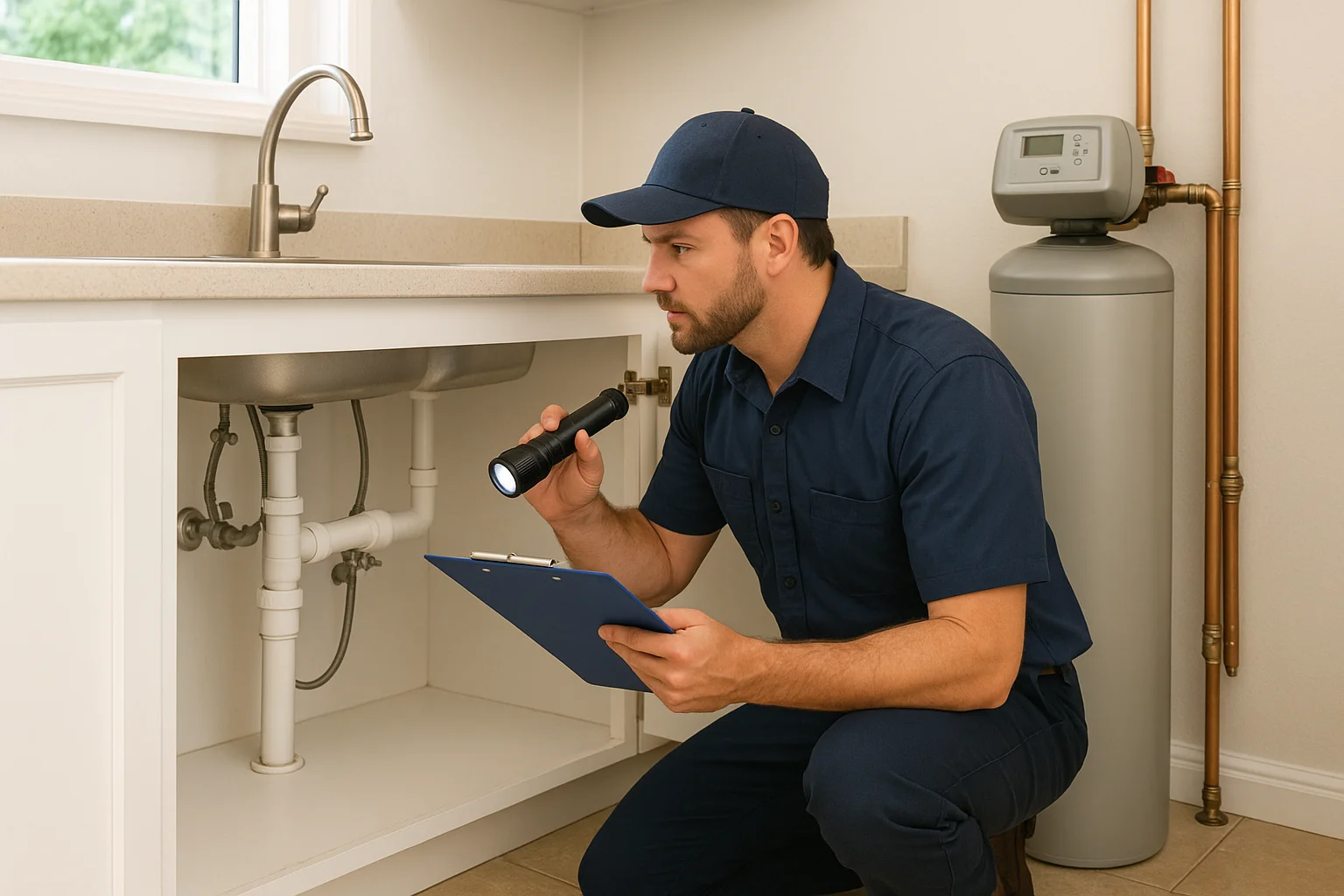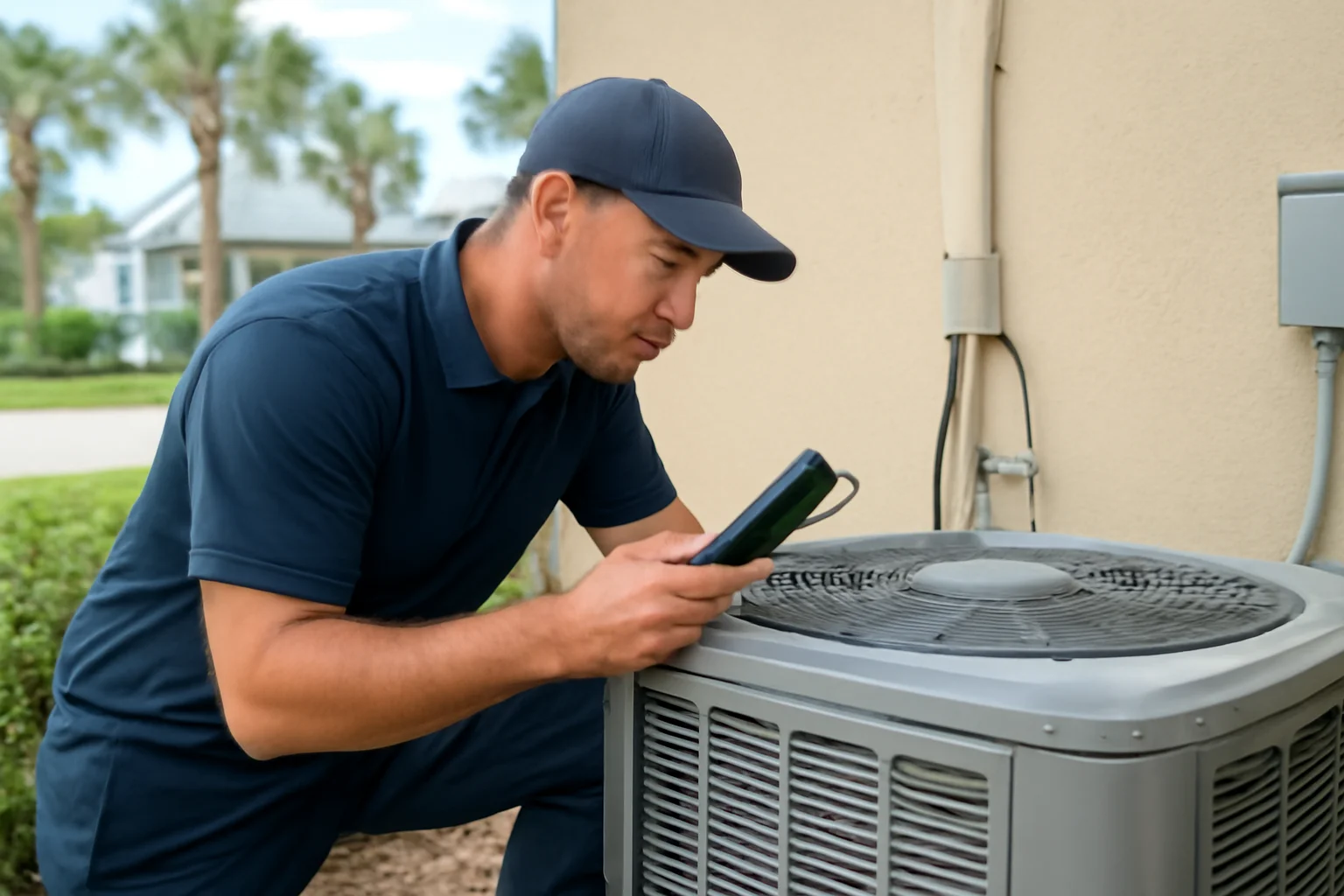
Blue Mountain Beach homes and rentals are built for comfort, but the local weather makes indoor air quality a moving target. Between Florida heat, high humidity, and salt air from the coast, HVAC systems work hard year-round. When wear and tear builds up in filters, ductwork, thermostats, condensate drainage, and refrigerant systems, the conditions that an indoor air quality test is designed to measure can change quickly.
This guide explains how HVAC aging and common comfort problems affect indoor air quality testing in Blue Mountain Beach, FL, what homeowners often notice, and how professional HVAC service helps you get clear, actionable test results.
Why HVAC wear and tear matters for indoor air quality testing
Indoor air quality testing typically looks at factors like humidity, airborne particulates, ventilation performance, and indicators that may suggest microbial growth or airflow imbalances. HVAC components influence all of those. When the system is slightly off, the home can become a better breeding ground for moisture-related issues or trap contaminants where air does not circulate well.
In Blue Mountain Beach, the challenge is that Florida humidity does not wait. If your air conditioner or heat pump is not removing moisture effectively, indoor humidity can rise even if the thermostat says the temperature is “comfortable.” That moisture can affect test readings and also affects how long any remediation takes to work.
Wear and tear can also change how air moves through the house. Airflow problems can cause localized hot spots, cold rooms, and stagnant areas where dust, allergens, and odors accumulate. Indoor air quality services near me are often requested after homeowners notice comfort issues, but the HVAC system is usually part of the root cause.
Humidity control problems show up in both comfort and test results
In coastal Northwest Florida, humidity control is not optional. Air conditioners and heat pumps remove moisture as they cool, and they rely on correct airflow and condensate drainage to do it efficiently. Over time, several wear-and-tear issues can reduce dehumidification and lead to higher indoor humidity.
Dirty filters and restricted airflow
One of the most common causes of reduced moisture removal is airflow restriction. Filters can load with dust and pollen, and return vents can collect debris. When airflow is restricted, the system can struggle to move enough air across the cooling coil. The result is often less effective humidity control, which may show up as elevated relative humidity during indoor air quality testing.
If you are searching for HVAC repair near me because your home feels clammy even when it is set to a reasonable temperature, airflow restriction is one of the first things a technician should evaluate alongside indoor air quality testing.
Leaky or poorly sealed ductwork
Ductwork that has gaps, poor connections, or sections that are not insulated properly can move conditioned air where it is not supposed to go. In hot and humid weather, duct leaks can pull in moisture-laden air and increase the chance of condensation in duct runs. That can affect test outcomes by increasing the likelihood of microbial growth indicators and changing particulate distribution.
Homes near the coast can also be affected by salt air exposure over time, which can accelerate corrosion on metal duct components and hardware. If you suspect ductwork issues, homeowners often start by learning about the hidden value of a duct inspection before comfort complaints spread.
Condensate drainage clogs or slow drains
When condensate drainage is restricted, water can back up or remain in the system longer than it should. That moisture can contribute to musty odors and microbial concerns. Indoor air quality testing may reflect the environment created by that moisture, especially when multiple factors are present like airflow imbalance and high humidity.
Condensate drainage issues are also tied to emergency cooling concerns. If drainage problems cause the system to shut down or perform poorly, you can lose comfort during the hottest stretches of the year. That is why homeowners should treat moisture and drainage symptoms as HVAC issues, not just “smells” or “dampness.”
Refrigerant system strain can indirectly affect indoor air quality
Refrigerant systems are designed to move heat out of your home efficiently. When the system is not operating as intended, cooling performance can degrade. While indoor air quality testing is not a refrigerant diagnosis, HVAC performance problems can still change the indoor conditions that testing measures.
Cooling that does not fully reach the target conditions
If cooling is inconsistent, the system may not run long enough or may not remove moisture effectively. That can lead to higher humidity and comfort complaints like sticky air, persistent odors, or rooms that feel “off” compared to the rest of the house. Humidity and airflow issues are often linked, so a technician may recommend evaluating the HVAC system alongside indoor air quality services near me.
Coil fouling and reduced heat transfer
Coils can collect dust, debris, and residue over time. When heat transfer is reduced, the system may struggle to maintain stable cooling and dehumidification. That can create indoor conditions that influence indoor air quality testing results, particularly around humidity and particulate behavior.
Because refrigerant and coil performance require in-person evaluation, any interpretation of test results should be paired with a professional HVAC assessment. A test may tell you what is happening, but it cannot confirm exactly why without HVAC troubleshooting.
Thermostats and controls can change ventilation patterns
Thermostats and control settings affect how often the system runs, how long it cycles, and how air is distributed. In a humid climate, runtime and fan operation matter for both comfort and indoor air quality.
Fan settings and uneven circulation
If the thermostat is set in a way that limits fan runtime, some homes end up with less consistent air mixing. That can leave pockets where humidity and particulates accumulate. Indoor air quality testing may show uneven conditions across rooms, especially in larger homes or those with multi-zone comfort.
Control issues that cause short cycling
Short cycling can prevent the system from completing the cooling and dehumidification process. The home may feel cooler briefly, but humidity can remain higher than expected. If your indoor air quality testing shows humidity concerns, HVAC contractor near me consultations often focus on whether the system is cycling correctly and maintaining airflow.
Some homeowners also consider Heating Control Systems when they want better control of comfort and runtime, especially in coastal climates where humidity can be persistent.
Airflow imbalance from wear and tear can make problems worse
Indoor air quality is not only about what is in the air. It is also about how air moves and how consistently it reaches different rooms. HVAC wear and tear can reduce total airflow or shift airflow away from intended delivery points.
Supply and return imbalance
When returns are blocked or undersized, the system can pull less air through certain areas. That can increase dust accumulation and reduce the effectiveness of filtration. It can also affect how quickly the home recovers after door openings, cooking, or humid outdoor air infiltration.
Register and grille buildup
Registers and grilles can collect dust and debris, and over time they can become partially obstructed. Even if filters are changed on schedule, restricted airflow at the room level can still impact comfort and indoor air quality outcomes.
If you are weighing duct cleaning near me, it can be helpful to remember that ductwork cleaning is not a substitute for fixing airflow restrictions. A professional evaluation can determine whether cleaning is appropriate and what other steps are needed to improve air movement.
Salt air and coastal corrosion can affect HVAC components
Blue Mountain Beach sits along the water, and salt air can influence how HVAC systems age. Corrosion can affect metal components, drain pans, and connections. Even when corrosion is not obvious, it can contribute to performance issues that influence humidity control and airflow.
Salt air exposure also makes it more important to keep up with preventive HVAC maintenance. Preventive maintenance helps catch small problems before they become indoor air quality issues, such as rising humidity, slow drainage, or airflow changes that encourage dust buildup.
How indoor air quality testing results can reflect HVAC problems
Homeowners often expect indoor air quality testing to point to a single cause. In reality, the test results can be a snapshot of multiple interacting factors, many of them HVAC-related.
Elevated humidity readings
If testing shows higher-than-desired humidity, HVAC wear and tear may be a major contributor. Common HVAC causes include restricted airflow, coil fouling, condensate drainage issues, or system performance problems that reduce dehumidification.
Increased particulates or uneven distribution
Particulates can concentrate in areas with poor airflow or at return paths that are not pulling enough air. Worn filters, dirty blower components, and duct leaks can all contribute to the particulate environment that testing detects.
Musty odors or microbial concerns
Moisture that lingers due to drainage clogs or condensation in ductwork can create conditions that align with microbial concerns. Testing can help confirm whether the environment is consistent with those issues, but the HVAC system still needs evaluation to address the source of moisture.
What homeowners can do before and after testing
Indoor air quality testing is most useful when it is paired with real HVAC context. Homeowners can take a few practical steps to support accurate results and faster resolution.
Document comfort symptoms and timing
Note when humidity feels worst, where odors show up, and whether issues are tied to cooling cycles, rainy days, or heavy use of bathrooms and kitchens. If you have rooms that stay warmer or cooler, list them.
Check filter condition and airflow visibility
Before the appointment, confirm that the air filter is installed correctly and take a photo of its condition if it looks loaded. Do not remove the system cover unless you are comfortable doing so safely. A technician can review filter size and installation during the visit.
Plan for HVAC fixes, not just air testing
Many indoor air quality services are most effective when HVAC performance issues are addressed first. If testing shows humidity or airflow concerns, fixing airflow paths, improving condensate drainage, and confirming proper operation of the cooling system can reduce the ongoing drivers of indoor air quality problems.
Some homeowners also ask about whole home air purifier near me or air scrubber installation near me. Those can be helpful in certain situations, but they should be selected and installed based on the home’s airflow and HVAC configuration. A professional evaluation helps avoid “band aid” solutions that do not address the root moisture or airflow problem.
Preventive HVAC maintenance that protects indoor air quality
Preventive HVAC maintenance is one of the most practical ways to keep indoor air quality testing from becoming a recurring expense. In Blue Mountain Beach’s climate, maintenance protects the system’s ability to control humidity and maintain airflow.
Filter and airflow verification
Regular filter changes and verification of proper airflow help the system run as designed. This supports both comfort and indoor air quality goals.
Coil cleaning and performance checks
Coils can collect dust that reduces heat transfer. Coil care supports stable cooling and dehumidification. It also helps reduce the conditions that can contribute to musty odors and moisture-related concerns.
Condensate drainage inspection
Condensate drainage should be inspected regularly. Keeping the drain line clear and ensuring proper drainage helps prevent moisture buildup inside the system.
Ductwork evaluation
Ductwork services can make a difference when leaks or poor sealing contribute to humidity and airflow imbalance. If you want to explore solutions designed to improve system performance, homeowners sometimes consider Ductwork Services Aeroseal as part of an airflow and comfort strategy.
For additional perspective, you can also review Indoor Air Quality Testing That Helps Inlet Beach Homes Stay Comfortable Longer and how HVAC performance connects to comfort over time.
Air conditioning service and emergency cooling concerns
When humidity control or airflow is failing, the discomfort can become urgent during peak summer heat. Emergency cooling concerns often start with small symptoms like weak airflow, rising humidity, or slow cooling. Those symptoms can also overlap with indoor air quality issues.
Homeowners who are scheduling HVAC service near me sometimes find that the system is not keeping up with humidity loads, or that airflow and drainage problems are making the home feel “wetter” than it should. Addressing HVAC performance early reduces the risk of a mid-summer breakdown and helps protect indoor air quality.
Heat pump and ductless systems in humid coastal homes
Many Blue Mountain Beach homes use air conditioning service and heat pump systems, and some also use ductless mini split installation for targeted comfort. Wear and tear can still affect indoor air quality through humidity control, filtration, and airflow patterns.
Heat pump repair and humidity behavior
Heat pumps cool and dehumidify differently depending on system design and operating conditions. If your system is struggling, humidity can rise, and indoor air quality testing may reflect that shift. If you are searching for heat pump repair near me due to comfort issues, pairing troubleshooting with indoor air quality assessment can help connect performance symptoms to test findings.
Ductless mini splits and whole-home airflow
Ductless systems can improve comfort in specific areas, but they do not automatically solve whole-home ventilation and distribution challenges. If the rest of the home has ducted airflow issues, indoor air quality testing may show uneven conditions. In those cases, homeowners may need coordinated HVAC service and ductwork evaluation.
If you are exploring comfort upgrades, you might also consider why Seaside homes benefit from indoor air quality testing before comfort issues spread.
System replacement is a decision for a full evaluation
Some homeowners assume that older equipment should be replaced when indoor air quality is not improving. Replacement can be appropriate in certain situations, but it should never be decided based only on test results.
Indoor air quality testing can identify environmental conditions like humidity and airflow-related indicators. A professional HVAC evaluation is needed to determine whether the system can be repaired, whether ductwork and condensate drainage need attention, and whether new equipment would actually address the root causes affecting indoor air quality.
If you are considering new AC installation near me or system replacement, ask for an assessment that connects HVAC performance to the indoor conditions measured during testing. That approach helps ensure the solution matches the problem.
Why professional local HVAC service makes indoor air quality testing more useful
Indoor air quality testing can be valuable, especially for homeowners dealing with humidity, allergens, musty odors, or persistent discomfort. But the test is only as actionable as the HVAC context behind it.
A Superior Mechanical provides professional indoor air quality testing in Blue Mountain Beach, FL, and connects the findings to HVAC factors like airflow, ductwork performance, condensate drainage, thermostats, and refrigerant system operation. That matters in Walton County because homes vary widely in layout, age, and ventilation design, and because coastal humidity pressures HVAC systems in ways inland homes may not experience.
If you want to focus specifically on this service, visit indoor air quality testing for Blue Mountain Beach, FL. You can also explore the broader coverage area on the Blue Mountain Beach service page and Walton County HVAC service areas for more local options.
When to schedule indoor air quality testing with HVAC service
Consider booking indoor air quality services near me when you notice patterns that match HVAC-related moisture or airflow issues. Examples include:
- The home feels humid or “sticky” even when cooling is running.
- Musty odors show up after rain, during summer humidity peaks, or when the system cycles.
- Some rooms feel stale, hotter, or colder than others.
- Dust and allergens seem to build quickly despite regular cleaning.
- Condensate drainage seems slow, or you notice water where it should not be.
- Airflow feels weak from vents or returns.
These situations are also the kind of issues that can become emergency cooling concerns if the system fails during extreme heat. A coordinated approach helps you address both indoor air quality and the HVAC performance that drives it.
Related service options that pair well with indoor air quality testing
Depending on what testing shows and what the HVAC evaluation finds, homeowners may benefit from targeted solutions. Common pairings include:
- Duct Cleaning when debris buildup or airflow pathways need improvement.
- Heating Control Systems for better runtime and comfort stability.
- Air quality upgrades like whole home air purification or air scrubbing, chosen based on airflow and system setup.
- HVAC system tuning or repairs to restore proper humidity control and airflow.
If you are comparing options for your specific home, pairing testing with professional HVAC service is the best path to results that hold up through Florida’s humidity swings.
If you want more local context, you can also read why better indoor air quality testing matters for Upper Grand Lagoon homes and how HVAC wear and tear can influence indoor comfort and air quality over time.
Find Indoor Air Quality Testing in Blue Mountain Beach, FL
If you need Indoor Air Quality Testing in Blue Mountain Beach, FL, visit our local service page or contact A Superior Mechanical today.
Map of Blue Mountain Beach, FL
Frequently Asked Questions
Can HVAC wear and tear make indoor air quality test results look worse than they are?
Yes. Aging filters, restricted airflow, duct leaks, and condensate drainage issues can raise indoor humidity and redistribute particulates. That can influence what a test detects. A professional evaluation helps connect HVAC performance to the test findings.
If my home has high humidity, does that automatically mean mold?
Not automatically. High humidity can increase the likelihood of microbial growth, but the presence and level of microbial concerns should be evaluated based on environmental conditions and evidence gathered during professional assessment. HVAC moisture sources like condensate drainage and airflow problems should be checked.
Should I schedule indoor air quality testing before or after AC repair?
Often, the most useful approach is to coordinate both. Testing can identify the indoor conditions, while HVAC service can address the drivers such as airflow restriction, ductwork issues, refrigerant system performance, and condensate drainage. An in-person professional evaluation can help determine the best sequence for your situation.
How do ductwork problems affect indoor air quality testing in coastal Walton County homes?
Leaky or poorly sealed ductwork can reduce airflow where it is needed and can pull in outdoor moisture-laden air. This can contribute to humidity issues and uneven conditions across rooms, which may show up in indoor air quality testing. A duct inspection can help clarify whether ductwork services are appropriate.
What should I do right before my indoor air quality testing appointment?
Confirm your air filter is installed correctly and take a quick note of any symptoms like musty odors, sticky humidity, weak airflow, or room-to-room temperature differences. If you have recent comfort or HVAC repair history, share it with your technician so the testing can be interpreted accurately.
Related Articles
- Blue Mountain Beach Homes and the Hidden Value of a Duct Inspection
- Indoor Air Quality Testing That Helps Inlet Beach Homes Stay Comfortable Longer
- Why Seaside Homes Benefit From Indoor Air Quality Testing Before Comfort Issues Spread
- Why Better Indoor Air Quality Testing Matters for Upper Grand Lagoon Homes
Photo Gallery