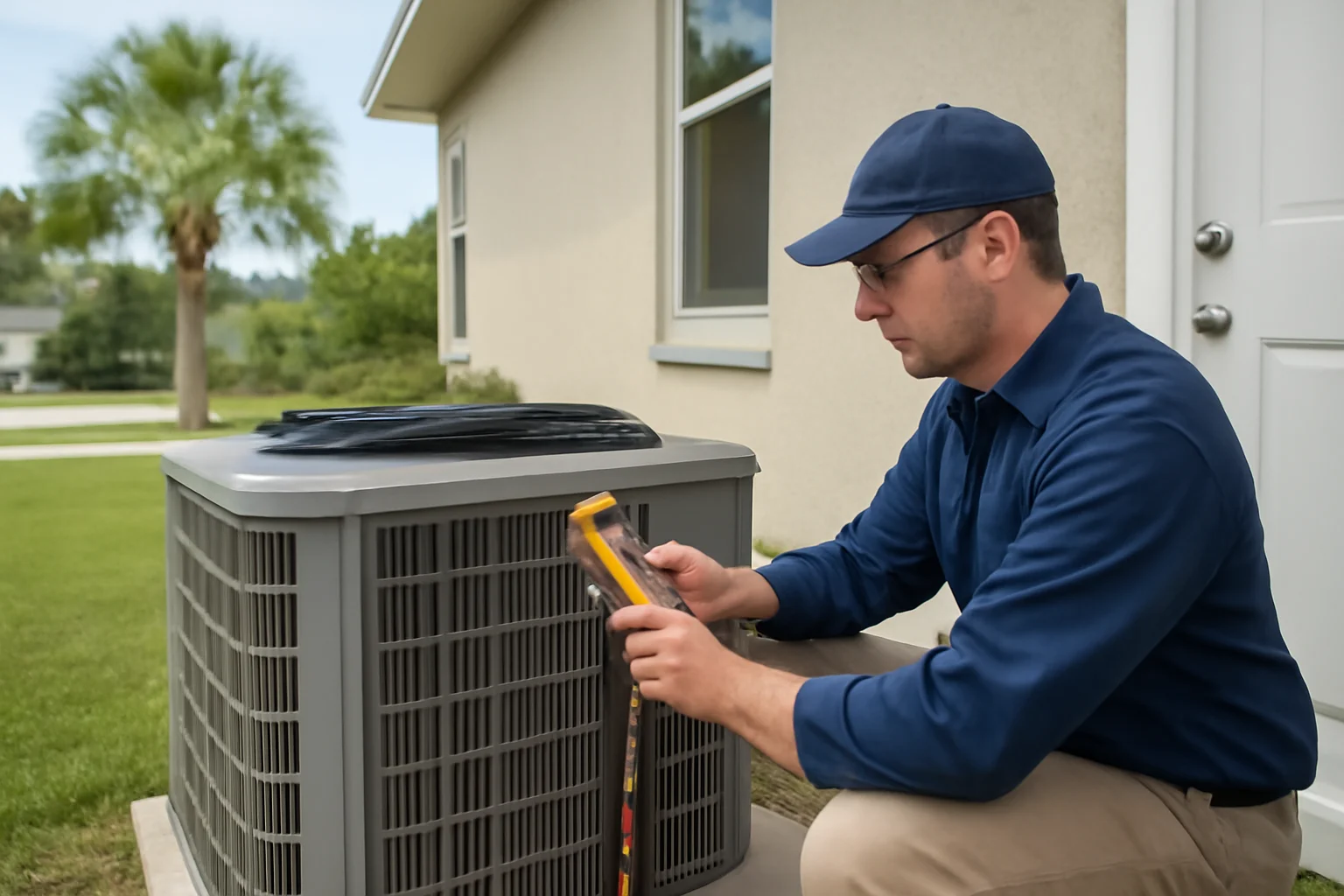
Inlet Beach homeowners get used to running air conditioning for months at a time, but that kind of nonstop cooling is exactly what can wear HVAC equipment down. Florida heat and humidity push refrigerant systems to work harder, salt air can add corrosion stress, and airflow problems can turn a minor issue into a bigger repair. A professional air conditioning inspection in Inlet Beach, FL is designed to catch those problems early, before they show up as weak cooling, high energy use, or emergency cooling concerns.
Why Inlet Beach cooling seasons stress HVAC equipment
Cooling in Northwest Florida is not a short seasonal routine. From early warm spells through long summer stretches, many homes run their systems frequently, often with little time to fully recover. That steady demand means more compressor cycles and more time for indoor coils, outdoor coils, and condensate drainage components to deal with heat and moisture.
Heat and humidity increase system workload
When humidity is high, the air conditioner has to remove moisture as well as cool the temperature. That can increase strain on the evaporator and the refrigerant system. If airflow is restricted, the system can struggle to move heat out of the home effectively, which often shows up as longer run times and inconsistent comfort.
Coastal salt air can accelerate corrosion
Inlet Beach is a coastal community, and salt in the air can contribute to corrosion on outdoor components and fasteners. Over time, corrosion can affect contact points, airflow paths, and the condition of coil surfaces. A careful inspection looks for early signs of corrosion and performance issues that homeowners might not notice.
Long run times can expose airflow and drainage problems
Airflow is one of the biggest factors behind comfort and equipment health. When air cannot move freely through ductwork or when indoor filters and coils are dirty, the system may run longer to reach the thermostat setting. At the same time, humidity creates condensate. If condensate drainage is restricted or improperly draining, it can contribute to water issues and indoor air quality concerns.
What a thorough air conditioning inspection should include
A high-quality inspection is more than a quick look at the thermostat. It is a structured evaluation of how the system cools, how air moves, how moisture drains, and how the system behaves under real operating conditions. Homeowners often search for “air conditioning inspection near me” because they want clarity on whether the system is healthy for the season.
1) Thermostat and control checks
The thermostat is the command center. During an inspection, a technician should verify that thermostat settings, scheduling behavior, and sensor readings are appropriate for home comfort. If the thermostat is misreading temperature, short cycling can occur, or the system may not maintain consistent cooling. If you are considering air conditioning services that include thermostat installation, the inspection should help determine whether the existing controls are part of the problem.
2) Indoor airflow evaluation
Airflow affects everything from comfort to efficiency. A technician should assess indoor air movement across the evaporator coil, check the condition of filters, and look for signs that ductwork may be restricting airflow. In homes where ductwork has leaks, kinks, or poorly balanced runs, the system can cool unevenly and overwork to compensate.
If you are also dealing with dust, odors, or lingering humidity, it may be worth reading Indoor Air Quality Testing That Helps Inlet Beach Homes Stay Comfortable Longer to understand how comfort and air quality connect.
3) Outdoor unit and coil condition
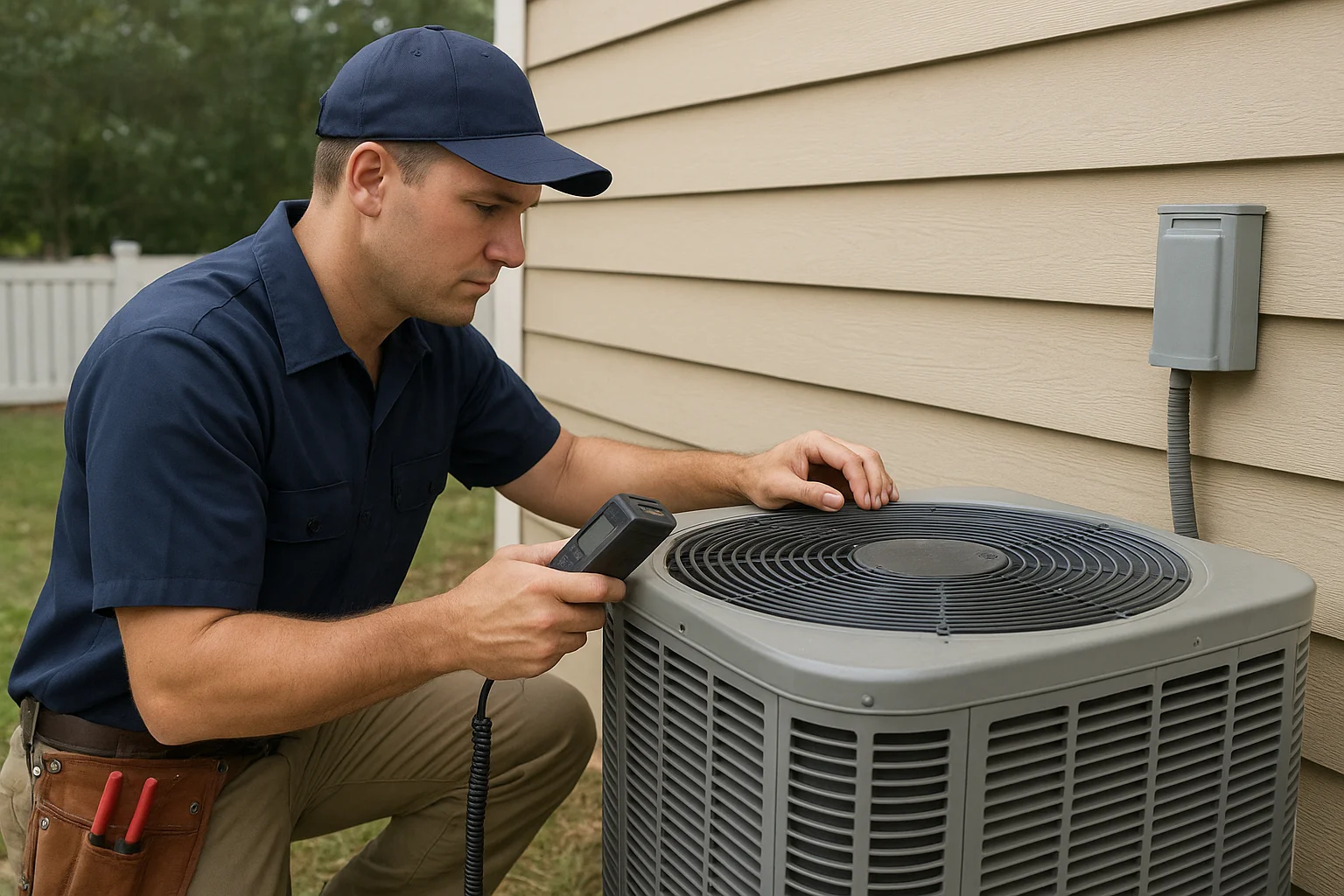
Outdoor coils reject heat. For coastal homes, coil surfaces can collect salt residue and debris, and fins can become clogged. During an inspection, the technician should evaluate whether airflow through the outdoor unit is being blocked and whether coil condition suggests cleaning or other corrective steps.
4) Refrigerant system performance review
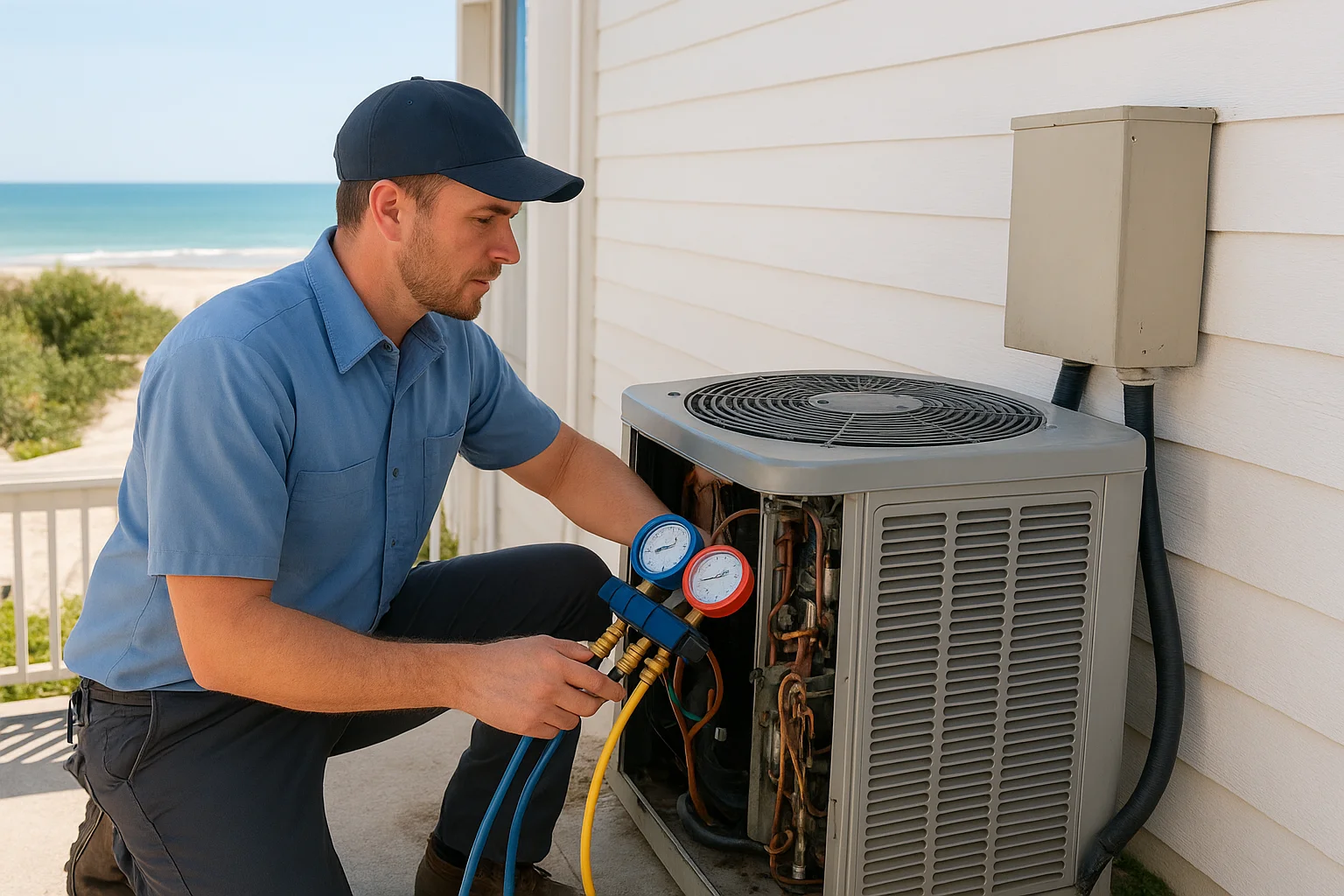
Refrigerant systems are designed to move heat from indoors to outdoors. If the system is not operating correctly, cooling can be weak or inconsistent. A professional inspection should include observation of system operation and performance indicators, including how the system cycles and how it responds during cooling demand.
Homeowners should know that a refrigerant issue is not something you can confirm safely from a casual look or a homeowner test. A technician should identify symptoms and recommend next steps only after an in-person evaluation. If an inspection suggests a refrigerant-related concern, the correct course is a detailed service diagnosis performed by a qualified HVAC contractor.
5) Condensate drainage inspection
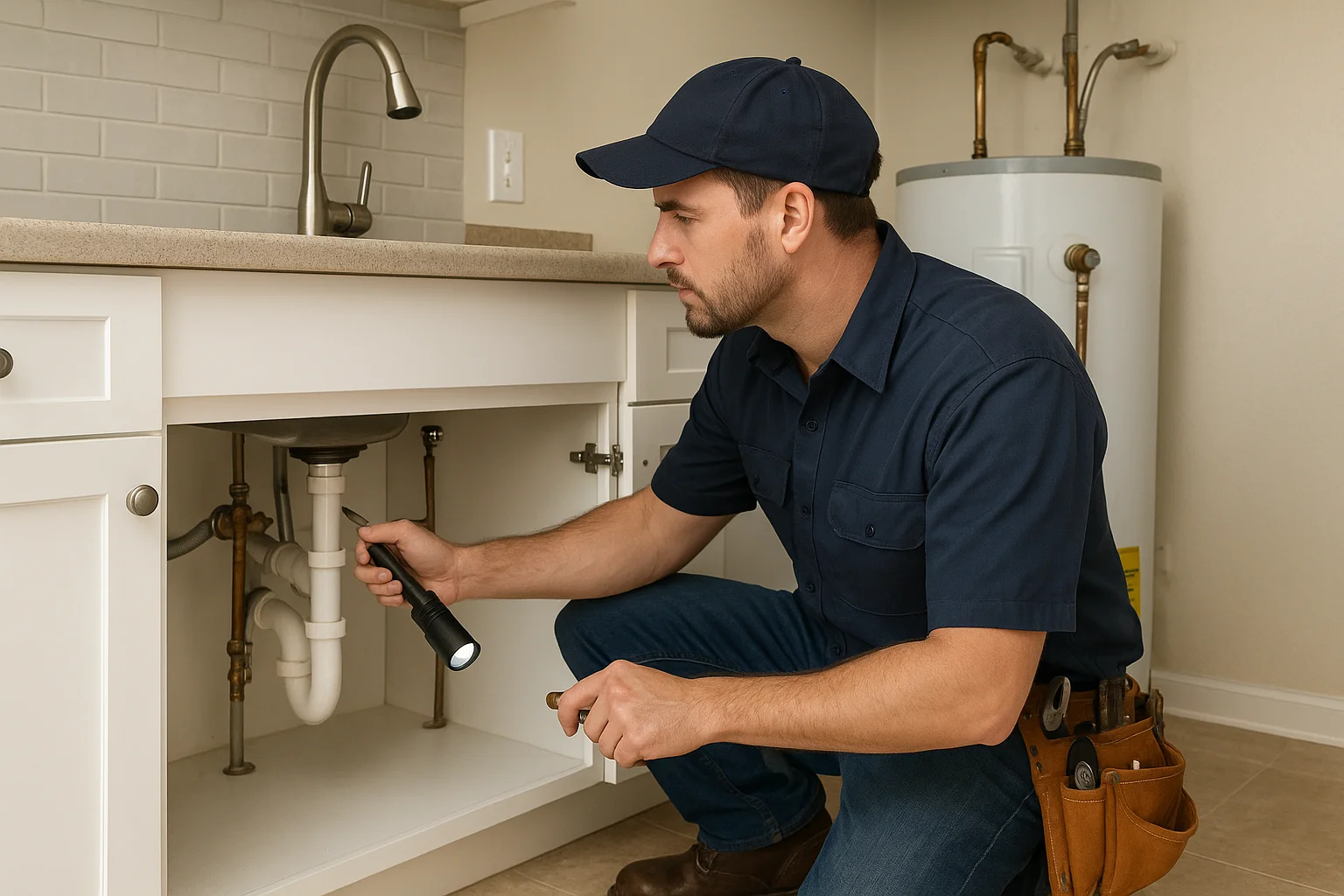
During cooling, indoor humidity turns into condensate that must drain properly. A careful inspection should check condensate drainage pathways, verify that the drain is clear, and look for signs of overflow or slow drainage. Drain problems can lead to moisture buildup, potential indoor air quality issues, and damage that gets expensive to fix later.
6) Ductwork and airflow distribution considerations
Many Inlet Beach homes have ductwork that is older, oversized for the current layout, or affected by renovations. Poor duct sealing or airflow imbalance can make the system feel like it is running “all the time.” An inspection should consider whether ductwork is supporting the airflow the system needs to cool efficiently.
If your home uses ductless systems, airflow and humidity control still matter. This related read can help homeowners understand how airflow issues show up with coastal humidity: Ductless Mini-Splits in Inlet Beach Homes: Comfort, Airflow, and Coastal Humidity.
Common inspection findings in Inlet Beach homes
Every system is different, but coastal homeowners often see repeat patterns. Here are examples of issues an inspection may uncover, along with why they matter during long cooling seasons.
Restricted airflow from dirty components or clogged filters
When filters are overdue or coil surfaces are dirty, the system has to work harder to move air and remove heat. That can increase energy use and contribute to uneven cooling. It can also make the system more sensitive to humidity swings, which is common in Florida.
Air leaks or imbalances in ductwork
Leaky ductwork can pull in unconditioned air and reduce cooling effectiveness. That can force the HVAC system to run longer, increasing wear on the compressor and raising operating costs. Even if the air feels cold, airflow problems can cause hot spots and inconsistent comfort from room to room.
Condensate drainage that is slow or partially blocked
Slow drainage can create moisture issues that homeowners notice as musty odors or damp areas. It can also lead to early corrosion and component stress. Inspecting condensate drainage is one of the practical ways to reduce indoor comfort problems before they become emergencies.
Thermostat or control behavior that contributes to short cycling
If the thermostat is set up incorrectly or if it is not reading the home accurately, the system may cycle too frequently. Short cycling increases mechanical stress and can reduce comfort quality.
Corrosion and coastal wear on outdoor components
Salt air can impact outdoor parts over time. An inspection should look for early corrosion and signs that airflow through the outdoor unit is being reduced. Catching these issues early can help prevent performance drops that happen mid-summer.
How inspections reduce emergency cooling concerns
When cooling fails during peak heat and humidity, the problem can feel urgent even if the underlying cause started weeks or months earlier. Preventive HVAC maintenance is often the difference between a planned repair and an emergency call.
An inspection helps identify deterioration and performance decline while there is time to schedule service and address the root cause. For homeowners who want a safety net, it can also be helpful to review Emergency HVAC Services so you know where to turn if the unexpected happens.
Preventive maintenance that pairs with an inspection
A good inspection sets the baseline, but preventive HVAC maintenance keeps the system performing through the entire cooling season. In a coastal climate, that typically means staying ahead of airflow restrictions, moisture management issues, and thermostat and control performance.
Filter habits that support airflow
Filters are simple, but they have a big impact. If you notice reduced airflow, dustier vents, or increasing run times, it can be a sign that filters and indoor components need attention. Follow the filter schedule recommended for your system and indoor air goals.
Keeping vents and returns clear
Blocked supply registers and return grilles can reduce airflow and cause the system to compensate. Before the hottest weeks arrive, take a walk through the home and check for furniture placement, rugs, curtains, and storage that may be blocking airflow.
Planning for ductwork and indoor air quality
Air conditioning affects indoor air quality services and comfort, especially in humid conditions. If you are considering next steps after an inspection, you may also want to explore indoor air quality strategies. This can include testing and recommendations tailored to how your home manages humidity and airflow.
Considering system type and how it behaves in humidity
Some homes use heat pumps, others use traditional air conditioning systems, and many include ductless mini-splits. Each type has its own comfort patterns in humid weather. A professional inspection should account for how your specific system type responds to cooling demand and humidity levels.
Heat pump and air conditioning inspections are not interchangeable
In Walton County, many homeowners have heat pumps or hybrid setups. Heat pumps still face humidity and long run times, and their performance can change with the home’s airflow and control setup. An inspection should be specific to your equipment type and operating mode. If your goal is better cooling performance, the inspection should focus on cooling operation, airflow, condensate drainage, and refrigerant system behavior as it relates to cooling.
When homeowners should schedule an air conditioning inspection
Scheduling timing depends on the system and the season, but Inlet Beach homeowners often benefit from inspections before the heaviest cooling demand arrives. If you are noticing symptoms, waiting can increase wear and reduce comfort.
Consider booking an air conditioning inspection if you see:
- Reduced cooling or inconsistent temperature between rooms
- Longer run times or frequent cycling that feels unusual
- Higher energy use compared to prior seasons
- Moisture issues, slow condensate drainage, or musty odors
- Visible dust buildup around vents or increased indoor humidity
- Corrosion or debris concerns on the outdoor unit
Choosing a local HVAC contractor matters in coastal climates
Inlet Beach homes need HVAC service that understands coastal stressors like salt air, humidity, and airflow challenges common in local housing. Working with a local HVAC company near you can also make it easier to coordinate service and ensure your inspection and follow-up repairs reflect local conditions.
If you are weighing broader options beyond inspection, a qualified contractor can also guide you through air conditioning services and help you understand whether repair, ductwork improvements, or system replacement makes sense for your home. For homeowners searching for “HVAC replacement near me,” it is still smart to start with an inspection so you have accurate information about system condition and comfort drivers.
Related services that often come up with inspection results
Air conditioning inspection findings often connect to other HVAC work. Depending on your home, that can include:
- AC tune up near me and preventive maintenance to restore reliable cooling performance
- Air conditioning repair near me for identified component or airflow issues
- Duct cleaning near me or ductwork repairs if airflow distribution is a concern
- Indoor air quality services near me when humidity and comfort issues overlap
- Thermostat installation near me if control behavior is part of the comfort problem
- Ductless mini split installation near me when ductwork limitations make ductless a better comfort path
If you live in a commercial setting or manage a property with multiple spaces, it can also be helpful to review Commercial HVAC Repair and Commercial HVAC Installation since comfort needs and inspection priorities can differ from residential homes.
How inspections fit into the bigger picture for Inlet Beach homeowners
During long cooling seasons, HVAC systems can lose efficiency gradually. Homeowners may not notice until comfort drops or energy bills rise. A structured inspection helps you understand what is happening now, what may worsen over time, and what can be addressed before it turns into an urgent repair.
If you are comparing inspection expectations across nearby communities, this guide can help set context for how service typically works: What to Expect From Air Conditioning Inspection in Parker, FL. The climate and housing details differ, but the core inspection goals remain consistent: verify comfort controls, evaluate airflow, check moisture management, and assess system operation safely with a professional HVAC contractor.
For Inlet Beach property owners, that approach matters because humidity, salt air, and long run times are not one-time challenges. They are ongoing conditions that shape how your equipment performs. An inspection is a practical way to align your HVAC service plan with the reality of coastal Florida living.
If you want to see how an inspection supports comfort and system longevity in your area, visit the Inlet Beach service area and review the details on air conditioning inspection coverage. For broader Walton County service options, you can also explore Walton County HVAC services.
Find Air Conditioning Inspection in Inlet Beach, FL
If you need Air Conditioning Inspection in Inlet Beach, FL, visit our local service page or contact A Superior Mechanical today.
Map of Inlet Beach, FL
Frequently Asked Questions
How often should Inlet Beach homeowners schedule an air conditioning inspection?
Many homeowners schedule an inspection before the peak cooling months and again if the system starts showing comfort issues such as weak cooling, frequent cycling, or moisture concerns. A technician can recommend a schedule based on your system age, usage, and the condition found during the inspection.
Can humidity in Inlet Beach make my AC seem like it is failing?
Yes. High humidity makes the system remove moisture while it cools, which can increase run times and reveal airflow or condensate drainage issues. If your home feels clammy or unevenly cooled, an inspection can help identify whether the problem is comfort control, airflow, or moisture management.
What does a professional inspect for condensate drainage and indoor moisture?
A technician should evaluate condensate drainage pathways and look for signs of slow or restricted drainage. They should also check for conditions that can contribute to indoor air quality concerns, such as moisture buildup, water staining, or odors.
If my AC is not cooling well, is it always a refrigerant problem?
No. Weak cooling can come from restricted airflow, dirty coils, ductwork issues, thermostat or control behavior, or multiple factors working together. Refrigerant-related concerns require an in-person HVAC assessment, and a correct diagnosis should not be assumed without professional evaluation.
How does an inspection help reduce emergency cooling concerns?
An inspection can identify early performance decline and wear before the hottest weeks. By reviewing airflow, moisture drainage, and overall system operation, it helps homeowners plan repairs and preventive HVAC maintenance instead of waiting for the system to fail during peak heat and humidity.
Related Articles
- Indoor Air Quality Testing That Helps Inlet Beach Homes Stay Comfortable Longer
- Ductless Mini-Splits in Inlet Beach Homes: Comfort, Airflow, and Coastal Humidity
- Seagrove Beach Comfort Clues That Point to a Better Air Conditioning Inspection
- What to Expect From Air Conditioning Inspection in Parker, FL
Photo Gallery