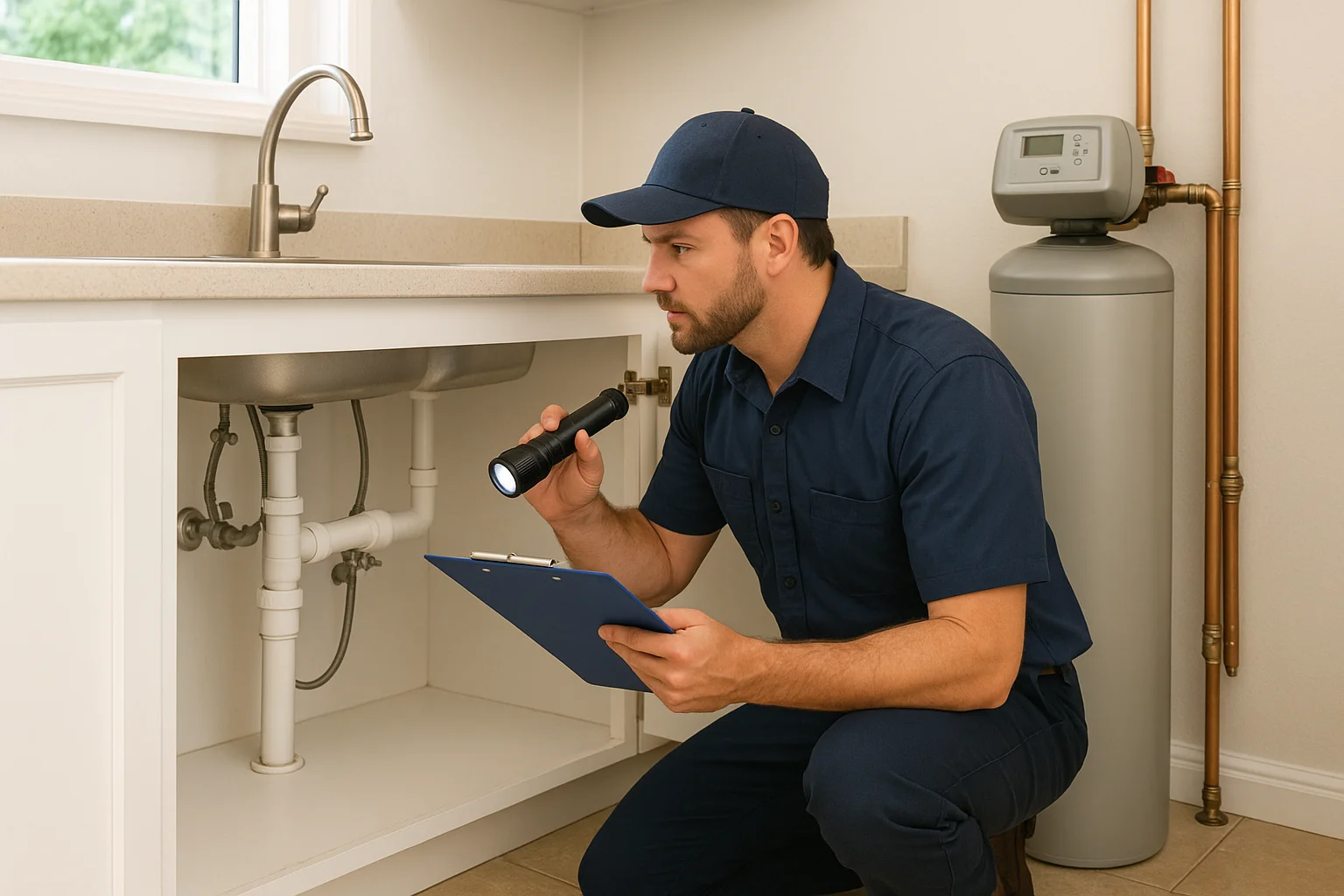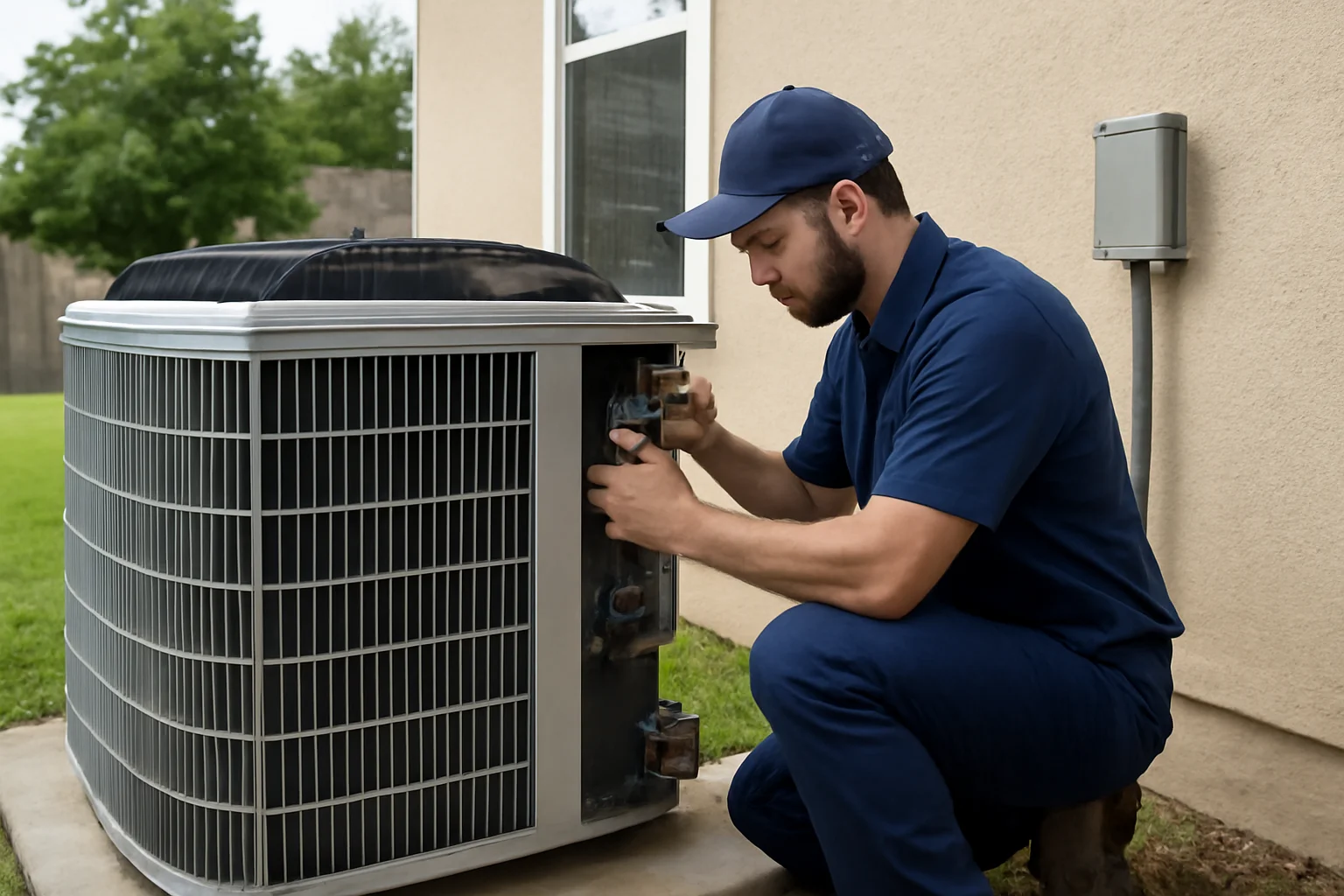
Families searching for commercial HVAC repair in Panama City Beach, FL often notice a pattern: the air feels fine early in the warm months, then performance slips as the cooling season stretches. That’s not unusual in coastal Northwest Florida. The combination of Florida heat, high humidity, and salt air can wear down parts, strain airflow, and push refrigerant systems harder than they were designed to handle.
This guide explains why the cooling season matters, what stress looks like on commercial equipment, and how proactive maintenance can help businesses and multi-family properties avoid emergency cooling concerns. If you manage a workplace, rental, or shared facility, you can use this as a practical checklist for air conditioning service, indoor air quality, and repair planning.
Why the cooling season in Panama City Beach hits commercial HVAC harder
Panama City Beach does not just have “summer.” It has a long stretch of cooling demand. Daytime temperatures can climb into the heat, and humidity often stays high. That matters for commercial HVAC repair because comfort and dehumidification rely on the system moving the right air across the right surfaces at the right times.
When the cooling season lasts longer, commercial equipment experiences more cycles, more compressor run time, and more condensate drainage. Over time, the same issues tend to show up:
- Airflow problems that reduce cooling capacity
- Coil fouling on evaporator and condenser surfaces
- Drainage strain from condensate removal systems
- Refrigerant system stress related to component wear and performance changes
- Thermostat and control issues that cause poor staging or short cycling
In coastal areas, salt air can also accelerate corrosion on outdoor components. That corrosion does not always create an immediate failure, but it can reduce heat transfer and increase the workload on the system. For property owners, that means a longer season can translate into more frequent repair calls and higher energy use if the system is not performing as intended.
What long cooling seasons do to HVAC equipment (and what you may notice)
Commercial HVAC systems are built for continuous demand, but they still have limits. A prolonged cooling season can reveal weaknesses that were “hidden” when the weather was mild.
1) More compressor run time and wear
When the system has to work longer to maintain temperature, compressors cycle more often and run for extended periods. That can increase wear on internal components and raise the chance of issues that show up as:
- Air that feels cooler at first, then less consistent
- Longer run cycles before the thermostat is satisfied
- Higher utility bills tied to increased energy use
Even if the system eventually cools the space, performance drift during peak humidity can strain components. A licensed HVAC contractor should evaluate the system’s condition on-site rather than guessing based on symptoms alone.
2) Coil and filter fouling that reduces heat transfer
In humid climates, the cooling process pulls moisture from the air. Dirt, airborne contaminants, and salt-laden air can add to buildup on coils. When coils are less efficient, the system may not remove heat and humidity the way it should, which can create a cycle of extra runtime and additional stress.
Fouled coils can also contribute to poor indoor air quality because the system may not dehumidify effectively. For multi-family properties, that can mean complaints about stale air, persistent dampness, or occupant discomfort.
3) Condensate drainage issues that show up during heavy humidity
Cooling removes moisture, and that moisture needs to drain properly. Condensate drainage problems often become more noticeable in the middle of a long humid stretch. When drainage slows or clogs, you may see:
- Water collecting around equipment
- Musty odors near vents or in mechanical rooms
- Repeated shutdowns or safety trips
Condensate drainage is a common area for professional commercial HVAC repair. It also connects directly to indoor air quality and moisture control, which affects comfort and building conditions.
4) Ductwork and airflow strain
Ductwork issues can be easy to overlook until a system is forced to run longer. Leaks, poor insulation, blocked registers, or damaged duct sections can reduce airflow and make cooling less effective. In humid weather, reduced airflow can also make it harder for the system to meet comfort demands consistently.
If you suspect ductwork problems, consider professional duct inspection or duct repair. For homeowners and property managers, it can be a smart step before a major repair decision. You can also explore ductwork services for help diagnosing airflow and distribution concerns.
5) Thermostat and control problems that worsen short cycling
Thermostats and control systems influence how commercial equipment stages capacity. Inconsistent readings, incorrect scheduling, or control faults can lead to short cycling. Short cycling increases wear and can reduce dehumidification performance during humid stretches.
That’s why it’s helpful to pair comfort complaints with a clear look at system operation. If you are planning maintenance, it can also be worth reviewing building controls with heating control systems specialists, even if your main issue is cooling. Controls often affect both heating and cooling performance.
Common commercial HVAC repair issues during peak humidity
When cooling demand stays high, certain repair categories tend to surface more often in Bay County. While every building is different, the most common themes include:
Refrigerant system performance concerns
Refrigerant systems are designed to move heat in a controlled way. Over time, components can wear, and system performance can drift. However, symptoms do not always point to a single cause. A professional evaluation is necessary before any refrigerant-related conclusions are made.
Families and property managers should avoid DIY attempts to “fix” performance by adding refrigerant. A technician needs to assess the system’s operation, airflow, and component condition first.
Air conditioner service needs for rooftop units and split systems
Many commercial properties in Panama City Beach rely on rooftop units, split systems, and heat pump configurations. Coastal conditions can affect outdoor components and airflow patterns, and long cooling seasons can expose issues in:
- Fans and motors
- Coil cleanliness and airflow balance
- Condensate drainage paths
- Electrical control components and safeties
Because these systems are sized for commercial loads, comfort complaints may show up quickly when airflow or heat transfer drops.
Heat pump stress in transitional seasons
Heat pumps are used for more than just heating. In the Panama City Beach climate, many properties depend on them across seasons. Even if your main concern is cooling, heat pump systems still experience the same coastal corrosion and humidity challenges. A professional can evaluate whether the system is maintaining proper operation across cooling and shoulder-season demand.
Why professional commercial HVAC service matters for families and property managers
When homeowners search for “HVAC company near me” or “commercial HVAC service near me,” they are often looking for speed and accuracy. In commercial settings, those priorities matter even more because comfort and safety affect the people inside the building.
Professional service matters because:
- Commercial systems require correct diagnosis based on operation, airflow, and component condition
- Indoor air quality depends on system performance, not just temperature
- Condensate drainage and humidity control help prevent moisture-related problems
- Controls and thermostats influence staging and runtime
It is also the safest path for emergency cooling concerns. If a system fails during a hot, humid stretch, occupants need a dependable plan that a licensed HVAC contractor can help prepare in advance.
Preventive maintenance that helps systems survive a long coastal summer
Preventive HVAC maintenance is one of the most practical ways to reduce the odds of mid-season breakdowns. For families managing rental units, small businesses, or shared spaces, the goal is to catch issues before they become failures.
Maintenance steps that directly relate to long cooling seasons
Ask a technician about these maintenance areas during commercial HVAC maintenance visits and scheduled checkups:
- Airflow verification across supply and return paths to support proper cooling and dehumidification
- Coil inspection and cleaning for evaporator and condenser surfaces
- Condensate drainage inspection to confirm water removal during high humidity
- Thermostat and control check to reduce short cycling and maintain stable operation
- Refrigerant system evaluation based on measured performance and safe operating conditions
- Electrical and safety component checks that protect compressors and fans
Because Panama City Beach is coastal, you can also discuss corrosion-related inspection points. For more on how coastal weather affects equipment, you may find it helpful to read Keeping Panama City Beach Properties Comfortable with Commercial HVAC Care That Holds Up to Coastal Weather.
Filter and airflow habits that support commercial comfort
Some maintenance tasks are building-management dependent. Filters, airflow restrictions, and return air pathways affect the system’s ability to cool efficiently. If filters are neglected, the system can run longer, and indoor air quality can suffer.
In multi-family buildings, also pay attention to how vents are used. Furniture placement, blocked returns, and closed dampers can reduce airflow and create hot and cold spots.
Ductwork considerations for better performance
Ductwork is a frequent hidden factor in cooling complaints. If your building has older duct runs, renovations, or known airflow inconsistencies, duct inspection can help. For homeowners and property managers who want to understand how wear changes performance, see How HVAC Wear and Tear Changes the Way Duct Cleaning Works in Panama City Beach Homes.
How to spot trouble early before the system needs emergency AC repair
Commercial cooling failures are stressful because they can affect employees, customers, and residents. A practical approach is to watch for early indicators and schedule service before conditions become critical.
Consider calling for air conditioner service or commercial HVAC repair when you notice:
- Temperature swings that get worse as the day gets hotter
- Longer run times without reaching setpoint
- Humidity that lingers even when the thermostat is set correctly
- Unusual sounds from rooftop units or indoor air handlers
- Water issues near condensate drainage areas
- Recurring trips or repeated resets
- Airflow that feels weak at registers
If you are searching for air conditioning repair near me or emergency AC repair near me in a coastal region, it helps to have a service plan ready before the next heat wave. When the system is already struggling, the priority becomes restoring safe and reliable cooling.
Choosing between repair and HVAC replacement planning
Families often ask whether a repair will be a waste of money if the system is old. That is a reasonable question, but it requires an on-site assessment. It is not appropriate to claim equipment replacement is the right move without evaluating the specific unit, its condition, and its operating history.
During a professional visit, a technician can discuss whether repairs are likely to restore reliable performance, or whether replacement planning makes more sense for your building’s needs. If replacement is on the horizon, it is smart to compare options based on the property’s cooling load, ductwork condition, humidity goals, and indoor air quality priorities.
If you want to explore replacement considerations in the area, you can review Air Conditioning Replacement for Panama City Beach guidance.
Planning for ductwork, indoor air quality, and comfort during long summers
In humid climates, temperature control and humidity control go together. When a commercial system struggles, occupants often feel it as sticky air, poor airflow, or recurring discomfort even when the thermostat indicates cooling should be working.
Indoor air quality is affected by more than one factor. Airflow distribution, filtration, coil cleanliness, and moisture control all contribute. If you notice persistent odor, dust issues, or symptoms that seem worse during summer cooling, ask your technician to include indoor air quality considerations in the evaluation.
For many buildings, a combination of commercial HVAC maintenance, ductwork attention, and air conditioning service keeps the system operating in a healthier comfort range. If you are setting up a seasonal schedule, it can also help to review Air Conditioning Maintenance options for Panama City Beach.
Where to start if you need commercial HVAC repair in Panama City Beach
If your property is struggling through the cooling season, start with a service visit that focuses on system operation. A technician should evaluate airflow, condensate drainage, thermostat behavior, coil condition, and overall refrigerant system performance as it operates in your building.
For families and property managers who want a local, commercial-focused approach, A Superior Mechanical provides commercial HVAC repair in Panama City Beach, FL for equipment used in coastal properties across Bay County. You can also explore more about our service coverage on the Panama City Beach service area page and Bay County HVAC service coverage.
If you are comparing contractors, prioritize licensed expertise, commercial experience, and maintenance planning. For additional context on why this matters, read Why Professional HVAC Service Matters for Panama City Beach Air Conditioning.
Quick checklist: what to prepare before the technician arrives
If you want the first visit to be productive, gather a few details. This can help the technician connect symptoms to system operation without guessing:
- When the issue started and whether it happens only during peak afternoon heat
- Temperature behavior across zones or units
- Any water observations near condensate drainage areas
- Thermostat settings and whether schedules changed
- Any recent maintenance, filter changes, or ductwork work
- Any unusual sounds or error codes the system shows
With that information, a commercial air conditioning contractor can better assess what the system is doing and what needs attention first.
Coastal summers in Panama City Beach can be tough on HVAC equipment, but they do not have to turn into repeated breakdowns. A practical maintenance plan plus professional diagnosis helps keep cooling consistent, reduces humidity-related comfort complaints, and supports indoor air quality for the people who rely on your building every day.
Find Commercial HVAC Repair in Panama City Beach, FL
If you need Commercial HVAC Repair in Panama City Beach, FL, visit our local service page or contact A Superior Mechanical today.
Map of Panama City Beach, FL
Frequently Asked Questions
How does humidity in Panama City Beach affect commercial AC performance?
High humidity increases the amount of moisture the system must remove during cooling. If coils are dirty, airflow is restricted, or condensate drainage is not working well, the system may run longer, dehumidify less effectively, and deliver less consistent comfort.
What are early warning signs that my commercial HVAC needs repair before it fails?
Look for temperature swings, longer run times without reaching setpoint, weak airflow at vents, recurring shutdowns or safety trips, unusual sounds, and any water pooling near condensate drainage areas. Those patterns often worsen during the hottest, most humid weeks.
Can I tell what is wrong with the refrigerant system without a professional inspection?
No. Refrigerant system issues require on-site evaluation based on how the unit operates with proper airflow and controls. DIY refrigerant work can be unsafe and can miss the real cause, such as airflow, coil condition, or drainage problems.
How often should commercial HVAC maintenance be scheduled in a long cooling season?
Many commercial properties benefit from seasonal maintenance before peak heat and then follow-up checks during the cooling period when conditions are hardest. A Superior Mechanical can help set a schedule based on your equipment type, usage, and comfort goals.
Related Articles
- Why Professional HVAC Service Matters for Panama City Beach Air Conditioning
- How HVAC Wear and Tear Changes the Way Duct Cleaning Works in Panama City Beach Homes
- Keeping Panama City Beach Properties Comfortable with Commercial HVAC Care That Holds Up to Coastal Weather
- A Panama City Beach Homeowner’s Guide to Commercial HVAC Maintenance and Better System Reliability
Photo Gallery