Rosemary Beach homes see a lot of water use swings. In the warm months, showers run longer, kitchens get busy, and vacation rentals turn on and off with the tide. That seasonal rhythm can change how your water treatment system performs, especially if you rely on water softening to manage hard water. When the softener is undersized, out of adjustment, or simply not keeping up, water quality problems can show up fast, from hard water spots on glass to metallic or chlorinated tasting water.
This guide walks through the most common water quality warning signs homeowners notice in Rosemary Beach, FL, how they connect to water softening, and what to do to protect drinking water, bathing comfort, laundry results, and household appliances. It also covers how pairing softening with whole home water filtration or reverse osmosis can help when you want cleaner, better tasting drinking water for the whole family.
Why water softening matters in Rosemary Beach, FL
Hard water is a frequent issue in coastal Florida communities. Minerals such as calcium and magnesium can leave deposits on fixtures and surfaces. Over time, those minerals build up inside plumbing, water heaters, and appliances. Softening reduces the scale forming potential by replacing those minerals with sodium or potassium ions, helping keep water lines and equipment cleaner.
In Rosemary Beach, that matters even more because many households and rentals experience sudden changes in demand. A system that is perfectly fine during off season may struggle during peak occupancy. That can lead to the very symptoms homeowners recognize daily: water that does not feel as “slick” during bathing, soap that does not lather, and visible deposits around faucets and showerheads.
If you are searching for water filtration near me or water softener service near me, it helps to know what you are looking at. Some issues look like “taste” problems but are actually mineral and scale problems. Others start as scale and end up affecting appliance efficiency and lifespan.
Seasonal use can throw off your softener’s balance
Water softeners are designed around flow rate and how much hardness they must remove before regeneration. In a vacation rental, one week may include heavy laundry loads and multiple bathrooms running back to back. The next week may be quiet. That seasonal swing can cause a few common scenarios:
- Regeneration happens too late or too early, depending on how the unit is set and how much water is actually used.
- High-demand days increase hardness breakthrough, meaning softened water is less consistent when the system is working hard.
- Filters and media get overloaded if the unit also handles sediment or if the system is paired improperly with filtration stages.
When any of these happens, water quality warning signs often appear before you think to check the equipment. You might notice it first in the kitchen or bathroom, then in laundry, and eventually in the places you cannot see, like inside pipes and the water heater.
Water quality warning signs linked to water softening issues
Below are the most common signs homeowners in Rosemary Beach report. Each one can connect back to softener performance, and many overlap with filtration needs.
Hard water spots on glass, dishes, and fixtures
If you are wiping shower doors or re-washing glasses because they look streaky or spotty, that is a classic indicator of hardness minerals in the water. You may see hard water spots on glass after the dishwasher or a cloudy film on drinking glasses. The same minerals can leave scaly residue on dishes and around faucets.
Homeowners often notice:
- Scale buildup around faucets and sink edges
- White rings on showerheads
- Dull film on cookware and glassware
Scale buildup around faucets and showerheads
Scale does not just look bad. It can reduce flow through aerators and showerheads and can contribute to inconsistent water temperature delivery. If you are cleaning scale buildup on faucets more often than you used to, the softener may not be keeping up, or the system may need service.
Dry skin or dull hair after bathing
When softened water is consistent, many people notice better lathering and a more comfortable feel on skin and hair. If your family describes dry skin from hard water or “rough” hair after showers, it can be a sign that hardness is breaking through your treatment.
It also ties into laundry. Hard water can make towels feel less absorbent and can leave residues that interfere with how soap and detergent rinse.
Soap that does not lather or rinse well
One of the fastest household indicators is how soap behaves. If you notice:
- Bar soap that feels like it never fully rinses
- Shampoo that leaves hair coated
- Body wash or detergent that seems to require extra product
That can happen when hardness minerals are not being adequately removed. In homes with seasonal spikes, this can appear suddenly during peak occupancy.
Metallic, chlorinated, or unpleasant taste
Some taste problems are tied to water chemistry, but scale and softening issues can make taste and odor feel worse. If you notice metallic tasting water or a chlorinated or unpleasant taste, it may mean you need filtration beyond softening. Softening focuses on hardness, not on every taste and odor compound.
For homeowners looking for drinking water filter near me or home water purification near me, it helps to consider a staged approach: softening for scale control, then filtration for taste and odor.
Cloudy ice cubes and residue on drinking water
Cloudy ice can be a sign of air, sediment, or water quality issues that affect clarity. If you see cloudy ice cubes, or if guests comment that the water looks or tastes “different,” check your full water treatment setup. Mineral scale and sediment can both contribute to appearance concerns.
Poor tasting coffee and cooking water
In Rosemary Beach, kitchens are often where water quality becomes obvious. If coffee tastes flat or bitter, or if cooking water affects the flavor of soups and pasta, minerals and water chemistry can be part of the story. Homeowners sometimes switch to bottled water for drinking but still notice issues in cooking water.
A properly maintained water softener can help with scale and cleaning performance. For taste-forward results, reverse osmosis or targeted whole home water filtration can make a noticeable difference for drinking and cooking.
Appliances wearing out faster
When hardness is not controlled, scale forms inside water heaters, dishwashers, and other equipment. Over time, that can reduce efficiency and increase energy costs. It can also shorten appliance life. If you are replacing water-using equipment sooner than expected, water hardness could be a major contributor.
Visible sediment, discoloration, and odor concerns
While softeners are designed for hardness, they are not a catch-all for sediment or every type of discoloration. If you see visible sediment, notice discoloration, or smell an odor that changes by day or season, you may need additional filtration stages. A technician can help determine whether the issue is sediment load, filter media, or a need for whole home filtration.
How these signs show up in everyday Rosemary Beach life
Think about a typical day in a coastal home. The kitchen starts early. Someone fills a kettle. The dishwasher runs after breakfast. Later, you rinse sand off after a beach walk. In the evening, showers run back to back, and laundry keeps up with towels and swimsuits.
When water softening is working, soap lathers more easily, hair feels cleaner, and fixtures stay clearer. When it is not, the entire house starts paying the price:
- Drinking and cooking water can taste metallic or off if filtration is not addressing taste and odor issues.
- Bathing can feel harsher, with dry skin or dull hair from hardness residue.
- Laundry can come out less fresh, with detergent that does not rinse well.
- Fixtures and appliances show scale buildup faster, including scale buildup around faucets and clogged shower components.
Those effects are exactly why homeowners researching water treatment in Walton County often end up comparing softening alone versus a more complete clean water system.
Softening versus filtration: what each system is responsible for
It is common for homeowners to assume that one device will fix everything. In reality, softening and filtration target different issues.
Water softening focuses on hardness and scale
Water softening improves soap performance, reduces scale on fixtures, and helps protect water heaters and plumbing. If you are seeing hard water spots on dishes or scale buildup around faucets, that points strongly to softener performance, sizing, or maintenance.
Whole home water filtration improves clarity, taste, and odor
Whole home water filtration can help with sediment and other contaminants that affect appearance and taste. If your household sees discoloration, odor concerns, or cloudy ice cubes, you may need filtration in addition to softening.
Reverse osmosis helps with drinking and cooking water taste
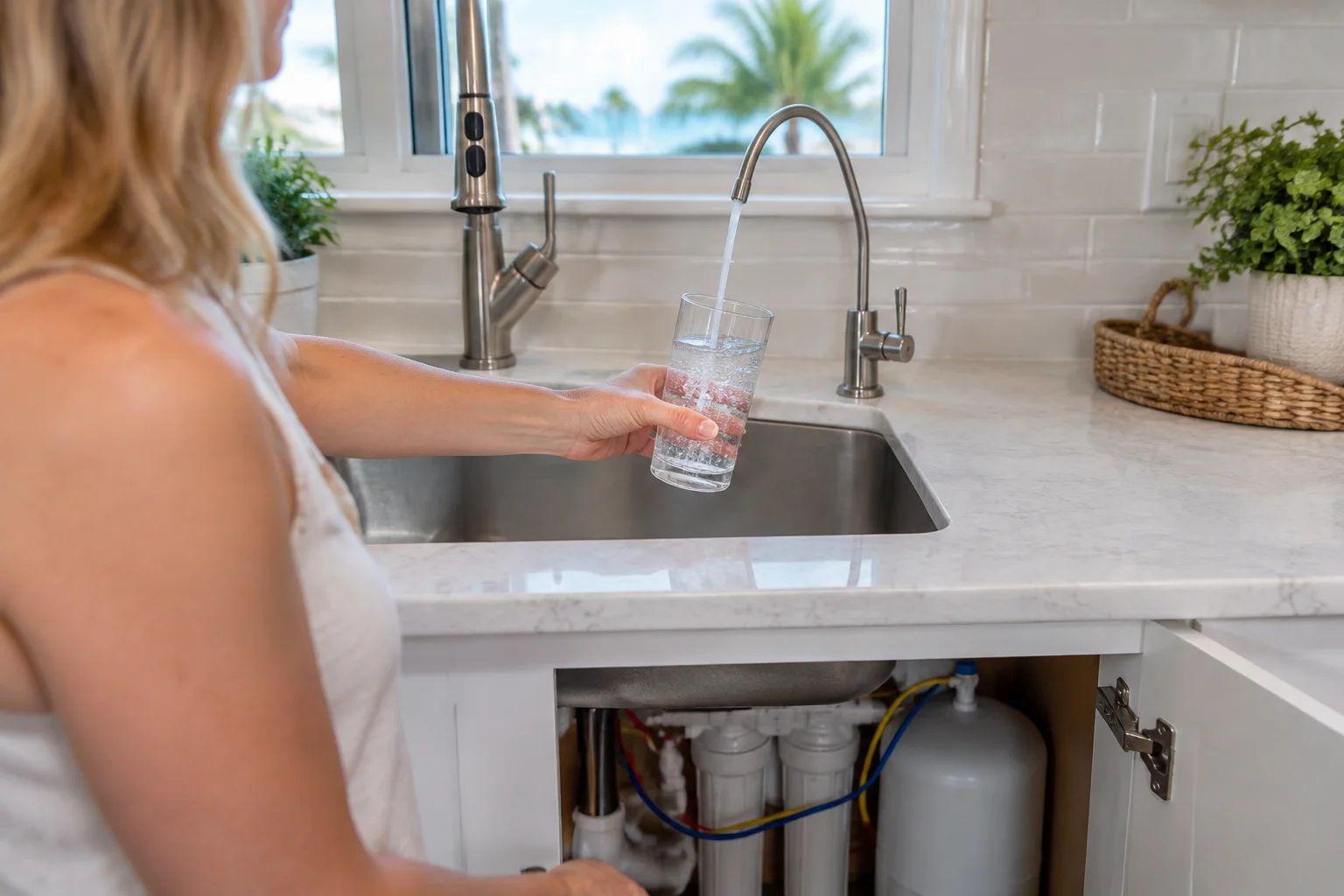
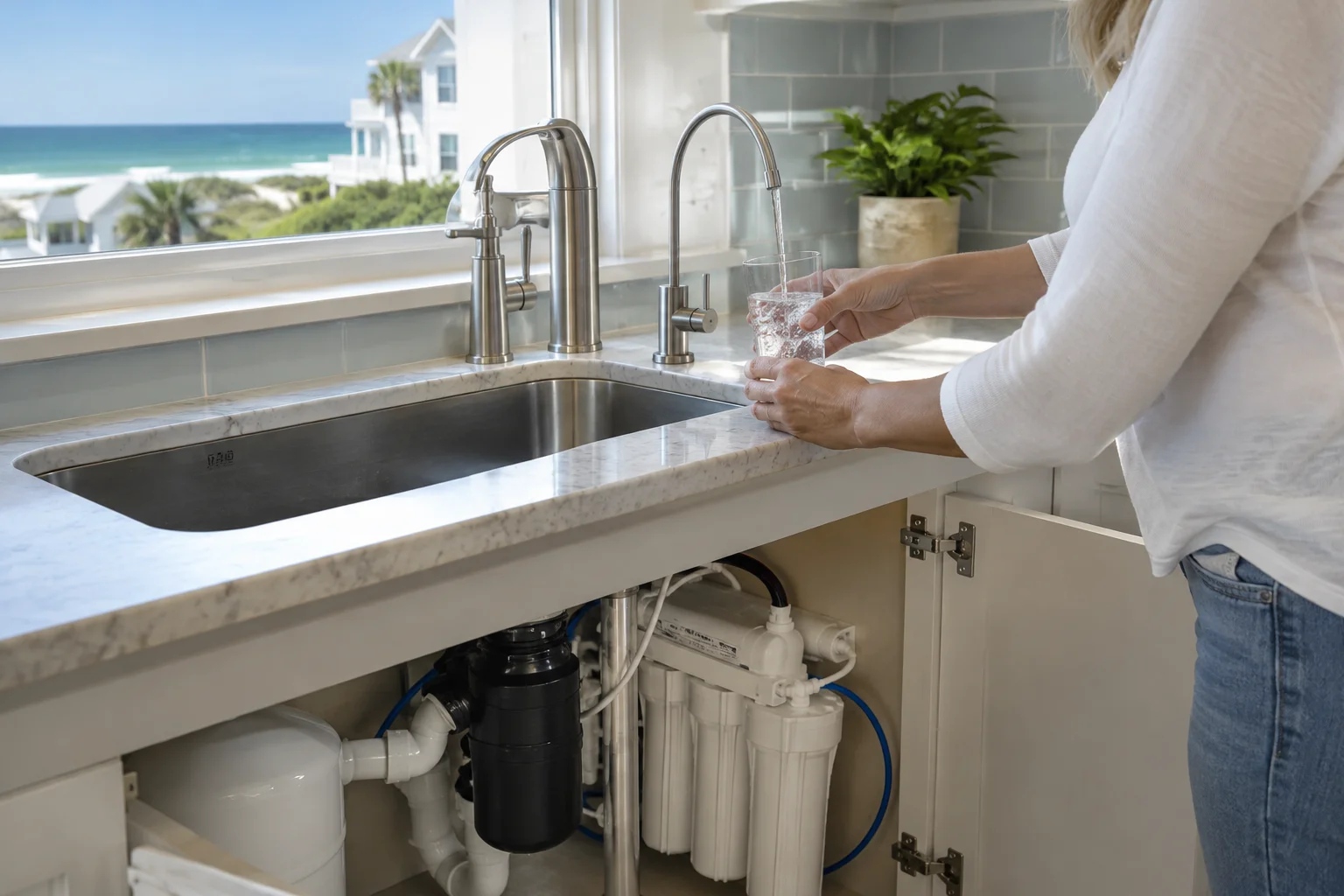
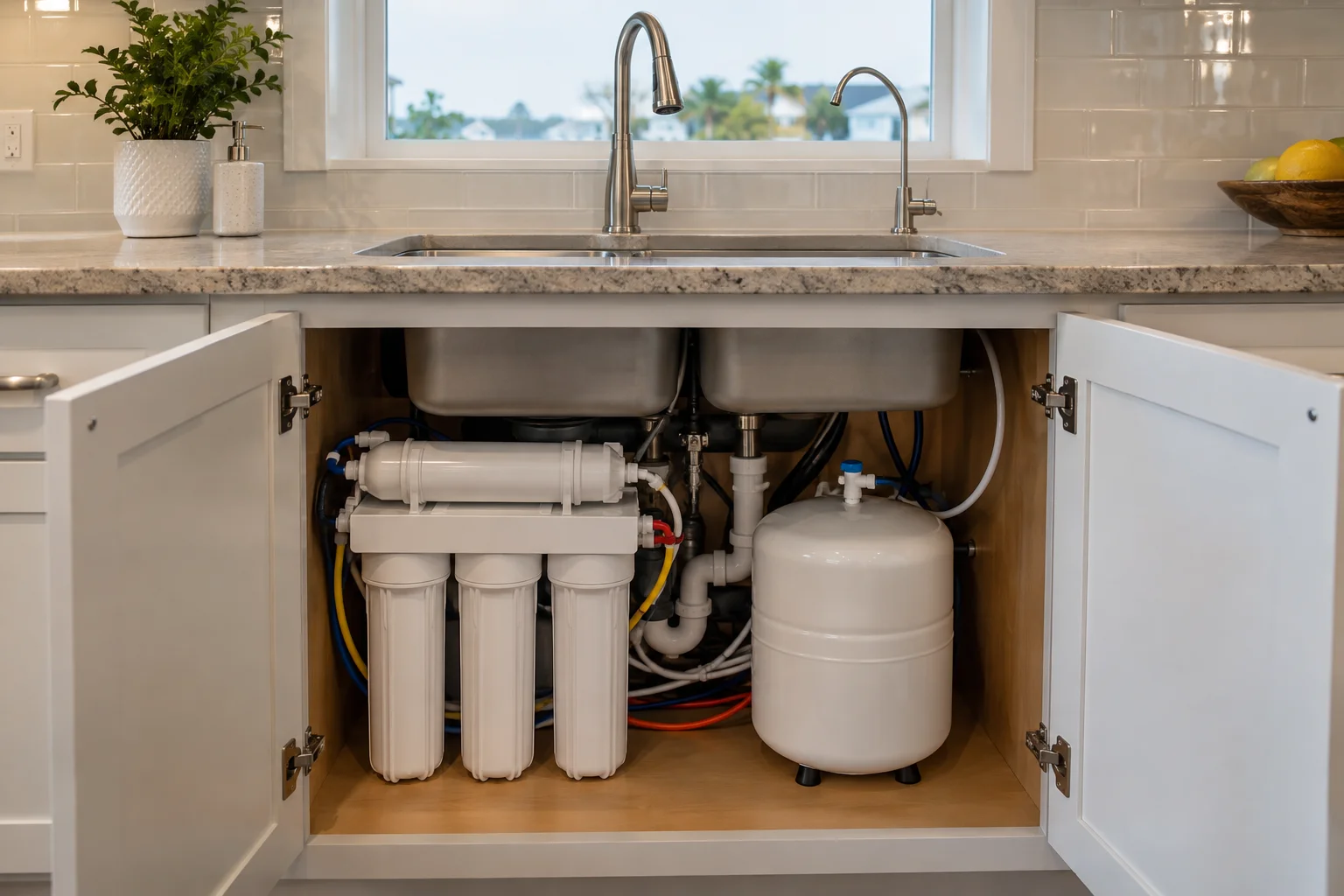
For families who want the best drinking water experience, reverse osmosis systems are a popular choice. Many homeowners pair softening and whole home filtration with RO at the kitchen tap. That way, you can protect the plumbing with softening while also improving the taste of drinking water for coffee, tea, and cooking water.
AO Smith water softener and water treatment options for Rosemary Beach homes
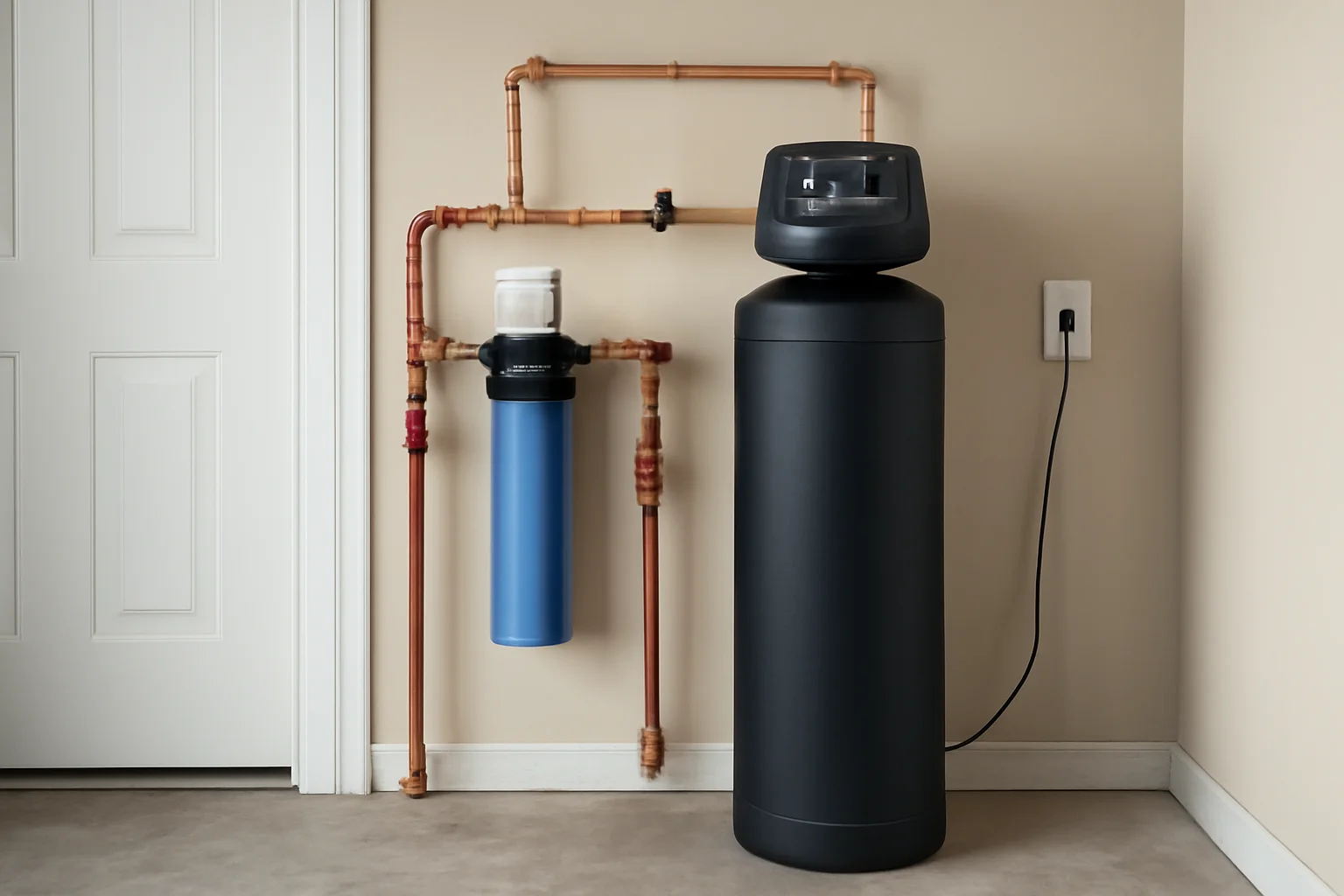
When homeowners search for an AO Smith water filtration solution or an AO Smith water softener, they are often looking for a system that can handle real-world demand changes. In a seasonal market like Rosemary Beach, reliable performance and correct settings matter.
Professional installation and commissioning are key. Proper setup includes correct capacity for your household or rental occupancy, correct regeneration settings, and verification that the system is performing as intended.
A Superior Mechanical helps homeowners and property managers choose a plan that fits how water is actually used. Some homes do well with an AO Smith softener plus maintenance scheduling. Others benefit from pairing softening with whole home water filter stages or adding reverse osmosis for drinking water.
Seasonal prevention and maintenance that keeps water quality steady
Seasonal use does not have to mean seasonal water problems. A few practical steps can reduce the chances of hardness breakthrough and taste issues during peak occupancy.
Check the softener settings before peak season
If your system uses time-based or usage-based regeneration, confirm it matches your current household schedule. Vacation rentals often need different settings during high occupancy. Even small changes can affect how consistently the system softens water.
Keep an eye on salt levels and system performance
Low salt levels can cause the softener to regenerate less effectively. If you notice water quality slipping, check salt first, then verify that the unit is regenerating on schedule.
Address sediment and filter needs early
Rosemary Beach homes can experience changes in water conditions due to local infrastructure and seasonal demand. If you see visible sediment or odor shifts, schedule a water treatment evaluation so you can confirm whether filtration is needed or whether existing filters are due for service.
Watch for “first signs” during high-use weeks
During peak weeks, watch bathrooms and kitchens closely:
- Do glasses look spotty after rinsing?
- Does the showerhead scale increase?
- Does coffee taste different?
- Do towels feel less soft after washing?
Catching the issue early often prevents scale from building inside plumbing and appliances.
When to call a professional water treatment specialist
Homeowners can do basic checks, but water treatment performance is best verified with a proper inspection. Call a professional if you notice multiple warning signs at the same time, if symptoms change quickly during seasonal occupancy, or if you suspect the system is undersized.
Get help if you are dealing with:
- Persistent hard water spots on glass or dishes
- Scale buildup on faucets that keeps returning faster than expected
- Dry skin from hard water or dull hair after bathing
- Metallic or unpleasant taste, cloudy ice, or odor concerns
- Appliances wearing out faster or water heater efficiency dropping
If you are looking for water softener installation near me or water softener service near me in Rosemary Beach, start by reviewing the local service options here: /service-areas/walton-county/rosemary-beach/water-softening-rmbfl.
For homeowners exploring broader options, you may also want to compare how softening and filtration work together on the main water filtration landing page: /water-filtration-ro-water-softeners.
Related reading for Rosemary Beach homeowners
If you want to connect water softening to long-term home protection, these guides can help:
- How Water Softening Protects Rosemary Beach Plumbing from Costly Water Damage
- Why Water Softening in Rosemary Beach Gets Tricky: Spots, Scale, Taste, and Odor
- Protecting Rosemary Beach Homes from Waterline Trouble: Practical Plumbing Maintenance That Saves Money
- Why emergency plumbing in Rosemary Beach deserves attention before a small problem becomes a big one
For a broader view of local services across the area, visit /service-areas/walton-county/rosemary-beach and /service-areas/walton-county.
Choosing the right clean water system for your Rosemary Beach home
Rosemary Beach water quality challenges often come down to how your household uses water and whether your treatment setup keeps pace. If you are seeing scale, soap residue, and dry skin, start with the foundation: a properly sized and maintained water softener. If you are also dealing with taste, odor, cloudy ice, or discoloration, consider adding whole home water filtration and, for drinking water, reverse osmosis.
Homeowners searching for whole house water filter options typically want a system that protects both the plumbing and the daily experience of clean water. That includes better drinking water for the family kitchen, easier cleaning, and fewer appliance headaches caused by scale buildup.
When seasonal use changes your water demand, the best defense is proactive service. A Superior Mechanical can help you evaluate your current equipment, confirm performance, and recommend the right mix of softening and filtration so your household water stays consistent from spring through peak summer.
To learn more about water softening services in the area, you can also explore water softening in Rosemary Beach and connect your clean water goals to the right system design.
Find Water Softening in Rosemary Beach, FL
If you need Water Softening in Rosemary Beach, FL, visit our local service page or contact A Superior Mechanical today.
For a broader look at whole-home water filtration, reverse osmosis, and water softener options, visit our water filtration, RO, and water softener page.
Map of Rosemary Beach, FL
Frequently Asked Questions
Can a water softener cause cloudy ice or bad-tasting drinking water?
Cloudy ice and unpleasant taste are usually tied to filtration needs or other water quality factors, not hardness alone. A water softener mainly addresses scale-forming minerals. If you notice cloudy ice cubes, metallic tasting water, or odor concerns, pairing softening with whole home filtration and using reverse osmosis at the kitchen tap can help.
Why does water quality get worse during peak season in Rosemary Beach rentals?
Seasonal demand swings can push a softener past its effective performance window if it is undersized or not set for current usage. Higher flow and more laundry and showers can lead to hardness breakthrough, which shows up as hard water spots on glass, scale buildup around faucets, and soap that does not rinse well.
What are the most common signs that my softener needs service?
Look for repeated hard water spots on dishes and glass, increasing scale buildup on showerheads and faucets, dry skin or dull hair after bathing, and changes in how soap lathers and rinses. If appliances are also wearing out faster, it can indicate scale buildup inside equipment.
Should I choose a water softener only, or add whole home water filtration and reverse osmosis?
Many homes benefit from softening for scale control, then whole home water filtration for sediment, clarity, and taste or odor improvements. Reverse osmosis is often used for the best drinking water flavor at the kitchen tap, especially if you want top-tier results for coffee and cooking water.
Do AO Smith water softeners work well for seasonal homes and vacation rentals?
AO Smith water softeners can be a strong fit when they are correctly sized and properly set for your real water usage patterns. Professional installation and seasonal adjustments help the system regenerate effectively, keeping water quality consistent during high-occupancy weeks.
Related Articles
- How Water Softening Protects Rosemary Beach Plumbing from Costly Water Damage
- Why Water Softening in Rosemary Beach Gets Tricky: Spots, Scale, Taste, and Odor
- Why emergency plumbing in Rosemary Beach deserves attention before a small problem becomes a big one
- Protecting Rosemary Beach Homes from Waterline Trouble: Practical Plumbing Maintenance That Saves Money
Photo Gallery