Callaway, FL homes rely on dependable water for everything from morning coffee to laundry and bathing. When water is hard, it can look harmless at first. Then scale shows up on glass, soap starts behaving differently, and fixtures begin to look dull. Over time, that same hardness can shorten appliance life, increase energy use, and make everyday water feel less pleasant. The good news is that water softening is preventable, and the earlier you address water treatment issues, the less expensive the fix tends to be.
If you are searching for water softening in Callaway, FL, this guide will help you understand what is happening, what to watch for, and which solutions fit common local needs. We will also connect water softening with filtration options like whole home water filtration and reverse osmosis so your drinking water and cooking water taste better, not just “less scaly.”
Why water softening matters in Callaway homes
Hard water is usually caused by dissolved minerals, most often calcium and magnesium. When hot water runs through plumbing and appliances, those minerals can precipitate and form scale. In Callaway, the mix of minerals, seasonal changes, and local water conditions can make hardness feel more noticeable in homes that have older water lines, older fixtures, or long plumbing runs.
Scale does not just affect appearance. It acts like an insulating layer. That means your water heater may work harder, showerheads can restrict flow, and appliances that use hot water can wear out faster. Homeowners also notice it in day-to-day routines: dry skin after bathing, dull hair, and soap that does not lather or rinse well.
When you combine water softening with a practical clean water system, you protect both the “plumbing side” and the “taste and clarity side” of better drinking water.
Early warning signs your water softening needs attention
Water softening problems often show up gradually. Here are the most common signs homeowners in Callaway notice before the situation becomes expensive.
Hard water spots on glass, dishes, and fixtures
One of the first clues is visible buildup. You may see stubborn hard water spots on shower doors, bathroom mirrors, glasses, and cookware. Dishes can come out with a film that looks like it never fully rinsed. Faucets and showerheads can develop a chalky ring around the edges, especially after extended use.
Scale buildup around faucets, showerheads, and plumbing is often a sign that softening is not keeping up with your household’s water use. It can also mean the media or settings inside the system are not working as they should.
Soap that does not lather or rinse well
If your shampoo and body wash suddenly feel “stripped,” soap may not lather the way it used to. You might also notice residue that makes towels feel stiff or leaves a slippery film that does not rinse clean. This is a common complaint in homes dealing with hard water treatment issues.
Dry skin or dull hair after bathing
Many families describe a similar pattern: skin feels tight or dry, and hair looks dull. Hard water can interfere with how soap and shampoo rinse, which can leave behind mineral residue. When softening works correctly, bathing feels cleaner and more comfortable.
Metallic, chlorinated, or unpleasant taste
Some water issues are not only about hardness. Even if you have a softener, you may still notice taste concerns such as metallic notes, chlorinated flavor, or an unpleasant drinking water smell. These can affect drinking water and cooking water, especially when you use tap water for coffee, tea, or recipes.
Cloudy ice cubes
Cloudy ice cubes can point to sediment, reduced filtration performance, or dissolved solids that change how water freezes. If you are paying attention to ice clarity, you are already thinking like a homeowner who wants better water, not just “water that runs.”
Poor tasting coffee and cooking water
Hardness and other contaminants can impact flavor extraction in coffee and tea. Homeowners often report poor tasting coffee water, and cooking water that makes soups, rice, or pasta taste “off.” If your water softener is not fully addressing hardness, or if you need additional filtration for taste and clarity, the kitchen can quickly become the first place you notice.
Appliances wearing out faster
When scale builds up in water heaters, dishwashers, and other hot-water appliances, it can shorten service life. You might notice reduced efficiency, more frequent maintenance, or mineral buildup inside appliance lines. Over time, what starts as minor scale can become a replacement schedule you did not plan for.
Visible sediment, discoloration, and odor concerns
Some homes experience sediment or discoloration after changes in water pressure, nearby construction, or seasonal shifts. If you see visible sediment, notice discoloration, or smell odors that do not go away, it can be a sign your clean water systems need attention beyond just softening.
Common causes of water softening that stops working
When water softening begins to underperform, it is usually one of the following.
Incorrect settings or a system that is not regenerating on schedule
Water softeners use regeneration cycles to exchange hardness minerals. If the control valve is misconfigured, the unit may not regenerate often enough. That can lead to hard water returning in the middle of the day or after peak usage periods.
Salt issues, low salt, or incorrect salt type
Low salt levels can cause softening performance to drop. Some households also use the wrong type of salt for their system. Moisture and bridging in the salt tank can prevent proper brine draw, which is essential for effective softening.
Worn media or aging equipment
Over time, the resin media can wear out or become less effective. Components like valves, injectors, and seals can also age. If you are noticing increasing scale buildup around faucets, showerheads, and plumbing, it can be a sign that the system is reaching the end of its reliable service life.
Hard water plus additional water quality needs
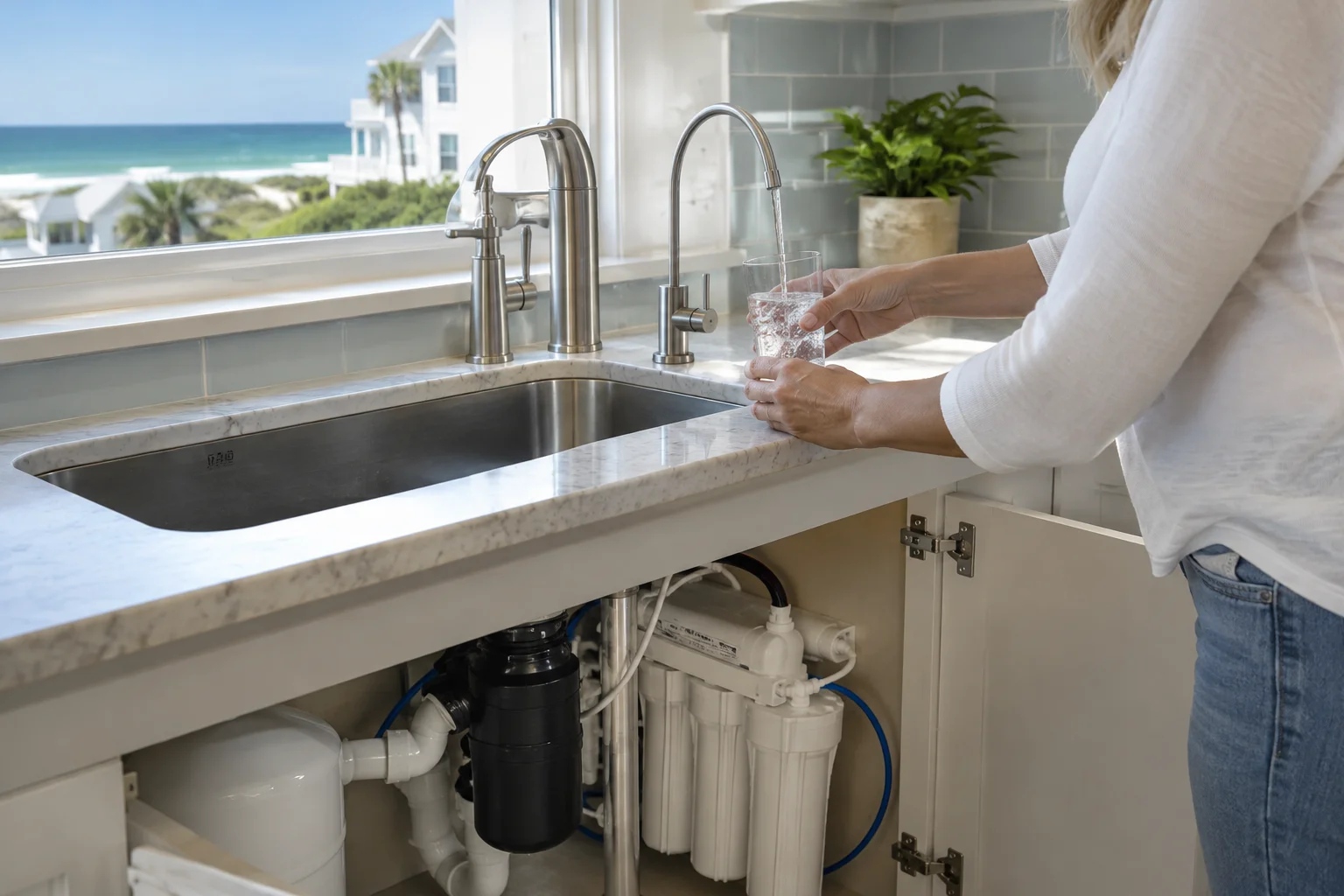
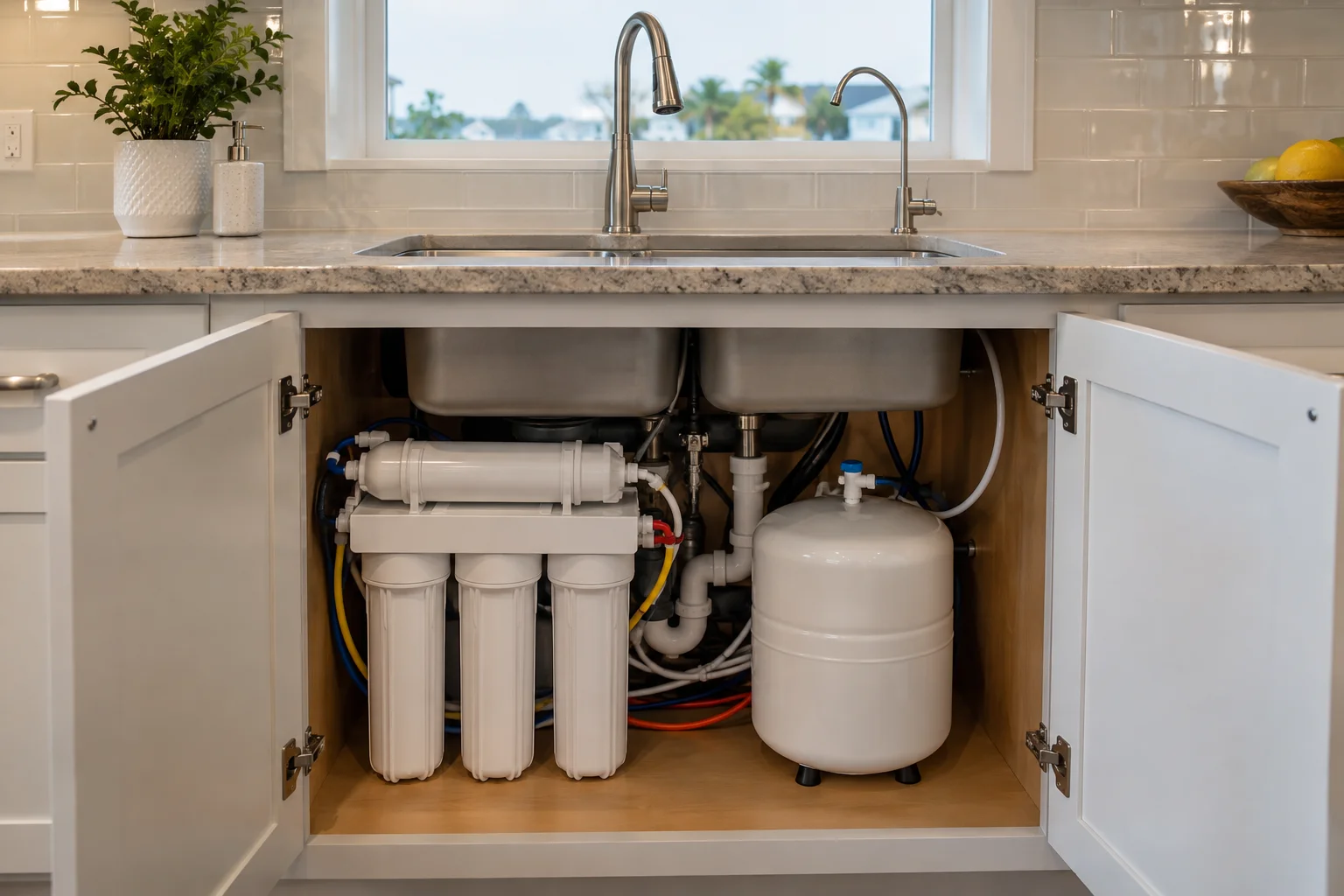
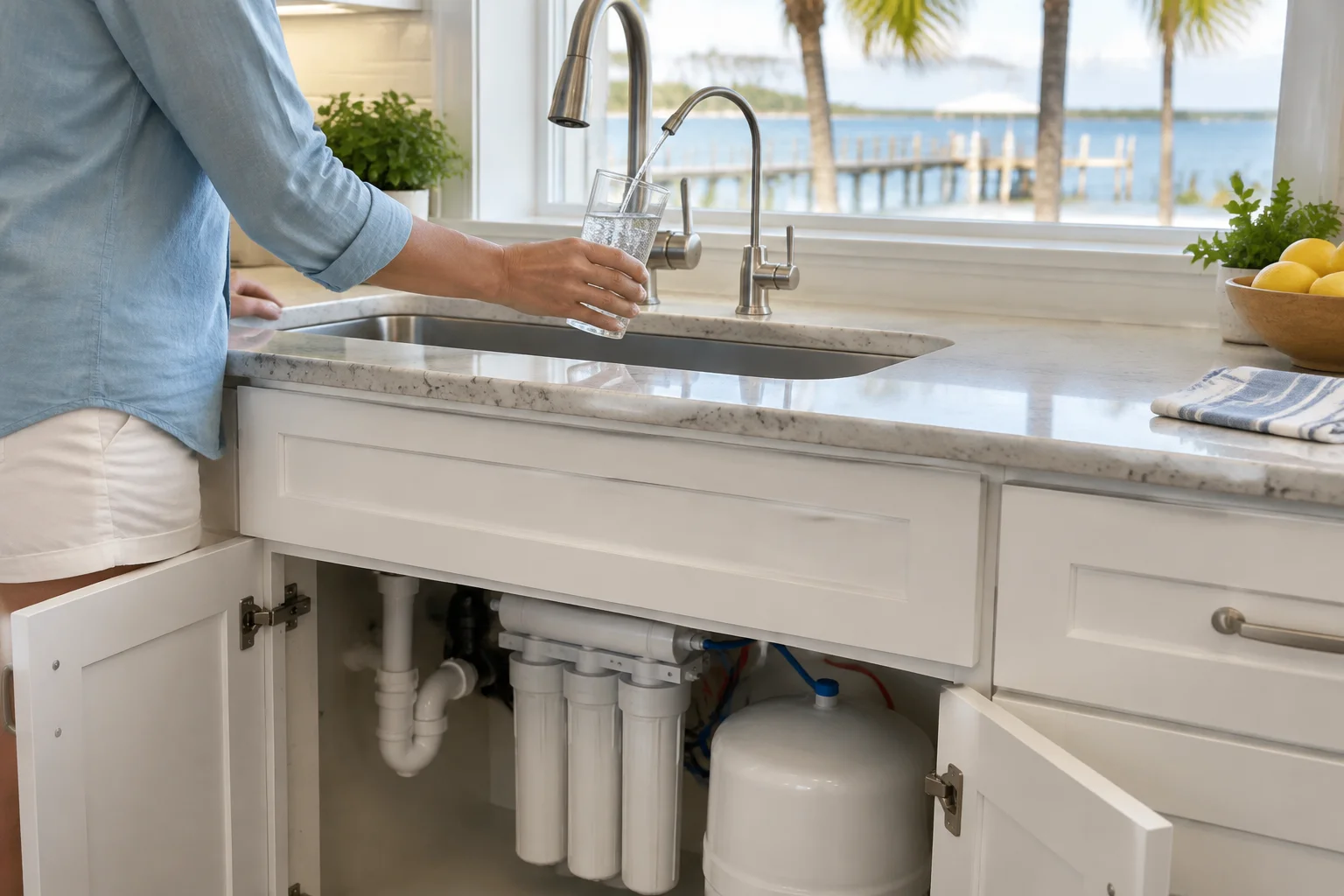
Some homeowners have a softener and still deal with taste, odor, or clarity concerns. That is where whole house water filtration and targeted drinking water filtration can make a difference. For example, a reverse osmosis system near you may be the best fit for families who want better drinking water for drinking and cooking, especially when they are sensitive to taste changes.
Water softening versus filtration: what each one solves
Homeowners often assume a water softener fixes everything. It helps with hardness and scale, but it does not automatically address every taste or sediment concern. Understanding the difference helps you choose solutions that work together.
Water softening: built for scale and mineral control
Water softening reduces the hardness minerals that cause hard water spots on glass, film on dishes, and scale buildup around fixtures and plumbing. It also supports better bathing comfort and helps appliances run more efficiently.
Whole home water filtration: built for cleaner water throughout the house
Whole home water filtration is designed to protect plumbing and fixtures from unwanted particles and to improve overall water quality. Many homeowners start here when they want clean water systems near me that handle both comfort and protection.
Reverse osmosis and drinking water filtration: built for taste and clarity
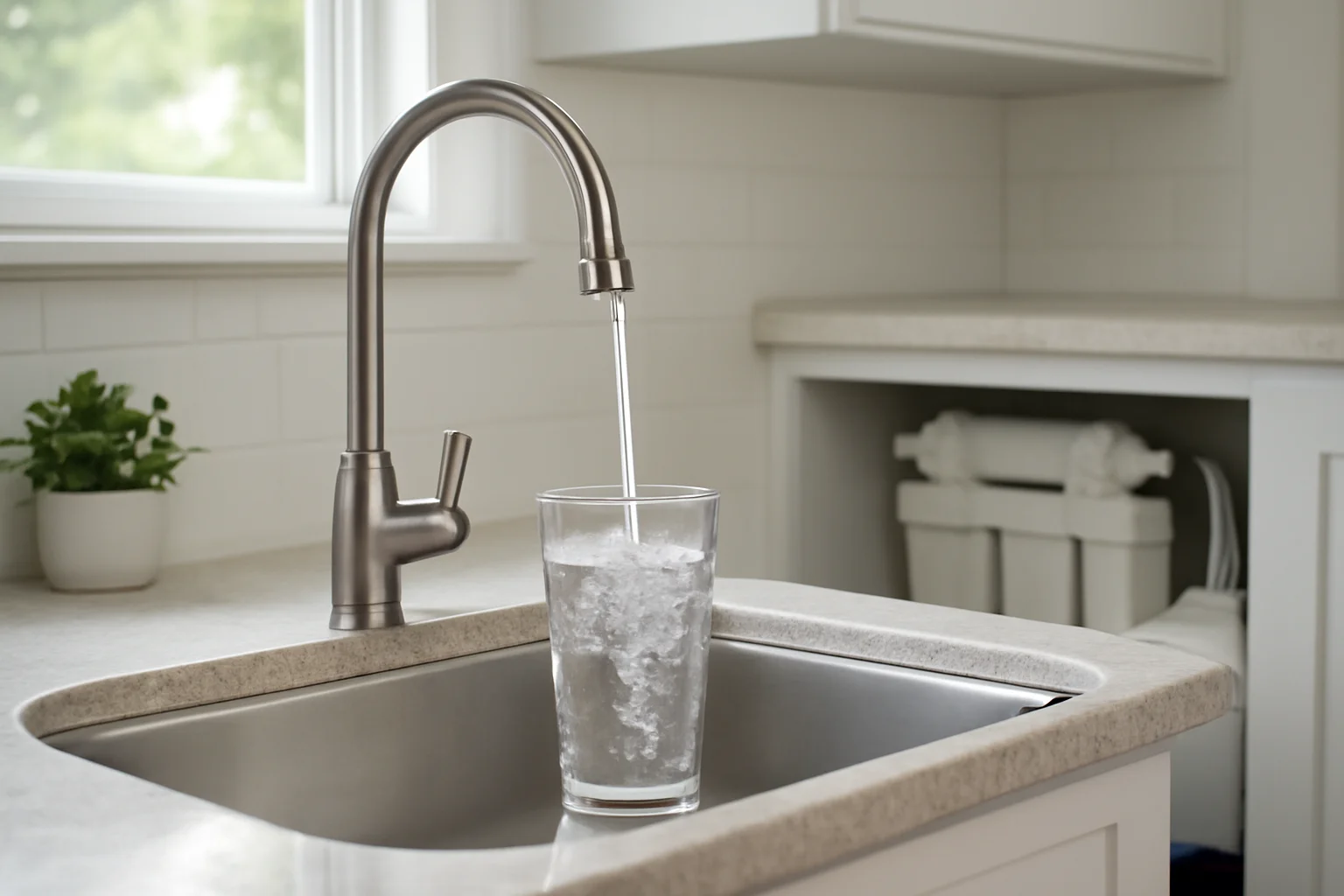
Reverse osmosis focuses on the water you drink and use for cooking. If you have cloudy ice cubes, metallic or chlorinated taste, or poor tasting coffee water, reverse osmosis and drinking water filtration can help deliver better water for the kitchen.
How Callaway water and home setups affect treatment needs
Callaway is part of Bay County, and many homes share similar priorities: comfortable daily bathing, reliable laundry results, and clean kitchen water for families. Local conditions can also influence how quickly scale shows up, especially if your home has older fixtures, longer plumbing runs, or high hot-water usage.
In homes where multiple family members shower back to back, run dishwashers often, or do frequent laundry, the water softener may need service or a more appropriate configuration to keep up. That is why water treatment service matters locally. A setup that works in one area of Florida may not match the mineral load in another neighborhood or household.
If you want to compare options and understand local fit, you can explore water treatment services in Callaway and related Bay County coverage at Bay County water treatment.
What better water looks like in everyday life
It is easy to talk about water quality in technical terms. It is more helpful to picture what changes when softening and filtration work together.
Kitchen scenes: clearer ice and better coffee
Imagine filling a glass or an ice tray and noticing the ice freezes clear instead of cloudy. Then you brew coffee and the flavor feels balanced. Cooking water behaves predictably for rice, pasta, and soups. When you have better water for drinking and cooking, meal prep is less about adjusting for “tap water taste” and more about enjoying your food.
Bath time: comfortable skin and hair
After a shower, towels feel softer and soap rinses clean. Skin does not feel tight, and hair looks less dull. That is the difference many families notice when hard water treatment becomes part of protecting daily comfort, not just protecting pipes.
Laundry day: less residue and cleaner results
Clothes come out feeling cleaner, and you may use less detergent because soap and water work together more effectively. When you reduce mineral buildup, your laundry can look better and feel better, especially for households that wash frequently.
Fixtures and appliances: fewer scale surprises
Fewer hard water spots on glass and less chalky buildup around faucets and showerheads means less scrubbing. Appliances also tend to stay cleaner longer because scale has less opportunity to build up inside hot-water pathways.
Choosing a solution: water softener service, installation, and upgrades
When you recognize the early signs, the next step is choosing the right approach for your household. That typically includes water softener service near me and, when needed, installation or system upgrades.
Water softener repair and maintenance
If your system is producing hard water again, you may need repair or calibration. A professional can check the control valve, verify regeneration performance, inspect for salt tank issues, and confirm that the system is exchanging minerals properly. Regular maintenance can catch problems before they become scale emergencies.
Water softener installation near me: when replacement is the smarter move
If your equipment is old, frequently requires repairs, or cannot keep up with household demand, replacement may be the most cost-effective path. Newer systems often provide improved performance, better control, and configurations that match real usage patterns.
If you are considering options, ask about system sizing and regeneration settings. Your goal is consistent softening without wasting water or salt.
AO Smith water filtration and whole home water filtration options
Many homeowners want a brand and a system that is designed for long-term performance. AO Smith water filtration is a common choice for households looking for dependable water quality improvements. Depending on your needs, AO Smith filtration components can pair with softening to support cleaner water throughout the home and better drinking water for the kitchen.
Reverse osmosis system near me for drinking water and cooking water
If taste, odor, cloudy ice cubes, or recipe water quality are your biggest concerns, a reverse osmosis system can be a strong addition. It is often used for drinking and cooking, while the rest of the home benefits from softened, filtered water. This approach helps you get the best of both worlds: scale control for plumbing and clearer, better-tasting water for the family.
Preventing expensive outcomes: maintenance habits that help
You can reduce the chance of sudden hardness problems by staying aware of a few simple habits.
Watch the salt level and check for bridging
Keep an eye on salt levels and look for signs that salt is clumping or not dissolving. If salt is not properly available for brine regeneration, softening performance will drop.
Notice scale patterns early
If scale buildup around faucets, showerheads, and plumbing increases faster than usual, treat it as a signal. Catching the issue early can prevent a cycle of recurring cleaning and appliance wear.
Pay attention to bathing and laundry comfort
Dry skin or dull hair after bathing is not just a comfort issue. It can be a sign that mineral control is slipping. If your laundry does not rinse as cleanly, that can also point back to water chemistry performance.
Track taste and clarity changes
Metallic or chlorinated taste, unpleasant odors, or cloudy ice cubes are often tied to filtration performance. When these show up, it may be time to evaluate whole home water filtration or a drinking water filtration approach like reverse osmosis.
When to call A Superior Mechanical for water softening in Callaway
Some homeowners wait too long because hard water problems feel “normal” once they appear. A better strategy is to call when you notice a pattern. If you are seeing hard water spots on glass and fixtures, dealing with soap that does not lather or rinse well, or noticing dry skin or dull hair after bathing, it is a good time to schedule an evaluation.
If you also have taste concerns, poor tasting coffee water, cloudy ice cubes, or visible sediment and odor issues, ask about combining water softening with whole home water filtration and drinking water options. That is how clean water systems near me turn into clean water systems that actually match your household goals.
You can review our Callaway water softening service page for information on installation, replacement, repair, and maintenance across the area. For broader context on water treatment decisions, these reads can help:
- Why Water Treatment Makes Water Softening Work Better in Callaway Homes
- A Callaway Homeowner’s Guide to Smarter Water Filtration and Fewer Plumbing Repairs
- Cleaner Water Starts at the Source in Callaway
- How Water Softening Protects Rosemary Beach Plumbing from Costly Water Damage
If you are planning upgrades, it is also helpful to look at related coverage and service options in the region. A consistent approach to water softening and filtration is one of the most practical ways to reduce future repair costs, protect appliances, and support better drinking water for your family.
For homeowners comparing solutions, you can also explore whole home water filtration, water softeners, and reverse osmosis to understand how different clean water systems work together.
Find Water Softening in Callaway, FL
If you need Water Softening in Callaway, FL, visit our local service page or contact A Superior Mechanical today.
For a broader look at whole-home water filtration, reverse osmosis, and water softener options, visit our water filtration, RO, and water softener page.
Map of Callaway, FL
Frequently Asked Questions
How do I know if my water softener is working in my Callaway home?
You can often tell by watching for hard water spots on glass and fixtures, scale buildup around faucets and showerheads, and changes in bathing comfort. If soap does not lather or rinse well, or you notice dry skin or dull hair after bathing, your softener may be underperforming.
Can a water softener fix cloudy ice cubes and bad-tasting drinking water?
Sometimes, but not always. Water softening primarily targets hardness and scale. Cloudy ice cubes and unpleasant taste are more often tied to filtration needs. Many homeowners pair water softening with whole home water filtration or a reverse osmosis system for drinking water and cooking water.
What causes scale buildup to come back after the softener seemed fine?
Common causes include incorrect regeneration settings, low salt or salt tank bridging, worn media, or aging components like valves and injectors. A professional inspection can pinpoint whether the issue is mechanical, setup related, or tied to additional water quality concerns.
Is reverse osmosis worth it if I already have a softener?
For many households, yes. A softener helps with hardness and protecting plumbing. Reverse osmosis focuses on the water you drink and cook with, which can improve taste and clarity. It is especially helpful if you notice metallic or chlorinated taste, odors, or cloudy ice cubes.
How often should I schedule water softener service in Callaway, FL?
Many systems benefit from periodic checks to confirm regeneration performance, salt usage, and overall water quality. If you notice symptoms like increasing scale buildup, taste changes, or reduced bathing comfort, schedule service sooner rather than waiting.
Related Articles
Photo Gallery