Lynn Haven homes rely on dependable water treatment for everyday comfort, from bathing and laundry to cooking and appliances. When water softening stops working the way it should, you may not notice right away. The first clues often show up as scale buildup, dull hair, or changes in taste and odor. Catching those signals early helps protect plumbing, extend appliance life, and keep your family’s drinking and bathing water cleaner.
Why water softening matters in Lynn Haven’s year-round water
In Lynn Haven, Florida, many households deal with water that can leave mineral deposits. Hard water minerals, primarily calcium and magnesium, can build up over time. Even if your water looks “fine,” those minerals can quietly affect fixtures, water heaters, and the performance of water using appliances.
Water softening is designed to reduce hardness so soap works better, scale buildup slows down, and plumbing stays cleaner. When the system is operating correctly, homeowners typically notice easier rinsing, fewer hard water spots on glass, and less residue around showerheads and faucets. Over time, seasonal humidity, water usage patterns, and supply changes can also influence how well a system performs, which is why year-round monitoring is so important.
If you are searching for water filtration and reverse osmosis options or an experienced water softening team in Lynn Haven, it helps to understand what can cause problems before they become expensive.
Common causes of water softening problems that show up in real homes
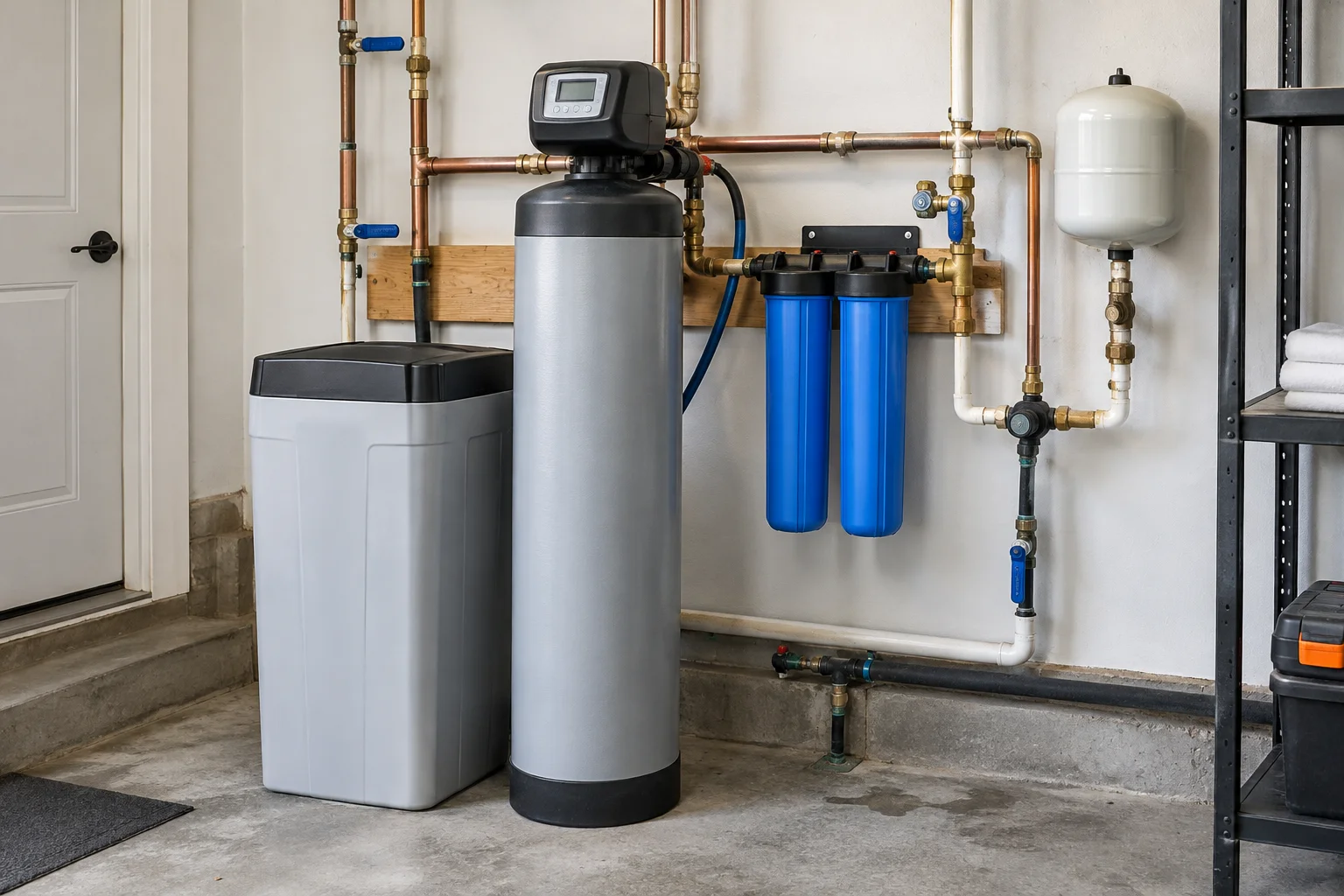
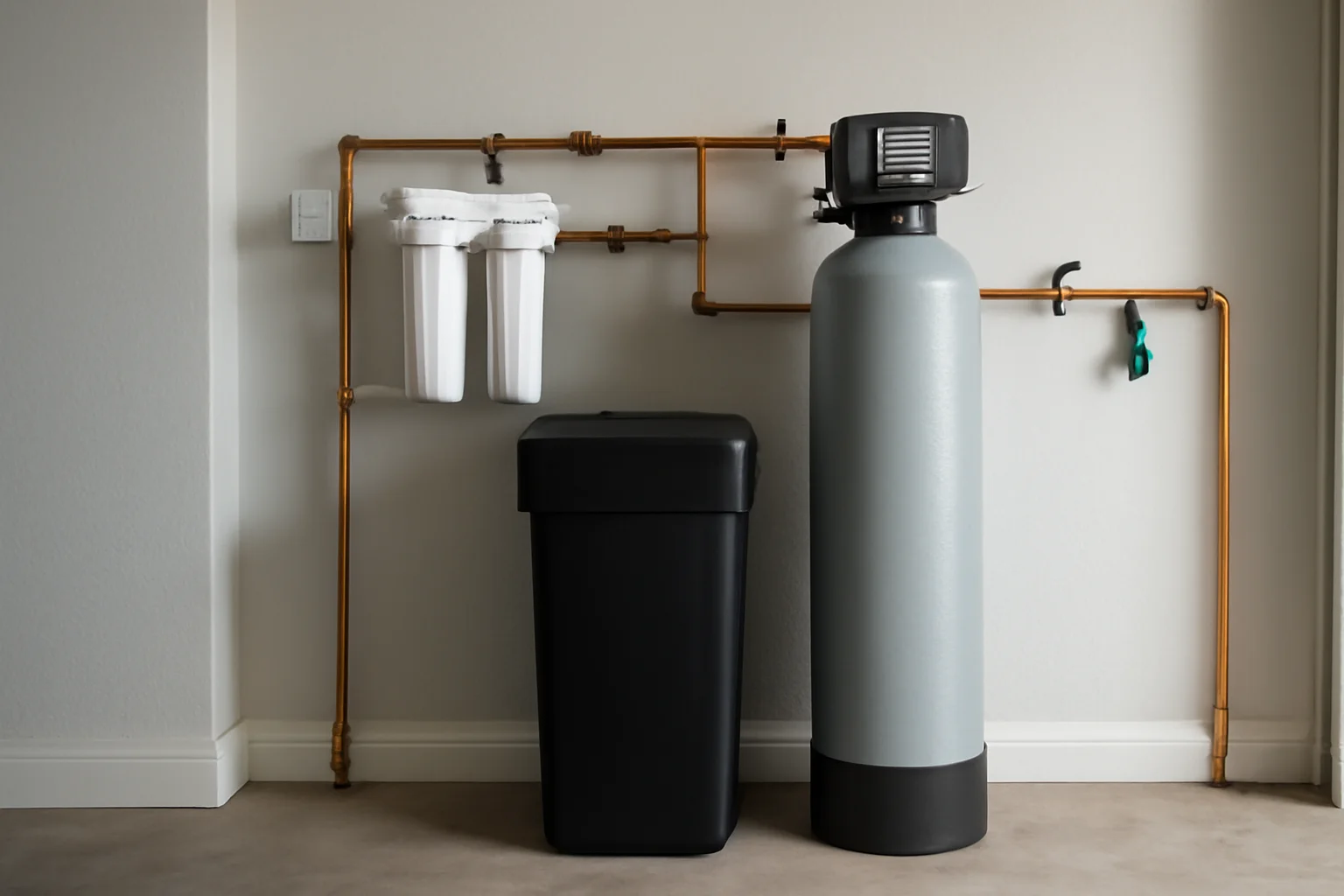
Water softeners are mechanical systems with controls, resin, and a brine cycle. Whole home water filtration systems and drinking water filtration can also be part of the solution. When any part of the process is off, you may see symptoms that look like “hard water is back.” Below are the most common reasons water softening fails to protect your home year-round.
1) Salt issues: the brine cycle can’t do its job
A water softener regenerates using brine, which is made from salt. If salt is too low, bridging occurs, or the wrong type of salt is used, the system may not regenerate effectively. The result is often gradual, not sudden. You might see:
- Hard water spots on glass and shower doors
- Soap that does not lather or rinse well
- Scale buildup around faucets and showerheads
In Lynn Haven homes, humid conditions can contribute to salt clumping. If you notice the salt bag looks damp, or the softener cabinet has a crusted salt bed, that is a clue. For AO Smith water filtration and AO Smith water softener setups, proper brine performance is essential for consistent hardness reduction.
2) Resin bed problems: wear, fouling, or uneven regeneration
The resin inside the softener is what exchanges hardness minerals. Over time, the resin can become less effective if the system is not maintained, if there is iron or sediment in the water, or if regeneration is not happening at the right intervals. Symptoms can include persistent scale and water that feels “less soft” even after regeneration.
Homeowners sometimes notice appliances wearing out faster because mineral scale reduces efficiency in water heaters and other water-using equipment. You may also see visible sediment or discoloration if other filtration steps are not keeping up.
3) Water pressure or flow changes that disrupt regeneration
Softener controls depend on accurate flow and timing. If a valve is partially restricted, if there is a leak, or if water pressure is inconsistent, the regeneration cycle may not complete properly. Sometimes the system appears to run, but the hardness reduction is incomplete.
In everyday terms, the “feel” of water changes. Laundry may come out rough, and bathing can leave dry skin or dull hair after showering. These are often the same household clues homeowners associate with hard water, even when the softener is technically installed.
4) Sediment and iron carryover: the softener can get overwhelmed
Hardness is not the only water issue that can affect performance. When sediment or iron is present, it can foul resin and reduce softening efficiency. If you see visible sediment in household water, notice an odor concern, or observe discoloration, your system may need upstream filtration as part of the overall plan.
This is where many homeowners benefit from whole home water filtration. A whole house water filter can reduce sediment and improve water quality before it reaches the softener, helping the softener work as intended. For families who want cleaner drinking and cooking water, pairing softening with reverse osmosis at the kitchen tap can be especially effective.
5) Incorrect sizing or usage patterns: the system can’t keep up
Water softeners are sized based on household water demand and water hardness. If a home adds occupants, installs high-demand appliances, or changes how water is used, the system may reach capacity sooner than expected. That can lead to hardness “breakthrough,” often noticeable after peak usage periods.
Common family scenarios in Lynn Haven include seasonal guest stays, summer lawn and pool fill habits that increase overall water demand, or a busy household routine that changes laundry schedules. If you notice the home feels softer on some days and harder on others, capacity or regeneration frequency may be the issue.
6) Control valve or sensor wear: the system runs, but not correctly
Modern softeners use control valves and sensors to manage regeneration. Over time, parts wear, and settings can drift due to power interruptions or incorrect programming. A small timing error can lead to incomplete regeneration and recurring scale buildup around fixtures.
If you are seeing consistent hard water spots on glass, stubborn scale around faucets, and ongoing dull hair or dry skin after bathing, it can be a sign the softener’s control cycle needs evaluation. This is a good moment to schedule water softener service near me, especially if you have an AO Smith water softener and are looking for system-specific troubleshooting.
Early warning signs: what homeowners in Lynn Haven can look for
The most helpful part of catching water quality problems early is knowing which symptoms are connected to softening and filtration. Here are the signs Lynn Haven homeowners often notice first, especially in kitchens, bathrooms, and laundry rooms.
Hard water spots and scale buildup that keep returning
Even when you clean regularly, hard water can leave mineral residue behind. Watch for:
- Hard water spots on glass, especially after showers or filling drinking glasses
- Scale buildup around faucets and showerheads
- Rough, chalky residue around plumbing connections
Scale is one of the clearest indicators that hardness reduction is not happening consistently. If the buildup is increasing month to month, the softener may not be regenerating correctly or may be undersized for current demand.
Soap that does not lather or rinses poorly
Hard water makes it harder for soap to work. You may notice:
- Soap that does not lather well
- Bathtub and shower surfaces that feel slick but look dull
- Laundry that feels stiff or has lingering residue
This can also affect bathing comfort. Many homeowners describe dry skin or dull hair after bathing when water hardness is high. If your family has sensitive skin, those changes are worth treating as a priority.
Changes in taste, odor, and cloudy ice cubes
Water softening focuses on hardness. But when overall water quality is off, you may also notice taste and odor concerns. Some households report:
- Metallic, chlorinated, or unpleasant taste
- Cloudy ice cubes
- Poor tasting coffee and cooking water
Cloudy ice can happen when dissolved minerals or air are present. If cloudy ice shows up alongside unpleasant taste, it can be a sign that drinking water filtration needs attention. Many homeowners solve this with reverse osmosis installation at the kitchen sink, supported by a whole house water filter.
Visible sediment or discoloration in household water
If you see sediment in household water, notice discoloration, or smell an odor that wasn’t there before, don’t assume it is “just the softener.” Sediment can come from the water supply, aging plumbing, or changes in filtration performance. A whole home water filtration system can help reduce sediment and improve consistency, while the softener handles hardness.
Appliances wearing out faster
Scale can shorten the life of water heaters, reduce heat transfer efficiency, and increase energy use. When hardness is not controlled, homeowners may notice:
- More frequent appliance service calls
- Water heater performance that declines sooner
- Reduced flow or efficiency in water-using devices
To connect the dots between water quality and appliance wear, you can also read How Everyday Plumbing Wear and Tear Shortens Water Heater Life in Lynn Haven Homes.
How to catch water quality problems early with simple home checks
You do not need lab equipment to recognize a trend. The goal is to notice changes early and confirm them with testing.
Watch for trends, not one-time events
One shower can’t tell you much. Instead, pay attention to how quickly scale returns after cleaning. If you clean showerheads and fixtures and the residue comes back faster than usual, that is a strong signal the system is not controlling hardness consistently.
Do a quick glass spot check
Fill a clear glass and let it sit overnight. If you see hard water spots or a film that is more noticeable than before, it may mean hardness is increasing or softener performance is slipping. Pair this check with what you see on dishes and fixtures.
Compare dish results and coffee taste
In many Lynn Haven kitchens, the difference is obvious. If dishes show hard water spots that were not there before, or if poor tasting coffee water becomes noticeable, it can point to changes in hardness control or filtration. Whole home water filtration near you and drinking water filter near me options can address these issues.
Check the salt routine and the softener cabinet
Salt bridges and low salt are easy to miss. Keep an eye on salt level and the condition of the salt bed. If you see crusting or clumps, that can reduce brine effectiveness and lead to incomplete regeneration.
What a professional water test should include in Lynn Haven
When homeowners call for water softener service near me or water filtration near me, the best results come from testing that matches the symptoms. A quality evaluation often includes:
- Hardness level to confirm how much softening is needed
- Iron and other minerals that can foul resin
- Water clarity and sediment indicators
- Basic parameters related to taste and odor concerns
Testing helps determine whether the issue is a softener problem, a filtration gap, or both. For example, if you have scale buildup around faucets and hard water spots on glass, but also notice metallic or chlorinated taste, you may need a combined approach: water softening to protect plumbing and reverse osmosis or drinking water filtration for the kitchen.
How whole home water filtration and reverse osmosis work together
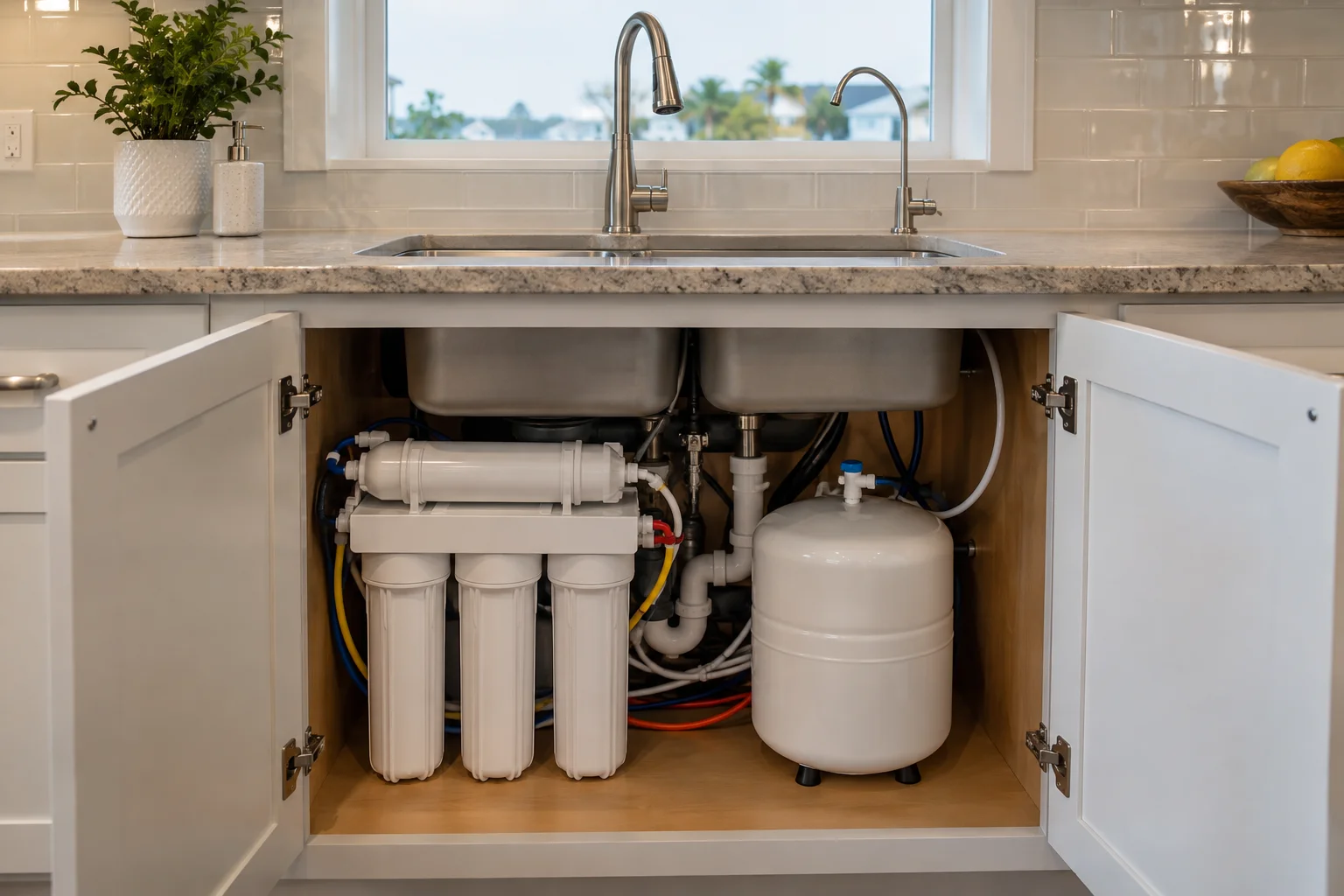
Many Lynn Haven families find the best results come from a layered system. Softening reduces hardness throughout the home. Whole home water filtration can reduce sediment and improve overall water consistency. Then, reverse osmosis (RO) or point of use drinking water filtration can target the kitchen tap for better drinking water.
Whole house water filter benefits you can feel
With whole home water filtration, you often see fewer issues like:
- Visible sediment in household water
- Odor concerns that affect cooking and bathing
- Improved performance of the softener by reducing what it has to handle
Reverse osmosis installation for drinking and cooking water
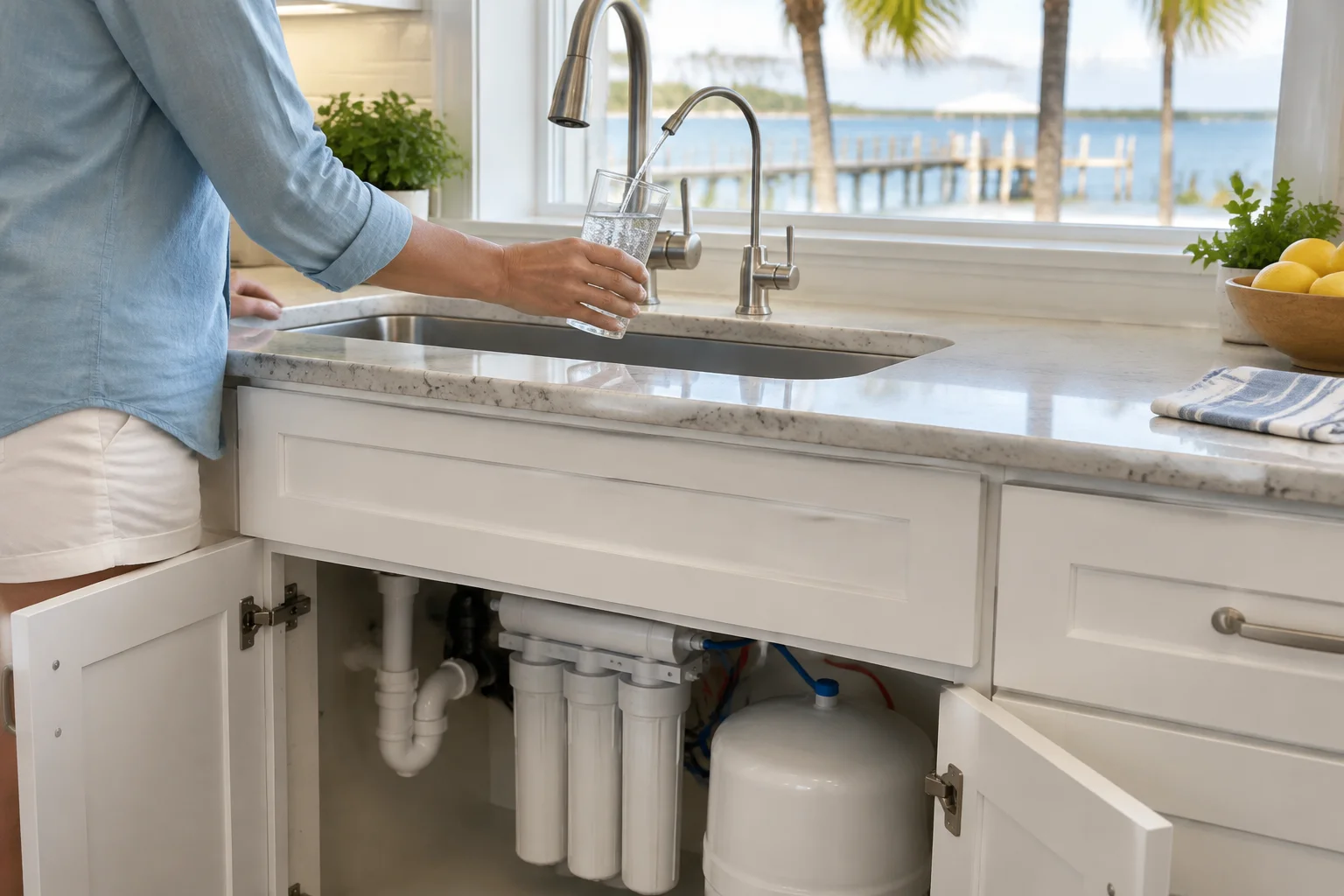
For drinking water quality, reverse osmosis can help reduce taste and odor concerns and improve water for drinking, ice, and cooking. Many homeowners choose RO because they want better drinking water and better tasting coffee and cooking water.
If your ice cubes are cloudy or your coffee tastes “off,” RO is often part of the solution. A professional can confirm whether you need RO alone at the kitchen sink or whether you should pair it with whole home water filtration and an AO Smith water softener setup for best results.
Maintenance that keeps your softener and filters performing all year
Florida weather and changing household use can shift water demands. The fix is not waiting until the water feels harsh. A consistent maintenance schedule helps.
Keep your system settings and regeneration schedule accurate
If your household water use changes, the system may need adjustment. Your service tech can review regeneration timing, verify settings, and check performance against your water test results.
Replace filters and check upstream components
Whole home filtration components can become less effective if they are not replaced on schedule. When a filter is restricted, water quality can shift, and the softener can work harder than it should. Replacing filters and checking system flow helps prevent gradual performance loss.
Schedule seasonal checkups for long-term protection
Year-round protection matters in Lynn Haven. A seasonal service visit can catch early issues like salt bridging, control valve drift, or sediment buildup before it becomes visible on dishes and fixtures. If you want a preventive approach, you can also read Cleaner Water, Smarter Plumbing: A Lynn Haven Homeowner's Guide to Preventing Problems.
When you should call A Superior Mechanical
If you are seeing multiple symptoms at once, it is usually time for professional testing and service. Call A Superior Mechanical if you notice:
- Hard water spots on glass, dishes, and fixtures that return quickly
- Scale buildup around faucets, showerheads, and plumbing
- Dry skin or dull hair after bathing
- Metallic, chlorinated, or unpleasant taste
- Cloudy ice cubes or poor tasting coffee and cooking water
- Visible sediment, discoloration, and odor concerns
- Appliances wearing out faster than expected
A Superior Mechanical can help evaluate whether you need water softener service, whole home water filtration, or reverse osmosis installation. This is especially useful for homeowners with AO Smith water filtration and AO Smith water softener systems who want dependable performance and clean water outcomes.
You can explore service options on the Lynn Haven water softening page and learn more about the broader approach on the water filtration and RO water softeners landing page. For local context, the Lynn Haven service area page and Bay County coverage can help you understand the communities we serve.
If you are planning upgrades, it can also help to review Planning Water Softening Ahead in Lynn Haven for Healthier Drains and Longer-Lasting Pipes. For homeowners who want to connect water quality to plumbing longevity, Why Lynn Haven Families Rely on Preventive Plumbing Care for Hidden Leaks and Slab Repairs offers useful context on protecting your home.
Everyday examples: what better water looks like in a Lynn Haven household
When softening and filtration are working together, it shows up in the moments your family actually cares about.
Kitchen scenes: clearer ice and better coffee
Picture a Saturday morning routine where everyone grabs a glass, loads the dishwasher, and makes coffee. With properly treated water, you are less likely to see cloudy ice cubes, and coffee and cooking water taste cleaner. Dishes are easier to rinse, and you spend less time scrubbing hard water spots.
Bath time: less dryness, better hair feel
In the bathroom, water quality affects how skin and hair respond. When hardness is controlled, many homeowners notice fewer signs of dry skin or dull hair after bathing. Shower surfaces also stay cleaner because scale buildup slows down.
Laundry and fixtures: fewer residues and less buildup
Laundry can feel different when soap works properly. With softened water, detergent lathers and rinses better, helping clothes come out cleaner and reducing residue that can build up in machines and plumbing.
Protecting your home means treating the whole water system, not just one part
Water softening problems in Lynn Haven often start small. A salt issue, a fouled resin bed, or a filtration gap can allow hardness and mineral residue to creep back into daily life. When you catch those signals early, you can prevent scale buildup around faucets, reduce appliance wear, and keep drinking and cooking water tasting its best.
If you want dependable whole home protection, consider a system approach that includes water softening, whole home water filtration, and reverse osmosis where it matters most. That combination is designed to support cleaner water throughout your home and better drinking water at the kitchen tap.
Find Water Softening in Lynn Haven, FL
If you need Water Softening in Lynn Haven, FL, visit our local service page or contact A Superior Mechanical today.
For a broader look at whole-home water filtration, reverse osmosis, and water softener options, visit our water filtration, RO, and water softener page.
Map of Lynn Haven, FL
Frequently Asked Questions
Why does my water still feel hard even though I have a water softener?
Common causes include low or bridged salt that prevents proper brine regeneration, resin that has become fouled or worn, a control valve timing issue, or sediment and iron that overwhelm the softener. A water test and system inspection can confirm which part needs service.
Can hard water affect coffee, ice, and cooking water in Lynn Haven?
Yes. Hard minerals and other dissolved materials can change taste and lead to issues like cloudy ice cubes. Many homeowners improve drinking water quality with reverse osmosis installation at the kitchen sink, often supported by whole home water filtration.
What are the first signs water softening is failing?
Look for hard water spots on glass, soap that does not lather or rinse well, scale buildup around faucets and showerheads, dry skin or dull hair after bathing, and faster appliance wear. If these symptoms are increasing, schedule a professional check.
Do I need whole home water filtration if I already have a softener?
Not always, but it is common. If you have visible sediment, discoloration, or odor concerns, whole home water filtration can reduce what the softener has to handle and help protect resin performance. It can also improve overall water quality for bathing and laundry.
How often should I service or maintain my water softener?
Many homeowners benefit from routine inspections and maintenance based on usage and water conditions. A seasonal check can help catch salt bridging, control issues, or filter changes early. If you notice any buildup or taste changes, test and service sooner.
Related Articles
- Planning Water Softening Ahead in Lynn Haven for Healthier Drains and Longer-Lasting Pipes
- How Everyday Plumbing Wear and Tear Shortens Water Heater Life in Lynn Haven Homes
- Why Lynn Haven Families Rely on Preventive Plumbing Care for Hidden Leaks and Slab Repairs
- Cleaner Water, Smarter Plumbing: A Lynn Haven Homeowner's Guide to Preventing Problems
Photo Gallery