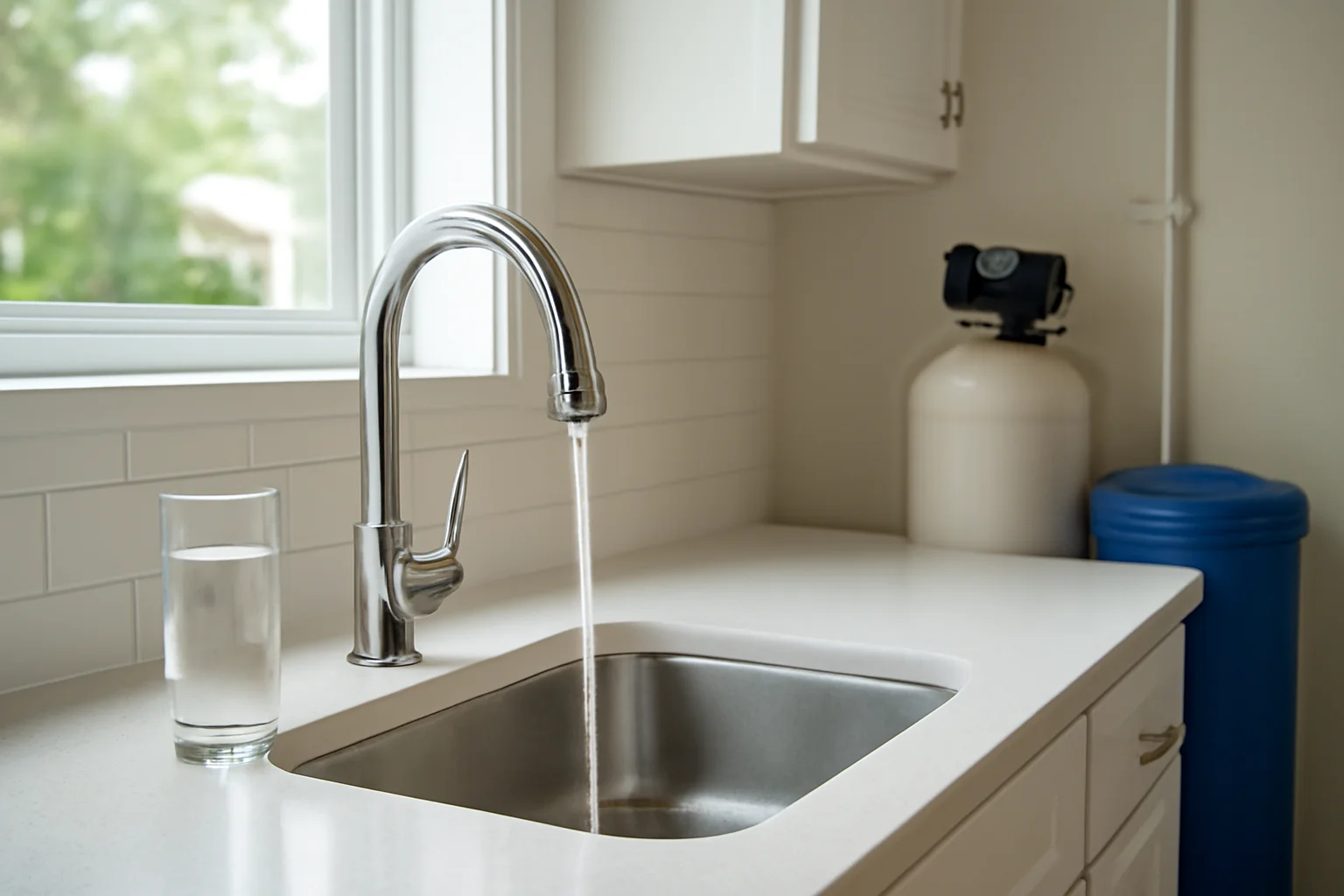
Fort Walton Beach homes rely on clean, reliable water for everything from morning coffee to laundry and bathing. But when your water supply is hard, everyday use can start to feel like a losing battle. You may notice hard water spots on glass, dishes that never fully rinse clean, or scale buildup around faucets and showerheads. Over time, the same minerals that look like “just a little residue” can shorten the life of water heaters, reduce efficiency, and lead to expensive repairs.
This guide explains how water softening services work in Fort Walton Beach, FL, what problems hard water causes locally, and how homeowners can choose the right treatment to protect fixtures and appliances before costs spike. If you are searching for water softening services in Fort Walton Beach or water filtration and reverse osmosis solutions, you will find practical details below.
What “hard water” looks like in Fort Walton Beach homes
Hard water is not usually unsafe, but it is loaded with dissolved minerals, most commonly calcium and magnesium. In Okaloosa County, those minerals can show up as visible residue and scale. The signs often start in the places you notice first: glassware, bathroom fixtures, and kitchen sink edges.
Everyday signs that minerals are building up
Homeowners commonly report:
- Hard water spots on glass and cloudy-looking dishware after washing
- Scale buildup around faucets, showerheads, and plumbing connections
- Soap does not lather or rinses poorly, leaving a film
- Dry skin or dull hair after bathing, especially after long showers
- Metallic, chlorinated, or unpleasant taste in drinking water
- Cloudy ice cubes or odd odor concerns
- Poor tasting coffee and cooking water that affects flavor
- Visible sediment or discoloration in water when conditions worsen
- Appliances wearing out faster, including water heaters and dishwashers
In a coastal climate like Fort Walton Beach, households often also see faster wear on fixtures due to humidity and salt exposure. Hard water minerals can make that wear more obvious, because scale builds up where water repeatedly evaporates and concentrates. The result is a home that looks “rougher” sooner, even when cleaning is consistent.
Why hard water becomes expensive for fixtures and appliances
It is easy to treat hard water as a cosmetic issue. Wipe the glass, descale the showerhead, and move on. The problem is that minerals do not disappear when you clean. They keep accumulating in pipes, on heating elements, and inside appliance lines where you cannot see them.
Scale inside plumbing reduces efficiency
When hard water heats up or evaporates, minerals can precipitate and stick to surfaces. Over time, scale buildup around faucets and showerheads is the first visible clue that similar deposits are forming deeper in the system. That buildup can:
- Reduce heat transfer in water heaters and cause them to work harder
- Restrict flow in pipes and reduce water pressure
- Encourage corrosion in plumbing components by changing how minerals interact with metals
- Increase the frequency of maintenance and repair calls
Water quality affects laundry, bathing, and daily comfort
Hard water does more than leave marks. It interferes with how soap and detergents work. Many detergents rely on the chemistry of water to lift oils and rinse away cleanly. With hard water, you may notice:
- Soap that does not lather or rinses with residue
- Laundry that feels stiff or looks dull
- Dry skin from hard water and hair that feels less vibrant
For families in Fort Walton Beach, this shows up fast. Think about kids rinsing off sunscreen and saltwater after a beach day, or teenagers using the bathroom daily without noticing that the water quality is making soap less effective. When you upgrade to properly treated water, it often feels like the whole routine works better.
How water softening works, and what it changes in your home
Water softening is designed specifically to address hardness minerals. In most homes, hardness is what drives scale, soap scum, and the “spotty” look on fixtures and glass.
The basics of ion exchange and softened water
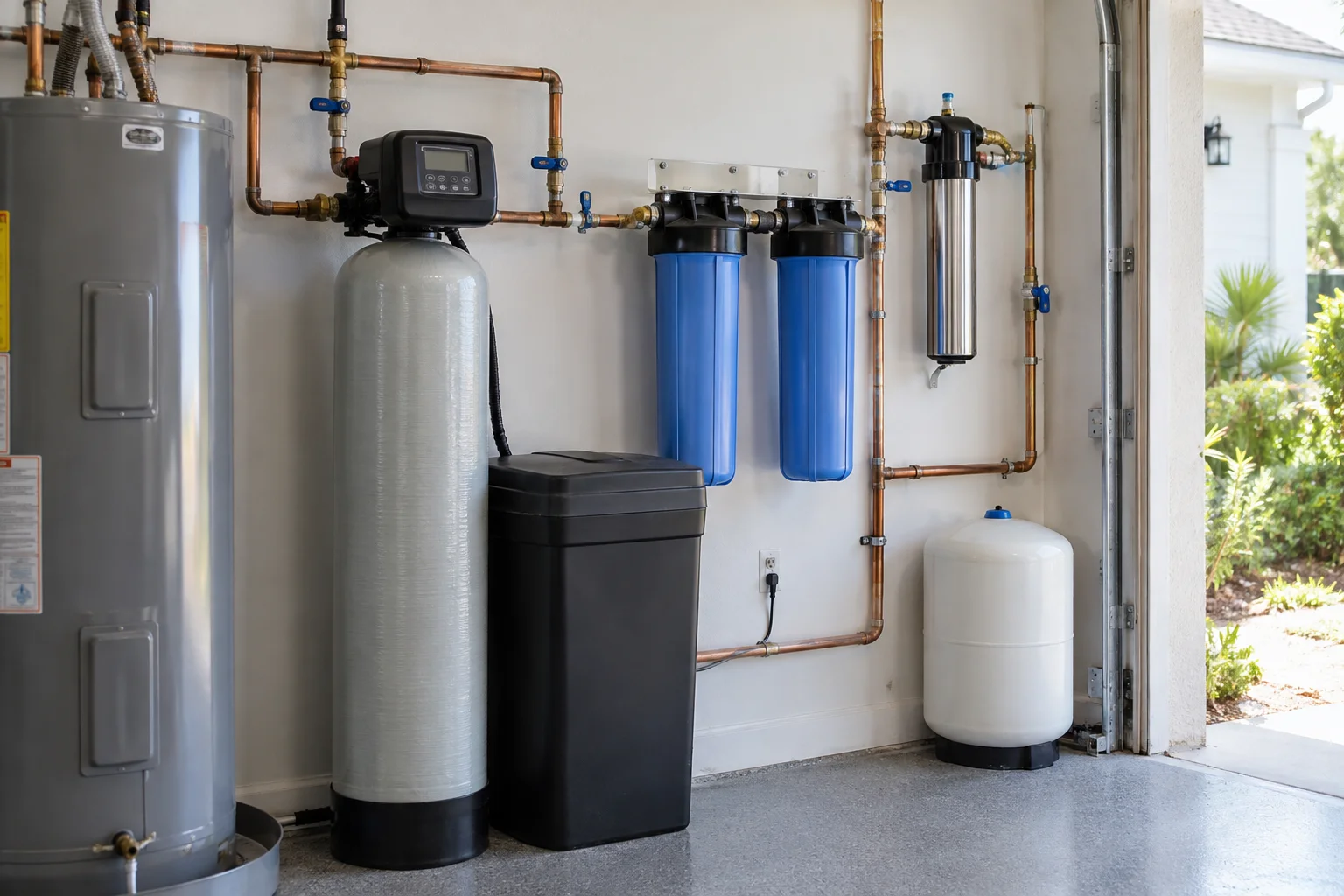
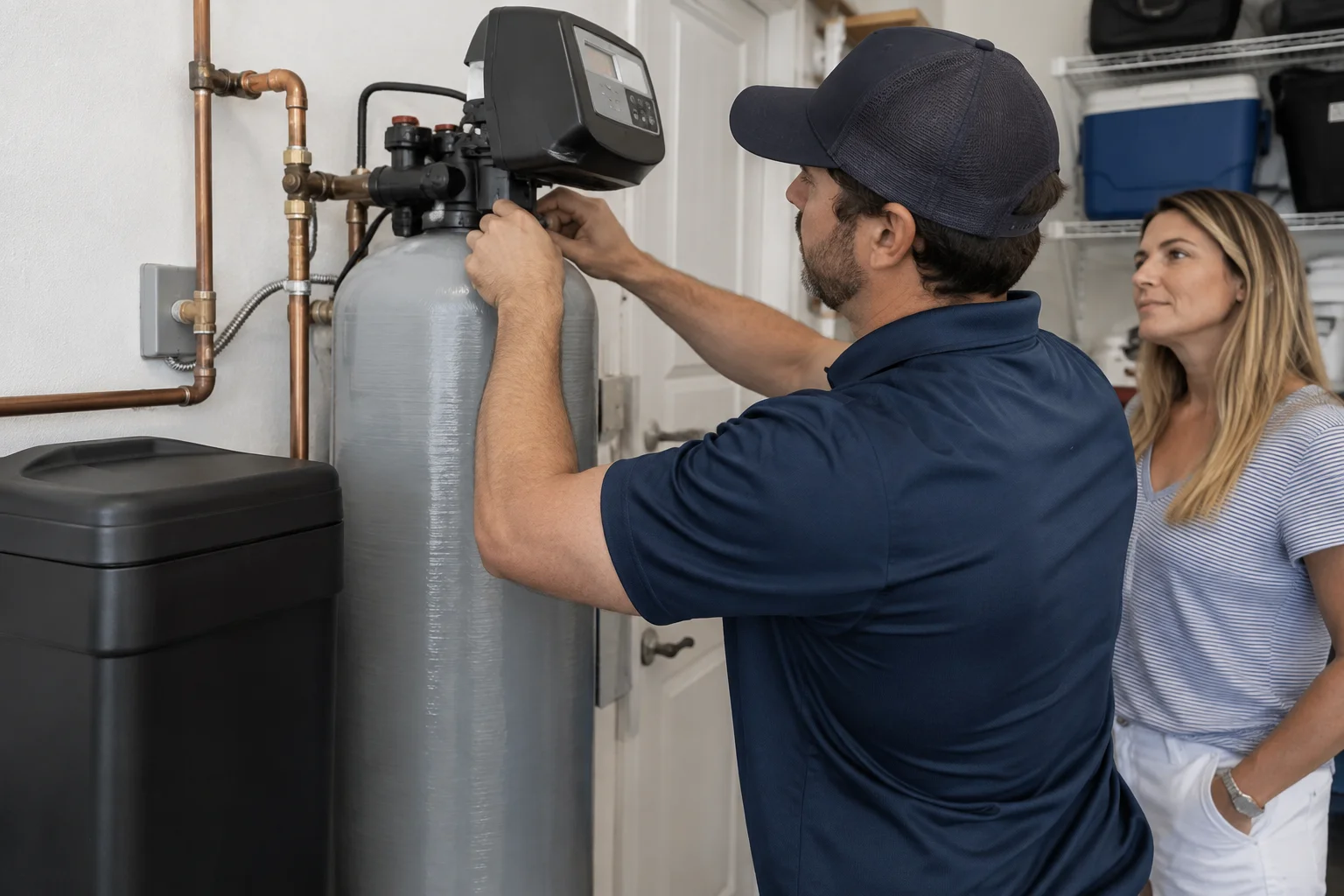
Traditional water softeners use an ion exchange process. The system replaces calcium and magnesium ions with sodium or potassium ions. That change helps prevent scale formation and improves how soap and detergents lather and rinse.
When water is softened, you typically see:
- Less scaling on faucets, showerheads, and glass
- Cleaner rinsing in sinks and tubs
- Better results from laundry detergents
- More comfortable bathing, with fewer reports of dry skin from hard water
If you are comparing options while searching for water treatment near me, ask about system sizing, regeneration cycles, and how the installer verifies hardness levels before recommending a setup.
Water softener installation in Fort Walton Beach: what to plan for
Choosing water softener installation near me is not just about picking a unit. The right system depends on your household size, water usage patterns, and local water conditions. A quality installation is what prevents problems that can lead to higher costs later.
Start with testing, not guesswork
Before selecting equipment, reputable service providers typically test for hardness and other water characteristics. You may also want to confirm whether you have issues beyond hardness, such as sediment, odor concerns, or taste problems.
Hardness tells you whether softening is the main solution. Other results may point to additional treatment like filtration or reverse osmosis for drinking water.
Correct sizing protects performance
A softener that is too small can regenerate too often or struggle to keep up. A system that is oversized can waste resources and still not solve the full range of water quality concerns. Proper sizing also helps protect appliances wearing out faster, because the system can maintain consistent softened water throughout the home.
Placement and maintenance matter
Where the softener is installed affects how well it performs. Maintenance access is also important because softeners require periodic service, including checks on valves, brine lines, and media performance. If you have a busy household, planning maintenance around your schedule can help ensure clean water stays consistent.
Where water softening stops, and filtration begins
Water softeners are excellent for hardness. But many homeowners also care about better drinking water, chlorine taste in water, metallic tasting water, and sediment or cloudiness. That is where whole home water filtration or point-of-use treatment can help.
Whole home water filtration for cleaner water throughout
Whole home water filtration systems are designed to reduce sediment and other contaminants before they reach fixtures and appliances. If you are searching for water filtration near me because you see visible sediment, discoloration, or cloudy ice cubes, whole home filtration may be part of the solution.
For Fort Walton Beach homeowners, whole home filtration can also complement softening. Softening addresses scale, while filtration can improve clarity and taste-related concerns depending on the system design.
Reverse osmosis for drinking and cooking water
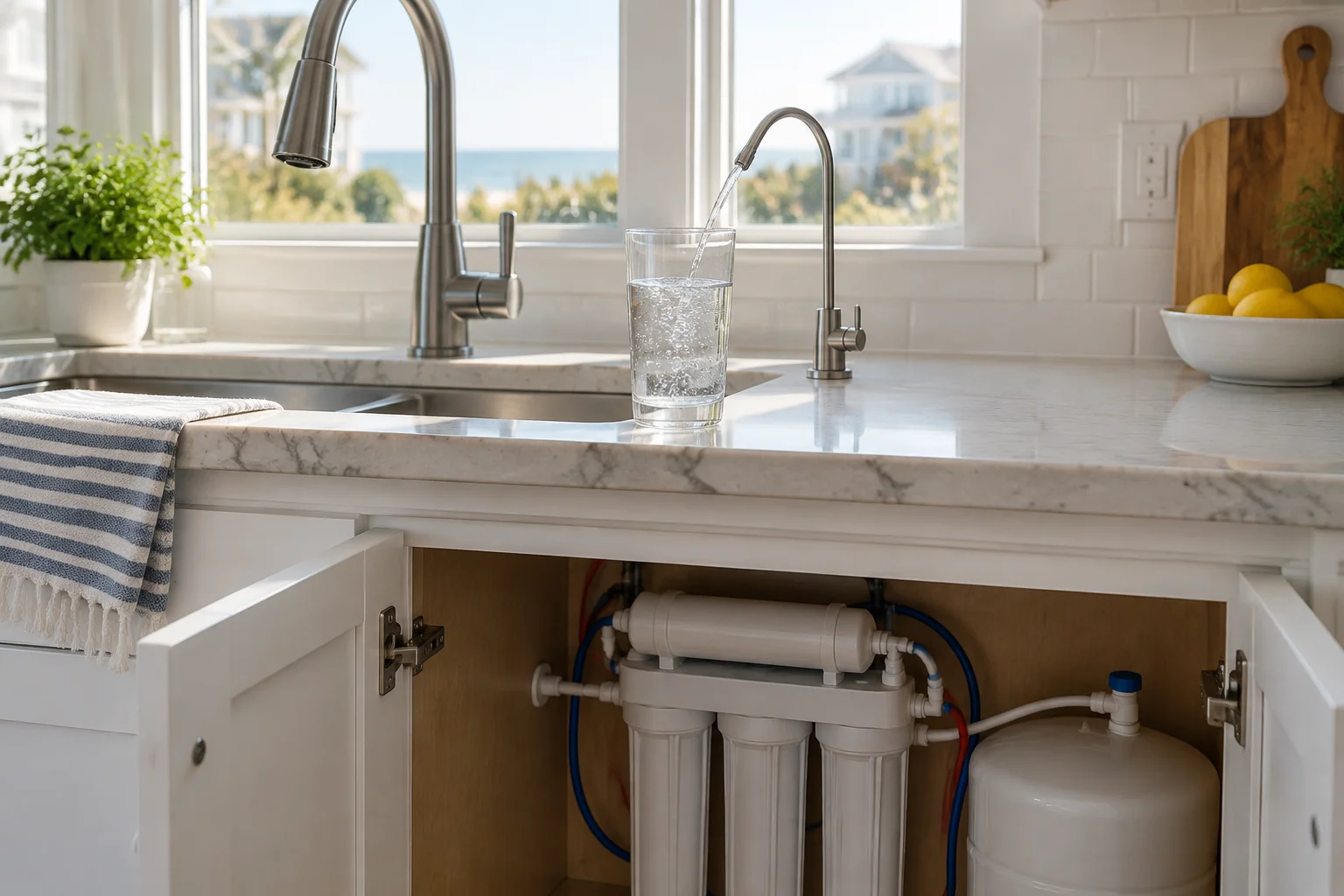
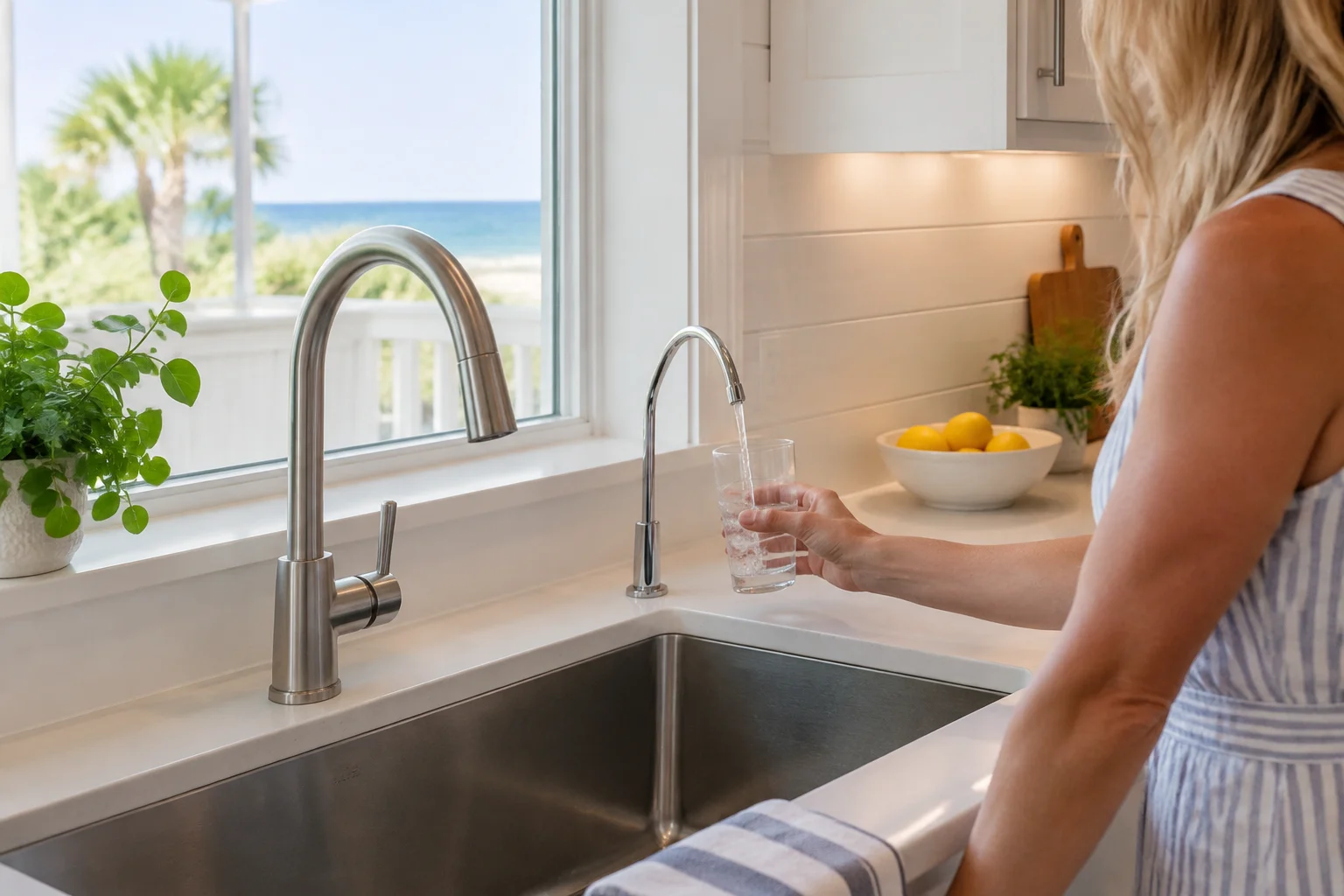
For many families, the biggest daily difference comes from what comes out of the kitchen tap. Reverse osmosis systems are often used for better water for drinking and cooking water, especially when you want to reduce concerns like unpleasant taste and odor.
It is common to hear, “Our coffee tastes different now,” or “The ice is clear.” If you have noticed poor tasting coffee and cooking water, reverse osmosis installation near me can be worth exploring. Reverse osmosis can be paired with softening so the rest of the home is protected while the drinking water meets your expectations.
AO Smith water filtration and why it comes up in local conversations
Many Fort Walton Beach homeowners ask about AO Smith water filtration because it is a familiar brand in residential water treatment. When the right system is matched to local needs, AO Smith solutions can support cleaner water and better performance across the home.
Depending on your water test results, homeowners may consider AO Smith systems for whole home filtration, drinking water improvements, or as part of a broader clean water systems approach that includes water softening and filtration together.
If you are comparing options, focus on fit and performance rather than brand alone. Ask what problem the system is solving: hardness, sediment, odor, or taste. Then confirm how it will be maintained over time.
Common water treatment scenarios in Fort Walton Beach homes
Not every home has the same issues. Here are a few real-world patterns homeowners often experience, and how treatment usually maps to them.
Scenario 1: Spots on glass and stiff laundry
If you see hard water spots on glass, soap does not lather, and laundry feels stiff, hardness is likely the driver. A properly sized water softener can reduce scale buildup and improve rinsing.
Scenario 2: Scale on showerheads plus dry skin
Scale buildup around showerheads and dry skin from hard water often go together. Softening can help reduce mineral residue on skin and hair and improve how soap rinses away.
Scenario 3: Cloudy ice cubes and unpleasant taste
Cloudy ice cubes, metallic tasting water, chlorine taste in water, and odor concerns can point to filtration needs beyond softening. Whole home water filtration can help with sediment and clarity, while reverse osmosis can target drinking and cooking water quality.
Scenario 4: Appliances wearing out faster
When water heaters, dishwashers, and other appliances age sooner than expected, scale inside equipment is a common cause. Softening helps protect the internal surfaces that contact hot water, which can improve appliance longevity and efficiency.
Maintenance that keeps costs under control
Water treatment systems are not “set it and forget it,” especially when you want to prevent expensive problems. A maintenance plan helps keep performance stable and avoids issues that can lead to higher service calls.
What to watch for between service visits
Even with a quality installation, keep an eye out for changes such as:
- New or worsening hard water spots on dishes and fixtures
- Soap not lathering the way it used to
- Salt levels running low or brine tank issues
- Cloudy drinking water or changes in taste
- Visible sediment in household water
Why professional service matters
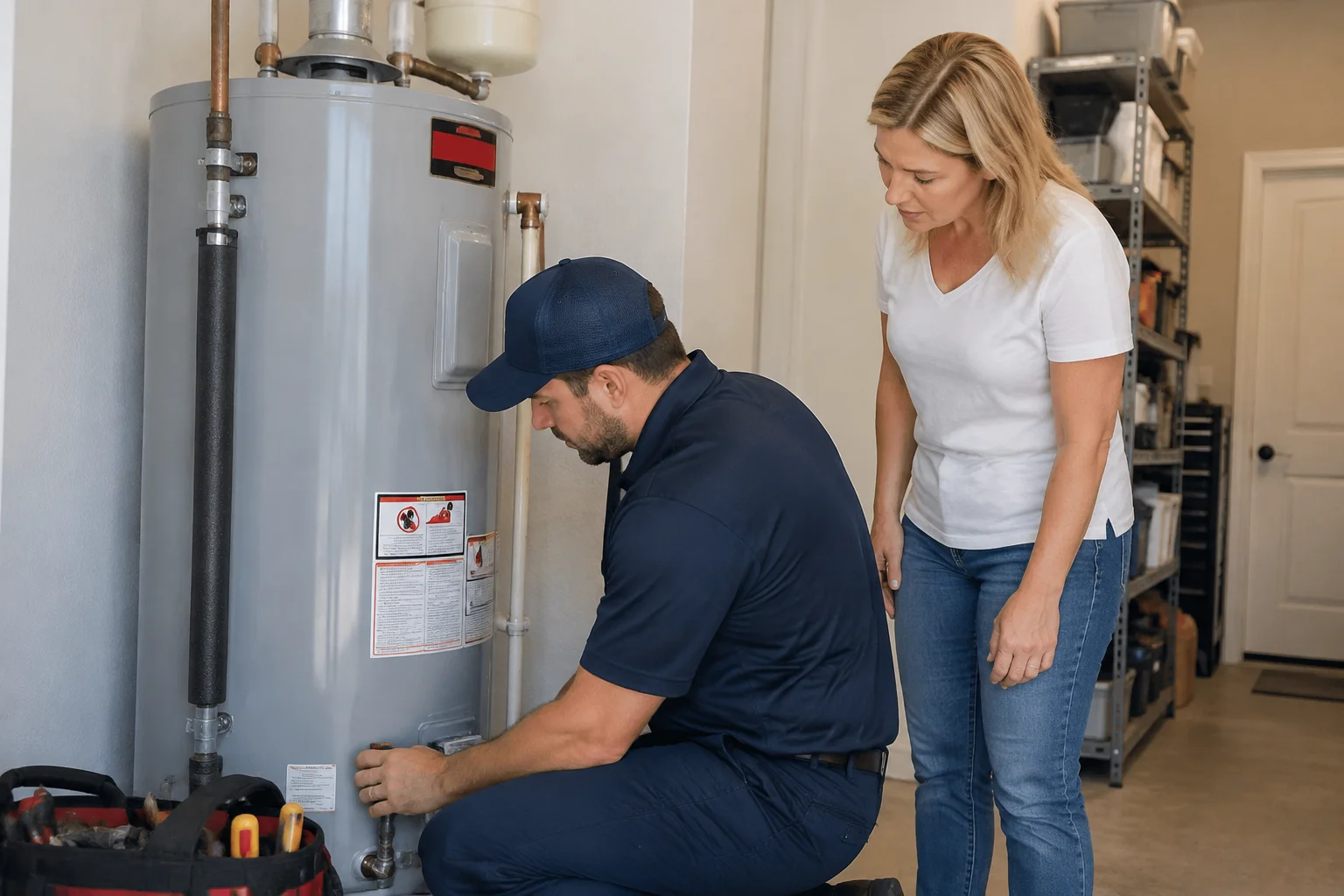
Homeowners often try DIY cleaning solutions for scale, but that does not address the root cause. Professional water softener service can check system settings, verify performance, and recommend adjustments based on your household usage. The goal is to protect plumbing and appliances before scale and mineral buildup become costly.
When to call A Superior Mechanical for water softening and filtration
If you are seeing multiple signs at once, it is usually time to schedule a water evaluation. A Superior Mechanical can help Fort Walton Beach homeowners understand what is happening in their water and recommend treatment that fits their home.
Call a professional when you notice:
- Persistent hard water spots on glass, dishes, and faucets
- Scale buildup around showerheads and plumbing connections
- Dry skin or dull hair after bathing
- Metallic, chlorinated, or unpleasant taste, including chlorine taste in water
- Cloudy ice cubes, discoloration, or sediment concerns
- Appliances wearing out faster than expected
For homeowners who want a step-by-step path, you can start with the local service page at water softening services for Fort Walton Beach. If you are balancing hardness protection with drinking water improvements, explore water filtration and reverse osmosis solutions as well. And if you want to browse your options across the area, visit the Fort Walton Beach service area page and Okaloosa County.
Related plumbing and water-quality concerns that homeowners often connect
Water quality can affect how plumbing systems behave over time, so it is smart to look at the bigger picture. If you are dealing with recurring issues, these resources may help you understand what is happening in your home:
- A Fort Walton Beach Homeowner’s Guide to Water Line Replacement Before Small Problems Spread
- Plumbing warning signs Fort Walton Beach homeowners should not ignore
- Planning Sewer Repair Around Fort Walton Beach Homes and Hard Water
- A Smarter Way to Handle Plumbing Services in Fort Walton Beach Homes
Everyday benefits you can feel after softening and better filtration
When water treatment is matched to your home, it shows up in the small moments that make daily life easier. Imagine a kitchen scene where everyone is grabbing a glass for drinking, refilling pitchers, and brewing coffee without worrying about odd taste. Picture dinner prep where cooking water behaves like it should, and leftover dishes rinse cleaner. Then think about the bathroom routine where showers feel better and soap rinses away instead of leaving a film.
Hard water spots on dishes and fixtures do not just look unpleasant. They can be a sign that minerals are constantly coating surfaces. Softening reduces that buildup. Filtration and reverse osmosis can improve water clarity and taste for drinking and cooking. Together, these clean water systems help your home function more smoothly and help protect the equipment that makes modern life possible.
If you are considering water treatment near me in Fort Walton Beach, start with the problems you can see and measure: scale buildup, soap performance, and taste or odor concerns. The sooner you address hardness and related water quality issues, the more you reduce the risk that scale will quietly drive up repair and replacement costs.
For Fort Walton Beach and Okaloosa County homeowners, professional water softening services are a practical step toward protecting plumbing, extending appliance life, and enjoying better water for the whole family.
Find Water Softening Services in Fort Walton Beach, FL
If you need Water Softening Services in Fort Walton Beach, FL, visit our local service page or contact A Superior Mechanical today.
For a broader look at whole-home water filtration, reverse osmosis, and water softener options, visit our water filtration, RO, and water softener page.
Map of Fort Walton Beach, FL
Frequently Asked Questions
Will a water softener stop hard water spots on glass and dishes?
Yes, a properly sized water softener can reduce mineral scale that causes hard water spots on glass and dishes. You will usually see cleaner rinsing and less residue on faucets, showerheads, and other fixtures.
Do I need reverse osmosis or whole home water filtration if I already plan to soften my water?
Often, yes. Water softening targets hardness minerals that create scale. Whole home water filtration can help with sediment and clarity, while reverse osmosis is commonly used for better drinking and cooking water quality, including taste and odor concerns.
How do I know whether my issue is hardness, sediment, or chlorine taste in water?
Hardness typically shows up as soap that does not lather, hard water spots, and scale buildup. Sediment and discoloration can appear as cloudiness or visible particles. Chlorine taste in water and metallic tasting water are usually taste and odor issues that may require filtration or reverse osmosis.
What maintenance is required for a water softener?
Maintenance commonly includes monitoring salt levels, having the system inspected and serviced periodically, and checking settings to ensure proper regeneration. Professional service helps keep performance consistent and prevents problems that can lead to higher repair costs.
Is AO Smith water filtration a good option for Fort Walton Beach homes?
AO Smith water filtration is a well-known option, and it can be a strong fit when it matches your test results and goals. A professional water evaluation can confirm whether you primarily need water softening, whole home filtration, reverse osmosis, or a combination.
Related Articles
Photo Gallery