Niceville summers bring more than high temperatures. The combination of Florida humidity, coastal salt air, and frequent indoor cooling needs can push HVAC systems into trouble, especially when airflow, filtration, and condensate drainage start to fail. When indoor air quality (IAQ) problems escalate, homeowners often end up searching for emergency AC repair near me, not realizing the root cause is frequently avoidable.
This guide focuses on practical steps Niceville homeowners can take to reduce indoor air quality issues, support proper airflow, and lower the odds of an emergency cooling concern. If you need help, you can explore indoor air quality services in Niceville or browse our Niceville service area.
Why indoor air quality problems can trigger emergency cooling concerns
Most HVAC emergencies look like mechanical failures, but indoor comfort and air quality issues often show up first. In Florida heat, your air conditioner and heat pump work hard to remove moisture from indoor air. When the system cannot move air properly, cannot drain condensate, or cannot filter contaminants effectively, the system may struggle to meet temperature and humidity targets.
That strain can lead to symptoms that feel like “something is wrong right now,” including:
- Rooms that stay muggy even when the thermostat is set low
- Uneven cooling from room to room caused by restricted airflow in ductwork
- Musty odors that suggest moisture is lingering around the evaporator coil or in the duct system
- Frequent cycling, higher energy use, and sudden drops in comfort
- Dustier air or visible debris around supply vents, often linked to filtration and airflow issues
In Niceville and across Okaloosa County, these issues can be amplified by coastal conditions. Salt air does not always directly “break” an HVAC system, but it can contribute to corrosion and accelerate wear on components exposed to outdoor air. Meanwhile, Florida humidity increases the workload on refrigerant systems and condensate drainage. When IAQ and airflow problems build over time, the likelihood of an emergency cooling call increases.
Humidity control: the IAQ lever that most often prevents HVAC emergencies
Humidity is central to indoor air quality. When humidity stays high, you are more likely to notice odors, dust buildup, and irritation for sensitive family members. Your AC or heat pump also has to work harder, which increases wear and can create conditions that lead to emergency AC repair near me when the system cannot keep up.
Keep condensate drainage working as intended
During cooling, the evaporator coil removes moisture from indoor air. That moisture becomes condensate that should drain away. If condensate drainage is blocked or partially restricted, water can back up, causing:
- Moisture around the air handler that can contribute to musty smells
- Reduced cooling efficiency because the coil may not operate as designed
- Increased risk of microbial growth where moisture collects
Homeowners can reduce risk by keeping the area around the indoor unit clear of debris and ensuring condensate lines are not obstructed. However, condensate issues can be tricky to diagnose from home. A professional inspection can check drainage pathways, assess airflow, and confirm the system is removing moisture properly.
Use the thermostat to support humidity goals
Thermostat settings matter. Running the system continuously on fan can sometimes move air without removing enough moisture. If the thermostat or its settings are not aligned with your comfort needs, indoor humidity may remain elevated even when temperature seems “okay.”
If you are considering upgrading equipment or improving control, ask about an AC inspection that includes a review of thermostat operation and airflow performance. For some homes, thermostat installation near me can be part of getting the right balance between cooling, humidity control, and comfort.
Airflow and ductwork: where IAQ problems often start
Even a healthy refrigerant system can struggle with indoor air quality if airflow is restricted. In Niceville homes, ductwork can accumulate dust over time, and air leaks can allow unconditioned air to enter the system. That can raise humidity levels, increase energy use, and reduce filtration effectiveness.
Watch for uneven cooling and “hot spots”
Uneven temperatures are not only a comfort issue. They can also indicate airflow imbalance caused by duct restrictions, clogged returns, or problems with supply registers. When air does not circulate properly, some rooms may become more humid and more prone to dust and odor buildup.
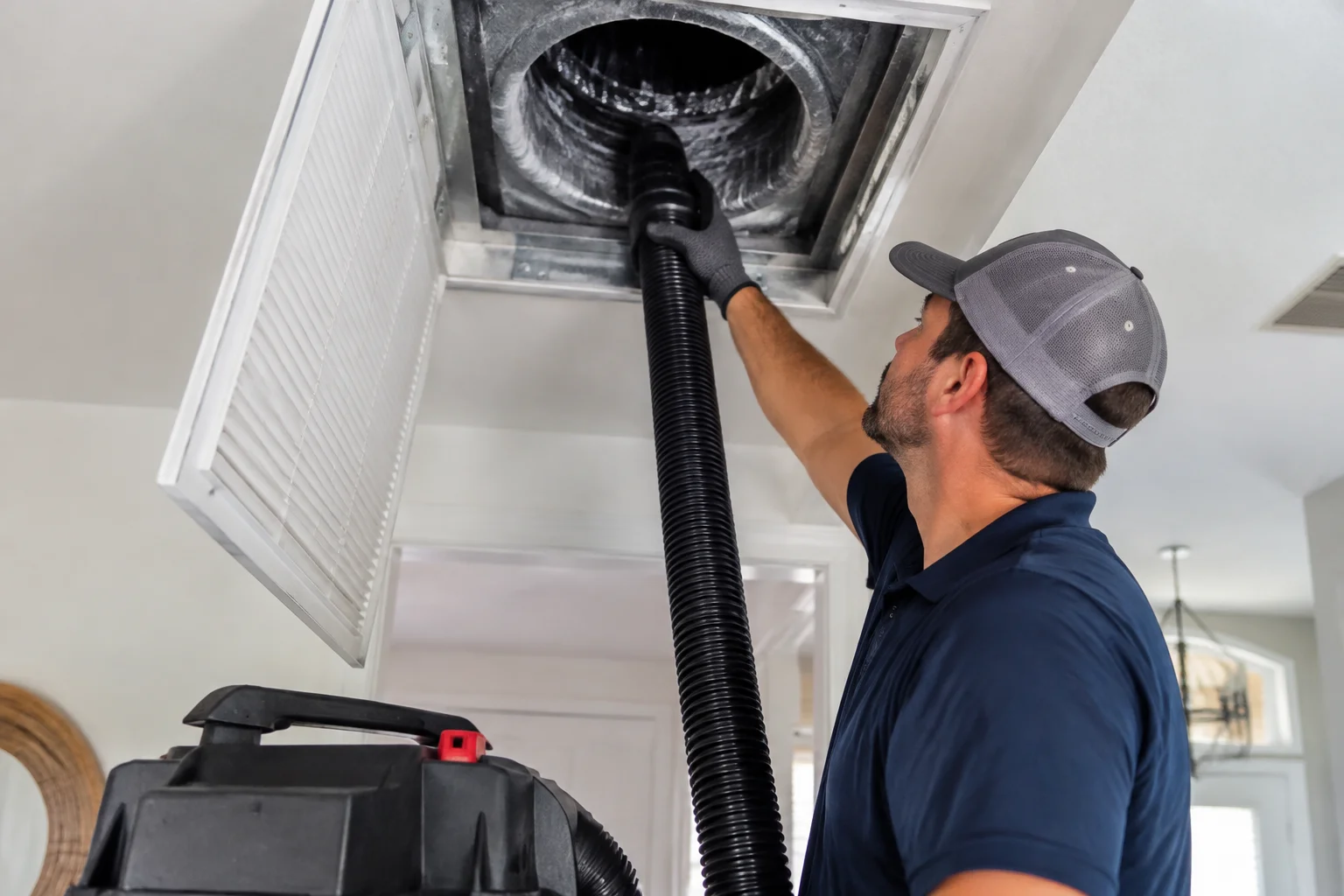
Consider duct cleaning when dust and airflow problems are real
If you notice heavy dust near vents, you may think the answer is always duct cleaning near me. In reality, duct cleaning can help in specific situations, especially when debris is affecting airflow or IAQ. A professional can evaluate whether cleaning is appropriate and whether underlying causes like filtration or duct leakage should be addressed first.
For guidance on cleaning decisions, you can also review duct cleaning in Niceville. When ducts are damaged, cleaning alone may not solve the problem. In those cases, homeowners may need to discuss duct replacement with a qualified HVAC contractor.
Don’t ignore duct repair needs
Leaky or disconnected duct sections can pull in moisture-laden air from attics or crawl spaces. That can worsen humidity and strain your AC. If you suspect duct leaks or damaged sections, ask about duct repair near me options during an inspection. Fixing airflow paths can improve comfort and reduce the likelihood of IAQ complaints turning into emergency cooling concerns.
Filtration and air cleaning: improving IAQ without overtaxing the system
Air filtration helps capture dust, pollen, and other airborne particles. Better filtration can also support cleaner indoor air for people with allergies or respiratory sensitivities. But filtration has to match your system’s airflow and maintenance plan. A filter that is too restrictive can reduce airflow, which may increase energy use and reduce humidity removal.
Upgrade air filtration thoughtfully
In coastal Florida, indoor air can carry more outdoor contaminants due to frequent ventilation and the way air moves through the home. Consider asking an HVAC professional about HVAC air filtration near me options that fit your system and your IAQ goals.
For some homes, filtration upgrades are paired with whole home air cleaning technologies such as:
- Air scrubber installation near me to reduce airborne contaminants
- Whole home air purifier near me solutions that integrate with your HVAC airflow
These upgrades can improve IAQ, but they should be installed and configured by a professional who can confirm airflow, compatibility, and maintenance requirements. The goal is cleaner air without creating a new airflow restriction that could strain the refrigerant system.
Use maintenance as part of the IAQ plan
Filters clog over time, especially during Florida pollen seasons and periods of high humidity. When filters are neglected, airflow drops and your system works harder to move the same amount of air. That extra strain can contribute to premature wear and more frequent comfort failures.
During preventive HVAC maintenance, a technician can check filter condition, evaluate airflow, and confirm the system is operating within expected performance parameters.
Refrigerant systems and comfort: protect the basics, don’t guess
Your AC or heat pump uses a refrigerant system to absorb heat indoors and release it outdoors. If refrigerant-related performance is off, comfort and IAQ can suffer because the system may not cool properly or remove moisture effectively.
However, homeowners should not attempt refrigerant diagnosis or make assumptions based on symptoms alone. Changes in cooling performance can be caused by airflow restrictions, dirty coils, thermostat settings, or other issues that require an in-person evaluation.
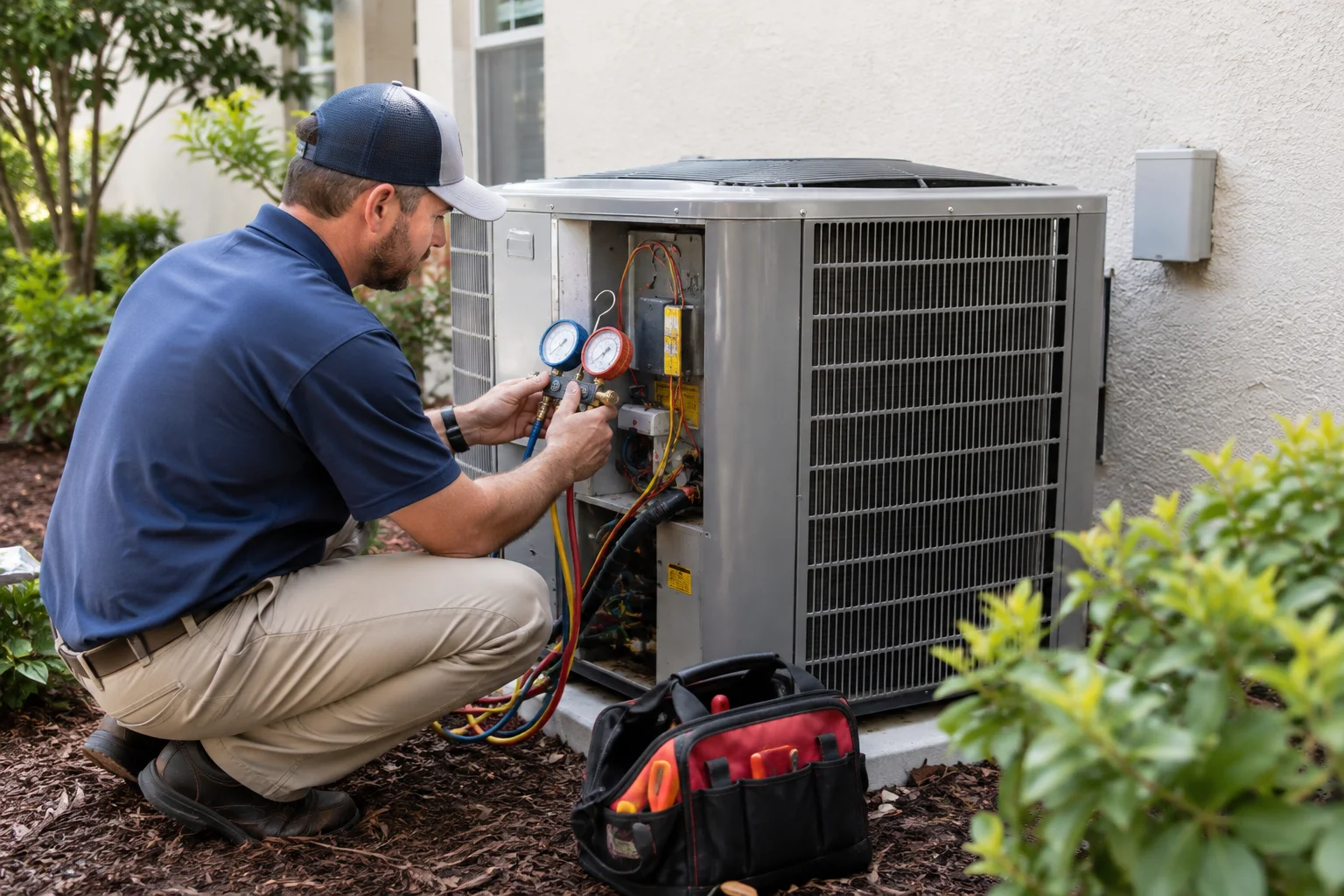
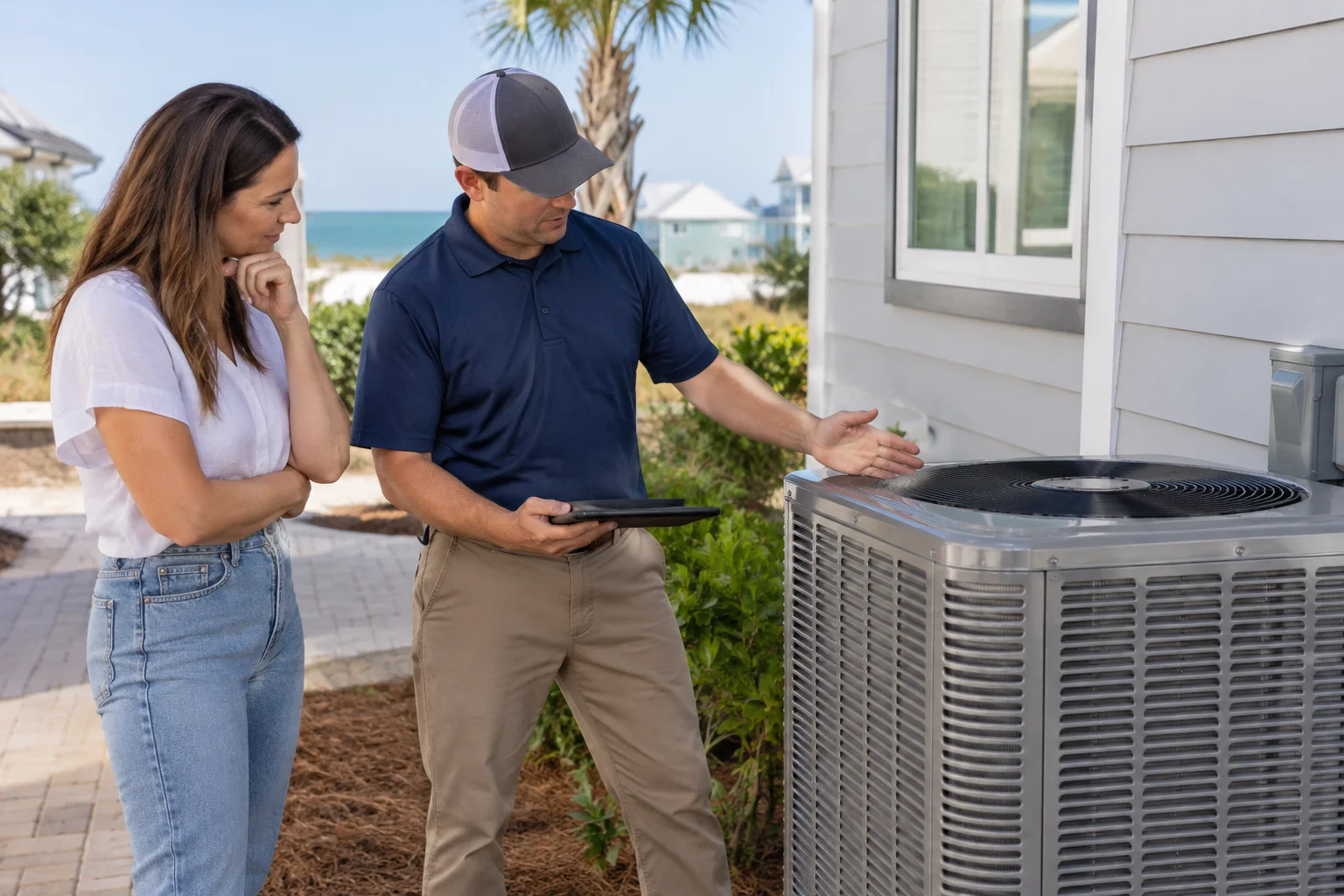
If your home has persistent humidity problems, weak cooling, or frequent cycling, schedule an air conditioning service visit. A professional can assess the full system, including airflow, condensate drainage, and component condition, before recommending next steps. That approach is especially important when you are searching for HVAC replacement near me because the right decision depends on what is actually failing and how the system is performing as a whole.
Preventive HVAC maintenance that reduces IAQ emergencies
Preventive maintenance is one of the most reliable ways to avoid emergency HVAC calls. It helps catch early problems before they escalate into “no cool air” situations, and it supports indoor air quality by keeping airflow, filtration, and moisture control on track.
Build a spring and summer tune up routine
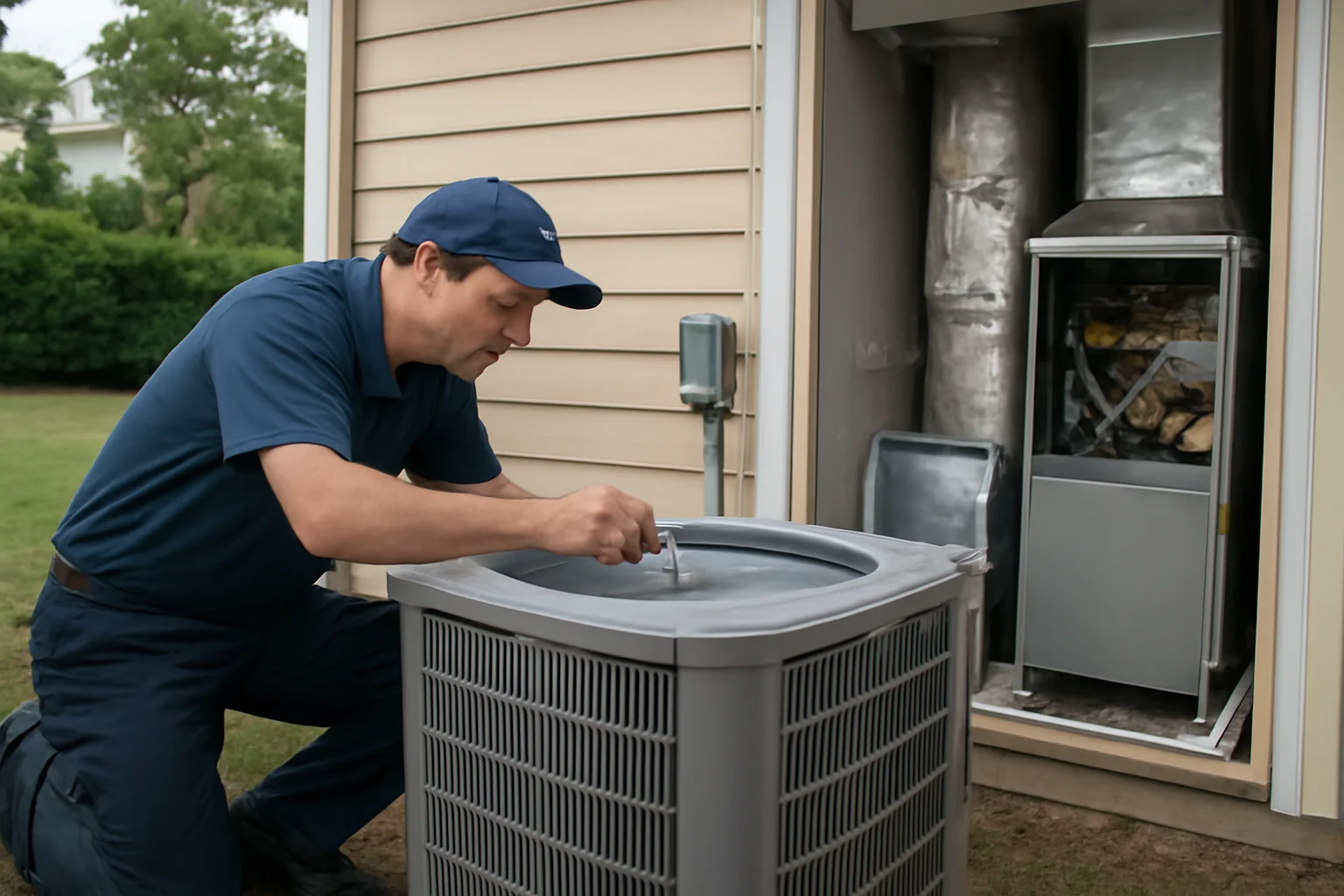
In Niceville, humidity and heat ramp up quickly. An AC tune up near me before the hottest stretch can help ensure:
- Indoor coil cleanliness supports efficient heat transfer
- Airflow is adequate through the system
- Condensate drainage is clear and functioning properly
- Thermostat operation matches comfort needs
- Any early signs of wear are addressed before they become failures
Maintenance also supports energy use. When airflow is restricted or moisture removal is inconsistent, systems often consume more energy to achieve the same comfort level.
Pay attention to odors and “new” dust
Odors can be a clue that moisture is lingering or that contaminants are accumulating in the system. New or worsening smells, combined with humidity issues, are a strong reason to schedule indoor air quality services near me rather than waiting for a full breakdown. Addressing IAQ concerns early can help prevent emergency cooling calls caused by system strain.
How coastal conditions and local housing affect IAQ
Niceville homes vary, but many share features that influence indoor comfort and air quality: older duct layouts, attic or crawl space exposure, and HVAC systems placed where they can be affected by outdoor humidity and salt air. Coastal weather can also increase the frequency of high humidity days, which means your cooling system is continuously managing moisture.
Common local IAQ and HVAC issues include:
- Condensate drainage problems during peak humidity stretches
- Airflow reduction from dust accumulation and filter neglect
- Uneven cooling due to duct leakage or duct restrictions
- Corrosion risks for outdoor components exposed to coastal salt air
Because these factors are local, it helps to work with a HVAC contractor familiar with Okaloosa County homes and the humidity patterns of the Gulf Coast. That local knowledge matters when diagnosing the real cause of indoor air quality complaints.
When to call A Superior Mechanical instead of waiting for an emergency
Some HVAC problems become emergencies because homeowners wait too long. If you are seeing any of the issues below, it is reasonable to schedule professional service before the system fails on the hottest day of the week.
- Your home feels damp or muggy even with normal cooling settings
- You notice musty odors when the system runs
- Dust seems to be increasing faster than usual
- Rooms are not cooling evenly
- Your system cycles unusually often or struggles to keep temperature steady
- You recently changed filters or airflow and comfort got worse
If you run a business from the property or need stronger comfort reliability, consider commercial HVAC services in Niceville as well. Indoor air quality affects employee comfort and occupant health, and it can also influence how consistently your comfort systems can operate during peak humidity.
Useful reading for homeowners in Niceville and nearby
Homeowners often get better results when they treat indoor air quality as an ongoing system, not a one-time fix. If you want more guidance, these local posts can help you build a smarter IAQ plan:
- Keeping Niceville Cool Starts with Better AC Maintenance
- Indoor Air Quality Testing That Helps Inlet Beach Homes Stay Comfortable Longer
- Why Seaside Homes Benefit From Indoor Air Quality Testing Before Comfort Issues Spread
- Indoor Air Quality in Callaway: A Homeowner’s Guide to Cleaner, More Comfortable Living
How to choose the right HVAC contractor for IAQ and comfort
When homeowners search for HVAC contractor near me, it is tempting to focus only on price or speed. For indoor air quality, the process matters just as much as the outcome. A reliable HVAC professional should take a full-system approach, including airflow, filtration, condensate drainage, thermostat operation, and ductwork condition.
Here are practical questions to ask during a visit:
- What is most likely driving the humidity and air quality symptoms in my home?
- Is airflow being limited by ductwork, filter condition, or air handler performance?
- Are condensate drainage and moisture removal operating correctly?
- Would improved filtration or a whole home air cleaning solution help, and would it affect airflow?
- What preventive HVAC maintenance steps should I follow to keep IAQ stable?
That kind of evaluation helps prevent emergency cooling situations caused by overlooked root causes. If you want to focus specifically on IAQ upgrades and planning, start with indoor air quality services in Niceville.
Find Indoor Air Quality in Niceville, FL
If you need Indoor Air Quality in Niceville, FL, visit our local service page or contact A Superior Mechanical today.
Map of Niceville, FL
Frequently Asked Questions
What are the most common indoor air quality problems during Niceville summers?
The most common issues are high humidity, musty odors, dustier air, and uneven cooling. These often tie back to airflow limits in ductwork, filter maintenance, and condensate drainage problems that show up when Florida heat and humidity push the system harder.
Can a clogged air filter cause emergency cooling problems?
Yes. A clogged or overly restrictive filter can reduce airflow, which can make it harder for your AC or heat pump to cool and remove moisture. That strain can lead to comfort breakdowns and more urgent service needs. A technician can confirm the right filter approach for your system.
Should I try to diagnose refrigerant issues myself?
No. Refrigerant diagnosis requires in-person checks. Symptoms like weak cooling or persistent humidity can also come from airflow restrictions, dirty coils, thermostat settings, or drainage problems. A professional evaluation is the safest way to identify the real cause.
When is duct cleaning appropriate for improving indoor air quality?
Duct cleaning can help in certain situations, especially when dust buildup or debris is affecting airflow or comfort. It is best to have a professional assess duct condition and the underlying cause of contaminants before scheduling cleaning. Sometimes duct repair or duct replacement is the more effective fix.
What maintenance actions are most helpful for preventing IAQ emergencies?
Focus on preventive HVAC maintenance that includes checking airflow, verifying condensate drainage, inspecting ductwork condition, and reviewing filtration. Keeping thermostat settings aligned with comfort and humidity control also helps reduce the chance that indoor air quality problems escalate into emergency cooling concerns.
Related Articles
- Keeping Niceville Cool Starts with Better AC Maintenance
- Indoor Air Quality Testing That Helps Inlet Beach Homes Stay Comfortable Longer
- Why Seaside Homes Benefit From Indoor Air Quality Testing Before Comfort Issues Spread
- Indoor Air Quality in Callaway: A Homeowner’s Guide to Cleaner, More Comfortable Living
Photo Gallery