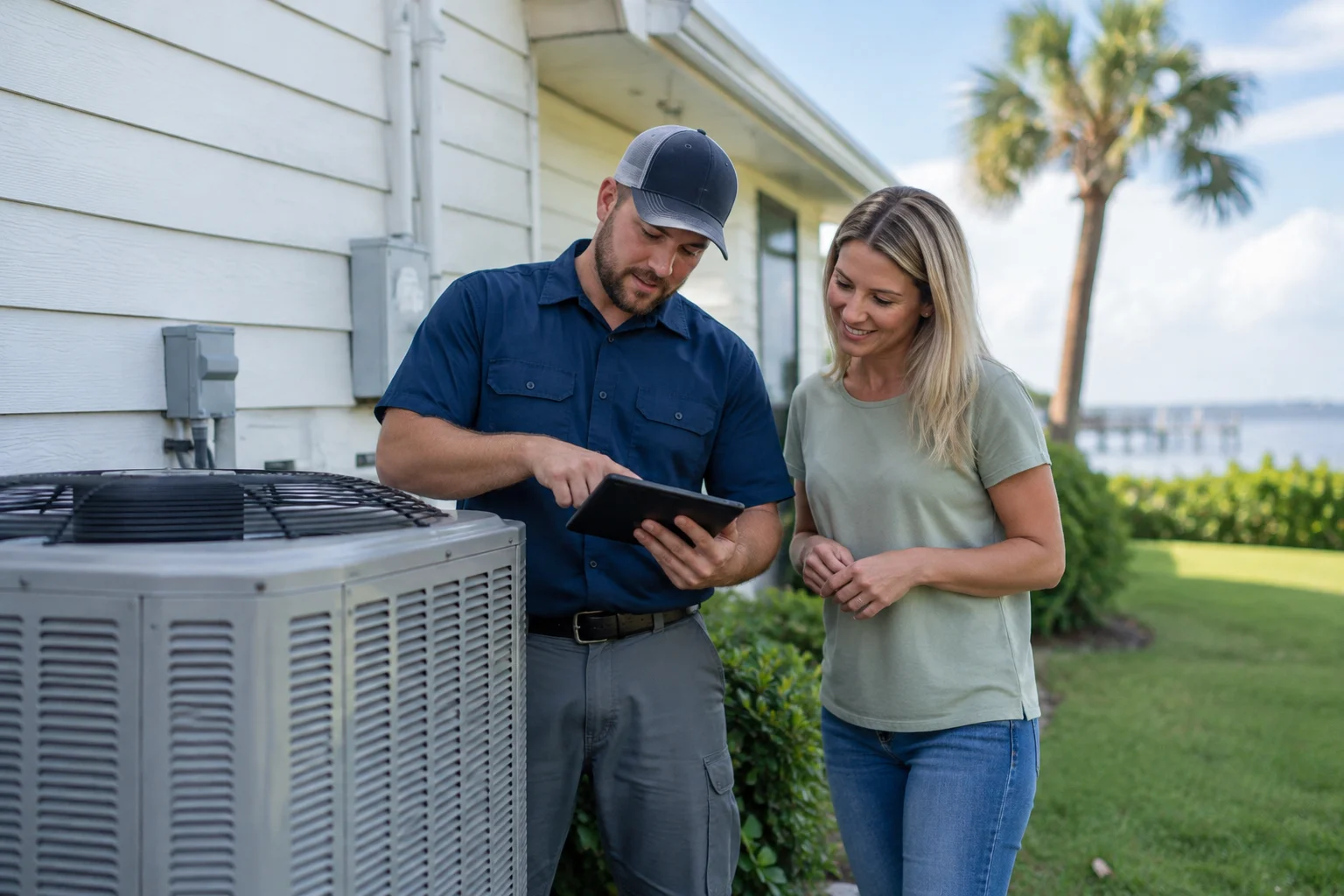
Callaway homeowners know how quickly a comfortable house can turn stuffy once the Florida heat settles in. Between long cooling seasons, high humidity, and salty coastal air moving through Bay County, an air conditioner in this area works hard for most of the year. That constant demand makes small issues more likely to turn into bigger repairs if they are ignored for too long.
For families, renters, and property owners looking for dependable air conditioning repair in Callaway, FL, the best approach is usually simple: pay attention early, fix problems before they spread, and choose a local technician who understands the conditions your system faces here. If you want a broader look at the area we serve, the Callaway service page and Bay County service area pages are a helpful place to start.
Why AC systems in Callaway wear down differently
Callaway homes deal with a mix of heat, humidity, and frequent system use that can shorten the life of cooling equipment. Many homes in the area rely on central AC to keep indoor temperatures steady through muggy afternoons and warm nights. That means the system may run longer cycles, collect more moisture, and experience more wear on key parts such as capacitors, fan motors, and drain lines.
Humidity is a big factor. When indoor moisture stays high, the AC has to work harder to both cool the air and remove water vapor. That extra load can reveal weak spots in the system faster than it would in a milder climate. Salt air can also affect outdoor components over time, especially if the condenser is exposed and not cleaned regularly.
For homeowners near the coast or in neighborhoods with older ductwork, comfort problems may show up before a complete breakdown. That is why local service matters. A technician who regularly works in Bay County understands how these conditions affect AC performance and can spot patterns that might be overlooked in a drier region.
Airflow problems that should not be brushed off
Weak airflow is one of the most common early warning signs of trouble. If some rooms feel comfortable while others stay warm, or if the vents seem to push less air than usual, the system may be struggling with a clogged filter, duct issue, blower problem, or failing motor.
In Callaway homes, airflow issues are often tied to more than just a dirty filter. Dust buildup, leaking ducts, and blocked returns can all reduce circulation. When airflow drops, the AC runs longer and may cool unevenly, which increases wear on the compressor and other parts. That can lead to higher energy bills and more frequent service calls.
If you notice weak airflow along with hot spots in the home, it may also be worth looking at duct condition. In some cases, homeowners benefit from reading about why duct replacement pays off in Callaway homes facing humidity, salt air, and uneven comfort, especially if the system has recurring distribution issues.
What homeowners can check first
Start with the filter. A clogged filter is one of the easiest problems to fix and one of the easiest to miss. Also check that supply vents are open and not blocked by furniture or rugs. If the airflow still seems weak after those basics, the issue may be inside the system or ductwork, which is a good time to schedule professional service.
Short cycling, long run times, and rising bills
Short cycling happens when the system turns on and off too often before it has cooled the house properly. Long run times are the opposite problem, where the AC seems to run forever and still cannot keep up. Both can point to trouble that should be addressed quickly.
Common causes include low refrigerant, thermostat problems, dirty coils, electrical issues, or a unit that is simply undersized for the home. In Callaway, where summer heat and humidity can be relentless, these symptoms are easy to dismiss as the system working hard. But if the pattern is new or getting worse, the equipment may be losing efficiency or nearing a failure point.
Higher utility bills often show up before the system fully breaks down. If your power bill jumps and the AC has not been changed recently, the system may be running longer than it should. Catching that early can save money and prevent a more expensive repair later.
Drain line and moisture issues in humid Florida weather
Because AC systems remove moisture from the air, the drain line has an important job. In a humid place like Callaway, that line can clog with algae, dirt, or debris. When it does, water can back up into the unit, trigger a shutoff, or leak into ceilings, closets, or utility areas.
Drain problems are especially frustrating because they often start small. A homeowner may notice a faint musty smell, a small puddle near the air handler, or a system that stops cooling without warning. Left alone, the issue can lead to water damage, mold growth, and electrical problems.
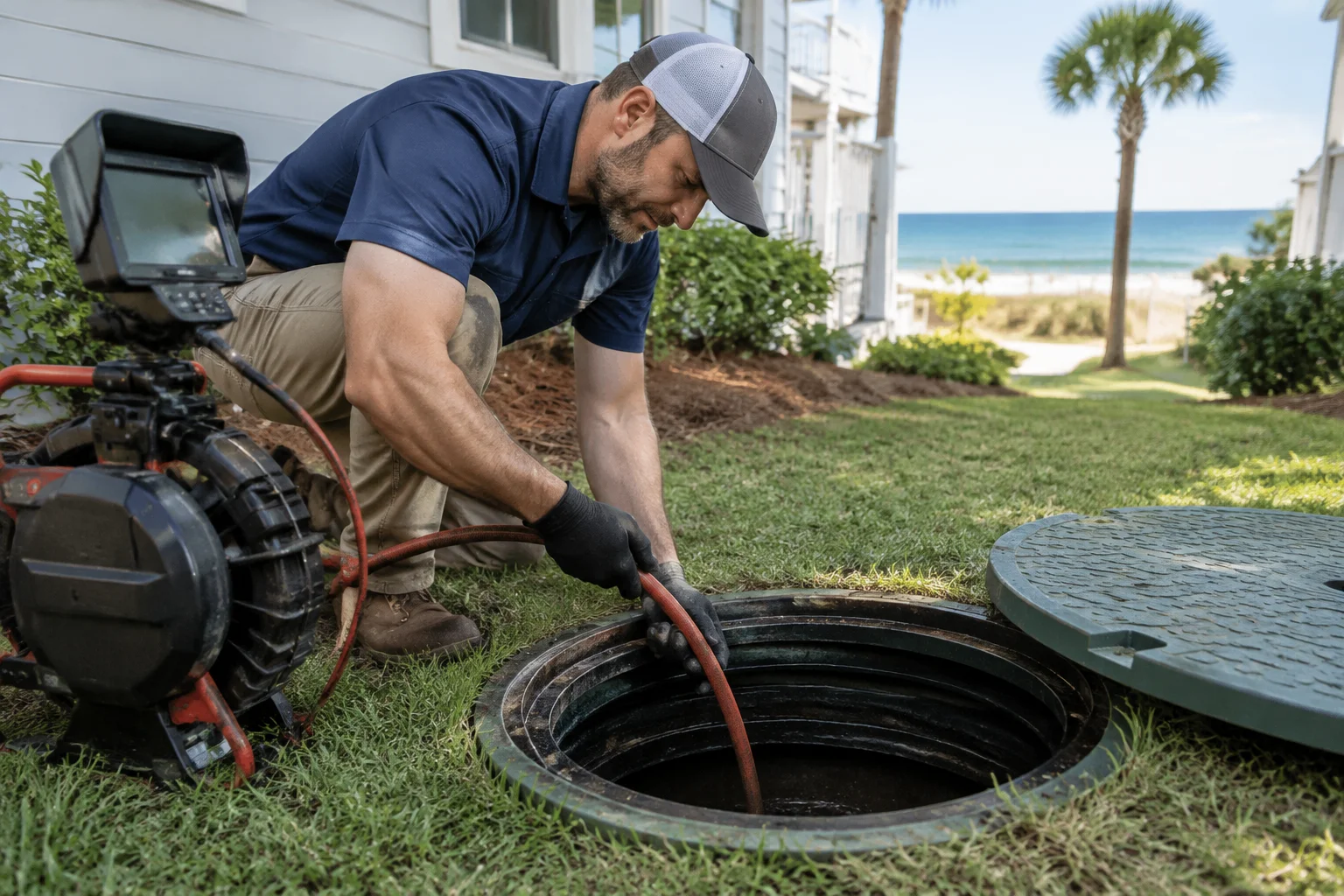
If your home has other moisture-related concerns, it may also help to look at related services such as clogged pipes and drain services. Drainage problems in the home can sometimes overlap with HVAC moisture issues, and it is useful to rule out each source carefully.
Why drain maintenance matters
Regular drain cleaning can prevent many of these problems. During a service visit, a technician can clear the line, check the drain pan, and make sure water is moving away from the unit properly. That simple step can protect both the AC system and the home around it.
Warm air, uneven cooling, and refrigerant concerns
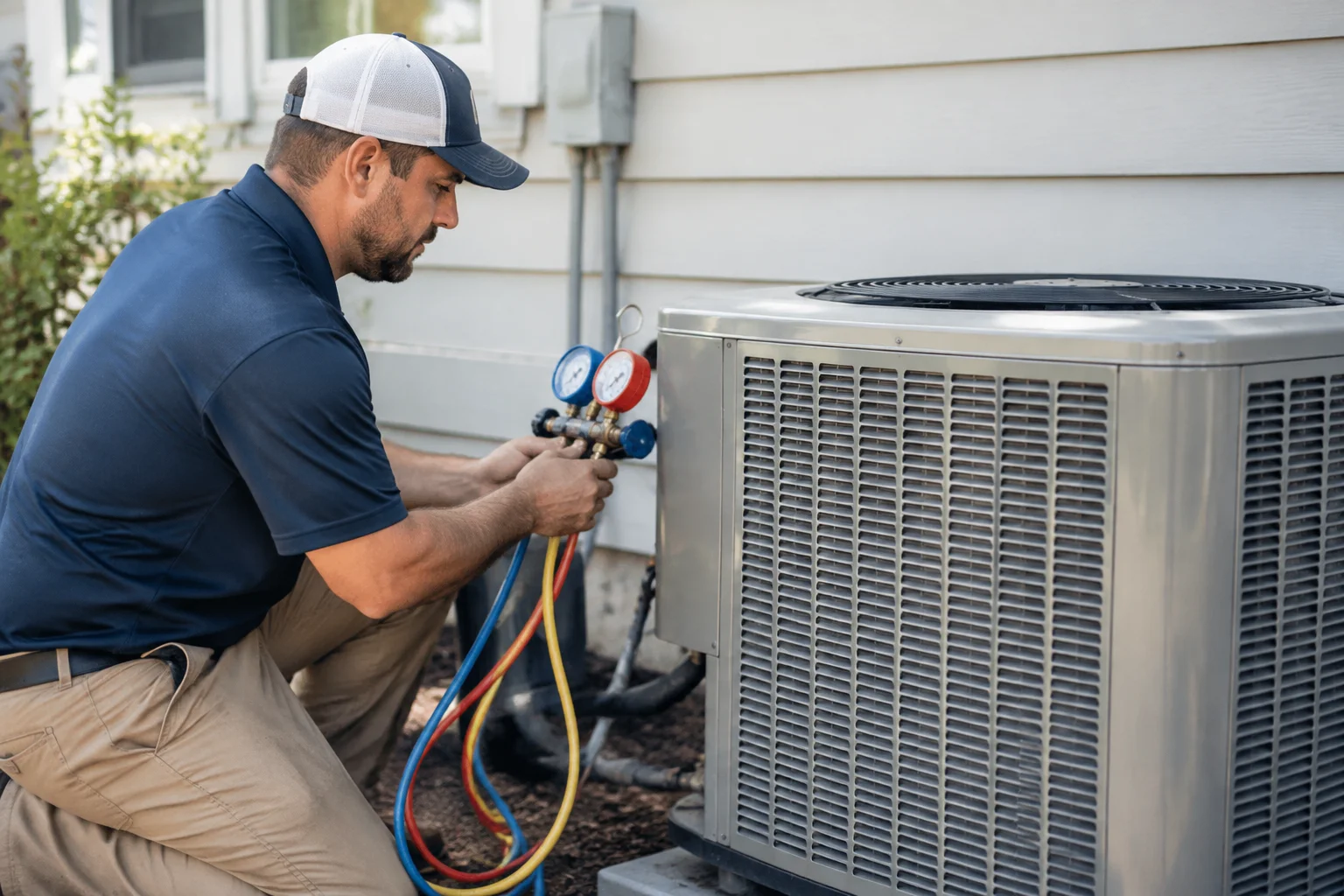
If the system is running but the air coming from the vents feels warm or only slightly cool, refrigerant loss may be part of the problem. Low refrigerant can reduce cooling power and make the compressor work harder than it should. It can also signal a leak, which will not fix itself.
Uneven cooling is another clue. You may feel good airflow in one room and warm, sticky air in another. That can happen when refrigerant levels are off, coils are dirty, ductwork is leaking, or the thermostat is not reading temperatures correctly.
Refrigerant issues should always be handled by a licensed HVAC professional. Topping off the system without finding the cause is not a real fix. A proper repair should identify leaks, confirm system performance, and make sure the unit is operating safely and efficiently.
Strange sounds and odors deserve attention
Air conditioners are not silent, but new noises usually mean something has changed. Grinding, squealing, buzzing, rattling, or clicking can point to loose parts, worn bearings, electrical problems, or a failing motor. In a coastal climate where systems work hard, those sounds should not be ignored.
Odors matter too. A musty smell may point to moisture in the drain pan or ductwork. A burning smell can suggest electrical trouble and should be checked right away. If the system smells like mildew after running for a while, that can be a sign of poor drainage, dirty coils, or indoor air quality concerns.
For homes and businesses that depend on steady comfort, it is better to investigate early than wait for the system to stop. Property owners managing multiple spaces may also find it useful to review keeping small HVAC issues small in Callaway’s commercial spaces, since the same principle applies to homes and rentals.
Electrical problems that can lead to bigger failures
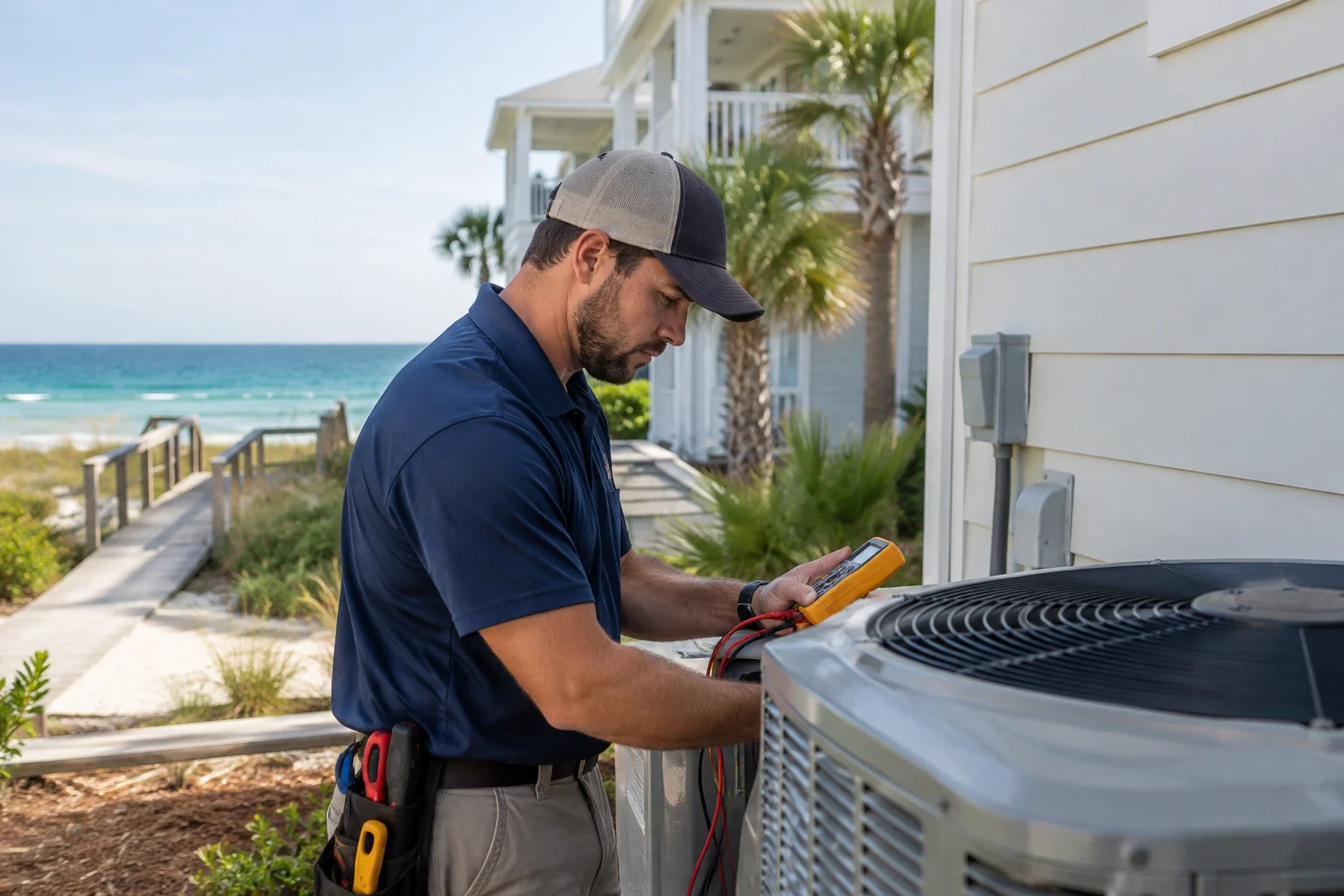
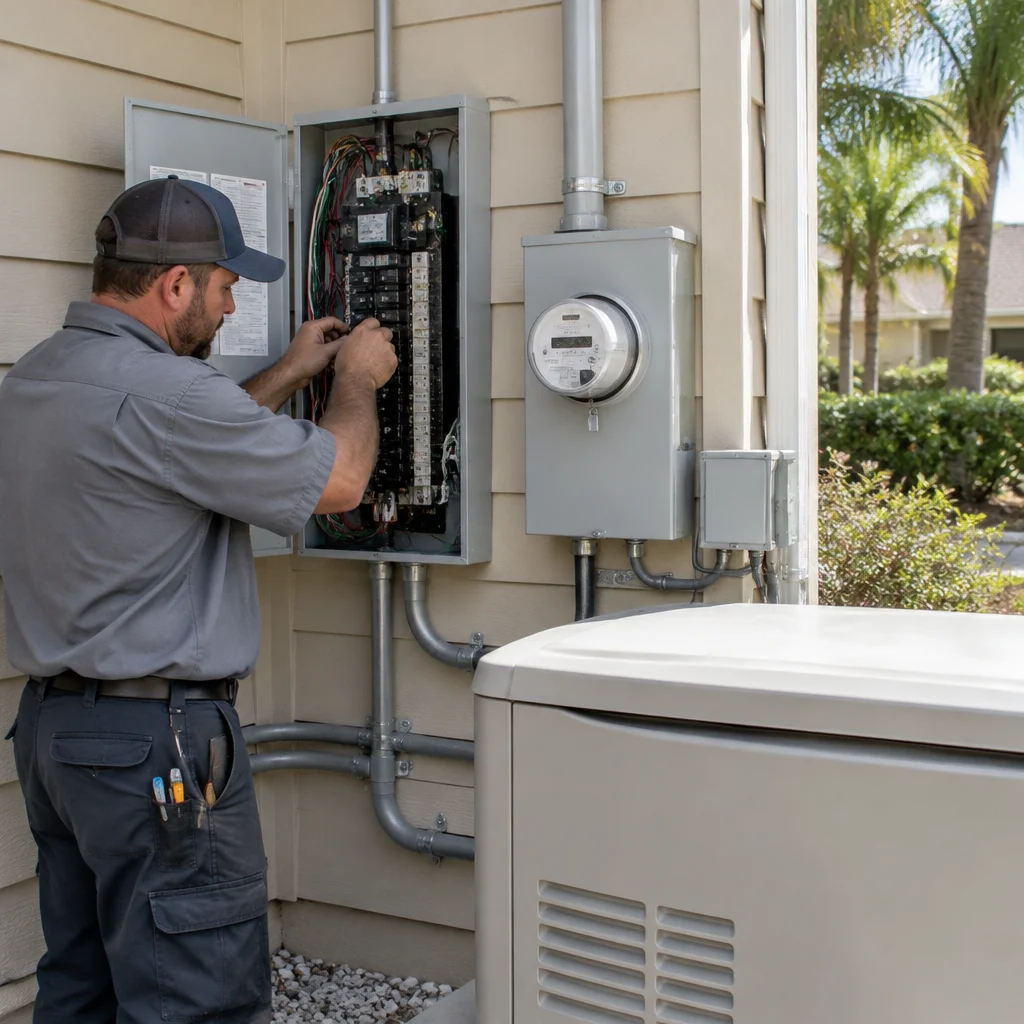
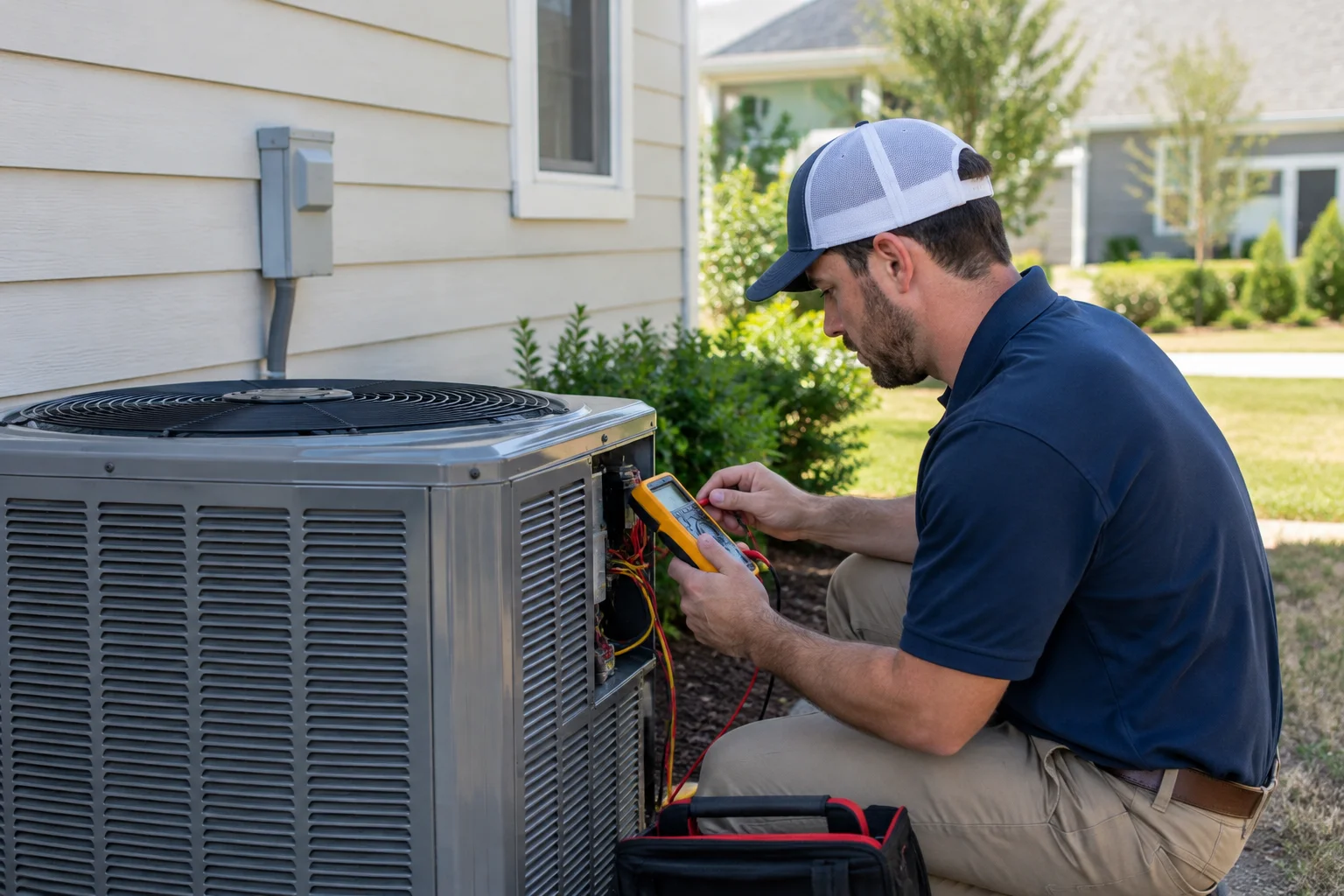
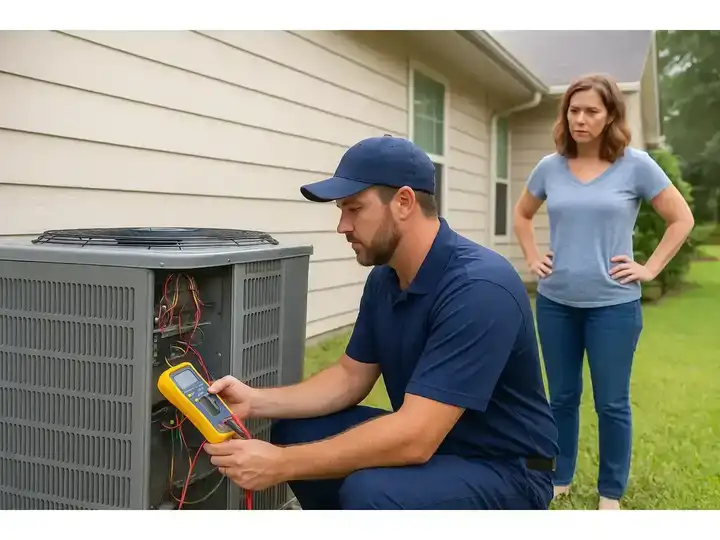
AC systems rely on capacitors, contactors, relays, wiring, and controls to start and run properly. If one of those components is failing, the unit may struggle to turn on, trip breakers, or shut down unexpectedly. In some cases, the outdoor unit may hum without starting, or the fan may stop while the compressor keeps running.
These issues can be caused by age, heat, moisture, or wear from frequent cycling. Because electrical faults can damage other parts of the system, they should be addressed quickly. A small repair now can help avoid a much larger replacement later.
Homeowners should avoid repeatedly resetting breakers or forcing the system to run if it keeps shutting off. That can make the problem worse and may create a safety issue. Professional diagnosis is the safer choice.
How to reduce the chance of repeat breakdowns
Preventing AC problems in Callaway is mostly about routine care and quick response. A system that is cleaned, inspected, and repaired early is far less likely to fail in the middle of a hot stretch.
Here are a few practical habits that help:
Change filters regularly, especially during peak cooling months.
Keep the outdoor unit clear of grass, leaves, and debris.
Watch for water around the air handler or drain line.
Pay attention to new noises, odors, or uneven cooling.
Schedule service before small issues turn into no-cool emergencies.
For homeowners comparing repair costs with long-term system planning, it can also help to read how Callaway homeowners can reduce the risk of HVAC financing problems. Sometimes a repair is the right move, and sometimes a larger equipment decision needs careful planning.
Why local repair service makes a difference in Callaway
Not every HVAC issue is the same from one city to the next. In Callaway, technicians have to account for humidity, salt exposure, heavy cooling demand, and the mix of older and newer homes throughout Bay County. That local experience helps with faster diagnosis and more practical repair recommendations.
A local company also understands how important it is to get the system back up quickly during a hot, sticky week. Whether the property is a primary residence, rental, or small commercial building, the goal is the same: restore comfort without unnecessary delays.
If your property includes a business space, the same attention to HVAC performance applies there too. Some owners use commercial HVAC services or commercial HVAC installation when repair is no longer the best option. For homes, the focus is usually on keeping the existing system reliable for as long as possible with timely service.
When a professional repair visit is the smart move
Call for help if your AC is blowing warm air, cycling constantly, leaking water, making unusual sounds, or failing to keep the home comfortable. Those are all signs that the problem is beyond a filter change or thermostat adjustment. If the system has started tripping breakers or the indoor unit smells burnt or musty, it is better not to wait.
Professional air conditioning repair can identify the root cause, protect other parts from damage, and restore performance before the issue spreads. For homeowners in Callaway, that often means less stress during the hottest part of the year and a better chance of avoiding a full breakdown when the system is already under pressure.
For dependable help from a local team that understands the area, schedule air conditioning repair in Callaway, FL with A Superior Mechanical. Fast attention to small problems is often what keeps a cooling system running smoothly through the longest stretches of Florida heat.
Find Air Conditioning Repair in Callaway, FL
If you need Air Conditioning Repair in Callaway, FL, visit our local service page or contact A Superior Mechanical today.
Map of Callaway, FL
Frequently Asked Questions
How often should Callaway homeowners have their AC checked?
Once a year is a good baseline for most homes, but systems in Callaway often benefit from more frequent attention if they run heavily, serve a rental property, or show signs of reduced airflow or drainage trouble.
Why does my AC keep freezing up in humid weather?
Frozen coils can be caused by poor airflow, low refrigerant, dirty coils, or a failing blower. In humid Florida conditions, a small airflow issue can turn into a freeze-up faster than many homeowners expect.
Is it worth repairing an older AC unit?
It depends on the age of the system, the cost of the repair, and how often it has been breaking down. A technician can help you compare repair costs with the remaining life of the equipment and the condition of the ductwork.
Related Articles
- Keeping Small HVAC Issues Small in Callaway’s Commercial Spaces
- How Callaway Homeowners Can Reduce the Risk of HVAC Financing Problems
- Sewer Repair and Maintenance in Callaway, FL: Common Problems and Solutions
- Why duct replacement pays off in Callaway homes facing humidity, salt air, and uneven comfort
Photo Gallery