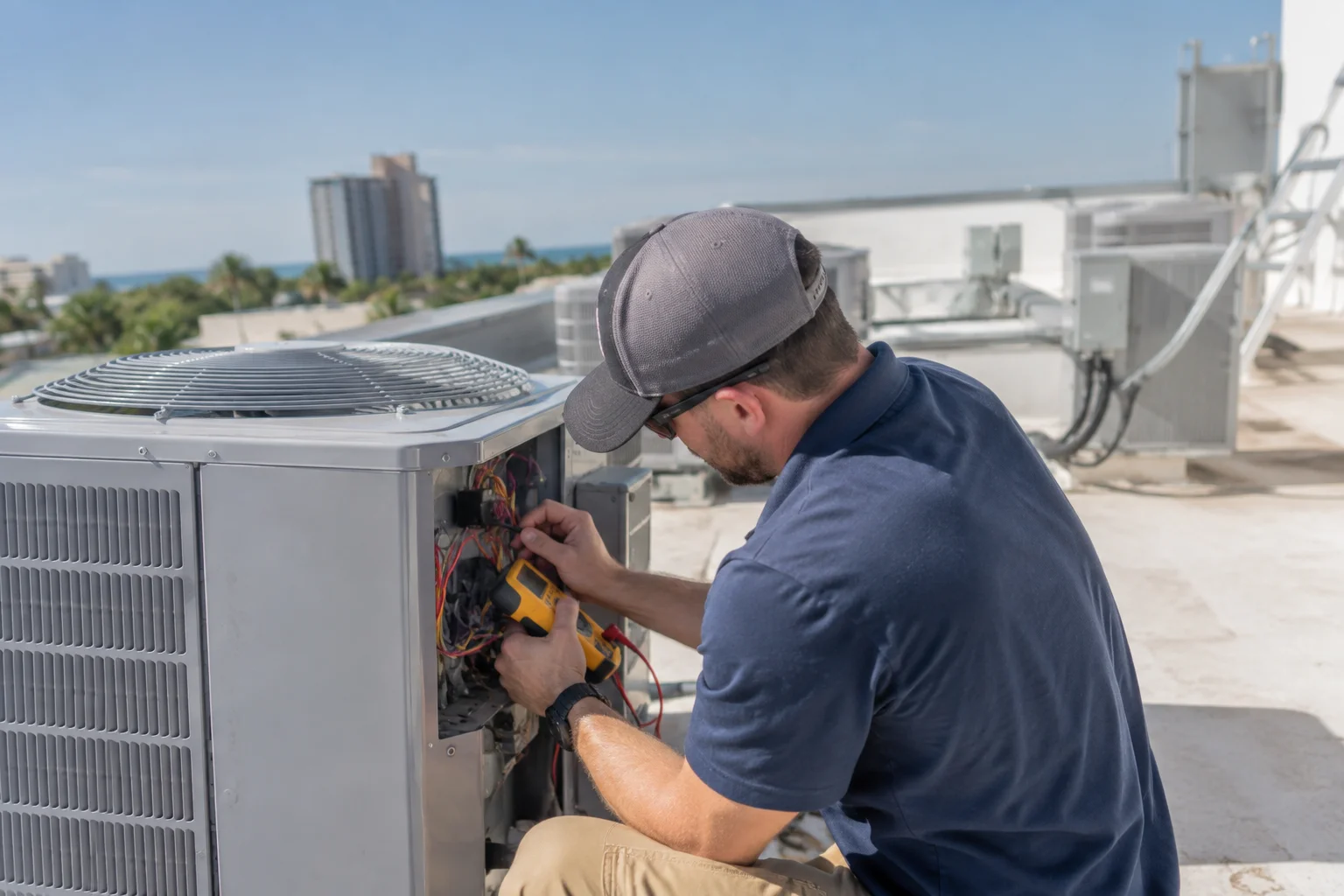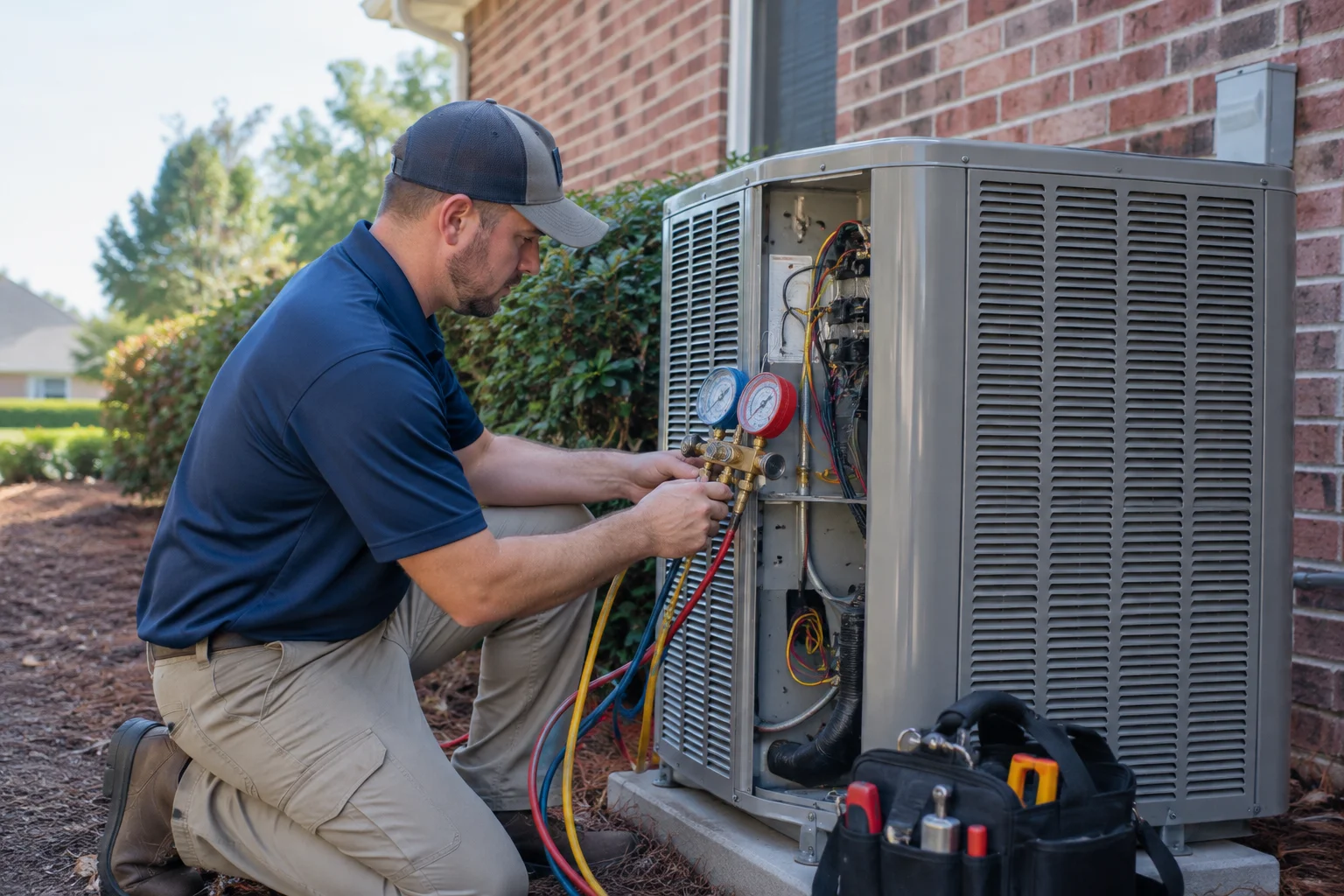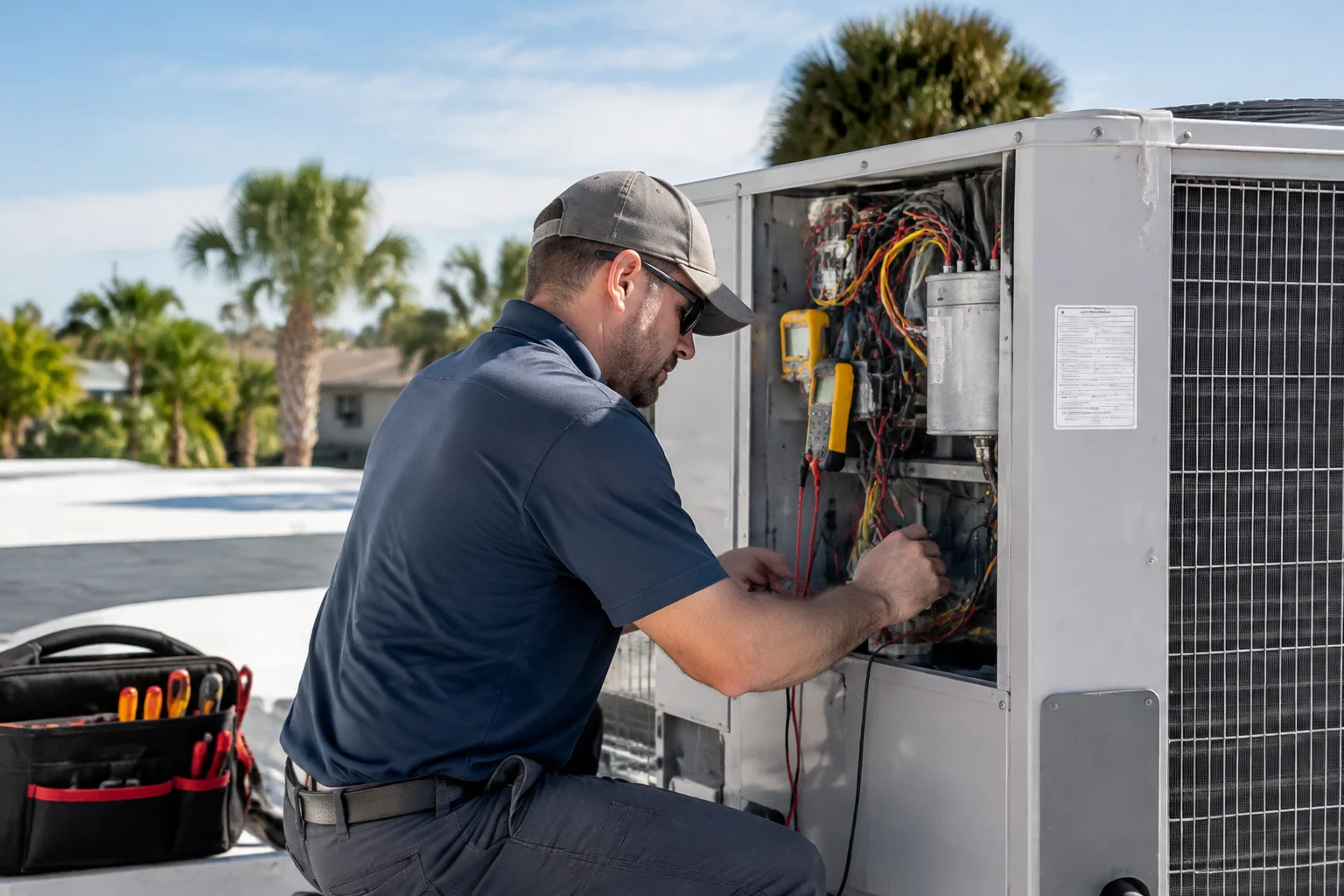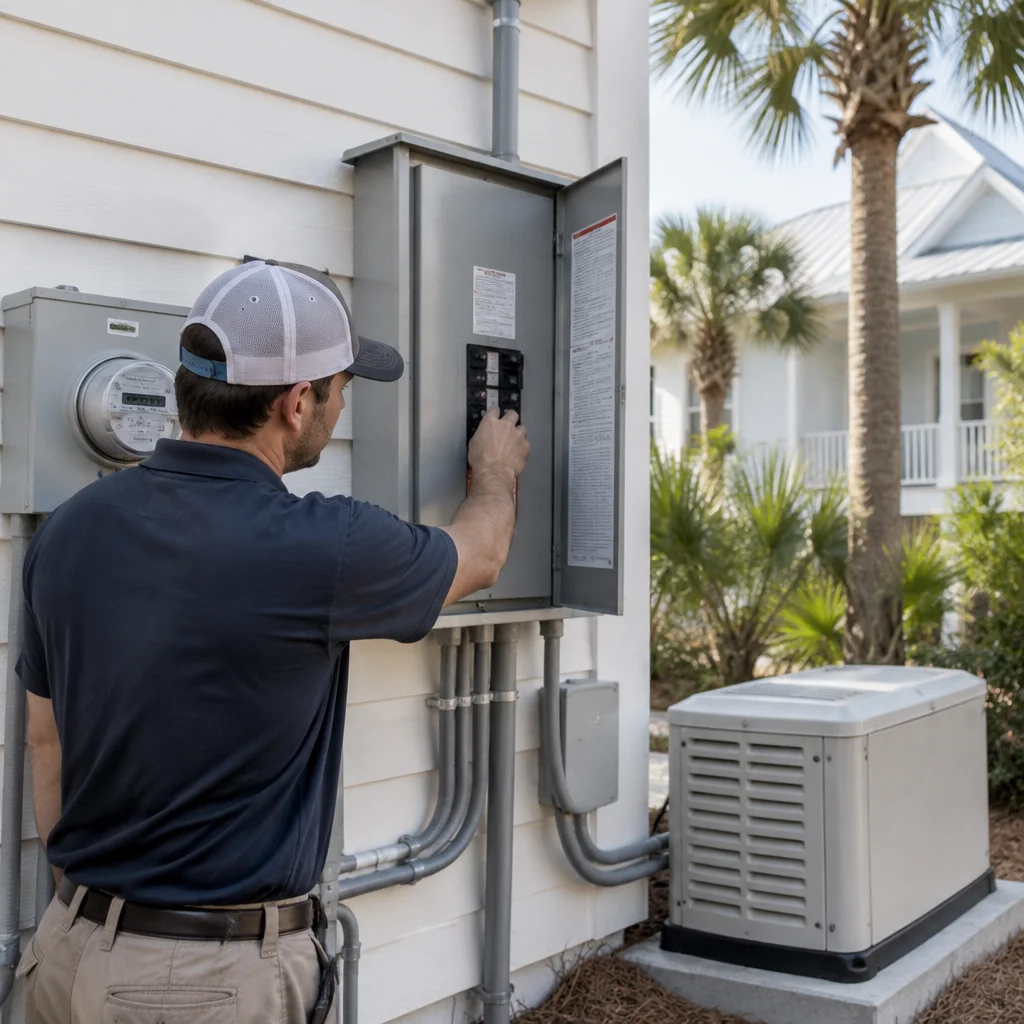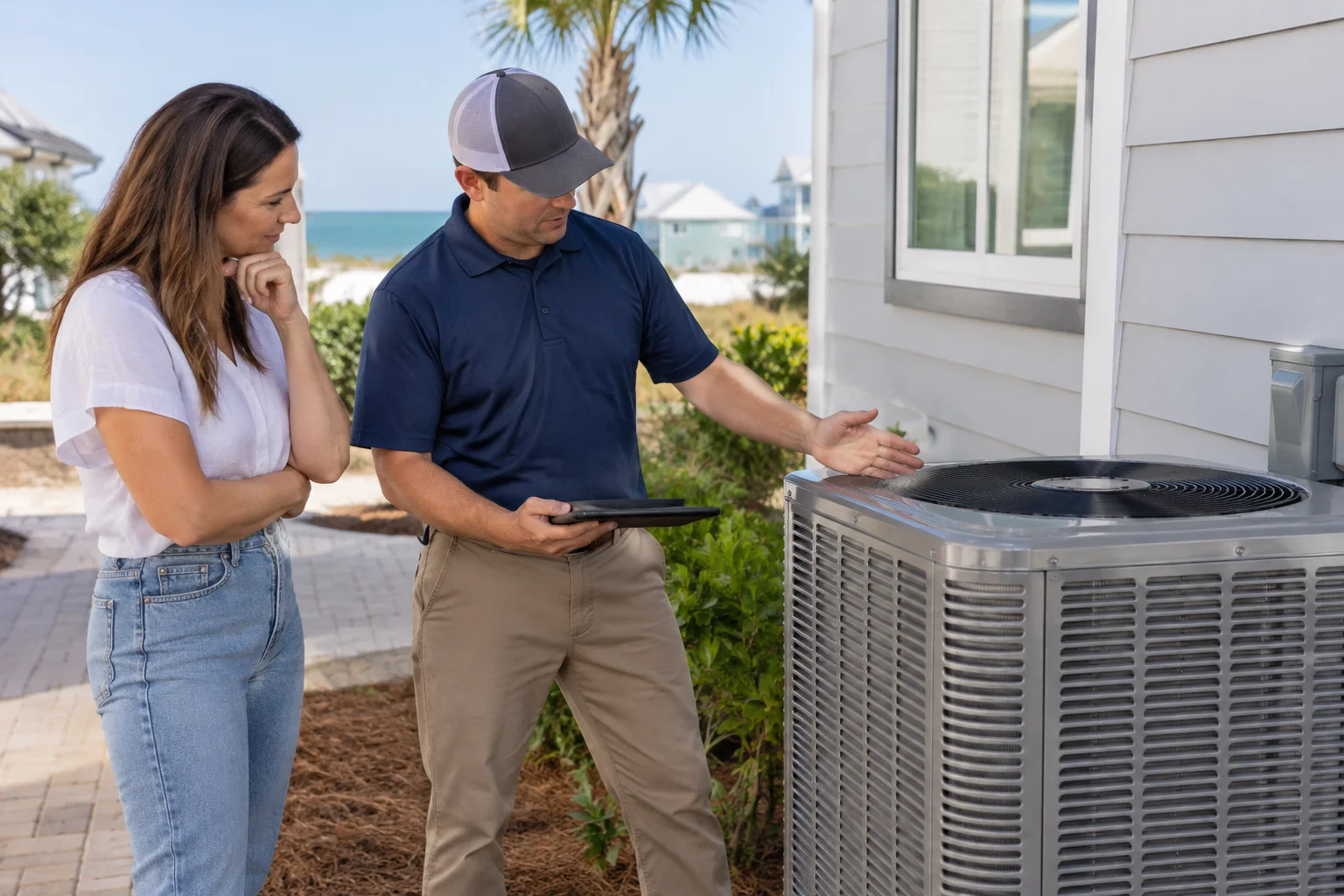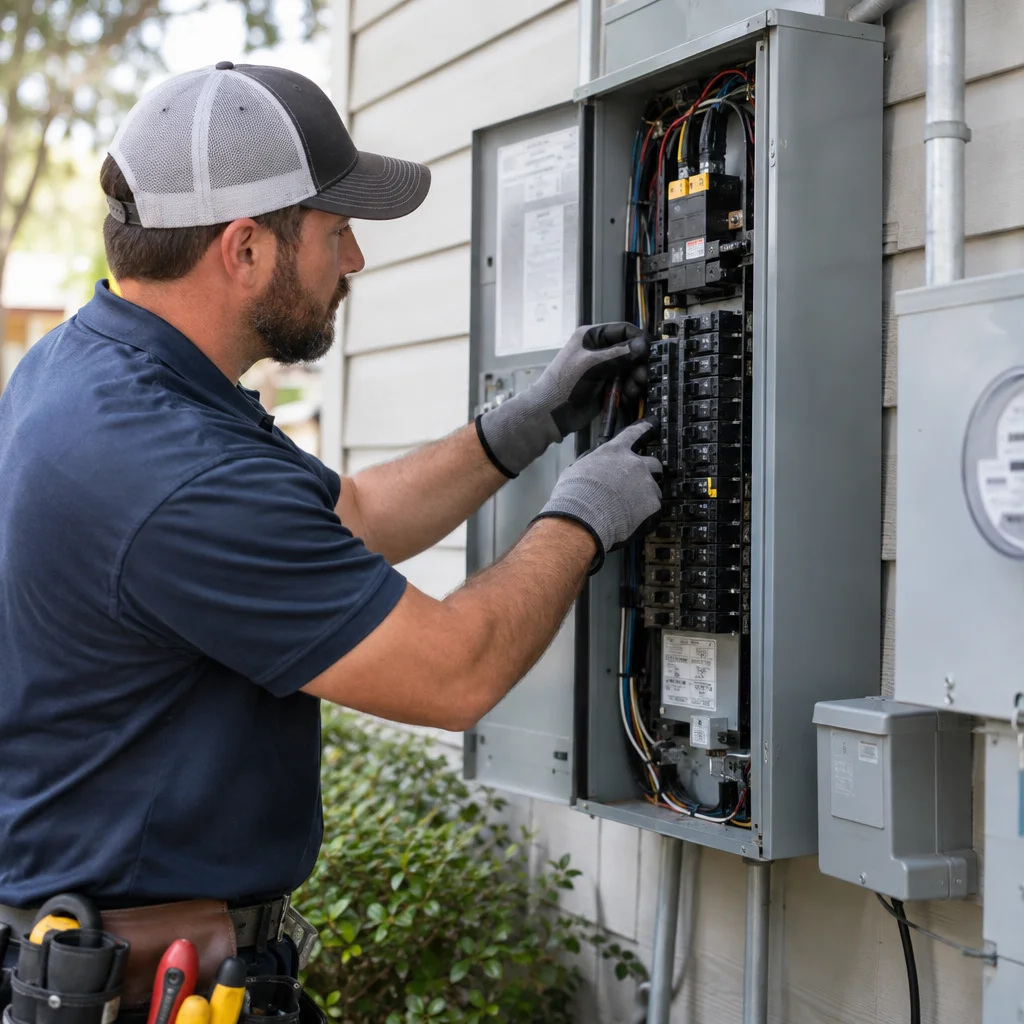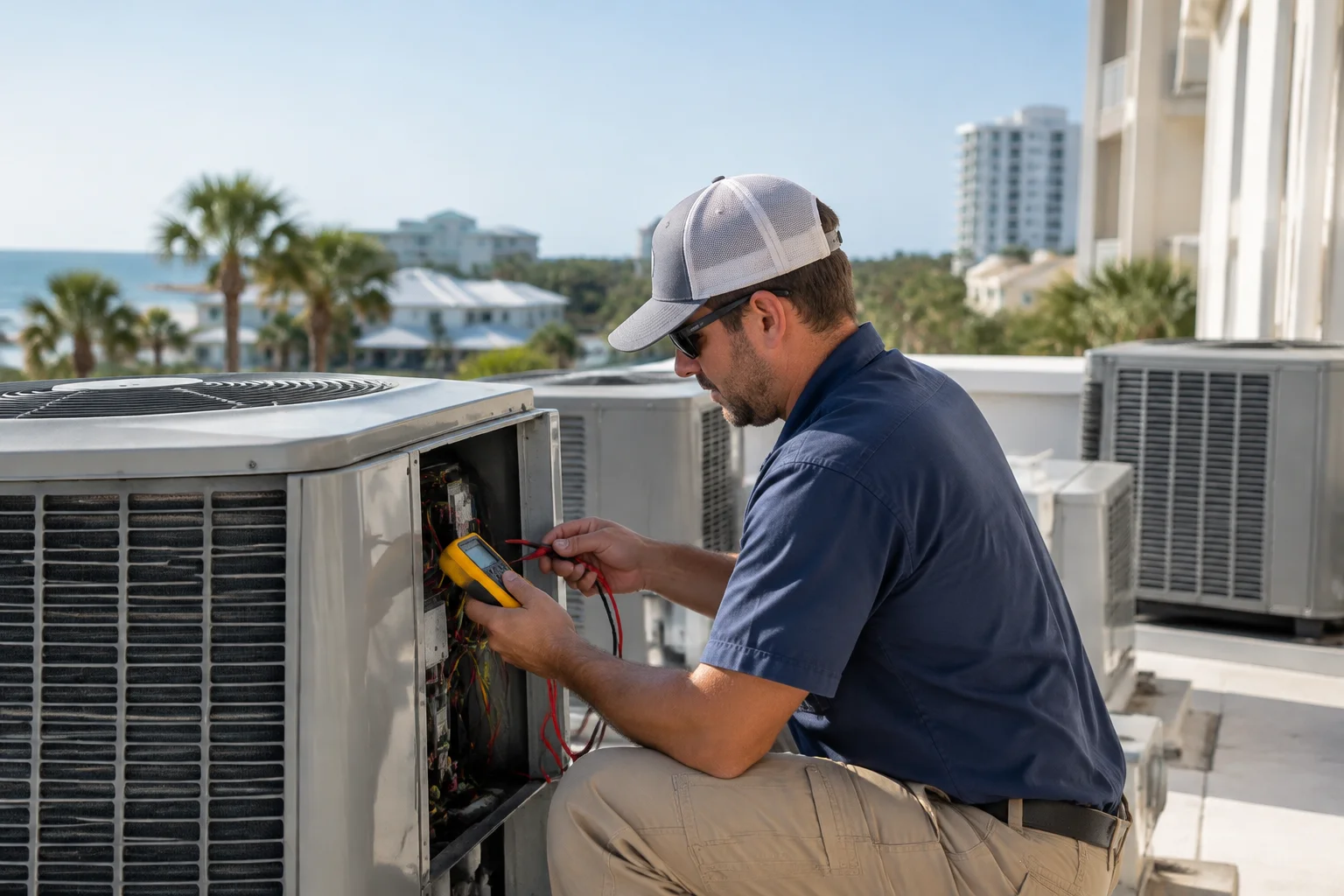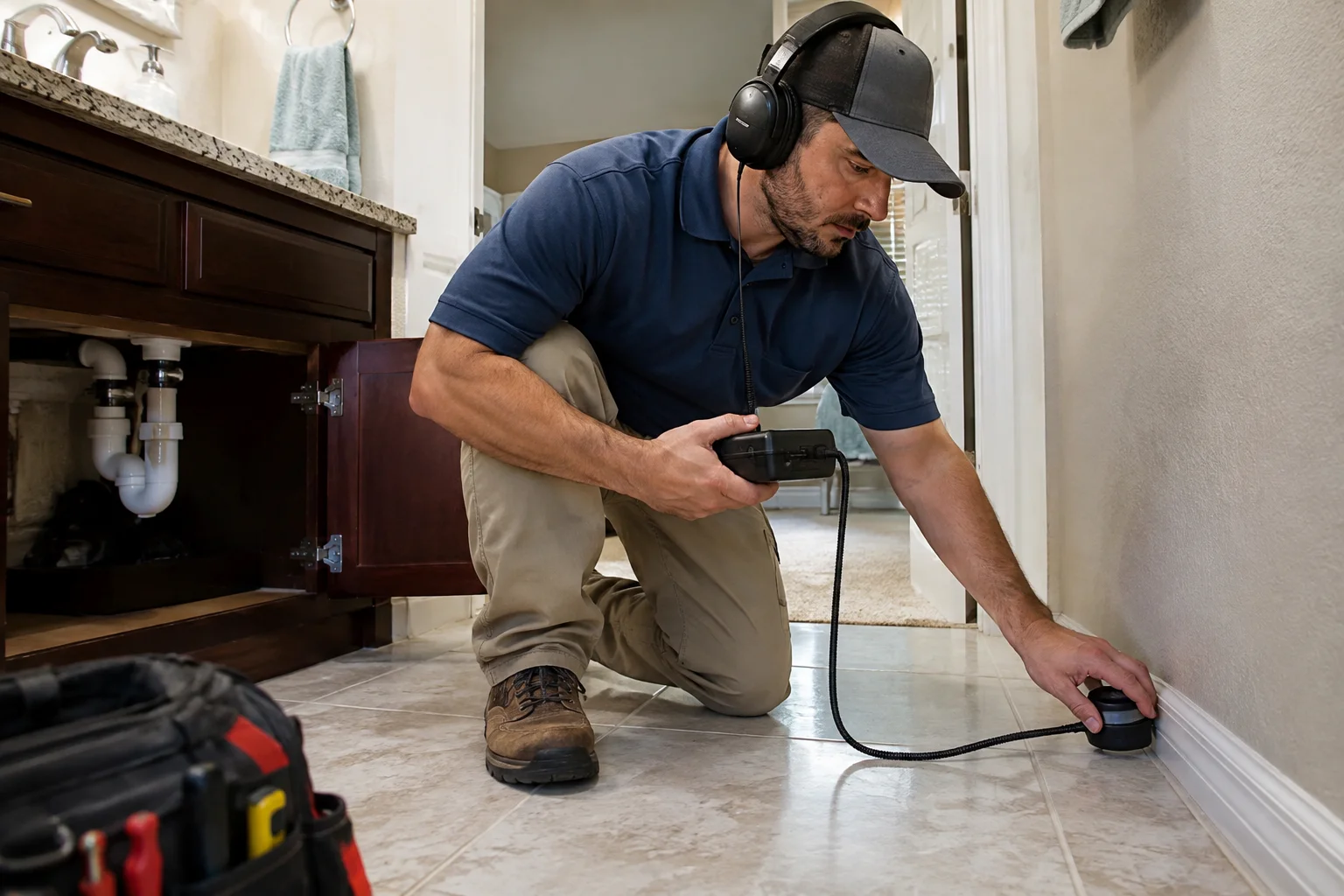
Freeport, FL summers bring sticky humidity, warm coastal air, and plenty of run time for comfort systems. Geothermal HVAC systems are designed to deliver steady heating and cooling using the ground as a heat source and heat sink. Still, like any refrigerant-based system, they depend on airflow, proper controls, clean condensate drainage, and well-maintained ductwork to perform reliably. A little preventive care can help you avoid the kind of breakdown that turns into emergency cooling concerns when the temperature climbs.
How geothermal HVAC systems stay comfortable, and where problems start
In a geothermal HVAC system, a ground-source heat pump transfers heat between your home and the earth. That refrigerant system moves heat through indoor components such as the air handler and distribution ductwork, while the outdoor side is connected to ground loops. Because the ground temperature is more stable than outdoor air, geothermal systems can run more consistently than conventional equipment.
When homeowners experience uneven comfort or sudden failures, the root cause is often not the geothermal concept itself. It is usually one of these areas:
- Airflow restrictions from dusty filters, blocked return paths, or ductwork issues that reduce circulation.
- Indoor coil and blower performance problems that lead to poor cooling or weak heating delivery.
- Condensate drainage problems that can cause water overflow, moisture buildup, or water related shutdowns.
- Thermostat and control issues that create wrong run times, short cycling, or comfort swings.
- Refrigerant system concerns that require professional evaluation if performance drops or symptoms appear.
In Florida’s humidity, even small airflow or moisture management problems can snowball. Poor airflow can reduce latent moisture removal, leaving the home feeling damp and uncomfortable. That can also increase indoor air quality problems, since moisture supports mold growth and can worsen dust and allergen conditions.
Freeport conditions that make preventive HVAC maintenance more important
Freeport sits in a coastal region of Walton County where humidity is part of everyday life. Salt air can also make corrosion a bigger concern for HVAC components over time. Add long cooling seasons and frequent temperature swings, and your system is constantly working to maintain comfort.
Geothermal systems are built for year-round performance, but local conditions still affect the details that keep them stable:
- High humidity increases condensate production during cooling and makes clean condensate drainage essential.
- Dust and pollen raise filter loading and can restrict airflow if filters are not maintained.
- Coastal salt exposure can contribute to corrosion on certain components, especially where outdoor air influences equipment.
- Airflow leaks in older ductwork can pull in humid air or reduce system effectiveness, especially in attics and crawl spaces.
If you are searching for HVAC maintenance near me because you want to avoid breakdowns during peak summer, focusing on airflow, moisture control, and ductwork health is a smart place to start.
Airflow and humidity control: the two comfort metrics that prevent emergencies
When people call for AC repair near me during the hottest days, the complaint is often not just “it stopped working.” It is usually “it is not cooling like it should” or “the house feels muggy.” Those symptoms can be early warning signs.
Keep filters and returns from starving the system
Restricted airflow can cause the blower to work harder, reduce cooling capacity, and lead to coil icing or poor moisture removal. For geothermal systems, that can also mean the indoor air handler is not doing its job of moving air across the indoor coil.
Practical steps:
- Check your filter monthly during summer and replace it when dirty.
- Make sure return air vents are not blocked by furniture, curtains, or storage.
- Confirm the air handler intake area is clean and unobstructed.
Watch for humidity clues
In Freeport, humidity control is not a luxury. If your home feels clammy, you may not be removing enough moisture, even if the temperature looks acceptable.
Clues to pay attention to:
- Condensation around vents or unusually wet spots near the air handler
- Musty odors that suggest moisture buildup
- Rooms that stay damp while others feel cooler
- Frequent cycling that prevents steady dehumidification
Use ductwork health to protect airflow
Ductwork problems can turn a properly operating geothermal system into a comfort struggle. Leaky ducts can waste conditioned air and reduce airflow consistency. Poorly sealed joints can also pull in humid air and lower indoor air quality.
If you suspect uneven airflow, consider a duct inspection. For homeowners dealing with hot spots or rooms that never feel right, ductwork services can be a key part of avoiding future emergency cooling concerns.
You can also review how ductwork affects performance in ductwork services for a more complete picture.
Condensate drainage: the moisture detail that can trigger bigger failures
During cooling, indoor coils produce condensate. That water needs to drain properly through the condensate drainage system. When condensate drainage is restricted or misdirected, you can get overflow, water damage, and system shutdowns. In humid Florida conditions, neglected drainage can become a serious indoor air quality issue.
Homeowner checks you can do safely:
- Look for signs of overflow near the air handler or drain pan area.
- Verify that condensate lines are not visibly clogged or crushed.
- Notice any recurring water leaks after the system runs.
If you see water where it should not be, pause and arrange professional evaluation. Moisture-related issues can damage equipment and create mold risk, so it is better to address them early than wait for an HVAC emergency.
Thermostats and controls: small settings that can cause big comfort swings
A geothermal system relies on thermostats and controls to maintain stable operation. In Florida, comfort complaints often happen when the thermostat schedule, fan mode, or temperature settings lead to short cycling or inefficient run patterns.
Common homeowner mistakes include:
- Using the wrong fan mode and creating uneven airflow
- Setting aggressive temperature changes that cause frequent cycling
- Ignoring thermostat issues like inaccurate readings or unresponsive controls
If your thermostat is not responding normally or your system is cycling more than it used to, do not assume it is “just the thermostat.” A licensed HVAC contractor can evaluate how the thermostat interacts with the geothermal refrigerant system and indoor air handler operation. This is also where searching for a licensed HVAC contractor near me becomes practical, since geothermal systems benefit from technicians who understand ground-source comfort systems.
Refrigerant system performance: what you can observe and what you should not guess
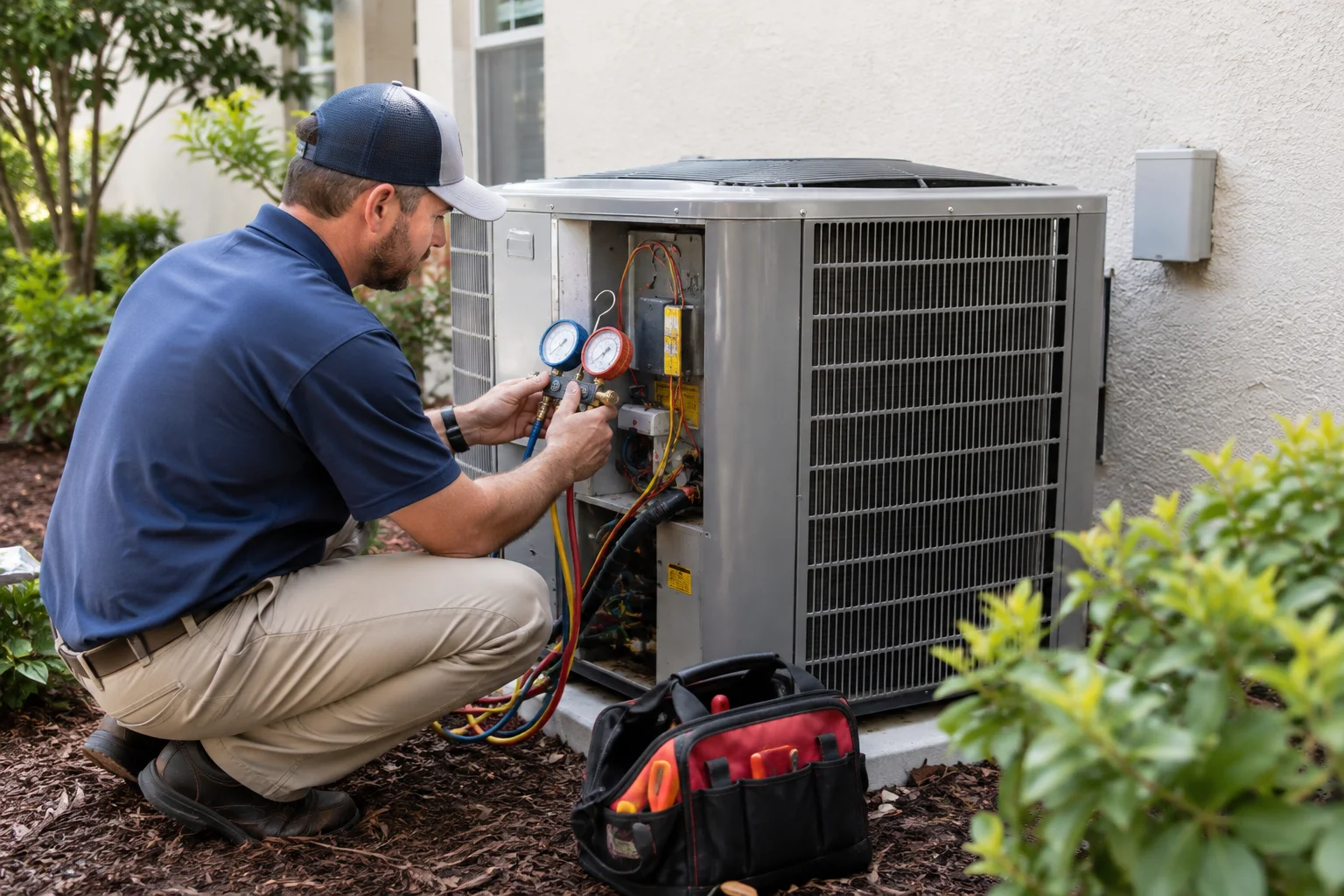
Geothermal HVAC systems use refrigerant to move heat. When performance drops, homeowners sometimes try to troubleshoot based on online videos. It is important to resist that urge. Refrigerant diagnosis and system adjustments require professional testing and safe handling. Attempting to “fix” refrigerant without proper equipment can be unsafe and can make the problem worse.
Still, you can watch for symptoms that suggest the system needs professional attention:
- Cooling takes much longer than usual
- Airflow feels weaker than before
- Indoor temperature swings significantly
- Unusual noises that increase during cooling or heating
- Frequent cycling or persistent run times without reaching comfort targets
When these show up, schedule an HVAC repair evaluation. A technician can determine whether the issue is airflow, controls, condensate drainage, or a refrigerant system performance concern. That careful approach is one of the best ways to avoid emergency AC repair situations during peak heat.
Preventive maintenance steps that reduce emergency calls
Preventive HVAC maintenance near me searches often reflect a simple goal: keep the system running before a failure happens. For geothermal HVAC systems in Freeport, a strong maintenance plan typically focuses on airflow, airflow paths, moisture control, and system stability.
Schedule seasonal tune ups for the cooling season
Geothermal systems still need routine service. A professional tune up can help verify that the air handler, blower operation, and indoor comfort components are ready for Florida’s humidity and heat load.
Ask your technician to include items like:
- Airflow checks across the indoor coil and supply/return paths
- Inspection of condensate drainage components
- Assessment of thermostat operation and control settings
- Cleaning steps that support indoor air quality
Plan ductwork and indoor air quality support
In humid climates, ductwork can become a comfort bottleneck. If you have visible dust buildup on registers, persistent odors, or worsening allergies, consider indoor air quality services near me and duct-related inspections.
While homeowners sometimes search for duct cleaning near me, cleaning is most effective when it is matched to the actual condition of your ductwork and air handler. A duct inspection first can help identify whether the issue is airflow, leaks, or contaminants.
For homeowners who want a more proactive approach, you can pair maintenance with guidance on filtration and airflow management. That helps your geothermal system maintain comfort without overworking.
Keep an eye on airflow balance and comfort zones
If your home has multiple zones or inconsistent temperatures, geothermal performance depends on balanced airflow. When zones call for heating or cooling at different times, the system still needs stable distribution. Poor balancing can create comfort complaints that lead to thermostat changes and frustration.
A technician can evaluate airflow distribution and duct balancing during maintenance. That can also help reduce the chance of “everything feels off” emergencies later in the season.
How to spot early warning signs before cooling emergencies
Not every problem starts as a total failure. Many emergency calls begin with performance drift. Here are early signs that deserve attention:
- Airflow changes: vents feel weaker, or some rooms never get comfortable.
- Humidity complaints: the house feels damp even when the temperature is set correctly.
- Frequent cycling: the system turns on and off more than it used to.
- Odd sounds: rattling, squealing, or louder blower operation.
- Condensate concerns: water spots, drain pan issues, or musty odors.
- Thermostat weirdness: delayed response, inaccurate readings, or unresponsive controls.
If you notice these, it is smarter to schedule HVAC repair near me or an AC tune up before the next heat wave. Waiting until the system fails completely often leaves you with fewer options for scheduling.
Why professional local service matters for geothermal in Walton County
Geothermal HVAC systems are not just “a different outdoor unit.” They involve a coordinated refrigerant system, indoor air handler performance, ductwork distribution, and moisture management. Local technicians who understand Freeport weather and the way Walton County homes are built can diagnose comfort problems more accurately and recommend the right next steps.
Professional service also matters because some issues require in-person evaluation. That includes refrigerant system performance concerns, control troubleshooting, and any situation where condensate drainage could be failing. A thoughtful inspection helps avoid unnecessary replacements and supports safer operation.
For many homeowners, the best first move is to connect with a contractor who offers geothermal HVAC system services in Freeport. You can explore more here: geothermal HVAC systems in Freeport, FL. If you want to understand the broader service area, visit Freeport HVAC services and Walton County HVAC services.
Preventing emergencies in older homes and newer builds
Freeport homes range from older properties with mature trees and older duct systems to newer builds designed for modern comfort. Both can face geothermal HVAC challenges, just in different ways.
Older homes
Older ductwork may have leaks, weak insulation, or airflow restrictions. That can reduce cooling performance and increase humidity. Older thermostat wiring or control setups can also contribute to inconsistent operation. A duct inspection and targeted ductwork services can improve airflow and comfort without forcing a system replacement.
Newer builds
Newer homes may have tighter construction, which can change airflow patterns and reduce natural air movement. That can make filtration and indoor air quality more important, especially during long cooling seasons. Even with new ductwork, improper balancing or airflow restrictions can still cause uneven comfort and moisture issues.
If you have a newer home and still feel uncomfortable, professional service can help confirm that the geothermal system and air distribution are functioning as intended.
Additional support for homeowners who also run commercial spaces
Some Freeport properties include offices, shops, or mixed-use spaces. Geothermal systems can be applied in commercial settings where humidity control and steady airflow matter. If your building includes commercial HVAC needs, it helps to maintain the system on a schedule that matches occupancy and seasonal loads.
You can also read:
- Why Efficient Heating and Cooling Starts With Commercial HVAC Maintenance in Freeport, FL
- The Details That Get Missed in Commercial HVAC Installation in Freeport, FL
If you need commercial HVAC support, you can explore Commercial HVAC Services in Freeport.
When to call for help before it becomes an emergency
Geothermal systems are built for dependable comfort, but emergencies happen when issues are left to grow. Call a professional HVAC contractor when you notice:
- Cooling comfort drops during hot, humid days
- Airflow is weak or uneven across the home
- Condensate drainage appears to be failing
- Water damage signs show up near the air handler
- Your thermostat behavior seems wrong or inconsistent
- The system cycles frequently or runs continuously without reaching comfort targets
If you are searching for air conditioner service near me or HVAC contractor near me because you want to avoid an emergency cooling situation, schedule an inspection and maintenance plan while the system is still operating. That approach is usually more comfortable for your schedule and helps protect indoor air quality.
Simple homeowner habits that support geothermal comfort
You do not need to become an HVAC expert to reduce the odds of emergency breakdowns. A few habits help your geothermal HVAC system stay efficient and comfortable:
- Change filters on a regular schedule and keep returns clear.
- Keep vents unobstructed so airflow stays balanced.
- Monitor humidity and pay attention to musty odors or dampness.
- Use thermostat schedules thoughtfully to avoid extreme temperature swings.
- Schedule AC tune up and seasonal maintenance before the hottest stretch.
These habits support energy use and comfort. When airflow and moisture control are stable, your geothermal system can operate as designed, helping you avoid the stress of emergency AC repair during Florida’s peak cooling days.
If you want to understand how financing can fit into planning for system repairs or replacements, see A Homeowner’s Guide to HVAC Financing and Why It Matters in Freeport, FL. Planning repairs early is often the difference between a manageable fix and a rushed decision.
For homes that use advanced zoning or multi-zone setups, geothermal performance also depends on system coordination. If your property uses multi-zone equipment, you may find it helpful to review VRF Multi-Zone HVAC Systems to understand how zoning can affect comfort and airflow planning.
Find Geothermal HVAC Systems in Freeport, FL
If you need Geothermal HVAC Systems in Freeport, FL, visit our local service page or contact A Superior Mechanical today.
Map of Freeport, FL
Frequently Asked Questions
How can I tell if my geothermal HVAC system has an airflow problem?
Weak or uneven airflow, rooms that never feel comfortable, and longer cooling run times are common clues. A professional can check airflow across the indoor coil and inspect ductwork for restrictions or leaks.
What does condensate drainage have to do with indoor comfort in Freeport, FL?
During cooling, your system produces condensate that must drain correctly. If drainage is restricted, you can get water overflow, moisture buildup, and indoor air quality issues. In humid conditions, that can become a bigger problem quickly.
Can I troubleshoot refrigerant issues myself to avoid an emergency?
No. Refrigerant diagnosis and adjustments require in-person testing and safe handling. If cooling performance drops, airflow changes, or the system cycles abnormally, schedule an evaluation so the cause can be identified correctly.
How often should I schedule geothermal HVAC maintenance in Walton County?
Most homeowners benefit from seasonal tune ups, especially before peak summer cooling in Freeport. Your contractor can recommend a schedule based on system usage, home size, and indoor comfort needs.
Will ductwork issues cause geothermal comfort problems even if the system is running?
Yes. Leaky or poorly balanced ductwork can reduce airflow, limit moisture removal, and create hot or cold spots. A duct inspection helps confirm whether distribution is the limiting factor.
Related Articles
- Why Efficient Heating and Cooling Starts With Commercial HVAC Maintenance in Freeport, FL
- The Details That Get Missed in Commercial HVAC Installation in Freeport, FL
- A Homeowner’s Guide to HVAC Financing and Why It Matters in Freeport, FL
- Staying Ahead of Commercial HVAC Problems in Freeport, FL: A Practical Guide for More Reliable Buildings
Photo Gallery