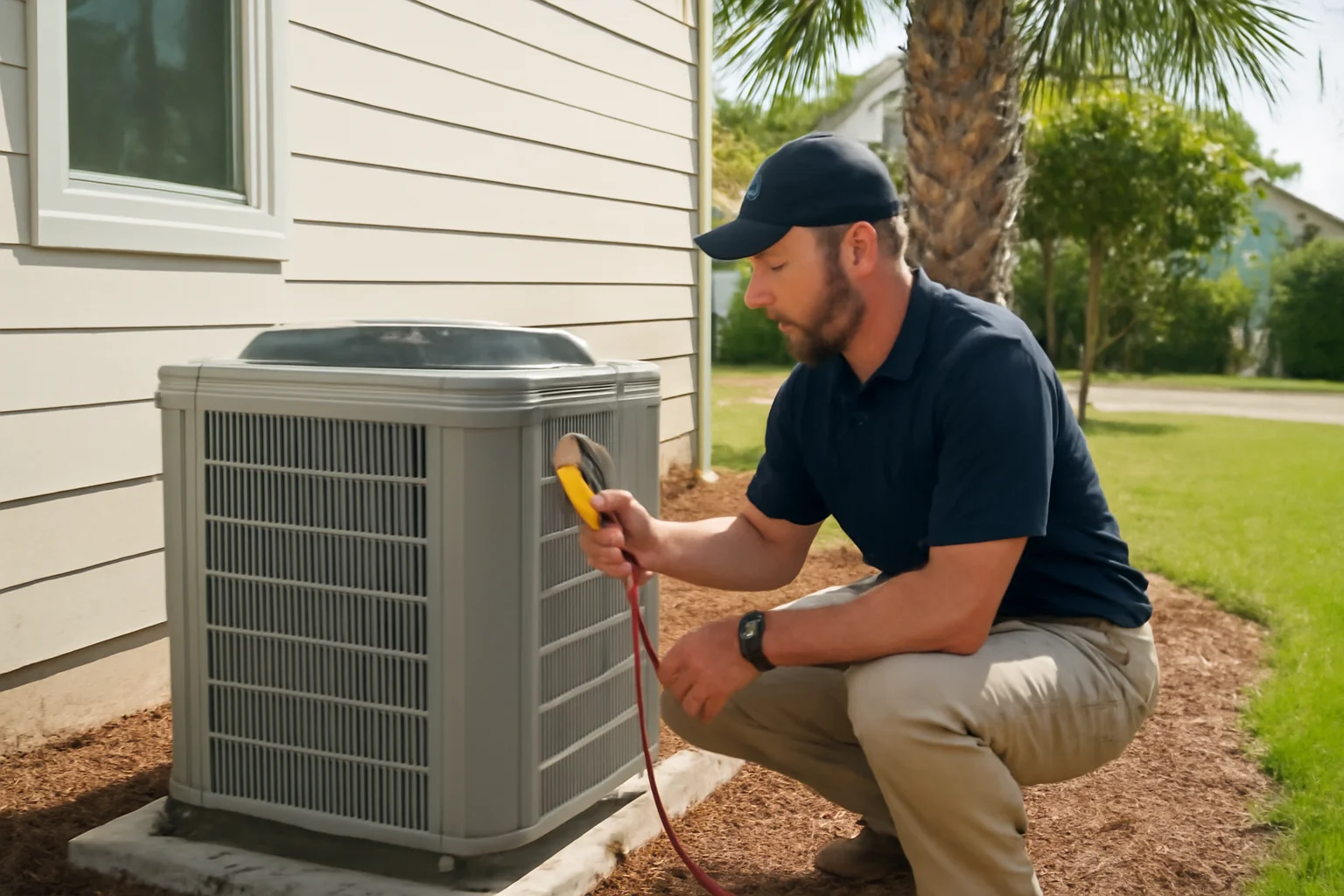
Latitude Margaritaville Watersound is a special kind of coastal community. Warm Florida temperatures, high humidity, and salt air can push HVAC systems hard. For homeowners and property managers, that means comfort issues can escalate fast, especially when a rental guest expects cool air on the hottest day of the week. The good news is that many emergency HVAC calls start with preventable problems like restricted airflow, clogged filters, failing condensate drainage, or ductwork that cannot move air where it is needed.
A Superior Mechanical provides property management HVAC services in Latitude Margaritaville Watersound, FL designed to keep systems running reliably. This guide focuses on practical steps that reduce emergency cooling concerns, improve airflow, and support better indoor air quality for managed properties across Bay County.
Why emergency HVAC calls spike in coastal Florida
In Watersound, HVAC systems often face a perfect storm: heat that starts early, humidity that does not let up, and coastal air that can add stress to components over time. When you manage properties, you are not always present to notice small issues before they become tenant complaints.
Common conditions that contribute to emergency HVAC service needs include:
- Humidity load: Florida heat and moisture make air conditioning work harder to remove humidity and maintain comfort.
- Salt air exposure: Coastal environments can accelerate corrosion and wear on outdoor equipment and metal components.
- Airflow restrictions: Dirty filters, blocked returns, and ductwork issues can cause the system to run longer and strain the refrigerant system.
- Condensate drainage problems: When condensate drainage is slow or blocked, moisture can back up, affecting performance and indoor air quality.
- Thermostat settings and behavior: Incorrect thermostat schedules or inconsistent thermostat control can lead to comfort complaints and unnecessary runtime.
Emergency cooling concerns usually happen when multiple small problems overlap. For example, a clogged filter reduces airflow, which increases system workload. At the same time, humidity is high, and condensate drainage can become stressed. The result is poor cooling, higher energy use, and a higher chance of a sudden breakdown during peak demand.
Airflow problems are often the real root cause
Homeowners often think of AC repair as a single failed part. In managed properties, emergency calls frequently trace back to airflow first. If air cannot move through the system and ductwork efficiently, the system has to compensate by running longer and harder.
Look for these airflow-related causes and comfort symptoms:
- Warm rooms or uneven temperatures: One area stays hot while others cool.
- Weak airflow from vents: Supply registers feel underpowered.
- Long run times: The AC runs continuously but does not reach the thermostat setting.
- Cold air that feels damp: Air may be cooled but not properly dehumidified, which is common when airflow is off.
- Increased dust or odors: Poor airflow and filtration can worsen indoor air quality.
Improving airflow is not just about comfort. It also supports more stable refrigerant system performance by helping the system match airflow requirements. If you are trying to reduce emergency HVAC calls, start with airflow and ductwork fundamentals.
If you want a deeper look at ductwork planning for coastal homes, read Keeping Coastal Homes Comfortable Starts with Better Ductwork in Latitude Margaritaville Watersound.
Humidity control: the comfort factor many systems struggle with
In Latitude Margaritaville Watersound, humidity is not a side issue. It directly affects how the home feels and how hard the air conditioner must work. When humidity is not controlled, occupants may complain about “sticky” indoor air even when the temperature looks acceptable.
Humidity-related issues can come from:
- Airflow imbalance: If the system cannot move air at the right rate, dehumidification suffers.
- Dirty indoor coil or restricted airflow: Reduced heat transfer can lead to poorer moisture removal.
- Condensate drainage problems: When condensate drainage is blocked or slow, moisture management becomes unreliable.
- Thermostat behavior: Fan settings and schedule settings can impact how long the system runs and how effectively it removes moisture.
For managed properties, indoor air quality and humidity control are closely linked. If you are also seeing musty odors, increased dust, or allergy-like symptoms, it may be time to review indoor air quality practices. You can explore Indoor Air Quality Services to support healthier, more comfortable interiors.
Condensate drainage: a small issue that can become an emergency
Many HVAC problems begin with condensate drainage. Air conditioning systems remove moisture from the air, and that moisture must drain properly. When condensate drainage is restricted, the system can experience performance problems, potential water-related concerns indoors, and increased strain.
Signs condensate drainage may be failing include:
- Water near the indoor unit, drain pan, or around the equipment area
- Gurgling or unusual sounds from the condensate line
- Recurring “cooling issues” that seem to worsen during humid weather
- Musty odors or dampness
Because condensate drainage can involve both HVAC components and the path of the drain system, it is best handled by a professional. A licensed HVAC contractor can inspect the drainage route, verify safe operation, and address the underlying restriction without guessing.
Thermostats and schedules: prevent comfort complaints before they escalate
Thermostats are where many managed property cooling problems start. A tenant or guest may adjust settings repeatedly, or a schedule may not match the property’s occupancy pattern. In coastal Florida, that can mean the system runs longer than necessary, increasing energy use and wear.
Common thermostat and control issues include:
- Fan set to continuous: Continuous fan may increase humidity issues or energy use depending on system type.
- Incorrect schedules: Cooling may start too late for peak afternoon heat.
- Conflicting setpoints: Multiple smart devices or app controls can create inconsistent behavior.
- Calibration concerns: If temperature sensing does not match actual comfort needs, the system may overrun.
Property managers can reduce emergency HVAC calls by establishing simple thermostat guidelines for occupants, including how to set schedules and when to avoid frequent manual changes. If comfort complaints continue even after thermostat adjustments, schedule an HVAC inspection. A professional can evaluate how the system is operating and how airflow and humidity control are performing.
Ductwork and returns: where airflow gets lost
Even a well-maintained AC unit cannot deliver comfort if ductwork is underperforming. In many coastal homes, ductwork and air distribution can be affected by age, renovations, or installation details. Over time, duct leakage, poor sealing, or damaged sections can reduce airflow and increase energy use.
When ductwork is the issue, you may notice:
- Hot or cold spots that persist across multiple days
- Rooms that never fully reach the thermostat setpoint
- Increased noise at certain vents
- Dust buildup that seems concentrated in specific areas
If you suspect ductwork problems, consider Ductwork Services. Duct inspection near me searches often turn up general duct cleaning, but duct inspection and duct repair address airflow and distribution issues more directly for comfort and system reliability.
For additional context on coastal planning, see Smart HVAC Planning for Rosemary Beach Homes: Comfort, Airflow, and Coastal Protection.
Preventive HVAC maintenance that actually reduces emergencies
Preventive HVAC maintenance is the most effective way to avoid emergency cooling concerns, especially for managed properties that see frequent occupancy changes. The goal is to catch issues while they are still small, so you do not face a breakdown during a hot afternoon when tenants need fast comfort.
A strong maintenance approach for property management HVAC services typically includes:
- Filter and airflow verification: Filters must be properly sized and installed. Airflow should match the system’s needs.
- Indoor and outdoor system checks: Inspect key components for signs of wear, dust buildup, and performance degradation.
- Condensate drainage inspection: Verify that moisture removal is safe and consistent during humid conditions.
- Thermostat and control review: Confirm settings and system response align with comfort needs.
- Refrigerant system performance evaluation: A professional can evaluate refrigerant system operation and related performance indicators. If there is a suspected refrigerant issue, it requires in-person inspection rather than assumptions.
- Energy use awareness: Maintenance helps the system run as efficiently as possible for the property’s layout and ductwork.
For homeowners searching for HVAC maintenance near me, it is worth asking how maintenance addresses airflow, humidity control, and condensate drainage. Those details often determine whether an AC system stays reliable through Florida’s hottest stretches.
Seasonal tune ups for coastal schedules
In Bay County, HVAC demand rises quickly as summer humidity builds. A mid-season tune up can help, but the most reliable approach is to plan maintenance ahead of peak cooling demand. For property managers, that means coordinating service windows between guest stays, cleaning schedules, and readiness for high-occupancy weeks.
When an AC tune up near me search leads to a one-time visit, it may not be enough for multi-unit properties. A Superior Mechanical supports managed properties with oversight that aligns HVAC care with occupancy patterns, helping reduce the chances of emergency AC repair during peak conditions.
Coastal equipment wear: what to watch for over time
Salt air and humidity can affect how long components last. While you cannot eliminate coastal wear, you can reduce the likelihood of sudden failures by tracking system performance and addressing issues early.
Watch for these trends that often precede breakdowns:
- Increasing runtime: The system takes longer to cool and cycles less efficiently.
- Rising humidity complaints: The home feels damp even when temperatures are close.
- More frequent thermostat adjustments: Occupants keep changing setpoints because comfort never stabilizes.
- Unusual odors or noise: Musty smells can relate to moisture management and indoor air quality.
- Frequent condensate concerns: Slow drainage or recurring moisture issues are a reliability warning.
For property managers, keeping service history organized matters. If you know which systems have recurring airflow or drainage concerns, you can prioritize maintenance and inspections before those issues become emergency HVAC calls.
AC repair and heat pump service: address problems before they spread
Managed properties may use central air systems, heat pumps, or ductless mini split installation depending on the home layout. Regardless of system type, small performance problems can escalate when airflow, humidity control, and condensate drainage are not working together.
Homeowners often search for HVAC repair near me or air conditioning repair near me when cooling fails. Those searches help, but they are usually reactive. A better approach is to schedule service when you first notice:
- Cooling that is inconsistent across rooms
- Frequent cycling on and off
- Comfort complaints that align with humid weather
- Visible ice on components or unusual frost patterns (when visible, this is a reason for immediate professional evaluation)
- Recurring drain issues
For heat pump service, pay attention to how the system behaves when temperatures shift and humidity remains high. A professional evaluation is needed because performance issues can involve airflow, refrigerant system operation, or indoor coil conditions. Do not attempt a refrigerant diagnosis or component change based on speculation. An in-person assessment is the right way to protect comfort and avoid unnecessary repairs.
If your property uses ductless systems, you may also be thinking about ductless mini split installation near me for future upgrades. For reliability, ongoing maintenance still matters because indoor air handling and airflow are critical for comfort and indoor air quality.
When you should plan for duct cleaning and indoor air quality
Not every airflow complaint requires duct cleaning near me. Dust and debris can affect indoor air quality, but duct cleaning should be approached with a plan that starts with inspection. If ducts are dirty due to construction debris, remodeling, or long periods without maintenance, cleaning may help. If the issue is airflow restriction or duct leakage, duct cleaning alone may not solve comfort problems.
For managed properties, indoor air quality services can support healthier air for guests and reduce complaints related to dust, odors, and humidity. If you are seeing recurring concerns, consider pairing HVAC maintenance with an indoor air quality review so the home stays comfortable and breathable.
System replacement planning without the panic
System replacement near me searches often happen after repeated breakdowns. While replacement may be the right solution for some older systems, the best time to plan is before a failure disrupts occupancy.
When replacement is being considered, a licensed HVAC contractor should evaluate the system’s condition and performance during an in-person inspection. That evaluation should include how airflow is distributed, how humidity is managed, and whether the refrigerant system and indoor coil are operating as expected. If your property has persistent comfort issues or repeated repairs, it may be time to discuss replacement options and how they align with the home’s ductwork and indoor air quality needs.
For more guidance on property management planning, you can also review A Homeowner’s Guide to Property Management HVAC Services in Santa Rosa Beach and A Practical Look at Property Management HVAC Services for Local Property Owners in Sandestin, FL. These are useful for understanding how maintenance timing and documentation can reduce disruptions.
When emergencies do happen: reduce damage and restore comfort faster
Even with preventive maintenance, emergencies can occur. A sudden component failure, a refrigerant system performance issue, or a drainage problem during a high humidity stretch can still happen. The goal is to respond quickly and correctly so the situation does not worsen.
If you are dealing with emergency cooling concerns, you can contact Emergency HVAC Services. While waiting for service, focus on safe, non-invasive steps:
- Verify thermostat settings are correct and the system is set to cool.
- Check for obvious airflow blockages at vents and returns.
- Confirm the filter is in place and not severely clogged.
- Avoid repeatedly resetting the thermostat in rapid succession.
For issues involving refrigerant systems, electrical components, or internal HVAC parts, do not attempt DIY troubleshooting. An in-person evaluation is the right way to protect the system, maintain indoor air quality, and avoid unsafe or incorrect repairs.
How property managers can set up a reliability plan for HVAC
Preventing emergency HVAC calls is not only about repairs. It is also about systems, documentation, and scheduling. A reliable plan for managed properties in Latitude Margaritaville Watersound can include:
- Maintenance calendar: Schedule AC tune ups and inspections before peak cooling demand.
- Occupancy-based priorities: Service homes between stays when possible, especially for ductwork and indoor air quality concerns.
- Service history tracking: Keep notes on recurring issues like airflow imbalance or condensate drainage concerns.
- Clear thermostat guidance: Provide simple instructions to reduce unnecessary thermostat changes.
- Airflow and ductwork focus: Address duct issues that affect comfort and energy use, not just the equipment.
- Indoor air quality review: Pair HVAC service with indoor air quality services when guests report dust, odors, or humidity discomfort.
This is where professional local service matters. A licensed HVAC contractor near me can help you connect the dots between symptoms and system performance, especially in a coastal climate where humidity and salt air can create unique wear patterns.
Local service matters in Bay County, Florida
HVAC systems in Bay County are exposed to heat, humidity, and coastal conditions that can accelerate wear and change how equipment performs. That is why local expertise is valuable. A Superior Mechanical understands the comfort demands of managed properties in Latitude Margaritaville Watersound and can support ongoing maintenance, HVAC repair, ductwork services, and indoor air quality planning that keep systems operating more predictably.
If you are looking for a partner to manage reliability across multiple properties or to support a single home with consistent oversight, start with the service area page for property management HVAC services in Latitude Margaritaville Watersound, FL. You can also explore the broader local options on the Latitude Margaritaville Watersound service area overview or browse Bay County HVAC services to match your property needs.
If you are currently dealing with cooling problems, you can also compare options for Air Conditioning Repair and plan for longer-term comfort improvements through Ductwork Services.
Find Property Management HVAC Services in Latitude Margaritaville Watersound, FL
If you need Property Management HVAC Services in Latitude Margaritaville Watersound, FL, visit our local service page or contact A Superior Mechanical today.
Map of Latitude Margaritaville Watersound, FL
Frequently Asked Questions
What are the most common causes of emergency AC issues in Latitude Margaritaville Watersound?
Emergency AC calls often stem from restricted airflow, clogged or improperly sized filters, condensate drainage problems during humid weather, thermostat and control issues, and ductwork that cannot distribute air effectively. Salt air and coastal wear can also contribute to faster equipment degradation.
How can property managers reduce humidity complaints without turning the thermostat down too far?
Start with airflow and moisture management. A professional inspection can confirm whether the system is moving air correctly through the ductwork, managing condensate drainage safely, and operating as intended for dehumidification. Adjust thermostat schedules and fan settings to support stable comfort, then reassess if complaints persist.
Should I schedule duct cleaning or duct repair first for comfort problems?
Comfort issues are usually better addressed with duct inspection first. Duct cleaning can help in certain situations, but duct repair is often needed when airflow is restricted due to leaks, damage, or poor distribution. A local HVAC technician can evaluate what the ducts need based on the home’s airflow performance.
Can I diagnose a refrigerant problem without an in-person HVAC inspection?
No. Refrigerant system issues require professional evaluation. Do not attempt a refrigerant diagnosis or DIY refrigerant handling. An HVAC contractor should inspect the system and confirm what is actually happening before recommending any repair or next steps.
When should a homeowner or property manager call for emergency cooling help?
Call for emergency AC repair when the system is not cooling, temperatures are rising rapidly, you notice water or drainage concerns, or the unit shows visible frost or other unusual behavior. For urgent comfort and safety, use Emergency HVAC Services and avoid repeated thermostat resets while waiting.
Related Articles
- A Homeowner’s Guide to Property Management HVAC Services in Santa Rosa Beach
- A Practical Look at Property Management HVAC Services for Local Property Owners in Sandestin, FL
- Keeping Coastal Homes Comfortable Starts with Better Ductwork in Latitude Margaritaville Watersound
- Smart HVAC Planning for Rosemary Beach Homes: Comfort, Airflow, and Coastal Protection
Photo Gallery