Laguna Beach homes rely on everyday water for everything from morning coffee and cooking to showers, laundry, and clean dishes. When the water starts acting up, the changes often show up first in the small places you notice daily: a dull film on glass, scale around faucets, or a smell that seems to linger. Those “little” clues can point to hard water, sediment, odor, and chlorine concerns, and they are exactly the kinds of problems water softening services help homeowners reduce.
If you are looking for water softening services in Laguna Beach, FL, this guide connects common water quality warning signs to the equipment choices that protect your plumbing, fixtures, and appliances. It also covers how whole home water filtration, AO Smith water filtration, and reverse osmosis can work alongside a water softener to improve drinking and cooking water.
Why Laguna Beach water quality problems show up fast
In the Laguna Beach area, many homes see water that leaves mineral residue behind. Hard water is most often driven by minerals like calcium and magnesium. When water heats and evaporates, those minerals can stick to surfaces and form scale. That is why you see hard water spots on glass, dishes, and fixtures even after you run the dishwasher or wipe down the bathroom.
Laguna Beach homes also experience real-world water use patterns. Families run showers back to back, do laundry regularly, and use hot water for cleaning and cooking. That constant demand means any sediment, odor, or chlorine-related taste can become more noticeable, too. Over time, scale buildup can also trap sediment in plumbing and reduce how well appliances heat and operate.
What “warning signs” usually mean in real life
Water quality issues are rarely one single problem. Often, homeowners notice a cluster of symptoms that point to hard water, sediment in household water, or water conditioning that is not keeping up. The good news is that a proper water treatment plan can address more than one concern at once.
Warning sign #1: Scale buildup around faucets and showerheads
Take a close look at the bathroom and kitchen. If you see crusty deposits around faucet aerators, mineral rings in sinks, or rough buildup on showerheads, you are likely dealing with scale from hard water. Even if the water looks clear, minerals can still be present.
Common homeowner complaints include:
- Scale buildup on faucets that returns quickly after cleaning
- Shower glass that never stays fully clear
- Showerheads that spray unevenly because mineral deposits narrow openings
Scale does not just look bad. It can restrict water flow, increase energy use, and force appliances to work harder. When hard water treatment becomes part of protecting fixtures and appliances, you reduce the conditions that create scale in the first place.
Warning sign #2: Dry skin or dull hair after bathing
Notice how your skin and hair feel after a shower. Hard water can make it harder for soap and shampoo to rinse cleanly. That can leave residue behind, which some people describe as dryness, tightness, or hair that feels dull.
You may also hear a related clue: soap does not lather or it feels like it never fully rinses. This is a classic hard water symptom. When minerals in the water react with soap, you often need more product to get the same cleaning results.
For families, this shows up in everyday routines. Kids may complain that bath time feels “scratchy.” Adults may notice that towels feel less fresh after washing. These are the kinds of day-to-day effects that lead homeowners to search for water softener service near me or water filtration near me, especially when the problem keeps returning.
Warning sign #3: Soap that does not lather and laundry that feels off
If your laundry seems harder to manage, hard water may be part of the reason. Mineral buildup can interfere with detergent performance and leave fabrics feeling stiff or less clean.
Homeowners often report:
- Detergent that does not seem to “work” unless you use more than usual
- Soap scum that builds up quickly in sinks and tubs
- Clothing that feels less soft, even after rinsing
A properly sized water softener can improve how laundry soap and body wash behave. Whole home water filtration may also help if sediment is contributing to the problem.
Warning sign #4: Metallic, chlorinated, or unpleasant taste and odor
Odor and taste changes are a different kind of warning than scale. If your water smells metallic, tastes overly chlorinated, or just feels “off” when you drink it or use it for cooking, you may be dealing with chlorine-related taste, organic compounds, or other contaminants that filtration can target.
In the kitchen, this can affect more than drinking water. It can show up in:
- poor tasting coffee and cooking water
- Broth, rice, and sauces that taste slightly different than expected
- Ice that seems to carry an odor from the water source
Cloudy ice cubes are another clue. If you get cloudy ice cubes, it can indicate dissolved minerals, sediment, or air and temperature effects. While the freezer makes the issue visible, the cause often starts in the water supply.
Water softening primarily addresses hardness minerals that create scale. For chlorine and taste concerns, pairing your system with whole home filtration or point-of-use filtration can help. Many homeowners choose a combination approach, such as a softener to reduce scale plus filtration for cleaner drinking and cooking water.
Warning sign #5: Visible sediment, discoloration, or cloudy water
Sometimes the problem is obvious. You may notice discoloration, particles, or cloudiness in the water. Sediment can also be subtle, showing up as a faint film inside kettles, on shower floors, or as residue at the bottom of a glass.
Look for these indicators:
- sediment in household water that settles in a clear glass
- Discoloration after water sits for a while
- Discolored hot water or unusual changes when you run a specific tap
In homes where sediment is present, a whole house water filter can reduce particles before they reach faucets, showerheads, and appliances. If you are also seeing scale, the right plan may include both softening and filtration.
Warning sign #6: Appliances wearing out faster
Hard water and sediment do not stop at fixtures. They can shorten the lifespan of appliances that use hot water. Over time, scale buildup can reduce heat transfer and increase wear.
Homeowners sometimes notice that:
- Water heaters age sooner than expected
- Dishwashers do not clean as well over time
- Coffee makers and kettles clog or leave residue
When scale builds inside heating elements or plumbing lines, the system can require more energy to do the same job. That is why the connection between water softening and appliance protection matters. It is not only about appearance, it is about keeping equipment running efficiently.
How water softening reduces scale, sediment, and related problems
Water softeners are designed to address hardness minerals that cause scale buildup. The result is water that rinses cleaner, helps soap perform better, and reduces the mineral film that creates hard water spots on glass, dishes, and fixtures.
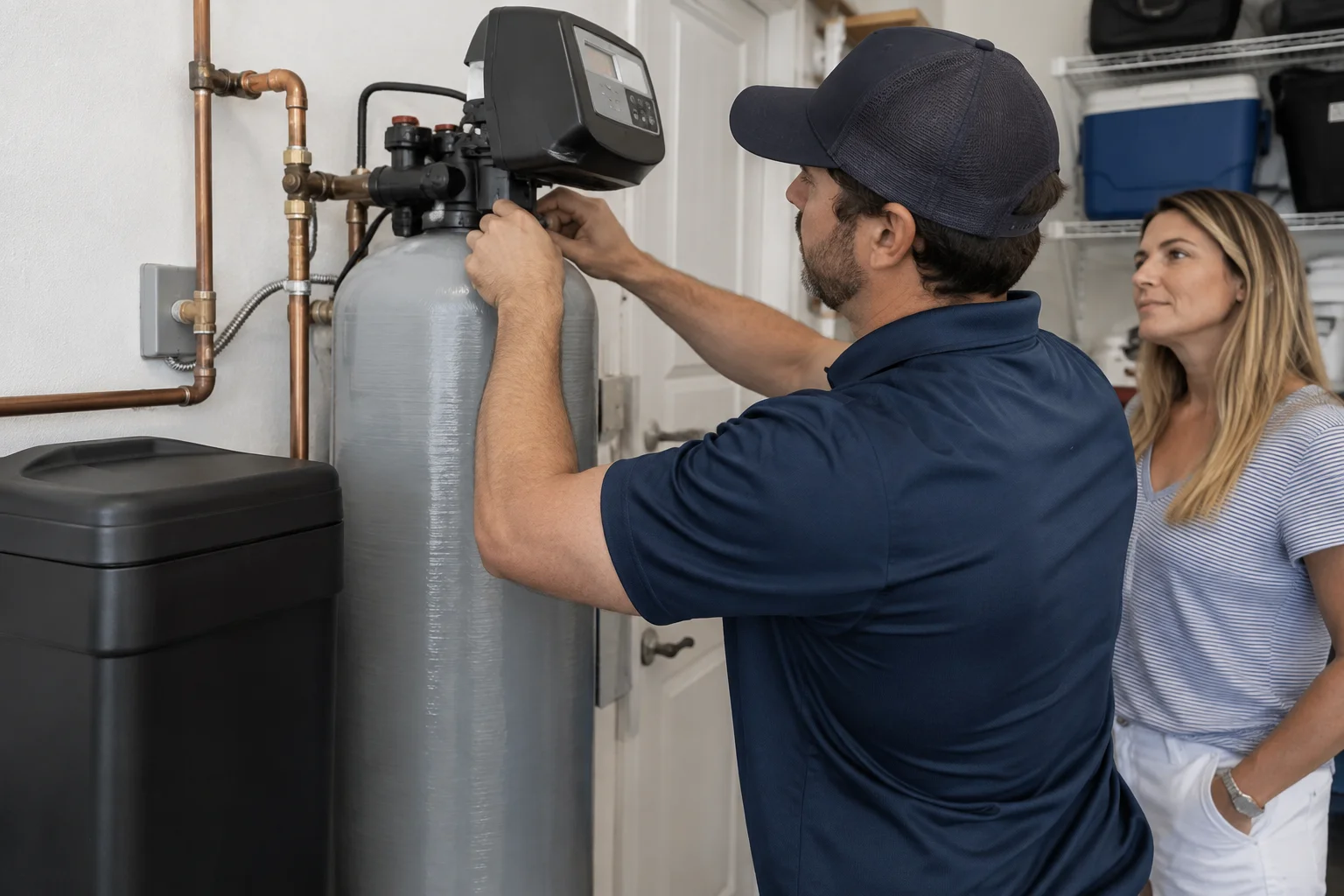
When you schedule water softener installation near me or service for an existing unit, the process usually starts with understanding your water conditions. A professional water treatment evaluation considers hardness levels, iron or sediment, and how your household uses water. That helps determine the right system size and the right approach for your home.
Where the benefits show up in everyday Laguna Beach life
Picture a typical family kitchen scene. Someone fills a kettle for tea. Another person runs the dishwasher after dinner. Kids rinse hands at the sink before homework. If water leaves behind residue, you end up wiping down faucets, re-cleaning glass, and dealing with a film that feels like it never fully goes away.
With water softening, you are more likely to see:
- Cleaner dishes and less spotting
- Fewer scale deposits on showerheads and faucets
- Soap that lathers and rinses more easily
- Better water for bathing and laundry
For many homeowners, this is the difference between “cleaning all the time” and “cleaning when it is actually needed.”
When you need more than a softener: whole home water filtration and reverse osmosis
Hardness and taste or odor can come from different parts of the water problem. That is why many homes benefit from combining water softening with filtration.
Whole house water filter for sediment and cleaner water through every tap
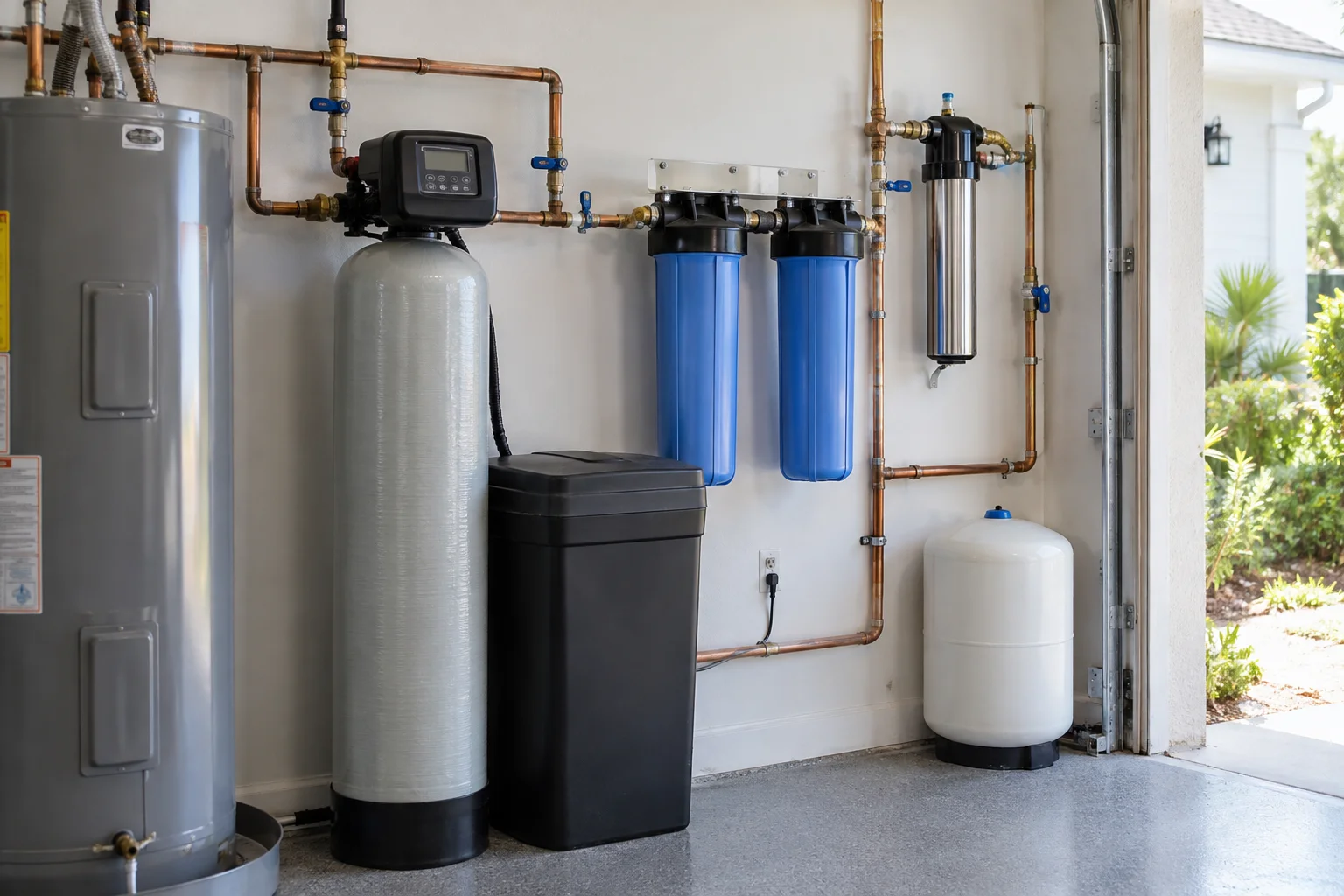
If you are seeing visible sediment, discoloration, or cloudy water, a whole house water filter can help capture particles before they reach your plumbing and fixtures. This can improve water quality for bathing, laundry, and cleaning.
Many homeowners also explore AO Smith water filtration options because they are designed to work as part of a broader clean water system. If you are comparing water filtration near me services, ask about system compatibility with your softener and your goals for drinking and cooking water.
Reverse osmosis for better drinking and cooking water
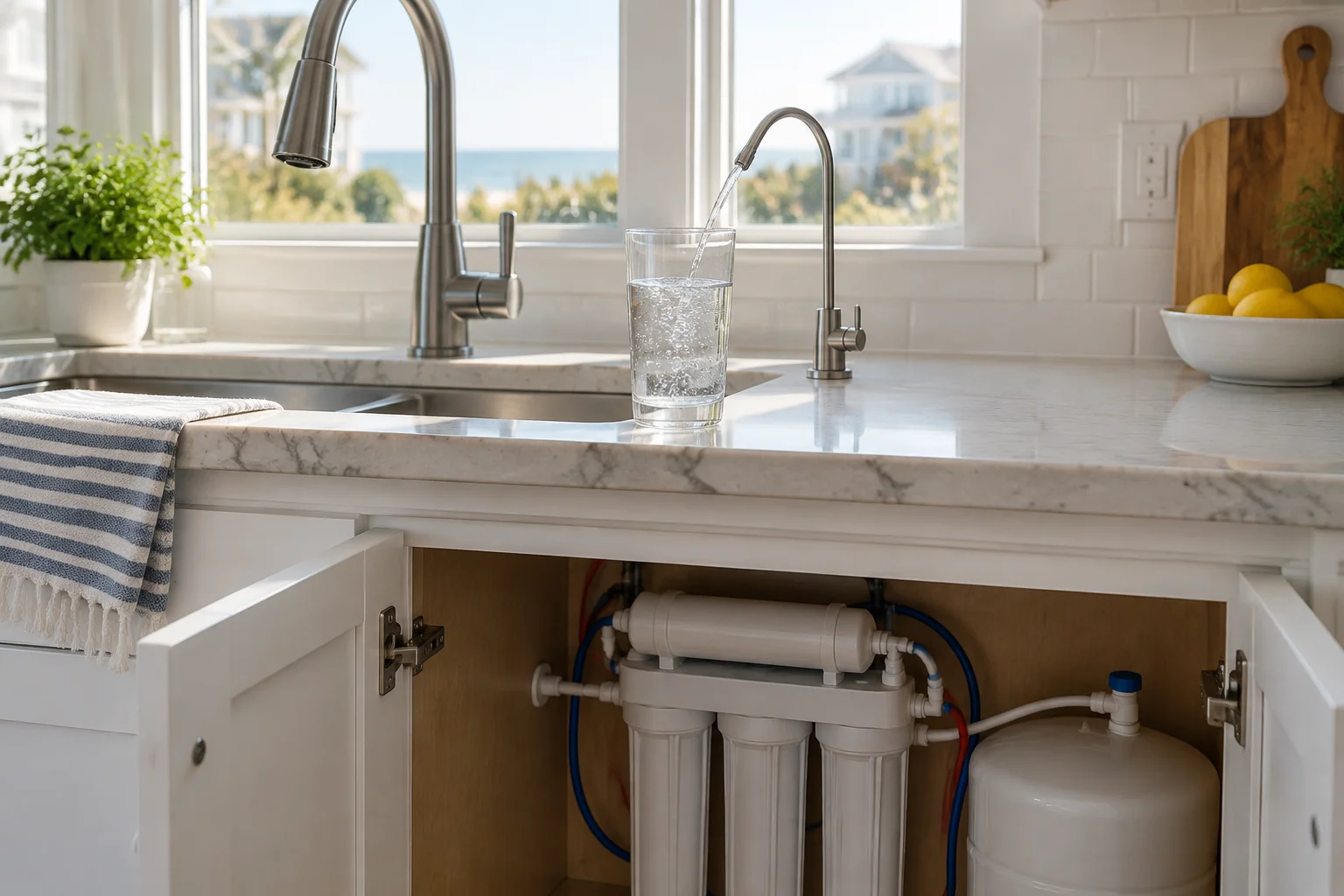
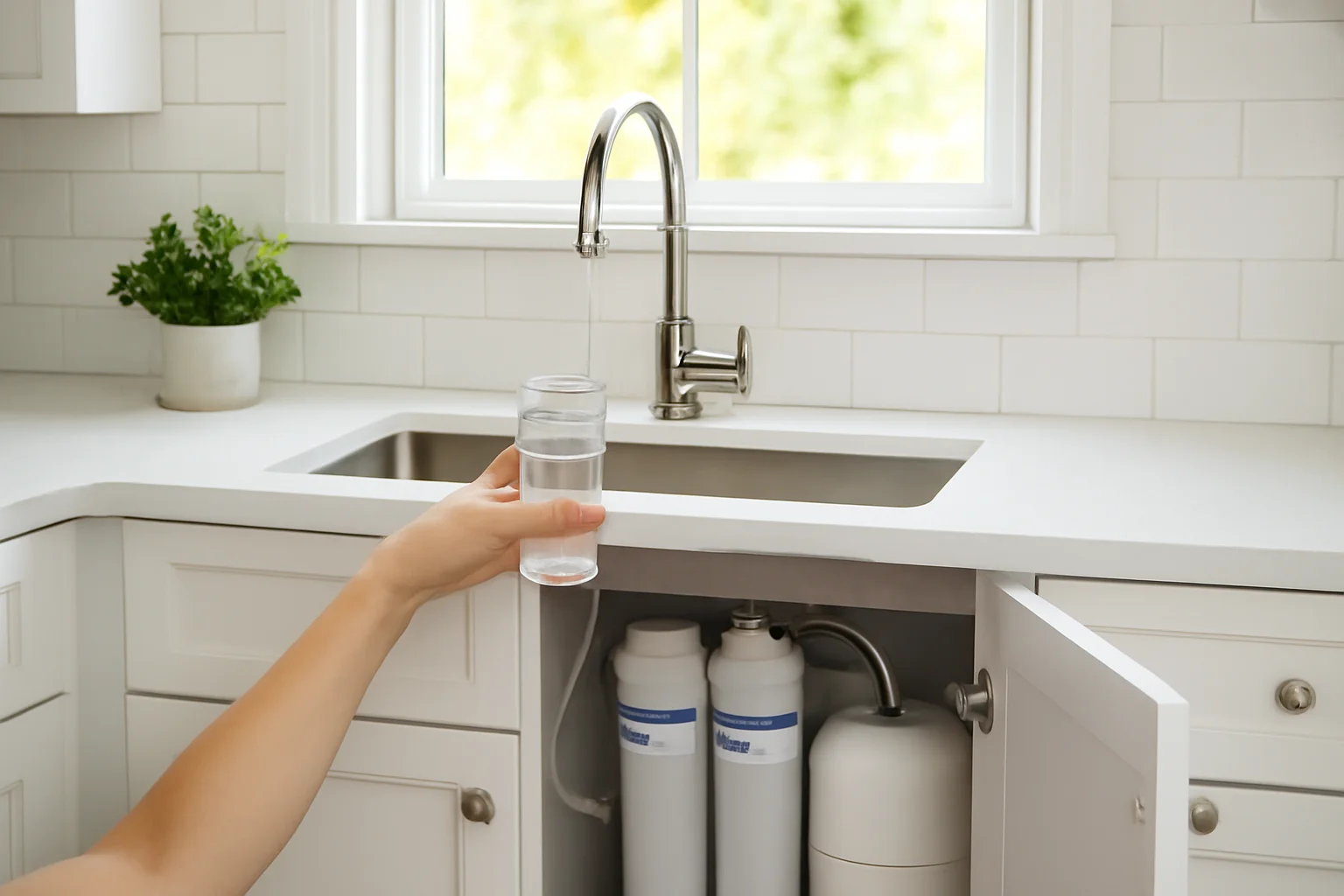
For drinking water and cooking, reverse osmosis is often a strong choice when taste, odor, and contaminant reduction are priorities. Reverse osmosis can help reduce a wide range of dissolved issues that contribute to unpleasant flavor and odor.
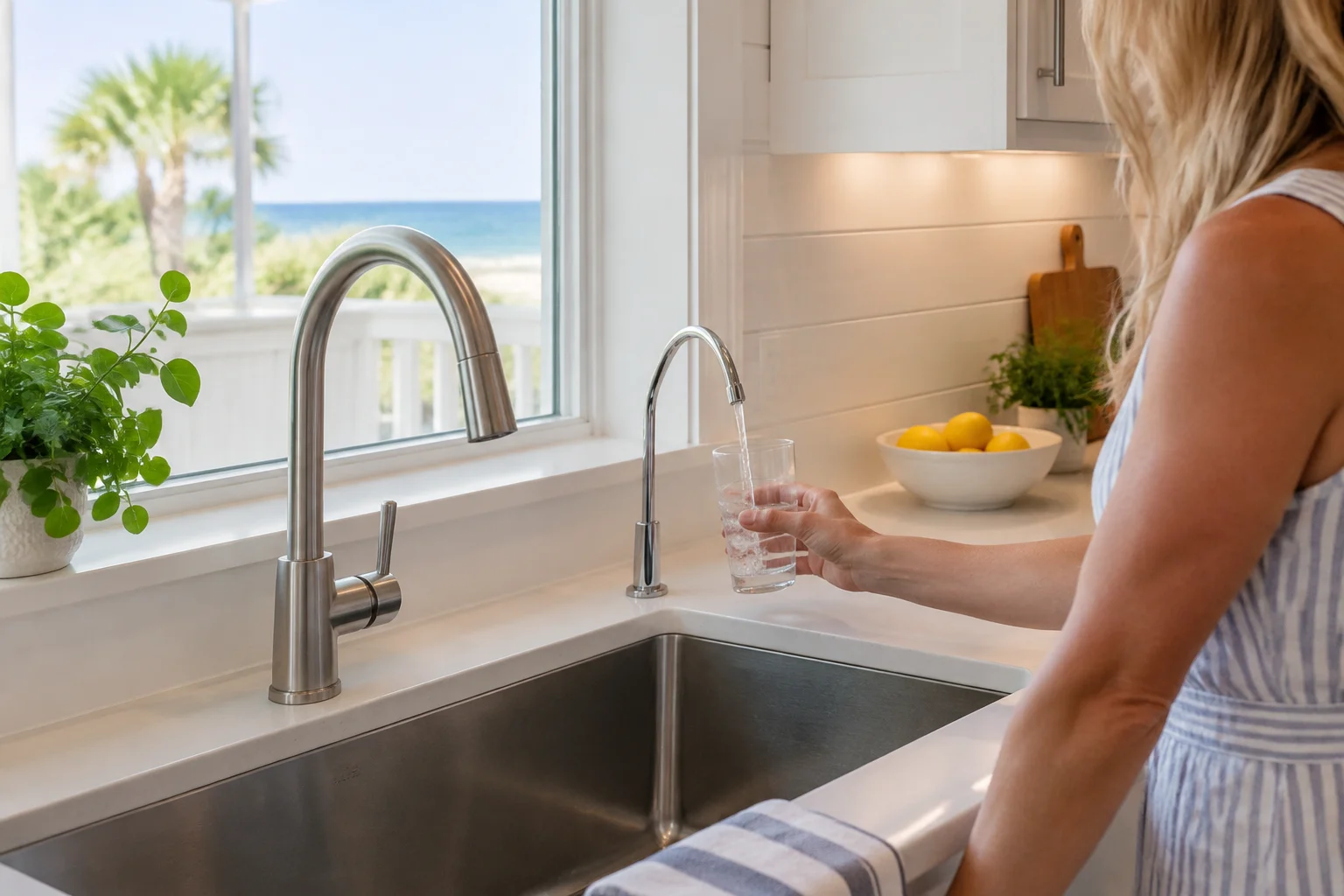
Even if you soften your water, you may still want reverse osmosis for the kitchen. That is because softening does not target every taste or odor cause. Many homeowners want better water for drinking and cooking, especially if they notice poor tasting coffee water, odd ice taste, or a chlorinated flavor.
If you are exploring options, start with the filtration landing page at /water-filtration-ro-water-softeners and talk to a local water treatment specialist about the best setup for your household.
AO Smith water filtration and clean water systems in Laguna Beach
When you search for water filtration near me, you are really looking for results you can feel. That means water that rinses cleanly, tastes better for drinking, and helps prevent scale from building where it is hardest to clean.
AO Smith water filtration systems are commonly considered because they are built for whole home and point-of-use applications, depending on your needs. A technician can help you choose the right configuration so you do not overbuy or under-treat.
For Laguna Beach homeowners, local service matters because water conditions can vary by neighborhood and household plumbing. A clean water system should match the way your home uses water, including hot water demand, laundry frequency, and the number of showers in daily routines.
Prevention and maintenance that keep warning signs from coming back
Even the best system needs maintenance to keep performance consistent. Some warning signs can return if a softener is out of adjustment, not regenerating correctly, or if filters need replacement.
Simple steps homeowners can take
- Watch for quick returns of hard water spots on dishes and glass after cleaning
- Check whether soap lathers normally and rinses without leaving residue
- Pay attention to showerhead performance and uneven spray
- Note any changes in odor or taste, especially after long periods without water use
Professional service keeps systems calibrated
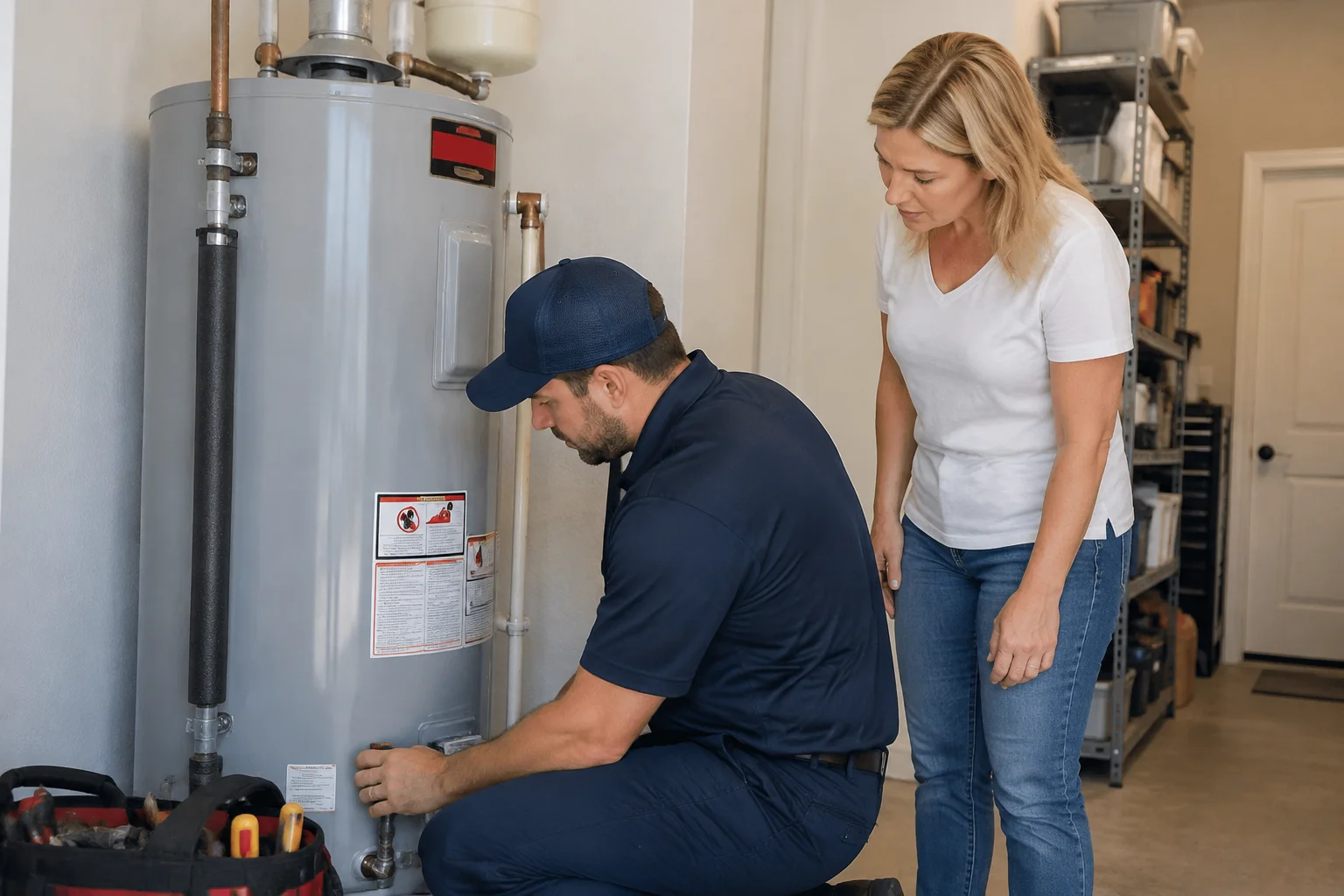
Professional water softener service typically includes checking settings, inspecting components, and confirming that regeneration and flow rates are correct. If you are seeing sediment or odor concerns, a technician may also evaluate filtration stages and assess whether sediment control is adequate.
If you want a broader look at how home systems change over time in this area, you may also find these helpful: How Pipe Replacement Changes Over Time in Laguna Beach Homes and Why Tankless Water Heater Service Matters in Laguna Beach Homes with Hard Water, Scale, and Odor Issues.
How to decide what kind of water treatment you need
Homeowners often wonder whether they should start with a water softener, add filtration, or go straight to reverse osmosis. The right answer depends on your warning signs.
Use this practical guide:
- If the main issue is scale (faucets, showerheads, glass spots, soap scum), start with water softening. It is built to reduce hardness minerals that create scale.
- If the issue includes sediment (cloudiness, particles, discoloration), add whole home water filtration to capture particles throughout the house.
- If the issue includes taste and odor (metallic or chlorinated taste, unpleasant smell, poor coffee water), consider whole home filtration for broader improvement and reverse osmosis for drinking and cooking.
- If you see multiple issues together, a combined approach is often more cost-effective than treating symptoms one by one.
For a home in Laguna Beach, it also helps to consider how your family lives with water. If you drink from the tap, make coffee daily, or rely on ice for summer gatherings, you will likely notice flavor and odor changes quickly. If you have kids, you will notice skin and hair changes during bath time.
When you need water treatment near me, choosing a local company that understands Laguna Beach conditions can make the difference between a system that looks good on paper and one that actually improves your daily routines.
When to call A Superior Mechanical for water softening and filtration
If you are seeing a pattern of warning signs, do not wait until fixtures look permanently damaged. Call a professional when you notice:
- Scale buildup on faucets and showerheads that returns quickly
- Soap does not lather or rinses poorly
- Dry skin from hard water or dull hair after bathing
- Metallic, chlorinated, or unpleasant taste
- Cloudy ice cubes, poor tasting coffee and cooking water
- Visible sediment, discoloration, or odor concerns
A Superior Mechanical can help homeowners evaluate water conditions and recommend appropriate solutions, including water softening services and filtration options such as AO Smith water filtration and reverse osmosis. If you are also exploring broader home water planning, you can browse our Laguna Beach service area for local context and coverage, plus Bay County service information when you are comparing options across the region.
For families who want dependable results, it is also smart to keep installation and system integration in mind. If you are updating plumbing, it can affect how water treatment performs. This article may help: Practical Plumbing Installation Advice for Laguna Beach Homes That Need Reliable Results.
Clean water is not just a “nice to have” in Laguna Beach. It protects what you use every day, from fixtures and appliances to skin, laundry, and the taste of the water you serve at the table.
Water softening services in Laguna Beach, FL can help reduce scale, improve soap performance, and make your home feel cleaner. Pairing softening with the right filtration approach can also address sediment, odor, and chlorine concerns for better drinking and cooking water.
Find Water Softening Services in Laguna Beach, FL
If you need Water Softening Services in Laguna Beach, FL, visit our local service page or contact A Superior Mechanical today.
For a broader look at whole-home water filtration, reverse osmosis, and water softener options, visit our water filtration, RO, and water softener page.
Map of Laguna Beach, FL
Frequently Asked Questions
Does a water softener fix bad taste and chlorine odor?
A water softener primarily reduces hardness minerals that cause scale and soap scum. If you have a metallic, chlorinated, or unpleasant taste, you may need whole home water filtration and, for drinking and cooking, reverse osmosis. A technician can recommend the right combination based on your water.
Why do I still see hard water spots even after cleaning?
Hard water minerals can redeposit quickly, especially on glass, dishes, and fixtures. If soap does not lather or rinses poorly and scale buildup on faucets returns fast, it often means your softening or filtration is not adequately controlling hardness and mineral residue.
What causes cloudy ice cubes in a home with otherwise clear water?
Cloudy ice cubes can result from dissolved minerals, sediment, or changes in water chemistry. It can also be related to air and temperature effects, but if you also notice odor or sediment in household water, filtration and softening may be part of the solution.
How do I know whether I need whole house water filtration or reverse osmosis?
Whole house water filtration is typically used to reduce sediment and improve water quality across the home. Reverse osmosis is often used for drinking and cooking water when taste, odor, and dissolved contaminants are key concerns. Many homes use both, starting with a softener for scale control and adding filtration for cleaner drinking water.
How often should a water softener be serviced in Laguna Beach?
Service schedules vary by water conditions and system type, but many homeowners benefit from periodic professional checks to ensure settings are correct, filters are performing, and regeneration is working properly. If warning signs return, it is a good time to schedule water softener service near me.
Related Articles
- Practical Plumbing Installation Advice for Laguna Beach Homes That Need Reliable Results
- Laguna Beach Water That Feels Better: A Homeowner’s Guide to Cleaner Taste, Less Scale, and Fewer Spots
- Why Tankless Water Heater Service Matters in Laguna Beach Homes with Hard Water, Scale, and Odor Issues
- How Pipe Replacement Changes Over Time in Laguna Beach Homes
Photo Gallery