Lower Grand Lagoon homes feel the difference when a VRF multi-zone system is dialed in. Multiple indoor units can deliver comfort room by room, helping manage heat and humidity without constant temperature swings. When VRF performance starts slipping, the changes are often subtle at first. That is why homeowners who want reliable air conditioning service in Lower Grand Lagoon benefit from knowing what can go wrong and which early clues matter.
This guide walks through common VRF multi-zone problem causes tied to Florida conditions, including heat, humidity, salt air exposure, airflow limits, condensate drainage concerns, thermostat behavior, and refrigerant system issues. It also covers practical preventive HVAC maintenance steps you can take between professional visits, plus when to schedule HVAC repair before the situation becomes an emergency cooling concern.
Why VRF multi-zone systems struggle in Lower Grand Lagoon’s climate
VRF multi-zone systems are designed for precise control. Instead of one big blast of air, the system coordinates refrigerant flow to multiple indoor units based on thermostat signals and zone demand. That design helps with comfort and energy use when everything is clean, balanced, and operating as intended.
Lower Grand Lagoon, Bay County, FL brings two persistent challenges: intense summer heat and high humidity. Salt air from the coastal region can add corrosion stress to outdoor components. Meanwhile, many homes in the area have ductwork that may not always be perfectly sealed or balanced, especially in older construction or homes that have been updated over time.
When airflow, drainage, or controls drift even slightly, the system may not be able to remove moisture efficiently. The result is often a “feels warmer than the set temperature” problem, lingering dampness, or uneven comfort across rooms.
Problem 1: Airflow restrictions that reduce cooling and dehumidification
VRF multi-zone systems rely on indoor units moving air across coils. If airflow drops, the indoor coil does not exchange heat and moisture as effectively. In humid Florida weather, that can show up as:
- Rooms that feel clammy even when the thermostat is set to cool
- Weak airflow from vents or indoor unit grilles
- Uneven comfort between zones
- More frequent cycling as the system tries to catch up
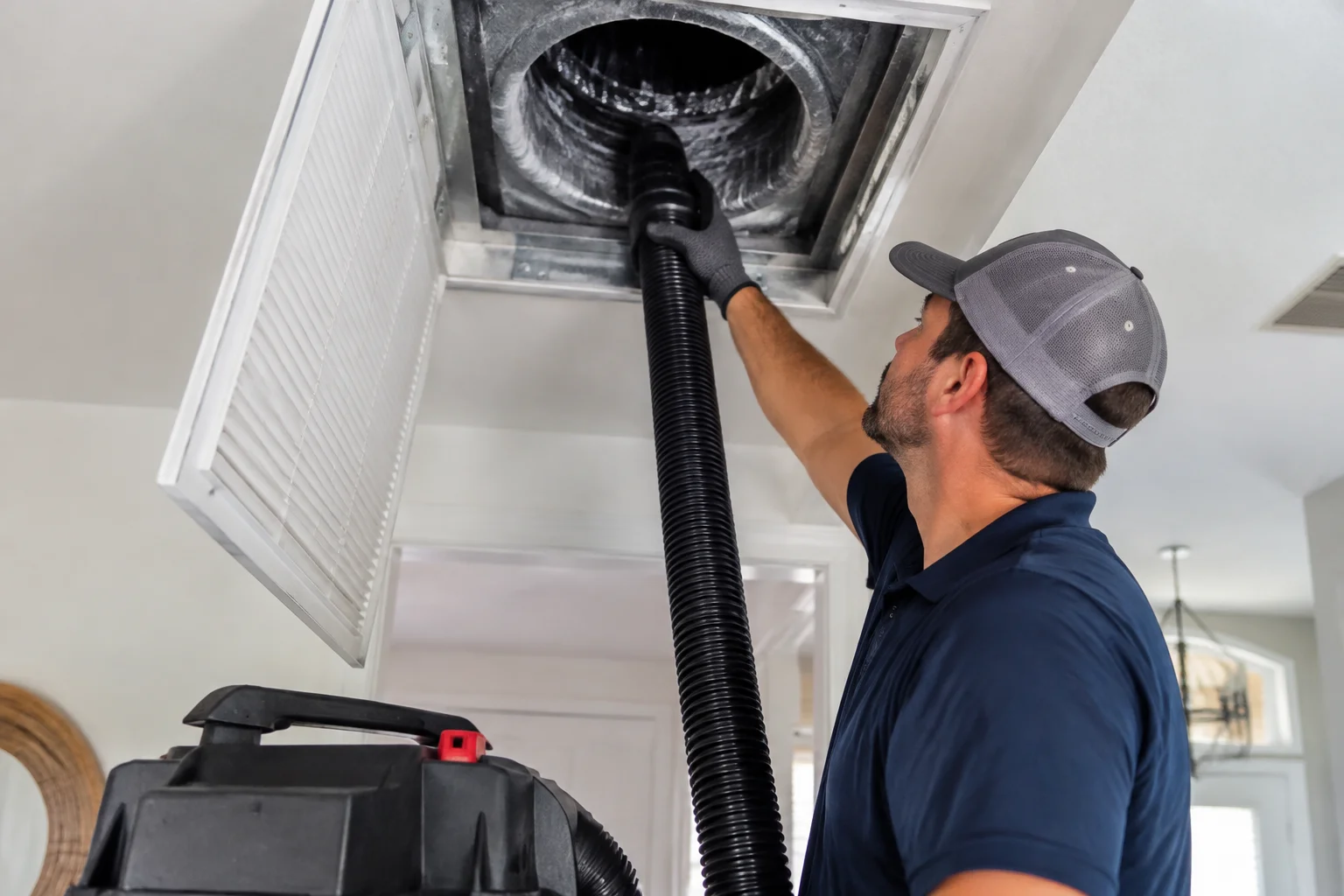
Common causes include dirty filters, blocked intake grilles, furniture or curtains placed too close to indoor units, and ductwork issues such as disconnected or poorly sealed duct sections. If your home uses ductwork to distribute conditioned air, duct sealing and balance can matter as much as the VRF units themselves.
If you are searching for duct inspection near me or duct cleaning near me, start by asking about airflow testing and verification of static pressure and supply return balance. For homes with distribution issues, this can be a major factor behind humidity complaints.
Related reading: How Lower Grand Lagoon Homes Stay Comfortable with Better Duct Sealing and Aeroseal
Problem 2: Condensate drainage problems that lead to moisture and performance issues
Cooling in humid climates creates condensate. VRF indoor units and associated drainage paths must move that condensate away reliably. If condensate drainage is slow, partially blocked, or improperly routed, you may see:
- Water staining near indoor unit locations or on nearby ceilings or walls
- A musty odor that suggests excess moisture
- Indoor humidity that stays high despite cooling
- Indoor units sounding different, vibrating, or draining inconsistently
Even if the system “cools,” poor drainage can interfere with moisture removal and can also create indoor air quality concerns. In a coastal region where humidity already runs high, small drainage problems can snowball.
A Superior Mechanical can check condensate drainage performance and confirm that indoor unit drainage is clear and correctly connected. Homeowners should not try to “fix” drainage with DIY methods inside walls or ceilings because the goal is correct diagnosis and safe correction.
Problem 3: Thermostat and control behavior that confuses zone comfort
VRF multi-zone systems coordinate heat pump style refrigerant operation to meet zone demand. Thermostats and zone controllers affect when indoor units run and how they modulate. If a thermostat is misconfigured, placed in a location that reads heat incorrectly, or experiencing sensor drift, you can get:
- Zones that never reach comfort targets
- Short cycling or repeated start-stop behavior
- Overcooling in one area while another remains too warm
- Humidity issues because the system may not run long enough in the right mode
Thermostat placement matters. A thermostat near a sunny window, a drafty doorway, or a kitchen heat source can misread the room temperature. For homeowners searching for thermostat installation near me or thermostat troubleshooting, it is smart to request a professional review of thermostat settings and how the system is responding across zones.
Note: If you suspect thermostat-related problems, a professional HVAC inspection can help determine whether the thermostat settings, indoor unit operation, or airflow is the root cause. It is not advisable to assume a control issue without confirming system behavior in person.
Problem 4: Refrigerant system issues that reduce cooling capacity or moisture control
VRF relies on refrigerant systems to move heating and cooling energy where it is needed. Refrigerant performance affects both temperature and humidity removal. When refrigerant system issues occur, homeowners may notice:
- Cooling that feels weak or delayed
- Zones that struggle to reach setpoints during peak afternoon heat
- Increased runtime without comfort improvement
- Higher indoor humidity because the system is not cooling effectively
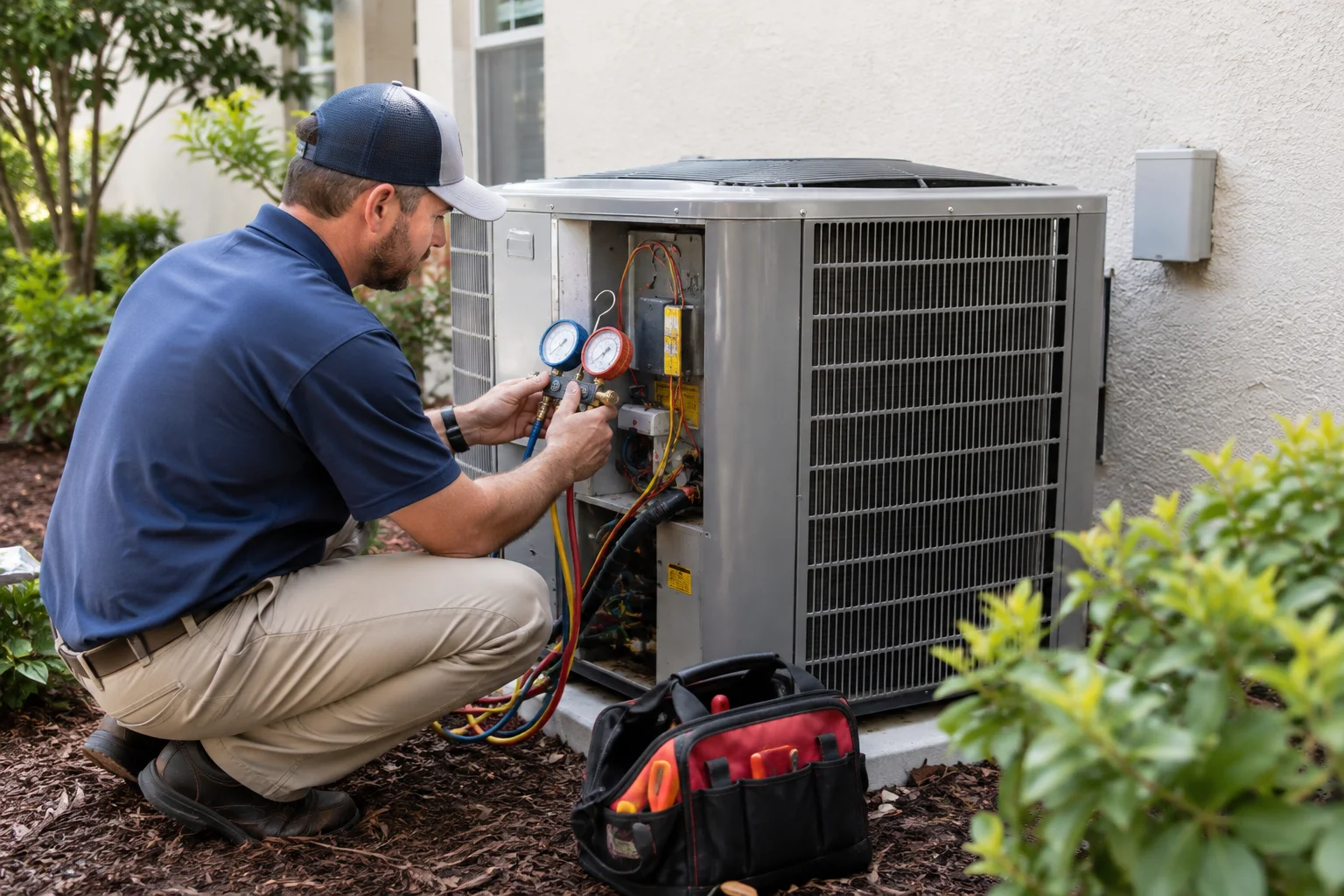
It is tempting to think you can “check refrigerant” yourself, but VRF systems require careful, system-specific evaluation. A professional should inspect the system, verify operating conditions, and determine next steps based on what is found on site. Without that, it is easy to misdiagnose the issue and waste time.
If you are dealing with air conditioning repair near me and your VRF multi-zone system is not maintaining comfort, request an on-site assessment from a licensed HVAC contractor familiar with VRF systems. VRF troubleshooting often involves understanding refrigerant flow behavior, indoor unit status, and how the system is responding to zone demand.
Problem 5: Coil and filter buildup that blocks heat exchange
In Lower Grand Lagoon, indoor air can carry dust, pollen, and other particulates. Outdoor air can also bring salt-laden moisture that contributes to buildup and corrosion stress over time. When coils and filters are not kept clean, VRF performance can degrade.
Watch for:
- Gradual loss of cooling comfort
- Higher energy use because the system runs longer to achieve the same comfort
- Odors when the system starts up
- Visible dust on return grilles or filter areas
This is where preventive HVAC maintenance matters. An HVAC contractor can clean and inspect indoor components, check outdoor airflow, and verify that the system can move heat efficiently.
If you are scheduling an AC tune up near me or a broader VRF maintenance visit, ask about coil cleaning, drainage checks, airflow verification, and indoor air quality considerations.
Problem 6: Ductwork and distribution issues that make zones feel inconsistent
Some Lower Grand Lagoon homes use VRF indoor units with ducted distribution, while others use direct indoor unit airflow. Either way, distribution problems can still create uneven comfort and humidity control issues.
Common ductwork-related contributors include:
- Leaky ducts that pull humid air into the system or reduce supply effectiveness
- Ducts that are undersized for the home’s needs
- Disconnected sections or crushed duct runs
- Return air limitations that restrict airflow and reduce dehumidification
Because VRF systems are designed to manage multiple zones, distribution problems can feel more noticeable. One room might have strong airflow, while another stays damp and warm.
If you have recurring comfort complaints, consider a Duct Inspection to look for leakage, airflow restrictions, and balance issues that can undermine VRF performance.
Related reading: A Practical Look at VRF Multi-Zone Systems for Miramar Beach Homes
Problem 7: Outdoor unit airflow limits and salt air corrosion stress
Outdoor components need unobstructed airflow to reject heat. In coastal Bay County conditions, salt air and humidity can contribute to corrosion. Over time, debris, vegetation, and coastal residue can reduce airflow and affect performance.
Early clues include:
- Higher indoor temperatures during the hottest hours
- Indoor units running longer than usual
- Visible debris or blocked airflow around the outdoor unit
- Corrosion-related deterioration on exterior surfaces
Homeowners can help by keeping the area around outdoor equipment clear of leaves and growth. However, cleaning and corrosion checks should be done carefully and professionally to avoid damaging sensitive parts.
How to catch HVAC problems early without guessing
Early detection is often about patterns. If the system is getting worse gradually, you want to notice it before it becomes a mid-summer breakdown.
Track a few comfort and performance indicators
- Humidity feel: If the home feels damp or sticky at the same thermostat settings, that is a performance clue.
- Airflow consistency: Notice if one zone has weaker airflow or different sound levels.
- Run time: If the system runs much longer to reach comfort, it can indicate airflow, coil, or refrigerant system issues.
- Odors: Musty smells can point to moisture or indoor air quality problems.
- Condensate signs: Water staining near indoor units is not normal and should be addressed promptly.
Use the thermostat like a diagnostic tool
When you change thermostat settings, pay attention to how quickly each zone responds. If one zone keeps lagging while others behave normally, the issue may be localized to that indoor unit, airflow path, or thermostat signal for that zone.
For homeowners searching for HVAC repair near me because comfort is inconsistent, having a simple timeline helps a technician. Note what you changed and what you observed, such as “Zone 2 never feels cool after 3 pm” or “Humidity feels higher in the hallway bedroom.”
Indoor air quality and humidity: why VRF performance affects more than comfort
In Lower Grand Lagoon, humidity can affect how clean and healthy indoor air feels. When cooling and dehumidification fall short, indoor air quality can suffer. Higher humidity can contribute to dust settling, musty odors, and comfort issues for people sensitive to damp environments.
If you are looking for ways to improve indoor air quality alongside VRF maintenance, consider solutions designed for the home environment, such as filtration and air purification. Explore Indoor Air Quality and Air Scrubbers to discuss options that fit your system and home.
Preventive VRF maintenance steps homeowners can do safely
You do not need to be a technician to reduce the risk of problems. A few safe, homeowner-friendly actions can support system performance and help your HVAC contractor diagnose issues faster.
- Keep indoor unit intakes and outlets clear: Do not block grilles, and avoid placing furniture or curtains directly in line with airflow.
- Check filters regularly: If your VRF indoor units have accessible filters, inspect them and clean or replace them as recommended by the manufacturer.
- Watch for moisture: If you ever see water staining or notice a damp smell, stop waiting and schedule an inspection.
- Maintain good airflow paths: For homes with ductwork, ensure vents are not blocked and returns are unobstructed.
- Schedule seasonal tune ups: Preventive HVAC maintenance before peak summer heat can reduce the odds of emergency cooling concerns.
If you are choosing a local HVAC contractor near me, look for experience with VRF multi-zone systems and a process that includes airflow, drainage, and indoor air quality considerations.
When to call a professional for VRF multi-zone troubleshooting
Some issues can wait for a scheduled appointment, but others deserve attention quickly, especially during Florida heat. Call A Superior Mechanical for an on-site evaluation if you notice:
- Persistent humidity problems that do not improve after normal thermostat adjustments
- Weak or uneven airflow across zones
- Water leaks, staining, or recurring condensate-related concerns
- Unusual noises, odors, or signs of moisture buildup
- Cooling performance that is clearly trending worse over days or weeks
During periods of extreme temperatures, comfort cannot wait. If you are facing urgent cooling needs, you can review Emergency HVAC Services for support.
Why VRF service in Lower Grand Lagoon should be local and system-specific
VRF multi-zone systems are not one-size-fits-all. A professional familiar with VRF operations can interpret zone behavior, assess airflow and drainage, and evaluate refrigerant system performance based on what they see during an on-site visit. Local knowledge also matters because Lower Grand Lagoon homes experience the combined pressure of heat, humidity, and salt air exposure.
If you are searching for residential HVAC service near me or commercial HVAC service near me and you have a VRF system, prioritize a licensed HVAC contractor with VRF-specific experience. That is the difference between a guess based on general AC troubleshooting and a focused inspection for multi-zone performance.
To explore VRF multi-zone services for Lower Grand Lagoon, visit /service-areas/bay-county/lower-grand-lagoon/vrf-multi-zone-systems-lglbc. You can also browse the broader service area overview on /service-areas/bay-county/lower-grand-lagoon and learn how A Superior Mechanical supports Bay County homeowners.
Resources that pair well with VRF comfort goals
Home comfort is more than temperature. If you are planning improvements, these topics connect closely to VRF performance, airflow, and humidity control:
- A Local Homeowner’s Guide to HVAC Financing in Lower Grand Lagoon, FL: Comfort, Airflow, Humidity, and Prevention
- Why VRF Multi-Zone Systems Deserve a Closer Look in Sandestin Homes
- New Construction Air Conditioning for homes being built or updated with modern comfort systems
What about system replacement?
When a VRF multi-zone system is nearing the end of its useful life or has repeated failures, homeowners may consider system replacement. Replacement decisions should be based on an in-person evaluation, including how well the system is managing airflow and humidity, how components have aged, and whether repairs are likely to restore reliable performance.
A Superior Mechanical can help you understand your options after an inspection. Avoid decisions driven only by one symptom. For example, weak cooling can come from airflow limits, coil buildup, control behavior, or refrigerant system performance. The correct path depends on what is actually happening in your home.
Find VRF Multi-Zone Systems in Lower Grand Lagoon, FL
If you need VRF Multi-Zone Systems in Lower Grand Lagoon, FL, visit our local service page or contact A Superior Mechanical today.
Map of Lower Grand Lagoon, FL
Frequently Asked Questions
Why does my VRF multi-zone system keep cooling but my home still feels humid in Lower Grand Lagoon?
Humidity issues can happen when airflow across indoor coils is restricted, condensate drainage is not removing moisture effectively, or the system is not operating in the right balance for each zone. An on-site air conditioning inspection can verify airflow, drainage, and zone response rather than guessing.
Could ductwork problems affect a VRF multi-zone system?
Yes. Even with VRF zoning, ductwork can limit airflow, create uneven distribution, and reduce dehumidification performance. If some rooms feel damp while others feel fine, a duct inspection can help identify distribution or balance issues.
What early signs point to condensate drainage problems with VRF indoor units?
Look for water staining near indoor units, musty odors, recurring dampness, or indoor unit behavior that seems inconsistent. Condensate drainage concerns should be inspected promptly because they can affect both comfort and indoor air quality.
Can I troubleshoot refrigerant issues myself?
No. Refrigerant system performance requires professional evaluation. If cooling is weak or worsening, schedule an on-site assessment with a licensed HVAC contractor familiar with VRF systems.
When should I use emergency HVAC services for VRF cooling concerns?
If your home is not cooling during extreme heat or you have signs of active moisture problems like leaks or water staining, it is time to seek immediate help. You can review Emergency HVAC Services for urgent support.
Related Articles
- A Local Homeowner’s Guide to HVAC Financing in Lower Grand Lagoon, FL: Comfort, Airflow, Humidity, and Prevention
- How Lower Grand Lagoon Homes Stay Comfortable with Better Duct Sealing and Aeroseal
- A Practical Look at VRF Multi-Zone Systems for Miramar Beach Homes
- Why VRF Multi-Zone Systems Deserve a Closer Look in Sandestin Homes
Photo Gallery