Commercial buildings in Santa Rosa Beach rely on HVAC systems to keep spaces comfortable for employees, customers, and guests. When something starts to slip, it is not just a nuisance. Florida heat, humidity, and salt air can stress equipment quickly, and small problems can turn into bigger ones that disrupt operations. This guide walks homeowners and property owners through practical comfort problems, what to look for, and how to plan repair decisions for commercial HVAC service in Santa Rosa Beach.
If you are searching for commercial HVAC repair in Santa Rosa Beach, start here. The goal is not to self-diagnose refrigerant or electrical issues, but to help you communicate clearly with your HVAC contractor and reduce the chance of avoidable delays.
Why Santa Rosa Beach HVAC problems often show up as comfort issues
In Santa Rosa Beach and nearby Walton County, warm temperatures and high humidity are normal parts of the climate. That combination can make comfort problems more noticeable and more frequent in commercial properties. A system that seems “mostly fine” can still struggle with humidity control, airflow balance, and condensate drainage. Those issues show up as:
- Rooms that feel warmer or cooler than expected, even when thermostats are set correctly
- Condensation on ceilings, near vents, or around indoor units
- Stuffy air, lingering odors, or inconsistent ventilation
- Higher energy use from systems running longer to reach setpoints
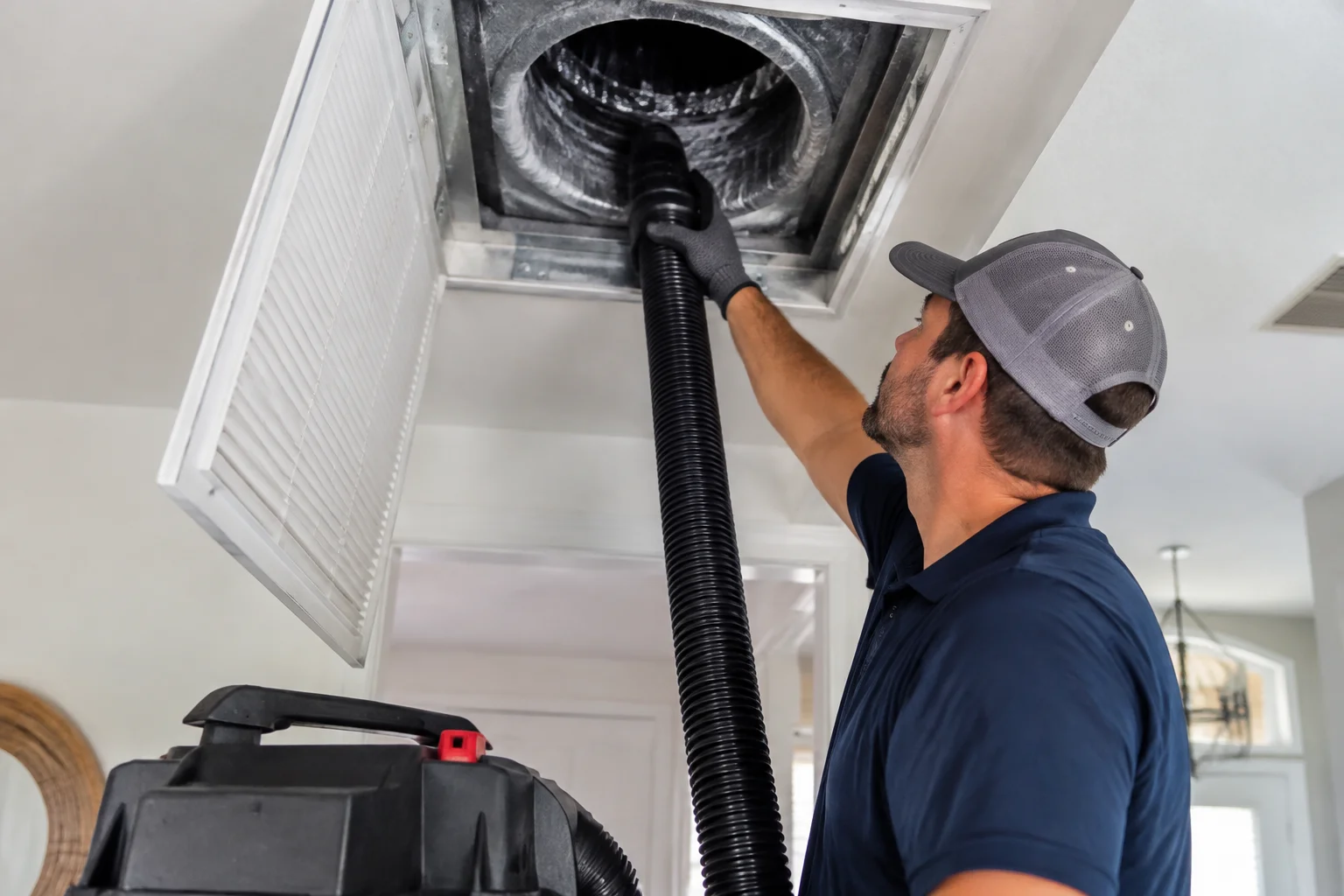
- Visible dust buildup near supply registers or on return grilles
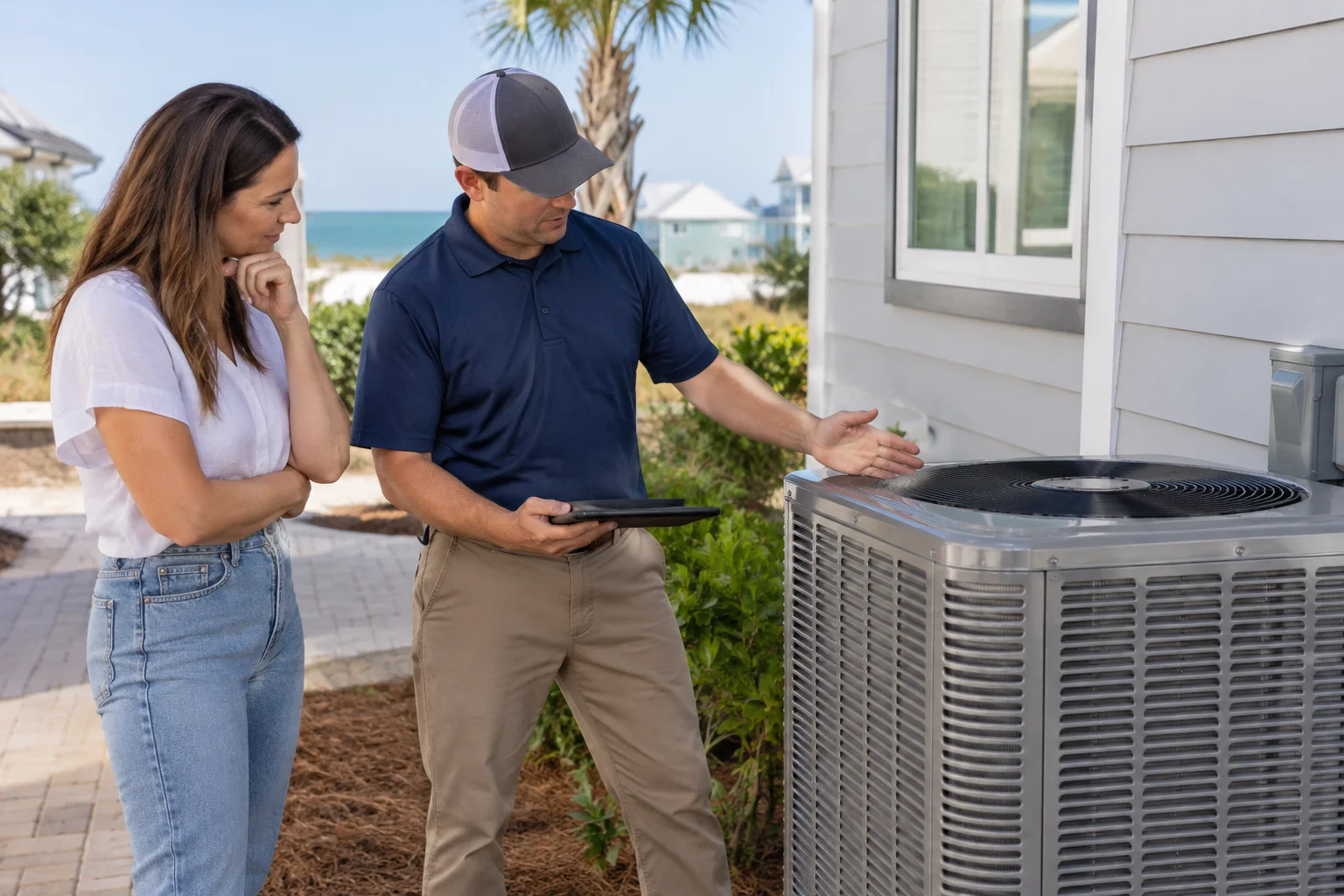
Salt air from the Gulf can also accelerate corrosion on outdoor components. Over time, that can contribute to reduced airflow, clogged coils, and degraded performance, especially for rooftop units and heat pump systems.
Common commercial HVAC comfort problems homeowners notice first
Most commercial HVAC service calls start with how the building feels. Here are the comfort clues that often point to repair needs.
Airflow problems: uneven temperatures and weak supply
Airflow is the foundation of comfort. When airflow drops, cooling and heating performance drops with it. Homeowners may notice:
- Hot spots in lobbies, hallways, or specific tenant spaces
- Vents blowing but not feeling strong
- Long run times with limited temperature change
- Return air that seems “stale” compared to supply air
Airflow issues can involve ductwork restrictions, clogged filters, failing fans, or coil buildup. They can also be connected to control settings and thermostat behavior. A professional can check airflow, verify ductwork condition, and inspect the system components responsible for moving air.
Humidity and indoor air quality concerns
In Florida humidity, comfort is not just temperature. If humidity control slips, occupants can experience discomfort, and indoor air quality can worsen. Signs include:
- Sticky feeling indoors, even when the temperature seems reasonable
- Condensate drainage problems, including water around equipment
- Excessive dust, which can be a symptom of poor filtration and airflow imbalance
- Odors that linger due to inadequate ventilation and air cleaning
Commercial systems typically use refrigerant systems and condensate drainage to remove moisture during cooling. If the coil cannot cool efficiently, or if condensate drainage is restricted, humidity control suffers. That can also increase the risk of microbial growth in areas where moisture collects. For homeowners looking for air duct cleaning or related indoor air quality services, it helps to address the HVAC cause first so cleaning does not become a temporary fix.
Condensate drainage issues
Condensate drainage is a big deal in humid climates. When drainage is slow or blocked, you may see water where it should not be. Common clues include:
- Dripping or pooling near indoor units or air handlers
- Overflow alarms (on systems that include them)
- Wet insulation or water staining
- Reduced cooling performance because moisture management is compromised
A technician can inspect the condensate drainage path, check for clogs, and confirm that the system is draining properly during cooling cycles. If you suspect drainage problems, avoid ignoring them, because moisture can damage building materials and contribute to indoor air quality issues.
Thermostat and control problems that create comfort complaints
Sometimes the issue is not the cooling or heating itself, but the way the system is controlled. Homeowners may see:
- Frequent cycling or short cycling
- Temperature setpoints that do not match what occupants feel
- Schedules that do not align with occupancy
- Zones that do not respond consistently
Commercial buildings may use advanced thermostats, scheduling controls, or zoning systems. A professional can review thermostat settings and control behavior, verify that sensors are reading correctly, and confirm that the HVAC system responds as intended.
Heat pump repair concerns
Some commercial properties use heat pumps for heating and cooling. In that case, homeowners might notice:
- Cooling feels weak during peak humidity
- Heating performance is inconsistent when temperatures shift
- Operational noise changes during heating or cooling mode
- System behavior that seems delayed or erratic
If you are searching for heat pump repair near me, it helps to prepare a timeline of when the problem started, what changed (new tenants, schedule changes, filter replacement), and what occupants report. That information helps the HVAC contractor focus on the right checks during the visit.
How to plan commercial HVAC repair before problems escalate
Homeowners and property managers can reduce downtime and confusion by planning the repair process. You do not need to diagnose refrigerant or electrical components yourself. You do need a clear plan for documentation, prioritization, and communication.
Document comfort complaints with specific details
Instead of “the AC is not working,” gather details like:
- Which areas are affected (front office, break room, specific tenant space)
- When the problem happens (morning start-up, afternoons, after rain, during high occupancy)
- What occupants feel (warm, humid, stuffy, drafts, odor)
- Whether the thermostat display changes or stays stable
- Any visible signs (water near equipment, ice on coils, unusual dust)
This makes it easier for an HVAC contractor near me to target inspection and avoid guesswork.
Review recent maintenance and filter history
Many comfort issues connect to maintenance gaps. Look for:
- When filters were last changed and what type was installed
- Any missed scheduled inspections
- Whether outdoor coils were cleaned recently (especially with salt air exposure)
- Any prior repairs and what was replaced
If you have not had preventive HVAC maintenance performed, repair planning should include an immediate maintenance check after the repair. That reduces the chance of repeat issues in the same season.
Check for obvious airflow and ventilation issues
You can do simple, non-invasive checks:
- Confirm supply and return vents are not blocked by storage or signage
- Look for doors that should be open or closed for proper airflow
- Notice whether one zone is consistently different from others
These checks do not replace professional inspection, but they can help your HVAC technician understand whether the issue is localized or system-wide.
Prepare for refrigerant system and condensate drainage inspection
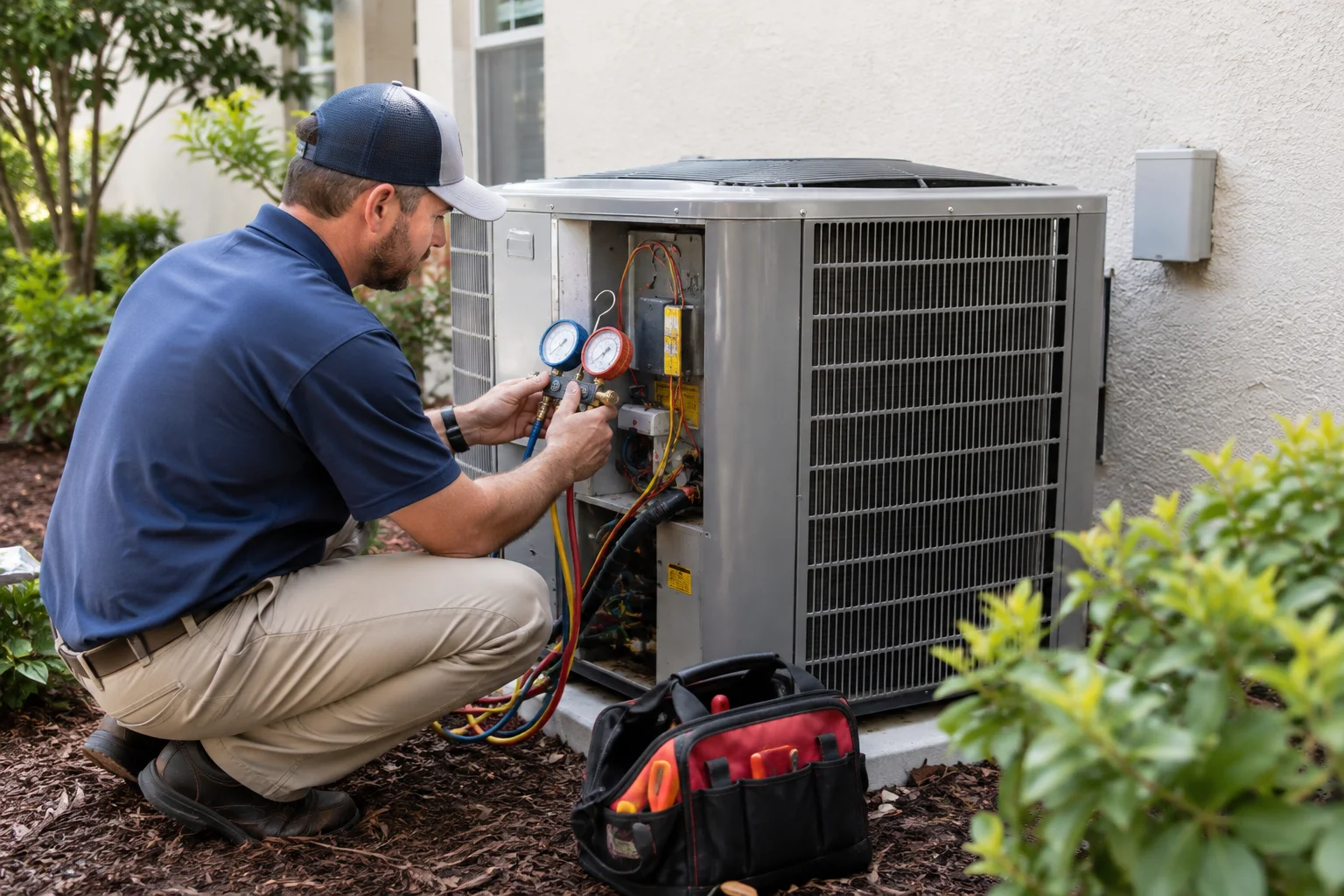
Most commercial cooling comfort problems involve the refrigerant system and coil performance, along with condensate drainage and airflow. Homeowners should understand the scope of what a professional will likely check:
- Coil condition and airflow across coils
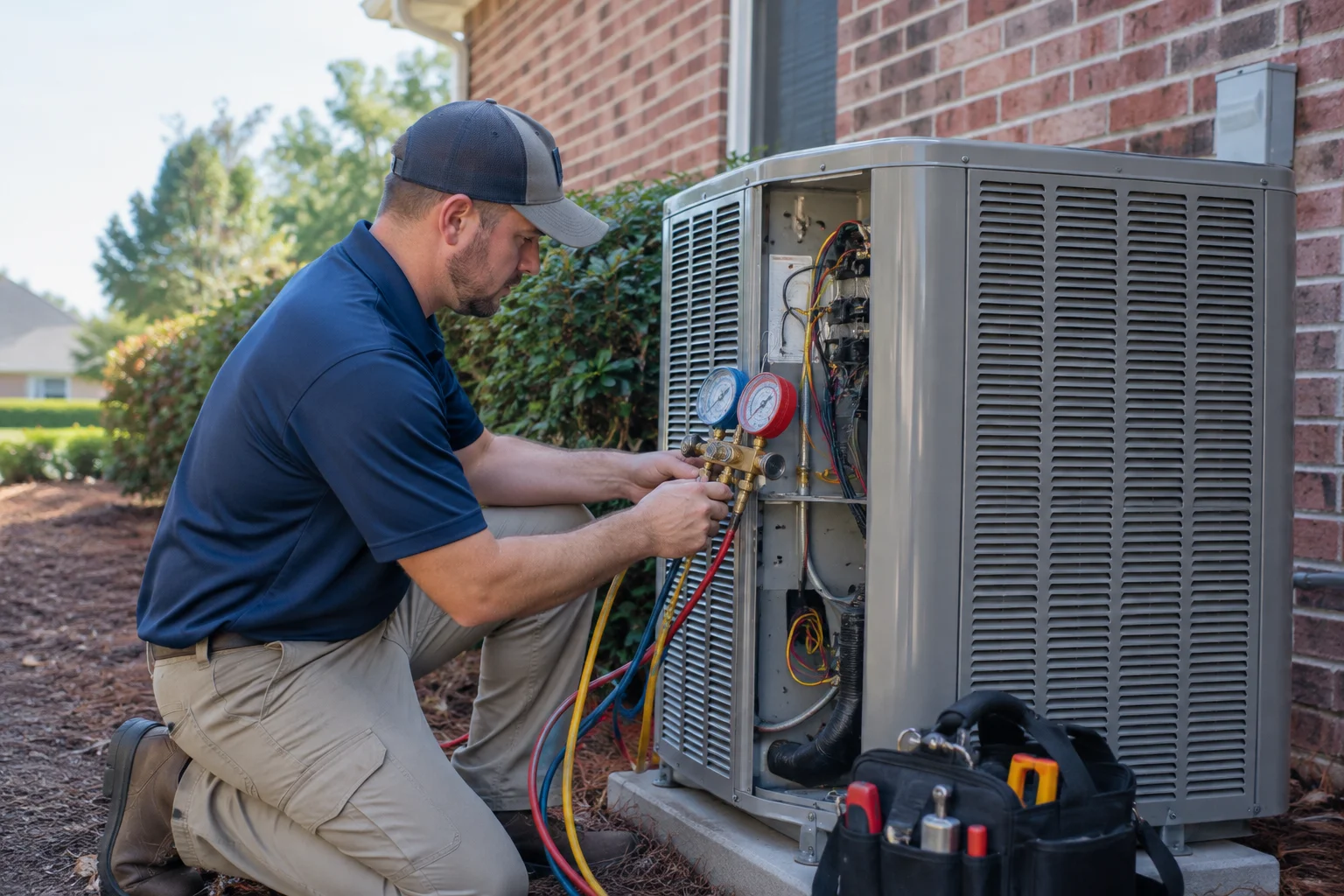
- Refrigerant system performance as part of troubleshooting, based on readings taken on site
- Condensate drainage flow during cooling
- Controls and thermostat operation during heating and cooling modes
Do not attempt refrigerant diagnosis yourself. Refrigerant handling requires proper training and equipment. A licensed HVAC technician can verify what is actually happening during operation and document findings.
What to ask your commercial HVAC contractor in Santa Rosa Beach
When you call for HVAC repair near me or commercial HVAC service near me, the best conversations start with good questions. Here are practical ones homeowners can use.
Ask how they will verify airflow and ductwork performance
Comfort issues often connect to ductwork and airflow balance. Ask whether they will:
- Check filters and verify they match the system requirements
- Inspect ductwork for restrictions or poor connections
- Evaluate airflow at supply and return points
- Confirm dampers and zoning behavior, if applicable
If ductwork concerns are part of the problem, it can also influence indoor air quality. Homeowners searching for duct cleaning near me should ask whether cleaning is recommended after the HVAC repair, not instead of it.
Ask about humidity control and condensate drainage checks
In Santa Rosa Beach’s humidity, ask how the contractor will confirm:
- Condensate drainage is clear and flowing properly
- Cooling coil performance supports moisture removal
- Indoor humidity is likely to improve after the repair
These checks relate directly to comfort and indoor air quality services.
Ask how they will communicate findings and next steps
Repair planning gets easier when you understand the process. Ask for:
- A clear explanation of what is causing the comfort problem
- Which system components are involved, including refrigerant system parts and controls
- What can be addressed immediately versus what may require scheduling
- How they will confirm the repair resolved the issue during operation
For homeowners managing multi-unit properties, it can also help to ask how they coordinate work to minimize disruption to tenants.
Preventive maintenance that reduces repair frequency in Florida humidity
Preventive HVAC maintenance near me is not just a seasonal checklist. In Santa Rosa Beach, it is a strategy to protect comfort, reduce energy use, and catch problems before they become emergency cooling concerns.
Maintenance priorities for commercial comfort
For commercial properties, effective maintenance typically includes:
- Inspection of rooftop units or heat pump components for coil and airflow issues
- Filter checks and replacement based on use and indoor air quality needs
- Verification of thermostat and control operation
- Condensate drainage inspection during cooling operation
- Review of ductwork condition and signs of restriction
- Assessing energy use patterns, such as unusually long run times
Salt air exposure makes coil maintenance and corrosion checks especially important in the Gulf area. When coils and airflow pathways are not maintained, systems can work harder, increasing energy use and wear on components.
How better maintenance supports airflow, air quality, and comfort
When maintenance is done well, systems can handle Florida humidity more effectively. That supports moisture control and helps keep indoor air quality in a better range. If you are comparing service options, you may find it useful to read Better HVAC Decisions for Property Managers and Homeowners in Santa Rosa Beach, which focuses on planning and practical tradeoffs for buildings.
Repair planning for system replacement decisions
Sometimes repair is the right move. Other times, an HVAC replacement plan becomes the smarter long-term choice, especially when comfort failures repeat or multiple components show wear.
Homeowners searching for Commercial HVAC Installation may be weighing repair versus replacement. A professional evaluation should consider factors like:
- How often the system has needed repairs recently
- Whether comfort issues continue after repairs
- Whether airflow and humidity control can be reliably restored
- How the building’s demand and occupancy schedules have changed
It is also worth considering upgrades that improve comfort control, such as Heating Control Systems for better scheduling and zone responsiveness. For humidity-heavy seasons, controls that help the system operate correctly can reduce frustration for occupants and maintenance calls.
Emergency cooling concerns: what to do during peak summer stress
Even well-maintained commercial systems can fail during peak demand. In Florida, the risk is that comfort problems become emergency cooling concerns when equipment cannot keep up. If you are dealing with a sudden loss of cooling, take these steps while waiting for professional help:
- Confirm the thermostat is set properly and that the system mode is correct
- Check for obvious shutdown indicators or tripped equipment alerts
- Reduce heat load where possible (close blinds, limit door openings, avoid adding heat-generating equipment)
- Keep occupants hydrated and move them to the most stable temperature areas
Do not attempt refrigerant handling or electrical troubleshooting. Instead, contact a reputable commercial HVAC repair provider and provide your documented comfort timeline. If you need 24/7 support, it can be helpful to choose a contractor that offers fast commercial HVAC repair that helps protect comfort, operations, and your bottom line. For Santa Rosa Beach homeowners, A Superior Mechanical serves the area through Walton County commercial HVAC repair and supports properties across Walton County.
How to prevent repeat issues after repairs
Repair planning does not end when the technician leaves. To reduce repeat comfort failures, homeowners should:
- Ask what maintenance items should be updated right away (filters, coil cleaning schedule, drain inspection)
- Request confirmation that airflow and condensate drainage are working correctly during operation
- Review thermostat schedules and occupancy settings to ensure the system runs when needed
- Plan follow-up checks if humidity or airflow complaints continue
If humidity remains a persistent issue, consider whether additional dehumidification strategies are appropriate. For some properties, Whole Home Dehumidifiers can support indoor comfort alongside HVAC performance. A professional can help you evaluate whether that fits your building’s needs and indoor air quality goals.
Local context matters: why professional service is worth it in Walton County
Commercial HVAC service in Santa Rosa Beach is not one-size-fits-all. Gulf-area humidity, salt air, and building layouts all affect how systems perform. Professional local HVAC repair matters because a contractor can:
- Recognize patterns common in Florida commercial buildings
- Inspect for airflow and condensate drainage issues that contribute to comfort complaints
- Coordinate repair planning with your operating schedule
- Help you decide whether maintenance, targeted repairs, or broader HVAC replacement planning is the best path
If you are weighing your options, you can also review Commercial HVAC Repair in Santa Rosa Beach: Problems Homeowners Should Not Brush Off and Smarter Decisions for Commercial HVAC Repair in Santa Rosa Beach. Those guides focus on practical steps that help reduce downtime and protect comfort.
When you plan commercial HVAC repair with comfort issues and repair priorities in mind, you can move faster from “something feels off” to a clear, professional solution that fits your building. That is the difference between chasing symptoms and protecting your HVAC system’s performance through Florida’s heat and humidity.
Service area: Santa Rosa Beach, Walton County, FL. Learn more at A Superior Mechanical commercial HVAC repair.
Find Commercial HVAC Repair in Santa Rosa Beach, FL
If you need Commercial HVAC Repair in Santa Rosa Beach, FL, visit our local service page or contact A Superior Mechanical today.
Map of Santa Rosa Beach, FL
Frequently Asked Questions
What comfort issues should I treat as urgent for commercial HVAC repair in Santa Rosa Beach?
If you notice a sudden loss of cooling, significant uneven temperatures across occupied areas, water from condensate drainage, or indoor air quality complaints tied to humidity, treat it as urgent. Humidity and drainage problems can worsen quickly in Florida’s heat.
Can I figure out the HVAC problem myself from thermostat settings?
You can review thermostat schedules and confirm the system mode is correct, but you should not attempt refrigerant or electrical diagnosis. A technician can verify how the controls and sensors behave during operation and check the refrigerant system and airflow components that affect comfort.
How does humidity affect commercial AC repair decisions in Walton County?
Humidity impacts both comfort and indoor air quality. If the system cannot remove moisture effectively, occupants may feel sticky or the building may develop condensation. Professionals typically check coil performance, airflow, and condensate drainage as part of troubleshooting.
Should I schedule duct cleaning before or after HVAC repairs?
Usually, HVAC repairs should come first. If ductwork is impacted by airflow problems or if humidity and filtration issues are driving dust and odors, cleaning alone may not solve the cause. Ask your contractor whether duct inspection or cleaning is recommended after the system is operating correctly.
What preventive HVAC maintenance helps reduce mid-summer breakdowns?
Regular commercial HVAC maintenance typically includes filter checks, coil and airflow inspection, condensate drainage verification, control and thermostat review, and ductwork inspection. In Santa Rosa Beach, maintenance that accounts for humidity and salt air exposure can help protect performance and reduce emergency cooling concerns.
Related Articles
- Smarter Decisions for Commercial HVAC Repair in Santa Rosa Beach
- Commercial HVAC Repair in Santa Rosa Beach: Problems Homeowners Should Not Brush Off
- Why Better HVAC Maintenance Makes New AC Installations Work Better in Santa Rosa Beach
- Better HVAC Decisions for Property Managers and Homeowners in Santa Rosa Beach
Photo Gallery