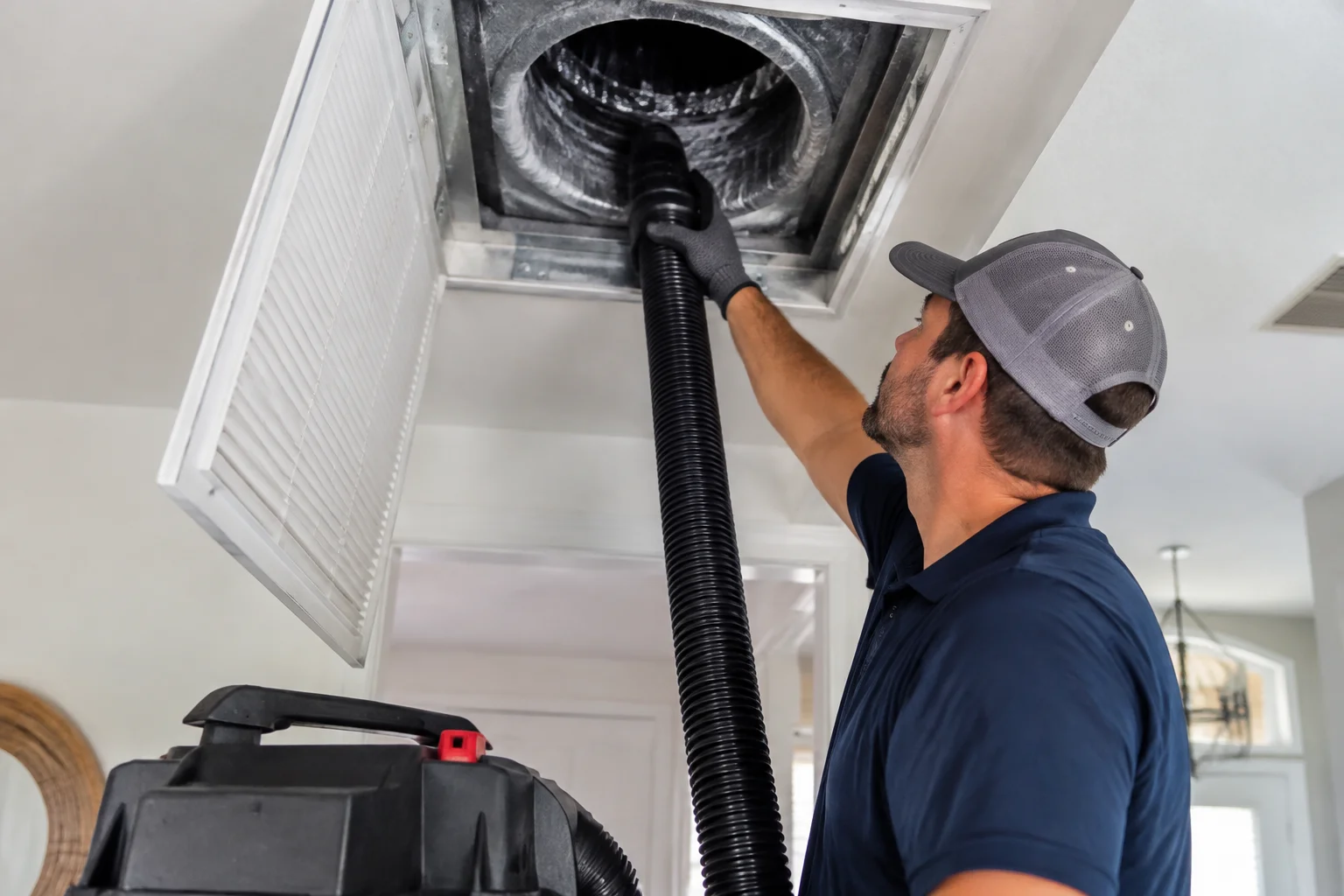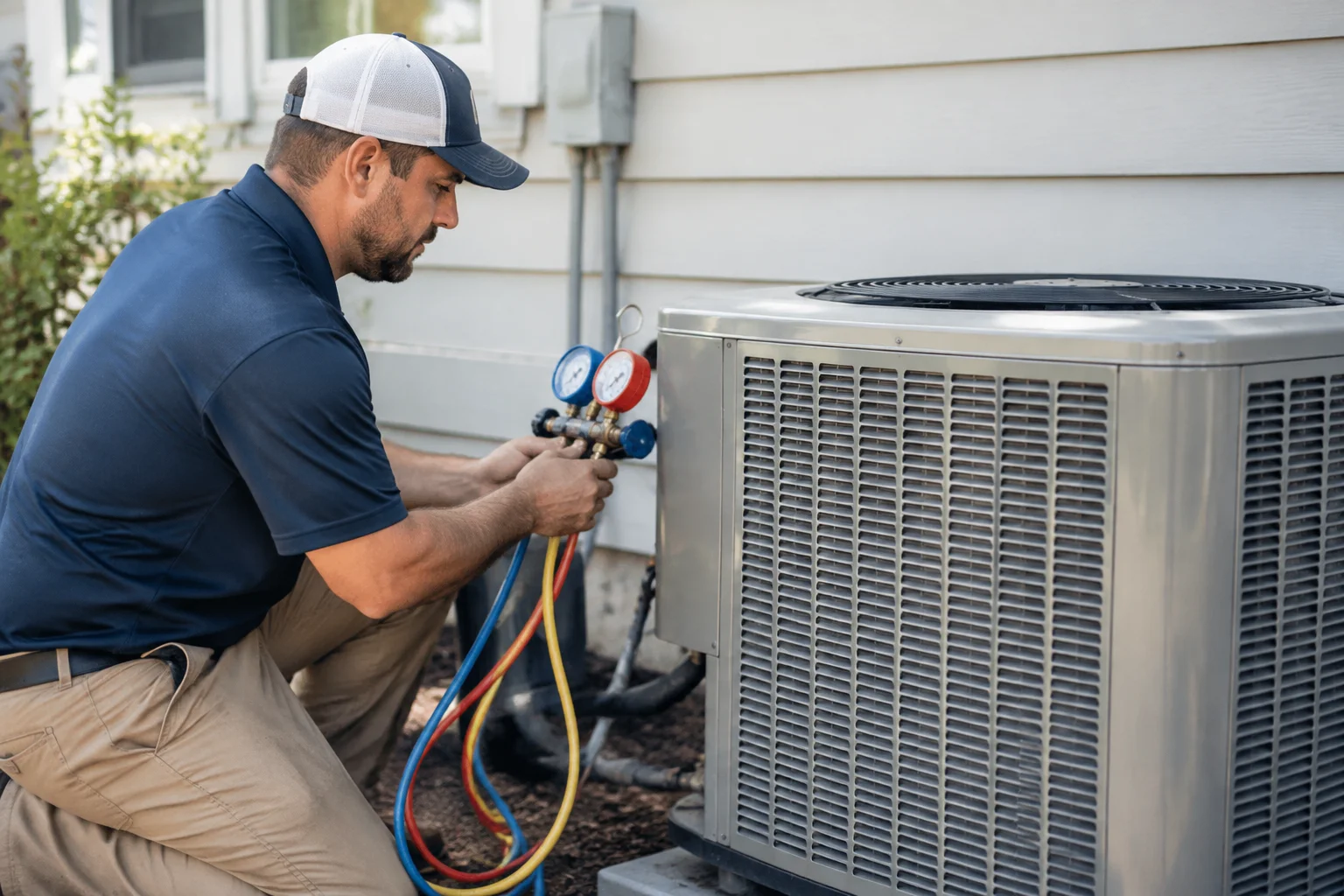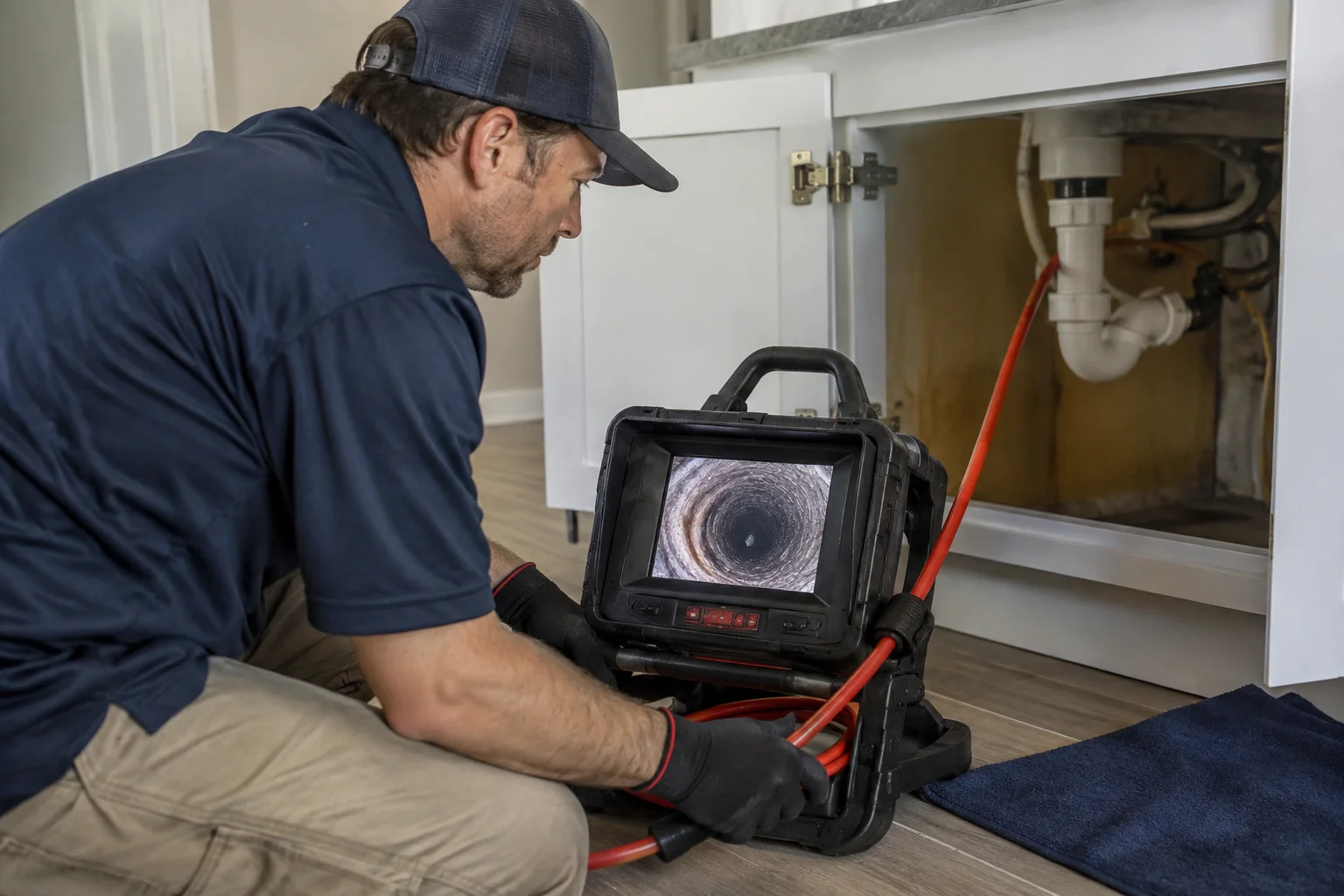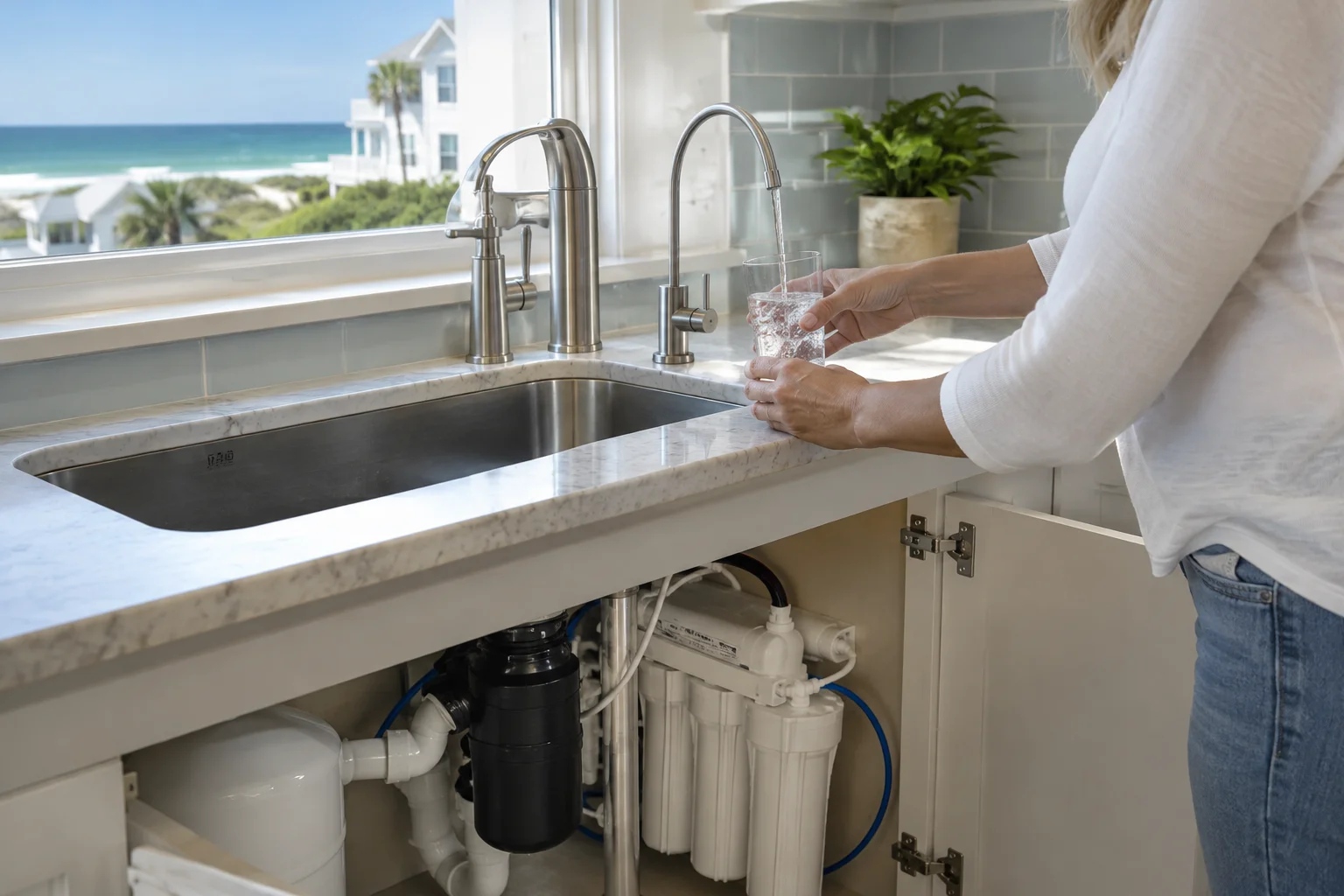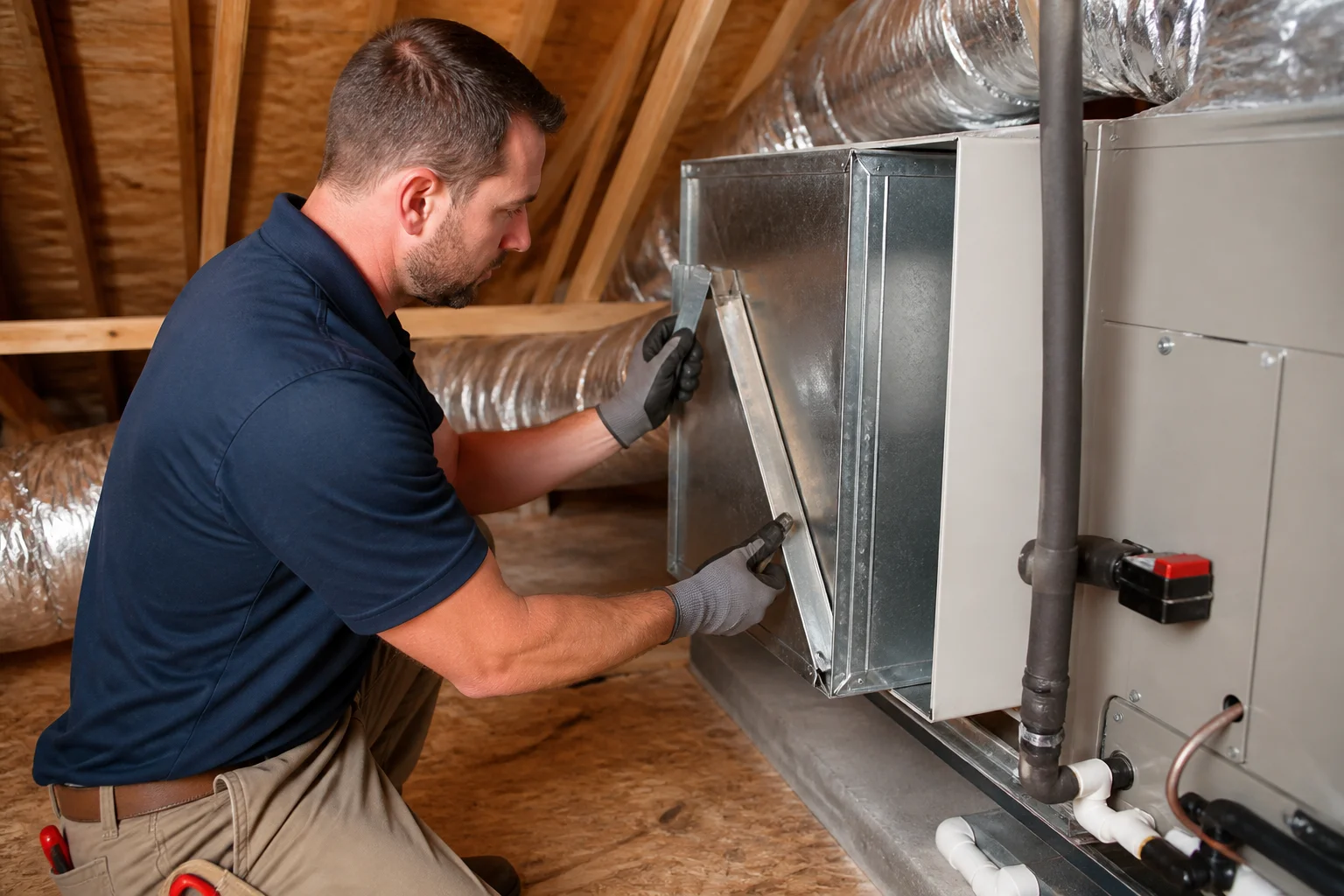
Ductwork is easy to overlook because most of it is hidden in an attic, ceiling, crawl space, or mechanical closet. Yet every bit of conditioned air produced by an air conditioner, heat pump, or furnace must travel through that system before it reaches the rooms in a home.
In Lower Grand Lagoon, duct performance is especially important. Long cooling seasons, coastal humidity, salt air, storms, and hot attic temperatures can expose weak connections and aging materials. Thoughtful duct replacement in Lower Grand Lagoon can improve airflow, comfort, humidity control, indoor air quality, and overall HVAC efficiency.
Why Coastal Homes Place Extra Demands on Ductwork
Lower Grand Lagoon homes operate air conditioning systems for much of the year. During warm weather, the evaporator coil removes heat and moisture from indoor air. The blower then pushes that cooled air through the supply ducts while return ducts bring indoor air back to the air handler.
Leaks or damaged sections interrupt this process. A supply leak in a hot attic loses cooled air before it reaches a vent. A return leak can pull hot, humid, dusty attic air into the HVAC system. Both problems increase the amount of work placed on the air handler, condenser, evaporator coil, and blower motor.
Coastal weather adds other concerns. Wind driven rain and storms can allow moisture into roof or attic spaces. Salt air may contribute to corrosion on exposed metal components, especially near outdoor units and poorly protected mechanical areas. Duct insulation can also become compressed, torn, wet, or contaminated. Once insulation has been damaged by moisture, replacement may be more practical than a surface repair.
Local construction varies considerably. Older homes may contain undersized metal ducts, deteriorated fiberglass duct board, or flexible ducts that have sagged over time. Newer homes can still have airflow problems if ducts were compressed, routed poorly, or not adjusted after construction. Remodels and additions often create trouble when a new room is connected to a system that was never designed for the extra load.
Clues That the Duct System Deserves a Closer Look
Uneven room temperatures are one of the most noticeable symptoms. A bedroom may stay warm even though the thermostat shows the correct temperature in the hallway. A living area may receive strong airflow while nearby vents barely move air. These conditions can result from crushed ducts, poor sizing, disconnected runs, closed dampers, or an inadequate return path.
Other clues include rising energy use, excessive dust around vents, musty odors, visible insulation damage, noisy ducts, and rooms that feel humid or clammy. Homeowners may also notice that the air conditioner runs for long periods without creating consistent comfort.
Humidity deserves special attention. The HVAC system needs adequate airflow across the evaporator coil to cool and dehumidify correctly. Too little airflow can contribute to coil icing and poor performance. Too much airflow may reduce moisture removal. Leaky return ducts can continuously introduce humid air, making the house feel uncomfortable even at a lower thermostat setting.
People searching for airflow balancing near me or return air duct repair near me are often dealing with symptoms that require more than a vent adjustment. A complete duct inspection can determine whether balancing, sealing, selective repair, or full replacement is the appropriate response.
Repair, Sealing, or Replacement
Not every airflow complaint calls for new ductwork. A small number of accessible leaks may be repaired with approved mastic, mechanical fasteners, and proper insulation. Systems that are structurally sound but leak at numerous joints may be candidates for professional duct sealing and Aeroseal services.
Homeowners searching for duct sealing near me should understand that sealing cannot correct every defect. It will not resize an undersized trunk, straighten badly kinked flexible duct, remove contaminated insulation, or rebuild a return system that cannot move enough air.
Replacement becomes a stronger option when ducts are extensively damaged, poorly designed, contaminated by prolonged moisture, inaccessible for reliable repair, or too small for the installed HVAC equipment. It can also make sense during a major remodel or air conditioning installation, when the equipment and distribution system can be planned together.
A professional assessment should separate duct problems from equipment problems. Weak cooling could also be caused by a dirty filter, clogged drain line, dirty evaporator coil, failing blower, thermostat issue, low refrigerant charge, or refrigerant leak. Replacing ducts will not repair the condenser or correct a mechanical failure. Accurate HVAC troubleshooting prevents money from being spent on the wrong solution.
Building a Better Replacement Plan
Start With Room by Room Needs
Good duct design is based on how much heating and cooling each room requires. Floor area matters, but it is not the only factor. Windows, ceiling height, insulation, sun exposure, occupancy, and the location of the room all affect the load. An addition with large windows may need a different amount of airflow than an interior bedroom of the same size.
A load calculation helps a licensed HVAC contractor select appropriate duct sizes and determine whether the current air conditioner or heat pump is correctly matched to the home. Oversized equipment can cool quickly without removing enough humidity, while undersized equipment may struggle during peak summer demand.
Plan Supply and Return Air Together
Supply vents deliver conditioned air, but the same air must have a practical route back to the air handler. Bedrooms with closed doors often need properly sized return ducts, transfer grilles, or another approved return air path. Without one, room pressure can rise, supply airflow can decline, and air may be pulled through gaps around doors or building cavities.
Return grilles also need enough surface area for the filter and blower requirements. A return that is too restrictive can increase noise and reduce system airflow. During replacement, the contractor should evaluate the return plenum, filter cabinet, grille size, and transitions near the air handler rather than focusing only on visible supply runs.
Choose Materials for the Installation
Metal, fiberglass duct board, and insulated flexible duct can each be appropriate when designed and installed correctly. Sheet metal offers durability and can be fabricated for trunks, plenums, and long straight runs. It must be sealed and insulated where it passes through unconditioned areas. Fiberglass duct systems provide thermal and sound control but need careful fabrication, supported connections, and protection from moisture.
Flexible duct is useful for certain branches, but it should be supported at proper intervals and pulled reasonably tight. Sharp bends, long unsupported spans, and compressed routing increase resistance. Material choice should reflect attic access, layout, local code, maintenance needs, budget, and the amount of airflow each run must carry.
Protect Against Condensation
Cold duct surfaces can collect condensation when insulation is missing or the vapor barrier is damaged. In Lower Grand Lagoon’s humid climate, even a small opening in exterior duct insulation can allow moisture to reach a cold surface. Persistent condensation may stain ceilings, wet surrounding materials, and reduce insulation performance.
Replacement ducts should have intact insulation and sealed vapor barriers. Connections at plenums, boots, and air handlers require careful attention. The condensate drain line and drain pan should also be inspected because water near the air handler is not always coming from duct condensation.
How New Ductwork Supports Comfort and Efficiency
A properly sized and sealed duct system helps deliver the airflow the equipment was designed to move. This can reduce hot and cold spots, improve thermostat response, and allow the air conditioner or heat pump to serve rooms more evenly. It may also reduce unnecessary runtime caused by conditioned air escaping into the attic.
Better ducts support energy efficiency, but homeowners should be cautious about guaranteed savings. Actual energy use depends on equipment condition, insulation, thermostat settings, occupancy, windows, weather, and utility rates. Duct replacement is most effective when it is part of a complete HVAC plan rather than an isolated upgrade.
Filters are another part of the airflow equation. A high efficiency filter or media air cleaner needs to be selected with system resistance in mind. Installing an overly restrictive filter in a small return cabinet can reduce airflow. A contractor can evaluate filtration goals, blower capacity, and indoor air quality needs before recommending a filter rack or media cabinet.
Smart thermostat installation may improve scheduling and provide useful runtime information, but a thermostat cannot overcome leaking or undersized ducts. Nest thermostats and other connected controls also need to be compatible with the heat pump, furnace, auxiliary heat, or air conditioning equipment they operate.
Duct Replacement During Remodels and HVAC Upgrades
Remodels create a useful opportunity to inspect hidden ducts before ceilings and walls are closed. Moving interior walls, converting a garage, enclosing a porch, or adding bedrooms can change both heating and cooling loads. Simply extending a nearby duct may reduce airflow to the original room and leave the new space uncomfortable.
In some additions, a dedicated ductless mini split is more practical than extending the central duct system. Mini splits can provide zoned comfort without requiring long new duct runs, but they still need correct sizing, condensate management, and routine maintenance.
Homes replacing an older central system should have duct capacity checked before choosing larger equipment. A bigger heat pump or air conditioner connected to restrictive ducts may be noisy and inefficient. Furnaces, where installed, also require airflow within the manufacturer’s specified temperature range. Homeowners considering less conventional options can discuss whether geothermal energy is suitable for the property and budget.
Prevention and Maintenance After Installation
New ductwork should still be inspected as part of regular HVAC maintenance. Attic activity, storm damage, pests, and future remodeling can disturb connections or crush flexible runs. Keep storage away from ducts and avoid hanging items from them. Roof leaks should be addressed promptly so insulation and duct materials do not remain exposed to moisture.
Replace or clean filters at the schedule recommended for the filter and household. Homes with pets, renovation dust, or high system use may need more frequent checks. Keep supply vents and return grilles open and unobstructed unless an HVAC professional has designed the system otherwise.
Outdoor maintenance matters too. Keep vegetation and debris away from condensers and heat pump outdoor units. Schedule coil cleaning and system checks as appropriate for coastal exposure. Salt residue, sand, and storm debris can affect outdoor equipment even when the indoor ducts are in good condition.
Rental owners and community managers can benefit from scheduled filter service, documented inspections, and coordinated property management HVAC services. Consistent maintenance is particularly useful during spring and summer seasonal demand, when appointment availability can tighten across Bay County.
Budgeting and Choosing Local HVAC Service
Duct replacement pricing depends on home size, number of runs, material, access, insulation requirements, equipment transitions, and whether ceilings or other finishes must be opened. A clear proposal should describe the planned materials, scope, duct sizing approach, disposal of old materials, testing, and any exclusions.
For a larger project, homeowners can review this local guide to HVAC financing in Lower Grand Lagoon before choosing payment options. The least expensive proposal is not always the best value if it leaves restrictive returns, poorly supported runs, or unsealed connections in place.
A search for HVAC near me, AC repair near me, or a licensed HVAC contractor near me should lead to more than a quick equipment quote. Local experience matters because coastal humidity, attic conditions, storm exposure, rental schedules, and regional construction practices influence duct design. A contractor familiar with Lower Grand Lagoon HVAC service can evaluate those details on site.
Situations That Need Prompt Professional Attention
Call for professional service if there is water near electrical HVAC components, smoke or a burning odor, repeated breaker trips, severe refrigerant icing, a disconnected main duct, or no cooling during dangerous heat. Turn the system off if continued operation could worsen water damage or an electrical concern.
A sudden loss of airflow does not automatically mean the ducts have failed. It may involve a blower problem, frozen evaporator coil, blocked filter, thermostat fault, condensate safety switch, or equipment failure. Emergency HVAC service should identify the cause before repairs begin.
A Superior Mechanical can inspect the air handler, ductwork, vents, filters, thermostat, drain lines, evaporator coil, outdoor condenser, and overall airflow as one connected system. That complete view helps determine whether a targeted repair, duct sealing, equipment service, or planned duct replacement will provide the most reliable result for a Lower Grand Lagoon home or business.
Find Duct Replacement in Lower Grand Lagoon, FL
If you need Duct Replacement in Lower Grand Lagoon, FL, visit our local service page or contact A Superior Mechanical today.
Map of Lower Grand Lagoon, FL
Frequently Asked Questions
How can I tell whether my ducts need replacement or only sealing?
Sealing may be appropriate when ducts are correctly sized, structurally sound, and accessible for repair. Replacement is often more practical when there is widespread damage, wet or contaminated insulation, crushed runs, poor sizing, severe deterioration, or an inadequate return air system. An airflow and duct inspection can identify the better option.
Can replacing ductwork help control humidity in a Lower Grand Lagoon home?
It can help when leaky return ducts are pulling humid attic air into the system or supply leaks are reducing delivered cooling. Correct duct sizing and airflow also support moisture removal at the evaporator coil. Humidity problems may have additional causes, so the equipment, drain system, building envelope, and thermostat settings should also be checked.
Should ductwork be replaced at the same time as an air conditioner or heat pump?
Not always, but it should be evaluated. New equipment cannot perform as intended if connected to restrictive, leaking, or poorly sized ducts. Coordinating duct improvements with AC or heat pump installation can help match airflow, equipment capacity, return air, filtration, and room comfort from the start.
Related Articles
- A Local Homeowner’s Guide to HVAC Financing in Lower Grand Lagoon, FL: Comfort, Airflow, Humidity, and Prevention
- Why Better Plumbing Maintenance Pays Off for Lower Grand Lagoon Homes
- What Lower Grand Lagoon Homeowners Should Know About Waterline Services
- Cleaner Water, Better Plumbing: Why Filtration Matters in Lower Grand Lagoon Homes
Photo Gallery