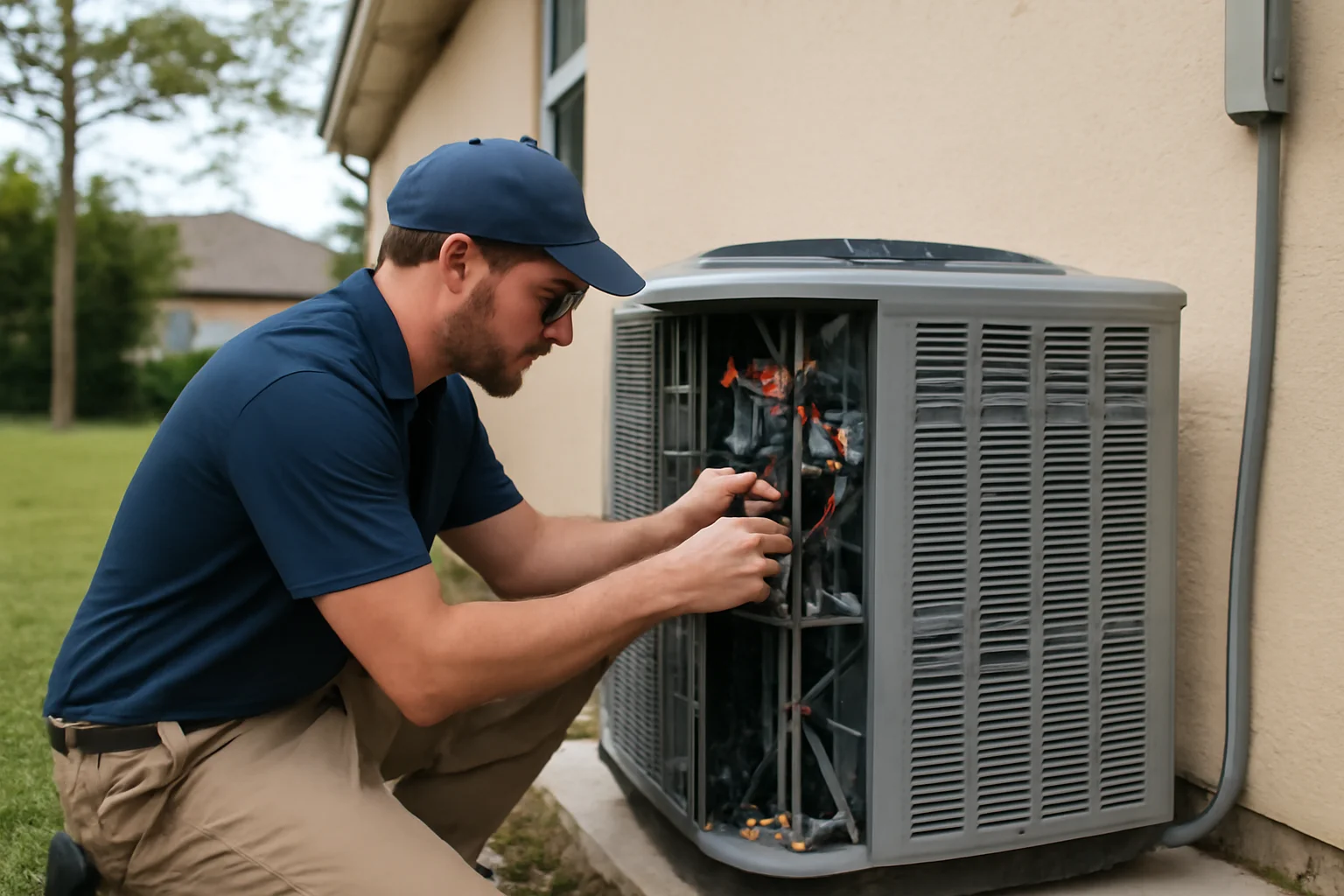
Lynn Haven, FL summers can feel relentless, and our humidity does not take a break. Even when your air conditioner seems to run “fine,” small issues with airflow, refrigerant systems, condensate drainage, ductwork, or thermostat settings can build into bigger problems. A quality air conditioning inspection in Lynn Haven, FL is one of the most practical ways to protect year round comfort, reduce emergency cooling concerns, and keep energy use under control.
This guide focuses on what homeowners can do before and during an inspection, what technicians typically look for, and why professional HVAC service matters in Bay County’s coastal climate.
Why Lynn Haven AC inspections matter more than you might think
Air conditioning service is not only about fixing what is broken. It is about finding conditions that can cause breakdowns later. Lynn Haven homes often face a combination of factors that make inspections especially important:
- Heat and humidity: High moisture loads increase strain on cooling systems and can worsen indoor air quality if airflow or condensate drainage is not right.
- Salt air and coastal exposure: Corrosion can affect outdoor coil surfaces, electrical connections, and airflow pathways over time.
- Airflow sensitivity: When ductwork is restricted or returns are blocked, the system can run longer and work harder than it should.
- Refrigerant system stress: Refrigerant systems need to operate as designed. Small problems can lead to poor cooling performance and higher wear.
Year round, the goal is dependable cooling in summer and steady comfort during milder stretches, without your system constantly cycling, freezing up, or struggling to maintain the thermostat setting.
Common AC problems homeowners can help prevent before inspection
You cannot eliminate all mechanical issues, but you can reduce the chances of a preventable breakdown. These are some of the most common conditions technicians see in Lynn Haven homes:
1) Dirty filters and restricted airflow
When filters are clogged, air has to work harder to move through your system. That can contribute to weak supply airflow, higher energy use, and discomfort in certain rooms. It can also increase strain on coils and blower components.
Before an inspection, check your filter size and condition. If it looks dark, dusty, or unevenly loaded, replacing it is a simple step that supports better airflow and better indoor air quality.
2) Blocked supply registers or return paths
Furniture, curtains, and storage bins can block vents. In some homes, return grilles get covered during renovations or by household items. That reduces airflow balance and can cause the system to short cycle.
Walk through the home and confirm supply registers and returns are unobstructed. If you have rooms that consistently feel warmer, note which areas are affected. That information helps a technician evaluate airflow patterns during the inspection.
3) Condensate drainage issues you may not notice
Air conditioners remove moisture as they cool. That moisture should drain through condensate drainage components. If drainage is slow, clogged, or improperly routed, you can see symptoms like water on ceilings, musty odors, or indoor humidity that never seems to drop.
You may not be able to diagnose the root cause yourself, but you can look for warning signs and make sure the area around the indoor unit and drain line is not blocked by debris.
4) Thermostat behavior that points to comfort problems
Sometimes the issue is not the air conditioner itself, but the thermostat settings or how the thermostat is mounted and reading temperature. Common homeowner issues include:
- Thermostat placed near sunlight, drafts, or heat sources
- Incorrect scheduling that triggers frequent cycling
- Fan settings that do not match how the system should run
If your AC seems to run constantly or never reaches the temperature you expect, write down what you are noticing. That helps an HVAC contractor evaluate whether thermostat installation and settings are contributing to the problem.
5) Ductwork leaks, damage, or poor sealing
In coastal climates, ductwork can be affected by humidity, aging materials, and installation details. Leaks can pull in humid air and reduce cooling effectiveness. Poor ductwork can also create uneven temperatures and increase energy use.
If you have ever searched for duct cleaning near me or duct repair near me, it may be worth pairing that interest with an inspection focused on airflow and duct performance. For more detail on duct-related maintenance, see Why Better HVAC Maintenance Makes Duct Inspection More Useful for Lynn Haven Homes.
What a professional air conditioning inspection typically includes
A thorough inspection is more than a quick look at the outdoor unit. A professional HVAC technician will assess system operation, airflow, and key safety and performance factors. While the exact steps can vary by system and condition, homeowners in Lynn Haven can expect an inspection to address areas like:
Airflow and system performance checks
Because comfort depends on moving the right amount of air, inspection often includes verifying airflow across the indoor unit, checking blower operation, and reviewing how the system responds to the thermostat. If airflow is weak, cooling can feel inconsistent and indoor air quality can suffer.
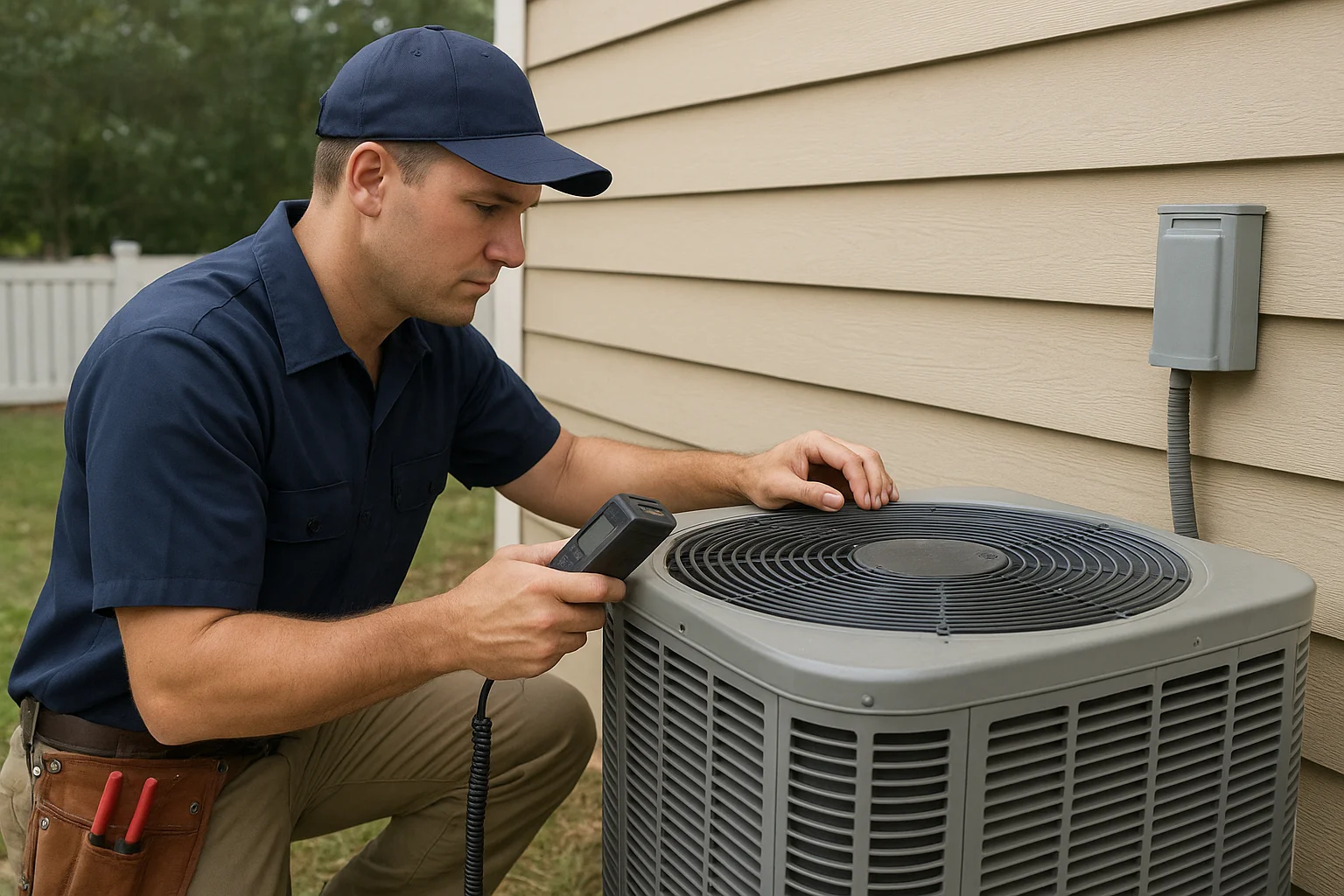
Outdoor unit assessment in Bay County’s climate
The outdoor coil and surrounding components can collect debris from the yard and the coastal environment. Technicians evaluate coil condition, airflow around the cabinet, and factors that can limit heat transfer.
If corrosion or buildup is present, it can reduce efficiency and contribute to cooling problems over time. A careful inspection helps catch these issues before they become an emergency cooling concern.
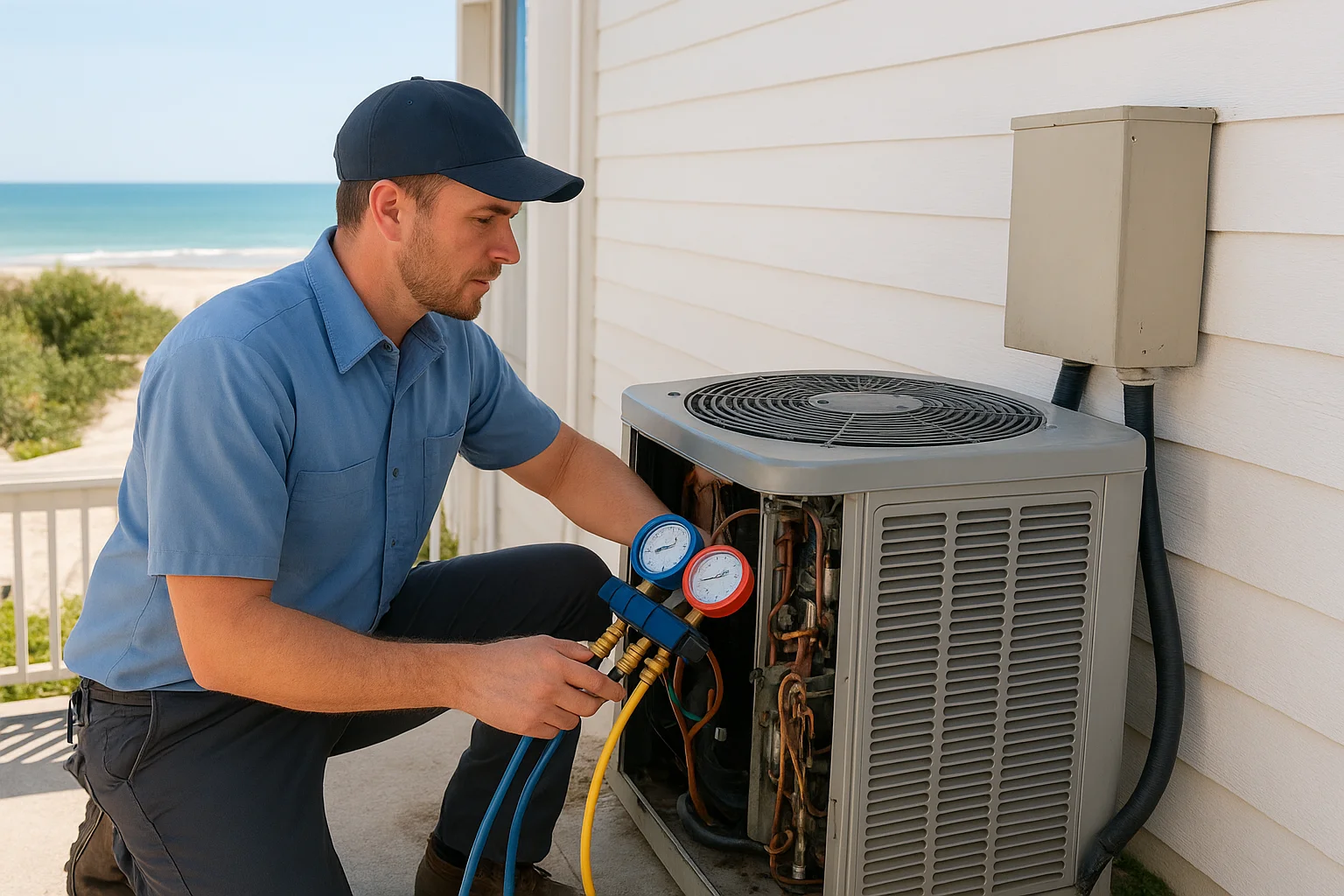
Refrigerant system considerations
Refrigerant systems must operate within design parameters for safe, effective cooling. Homeowners should know that refrigerant issues can be complex and can overlap with other causes of poor performance. A professional evaluation is needed to determine what is happening and what corrective action is appropriate.
During an inspection, a technician may review operating behavior and performance indicators. They should not guess about refrigerant diagnosis without proper testing at your home.
Condensate drainage inspection
Technicians check condensate drainage routes and related components to confirm moisture removal is working as intended. This matters for comfort and for preventing moisture-related indoor issues, especially in humidity-heavy months.
Thermostat and controls review
Inspection often includes confirming thermostat operation, fan settings, and how the system is responding to your temperature requests. If thermostat installation or settings are not helping the system run efficiently, a technician can recommend the right adjustment or thermostat installation approach.
Ductwork and indoor air quality factors
Even a well-running outdoor unit can underperform if ductwork is leaking, poorly balanced, or restricted. Inspectors may evaluate ductwork condition, airflow balance, and return pathways that influence indoor air quality.
If you are concerned about dust, odors, or humidity, it is helpful to mention it during the inspection. Indoor air quality is influenced by airflow, filtration, and moisture control, not only by “air cleaning” devices.
How to prepare your home for an AC inspection
Small preparation steps can make the inspection more accurate and help your HVAC contractor focus on the right issues.
Clear access to the indoor and outdoor units
Make sure the outdoor unit has space around it for viewing and airflow assessment. Indoors, ensure the air handler or furnace closet has clear access so the technician can inspect components and airflow pathways.
Note symptoms and timing
Write down what you have noticed. Examples that help:
- Which rooms feel warmest
- Whether the system cycles quickly or runs continuously
- Any unusual sounds or odors
- Any signs of moisture near registers, ceilings, or the indoor unit area
Include when the issue happens, such as after a rain, during peak afternoon heat, or late at night when humidity rises.
Confirm recent maintenance and filter history
Bring up what you remember about filter changes and any past repairs. Even if you do not have dates, sharing a general timeline helps a technician interpret what they see.
If you are considering ductwork work, also share whether you have ever had duct cleaning, duct repair, or duct sealing performed.
Talk about humidity and comfort goals
In Lynn Haven, humidity can affect how cold the home feels even when the thermostat says you should be comfortable. Mention if your home feels clammy, if windows fog, or if indoor humidity seems higher than expected.
Preventive HVAC maintenance that supports year round protection
Air conditioning inspection is one piece of preventive HVAC maintenance. For year round protection, homeowners typically benefit from a consistent maintenance plan that supports the entire cooling system, not just one part.
Airflow and filter management
Replacing filters on schedule helps maintain proper airflow. When airflow is stable, the system can cool effectively and reduce unnecessary strain.
Coil and drainage care
Coils and condensate drainage components are closely tied to comfort in humid coastal climates. Maintenance that addresses these areas supports indoor air quality and helps avoid moisture-related problems.
Ductwork performance checks
Ductwork inspection and maintenance can make a noticeable difference in how evenly your home cools. If you have hot spots, consider pairing HVAC maintenance with a ductwork evaluation. Homeowners who are exploring improvements often ask about duct replacement, and you can read more in Better Duct Replacement in Lynn Haven for Cooler Rooms, Lower Bills, and Longer HVAC Life.
Energy use awareness
When airflow is restricted, condensate drainage is impaired, or controls are misconfigured, energy use can rise because the system runs longer to reach the same temperature. Inspection helps connect performance symptoms to the system components that influence cooling efficiency.
How inspections reduce emergency cooling concerns
Most homeowners do not plan for an AC failure on the hottest day of the year. Yet emergency AC repair near me searches usually spike when something goes wrong and the home needs cooling immediately.
Inspection helps lower that risk by identifying problems early, such as airflow restrictions, drainage issues, or performance changes that can escalate. It also gives you a clearer picture of whether your system is trending toward replacement or whether targeted repairs and maintenance are likely to keep it stable.
If you would like to understand how emergency service is handled locally, review What Lynn Haven Homeowners Should Know About 24/7 Emergency HVAC Service.
When to call for professional air conditioning inspection in Lynn Haven
Schedule an air conditioning inspection if you notice any of the following:
- Uneven cooling or rooms that never feel comfortable
- Increased humidity or musty odors
- Long run times, frequent cycling, or temperature swings
- Water around vents, ceilings, or the indoor unit area
- Reduced airflow from supply registers
- New noises or unusual system behavior
Also consider inspection ahead of the peak summer season. That timing helps you avoid the rush when temperatures are highest and humidity is at its most challenging.
Choosing an HVAC contractor for AC inspection in Bay County
Homeowners in Lynn Haven often search for an HVAC contractor near me because they want someone dependable, local, and familiar with the climate. A Superior Mechanical focuses on professional air conditioning inspection in Lynn Haven, FL for safer operation, better efficiency, and dependable cooling in Bay County’s demanding climate.
When you compare options, look for a contractor that:
- Inspects system operation and airflow, not just the outdoor unit
- Discusses condensate drainage and indoor comfort concerns
- Explains findings in homeowner-friendly terms
- Uses an in-person evaluation approach before recommending refrigerant-related actions or any major replacement steps
If you are also planning upgrades, it helps to ask about related services. Some homeowners in Lynn Haven choose new equipment or add-ons such as Ductless Mini-Splits for specific comfort needs. Others may need Commercial HVAC Installation or new systems for new builds like New Construction Air Conditioning.
For a full view of local coverage, visit /service-areas/bay-county/lynn-haven and, when relevant, browse /service-areas/bay-county.
How to keep your system protected after the inspection
An inspection should lead to a practical plan, not vague advice. After your visit, keep these habits:
- Follow recommended maintenance intervals so airflow, coils, and drainage stay in good shape.
- Use your thermostat correctly, avoiding settings that cause constant cycling when humidity control is the real goal.
- Watch for early warning signs like rising humidity, reduced airflow, or moisture odors.
- Keep ducts and vents accessible so airflow balance is not disrupted.
If you ever need help beyond routine work, consider 24/7 Emergency HVAC Services so you have a clear path when cooling is urgent.
For homeowners ready to take preventive HVAC maintenance seriously, the best next step is scheduling a detailed inspection with A Superior Mechanical. Local, in-person assessment is the foundation for safer operation, dependable cooling, and consistent comfort through Lynn Haven’s demanding year round weather.
Find Air Conditioning Inspection in Lynn Haven, FL
If you need Air Conditioning Inspection in Lynn Haven, FL, visit our local service page or contact A Superior Mechanical today.
Map of Lynn Haven, FL
Frequently Asked Questions
How often should Lynn Haven homeowners schedule an air conditioning inspection?
Many homeowners schedule inspections as part of preventive HVAC maintenance, typically before the hottest months and again as recommended based on system age, usage, and how your home responds to cooling. A professional can suggest a frequency that matches your comfort needs and operating conditions.
What are the most common causes of poor cooling in Lynn Haven homes?
Common causes include restricted airflow from filters or ductwork, issues with condensate drainage, thermostat settings that do not match how the system runs, and performance problems related to the refrigerant system. A local HVAC inspection in Lynn Haven helps sort out which factor is most likely in your case.
Can humidity problems mean my AC needs more than a tune-up?
Humidity can be influenced by airflow, filtration, duct performance, condensate drainage, and thermostat operation. An inspection helps determine whether the system is handling moisture removal correctly or whether ductwork, indoor air quality, or other comfort factors are contributing.
Should I try to diagnose a refrigerant problem myself?
No. Refrigerant systems require careful testing and an in-person evaluation. DIY checks can miss the true cause and can create safety risks. If cooling performance is off, schedule an air conditioning inspection with a qualified HVAC contractor.
How does ductwork affect air conditioning inspection results?
Ductwork influences airflow balance and can affect how well the system cools and controls humidity. During an inspection, technicians often look at airflow pathways and duct performance so the system can deliver comfort consistently across the home.
Related Articles
- A Smarter Way to Approach Air Conditioning Inspection in Lynn Haven, FL
- Why Better HVAC Maintenance Makes Duct Inspection More Useful for Lynn Haven Homes
- What Lynn Haven Homeowners Should Know About 24/7 Emergency HVAC Service
- Better Duct Replacement in Lynn Haven for Cooler Rooms, Lower Bills, and Longer HVAC Life
Photo Gallery