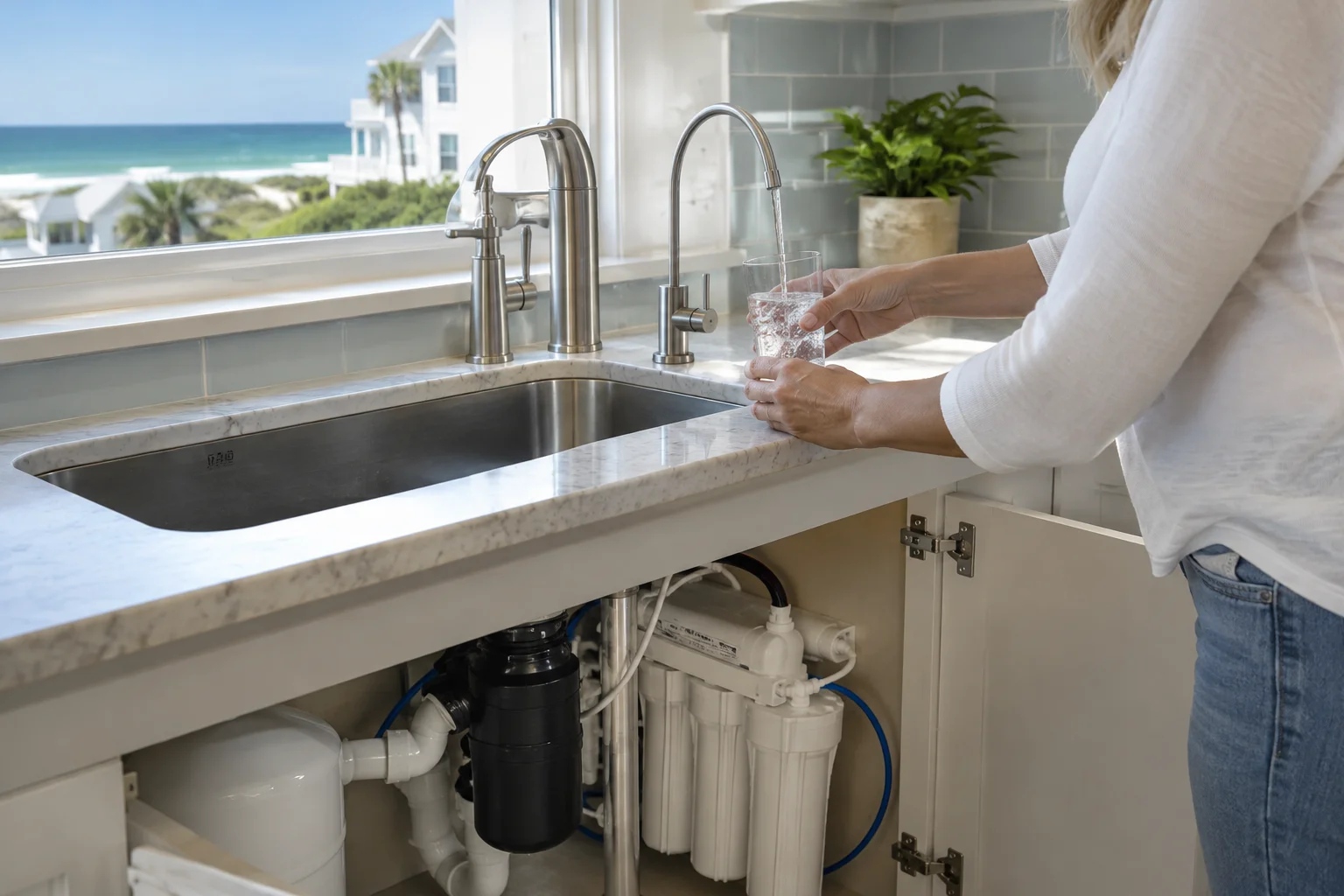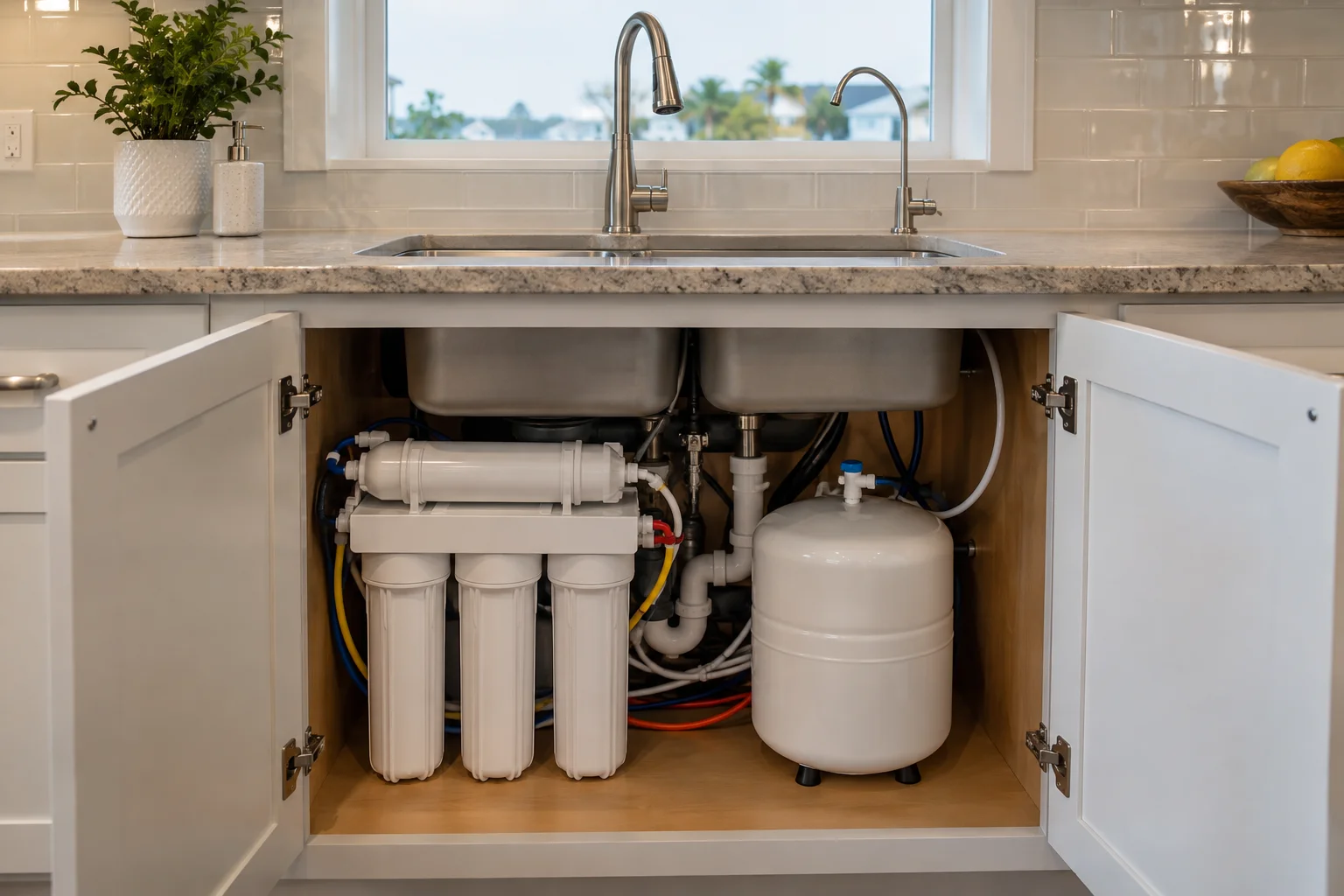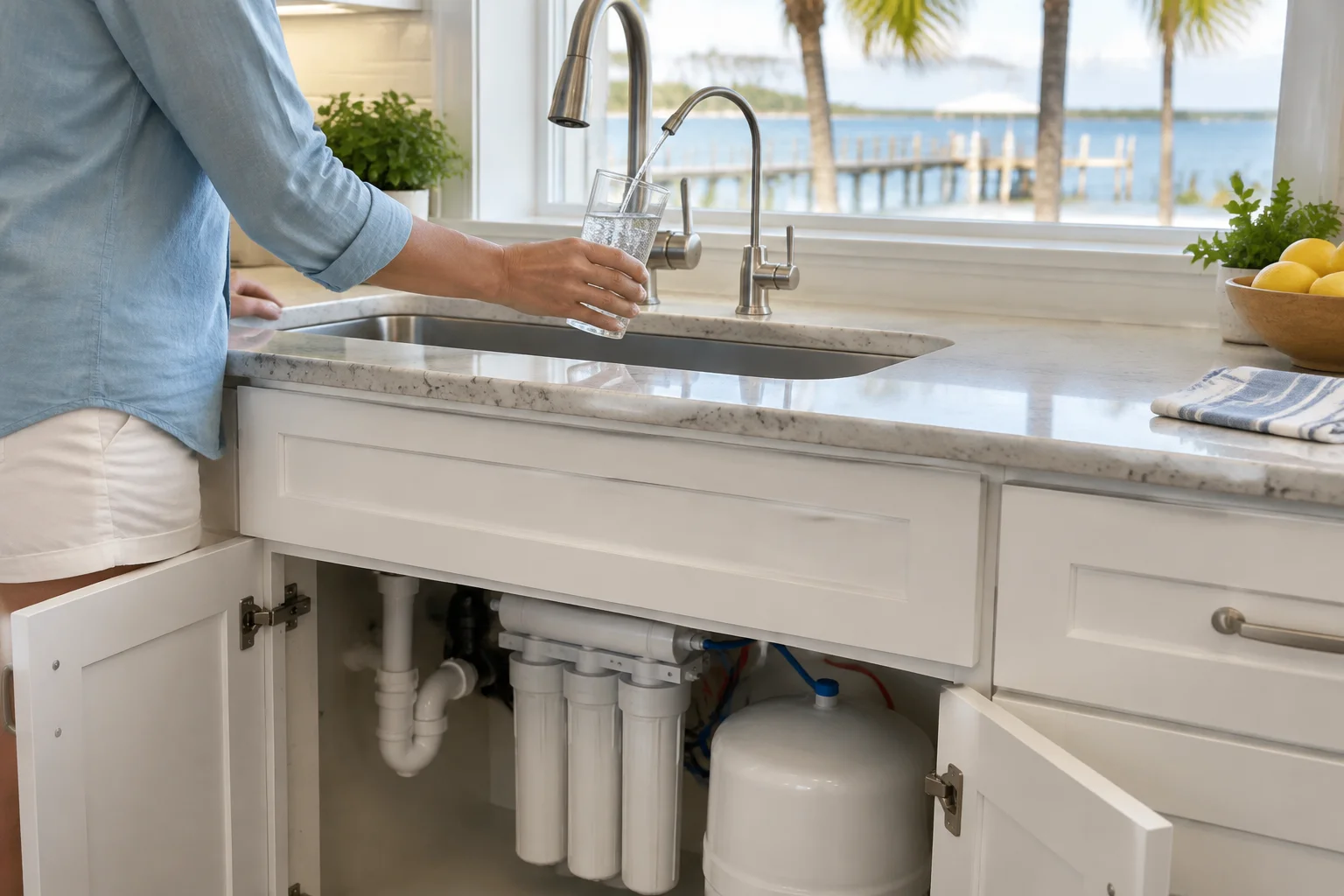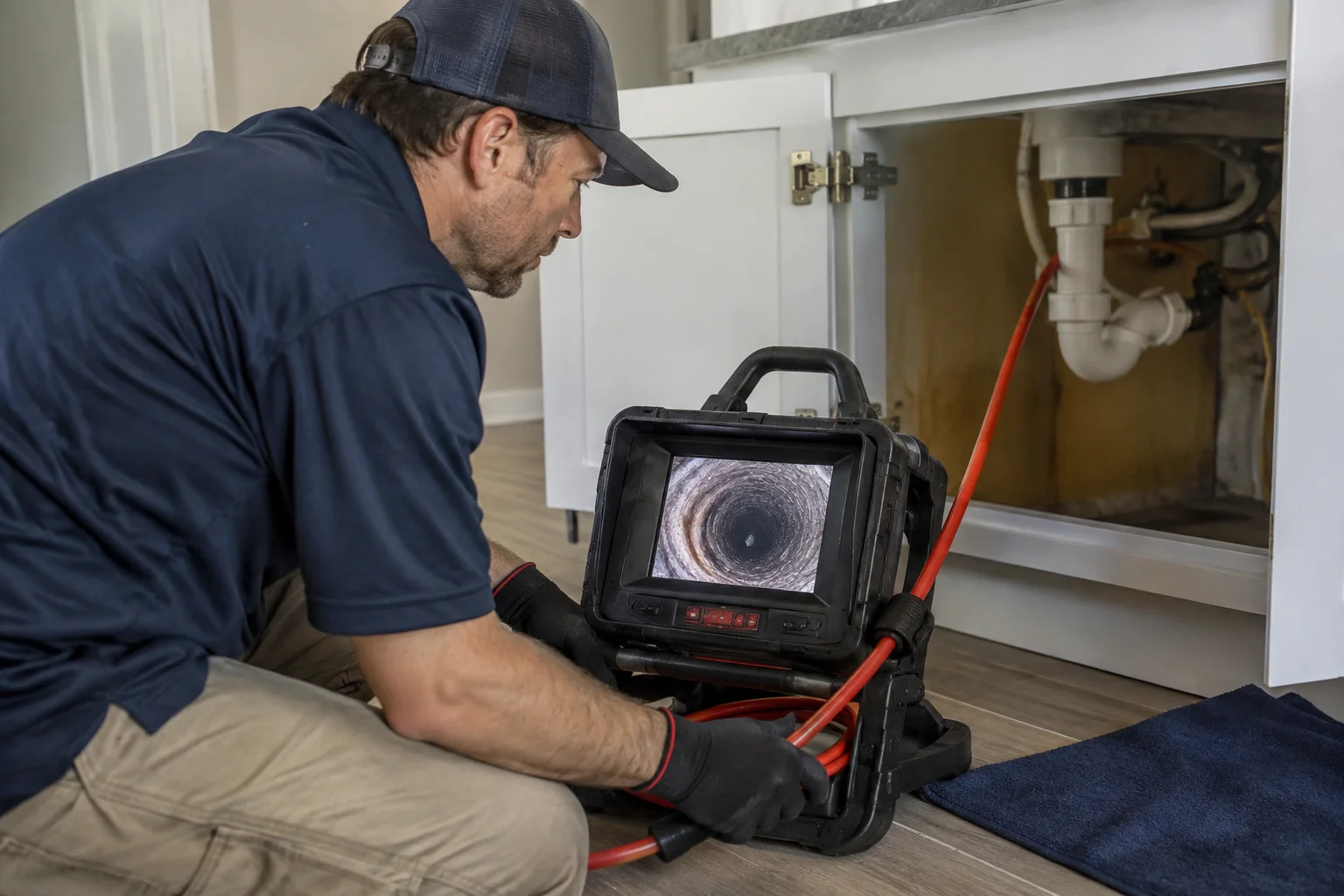
Pretty Bayou families rely on clean water for everyday moments: filling a glass for the kids, making coffee in the morning, rinsing shampoo from hair after a beach day, and cleaning up after dinner. A reverse osmosis system can deliver better tasting drinking water and improve water quality for cooking, but it is not immune to local water chemistry and household habits. If your RO starts acting up, the cause is often something happening upstream, like scale buildup, chlorine exposure, or sediment that wears down filters and membranes.
This guide breaks down the most common problems that affect reverse osmosis systems in Pretty Bayou, FL, and what homeowners can do to reduce scale and protect appliance life. If you are searching for reverse osmosis systems in Pretty Bayou, or simply want to understand what is going wrong before you schedule service, read on.
Why reverse osmosis systems struggle with local water conditions
Reverse osmosis works by pushing water through a semi-permeable membrane. That membrane is the heart of the system. It rejects contaminants and leaves you with cleaner water for drinking and cooking. But the membrane also has to deal with what is already in your tap water. In coastal Bay County, Florida, many homes see a mix of water hardness, mineral content, and water chemistry that can change seasonally. Add in plumbing age, household demand, and how the system is maintained, and problems can build over time.
When homeowners notice hard water spots on glass, dishes, and fixtures or scale buildup around faucets and showerheads, those same minerals can also contribute to RO stress. Scale does not just affect appearance. It can coat the membrane, reduce flow, and increase the frequency of filter changes. It can also make water feel harsher on skin, contributing to dry skin or dull hair after bathing.
Common causes of RO problems in Pretty Bayou homes
1) Scale buildup from hard water minerals
Hard water contains minerals, commonly calcium and magnesium. In a typical RO setup, the pre-filters remove sediment and the system uses pressure to separate dissolved contaminants. However, when hardness is high, minerals can concentrate and form scale on the membrane surface. Over time, this can lead to:
- Reduced production rate, so the drinking water tank refills more slowly
- Higher wastewater discharge because the system struggles to push water through
- Water that tastes off even after filter changes
- Clogging that causes the system to cycle differently
If you already see scale buildup on faucets and showerheads, that is a clue. The same mineral tendency that leaves white spots and rough, chalky residue can also shorten membrane life. This is one reason homeowners consider water softening or a whole house approach, not just replacing RO parts.
2) Chlorine taste in water and disinfectant exposure
Many municipal systems use chlorine or chloramine to control microbial growth. Reverse osmosis membranes can be sensitive to oxidants. Even if your system has a carbon stage, improper filter sizing, delayed maintenance, or an aging pre-treatment setup can allow chlorine-related compounds to impact the membrane. Homeowners may notice:
- Chlorinated or unpleasant taste in drinking water
- Membrane performance dropping faster than expected
- Water quality that improves briefly after a filter change, then declines again
When you are troubleshooting RO, it helps to know that the system is only as protected as its pre-filtration and carbon stages. If the carbon is exhausted, chlorine taste can slip through and affect both taste and RO longevity.
3) Sediment in household water and clogged pre-filters
Even if your water looks clear at the tap, sediment in household water can show up in other ways. You might see visible sediment, discoloration, and odor concerns in certain fixtures, or you may notice cloudy output from filters. Sediment can clog the sediment filter and strain the RO membrane. Signs include:
- Frequent filter changes that do not seem to fix the problem
- Reduced water flow to the RO faucet
- Cloudiness that improves after maintenance but returns quickly
This is especially relevant for homes with older plumbing, recent construction activity, or seasonal changes in water flow. Pre-filters catch what the RO membrane should not have to handle.
4) Cloudy ice cubes and poor-tasting cooking water
Some homeowners think cloudy ice cubes are just a freezer issue, but water quality can be involved. If your RO output is not stable, you may notice cloudy ice cubes or ice that clears slowly. Taste problems can show up in daily routines too:
- Poor tasting coffee and cooking water
- Water that tastes metallic or “off”
- Cooking results that seem inconsistent, like tea that tastes flat
A properly functioning RO system should support better water for drinking and cooking. When it does not, the cause may be membrane fouling, exhausted carbon, or an upstream water issue that needs treatment beyond filter replacement.
5) Appliance wear and tear from hard water and scale
RO is often installed for drinking and cooking, but the rest of your home still uses your incoming water for showers, laundry, and appliances. When hardness and scale are present, you may see:
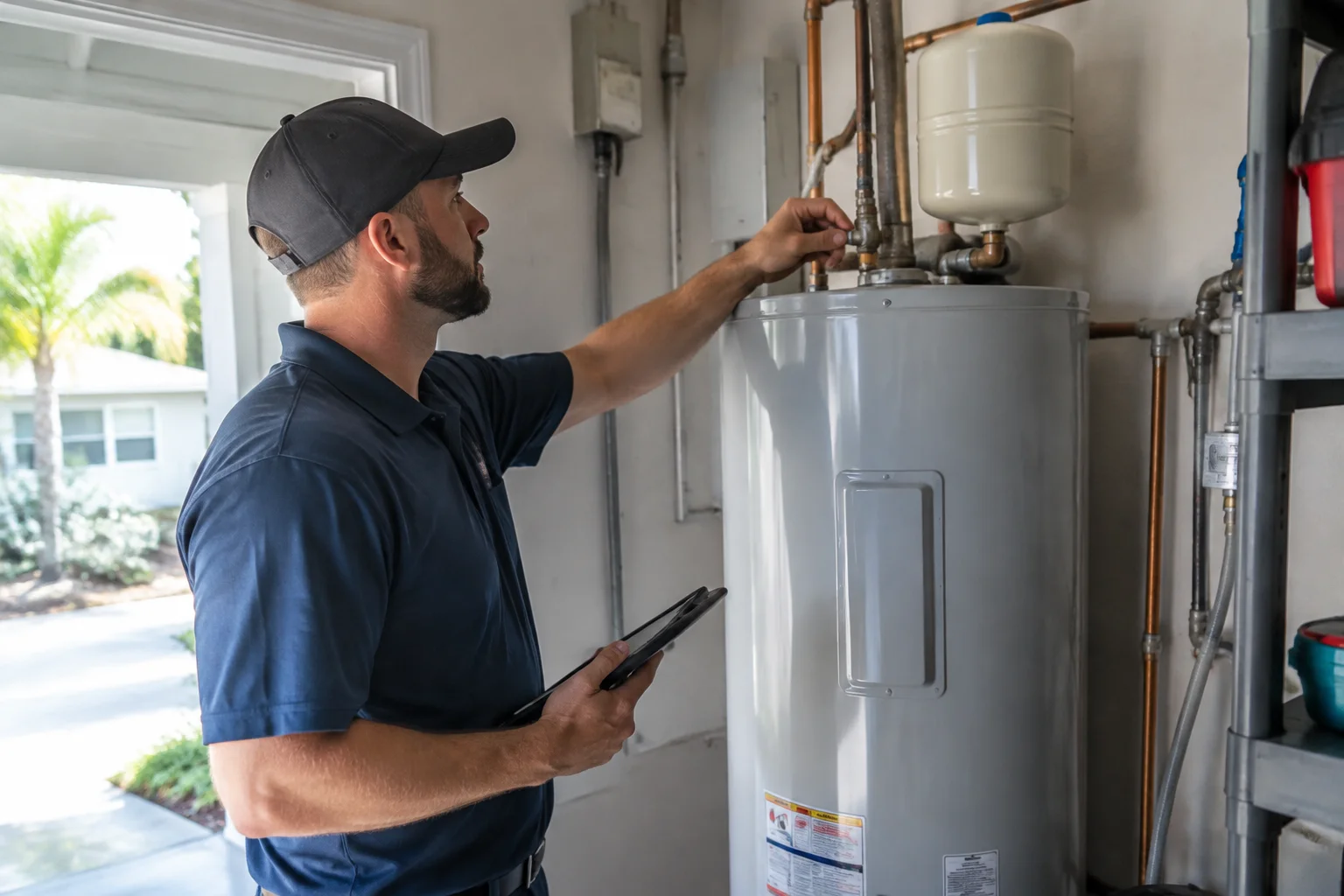
- Water heaters wearing out faster
- Dishwashers that look rough inside sooner
- Faucets and shower valves that develop buildup
- Laundry that feels less fresh and fabrics that lose softness
Homeowners often describe it as “everything just gets crusty.” That crust is scale buildup. If the water is hard enough to leave spots on glass and fixtures, it is also hard on appliance surfaces and internal components.
6) Soap that does not lather or rinse well
When minerals are high, soap can struggle. Many households notice soap does not lather as expected and that rinsing feels harder. That is not just a comfort issue. It can leave residue behind, contributing to:
- Dry skin from hard water
- Hair that feels dull or harder to manage
- Bathing routines that take longer to feel “clean”
Reverse osmosis alone typically treats drinking water at the kitchen tap. For bath and laundry, homeowners often need water softening or whole home water filtration to reduce scale across the entire plumbing system.
RO warning signs homeowners can spot early
Not every RO issue looks dramatic. Many problems start as subtle changes that become expensive if ignored. Watch for these common red flags in your Pretty Bayou home:
- Reduced flow from the RO faucet or slower tank refills
- Cloudy water from the RO faucet or cloudy ice cubes
- Metallic tasting water or a chlorine taste in water
- Visible sediment or discoloration concerns
- Soap that does not lather and more scale on fixtures than usual
- More frequent filter changes without lasting improvement
These signs often point to mineral scaling, carbon exhaustion, or sediment issues that require a service check. If you are noticing water issues in the kitchen and also seeing scale in the bath, it is a strong hint that you may need a broader water treatment plan.
How to reduce scale and protect your RO membrane
Scale reduction is the key to better kitchen and bath water, because it helps protect both the RO system and the rest of your plumbing. The right approach depends on what is in your water and how your system is set up.
Start with the right testing and water quality data
Before changing parts, ask a professional to evaluate your water. A technician can check for hardness levels, chlorine or chloramine presence, sediment load, and general water chemistry. That information guides whether you need:
- More robust pre-filtration
- Carbon stage adjustments
- Scale control or a better pretreatment strategy
- Water softening or whole home water filtration
If you are searching for water filtration near me or reverse osmosis system near me in Pretty Bayou, this is a good time to ask about testing and a plan tailored to your household.
Use appropriate pre-filtration and keep it maintained
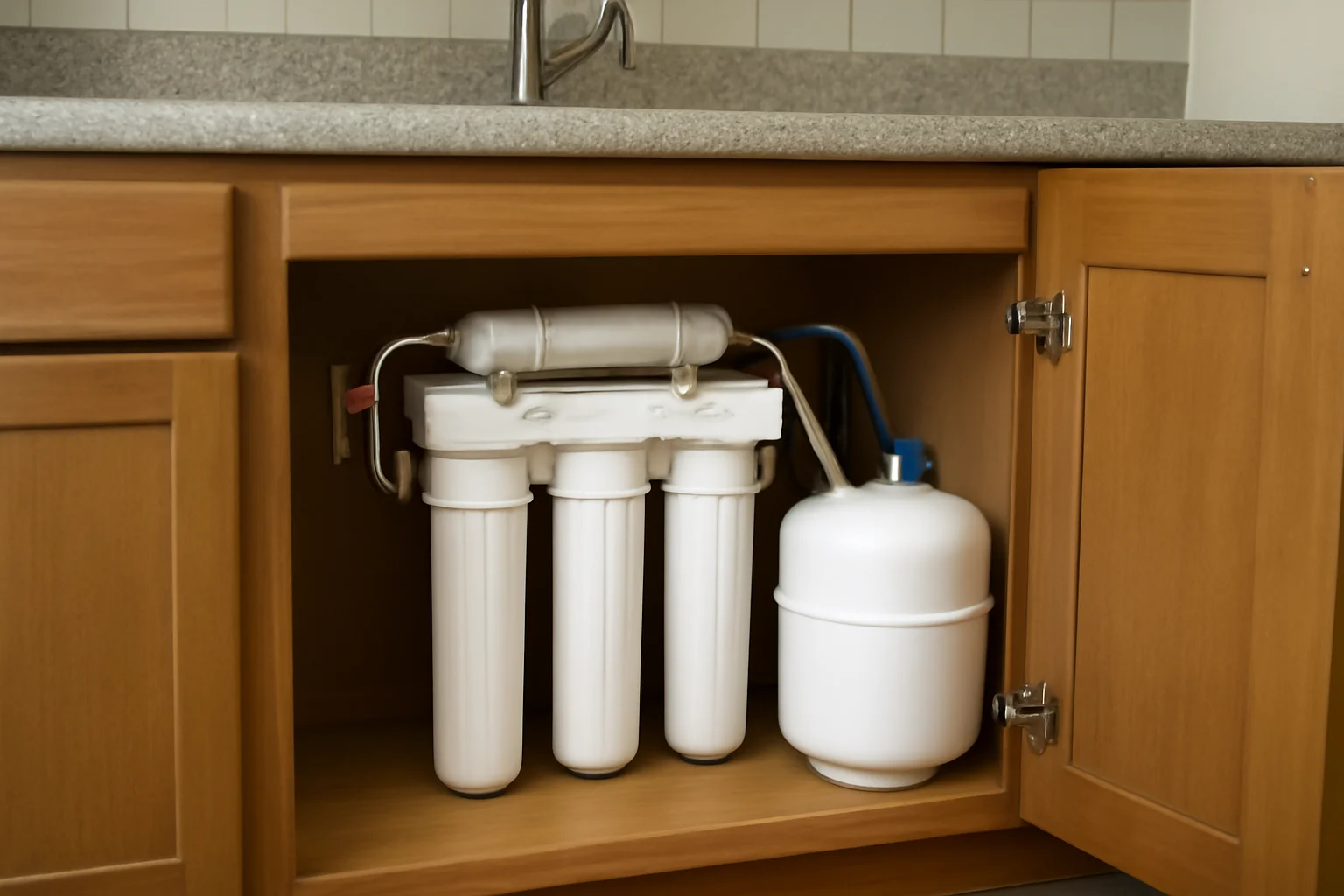
Most RO systems include a sediment filter and carbon filtration stages. When those stages are overdue, sediment can reach the membrane and chlorine can shorten membrane life. A maintenance schedule that matches your water conditions matters. In homes where you see scale buildup around faucets and showerheads, sediment and mineral load may be higher than average.
Replacing filters on time is not just about taste. It helps prevent the membrane from becoming the first line of defense.
Consider water softening for scale-prone households
Water softening reduces hardness minerals before they reach fixtures and appliances. That helps with the visible problems homeowners see every week, like hard water spots on glass and dishes. It can also protect the RO process by reducing mineral stress upstream.
Many families also notice comfort improvements. When hardness is reduced, soap tends to lather better and rinses more cleanly. That can mean fewer complaints about dry skin or dull hair after bathing.
If you are comparing options, ask about an AO Smith water softener or an integrated approach that pairs RO with the right whole home treatment. Softening and RO can work together when designed correctly.
Add whole home water filtration when the issue is everywhere
RO is typically point-of-use. Whole home water filtration is point-of-entry. If you are seeing scale on bathroom fixtures, dealing with laundry residue, and noticing taste issues too, a whole house water filter may reduce the load on your RO system and improve water quality throughout the home.
Some homeowners choose a whole home strategy because they want consistent water for bathing, cleaning, and washing, not just drinking water at the kitchen sink. This is where many people start looking at water filtration and RO water softeners as part of a complete clean water system.
How AO Smith RO and water treatment can fit into a Pretty Bayou plan
AO Smith is a well-known name in residential water treatment, including filtration and softening solutions. Homeowners often ask whether an AO Smith water filtration setup makes sense for their home. The answer depends on what you are trying to solve.
In many Pretty Bayou households, the best results come from combining technologies:
- Reverse osmosis for better tasting drinking water and cooking water
- Water softening to reduce scale buildup on faucets, showerheads, and inside appliances
- Whole home filtration to address sediment and improve overall water clarity and odor concerns
When those pieces are matched to your water, the entire home benefits: less crusty buildup, fewer “why does this taste weird today?” moments, and longer-lasting equipment.
Everyday examples from Pretty Bayou kitchens and bathrooms
Water problems are not just technical. They show up in daily life.
Coffee, tea, and cooking water
Picture a typical morning in Pretty Bayou. Someone fills the kettle, pours coffee grounds, and expects the same flavor every time. When you have chlorine taste in water or a metallic tasting water issue, coffee can taste harsh or flat. Cooking can also be affected, especially for soups, rice, and sauces where water chemistry influences results. Better filtration helps support better water for drinking and cooking and more predictable meals.
Kids, ice cubes, and “is the water supposed to look like that?”
Cloudy ice cubes can spark questions fast. If the ice looks hazy or clears slowly, it can be a sign that your RO output is not consistent. That is one reason homeowners pay attention to details like ice clarity and whether the taste seems different from day to day.
Bathing comfort and hair after a long day
After a day outdoors, bath time becomes a reset. If soap does not lather well and rinsing feels like it leaves residue, hair can look dull and skin can feel dry. Homeowners often describe it as dry skin from hard water. Reducing scale with softening and improving filtration for drinking water can make the whole routine feel better.
Laundry and dishwashing
When hard water is part of the equation, laundry can feel less soft even when you use the right detergent. Dishes can come out with spots or a film. You may notice hard water spots on glass and dishes and more buildup around fixtures. That is scale and mineral residue, and it is easier to prevent than to remove once it hardens.
Maintenance habits that reduce RO stress
Homeowners can do more than “wait until it breaks.” A few practical habits help protect the system and improve water quality.
- Replace RO filters on schedule based on your water usage and local conditions, not just the calendar.
- Check the RO faucet for changes in flow, taste, and clarity. Small differences can signal a filter or membrane issue.
- Keep the system clean and protected under the sink. Leaks, loose connections, or clogged drain lines can affect performance.
- Use the system consistently. Long periods of non-use can cause stagnant water and taste issues. If your household travels often, ask about a flush routine.
- Do not ignore scale elsewhere. If you see scale buildup on faucets and showerheads, address whole home hardness too.
If you want a more structured plan, you can explore water treatment in Pretty Bayou to see how local service fits different home setups.
When to call a professional in Pretty Bayou
Some RO issues are easy to narrow down, but others require diagnosis. Call A Superior Mechanical when you notice:
- Water taste changes quickly after filter replacement
- Consistent cloudy ice cubes or cloudy water from the RO faucet
- Reduced production or unusual system cycling
- Ongoing sediment, discoloration, and odor concerns
- Hard water signs across the home, like scale buildup around faucets and soap does not lather
A professional can confirm whether the issue is a worn carbon stage, membrane fouling from scale, a pre-filter problem, or a broader water quality challenge that needs softening or whole home filtration.
Links to help you plan the right water treatment approach
Homeowners often get better outcomes when they treat the full water picture, not just the kitchen faucet. If you want extra reading that connects RO to plumbing performance and daily life, these guides may help:
- Pretty Bayou Homes and the Real Cost of Hard Water: How Reverse Osmosis Helps Protect Plumbing
- How Plumbing Wear and Tear Shapes Water Purification in Pretty Bayou Homes
- Smart Plumbing Habits for Reverse Osmosis Systems in 30A Homes
If you are comparing solutions for drinking water and protecting the rest of the home, you can also read Cleaner Drinking Water and Healthier Plumbing: A Rosemary Beach Homeowner’s Guide to Reverse Osmosis Systems.
If you are ready to address reverse osmosis system performance in Pretty Bayou, you can review service options here: /service-areas/bay-county/pretty-bayou/reverse-osmosis-systems-pbbcfl. For broader options that include softening and whole home filtration, start with /water-filtration-ro-water-softeners. And if you want to see how service coverage works across the region, visit /service-areas/bay-county or /service-areas/bay-county/pretty-bayou.
Pretty Bayou’s coastal climate and home water demands make it especially important to keep water treatment matched to your household. When scale is controlled and filters and membranes are maintained, reverse osmosis can deliver the cleaner, better-tasting drinking water your kitchen and bath routines are built around.
Find Reverse Osmosis Systems in Pretty Bayou, FL
If you need Reverse Osmosis Systems in Pretty Bayou, FL, visit our local service page or contact A Superior Mechanical today.
For a broader look at whole-home water filtration, reverse osmosis, and water softener options, visit our water filtration, RO, and water softener page.
Map of Pretty Bayou, FL
Frequently Asked Questions
Why does my reverse osmosis water taste metallic or chlorinated again after a filter change?
That usually points to carbon stage exhaustion, an issue with pre-filtration, or membrane stress from scale or sediment. The fix is often more than swapping one cartridge, because the system may need a pretreatment adjustment or a different maintenance schedule based on your water chemistry.
Can hard water scale damage an RO membrane even if I only use RO for drinking water?
Yes. Hard water minerals can contribute to membrane scaling inside the RO unit, reducing flow and shortening membrane life. If you also see scale buildup around faucets and showerheads, it is a strong sign that hardness control, such as water softening or whole home filtration, can protect your RO system and your plumbing.
What causes cloudy ice cubes from an RO system?
Cloudy ice cubes can happen when RO output is not consistent, when there is sediment or carbon-related taste and odor carryover, or when system performance is declining. A technician can check filter condition, membrane performance, and whether the feed water is contributing to the cloudiness.
How often should reverse osmosis filters be replaced in Pretty Bayou, FL?
There is no one-size schedule because usage and local water conditions vary. Homes with higher sediment or hardness often need more frequent service. A Superior Mechanical can recommend a plan after checking your system and water quality.
Should I install whole home water filtration or an AO Smith water softener to help my RO system?
Often, yes. Whole home filtration can reduce sediment and improve overall water clarity and odor, while an AO Smith water softener can reduce hardness that drives scale. The best choice depends on whether the main issue is sediment, hardness, chlorine taste in water, or a combination.
Related Articles
- Pretty Bayou Homes and the Real Cost of Hard Water: How Reverse Osmosis Helps Protect Plumbing
- How Plumbing Wear and Tear Shapes Water Purification in Pretty Bayou Homes
- Smart Plumbing Habits for Reverse Osmosis Systems in 30A Homes
- Cleaner Drinking Water and Healthier Plumbing: A Rosemary Beach Homeowner’s Guide to Reverse Osmosis Systems
Photo Gallery