Lynn Haven homes run on water every day, from morning coffee to evening showers and laundry loads. When local water is hard or carries sediment and taste issues, you start seeing the effects fast. Hard water spots on glass after the dishwasher. Scale buildup around faucets and showerheads. Dry skin or dull hair after bathing. And over time, appliances can wear out faster because mineral deposits clog parts and reduce efficiency.
This practical guide focuses on clean water systems for Lynn Haven, FL homeowners. You will learn how to reduce scale and protect fixtures and appliances using the right water treatment approach, including water softening, whole home water filtration, AO Smith water filtration, and reverse osmosis for drinking water and cooking water.
What “clean water systems” really mean in Lynn Haven
Clean water systems are not one single product. They are a set of treatment steps designed to match what is in your water and what you want to improve. In Lynn Haven, many households deal with hard water behavior, including mineral scale and soap scum. Others notice visible sediment, discoloration, or water odor concerns. Some also report metallic tasting water or a chlorinated taste that makes drinking water less appealing.
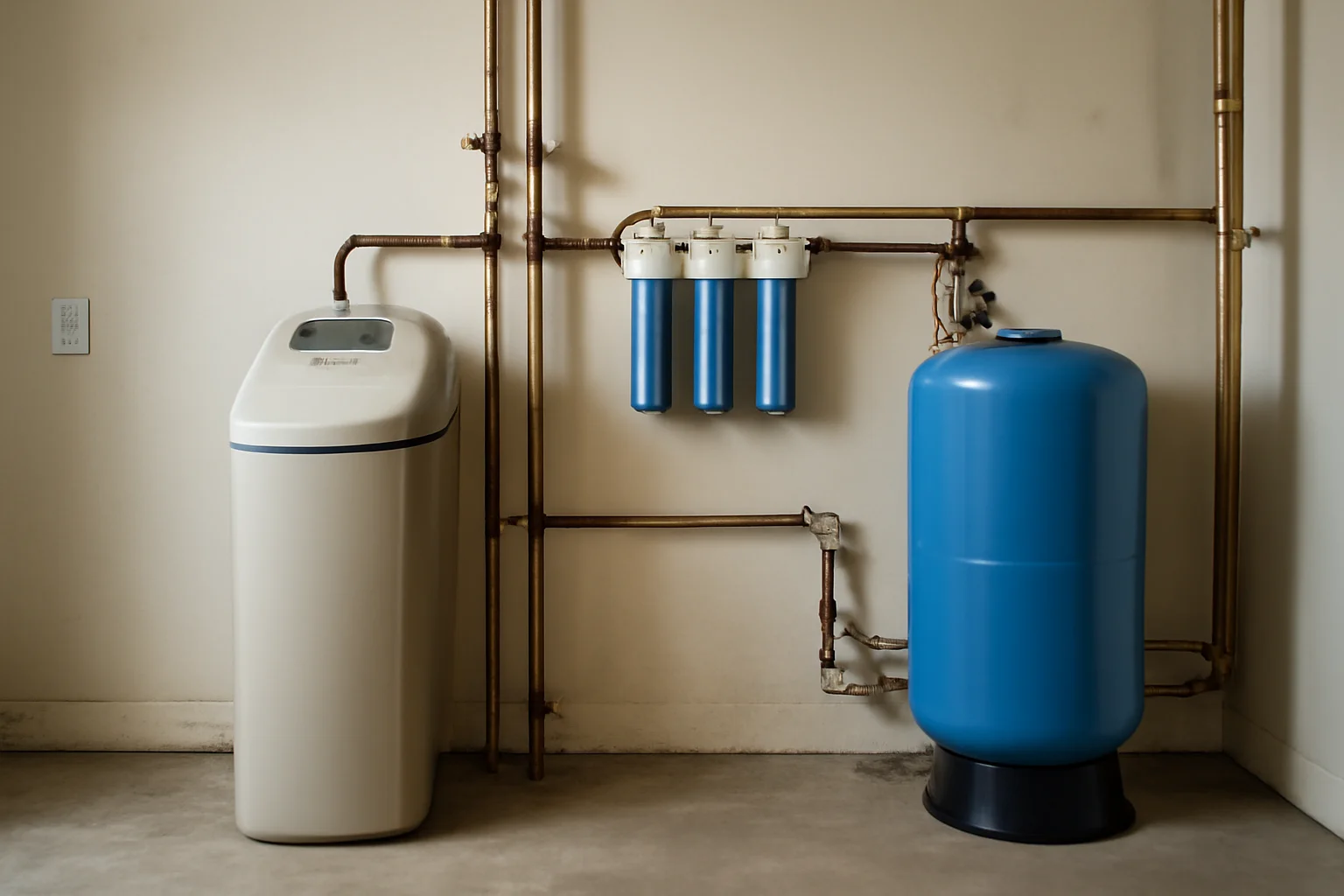
A well-designed clean water system usually includes one or more of these components:
- Water softening to reduce scale formation caused by hardness minerals.
- Whole home water filtration to reduce sediment and improve overall water quality for bathing, laundry, and fixtures.
- Reverse osmosis for point-of-use clean water for drinking and cooking.
- Targeted treatment such as carbon filtration or other media to address taste and odor issues.
When homeowners choose the right combination, they often notice cleaner water for everyday life: better drinking and cooking water, easier cleaning, and fewer appliance problems tied to mineral buildup.
How hard water and sediment show up around your home
Hard water and sediment issues are easy to spot once you know what to look for. Many Lynn Haven families first notice the “surface” signs, then discover the deeper problems when appliances start acting up.
Scale buildup you can see
Common indicators include:
- Hard water spots on glass after showers or using the dishwasher.
- Scale buildup around faucets and along showerheads.
- Rough, chalky deposits on tub edges, sink drains, and plumbing fixtures.
Scale forms when hardness minerals in the water precipitate as water heats and evaporates. That is why it shows up most around hot water fixtures and where water repeatedly dries.
Skin, hair, and bathing comfort
When mineral levels are high, water can feel “draggy” or leave residue behind. Homeowners sometimes report:
- Dry skin or dull hair after bathing.
- Soap that does not lather or rinse well, leaving a film that can make hair feel coated.
- More effort to get showers and tubs truly clean.
In family bathroom routines, these issues are not just annoying. They can change how often you wash, how you manage sensitive skin, and how comfortable your daily hygiene routine feels.
Kitchen water and cooking water complaints
Your kitchen may be where water quality becomes most noticeable. Some homeowners see:
- Metallic, chlorinated, or unpleasant taste in tap water.
- Cloudy ice cubes because minerals and dissolved impurities can affect clarity.
- Poor tasting coffee and cooking water, especially when using tap water directly for brewing or boiling.
Even small changes in taste and mineral content can affect coffee flavor and how certain foods cook. Better water for drinking and cooking supports a more consistent kitchen experience.
Laundry and dishwasher results
Hard water can interfere with detergents and leave residue on fabrics and dishes. You may notice:
- Soap scum that builds up in sinks and tubs.
- Dishware that looks dull or feels “coated” after washing.
- Laundry that seems less fresh, with residue that makes whites look dingy.
If you have ever re-washed a load because it did not come out right, that is often a clue that your water is working against your cleaning products.
Appliances wearing out faster
When hard water treatment is missing, mineral deposits can form inside appliances. Over time, scale can:
- Reduce heat transfer in water heaters and tankless units.
- Clog valves and restrict flow in dishwashers and washing machines.
- Shorten the service life of components that depend on clean, consistent water flow.
If you have noticed more frequent repairs or reduced performance, it may be time to evaluate your water quality as part of appliance protection. For more on how water-related wear can affect plumbing components, see How Everyday Plumbing Wear and Tear Shortens Water Heater Life in Lynn Haven Homes.
Why local water conditions matter for treatment choices
Lynn Haven is shaped by Florida’s climate and the way water moves through local systems. Seasonal changes can influence how minerals, sediment, and taste issues show up in your home. Homes also vary in plumbing age, water usage patterns, and whether they have private wells or connect through municipal sources.
That means the best clean water systems near you are not the same for every household. A treatment plan should be based on what is actually in your water, not just what worked for a neighbor.
Reduce scale and protect appliances with water softening
If scale is your biggest problem, water softening is usually the most direct solution. Water softeners are designed to reduce hardness minerals that drive scale formation. With softer water, you typically see less buildup around faucets, showerheads, and plumbing fixtures. You also often get better soap performance, plus easier cleaning around the home.
What water softeners do
Most residential softeners use ion exchange to replace calcium and magnesium hardness minerals with sodium or potassium ions. The result is water that is less likely to form scale when heated or dried.
Where you will notice the difference
- Fewer hard water spots on glass and shower doors.
- Less chalky residue around fixtures.
- Better lather and easier rinsing with soaps and shampoos.
- Reduced mineral buildup that can affect appliance efficiency.
Choosing the right softener for your household
Capacity matters. A softener that is too small for your water use may not regenerate efficiently, which can lead to inconsistent results. A professional service visit typically includes reviewing your household size, water usage, and water test results. If you are looking specifically for an AO Smith water softener or want a system that fits both performance and maintenance needs, A Superior Mechanical can help you pick the right setup for Lynn Haven water conditions.
Whole home water filtration for cleaner water in every room
Even when you soften water, you may still want whole home water filtration. Filtration helps reduce sediment and other particles that affect water clarity, taste, and how appliances and plumbing perform.
What whole house water filter systems improve
Whole home water filtration can help with:
- Visible sediment in water or discoloration concerns.
- Clogging risk in fixtures and appliances due to particle buildup.
- Consistent water quality for bathing, laundry, and everyday use.
- Better taste when paired with appropriate media or carbon filtration.
Why filtration pairs well with softening
Hardness minerals and sediment can happen together. When you use both softening and filtration, you address two different drivers of problems: scale formation and particle-related buildup. That combination is often why homeowners searching for whole home water filtration near me see better results than using a single device.
If you want to compare approaches and understand how cleaner water supports a healthier plumbing system, you can also read Cleaner Water, Smarter Plumbing: A Lynn Haven Homeowner's Guide to Preventing Problems.
Reverse osmosis for drinking water and cooking water
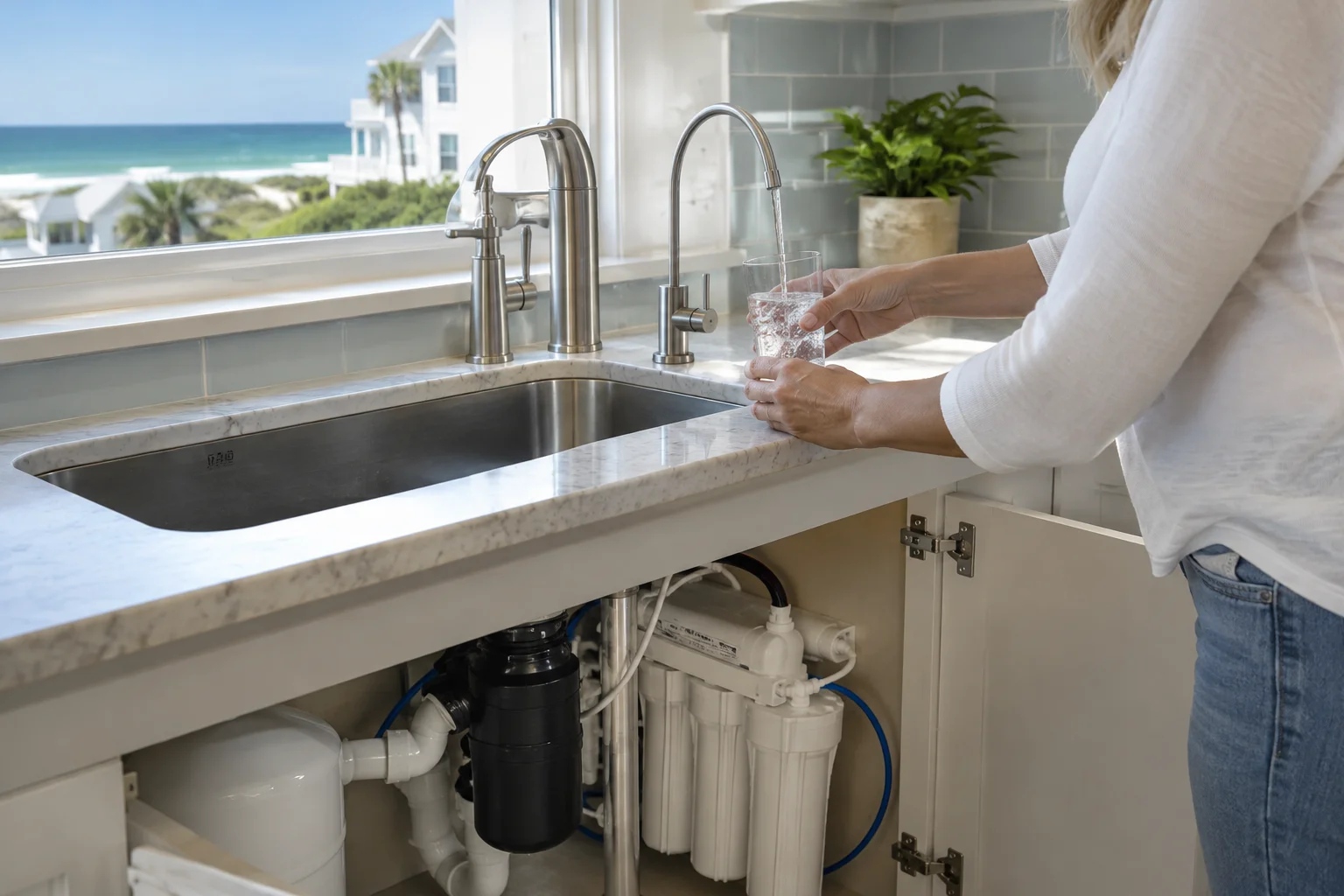
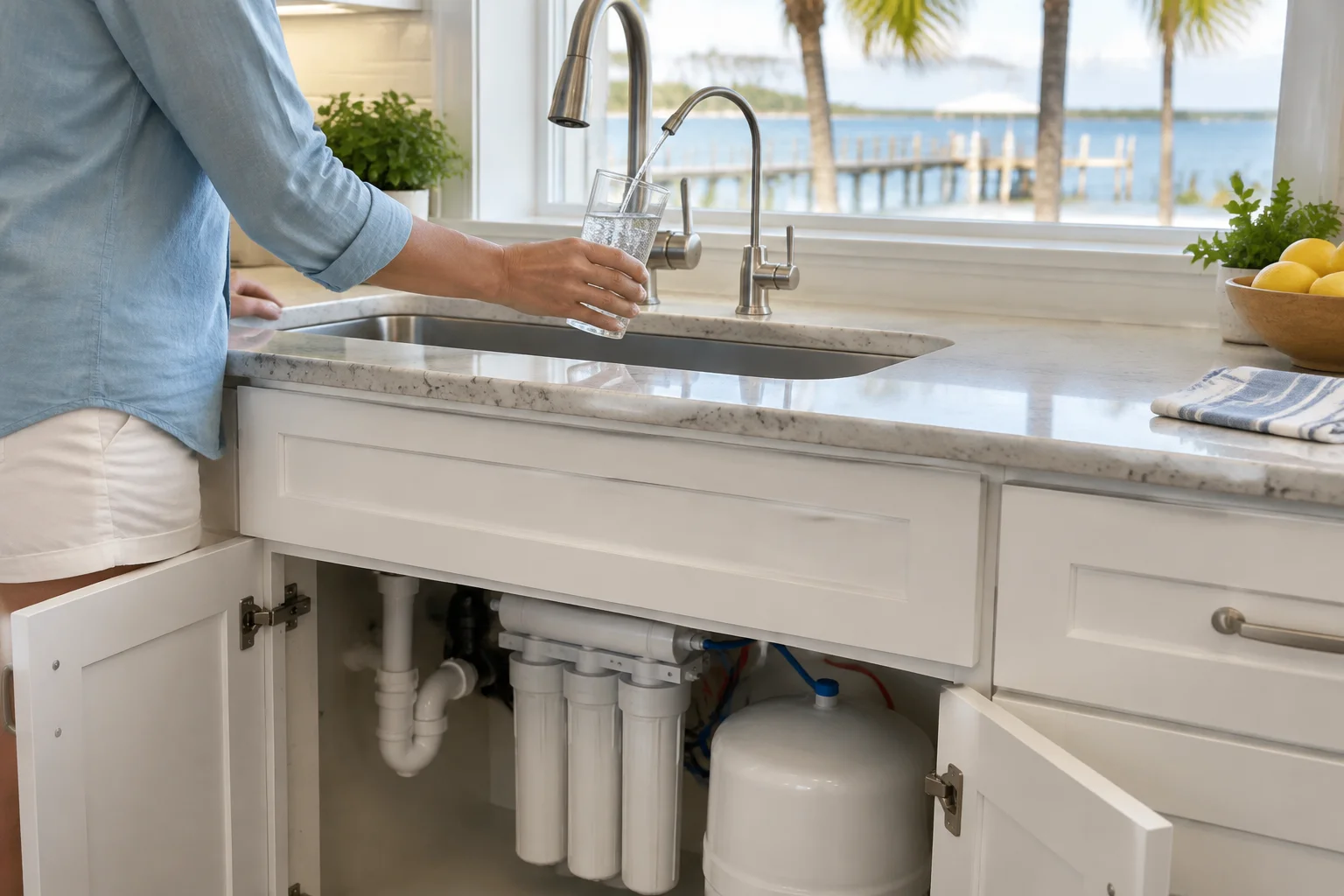
Whole home filtration and softening can improve water throughout the house, but many homeowners still prefer reverse osmosis for the kitchen. Reverse osmosis is designed to produce high quality water for drinking and cooking water, reducing common taste and water odor concerns.
Where reverse osmosis makes the biggest everyday difference
Picture a typical Lynn Haven morning. The kids want ice in their cups. Someone makes coffee. Another person grabs water from the fridge. If your tap water has a metallic, chlorinated, or unpleasant taste, the kitchen becomes a daily reminder.
RO can help with:
- Cloudy ice cubes and taste issues that affect ice clarity.
- Poor tasting coffee water and less consistent flavor in brewing.
- Better water for drinking and cooking, especially for families who rely on tap water for everyday meals.
Reverse osmosis installation near me
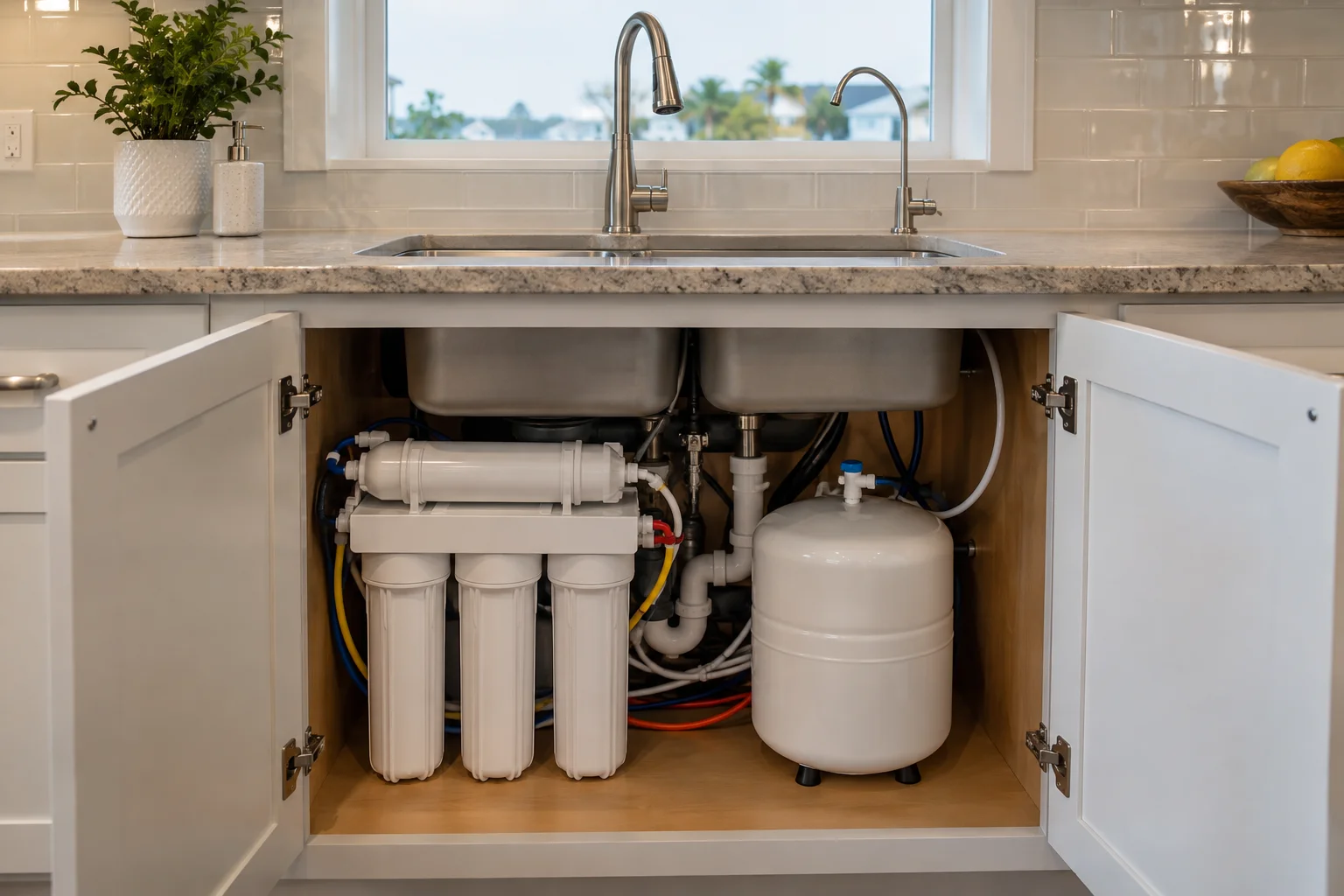
RO systems need correct sizing, proper filtration stages, and routine maintenance to keep performance steady. If you are searching for reverse osmosis installation near me, look for a local provider who can evaluate your water and recommend the right configuration for your Lynn Haven home.
A Superior Mechanical helps homeowners connect RO to the right water line, choose appropriate pre-filtration, and schedule maintenance based on your usage and water quality.
AO Smith water filtration options for practical, reliable results
Many Lynn Haven homeowners choose AO Smith water filtration because it is built for long-term residential use and can be integrated into broader clean water systems. The right AO Smith setup depends on your goals, such as reducing sediment, improving taste, and supporting scale control when paired with softening.
If you are exploring clean water systems near me, it helps to think in layers. Whole home filtration supports everyday water use across the house, while targeted drinking water treatment like reverse osmosis can improve kitchen water quality. A Superior Mechanical can help you build a system that matches your priorities and budget.
Maintenance that keeps clean water systems working
Clean water systems are not “set it and forget it” forever. Maintenance protects your water quality and helps prevent scale and buildup from returning. The right schedule depends on your system type and local water conditions.
Softener maintenance basics
- Keep salt levels adequate if using a salt-based softener.
- Watch for changes in soap performance or new scale on fixtures.
- Have the system inspected and serviced regularly to confirm proper regeneration.
Filtration maintenance basics
- Replace filters on schedule to avoid reduced flow and declining performance.
- Address visible sediment or taste changes promptly.
- Confirm system operation after heavy water use periods, such as large gatherings.
Reverse osmosis maintenance basics
- Replace RO membranes and pre-filters according to your service plan.
- Pay attention to taste changes or water clarity shifts.
- Keep an eye on ice quality and drinking water performance, since RO impacts the kitchen first.
Common “false fixes” that can waste money
Many homeowners try DIY cleaners and quick changes before evaluating water treatment. Those steps can help with cleaning, but they do not stop the underlying water chemistry that creates scale and appliance wear.
Examples of false fixes include:
- Using harsher descalers repeatedly without addressing the hardness that causes scale.
- Adding aftermarket filters to one faucet while the rest of the house still receives untreated water.
- Assuming a water purifier pitcher solves whole home issues, especially if you are dealing with visible sediment or scale buildup around fixtures.
Cleaning products can remove deposits, but they do not prevent new scale from forming. When hard water treatment becomes part of protecting fixtures and appliances, the long-term savings often show up in fewer repairs and less time spent scrubbing.
Practical prevention tips for Lynn Haven households
Water treatment is the foundation, but you can also reduce buildup and extend the life of your system with small habits.
- Use the right cleaning approach: If you soften your water, scale removal often requires less aggressive cleaning.
- Watch early warning signs: Return of hard water spots on glass, dull showerheads, or soap that does not rinse well can indicate a treatment change.
- Keep appliances in mind: If your dishwasher or washing machine performance drops, consider whether sediment or scale is accelerating wear.
- Protect the kitchen: If you notice metallic, chlorinated, or unpleasant taste, address it at the source with filtration or reverse osmosis for drinking and cooking.
If you want to connect clean water planning with broader home maintenance, you may also like Keeping Lynn Haven Homes Ahead of Water Problems With Cleaner, Smarter Plumbing.
When it is time to call a professional for clean water systems
Homeowners can often identify water quality issues by what they see and feel. Still, the right system selection depends on water testing and matching equipment to your household needs. It is a good time to call when:
- You see persistent hard water spots on glass, dishes, or fixtures.
- Scale buildup is forming around faucets and showerheads despite regular cleaning.
- You notice dry skin or dull hair after bathing.
- Your kitchen water has metallic tasting water, chlorinated taste, or water odor concerns.
- You see visible sediment in household water or cloudy ice cubes.
- Appliances are wearing out faster than expected.
For Lynn Haven residents, working with a local water treatment provider matters because they understand how systems perform in this area and how to support maintenance over time. Start by reviewing the clean water systems service area page for local options: /service-areas/bay-county/lynn-haven/clean-water-systems-lhfl. You can also explore the broader area coverage on /service-areas/bay-county and the city overview on /service-areas/bay-county/lynn-haven.
If your goal is to compare water treatment options, you can also visit the main water filtration landing page at /water-filtration-ro-water-softeners.
A simple way to plan your clean water system
If you are trying to decide where to start, use a homeowner-friendly checklist:
- Start with scale: If you are fighting scale buildup around faucets, showerheads, and plumbing, water softening is often the core step.
- Then clean up sediment and whole-house quality: Add whole home water filtration to address visible sediment, discoloration, and everyday water clarity.
- Finish with kitchen quality: Use reverse osmosis for drinking water and cooking water so coffee, ice, and water taste improve at the point of use.
- Choose equipment that fits your home: AO Smith water filtration and compatible system designs can help you build a layered approach.
With the right clean water systems in Lynn Haven, you can protect fixtures and appliances while making everyday life feel cleaner, from family kitchen moments to the last rinse of the day in your shower.
Note: If you have concerns about water odor concerns, metallic tasting water, or visible sediment, a water test and professional evaluation can help confirm the cause and the best treatment approach.
Find Clean Water Systems in Lynn Haven, FL
If you need Clean Water Systems in Lynn Haven, FL, visit our local service page or contact A Superior Mechanical today.
For a broader look at whole-home water filtration, reverse osmosis, and water softener options, visit our water filtration, RO, and water softener page.
Map of Lynn Haven, FL
Frequently Asked Questions
How do I know if I need a water softener in my Lynn Haven home?
If you see hard water spots on glass, scale buildup around faucets and showerheads, or soap that does not lather or rinse well, you likely need hardness reduction. A water test can confirm levels and help size an AO Smith water softener correctly.
Will whole home water filtration help with visible sediment in household water?
Yes. Whole home filtration is designed to reduce sediment and particles throughout the house, which can improve water clarity and help protect fixtures and appliances. If you also have taste or odor concerns, pairing filtration with the right treatment media can make a bigger difference.
Is reverse osmosis only for drinking water, or does it help with cooking water too?
Reverse osmosis is commonly installed for point-of-use drinking water and cooking water. That is where many homeowners notice the biggest improvements, such as better coffee flavor, clearer ice cubes, and reduced metallic or chlorinated taste.
What maintenance is required for clean water systems?
Maintenance varies by system type, but it usually includes scheduled filter changes, monitoring softener performance, and replacing RO membranes and pre-filters. Regular service helps protect flow rate, water taste, and long-term scale control.
Can cleaner water actually extend appliance life?
Yes. Reducing scale and sediment helps appliances run more efficiently. When mineral deposits form inside water heaters, dishwashers, and washing machines, performance drops and parts wear faster. Proper water treatment can reduce that buildup.
Related Articles
- How Everyday Plumbing Wear and Tear Shortens Water Heater Life in Lynn Haven Homes
- Why Lynn Haven Families Rely on Preventive Plumbing Care for Hidden Leaks and Slab Repairs
- Cleaner Water, Smarter Plumbing: A Lynn Haven Homeowner's Guide to Preventing Problems
- Keeping Lynn Haven Homes Ahead of Water Problems With Cleaner, Smarter Plumbing
Photo Gallery