Pretty Bayou, FL is the kind of place where life moves with the seasons. That rhythm matters for your home water too. When water use patterns change, the minerals in your supply can build up faster, leaving behind scale on fixtures and making everyday chores feel harder. For homeowners who want better drinking water, cleaner laundry, and showers that feel nicer, water softening often becomes a practical part of a whole home clean water system.
This guide walks you through how seasonal use can affect water quality in Pretty Bayou, what hard water looks like, and how the right water softener or water filtration plan can protect plumbing and improve comfort for your family.
Why seasonal use changes what you notice in your water
Hard water is caused by dissolved minerals, usually calcium and magnesium. In Pretty Bayou and the surrounding Bay County area, those minerals can show up as scale buildup and dull residue. The water itself may not be “bad,” but the way it behaves in your home depends on how much water you use, when you use it, and how your system runs during periods of higher and lower demand.
Seasonal patterns can affect what you see in a few ways:
- Vacation and weekend occupancy: Many homes in the area have changing schedules. When a property sits unused for longer stretches, water that sits in plumbing can pick up more noticeable taste or odor characteristics. When the home is used heavily again, you may notice sediment in household water, cloudy ice cubes, or stronger “first draw” effects.
- Higher laundry and dishwashing loads: Summer routines can mean more showers, more laundry, and more cooking water use. That is when soap does not lather, rinsing feels harder, and dishes can come out with a film.
- Different water consumption habits: If you run sprinklers, fill pools, or increase overall usage, the flow rate across your home’s plumbing and filters can change. That can influence how quickly scale forms around faucets, showerheads, and plumbing connections.
When hard water treatment is not dialed in, these seasonal swings often show up as more visible scale, faster appliance wear, and water that does not feel as clean for bathing and drinking.
Common hard water signs Pretty Bayou homeowners can spot quickly
Hard water issues tend to be obvious once you know what to look for. If you are comparing seasons, you may notice the symptoms get worse during higher-use months.
Scale on glass, dishes, and fixtures
One of the most recognizable signs is hard water spots on glass. You may see cloudy streaks on shower doors, a hazy film on drinking glasses, and residue on dishes. Over time, scale buildup can form around faucets, showerheads, and the edges of plumbing fixtures where water evaporates.
Dry skin or dull hair after bathing
Many people describe dry skin from hard water and hair that feels dull or rough. It is not just a comfort issue. Scale and mineral deposits can reduce soap effectiveness, leaving residue behind. The result can be bathing that feels less refreshing, especially after long showers or frequent washing.
Soap that does not lather or rinse well
If your soap does not lather, or if you feel that it never fully rinses away, you are likely dealing with mineral buildup. This is also why laundry can feel stiff, and why cleaning tasks can take extra time and more product.
Metallic, chlorinated, or unpleasant taste
Hard water minerals can change how water tastes. Some homeowners also notice chlorine taste in water or a metallic or unpleasant flavor, especially with “first draw” water. If you are pouring a glass for drinking or filling a kettle, taste concerns are a strong reason to consider water filtration along with softening.
Cloudy ice cubes and sediment concerns
Cloudy ice cubes can be a clue that you have air, mineral content, or sediment issues in your supply. Visible sediment, discoloration, and odor concerns in household water should be addressed promptly, since they can affect drinking water, cooking water, and the way appliances perform.
Poor tasting coffee and cooking water
If your coffee tastes flat or harsh, or if cooking water changes the flavor of soups, pasta, and rice, you are not imagining it. Mineral content and sediment can interfere with how beverages and foods extract flavor. Homeowners often notice this most when they switch seasons or when filters need attention.
Appliances wearing out faster
Scale buildup is not just cosmetic. It can reduce efficiency in water-using appliances and shorten their lifespan, from dishwashers to water heaters. When hard water treatment becomes part of protecting fixtures and appliances, you often see fewer maintenance problems and better performance.
How water softening works for cleaner water and fewer deposits
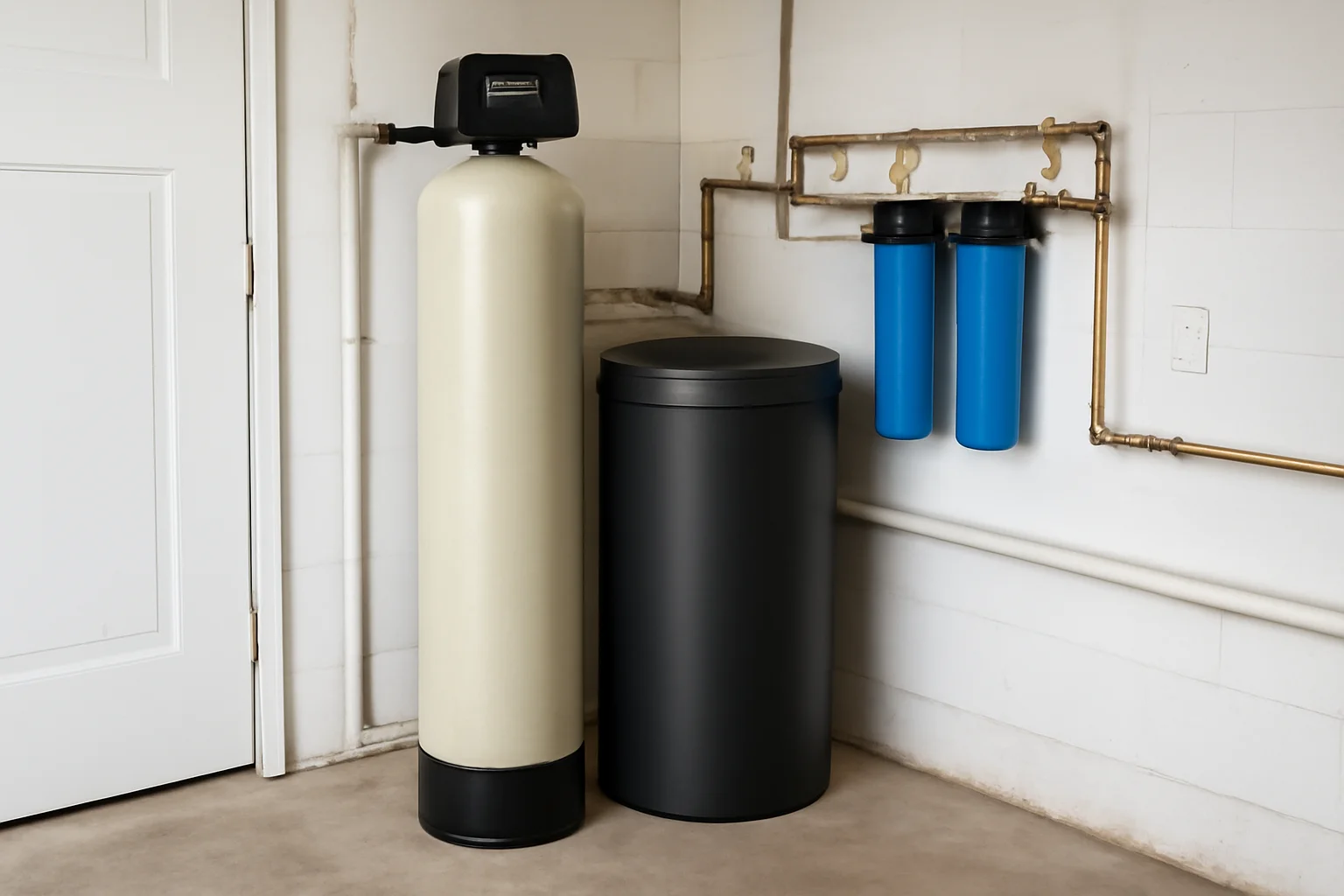
Water softening is designed to reduce the minerals that cause scale and “soap scum.” In a typical system, a water softener uses a process that replaces hardness minerals with sodium or potassium ions, which helps prevent scale from forming on surfaces.
For Pretty Bayou homes, the goal is practical: fewer hard water spots, better rinse performance, and less mineral buildup around faucets, showerheads, and plumbing components.
What a properly tuned softener can improve
- Better bathing feel: Less residue can mean dry skin from hard water symptoms decrease over time.
- Cleaner laundry: Clothes can feel softer and detergent can work more effectively.
- Spot reduction: You may see fewer hard water spots on glass and less film on dishes.
- Protection for plumbing: Reduced scale can help slow buildup in pipes and fixtures.
Where reverse osmosis and whole home filtration fit in
Many homeowners assume water softening is the only step needed. In reality, softening and filtration solve different problems.
Water softening focuses on hardness minerals
Softening helps with scale, soap performance, and mineral deposits. It does not automatically address every taste, odor, or sediment concern.
Reverse osmosis helps with drinking and cooking water
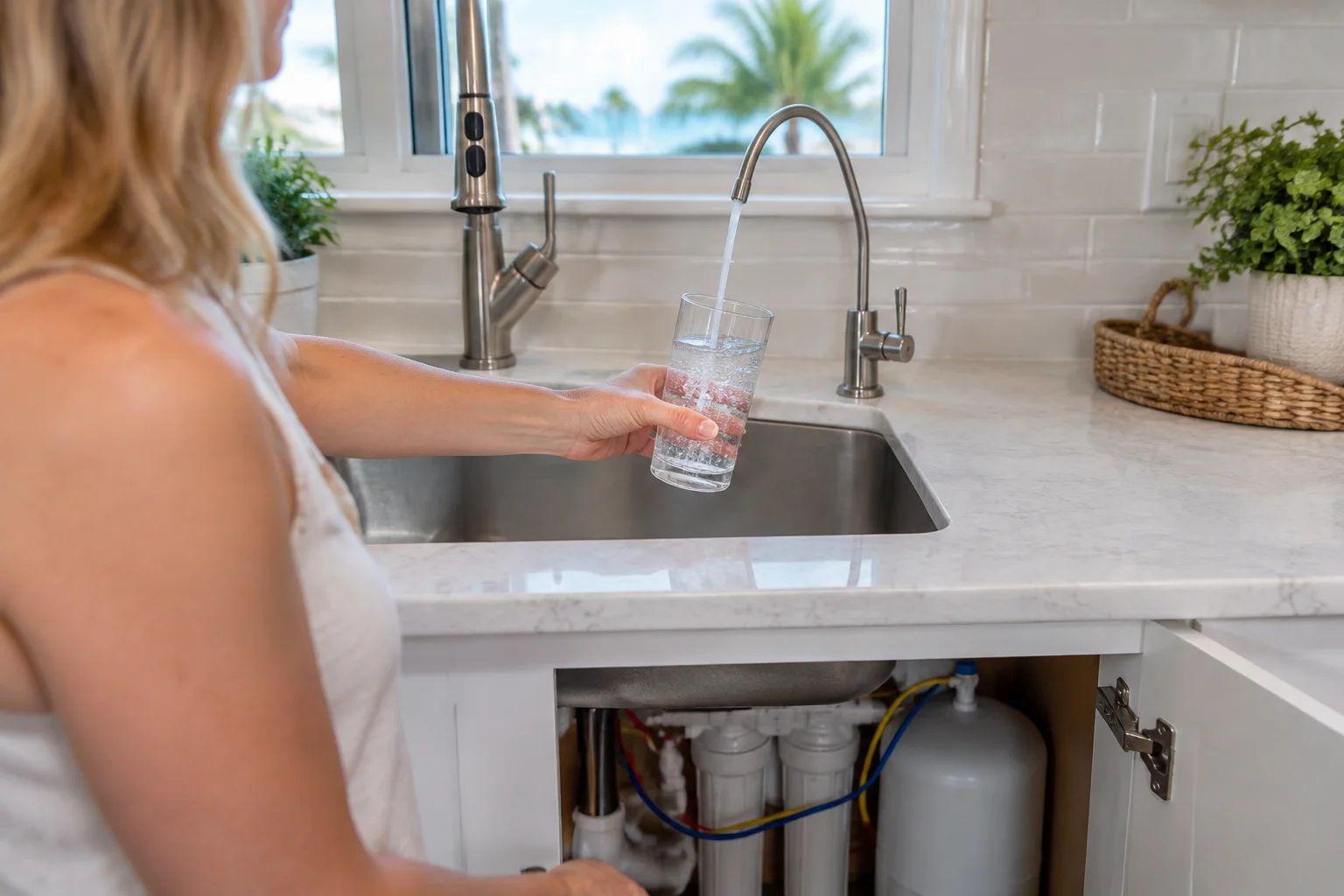
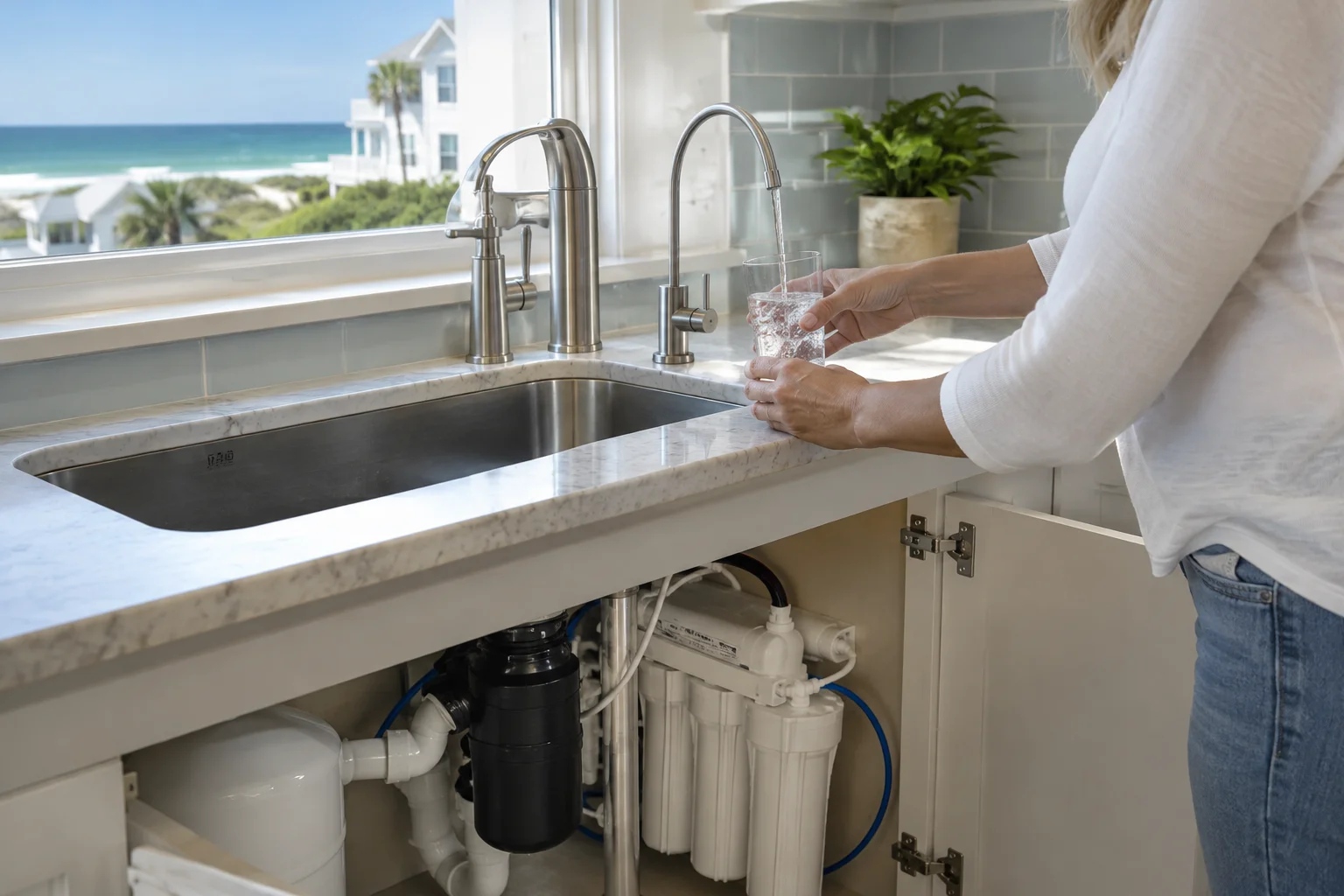
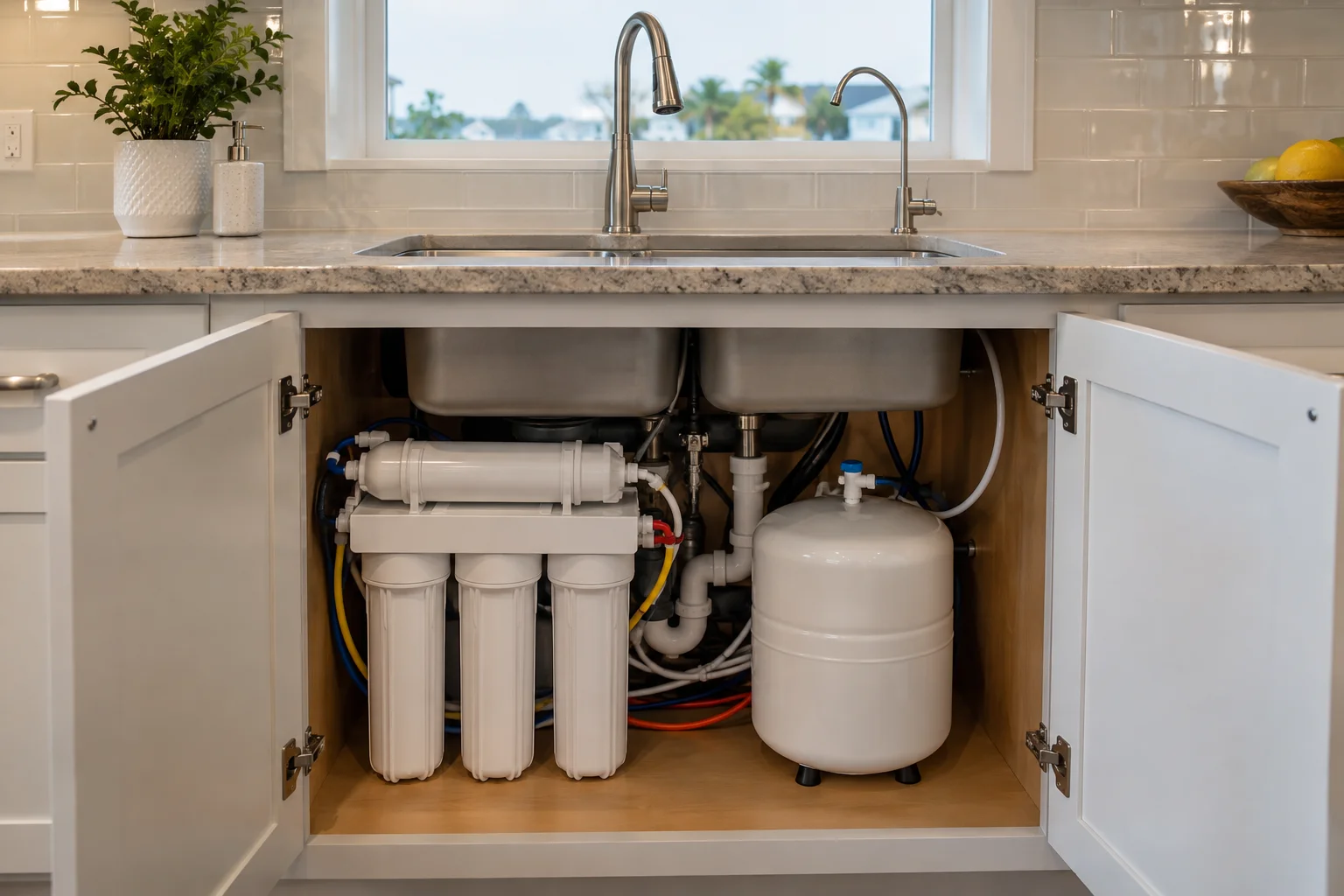
If you are dealing with chlorine taste in water, sediment in household water, or just want better drinking water, an reverse osmosis system near me is often considered for the kitchen and drinking water line. RO can reduce a wide range of dissolved contaminants and can be paired with a softener so the RO system does not foul as quickly from hardness minerals.
Whole home water filtration supports a clean water system
A whole house water filter can protect plumbing and appliances by reducing sediment and particles before they circulate through the home. It can also improve how other treatment components perform. For homeowners searching for water filtration near me, asking about whole home filtration options is a smart way to build a layered approach: filtration for particles and taste concerns, plus softening for scale prevention.
If you are also considering a drinking water filter near me for the kitchen, you can often choose a system that targets drinking water while the rest of the home benefits from whole home filtration and softening.
AO Smith systems and why local service matters in Pretty Bayou
Not all water treatment setups are configured the same way. Family size, plumbing layout, and how your home is used seasonally all influence performance. A Superior Mechanical frequently recommends dependable equipment such as AO Smith water filtration and AO Smith water softener systems when homeowners want a reliable path to better water.
Local service matters because a system needs the right settings and maintenance schedule to match your home’s water use. Seasonal swings can change how quickly a softener consumes salt or regenerates, and how often filters need attention.
Working with a local water treatment team also helps when you are troubleshooting symptoms that show up only at certain times of year. For example, you might notice cloudy ice cubes during peak use months, or you might see soap does not lather more during a period when the home is occupied daily.
Seasonal water softening tips for homeowners
You do not have to guess. A few practical steps can help you get better results from your existing system or prepare for installation.
Track symptoms as the seasons change
Keep quick notes. Is the glassware spotting worse in summer? Does laundry feel stiffer during high-use weeks? Are you seeing more scale buildup around showerheads or faucets? When you call for water softener service near me, specific observations help a technician confirm what is happening.
Check salt levels and regeneration behavior
If your home uses more water during certain months, your softener may need more frequent regeneration. If salt runs low, you can start seeing return of hard water symptoms, including scale buildup and soap performance problems. If you are away for extended periods, you may still want to confirm the system’s settings and operational schedule.
Inspect fixtures for early scale clues
Scale often starts quietly. A light film on faucet aerators, a rough feel around showerheads, or mineral deposits at pipe joints can be early warning signs. Catching it sooner makes it easier to protect plumbing and avoid more stubborn buildup.
Consider pairing softening with filtration for taste and sediment
If you are dealing with chlorine taste in water, cloudy ice, or sediment concerns, softening alone may not fully address it. A layered clean water system that includes whole home water filtration and, when needed, reverse osmosis for drinking can make everyday routines feel more consistent.
What to know about water softener installation and maintenance
When hard water affects your home, it is tempting to pick a system quickly. Still, the best results typically come from correct sizing and proper setup based on your household needs.
Installation should be sized to your home’s demand
A water softener installation near me request should start with measuring how your home uses water. A larger home or a vacation rental that changes occupancy patterns will have different needs than a smaller, consistently occupied property.
Maintenance prevents performance drop
Over time, systems can lose effectiveness due to salt management, filter loading, or valve performance. Maintenance can also help you avoid issues that show up seasonally, such as stronger soap residue or more visible scale buildup.
When you are considering reverse osmosis, protect it from scale
If you install a reverse osmosis system for drinking and cooking, consider how hardness minerals impact membrane life. Pairing RO with appropriate water softening and filtration can help protect the RO components and keep water quality steady.
Everyday life improvements: what better water looks like at home
It is easy to think of water treatment as something you only notice when something goes wrong. In reality, better water becomes part of everyday scenes.
Kitchen routines and the taste of drinking water
Picture a busy Pretty Bayou morning. Kids grab glasses, someone fills a kettle, and another person is already prepping lunch. When you have better drinking water, the water tastes cleaner and coffee and cooking water extract flavors more evenly. If you have been dealing with metallic, chlorinated, or unpleasant taste, improving water quality can make these moments feel simpler.
Bath time and comfort
Bath time is where dry skin from hard water can really stand out. With proper softening and filtration, soap can lather better, rinse more fully, and leave skin and hair feeling less coated. Many homeowners notice it over a few weeks as mineral residue decreases.
Laundry days that do not feel like extra work
During seasonal weather shifts, laundry cycles can increase. When soap does not lather, you may use more detergent, run longer cycles, or rewash items that still feel stiff. Softer water can help detergent work as intended and reduce the mineral film that makes fabric feel rough.
Cleaning and less time scrubbing fixtures
Hard water spots on glass and scale buildup around faucets and showerheads can be frustrating. When scale forms quickly, bathrooms and kitchens require more frequent cleaning. Better water treatment helps reduce how fast those deposits build up, so your cleaning time goes further.
When to call a professional in Pretty Bayou
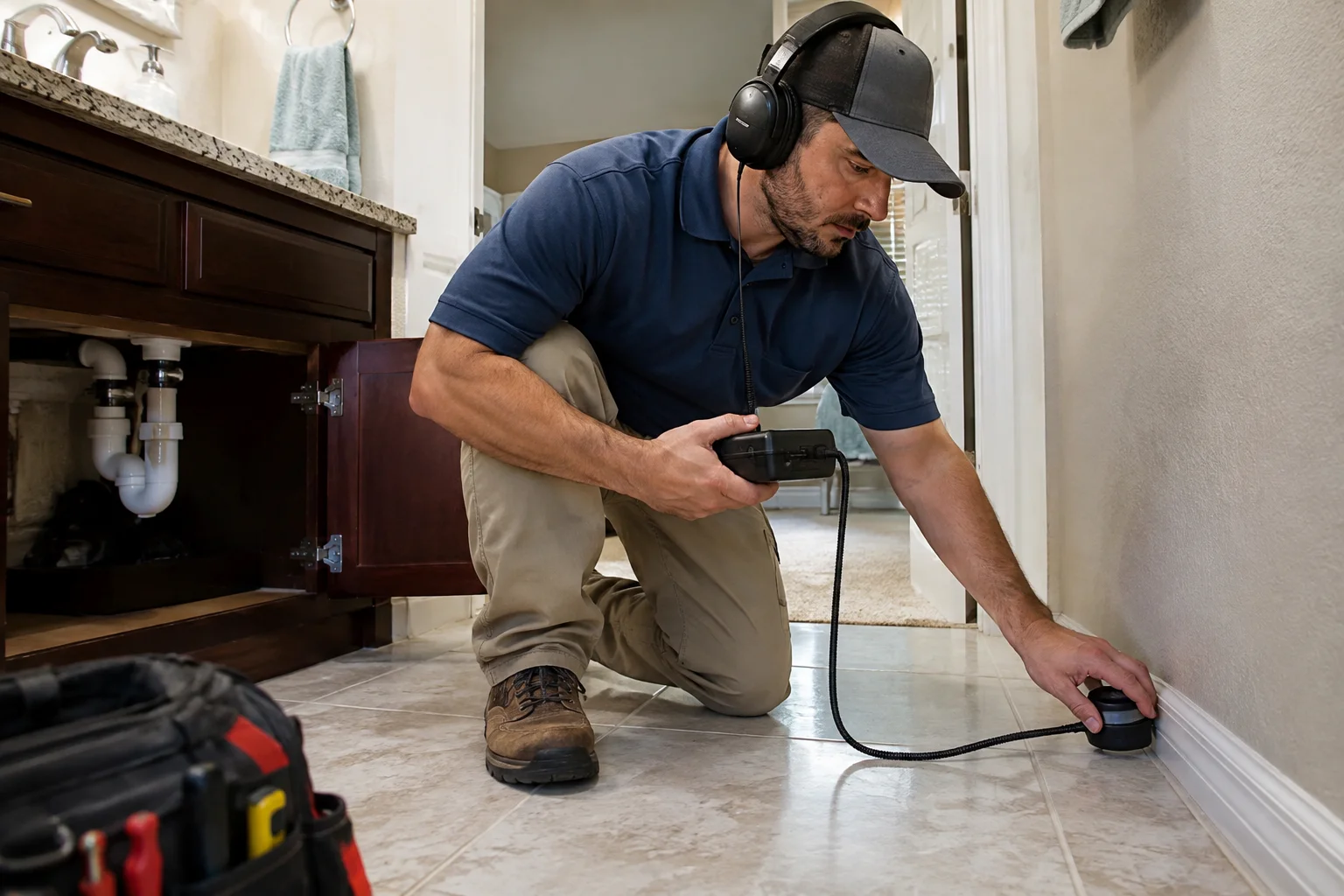
Some homeowners try to solve water issues with cleaners and extra scrubbing. Those tactics can help temporarily, but they do not stop scale from forming inside plumbing and appliances. It is a good idea to contact a professional when you notice multiple symptoms together, especially if they are getting worse during certain months.
Call A Superior Mechanical if you see:
- Visible sediment, discoloration, and odor concerns
- Cloudy ice cubes or persistent taste and odor issues
- Recurring scale buildup around faucets, showerheads, and plumbing
- Soap does not lather or rinse well despite using enough product
- Appliances wearing out faster or frequent maintenance needs
- Dry skin or dull hair after bathing that does not improve
For homeowners who want a reliable approach, you can start with water softening service tailored to Pretty Bayou homes at /service-areas/bay-county/pretty-bayou/water-softening-pbbcfl. If you are also exploring broader clean water solutions, review options on /water-filtration-ro-water-softeners and learn more about service coverage at /service-areas/bay-county/pretty-bayou and /service-areas/bay-county.
If you want deeper reading on how treatment choices work together, these guides can help you connect the dots:
- Why Better Water Treatment Makes Water Softening Work in Pretty Bayou, FL
- Pretty Bayou Homes and the Real Cost of Hard Water: How Reverse Osmosis Helps Protect Plumbing
- How Plumbing Wear and Tear Shapes Water Purification in Pretty Bayou Homes
- How Water Softening Protects Rosemary Beach Plumbing from Costly Water Damage
A practical seasonal checklist you can use at home
When seasons shift in Pretty Bayou, a quick routine can help you stay ahead of water quality problems:
- Before peak use: Confirm salt levels, check any filter indicators, and verify that water softener performance looks consistent.
- During high occupancy: Watch for soap that does not lather, increased hard water spots, and more noticeable scale around showerheads and faucets.
- Kitchen test: Pay attention to drinking water taste, poor tasting coffee water, and whether ice looks cloudy.
- Appliance check: Notice if appliances start underperforming, heating takes longer, or maintenance becomes more frequent.
- Document changes: If symptoms spike, note the dates and what changed. This helps with water treatment near me troubleshooting and service planning.
Hard water can feel like a minor inconvenience until it shows up everywhere. A seasonal approach to water softening and filtration helps you keep water quality steady for drinking, cooking, bathing, laundry, and the fixtures your family uses daily.
If you are comparing options like water softening, AO Smith water filtration, whole home water filtration, or reverse osmosis, the best next step is getting a local assessment that matches your home’s schedule and water needs. That is how you get clean, comfortable water year-round across Bay County and Pretty Bayou.
Find Water Softening in Pretty Bayou, FL
If you need Water Softening in Pretty Bayou, FL, visit our local service page or contact A Superior Mechanical today.
For a broader look at whole-home water filtration, reverse osmosis, and water softener options, visit our water filtration, RO, and water softener page.
Map of Pretty Bayou, FL
Frequently Asked Questions
Does water softening help with chlorine taste in water?
Water softening primarily reduces hardness minerals that cause scale. If you have chlorine taste in water or unpleasant flavor, you may need additional water filtration. Many homeowners pair softening with whole home filtration or a reverse osmosis system for drinking water.
Why does my water quality seem worse during certain seasons in Pretty Bayou?
Seasonal occupancy and changes in water use can make hard water symptoms show up more strongly. When the home is used more often, scale buildup around faucets, showerheads, and plumbing can become more noticeable. If the system is not keeping up with demand, symptoms can also return.
Can reverse osmosis and a water softener work together?
Yes. A common approach is to soften the water to reduce scale-forming minerals, then use reverse osmosis for drinking and cooking water. This can help protect RO components and improve taste and clarity.
What is the most reliable way to confirm I need a water softener?
Look for patterns like hard water spots on glass, scale buildup around fixtures, soap that does not lather, dry skin from hard water, and cloudy ice cubes. A professional water test and system assessment can confirm hardness levels and guide the right treatment plan.
How often should a water softener be serviced?
Most systems benefit from periodic service to verify settings, check performance, and maintain filters or components as needed. Seasonal changes in usage can also affect regeneration and performance, so scheduling service based on your household demand is important.
Related Articles
- Why Better Water Treatment Makes Water Softening Work in Pretty Bayou, FL
- Pretty Bayou Homes and the Real Cost of Hard Water: How Reverse Osmosis Helps Protect Plumbing
- How Plumbing Wear and Tear Shapes Water Purification in Pretty Bayou Homes
- How Water Softening Protects Rosemary Beach Plumbing from Costly Water Damage
Photo Gallery