Seaside homes feel great when the air is balanced. But in Walton County, Florida, the combination of warm temperatures, high humidity, and salty coastal air can turn indoor comfort into a moving target. When airflow is off, condensate drainage is struggling, or ducts are not distributing air the way they should, indoor air quality can suffer too.
Smart indoor air quality testing helps you move from guesswork to a clear plan. It can also make HVAC repair planning easier, since you can connect comfort complaints to the actual conditions in the home. A Superior Mechanical provides professional indoor air quality testing for homes, rentals, and businesses in Seaside, FL, with a focus on the HVAC factors that influence what you and your family breathe.
Why indoor air quality testing matters in Seaside’s coastal climate
Indoor air quality is not just about what is floating in the air. It is also about how your heating and cooling system controls humidity, moves air through ductwork, and manages moisture created during cooling.
In Seaside, several local realities affect indoor air quality:
- Florida heat and humidity increase the moisture load on air conditioners and heat pumps. When the system is not tuned for the home, humidity can linger indoors.
- Salt air can be corrosive to HVAC components over time, especially where equipment is exposed to coastal conditions. That can affect performance and airflow.
- Airflow changes from dirty ducts, poorly sealed ductwork, or blocked returns can cause certain rooms to feel stuffy while others feel over-cooled.
- Condensate drainage matters. During cooling, your system removes moisture and drains it away. If condensate drainage is restricted or the drain pan is not draining properly, you can end up with excess moisture indoors.
When these factors line up the wrong way, homeowners often describe symptoms like persistent musty odors, uneven temperatures, allergy flare-ups, or condensation on windows. Testing helps confirm what is happening so you can plan the right HVAC repair or preventive HVAC maintenance steps.
Comfort problems that often point to indoor air quality issues
Many indoor air quality problems show up first as comfort issues. In Seaside homes, those comfort complaints can be tied to HVAC performance, ductwork, and humidity control.
Common signs homeowners notice
- High indoor humidity that does not seem to improve even after running the AC.
- Musty smells, especially in closets, near vents, or after the system has been running for a while.
- Condensation on windows or around supply vents.
- Uneven temperatures, such as bedrooms that stay warmer, or living spaces that feel drafty.
- Dust buildup on surfaces that seems to accelerate, even with regular cleaning.
- Allergy or asthma flare-ups when the HVAC system is running.
These symptoms do not automatically mean you need a system replacement. They do mean the home should be evaluated. Smart testing can also help you identify whether the problem is primarily airflow, humidity control, ductwork, filtration, or something else occurring inside the HVAC system.
What indoor air quality testing looks at (and why HVAC matters)
When you schedule indoor air quality testing in Seaside, the goal is to understand the indoor environment and the HVAC conditions that influence it. Testing can help you evaluate:
Humidity control and moisture risk
High humidity can support microbial growth and increase the amount of dust and allergens that become airborne. It can also make your air conditioner feel like it is running but not improving comfort. Humidity testing helps you determine whether your system is actually controlling moisture, not just cooling the temperature.
Because Florida humidity is relentless in summer, moisture management is a major part of HVAC air quality. That includes condensate drainage performance and how well the system is removing moisture during cooling.
Airborne contaminants and allergen concerns
Indoor air quality testing can help identify whether airborne particles are present at levels that may contribute to allergy symptoms or respiratory discomfort. If your HVAC air filtration near me search is bringing you here, it is because homeowners often suspect filtration, but the real question is whether the filtration strategy matches the home and whether airflow is delivering air through the filter properly.
Testing can guide decisions about air filtration and system operation without guessing.
Airflow and pressure balance inside the home
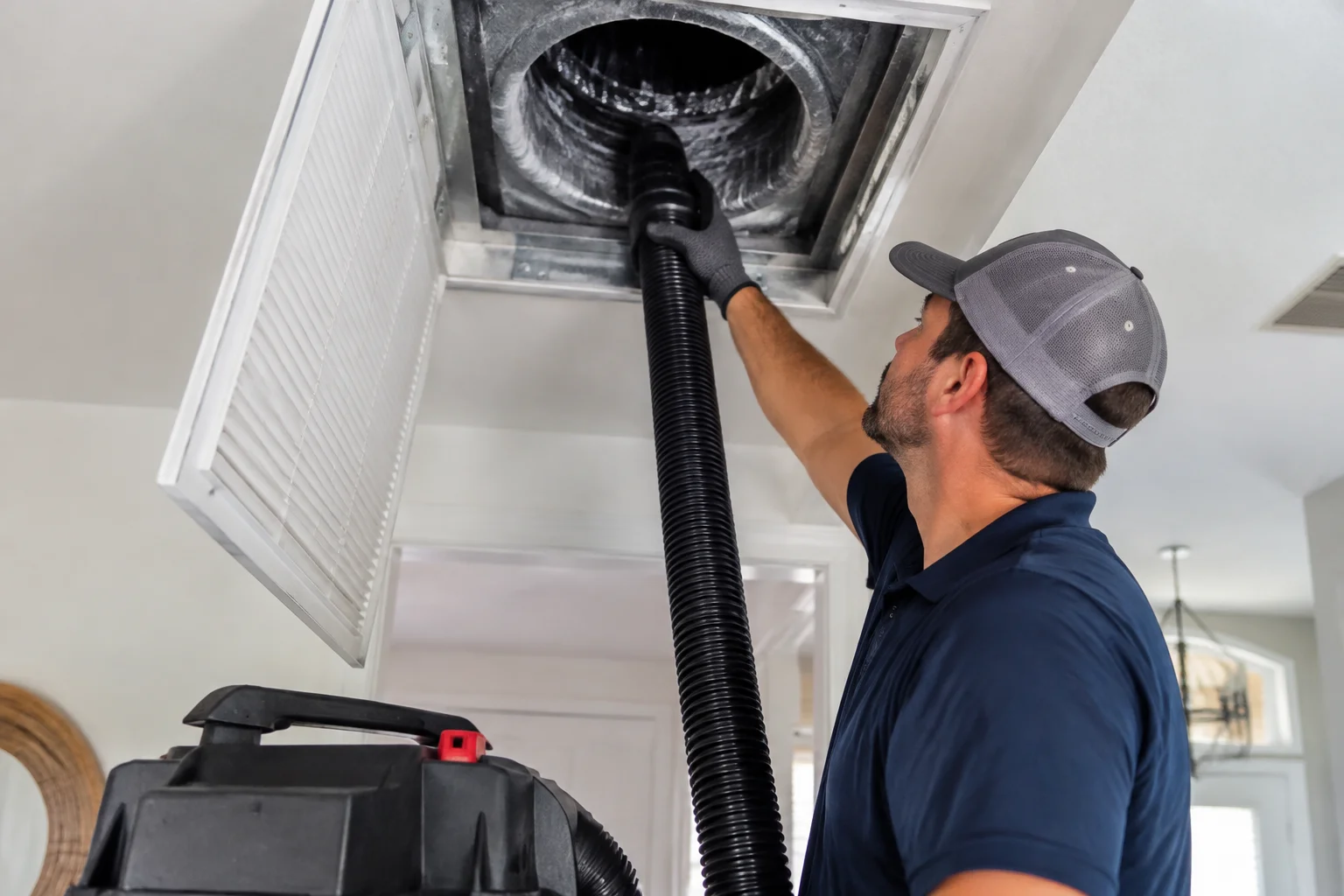
Even a well-designed system can underperform if airflow is restricted or uneven. Duct inspection and air distribution checks can reveal issues like blocked returns, leaky ducts, or ductwork that is not delivering conditioned air where it is needed.
If you want to go deeper on ductwork performance, you can review Duct Inspection for Seaside.
How thermostats influence comfort and air quality
Thermostats affect more than temperature. If the thermostat settings, scheduling, or system run times are not aligned with humidity and airflow needs, the home can stay too humid. Smart testing combined with thermostat evaluation can help you understand whether comfort problems are tied to how the system is being controlled.
For homeowners asking about thermostat installation near me, it is worth noting that the right thermostat setup can support better humidity control and more consistent indoor conditions.
How testing supports HVAC repair planning, not guesswork
Testing is valuable when it leads to a practical plan. Instead of replacing parts based on symptoms alone, a professional evaluation connects indoor air quality findings to HVAC performance and building conditions.
Here are a few ways testing can shape repair planning:
- Identifying humidity control problems that may require AC tune up near me style maintenance steps, adjustments, or targeted repairs, rather than an immediate jump to replacement.
- Highlighting airflow issues that point to ductwork or blower performance concerns.
- Revealing condensate drainage concerns that can create moisture where it should not be.
- Confirming filtration needs so you can choose an approach that supports indoor air quality without restricting airflow.
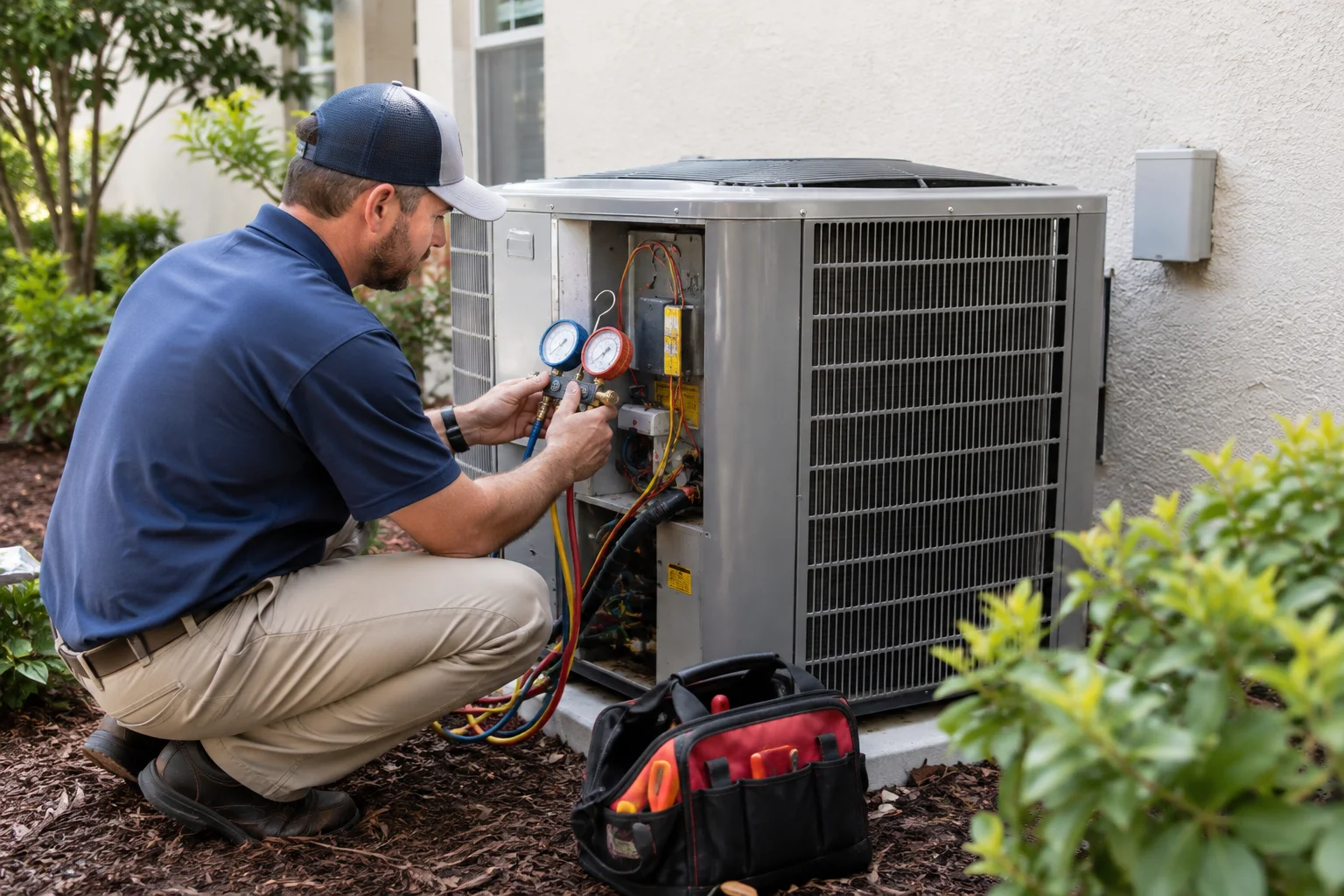
Important: indoor air quality testing does not replace a hands-on HVAC inspection. A professional technician should evaluate the refrigerant system, condensate drainage, thermostat operation, and airflow paths in person. Testing can guide the direction, but it cannot safely diagnose refrigerant issues or electrical concerns without the proper on-site checks.
Where homeowners in Seaside often run into trouble
Seaside homes vary, but coastal Florida has recurring HVAC patterns that affect indoor air quality. Here are some issues that can show up during testing and comfort troubleshooting.
AC and heat pump performance drift
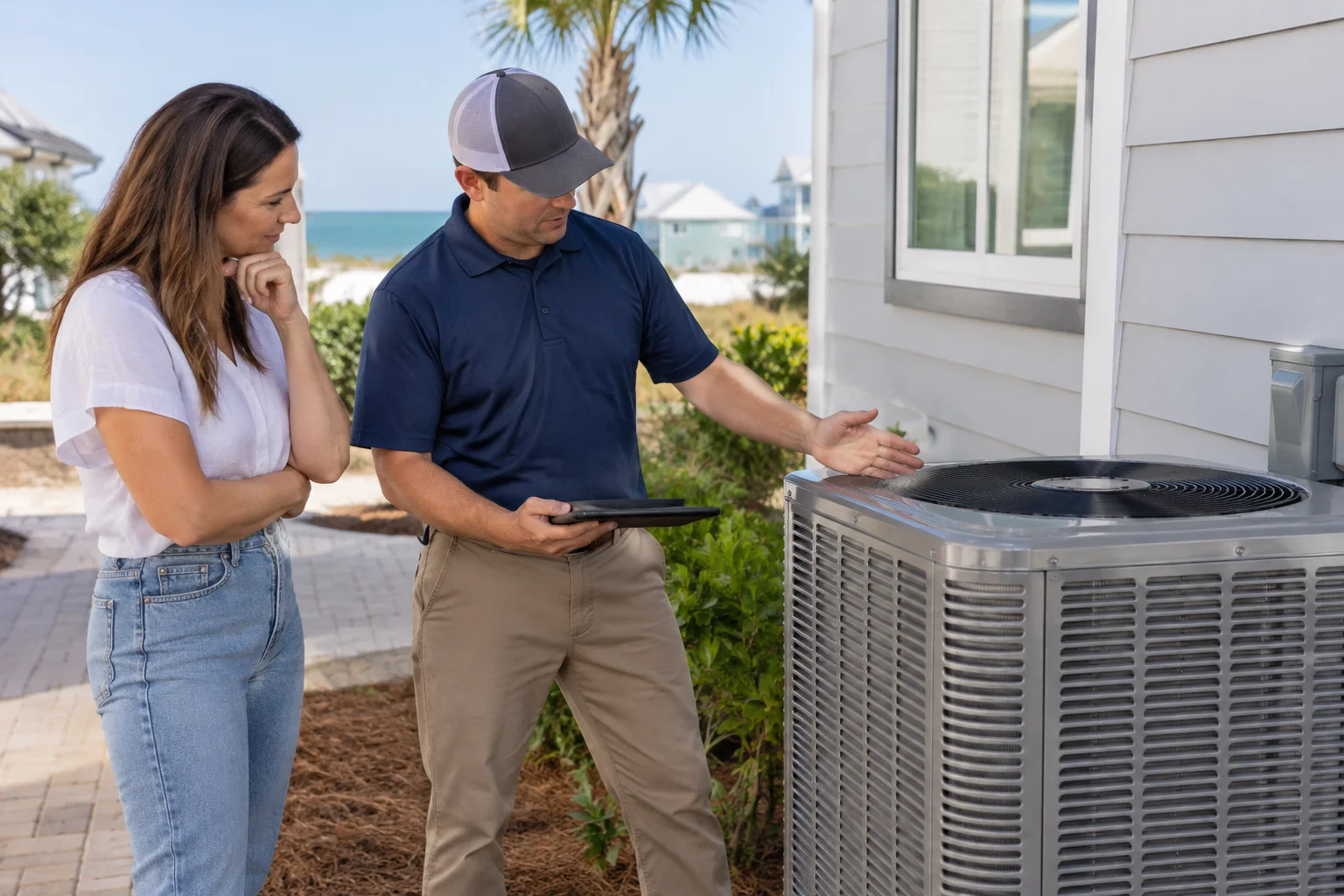
Over time, your air conditioner or heat pump can lose efficiency due to normal wear, exposure to salt air, or airflow restrictions. When performance drifts, humidity control often suffers first. That is why indoor humidity can climb even when the thermostat is calling for cooling.
Condensate drainage problems
During cooling, indoor humidity ends up as condensate on the indoor coil and needs to drain away. If condensate drainage is partially blocked, the drain pan can overflow or moisture can linger. Testing and inspection can help determine whether moisture risk is tied to how the system handles condensate drainage.
Because excess moisture can affect indoor air quality, condensate drainage is a key part of any comfort and health-focused HVAC evaluation.
Ductwork that does not distribute air evenly
Leaky or poorly balanced ductwork can create hot and cold spots and reduce the effectiveness of air filtration. If some rooms are not receiving enough airflow, those areas can feel stale and may show different indoor air quality conditions than the rest of the home.
If you suspect ductwork is part of the problem, a duct inspection can help uncover airflow and distribution concerns.
Filter and airflow mismatches
Many homeowners try to improve indoor air quality by changing filters. That can help, but HVAC air filtration near me searches often miss a key point: filtration choices must fit the system. If airflow is restricted, the system can struggle to move air and control humidity.
Testing plus inspection helps you choose an approach that supports indoor air quality while keeping the system operating correctly.
Energy use and indoor air quality: they are connected
Indoor air quality problems often lead to higher energy use. When humidity is not controlled properly, the system may run longer, cycle more often, or struggle to reach comfort targets. That can raise electricity use and still leave the home feeling uncomfortable.
Energy use is also affected by airflow. When ductwork or returns are blocked, the HVAC system has to work harder to move air. When refrigerant systems are not performing as expected, cooling capacity can drop and humidity control can be inconsistent.
A Superior Mechanical focuses on the HVAC factors that influence both comfort and indoor air quality, including airflow, system operation, ductwork condition, and preventive HVAC maintenance planning.
Preventive HVAC maintenance that supports cleaner indoor air
Testing is one step. Preventive maintenance is what keeps indoor air quality stable through the season. In Seaside, that means staying ahead of humidity, airflow, and system performance issues before they turn into emergency cooling concerns.
Maintenance items that matter for indoor air quality
- AC tune up and heat pump service to support consistent cooling and humidity control.
- Filter and airflow checks to ensure the system can move air through filtration without restriction.
- Verification of condensate drainage so moisture does not build up indoors.
- Thermostat settings review to confirm run times and control strategies match the home.
- Airflow assessment across the home to reduce uneven comfort and stale air pockets.
- Ductwork evaluation when there are persistent hot or cold rooms, odors, or dust complaints.
For homeowners looking for reliable local HVAC help, preventive HVAC maintenance can be the difference between a manageable repair and a mid-summer breakdown. If you want to connect indoor air quality planning with emergency readiness, read Keeping Seaside Homes Ready for HVAC Emergencies.
When system replacement and major repairs might be part of the plan
Testing can also help determine whether the home needs repairs now or whether the system is approaching the point where replacement becomes more practical. That decision should be based on an in-person evaluation of the HVAC equipment and its performance, not on test results alone.
Homeowners searching for HVAC replacement near me often start because comfort problems keep coming back. In Seaside, persistent humidity issues, repeated repairs, and consistent airflow problems can signal that the system is struggling to keep up with the home. Still, a licensed HVAC contractor near me should assess refrigerant system performance, airflow capacity, condensate drainage, and ductwork conditions before recommending major changes.
If your home uses a more complex setup, such as multi-zone systems, testing and performance evaluation can be especially important. You can also explore VRF Multi-Zone Systems for relevant guidance.
Choosing the right HVAC contractor for indoor air quality testing in Seaside
Indoor air quality testing should not feel like a one-size-fits-all service. The best results come from a professional who understands how HVAC operation, ductwork, humidity control, and filtration interact in coastal Florida homes.
When you are evaluating an HVAC company near me, look for these qualities:
- Local experience with Seaside homes, humidity levels, and coastal exposure.
- A clear process that includes an on-site evaluation of HVAC operation, airflow, and moisture handling.
- Practical recommendations tied to what the home is actually experiencing.
- Respect for safety, including not making refrigerant or electrical conclusions without proper in-person inspection.
If you are focused on indoor air quality testing itself, you can schedule through Indoor Air Quality Testing in Seaside. You can also browse the broader Walton County HVAC services to compare options for maintenance and repair planning.
Smart next steps for homeowners planning AC repair or filtration upgrades
If you are dealing with comfort issues, start by documenting what you notice. Then pair that information with professional testing and HVAC inspection.
A homeowner checklist you can use
- Track when humidity feels worst (morning, after showers, during certain rooms, during peak afternoon heat).
- Note any musty odors or condensation patterns.
- Watch temperature differences between rooms.
- Check filter condition and whether it is being changed on schedule.
- Pay attention to condensate drainage signs, such as water around the indoor unit.
Once you have that baseline, you can discuss HVAC repair planning with a technician. If you suspect airflow or filtration is part of the problem, pairing indoor air quality testing with targeted HVAC services can help you prioritize repairs that improve comfort and air quality together.
If you are already in the middle of an AC problem, the service page for Air Conditioning Repair can help you connect immediate cooling needs to longer-term indoor air quality goals.
Indoor air quality testing is also a smart move for rentals and businesses
Seaside rentals and commercial spaces often have higher turnover, different occupancy patterns, and variable maintenance schedules. That makes indoor air quality stability harder to maintain. Testing helps property owners plan repairs and preventive HVAC maintenance with fewer surprises.
For commercial settings, you can also review Commercial HVAC Maintenance to support consistent comfort and air quality in a humid coastal environment.
Local perspective: how testing can prevent comfort problems from spreading
When indoor air quality issues begin, they rarely stay isolated. A small moisture or airflow problem can lead to odor complaints, dust accumulation, and comfort dissatisfaction across the home. Testing helps you address the root cause earlier, which can reduce repeat calls and help your system perform more predictably through Florida’s humid stretches.
Homeowners often find it helpful to review Why Seaside Homes Benefit From Indoor Air Quality Testing Before Comfort Problems Spread and Indoor Air Quality Testing That Helps Inlet Beach Homes Stay Comfortable Longer for additional local context.
For upper coastal areas and different neighborhood conditions, you can also read Why Better Indoor Air Quality Testing Matters for Upper Grand Lagoon Homes. The underlying HVAC principles are similar, but each home’s airflow and humidity behavior can differ.
If you are looking for a smart, HVAC-first approach to indoor air quality testing in Seaside, A Superior Mechanical can help you map the indoor conditions to the HVAC system that supports them.
Find Indoor Air Quality Testing in Seaside, FL
If you need Indoor Air Quality Testing in Seaside, FL, visit our local service page or contact A Superior Mechanical today.
Map of Seaside, FL
Frequently Asked Questions
How does indoor air quality testing help with humidity problems in Seaside homes?
Testing can measure indoor humidity conditions and help connect them to HVAC performance factors like cooling run time, airflow, and moisture removal. A technician should still inspect condensate drainage, ductwork, and system operation in person to confirm the cause.
Can HVAC air filtration alone solve indoor air quality issues?
Filtration can help, but indoor air quality depends on more than the filter. Airflow through ductwork, HVAC run times, humidity control, and whether the system delivers air to each room all affect results. Professional testing and inspection provide a better match between your home and your filtration strategy.
What should I do before scheduling indoor air quality testing?
Write down comfort complaints such as musty odors, condensation, uneven temperatures, or allergy flare-ups. Note when they happen and which rooms are most affected. This information helps the technician focus the evaluation during the on-site visit.
Will indoor air quality testing diagnose refrigerant or electrical problems?
No. Indoor air quality testing supports the evaluation of indoor conditions, but refrigerant system and electrical diagnosis require an in-person HVAC inspection with proper safety checks.
Is indoor air quality testing worth it for rentals in Seaside, FL?
Yes. Rentals often experience variable occupancy and maintenance schedules. Testing can help identify humidity and airborne contaminant concerns early and guide preventive HVAC maintenance so the property stays comfortable for guests and tenants.
Related Articles
Photo Gallery