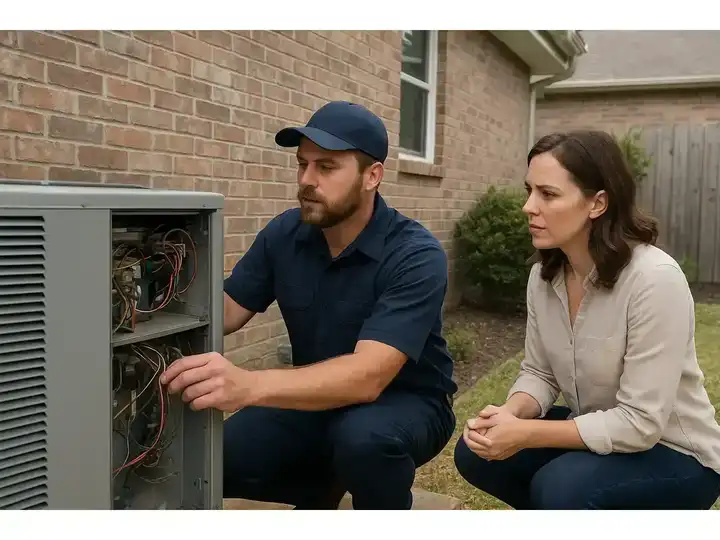
Commercial HVAC systems do a lot of quiet work in Callaway. They keep offices comfortable, protect inventory, support indoor air quality, and help daily operations stay on schedule. In a place like Bay County, where heat, humidity, salt air, and storm season all put extra pressure on equipment, maintenance decisions matter more than many businesses realize.
Choosing the right maintenance approach is not just about preventing a breakdown. It is about understanding how your building uses energy, how local weather affects your system, and which small issues are worth correcting before they turn into expensive repairs. For businesses looking for commercial HVAC maintenance in Callaway, FL, the best plan is usually the one built around the building, the usage, and the local climate.
If you manage a storefront, office, medical space, church, rental property, or light commercial building, the decisions you make about maintenance can shape comfort and operating costs all year long. A well-timed service plan can also reduce surprises during the hottest months, when HVAC systems in Callaway work hardest.
Why Callaway’s climate changes the maintenance conversation
Callaway sits in a Gulf Coast environment where HVAC systems face more than just everyday wear. High humidity can make coils work harder and can encourage condensation problems. Salt in the air can accelerate corrosion on outdoor components. Afternoon storms and hurricane season can create power fluctuations, water intrusion, and debris issues. Even when temperatures are mild, the air can still feel heavy enough to push a system into frequent cycling.
That means commercial HVAC maintenance in Callaway is not a one-size-fits-all task. A system that seems fine in spring may start showing strain once summer humidity rises. Units near the coast or exposed outdoor equipment may need closer inspection for corrosion and drainage issues. Buildings with long daily run times often need more frequent filter changes, airflow checks, and coil cleaning than owners expect.
For businesses serving customers or tenants, these local conditions are a strong reason to work with a team that understands the area. A local provider can recognize patterns that show up in Bay County buildings and recommend maintenance that fits the climate, not just the equipment label.
Better maintenance decisions start with the building, not just the equipment
Two commercial HVAC systems with the same model number can have very different maintenance needs. A small office with limited occupancy does not stress equipment the same way as a restaurant, clinic, or property management portfolio. The most useful maintenance plan starts by looking at how the building is actually used.
Ask a few practical questions: How many hours a day does the system run? Are doors opening constantly? Do certain rooms stay hotter or colder than others? Is the building exposed to dust, moisture, or salty outdoor air? Are tenants or employees complaining about humidity, odor, or uneven temperatures?
These details help determine whether your priority should be airflow balancing, indoor air quality, drainage, thermostat control, or mechanical wear. If your building needs more than routine service, it may also be worth discussing related systems such as Heating Control Systems or, in some cases, a longer term upgrade through Commercial HVAC Installation.
Common warning signs that maintenance is getting behind
Commercial HVAC problems usually do not appear all at once. They build slowly. A system may still run while efficiency drops, comfort becomes uneven, and energy bills creep upward. Catching those changes early is one of the smartest decisions a business owner can make.
Uneven temperatures
If some rooms are too warm while others feel cold, the issue may be airflow, a dirty coil, a failing damper, or a thermostat problem. In commercial buildings, uneven comfort often points to a system that needs balancing rather than simply more cooling.
Higher energy use without a clear reason
When utility costs rise but business activity has not changed, HVAC efficiency is a good place to look. Dirty filters, worn belts, clogged coils, and poor refrigerant performance can all force a system to work harder than necessary.
Humidity problems
Callaway’s moisture levels can make humidity control a real challenge. If the air feels sticky indoors, or if you notice condensation around vents and windows, the system may not be removing moisture properly. That can lead to comfort complaints and, in some buildings, mold concerns.
Odd noises or short cycling
Grinding, rattling, banging, or a system that turns on and off too often should be checked quickly. These issues can be caused by loose parts, electrical trouble, airflow restrictions, or controls that are no longer working correctly.
Water around the unit
Drainage problems are common in humid climates. A clogged condensate line or a failing drain pan can cause leaks that damage ceilings, walls, flooring, or nearby equipment. If water is showing up near HVAC equipment, it may also be worth looking at Water Leak Repairs to rule out broader moisture issues in the building.
What a smart maintenance plan should include
Good commercial HVAC maintenance is more than a quick filter change. It should cover the parts of the system that affect efficiency, reliability, and indoor comfort. A thorough plan for Callaway businesses usually includes inspection, cleaning, testing, and documentation so small changes are easier to spot over time.
Coil cleaning and airflow checks
Dirty coils reduce heat transfer, which makes the system work harder. Airflow checks help confirm that air is moving through the system as designed and that restrictions are not causing pressure problems. These two tasks often have a direct effect on performance in humid Florida weather.
Filter replacement and indoor air quality
Filters protect equipment and help manage dust and debris inside the building. In commercial spaces with steady foot traffic or coastal exposure, filters can load up quickly. Replacing them on schedule helps keep airflow steady and can improve the feel of the indoor environment.
Electrical and mechanical inspection
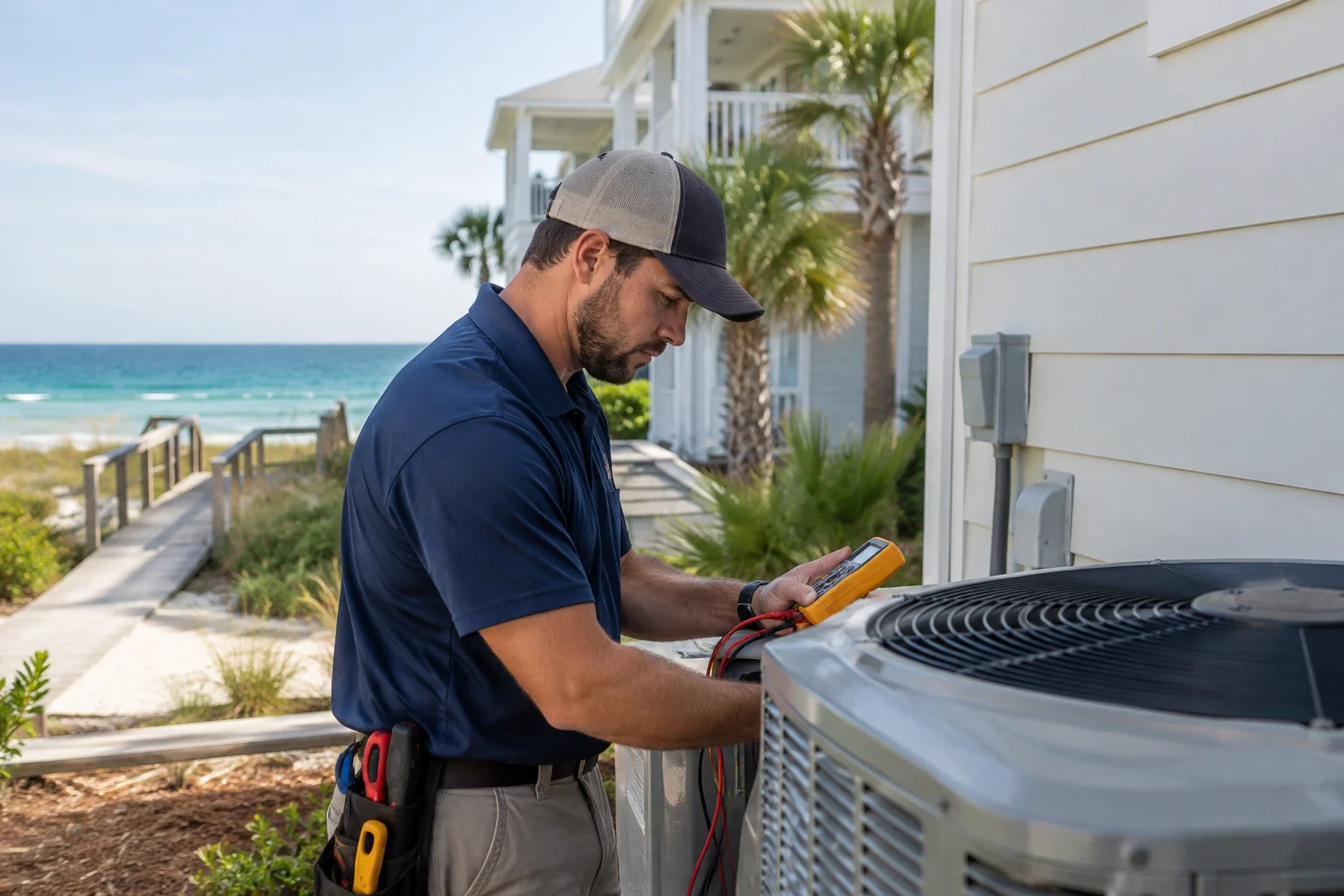
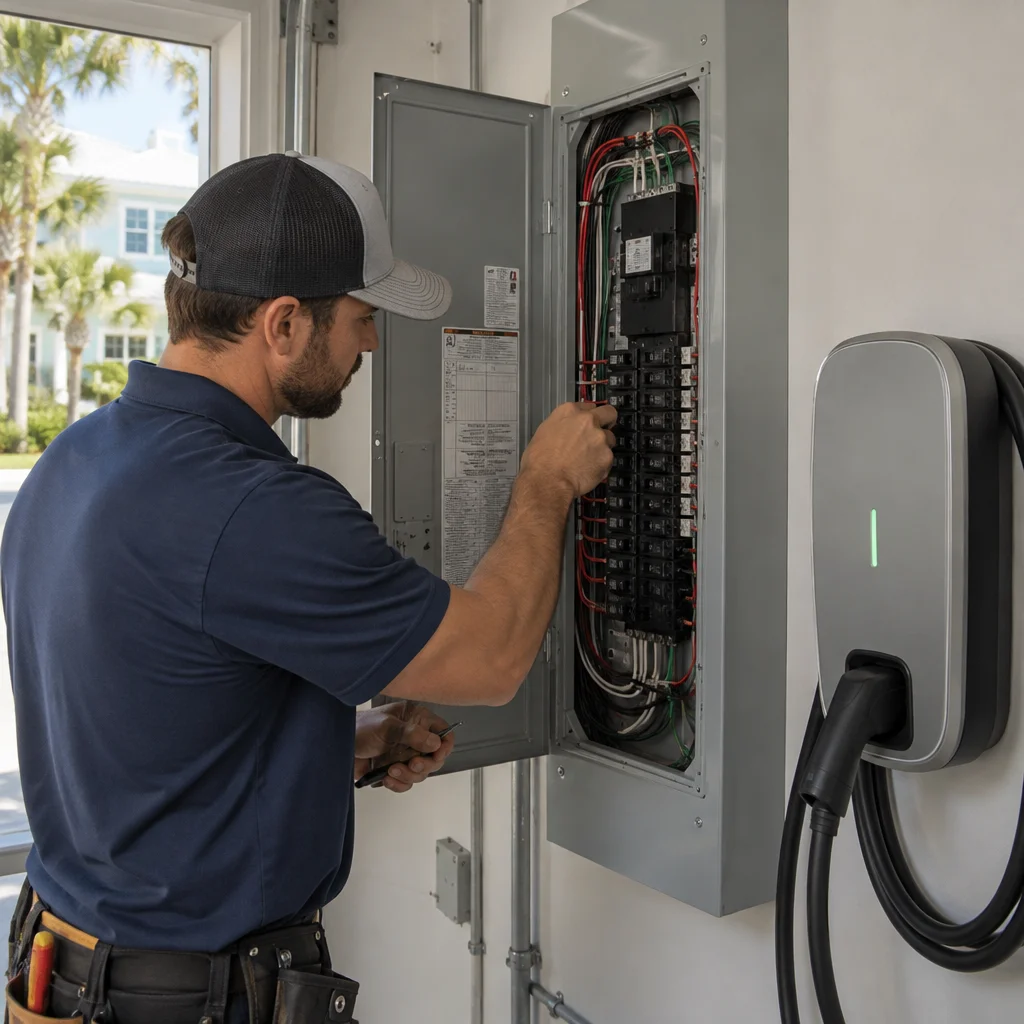
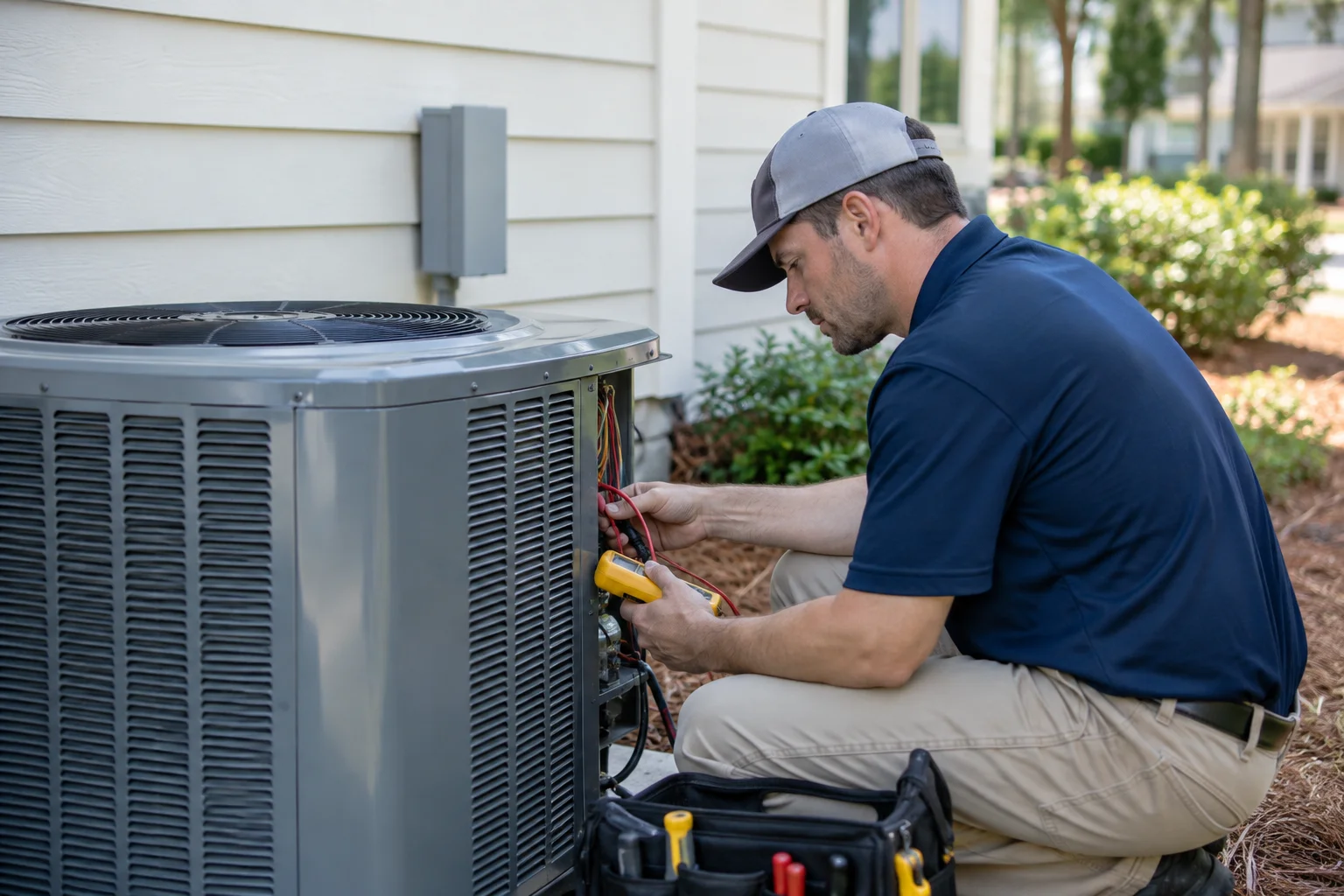
Loose connections, worn contactors, failing capacitors, and damaged belts can all create expensive downtime if ignored. A maintenance visit should include a careful look at these components, especially before peak cooling season.
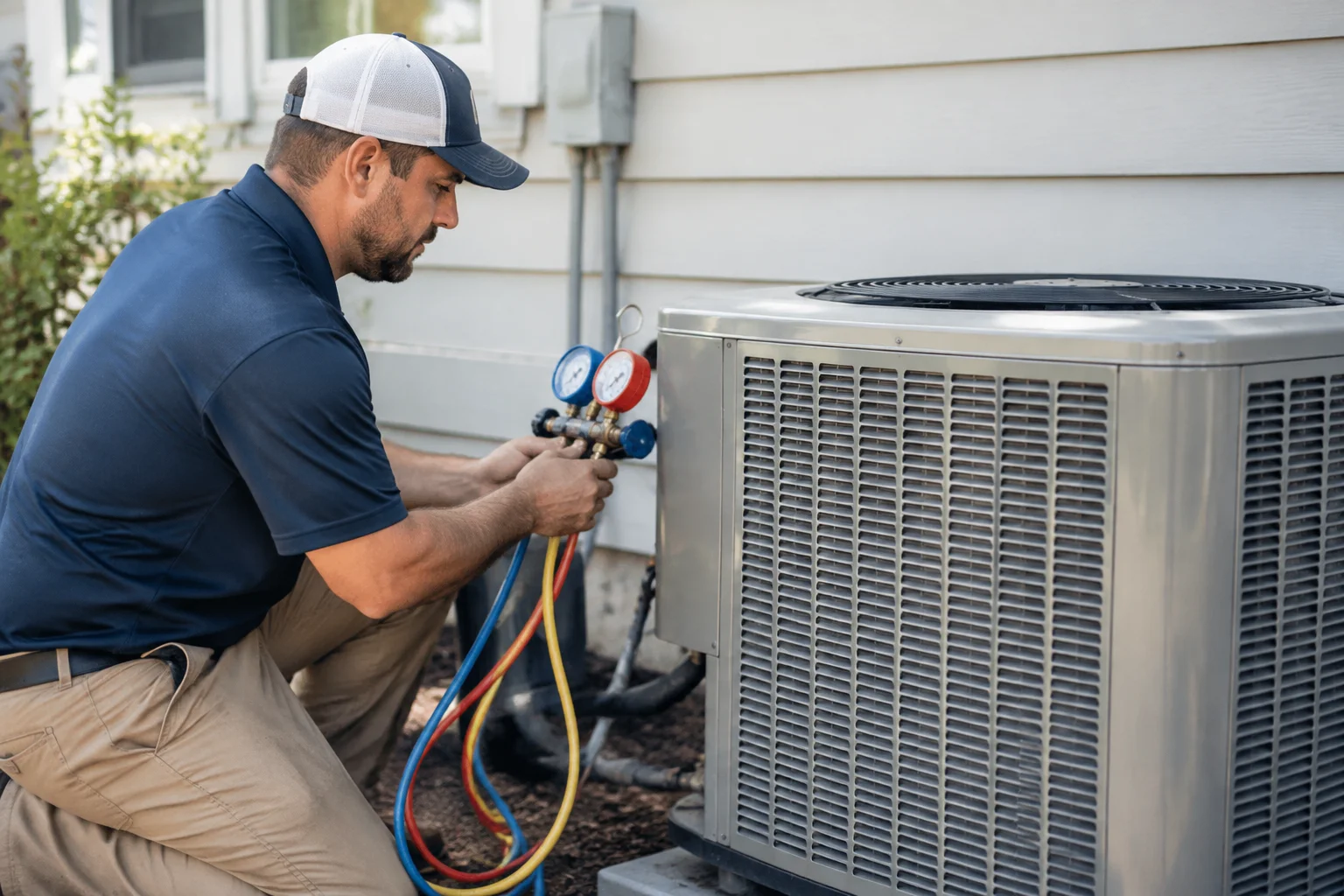
Refrigerant and drainage checks
Low refrigerant, leaks, or drainage problems can all reduce cooling performance. In a humid climate, drainage checks are especially important because excess moisture can create hidden damage long before a business notices a major issue.
Controls and thermostat review
Sometimes the problem is not the equipment itself but the way it is being controlled. Settings that are too aggressive, sensors that drift out of calibration, or outdated control strategies can waste energy and create complaints. If your system has more advanced zoning or controls, maintenance should include a review of how those settings are performing in real use.
How Bay County weather affects long term performance
Bay County weather can be hard on commercial HVAC systems even when there is no major storm event. Hot, damp air means longer run times and more strain on cooling components. Thunderstorms can expose electrical weaknesses. Salt air can shorten the life of outdoor parts. After a storm, debris can clog condenser coils or block airflow around rooftop equipment.
That is one reason local service matters. A technician who works in the area understands what the weather does to equipment over time and can adjust the maintenance approach accordingly. For businesses outside Callaway that still face similar conditions, the same logic applies across the county. It is one reason many owners keep an eye on broader service coverage in Bay County.
For a closer look at how weather affects nearby systems, this article on How Fort Walton Beach Weather Can Wear Down Commercial HVAC Maintenance Over Time offers a useful comparison for coastal properties facing similar stress.
Maintenance choices that save money without cutting corners
Some owners try to save money by waiting until something breaks. That approach usually costs more over time, especially with commercial systems that support business operations all day. Better decisions often come from focusing spending where it prevents the most disruption.
For example, regular maintenance can help extend equipment life, reduce emergency calls, and catch small repairs before they grow. It can also support more predictable budgeting. Instead of reacting to an unexpected outage in July, you can plan service visits during slower periods and reduce the chance of lost business during peak demand.
It also helps to track the system’s history. Keep records of filter changes, repairs, airflow complaints, and energy spikes. That information helps identify patterns, such as a unit that repeatedly struggles after heavy rain or a zone that always runs warmer than the rest of the building. Those patterns make it easier to decide whether maintenance, repair, or replacement is the better move.
Where commercial HVAC maintenance overlaps with other building concerns
In many Callaway properties, HVAC issues are tied to other maintenance needs. Moisture problems can affect drywall, flooring, and insulation. Poor water quality can contribute to scale or mineral buildup in certain systems. Older buildings may have controls that no longer match how the space is used.
That is why maintenance decisions should be made with the whole property in mind. If your building has recurring moisture or mineral buildup concerns, related services like Water Softening may help protect plumbing and connected equipment. If your building has changing occupancy or multiple tenant spaces, it may also be worth reading How Property Management HVAC Systems in Callaway Change Over Time and What to Watch for Before Comfort Slips for a broader look at long term system changes.
For owners focused on small issues before they become major repairs, Keeping Small HVAC Issues Small in Callaway’s Commercial Spaces is also a helpful resource. And if your building uses a multi zone setup, Smarter VRF Maintenance in Callaway: Keeping Multi Zone Comfort Efficient in Bay County explains why advanced systems need a more precise maintenance approach.
How to decide whether your current plan is enough
A good way to judge your maintenance plan is to look at outcomes. Are tenants or employees comfortable? Are repairs becoming less frequent? Are utility bills stable? Is the system holding up during the hottest weeks of summer? If the answer to any of these is no, your current plan may need to be adjusted.
Businesses in Callaway often benefit from a customized schedule instead of a generic calendar. That can mean more frequent visits during heavy use months, extra attention after storm season, or a maintenance checklist built around the specific equipment on site. The right plan should make the system easier to manage, not harder.
A Superior Mechanical provides commercial HVAC maintenance in Callaway, FL with customized service plans, detailed inspections, coil cleaning, airflow checks, and preventative care for businesses across Bay County. For local business owners who want dependable comfort and fewer interruptions, a maintenance plan built around Callaway conditions is often the smartest place to start.
Find Commercial HVAC Maintenance in Callaway, FL
If you need Commercial HVAC Maintenance in Callaway, FL, visit our local service page or contact A Superior Mechanical today.
Map of Callaway, FL
Frequently Asked Questions
How often should commercial HVAC maintenance be scheduled in Callaway, FL?
Most commercial systems benefit from at least twice yearly maintenance, and some buildings need more frequent service because of heavy use, humidity, or coastal exposure. In Callaway, it is smart to review the schedule before peak cooling season and again before cooler weather.
Why does humidity matter so much for commercial HVAC systems?
High humidity makes it harder for HVAC equipment to keep indoor spaces comfortable. It can also lead to condensation, drainage issues, and extra strain on coils and compressors. In Callaway, humidity is one of the biggest reasons preventative maintenance pays off.
What should a commercial HVAC maintenance visit include?
A solid maintenance visit should include filter checks, coil cleaning, airflow testing, electrical inspection, refrigerant review, drainage checks, and a look at controls and thermostats. The goal is to catch wear early and keep the system running efficiently.
Can maintenance really lower energy bills for a business?
Yes. Dirty coils, clogged filters, poor airflow, and control issues can all make a system use more energy than necessary. Regular maintenance helps the equipment run more efficiently, which can reduce operating costs over time.
Related Articles
- Smarter VRF Maintenance in Callaway: Keeping Multi Zone Comfort Efficient in Bay County
- How Property Management HVAC Systems in Callaway Change Over Time and What to Watch for Before Comfort Slips
- Keeping Small HVAC Issues Small in Callaway’s Commercial Spaces
- How Fort Walton Beach Weather Can Wear Down Commercial HVAC Maintenance Over Time
Photo Gallery