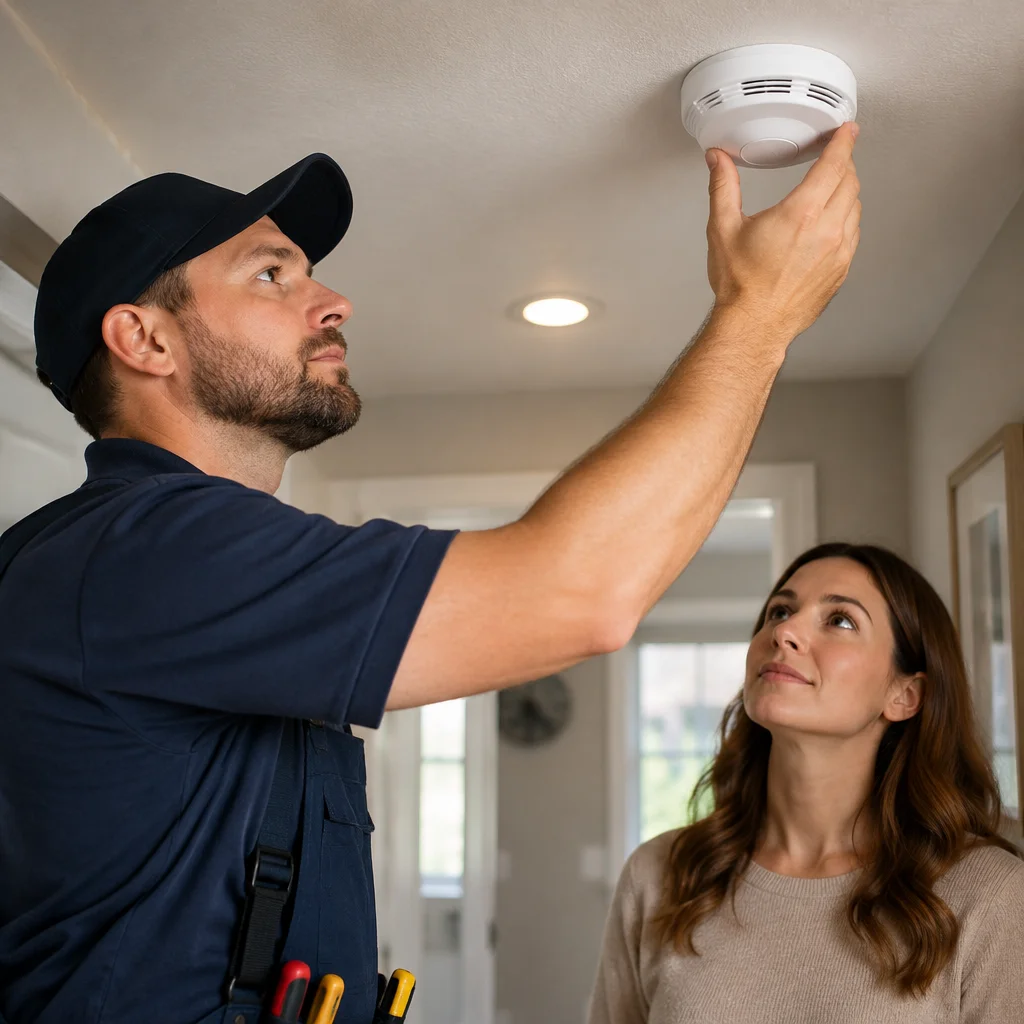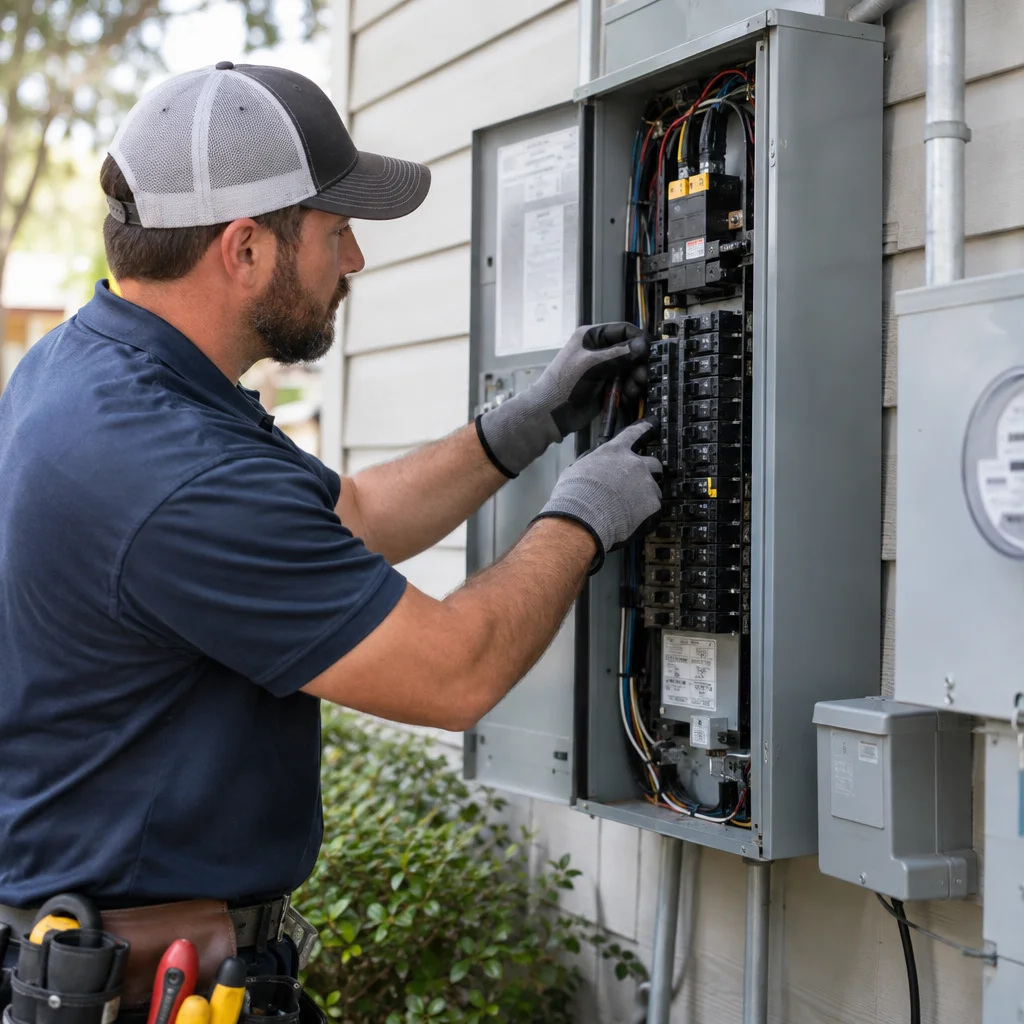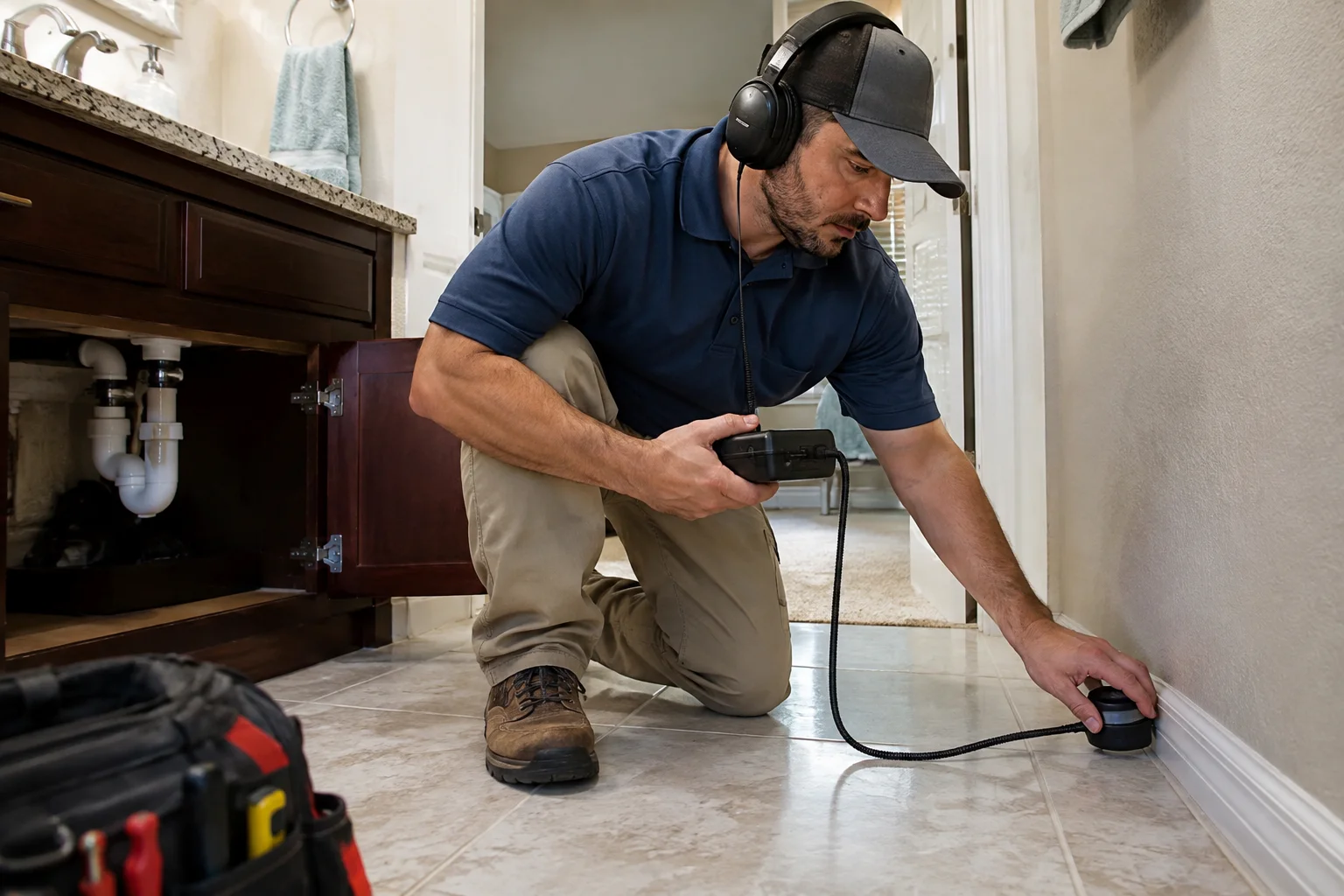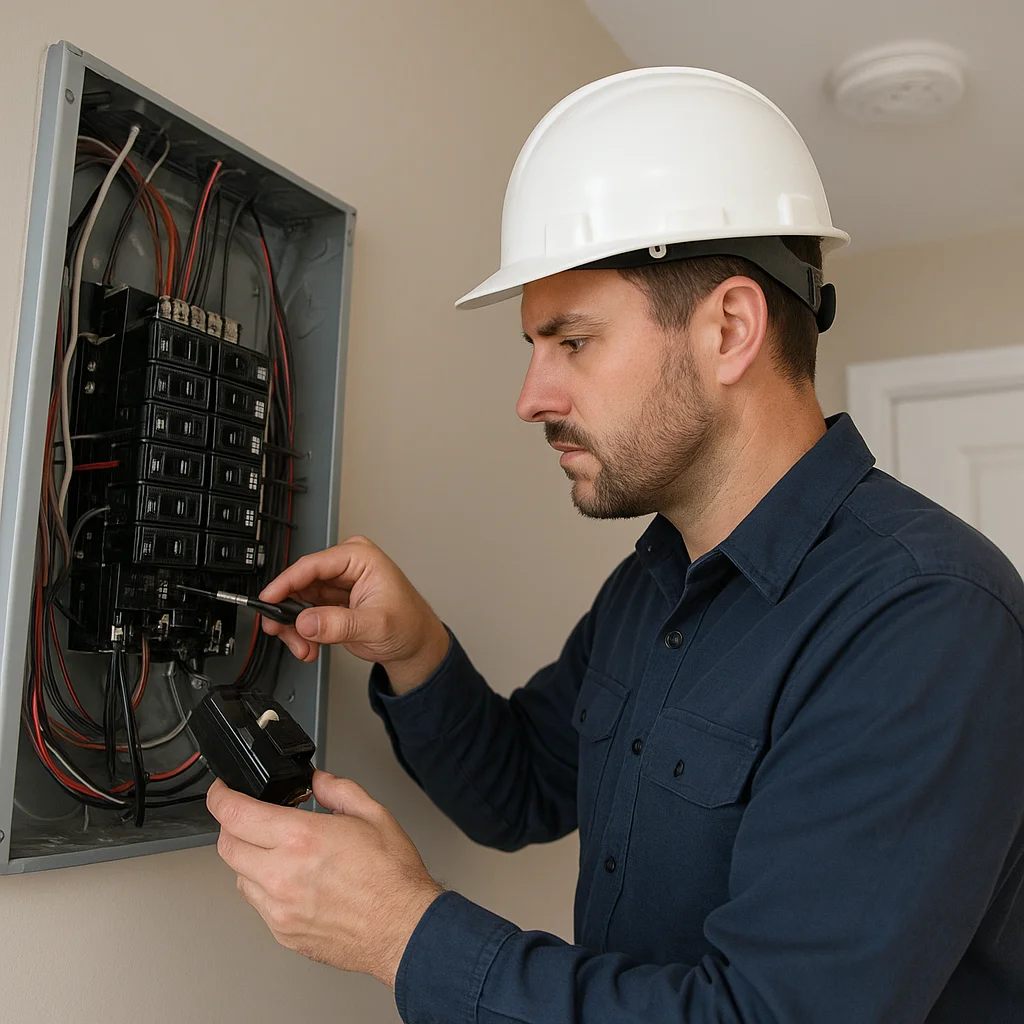
In Wright, FL, smoke detectors and carbon monoxide detectors do more than check a code box. They are part of a home’s electrical safety system, and they need to match the age, wiring, layout, and power demands of the property. That matters whether you live in an older home with original circuits or a newer build with more electronics, larger panels, and added appliances.
Homes in Okaloosa County deal with coastal humidity, summer storms, lightning, and power interruptions that can affect detector performance and the wiring behind them. If you are searching for a residential electrician near me, the right local service can help with testing, replacement, detector placement, code corrections, and the electrical work that keeps alarms dependable when you need them most. For professional help, A Superior Mechanical provides smoke detector and carbon monoxide detector services in Wright for homes, rentals, and commercial spaces.
Why detector safety is an electrical issue, not just a battery issue
Many homeowners think detector maintenance starts and ends with a chirping battery. That is only part of the picture. Hardwired smoke detectors and combination smoke and carbon monoxide units depend on stable circuits, proper interconnection, and a reliable backup battery. If the circuit is overloaded, the breaker is weak, the wiring is aging, or the detector is improperly installed, the alarm may not perform as expected.
That is why detector work often overlaps with electrical repair near me searches. A unit that keeps chirping after a battery change may be fine, or it may point to a loose connection, a failing device, or a wiring problem at the ceiling box. In older Wright homes, especially those with original aluminum wiring, outdated panels, or mixed remodel work, detector issues can reveal bigger electrical concerns that deserve a licensed electrician’s attention.
Older Wright homes and the limits of original wiring
Older homes in Wright often have charm, but they can also have electrical systems that were designed for a much lower power load. Many were built before today’s expectations for kitchen appliances, home offices, EV chargers, entertainment systems, and whole house backup power. That can create problems for smoke and carbon monoxide detectors if the branch circuits are crowded or if the home has had several additions over the years.
When a homeowner starts looking into electrical panel upgrade near me, the conversation often expands beyond outlets and lights. Detectors may be tied into circuits that also serve lighting, bathroom fans, hallway receptacles, or attic equipment. If the panel is full or breakers are tripping, a code correction electrician near me search may lead to needed updates such as dedicated circuits, new wiring, grounding improvements, or a sub panel installation near me for added capacity.
Older homes can also have ceiling boxes that were not built for modern interconnected alarms. If you are replacing old detectors, it is worth checking whether the wiring supports the current device type and whether the home needs updated interconnection or a revised circuit layout. A proper electrical inspection can catch these issues before they become safety problems.
Newer homes still need careful detector planning
New construction does not automatically mean perfect protection. Newer Wright homes often have more complex layouts, open floor plans, attached garages, larger laundry spaces, and more electronics. Those features can require better detector placement and more careful electrical planning. A detector in the wrong spot may miss smoke movement or give nuisance alarms from steam, cooking, or air movement.
In newer homes, detector placement should work with the electrical design of the house, not against it. That means considering ceiling height, hallway length, bedroom spacing, attic access, and how the home’s circuits are divided. It also means making sure the units are compatible with the panel and with each other. If the home has a battery backup system or generator setup, the detector circuits should be reviewed so alarms remain supported during outages.
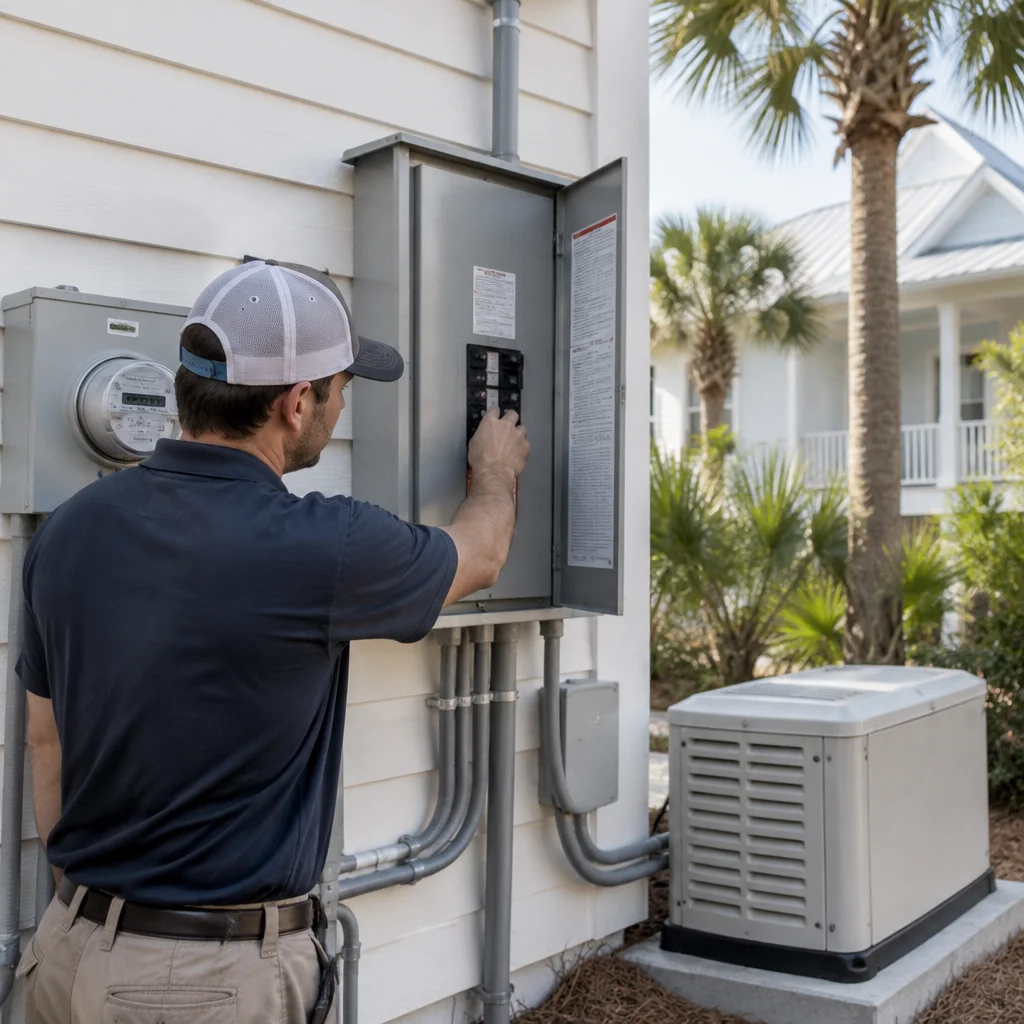
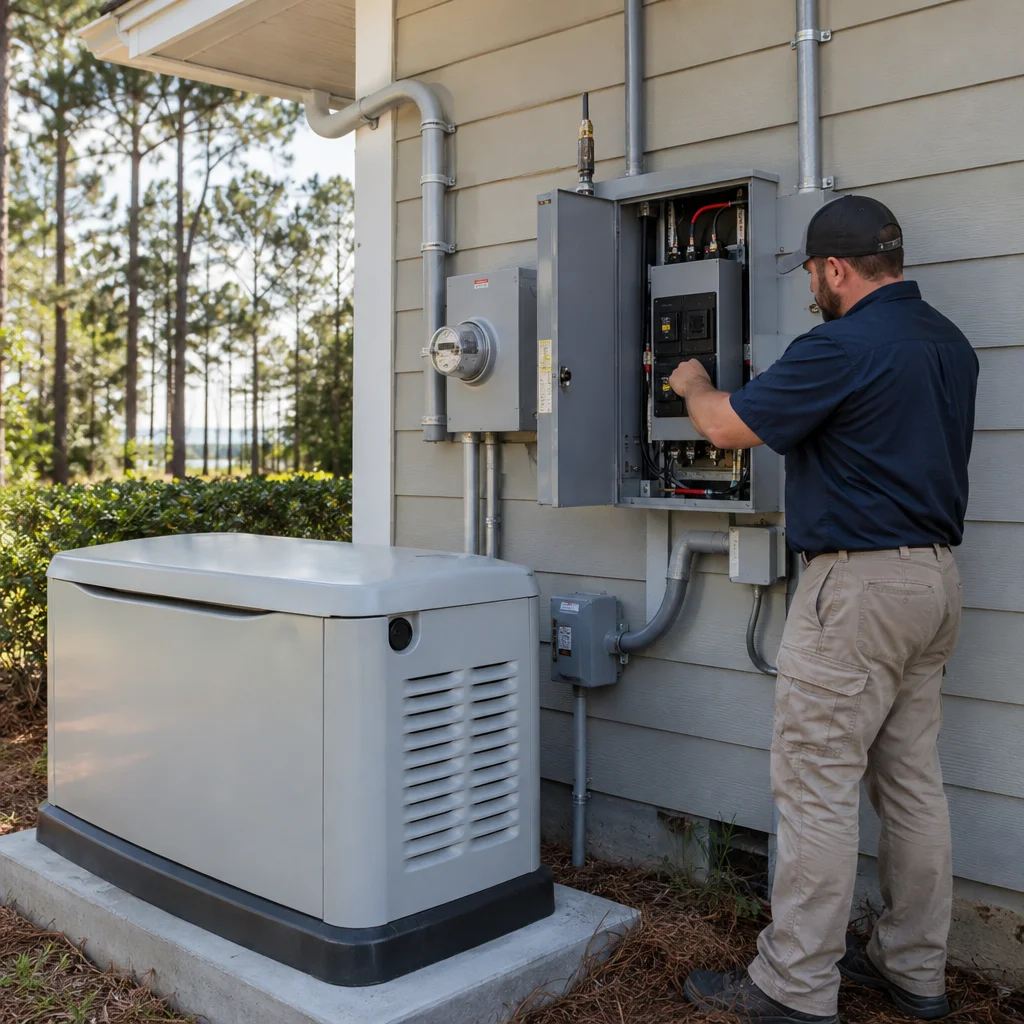
For homeowners who have also been planning a battery backup system or generator transfer switch installation near me type project, detector wiring should be part of the broader electrical discussion. Safety devices should stay powered and dependable when the rest of the home is running on backup.
How Wright’s weather affects alarms and electrical systems
Wright’s coastal climate creates conditions that can wear on electrical components. Humidity can corrode connections over time. Salt air can be tough on outdoor equipment, exterior service components, and metal parts near attic or garage spaces. Thunderstorms and lightning can also damage sensitive electronics, including detectors, breakers, surge strips, and control boards.
After a storm, homeowners sometimes notice flickering lights, tripped breakers, or dead alarms. A flickering lights repair near me search may turn up a loose neutral, a worn breaker, or a surge issue that also affects detector circuits. If the home experienced a power event, it is smart to test all smoke and carbon monoxide alarms, reset the system if needed, and schedule electrical maintenance if any devices are unresponsive.
Whole home surge protection is especially useful in storm-prone areas. Surge protection can help reduce damage to detector electronics, lighting controls, ceiling fan controls, and appliance circuits. It is not a substitute for proper installation, but it adds an important layer of defense for homes in Okaloosa County.
Where smoke and carbon monoxide detectors belong in the home
Placement matters as much as the device itself. Smoke detectors should be located where they can detect smoke early without being too close to kitchens, bathrooms, or supply vents that cause nuisance alarms. Carbon monoxide detectors should be placed according to manufacturer instructions and code guidance, especially near sleeping areas and on each level of the home.
In Wright homes with additions or remodeled rooms, detector placement can get overlooked. A new bedroom, garage conversion, or enclosed porch may need its own protection. If the home has had kitchen updates, indoor lighting upgrades, or ceiling fan installation near me projects, the ceiling boxes and circuits around those spaces should be reviewed so detector placement still makes sense.
Homeowners who are already planning indoor lighting, outlets and switches, or dedicated circuits for appliances can often bundle detector work at the same time. That approach helps reduce labor, improves code compliance, and gives the electrician a clearer view of the home’s wiring condition.
Electrical warning signs that should not be ignored
Some detector problems are simple. Others point to larger electrical concerns. A detector that keeps chirping after a battery change may need replacement. A unit that loses power, fails to interconnect, or trips the breaker may indicate wiring trouble. If the home has repeated nuisance alarms, that can also suggest poor placement, dusty units, or a circuit problem affecting the device.
Other electrical warning signs can show up at the same time. Warm outlets, buzzing switches, tripping breakers, or lights that dim when appliances start are all worth attention. If a homeowner is already searching for switch repair near me, outlet installation near me, or same day electrician near me, the detector system should be checked during the visit. In some homes, the alarm issue is the first clue that the panel, branch wiring, or grounding needs work.
For homes with high electrical demand, especially those considering a dedicated appliance circuits upgrade, detector circuits should be reviewed as part of the load calculation. That is especially important if the home also has an EV charger, a modern kitchen, or a garage with added equipment.
Code compliance matters more during remodels and replacements
Detector replacement is often straightforward, but code compliance can get complicated during remodels, additions, or electrical upgrades. A modern alarm system may require interconnected units, specific locations, and compatible power sources. If the home has been updated in phases, the detector setup may no longer match current standards.
That is where a local electrical contractor near me search can be useful. A licensed electrician can look at the detectors, the panel, the branch circuits, and the home’s overall electrical layout. They can also identify whether the project should include grounding corrections, breaker replacement, or a panel upgrade to support the system properly. If the meter base, service conductors, or panel enclosure show age or corrosion, those issues should be addressed before new devices are installed.
For homeowners comparing options for a 200 amp panel upgrade near me, the detector project can be a good time to evaluate the rest of the electrical system. A stronger panel does not just support appliances and EV chargers. It can also make future safety upgrades easier and more reliable.
Smoke detectors, carbon monoxide detectors, and everyday electrical maintenance
Routine electrical maintenance helps detectors stay reliable. Homeowners should test alarms regularly, replace batteries as recommended, vacuum dust from the units, and replace older devices when they reach the manufacturer’s age limit. Hardwired units still need battery backup, and that backup should not be ignored just because the house has utility power most of the time.
It also helps to pay attention to the rest of the home’s electrical system. GFCI protection in bathrooms, kitchens, garages, and exterior areas protects people from shock. Proper grounding helps equipment survive storms and surges. Lighting installation should not crowd detector placement. Ceiling fan installation should not leave loose boxes or exposed wiring. Even a bathroom lighting installation near me or kitchen lighting installation near me project can become a chance to check nearby detector locations and wiring condition.
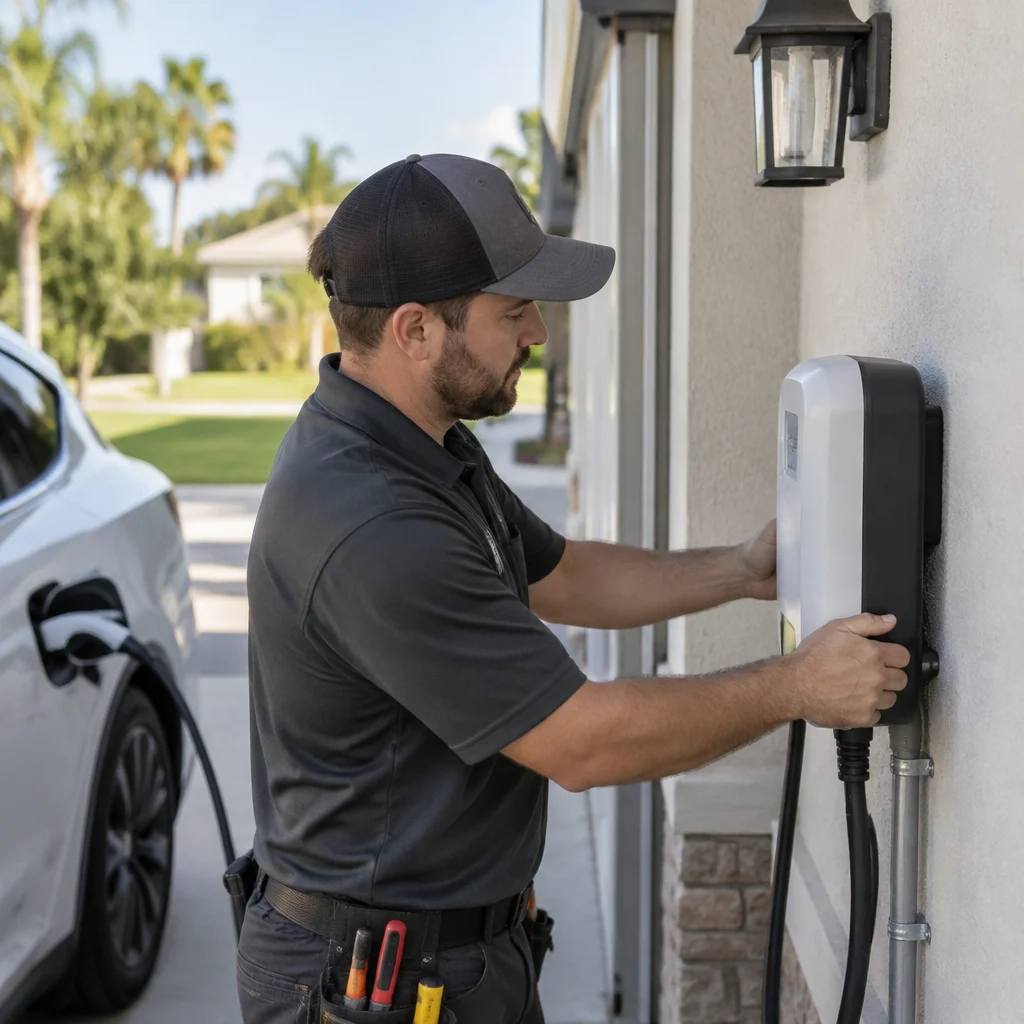
In homes with heavy loads, EV charging, or backup power, detector circuits should be part of the plan. Homeowners searching for tesla charger installation near me or generator installation near me often need broader electrical upgrades, and those upgrades can include better alarm placement, new circuit routing, or a panel review. If a detector issue appears alongside a breaker problem, a breaker repair may be needed before the alarm system can function correctly.
Why local electrical service matters in Wright and Okaloosa County
Local conditions matter. Wright homes face the same weather, humidity, and storm risks as the rest of Okaloosa County, and those conditions shape how electrical systems age. A local electrician understands how coastal exposure affects wiring, panels, ceiling boxes, and alarm devices. That experience can make the difference between a quick replacement and a safety issue being missed.
Homeowners who live in Wright or nearby areas can start with the Wright service area page for local electrical help, or review broader service coverage in Okaloosa County when planning larger upgrades. Whether the project is detector installation, outlet repair near me, meter base repair near me, or a full electrical inspection, the goal is the same: keep the home protected, code compliant, and ready for storms and daily use.
If your smoke detectors or carbon monoxide detectors are old, disconnected, hard to reach, or tied to a system that has been acting up, it is worth having them checked by a licensed electrician. A proper inspection can confirm the devices, the wiring, the breaker, and the panel are all doing their job. That is especially important in Wright homes where age, moisture, remodels, and power demand can all affect electrical safety in different ways.
For homeowners who want one visit to cover detector replacement, electrical repair, surge protection, or panel concerns, A Superior Mechanical can help with a practical plan that fits the home and the local code requirements.
Find Smoke Detectors and Carbon Monoxide Detectors in Wright, FL
If you need Smoke Detectors and Carbon Monoxide Detectors in Wright, FL, visit our local service page or contact A Superior Mechanical today.
Map of Wright, FL
Frequently Asked Questions
How often should smoke detectors and carbon monoxide detectors be replaced in Wright homes?
Most smoke detectors should be replaced every 10 years, and many carbon monoxide detectors last 5 to 7 years depending on the model. Heat, humidity, and coastal conditions in Wright can shorten the life of older devices, so date checks matter.
Do hardwired detectors still need battery backup?
Yes. Hardwired smoke and CO detectors usually need battery backup so they keep working during outages. That is important in storm-prone areas of Okaloosa County where power interruptions are common.
Can an electrician check the detectors and the wiring at the same time?
Absolutely. A licensed electrician can test the alarms, inspect the circuit, check interconnection, and look for related issues like tripping breakers, loose connections, or outdated wiring. That is often the best approach in older homes or during remodels.
Why do my smoke detectors keep chirping after I change the battery?
Persistent chirping can mean the battery is not seated correctly, the unit is dirty, the detector is at the end of its life, or there is a wiring issue in a hardwired system. If the problem continues, the device and circuit should be inspected.
Related Articles
- Smart Electrical Planning for Wright Homes: Panels, Wiring, Outlets, and Prevention
- How Electrical Wear and Tear Shapes Commercial New Construction in Wright, FL
- Keeping Wright Homes Powered Safely With Dedicated Appliance Circuits
- A Practical Guide to Smarter Commercial Plumbing Maintenance in Wright, FL
Photo Gallery