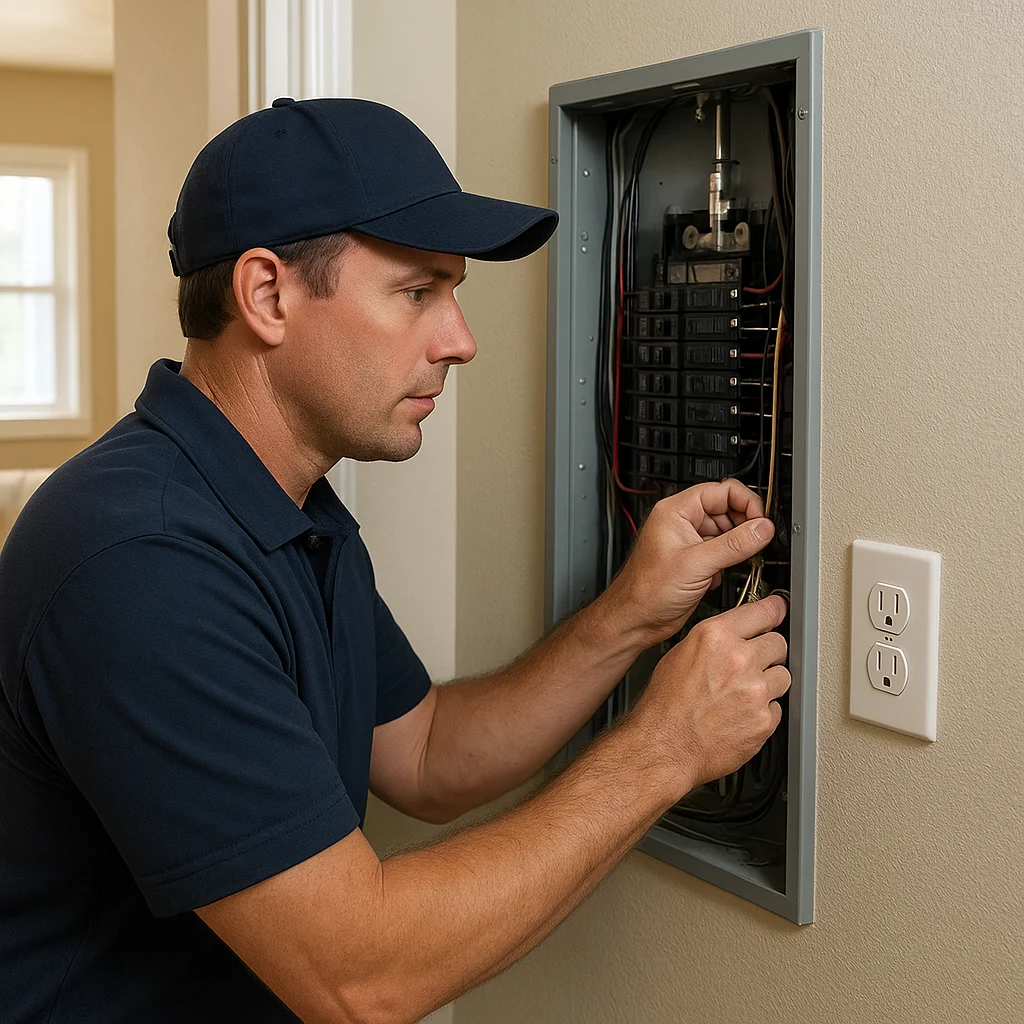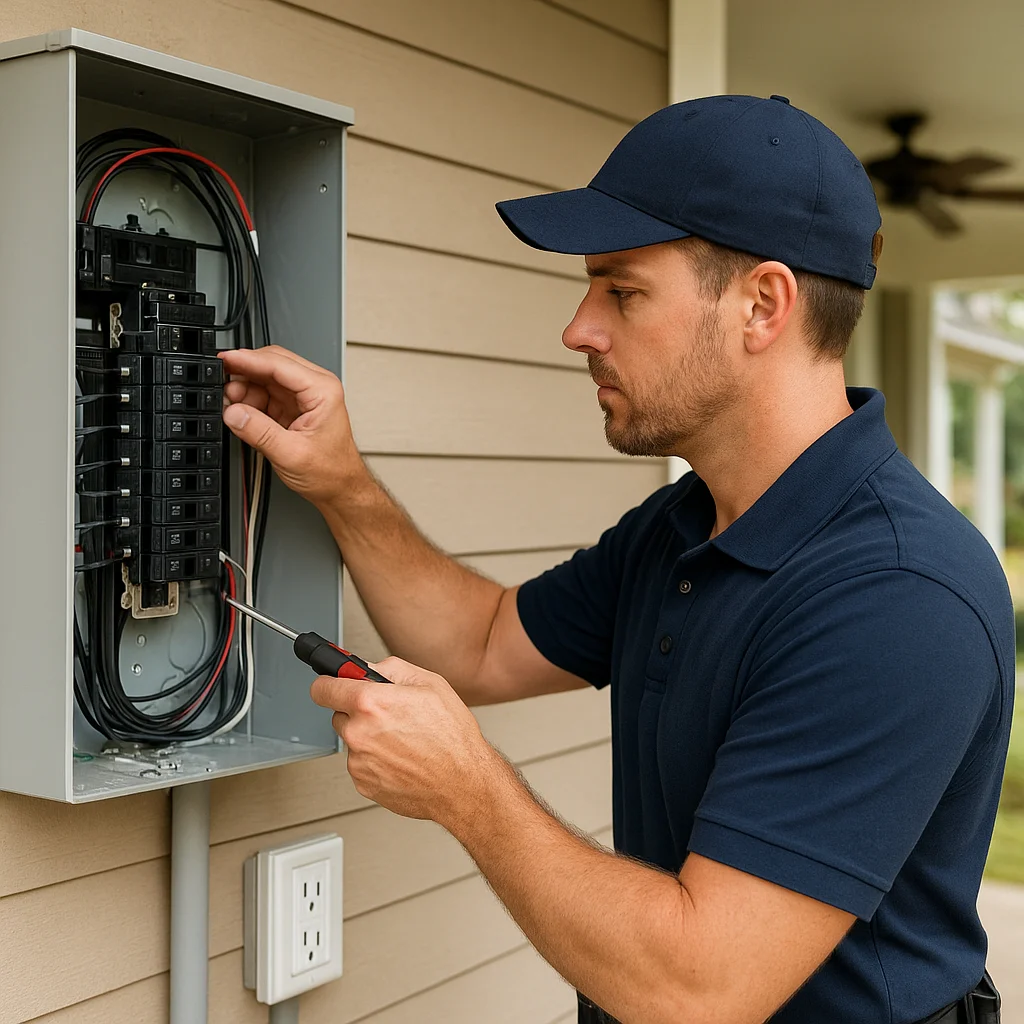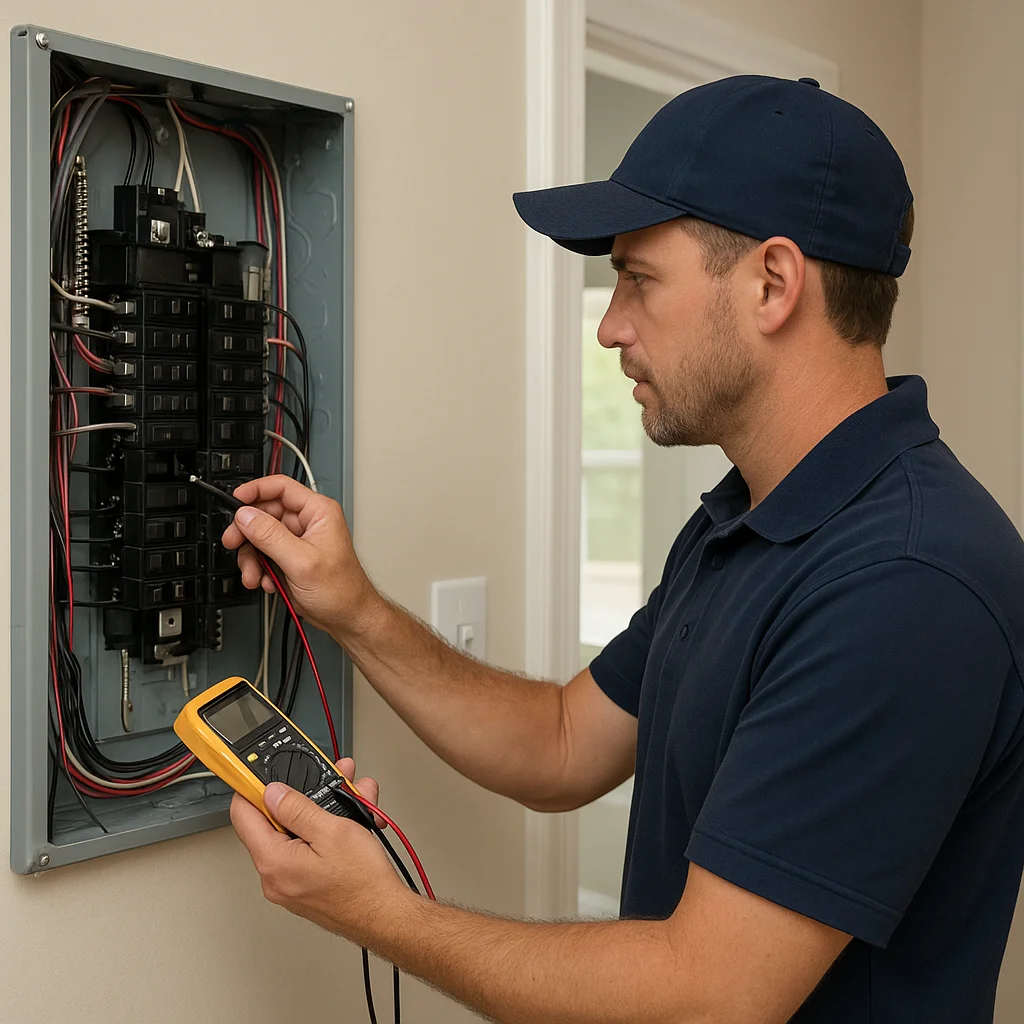
In Lower Grand Lagoon, safety devices have to keep up with coastal weather, older electrical systems, remodels, and the heavier power demand that comes with modern living. Smoke detectors and carbon monoxide alarms are easy to overlook until a chirp, a failure, or a false alarm gets your attention. By then, the issue may involve more than a battery. It can point to wiring, circuit, or code problems that deserve a closer look from a licensed electrician.
A Superior Mechanical helps homeowners, rental property owners, and business owners keep these systems dependable with professional smoke detector and carbon monoxide services in Lower Grand Lagoon, FL. If you are already looking at smoke detector installation and carbon monoxide protection, it is a good time to think about the rest of the electrical system too, especially if your home has aging wiring, frequent breaker trips, or recent renovation work.
Why these alarms matter more in a coastal Florida home
Lower Grand Lagoon homes deal with heat, humidity, salt air, storms, and power interruptions that can all affect electrical equipment. Smoke detectors and carbon monoxide alarms are built to give early warning, but they only do their job if they are installed correctly, powered properly, and maintained on schedule. A loose connection, a weak backup battery, or a device that is past its service life can leave a gap in protection.
In a coastal area, electrical components can corrode faster than homeowners expect. That matters for alarms that are hardwired into the home’s electrical system, because the device is only as reliable as the circuit feeding it. If the wiring is damaged, the breaker is weak, or the circuit has been altered during a remodel, the alarm may not operate the way it should during an emergency.
How smoke detectors and carbon monoxide alarms connect to the electrical system
Many homes in Lower Grand Lagoon use hardwired smoke detectors with battery backup. Some also use combination smoke and carbon monoxide units, especially in homes with attached garages, fuel burning appliances, or generator setups. These devices are usually tied into a dedicated or shared circuit and may communicate with one another so that one alarm triggers the rest.
That electrical connection is important. If a device keeps chirping after a battery change, loses power after a breaker trip, or behaves unpredictably after a storm, the problem may not be the alarm itself. It may be a wiring issue, a loose connection in the ceiling box, a tripped breaker, or a circuit that is overloaded by other devices. In those cases, homeowners searching for electrical repair often discover the alarm issue is part of a larger system problem.
Common electrical causes behind alarm problems
Some of the most common issues we see include damaged wiring, incorrect splices, missing grounding, incompatible replacement units, and circuits that were modified during a kitchen, bath, or addition project. If a home has recently had lighting changes, ceiling fan work, or outlet upgrades, it is worth checking whether the alarm circuit was affected too. A service call for lighting and fixtures or smart home integration can also reveal outdated wiring or code issues that affect life safety devices.
Where these alarms should be placed in the home
Placement matters as much as the device itself. Smoke detectors should be installed in sleeping areas, outside each sleeping zone, and on every level of the home. Carbon monoxide alarms should be placed near sleeping areas and in locations recommended by the manufacturer and local code. In homes with attached garages, generators, or fuel burning equipment, the layout should be reviewed carefully.
Lower Grand Lagoon homes often have unique floor plans, enclosed porches, garage conversions, or additions that do not match the original electrical layout. That is one reason a local Lower Grand Lagoon electrician is valuable. A device placed too close to a kitchen, bathroom, supply register, or ceiling fan can create nuisance alarms or reduce effectiveness. A device placed too far from the sleeping area may not warn you in time.
Signs the system needs attention
Smoke and carbon monoxide alarms do not usually fail all at once. They give clues first. Frequent chirping, random false alarms, blinking trouble lights, or alarms that will not reset can point to a power issue. If the home has experienced a storm, surge, or outage, those alarms may need inspection even if they still seem to work.
Other warning signs include alarms that are more than ten years old, devices that are discolored from humidity, missing units in required areas, or a home where one alarm sounds but others do not. If you are already dealing with breaker problems, flickering lights, or outlets that feel warm, it is smart to have the alarm circuit checked at the same time. Homeowners searching for same day electrician near me often need a broader safety inspection than they expected.
Electrical issues that often show up with alarm trouble
Alarm concerns can overlap with other electrical symptoms such as tripping breakers, loose switches, dead outlets, or a panel that is nearing capacity. If a home owner is already looking into keeping outlets and switches reliable in Lower Grand Lagoon homes, the same inspection may uncover damaged conductors, poor connections, or an overloaded circuit that also affects life safety devices.
Why code compliance matters in rentals, remodels, and older homes
Lower Grand Lagoon has a mix of older homes, updated rentals, vacation properties, and newer construction. Each one can have different alarm requirements depending on the layout, occupancy, and electrical changes over time. A remodel may add a bedroom, convert a garage, or update the kitchen without fully updating the safety devices. That can leave the home out of compliance even if the electrical work looks finished.
For property owners, code compliant smoke detector and carbon monoxide protection is not just about passing inspection. It helps protect guests, tenants, and family members when the home is occupied around the clock. If you manage a rental or are preparing a property for sale, a home safety inspection electrician near me search often leads to issues like missing alarms, improper interconnection, or outdated wiring that should be corrected before they become a liability.
Storms, surges, and coastal wear can shorten equipment life
Bay County storms can affect more than the main panel. Lightning, utility interruptions, and power surges can damage alarm circuits or weaken the electronics inside hardwired units. Salt air and humidity can also speed up wear on ceiling boxes, connectors, and wiring insulation. Even if the alarm still powers on, the internal components may not be as reliable as they once were.
That is why surge protection and grounding matter in homes across the area. A whole home surge protector can help shield sensitive devices, and proper grounding supports the electrical system overall. If your home has had recent surge damage, panel work, or generator installation, it is a good time to ask about safety devices and whether the alarm system should be tested again. For homeowners comparing electrical services near me, the right contractor will look beyond the alarm faceplate and inspect the circuit behind it.
Upgrades that often go hand in hand with alarm service
Smoke detector and carbon monoxide work often pairs with other electrical upgrades. A panel that is full or outdated may need attention before new hardwired alarms, dedicated circuits, or other safety devices can be installed properly. If your home is adding an EV charger, a hot tub, or new appliances, the electrical load can increase quickly. That can affect how the home is wired and whether the existing panel has room for safe expansion.
We often help homeowners who are already planning keeping Lower Grand Lagoon homes ready for the next electrical upgrade. In some cases, the right fix is a panel upgrade, breaker repair, or circuit correction before new life safety equipment is added. In others, the answer may be a dedicated circuit, new grounding, or replacing outdated devices in the ceiling boxes.
Examples of related electrical work
Depending on the home, a smoke and carbon monoxide service visit may lead to recommendations for lighting installation, breaker repair, outlet repair, smart home integration, or a dedicated circuit for a new appliance. In some remodels, it may also make sense to review outdoor landscape lighting and the electrical clues Lower Grand Lagoon homeowners should not ignore because exterior wiring problems can signal broader moisture or corrosion issues.
When a professional inspection is the safer choice
Some homeowners handle battery changes and basic testing on their own. That is fine for routine maintenance. But if the alarms are hardwired, interconnected, or part of a larger electrical concern, a professional inspection is the safer choice. This is especially true if you have a panel that is crowded, breakers that trip often, or a home that has had additions or DIY updates.
A licensed electrician can test the circuit, verify proper power and interconnection, confirm placement, and identify code corrections that may be needed. If you have also been searching for licensed electrician near me because of a flickering light, dead outlet, or a breaker that will not stay set, it makes sense to have the alarm system checked during the same visit. That can save time and help uncover a problem before it affects safety.
How local service helps Lower Grand Lagoon homeowners
Local electrical service matters because homes in Lower Grand Lagoon face conditions that inland homes do not. Salt air can corrode parts faster. Storms can interrupt power and damage sensitive electronics. Vacation rentals can sit vacant, then be used heavily for short stays. Newer homes may have more devices, more charging equipment, and more demand on the panel. Older homes may still have wiring or devices that need updating to meet current standards.
Whether the project is a smoke detector replacement, a carbon monoxide alarm upgrade, or a broader safety review, the goal is the same: keep the home protected and the electrical system dependable. If you are already planning electrical maintenance in Lower Grand Lagoon or comparing options for a local electrical contractor, this is a good time to include life safety devices in the checklist.
A Superior Mechanical provides professional smoke detector and carbon monoxide services in Lower Grand Lagoon, FL for homes, rentals, and businesses. From installation and replacement to code corrections and safety upgrades, our team helps make sure the alarms you depend on are connected, powered, and ready when they are needed most.
Find Smoke Detectors and Carbon Monoxide in Lower Grand Lagoon, FL
If you need Smoke Detectors and Carbon Monoxide in Lower Grand Lagoon, FL, visit our local service page or contact A Superior Mechanical today.
Map of Lower Grand Lagoon, FL
Frequently Asked Questions
How often should smoke detectors and carbon monoxide alarms be replaced?
Most smoke detectors should be replaced about every 10 years, and many carbon monoxide alarms have a similar service life. Check the manufacturer label and test them monthly.
Can a breaker or wiring problem affect hardwired alarms?
Yes. Hardwired alarms depend on the home’s electrical circuit. A tripped breaker, loose connection, damaged wiring, or corrosion in the ceiling box can cause failures or false alarms.
Do vacation rentals in Lower Grand Lagoon need special attention for alarm systems?
They do. Rental properties should have properly placed, code compliant alarms that are tested regularly. Frequent guest turnover makes dependable smoke and carbon monoxide protection even more important.
Should I have alarms checked after a storm or power surge?
Yes. Storms, lightning, and surges can damage electronics or weaken wiring. If your home lost power or had electrical issues, it is smart to have the system inspected.
Related Articles
- Keeping Lower Grand Lagoon Homes Ready for the Next Electrical Upgrade
- Outdoor Landscape Lighting and the Electrical Clues Lower Grand Lagoon Homeowners Should Not Ignore
- Keeping Pool, Spa, and Hot Tub Wiring Safe in Lower Grand Lagoon Homes
- Keeping Outlets and Switches Reliable in Lower Grand Lagoon Homes
Photo Gallery