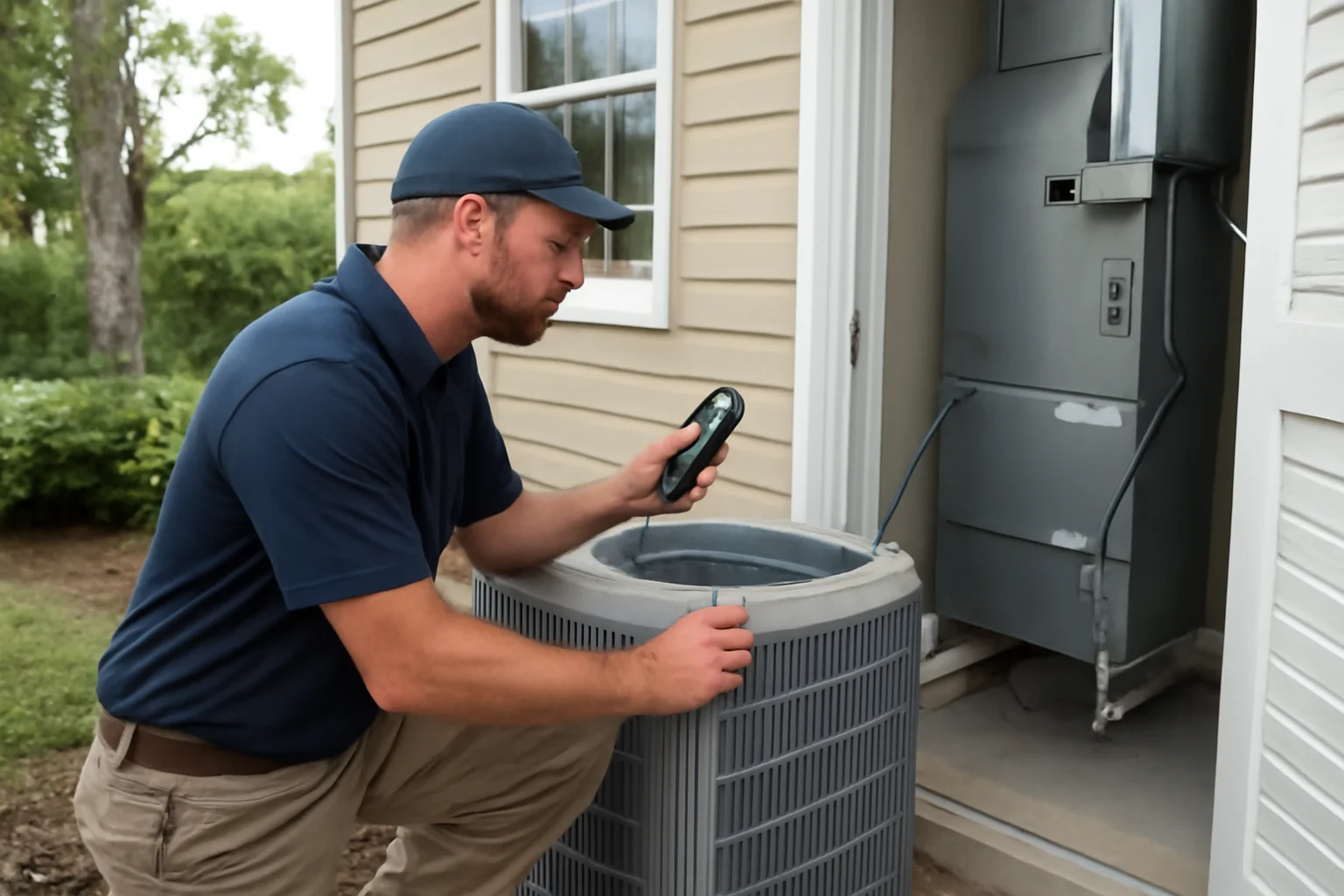
Indoor air quality testing is one of those home maintenance steps that pays off quietly. When you plan it around the way Cinco Bayou homes actually live, you get clearer insight into humidity, airflow, filtration performance, and contaminant sources that can make your AC or heat pump feel less effective. That means fewer comfort complaints, fewer repeat service calls, and a more dependable path for preventive HVAC maintenance through the hottest, most humid parts of the year.
A Superior Mechanical provides indoor air quality testing in Cinco Bayou, FL. This guide explains how to plan ahead so your testing is timed well, paired with HVAC inspections, and used to support smarter decisions about filters, ductwork, condensate drainage, and system upkeep.
Why Cinco Bayou’s climate makes air quality planning different
Most of the year in Okaloosa County feels like it was built for humidity. Summer brings heat, persistent moisture, and frequent coastal influences. Add to that the daily reality of beach breezes, open windows, and the way many homes are sealed up when air conditioning is running, and you get a set of indoor air quality challenges that can change month to month.
Here are the local factors that make planning indoor air quality testing especially useful:
- Humidity swings and comfort issues: When indoor humidity stays too high, it can affect how your air conditioner service performs. You may feel warm air cycling, see condensation around vents, or notice musty odors.
- Salt air and outdoor particulates: Coastal air can increase the amount of outdoor contaminants that find their way indoors, especially when filtration and return airflow are not performing as they should.
- Airflow pressure changes: Leaky ductwork, poorly balanced returns, or clogged filters can reduce airflow. Reduced airflow can also impact refrigerant systems indirectly by changing how the cooling process behaves.
- Condensate drainage concerns: In humid weather, condensate drainage becomes more critical. When drainage is slow or restricted, moisture can linger where it should not.
Planning your indoor air quality testing around these realities helps you avoid the most frustrating scenario: testing after the problem has already spread into comfort complaints and emergency cooling concerns.
Pick a testing window that matches real HVAC conditions
Indoor air quality testing is most useful when it reflects the conditions your system is actually working under. That means scheduling around seasonal HVAC load, not just calendar dates.
Early summer: catch problems before peak humidity
In Cinco Bayou, early summer is a smart time to plan. As outdoor humidity rises, AC systems and heat pump systems start working harder and longer. This is when you are most likely to learn whether your home is maintaining comfortable indoor humidity levels, whether airflow is steady across rooms, and whether filtration is doing its job.
Mid-summer: validate comfort after maintenance or filter changes
If you changed filters, adjusted thermostats, or had HVAC maintenance completed, consider testing shortly after the system has stabilized. This can help confirm that your indoor air quality goals match how your HVAC system is currently performing, especially if you have room-to-room differences.
After a major disruption: storms, renovations, or long downtime
Plan additional indoor air quality testing after events that can stir up dust and moisture. That includes:
- Hurricane season impacts, water intrusion, or prolonged humidity from power interruptions
- Renovations that disturbed ductwork, insulation, or drywall
- Extended periods of reduced HVAC use, such as when a home is unoccupied
These situations can shift the indoor contaminant profile quickly, so testing soon after the environment stabilizes helps you avoid lingering indoor air quality issues.
Coordinate testing with preventive HVAC maintenance
Indoor air quality testing works best when it is paired with a practical HVAC inspection. Homeowners often think of air quality as a separate issue, but in a forced-air system, air quality is closely tied to airflow, filtration, ductwork condition, and condensate drainage.
What a professional plan typically includes
During an indoor air quality testing visit, a local HVAC contractor should also consider the system conditions that influence indoor air quality. That can include:
- Thermostat operation and comfort control: Thermostats influence run time and staging behavior. If comfort settings are off, humidity can rise even with a functioning air conditioner.
- Airflow and ductwork performance: Supply and return airflow affects how well conditioned air is distributed. Ductwork problems can show up as hot or cold rooms, weak airflow, or uneven comfort.
- Filtration fit and performance: The filter type matters, but so does whether it is installed correctly and whether the system can move air through it.
- Condensate drainage during humid conditions: A system that removes moisture effectively supports healthier indoor humidity levels.
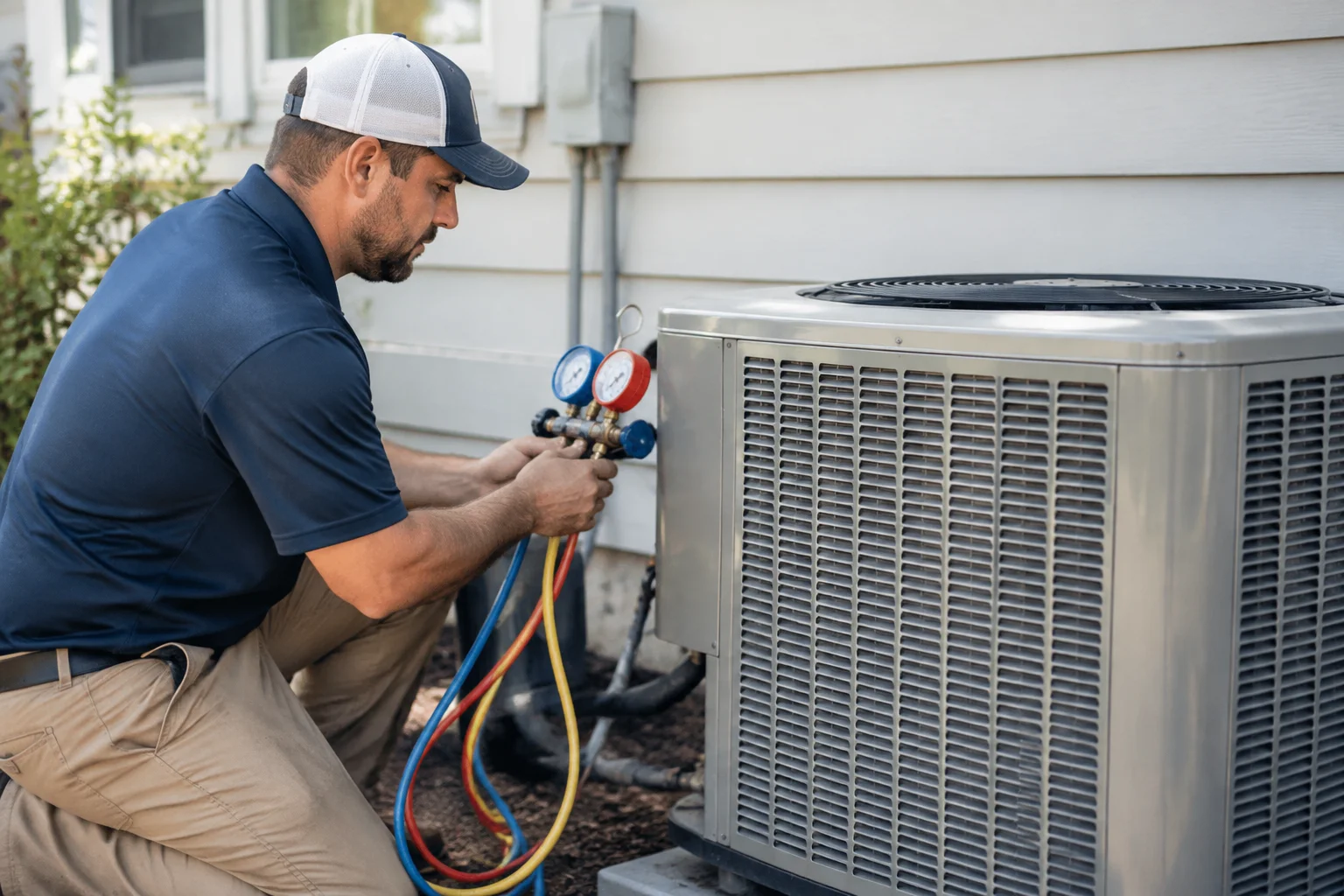
- Refrigerant system behavior as part of overall cooling performance: Indoor air quality testing does not replace a refrigerant diagnosis. But if cooling performance is inconsistent, it can be part of the broader comfort picture that professionals evaluate in person.
If you are searching for HVAC service near me for steady comfort, this integrated approach is often what separates a one-off fix from preventive HVAC maintenance that reduces repeat problems.
Know the most common indoor air quality drivers in Cinco Bayou homes
Many indoor air quality issues have causes that overlap with common HVAC concerns. Understanding these drivers helps you ask better questions and keep your maintenance plan realistic.
High humidity and “sticky” comfort
When humidity is too high, you can feel it even if the thermostat says the temperature is fine. This can be tied to:
- Airflow that is insufficient to move moisture out of the system
- Filters that are installed incorrectly or are too restrictive
- Condensate drainage that is not removing moisture as expected
- Thermostat settings that do not match your comfort needs
Musty odors or lingering “old air”
Musty smells can point to moisture that has accumulated in areas connected to airflow. A professional HVAC assessment can help determine whether the issue is linked to the HVAC system, ductwork, or other sources. Testing can support the investigation, especially when odor complaints show up seasonally.
Allergy-like symptoms that worsen indoors
Indoor air quality testing can help homeowners understand whether the home is experiencing higher levels of airborne particles or whether filtration and airflow are contributing. If your family is dealing with seasonal allergies, testing can still be valuable because humidity and airflow patterns can amplify discomfort.
Uneven room comfort and airflow complaints
Room-to-room differences are often an airflow story. Vents that blow weakly, returns that pull poorly, or ductwork issues can all influence how the system handles comfort and contaminant distribution. If you have been searching for AC repair near me because the system runs but comfort is inconsistent, airflow validation and indoor air quality testing can be part of a more complete plan.
How to prepare your home so testing results are meaningful
Testing is more useful when the home environment is consistent. You do not need to “engineer” anything, but a little preparation helps.
Stabilize HVAC operation before the visit
If possible, keep your thermostat settings consistent for at least a day before the visit. Avoid frequent changes right before testing. If you are unsure, ask the technician what they prefer based on your system and the season.
Plan around filters
Do not remove filters or leave the system running without filtration. If you recently changed filters, let the technician know. If you are due for a change, ask whether they want the filter in place before testing.
Make access easy
Indoor air quality testing may involve inspecting areas connected to airflow and moisture management. Clear access to return vents, accessible duct sections, and condensate drainage pathways can help the process stay focused.
Tell the technician about comfort patterns
Share what you have noticed, such as:
- Rooms that run warmer or cooler
- When humidity feels highest
- Any musty odors and when they appear
- Any recent changes like new pets, renovations, or major weather events
This information helps connect indoor air quality concerns to HVAC operation, energy use, and system maintenance priorities.
Use testing findings to guide practical next steps
The goal of planning ahead is not just to collect data. It is to make better decisions that support HVAC performance, comfort, and healthier indoor air quality.
Improve filtration and airflow first
In many homes, the most impactful improvements start with ensuring the HVAC system is moving air correctly and that filtration is matched to how the system operates. A professional can also help you understand whether ductwork airflow issues are limiting performance.
If you are considering upgrades, you may also want to explore options like a whole home air purifier. When homeowners search for whole home air purifier near me, they often want a solution that complements HVAC filtration rather than replacing airflow basics.
Address ductwork issues carefully
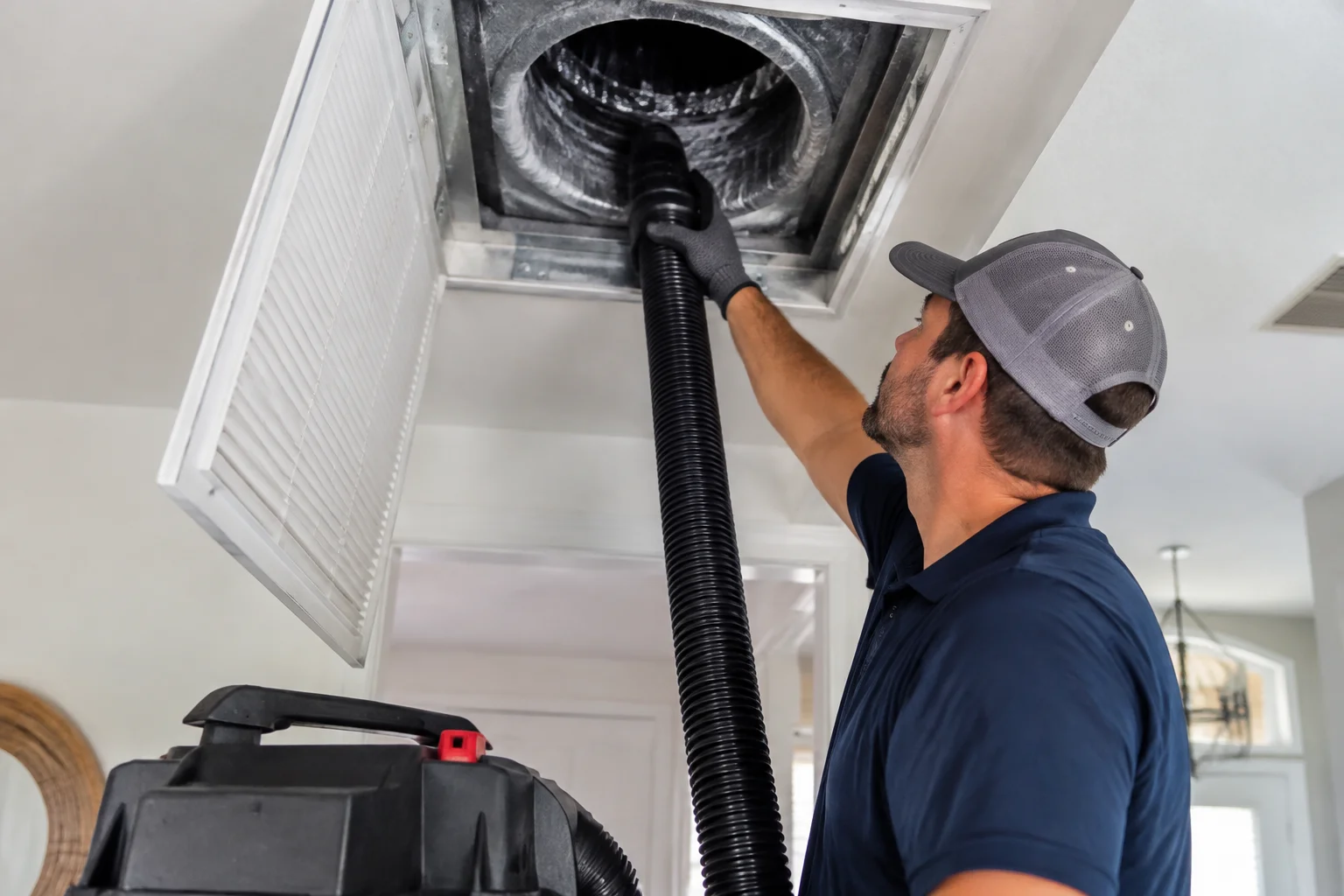
Ductwork is where comfort and air quality meet. Poorly sealed ducts, damaged sections, or airflow restrictions can lead to uneven comfort and can contribute to contaminant movement. If you are looking for duct cleaning near me, keep in mind that duct cleaning should be evaluated in context. A professional can help determine whether ductwork condition and airflow problems are part of the bigger indoor air quality picture.
Review condensate drainage and humidity control
In humid Florida conditions, condensate drainage is a key part of maintaining indoor humidity levels. If drainage is slow or blocked, moisture can accumulate and affect comfort. Professionals can evaluate the drainage system as part of the overall HVAC assessment.
Refrigerant systems matter, but they require in-person evaluation
When cooling performance is inconsistent, homeowners may wonder whether refrigerant is involved. Indoor air quality testing does not replace diagnosing refrigerant issues. Any refrigerant diagnosis should be based on an in-person evaluation by a qualified HVAC technician, with appropriate testing and safe handling practices.
What you can do as a homeowner is plan so your testing and HVAC inspection happen together. That way, your HVAC company can evaluate airflow, comfort control, and cooling performance as a connected system.
Plan for thermostat settings and comfort control
Thermostats influence run time and how long your system dehumidifies. In Cinco Bayou’s heat and humidity, comfort control is not just temperature. A well-set thermostat can support steady indoor humidity management and reduce the chance of emergency cooling concerns during peak weather.
If you are considering updates, search for thermostat installation near me with a focus on compatibility with your current HVAC setup and your comfort goals. A professional can help ensure the thermostat is configured for your home, including how it controls the system during humid conditions.
Budget and timing for bigger changes like HVAC replacement
Sometimes indoor air quality testing and HVAC inspection point to system-level constraints. If your system struggles to maintain comfort, airflow, and humidity control consistently, you may eventually be considering HVAC replacement near me or new AC installation.
Planning ahead helps you avoid rushed decisions when the hottest weeks arrive. Before replacement conversations, ask your technician to explain what the indoor air quality testing and HVAC inspection suggest about airflow, ductwork condition, and comfort control. Replacement decisions should be based on a full in-person evaluation, not on testing alone.
If financing is part of your plan, you can review HVAC financing for options that fit your timeline.
How to reduce energy use while improving air quality
Energy use and indoor air quality are connected through airflow and system efficiency. When airflow is restricted, systems can run longer to achieve the same comfort. When humidity control is off, you may feel uncomfortable even when the temperature looks acceptable.
Planning indoor air quality testing as part of preventive HVAC maintenance helps you identify the practical drivers behind energy use, such as:
- Filters and airflow restrictions
- Return airflow and ductwork performance
- Condensate drainage effectiveness during humid weather
- Thermostat settings that do not support dehumidification needs
These are the areas where small adjustments and targeted HVAC service often improve comfort without guessing.
When homeowners should schedule indoor air quality testing in Cinco Bayou
If you are deciding whether now is the right time, these situations are strong triggers:
- You feel humidity more than you used to, especially during summer
- You notice musty odors or “stale air” that comes and goes with HVAC cycles
- Allergy symptoms or respiratory discomfort seems worse indoors
- Airflow feels uneven across rooms
- You have had ductwork work, a renovation, or a weather event that may have affected indoor conditions
- You want a preventive plan before the most humid months
For homeowners searching for HVAC company near me, the best approach is to schedule indoor air quality testing alongside a comfort-focused HVAC inspection. That combination supports steadier performance from your air conditioning service, heat pump service, and ductwork-related maintenance.
Choose local expertise because coastal HVAC issues are real
Local HVAC service matters in coastal Florida. Salt air can influence how systems handle contaminants, and humidity can make condensate drainage and airflow performance more critical than in drier climates. A contractor familiar with Okaloosa County homes can help you connect indoor air quality goals to the HVAC realities of the area.
If you are also exploring system types beyond a standard central setup, you can ask about options like ductless mini-splits. For broader climate and comfort planning, you can also review geothermal energy services. These alternatives can affect airflow patterns and how indoor comfort is managed.
Want to compare how other coastal communities approach air quality planning? Read more from A Superior Mechanical’s blog:
- Indoor Air Quality Testing That Helps Inlet Beach Homes Stay Comfortable Longer
- Why Seaside Homes Benefit From Indoor Air Quality Testing Before Comfort Issues Spread
- Why Better Indoor Air Quality Testing Matters for Upper Grand Lagoon Homes
- What Miramar Beach Homeowners Often Miss About Indoor Air Quality Testing
If you want to see the full service area coverage, visit the Cinco Bayou service page and explore how local HVAC service is scheduled across Okaloosa County.
Questions to ask before scheduling your testing
Before your appointment, it helps to come prepared. Here are questions homeowners in Cinco Bayou commonly ask:
- How will you connect indoor air quality testing to my HVAC system’s airflow and humidity control?
- Will you review condensate drainage and airflow paths during the visit?
- How should I prepare my home so the results reflect normal living conditions?
- If the results point to filtration or ductwork concerns, what are the next steps that match my comfort goals?
- If I am considering changes like air purification or thermostat upgrades, what would be most appropriate for my system after the in-person evaluation?
These questions keep the process practical and help your indoor air quality testing serve your broader maintenance plan, including energy use, comfort, and dependable cooling.
Planning ahead to avoid mid-summer surprises
When HVAC maintenance is reactive, homeowners are more likely to face rushed decisions during the hottest weeks. Planning indoor air quality testing in Cinco Bayou earlier gives you time to address humidity, airflow, and filtration issues before they turn into bigger comfort problems. It also gives you a clearer baseline for future preventive HVAC maintenance, so you know what changed and what stayed consistent.
If you are ready to build a smarter maintenance plan around indoor air quality, start with indoor air quality testing in Cinco Bayou and pair it with a comfort-focused HVAC inspection from A Superior Mechanical. You can also explore indoor air quality testing across Okaloosa County to see how local service is supported in the area.
Find Indoor Air Quality Testing in Cinco Bayou, FL
If you need Indoor Air Quality Testing in Cinco Bayou, FL, visit our local service page or contact A Superior Mechanical today.
Map of Cinco Bayou, FL
Frequently Asked Questions
How often should Cinco Bayou homeowners schedule indoor air quality testing?
Many homeowners plan testing seasonally, then add an extra visit after major events like renovations, water intrusion, or long periods of reduced HVAC use. A Superior Mechanical can help you choose a schedule based on your home, comfort patterns, and HVAC maintenance history.
Will indoor air quality testing replace HVAC maintenance or AC repair?
No. Indoor air quality testing helps identify comfort and air quality drivers, but it does not replace preventive HVAC maintenance or troubleshooting when you have cooling performance problems. Testing works best when paired with an HVAC inspection that reviews airflow, filtration, condensate drainage, and thermostat operation.
Can high humidity in Florida affect airflow and comfort even if the temperature feels okay?
Yes. In humid coastal conditions, your home can feel “sticky” while the thermostat shows a normal temperature. Humidity control depends on how your system runs, how air moves through ductwork, and whether condensate drainage is working effectively.
Should I test my air quality right after changing filters?
Often it helps to test after the system has stabilized with the new filters in place. If you are unsure when to schedule, ask the technician what they prefer so the results reflect typical operation.
What should I do if testing results suggest ductwork or airflow concerns?
Ask for next steps that are specific to your system and home layout. Ductwork and airflow issues can influence both comfort and indoor air quality. A professional evaluation should guide whether improvements are needed and how they fit into preventive HVAC maintenance.
Related Articles
- Indoor Air Quality Testing That Helps Inlet Beach Homes Stay Comfortable Longer
- Why Seaside Homes Benefit From Indoor Air Quality Testing Before Comfort Issues Spread
- Why Better Indoor Air Quality Testing Matters for Upper Grand Lagoon Homes
- What Miramar Beach Homeowners Often Miss About Indoor Air Quality Testing
Photo Gallery