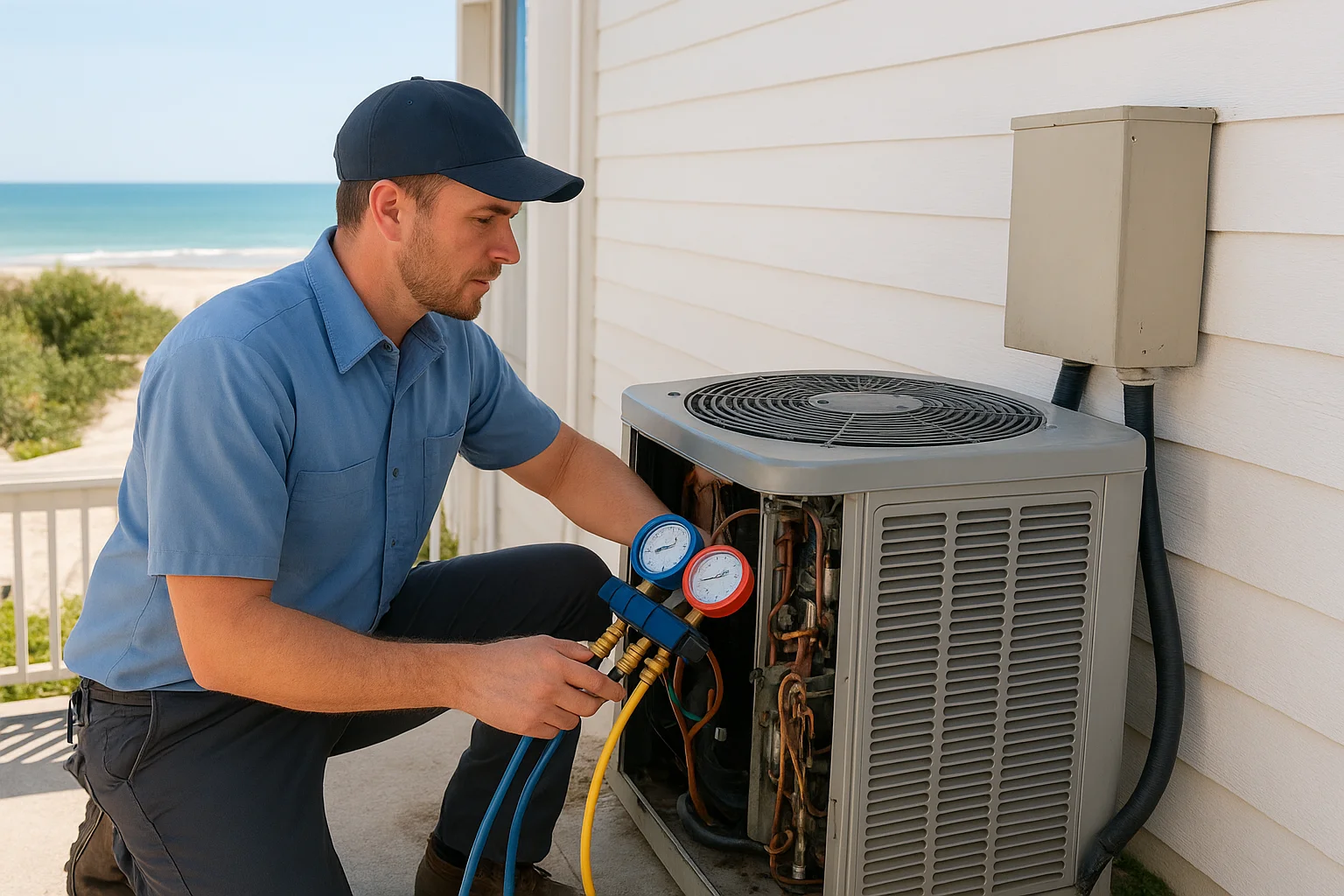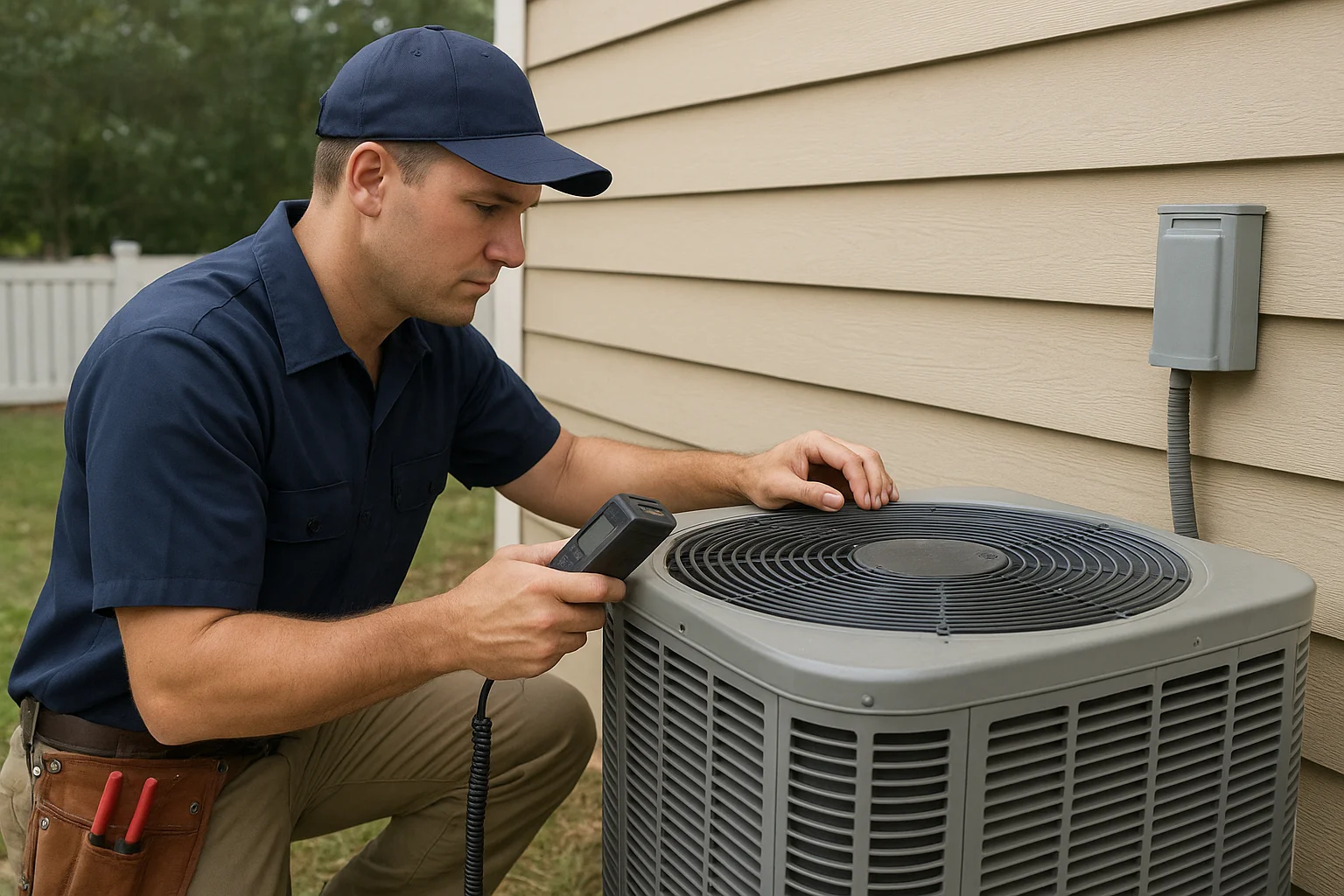
If your household manages rental property, a home office with staff, or a family-run business space in Parker, FL, you already know how quickly comfort can disappear when HVAC fails. Commercial HVAC repair is not just about getting cold air again. It is about protecting airflow, indoor air quality, and daily routines while Florida heat, humidity, and salt air put extra stress on refrigerant systems, condensate drainage, ductwork, and controls.
This practical guide explains why timing matters with HVAC repairs in Parker, what homeowners and property managers can look for, and how preventive HVAC maintenance can reduce emergency cooling concerns.
Why timing matters more in Parker’s coastal HVAC conditions
Parker sits in Bay County, where summer humidity can feel relentless. Warm, moist air challenges cooling systems, especially commercial units that are designed to handle steady demand across longer operating hours. When a problem starts, it often worsens quickly because the system is working harder than it should be.
In coastal Florida, salt air can also accelerate corrosion on metal components, while airborne moisture can affect electrical controls and blower sections. Even when the equipment seems to run, small airflow problems can snowball into bigger issues like poor temperature control, higher energy use, and strain on refrigerant systems.
Waiting to repair can turn a manageable issue into a multi-part failure. Timing matters because HVAC performance depends on the balance between airflow, refrigerant pressures, condensate drainage, and correct thermostat and control behavior.
What “early” looks like for commercial HVAC repair
Homeowners and families overseeing commercial spaces often notice symptoms before the equipment fully breaks. The goal is to act when the problem is still localized.
Common early signs you should not ignore
- Temperature swings in offices, retail areas, or dining spaces. Cooling may start strong, then drift upward as humidity builds.
- Weak airflow from supply vents. This can point to ductwork restrictions, dirty filters, failed dampers, or blower performance issues.
- Increased run time with no meaningful comfort improvement. The system works longer to reach setpoints, which raises energy use.
- Unexpected humidity indoors. When humidity control slips, occupants feel hotter even when temperatures appear close.
- Strange smells, including musty odors that can signal indoor air quality problems tied to moisture, drainage, or filter media.
- Water at or near condensate drainage areas. Even small leaks can indicate a clogged drain line or pan overflow risk.
Why these symptoms can escalate fast
Commercial systems typically serve larger spaces and multiple zones. If airflow drops, the cooling coil may not reject heat as intended. That can increase stress on refrigerant components and worsen humidity removal. If condensate drainage is restricted, moisture can accumulate, contributing to mold risk and poor indoor air quality.
In humid coastal climates, comfort issues can become health and safety concerns. That is why timing matters: the longer the system operates out of balance, the more likely the problem spreads to other components.
How to connect symptoms to likely HVAC causes without guessing
It helps to understand what professionals consider when troubleshooting. Homeowners should avoid diagnosing refrigerant or electrical issues themselves. A licensed HVAC contractor can evaluate the system in person and confirm what is actually happening.
Airflow issues often show up as comfort and humidity problems
When supply air feels weak or rooms do not cool evenly, ductwork and airflow pathways are usually involved. Dirty filters, blocked returns, failing fans, or leaky ductwork can all reduce air movement. Poor airflow can also reduce the system’s ability to handle latent load, which is the moisture part of cooling.
If you suspect airflow problems, consider whether indoor air quality services or ductwork evaluation may be part of the repair plan. For Parker’s humidity, airflow and moisture control are tightly linked.
Condensate drainage problems can create water and air quality risks
Air conditioners and heat pumps produce condensate as they remove humidity. If the condensate drainage pathway is clogged or overflowing, you may see water near the unit, damp drywall, or a musty smell. Waiting too long can lead to equipment damage and indoor air quality concerns.
Professional technicians check the drainage system, verify correct operation, and confirm that the system is managing humidity as intended.
Thermostats and controls can cause “it runs but doesn’t cool” behavior
Sometimes the system starts, but comfort does not follow. That can be related to thermostat settings, sensor calibration, or commercial control behavior. For example, a thermostat installation error, a misconfigured schedule, or a faulty control input can lead to poor temperature management.
If you are managing multiple zones, a control mismatch can also cause uneven cooling across the building.
If you are considering upgrades, review options like Smart Thermostats for better scheduling and monitoring, but keep in mind that repairs should be confirmed by a local professional first.
Scheduling repairs: what “soon” can mean for families managing commercial spaces
Timing is not one-size-fits-all. A minor issue identified early can often be scheduled within normal service windows. But when comfort and humidity control are failing, delaying repairs can increase risk.
Prioritize faster service when any of these are true
- The system cannot maintain safe comfort levels during peak Florida heat.
- There is visible condensate overflow risk or water intrusion concerns.
- Indoor air quality seems to be degrading, such as persistent musty odors or occupants complaining of irritation.
- Airflow is extremely weak, suggesting a potential blower or airflow pathway issue.
- The equipment cycles erratically or repeatedly trips protective controls.
For situations where emergency cooling concerns are real, families should treat it as urgent. You can also explore 24/7 Emergency HVAC Services for guidance on how to handle immediate comfort needs.
How preventive HVAC maintenance reduces the odds of a mid-summer breakdown
Preventive HVAC maintenance is where timing starts to work in your favor. Instead of reacting when the building is already uncomfortable, scheduled service helps catch wear and performance drift before it becomes a full repair.
Maintenance items that matter in Parker’s climate
While every commercial system differs, a strong maintenance program typically focuses on the parts of the job that affect airflow, humidity control, and reliable operation in a coastal environment:
- Filter and airflow checks to support ventilation and consistent cooling performance.
- Coil inspection and cleaning to maintain heat transfer and help humidity removal.
- Condensate drainage verification to reduce water and indoor air quality problems.
- Refrigerant system performance review based on readings and operating conditions, confirmed by an in-person assessment.
- Thermostat and control sequence review so schedules and setpoints match real operation.
- Ductwork and air distribution evaluation when comfort is uneven, especially for larger buildings.
Maintenance also supports energy use awareness. When systems run efficiently, they generally do not need to work as long to maintain setpoints.
Ductwork and airflow: a common repair multiplier
In many commercial buildings, the HVAC unit is not the only factor. Ductwork design, sealing, and airflow balance affect the entire cooling process. If ducts leak or poorly distribute air, the system compensates. That can raise energy consumption and accelerate wear.
If you are dealing with recurring comfort complaints, it may be time to look beyond the unit. This is especially relevant in Parker when humidity and airflow imbalance cause some rooms to feel much warmer than others.
For a deeper look at ductwork improvements related to Parker’s heat and humidity, read Planning Duct Sealing and Aeroseal Work Before Parker Heat and Humidity Push Your HVAC Harder.
Indoor air quality: why repairs and IAQ can be connected
Commercial HVAC is part of how buildings manage indoor air quality. When cooling systems struggle with humidity removal or airflow, indoor air can feel stale and uncomfortable. That can affect occupants, especially in office and retail environments where people spend long stretches indoors.
Moisture issues from condensate drainage problems can contribute to musty odors and unhealthy conditions. Poor airflow can also reduce the effectiveness of filtration. If your family is noticing persistent odor, lingering humidity, or recurring complaints, indoor air quality services can be a logical piece of the solution.
Consider starting with Indoor Air Quality Testing so the right troubleshooting path is chosen.
System replacement versus repair: why an in-person evaluation matters
Families often ask whether a failing commercial system should be repaired or replaced. The honest answer is that it depends on what the technician finds during inspection and how the system is performing overall.
Some repairs restore comfort quickly. Others might address a component that is failing due to broader performance drift. Replacement may be considered when a repair would not resolve the underlying issue or when the system is no longer able to meet comfort needs reliably.
However, it is not appropriate to claim a refrigerant diagnosis, electrical diagnosis, or equipment replacement is the right move without an on-site professional evaluation. A licensed HVAC contractor in Parker can review operating conditions, airflow, humidity performance, and controls behavior to recommend a practical path forward.
If replacement is on the table, you can also explore Commercial HVAC Installation for how new systems are matched to building needs.
Keeping commercial HVAC repairs organized so downtime stays manageable
Timing is not only about urgency. It is also about planning. When repairs are scheduled with clear communication, the repair process tends to be smoother for property managers and families trying to keep business operations running.
Questions homeowners can ask during the repair visit
- What is the most likely cause based on the system’s current operation?
- How does the issue affect airflow, humidity control, and indoor air quality?
- What should we monitor until the next visit, such as temperature stability or condensate drainage?
- What preventive HVAC maintenance steps should be prioritized after the repair?
- If ductwork or controls are involved, what part of the building may need attention?
For families managing multiple priorities, it can also help to review how to plan the sequence of work. See Keeping Commercial HVAC Projects on Track in Parker, FL for practical scheduling ideas.
And if you are trying to stop small issues from turning into bigger ones, Keeping Commercial HVAC Problems Small in Parker, FL is a useful companion read.
Where to start for commercial HVAC repair in Parker, FL
When homeowners are searching for a commercial air conditioning contractor near me or HVAC contractor near me, the best starting point is a local team that understands Bay County’s coastal climate and the day-to-day comfort expectations of commercial spaces.
A Superior Mechanical focuses on commercial HVAC repair in Parker, FL with an approach built around diagnostics, efficient service, and lasting performance in demanding coastal conditions. If you need help with AC repair, heat pump service, ductwork-related airflow concerns, condensate drainage problems, thermostat and control issues, or indoor air quality concerns tied to HVAC performance, begin with the service page: commercial HVAC repair in Parker, FL.
You can also browse more about service coverage and local focus on the Parker, FL service area page and Bay County service area details.
Quick checklist: timing-based actions families can take today
When the building is getting hotter and you suspect an HVAC problem, use this checklist to stay organized and reduce delays.
- Record symptoms like temperature drift, humidity discomfort, airflow complaints, and any signs of water or odor.
- Note thermostat behavior including setpoints, schedules, and whether the system cycles normally.
- Check for obvious airflow restrictions such as blocked vents or unusually dirty return areas.
- Confirm condensate drainage concerns if you see water, dampness, or overflow indicators.
- Request professional diagnostics promptly when comfort or humidity control is failing, especially during peak heat.
This kind of early documentation helps technicians troubleshoot efficiently and can reduce the chance that a small issue becomes a bigger repair.
FAQs families ask about commercial HVAC repair timing
Families often want straightforward answers about urgency, maintenance, and what to do while waiting for service. The questions below reflect the most common concerns in Parker’s humid, coastal climate.
Find Commercial HVAC Repair in Parker, FL
If you need Commercial HVAC Repair in Parker, FL, visit our local service page or contact A Superior Mechanical today.
Map of Parker, FL
Related Articles
Photo Gallery