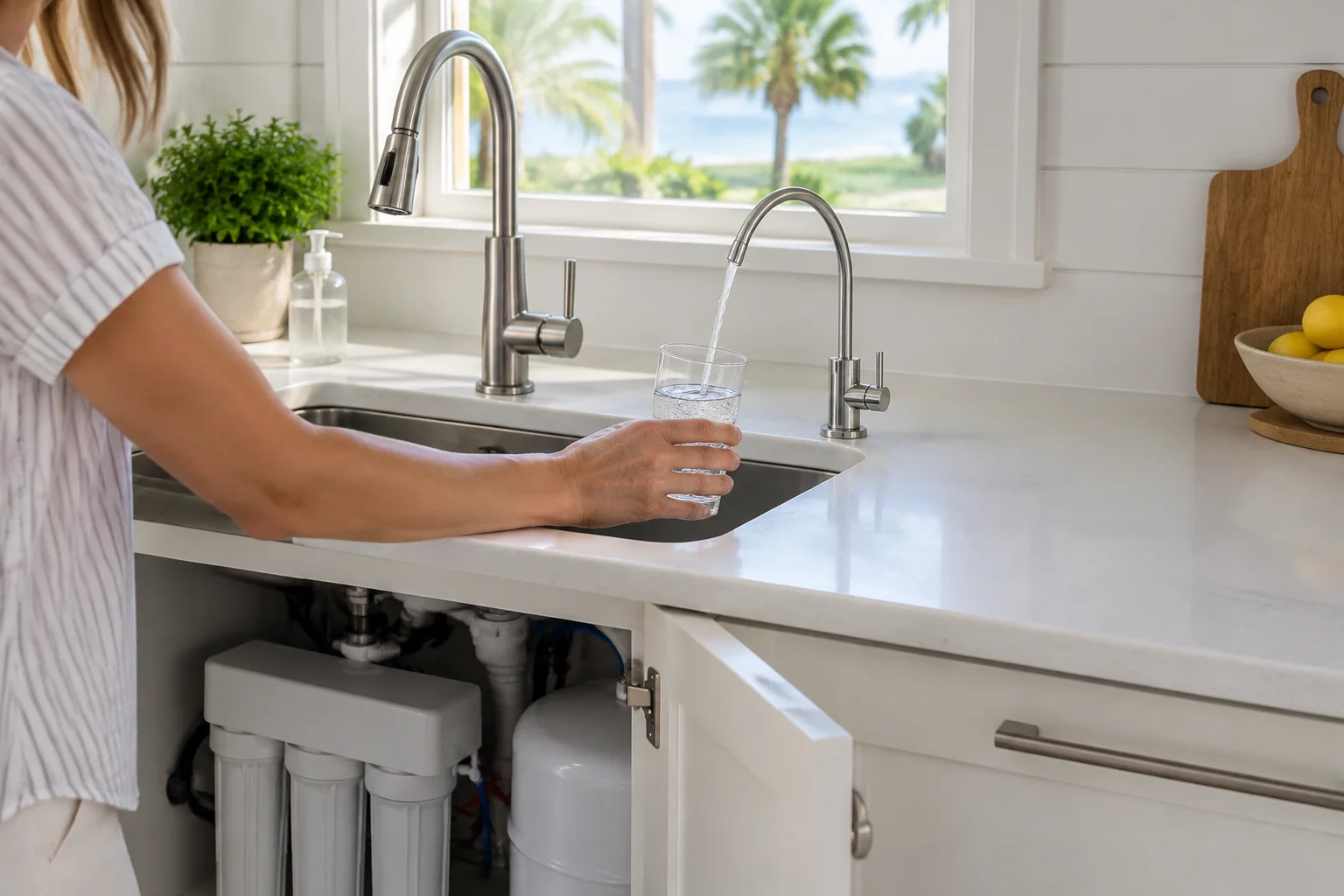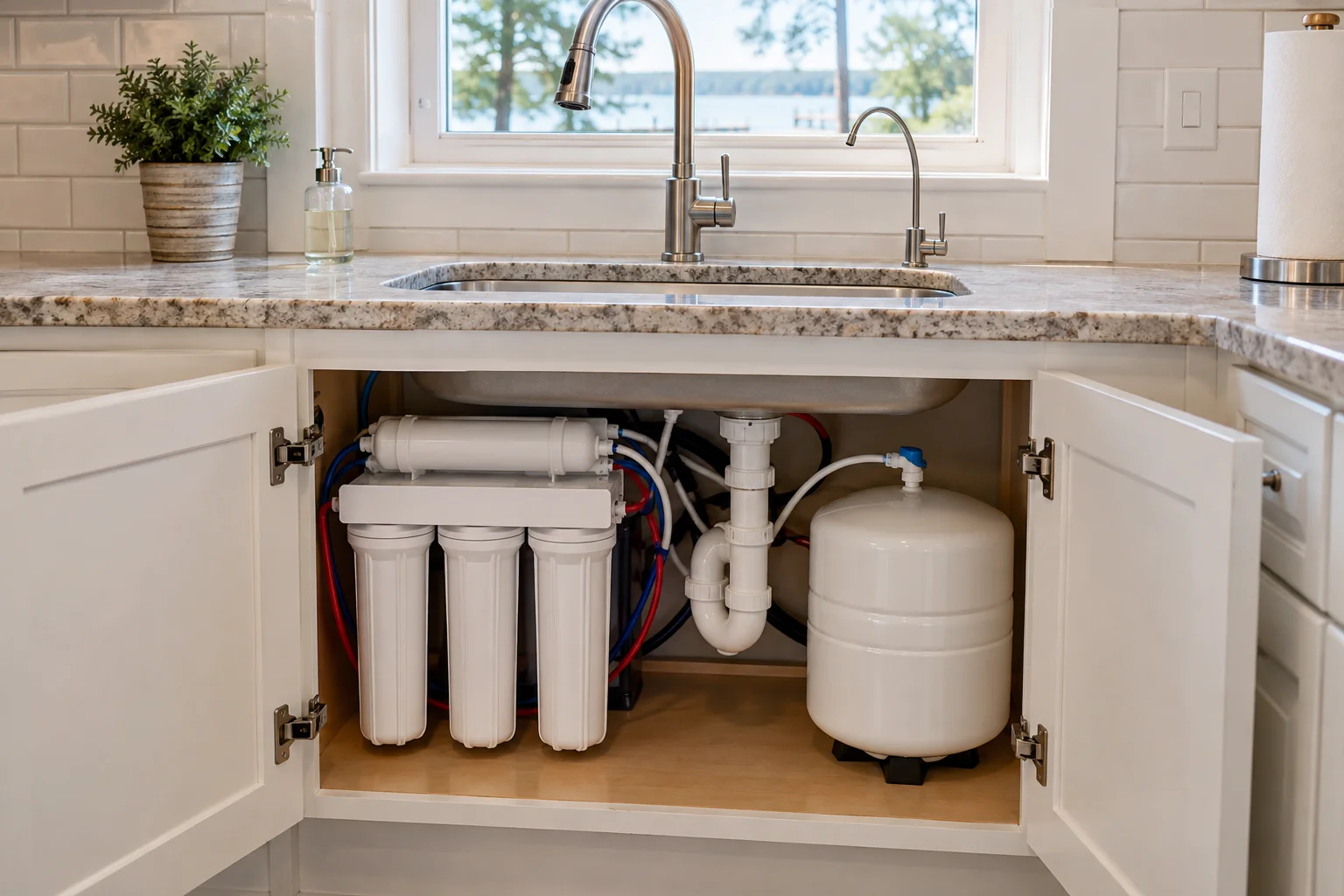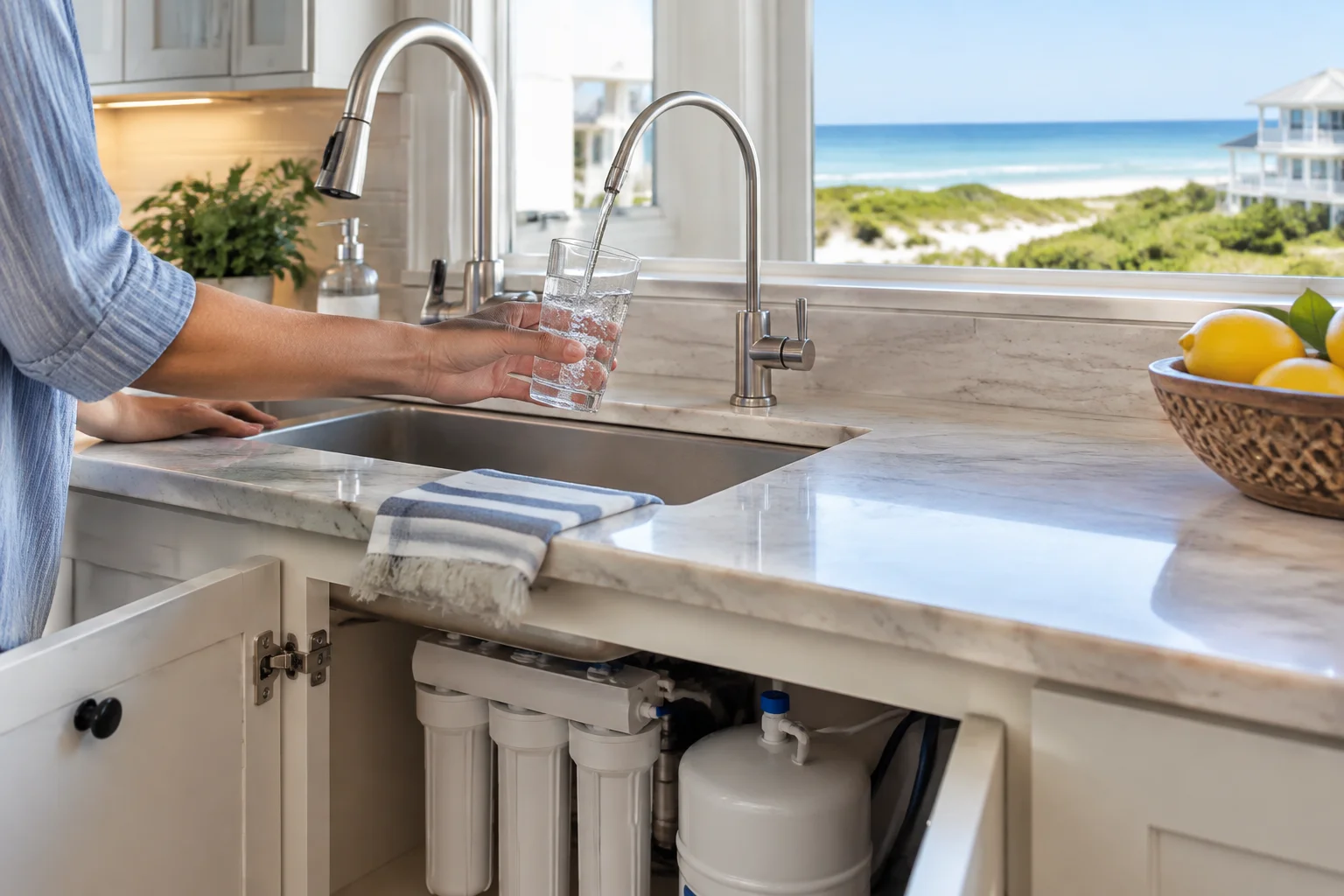
Reverse osmosis is a popular way for Upper Grand Lagoon homeowners to get cleaner, better-tasting drinking water and water for cooking. But the performance of an RO system is not only about the equipment installed. Local water conditions, which can vary across neighborhoods and even between older and newer builds, influence how quickly filters clog, how much scale forms, and whether your water tastes metallic, chlorinated, or simply “off.”
In Upper Grand Lagoon, FL, many households deal with water that can be hard and mineral rich, along with concerns like sediment, odor, and chlorine taste in water. Those factors can show up in everyday life, from hard water spots on glass and fixtures to cloudy ice cubes and soap that does not lather or rinse well. Understanding how those conditions interact with reverse osmosis helps you protect your system and keep better water for drinking and cooking, bathing, laundry, and household appliances.
What local water conditions do to reverse osmosis
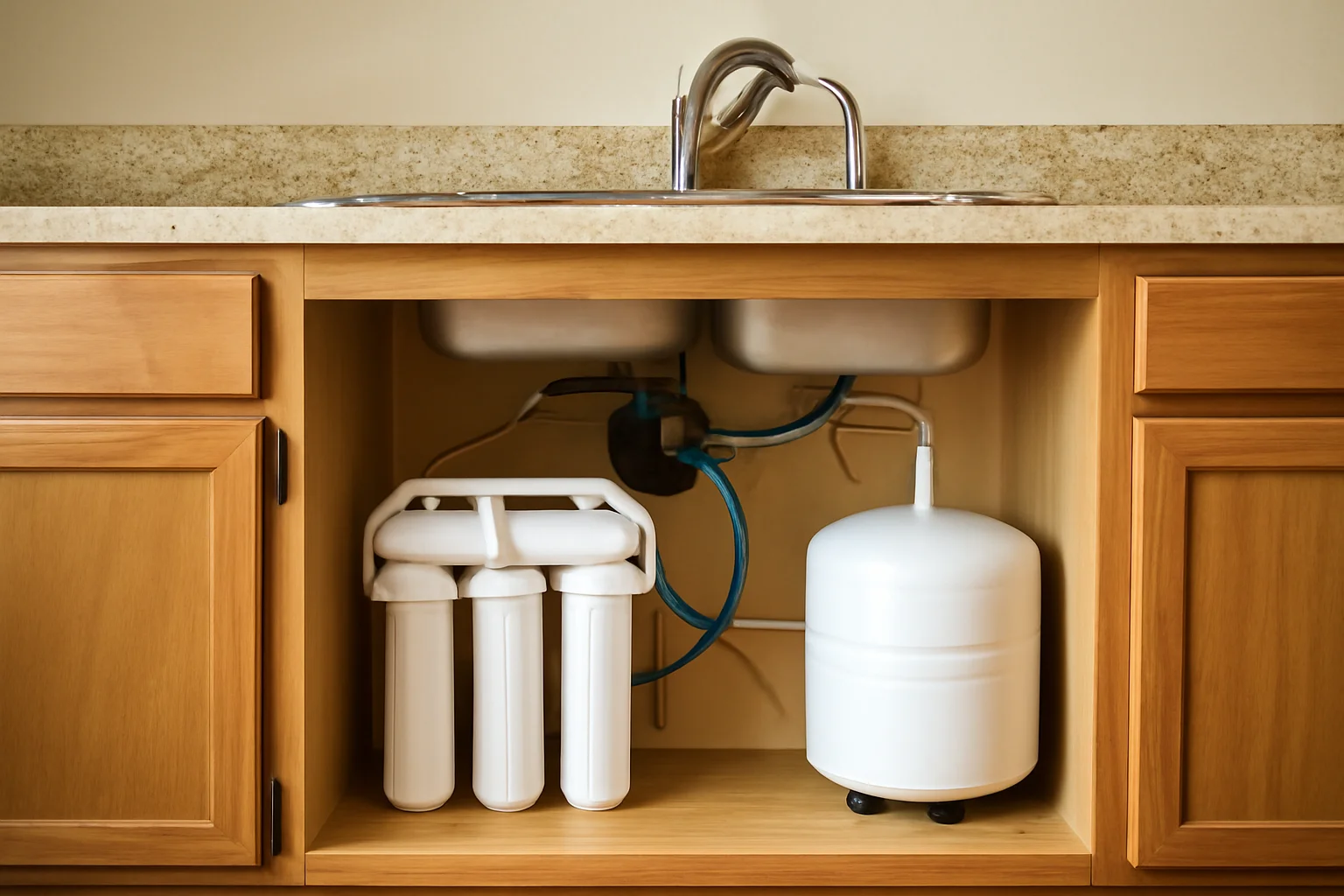
Reverse osmosis works by forcing water through a semi-permeable membrane that helps reduce dissolved contaminants. To do that efficiently, the system relies on good pre-filtration and proper maintenance. When incoming water has high hardness, sediment, or taste and odor issues, the RO system has to work harder. Over time, that can lead to reduced production, more frequent filter changes, and membrane stress.
Upper Grand Lagoon homes often see signs that point to mineral buildup and water chemistry challenges, including:
- Hard water spots on glass, dishes, and shower doors
- Scale buildup around faucets, showerheads, and plumbing lines
- Dry skin or dull hair after bathing
- Metallic, chlorinated, or unpleasant taste
- Cloudy ice cubes that look milky or gray
- Poor tasting coffee and cooking water
- Visible sediment, discoloration, and odor concerns
- Appliances wearing out faster, especially those that rely on water flow and heating
- Soap that does not lather or rinse well
If you have an RO system already, these symptoms can mean the system is not fully protected by its pre-treatment, or it needs adjustments based on your current water quality.
Older homes versus newer builds: why the same RO system can behave differently
Two homes can both be in Upper Grand Lagoon and both have reverse osmosis system near me installed, yet the results can look very different. That comes down to plumbing age, how water travels through the house, and how the home’s water system handles minerals and sediment before water reaches the RO unit.
Older homes often contribute extra sediment and scale
In older homes, water may pass through older pipes or plumbing components that shed tiny particles over time. Even if the city water supply is treated, household plumbing can add variability. That variability can show up as:
- More visible sediment in household water
- Faster clogging of pre-filters
- More frequent taste and odor complaints
- Scale buildup on fixtures sooner than expected
For an RO system, sediment and hardness are a double challenge. Sediment can foul filters, and hardness minerals can contribute to membrane scaling. When the pre-filter stage is overwhelmed, the membrane can be affected sooner than it should.
Newer homes may still need protection for RO performance
Newer homes typically have plumbing that is cleaner and more uniform. That can mean fewer sediment issues. But newer builds can still experience hard water scale, chlorine taste in water, and mineral-related dryness after bathing. In coastal Florida regions, water chemistry can still drive mineral deposits and affect how well filtration stages hold up.
Even with newer plumbing, an RO system benefits from water treatment service that matches your household needs. That might include proper sediment filtration, hardness management, and checks to confirm the membrane and storage tank are performing as they should.
The “hard water” connection: scale buildup, membrane stress, and RO efficiency
Hard water is usually associated with dissolved minerals like calcium and magnesium. In daily life, that shows up as scale buildup around faucets, showerheads, and plumbing. On glass and dishes, it can leave spotted residue. On skin and hair, it can leave a film that leads to dry skin or dull hair after bathing.
For reverse osmosis systems, hardness matters because minerals can concentrate as water passes through the membrane. If the system does not have the right pre-treatment or if it is not maintained on schedule, scale can build up on the membrane surface. That can reduce RO output and affect water quality.
Homeowners often notice these changes as:
- Slower production of purified water
- More frequent filter changes than expected
- Cloudy ice cubes or a return of unpleasant taste
- Appliances that still seem to accumulate scale faster than expected
Protecting your RO investment usually includes water quality testing and a filtration plan designed for your specific incoming water. If you are searching for reverse osmosis system near me, it is worth asking how your provider evaluates hardness and sediment before recommending settings or additional treatment steps.
Chlorine taste, odor, and cloudy ice cubes: what RO can and cannot fix
Many households notice chlorine taste in water or unpleasant odors. RO can reduce many contaminants, but the membrane and the system’s pre-filtration stages need to be appropriate for what is in your water. If chlorine or chloramine issues are present, the system should be configured to handle them without damaging components or reducing performance.
Cloudy ice cubes are a common clue. They can happen when dissolved solids or air pockets are trapped in water, or when minerals and residual taste components affect clarity. When homeowners switch to RO for drinking water filter needs, they often hope for clear ice, better drinking water, and better water for drinking and cooking. When ice remains cloudy, it can signal that the RO system needs maintenance or that additional pre-treatment could improve results.
It also helps to think beyond the drinking water spigot. If you are using RO water for coffee, cooking water, or drinking water, changes in taste can be noticeable immediately. Poor tasting coffee and cooking water is often tied to chlorine taste, mineral content, or sediment. An RO system that is not operating at peak efficiency can bring those issues back.
How sediment and discoloration affect RO filters and drinking water
Upper Grand Lagoon homeowners may occasionally see visible sediment, discoloration, and odor concerns. Even small amounts of sediment can shorten the life of RO pre-filters. If pre-filtration is not capturing particles effectively, the membrane can foul faster.
This is where whole home water filtration can be a helpful concept for some households. While a point-of-use RO system focuses on drinking water quality at a kitchen sink, a whole home approach can reduce sediment and improve water consistency across showers, laundry, and fixtures.
For families, that can mean fewer surprises in the kitchen. Picture a busy evening when kids are filling water bottles, making smoothies, or rinsing produce before dinner. Better water for drinking and cooking is not only about taste, it is also about consistency day to day. If your system is struggling with sediment or hardness, those kitchen moments can feel less reliable.
Water softening and RO: pairing solutions for scale control
Some homeowners assume RO alone will solve scale buildup on faucets and showerheads. It can help with certain dissolved contaminants, but hardness minerals can still be an issue if they are not managed properly before the RO stages.
That is where water softening and reverse osmosis system planning can work together. A water softener installation near me search often comes from homeowners who see scale buildup around faucets, soap that does not lather, and dry skin after bathing. Softening can reduce hardness in the water entering the home, which can help protect fixtures and appliances.
In homes where RO is installed for drinking water, pairing strategies may include:
- Using targeted pre-filtration to protect the RO membrane
- Considering water softening to reduce scale-related problems across the home
- Maintaining the RO on a schedule aligned with your local water
AO Smith water filtration options are commonly used in well-designed clean water systems. AO Smith water softener and RO solutions can be part of a layered approach that improves both everyday fixture performance and drinking water quality. A Superior Mechanical can help you evaluate which combination makes sense for your household and budget.
Whole home water filtration versus kitchen RO: choosing the right coverage
Many families start with a reverse osmosis system for drinking water and cooking water. That is a practical step, especially when you are trying to solve metallic, chlorinated, or unpleasant taste and cloudy ice cubes in the kitchen.
But if you are also dealing with scale buildup around faucets and showerheads, dry skin or dull hair after bathing, or appliances wearing out faster, you may want to broaden the plan. Whole home water filtration can help reduce sediment and improve water consistency across the house. That can support better bathing and laundry results, and it can reduce the stress hard water places on water heating and plumbing components.
Some homeowners choose a whole house water filter for general quality, then keep RO at the kitchen sink for the most refined drinking water. If you are searching for clean water systems near me, it can help to ask whether your goals are primarily drinking water, or whether you want a whole home water treatment plan.
You can explore options on A Superior Mechanical’s water filtration landing page: /water-filtration-ro-water-softeners.
Why maintenance schedules should match Upper Grand Lagoon water, not a generic calendar
Filter changes and membrane checks are often discussed as routine. But the right schedule depends on how your specific water behaves. In Upper Grand Lagoon, seasonal changes, water chemistry variation, and household plumbing conditions can all influence how quickly filters load with sediment and how quickly scale forms.
Common maintenance issues homeowners notice include:
- RO water tastes off again sooner than expected
- Cloudy ice cubes return
- Water flow from the RO faucet slows
- Soap does not lather or rinse well continues, even with RO
- Scale buildup continues on fixtures, suggesting broader hard water effects
Maintenance is also about system health. RO membranes can last longer when pre-filters and water conditions are properly managed. A water quality test can reveal whether you need additional sediment filtration, hardness control, or adjustments to match your home’s conditions.
If you are considering installation or upgrades, the Upper Grand Lagoon service page is here: /service-areas/bay-county/upper-grand-lagoon/reverse-osmosis-systems-uglfl. For broader coverage in the area, you can also view /service-areas/bay-county and the local community page /service-areas/bay-county/upper-grand-lagoon.
Everyday signs your RO system needs attention
Homeowners often know their water by how it behaves in daily routines. When reverse osmosis systems drift out of tune, it can show up in kitchen and bathroom habits before you ever think about a filter change.
Kitchen and drinking water clues
- Metallic or chlorinated taste in drinking water
- Poor tasting coffee and cooking water
- Cloudy ice cubes that look different from when the system was new
- Visible sediment or discoloration in a glass
Bathing, laundry, and fixture clues
- Dry skin or dull hair after bathing
- Scale buildup around faucets and showerheads
- Hard water spots on glass and dishes
- Soap does not lather or rinse well
Appliance clues
- Appliances wearing out faster due to scale buildup and reduced efficiency
- Less consistent water flow to sinks and fixtures
Practical prevention and maintenance tips for RO owners
You can do a few things between professional service visits to keep an RO system working well. These tips do not replace water quality testing or filter changes, but they help you catch problems early.
- Pay attention to taste and clarity. If your drinking water or ice looks different, treat it as a signal, not just a temporary mood.
- Watch for slower output. Reduced flow can indicate clogged pre-filters or membrane stress.
- Keep up with scheduled filter replacements. Let your local water conditions guide the schedule, not a generic checklist.
- Use the system as intended. If the RO is meant for drinking and cooking, avoid running it for tasks that can add unnecessary demand.
- Consider whole home water filtration when scale affects more than the kitchen. If showerheads, laundry, and fixtures are still building up scale, you may need broader treatment.
If you want additional guidance tailored to how RO systems perform in real homes, you can also read /news/keeping-reverse-osmosis-systems-quiet-clean-and-drain-friendly-in-upper-grand-lagoon and /news/smart-plumbing-habits-for-reverse-osmosis-systems-in-30a-homes. Even though those articles cover nearby areas and additional tips, many of the maintenance habits apply to Upper Grand Lagoon as well.
When to call a professional for reverse osmosis troubleshooting
It is reasonable to handle minor issues like checking under-sink components for leaks. But when the symptoms point to water chemistry changes or membrane performance, professional help is the safer, faster route.
Call A Superior Mechanical for reverse osmosis service when you notice:
- Chlorine taste in water returns or becomes stronger
- Cloudy ice cubes appear again
- Your RO faucet flow slows noticeably
- You see sediment, discoloration, or persistent odor concerns
- Scale buildup on fixtures continues despite RO use for drinking water
- Your household complains of dry skin or dull hair after bathing
Professionals can test water, evaluate pre-treatment, confirm filter and membrane conditions, and recommend a plan that fits your home’s plumbing and your family’s routines. That is especially important for older homes where sediment can be more noticeable, and for newer homes where water chemistry can still drive scale and taste issues.
How better water changes daily life in Upper Grand Lagoon
Water treatment can feel like a “behind the scenes” upgrade until you notice the difference. Better drinking water for Upper Grand Lagoon households often means fewer complaints and more confidence. Kids can fill cups without wondering about taste. Coffee and cooking water taste cleaner. Ice stays clear. Dishes and glassware look better because hard water spots reduce. Bathrooms feel more comfortable because dry skin and dull hair complaints ease as water quality improves.
For many homeowners, it is also about protecting investments. When scale is reduced, fixtures stay cleaner, appliances wear out more slowly, and plumbing lines face less stress. That is why matching the right reverse osmosis system, pre-filtration, and optional water softening or whole home water filtration is worth the effort.
If you are comparing options for reverse osmosis installation, water softener service, or a whole house water filter, A Superior Mechanical helps homeowners and businesses in Upper Grand Lagoon understand what their water is doing and how to build clean water systems that last.
For local context on Bay County and area service coverage, visit /service-areas/bay-county, or explore more Upper Grand Lagoon details on /service-areas/bay-county/upper-grand-lagoon.
If you are also planning fixture updates, it can be useful to time changes around water treatment improvements. A related resource is /news/choosing-the-right-time-for-plumbing-fixture-replacement-in-upper-grand-lagoon.
Find Reverse Osmosis Systems in Upper Grand Lagoon, FL
If you need Reverse Osmosis Systems in Upper Grand Lagoon, FL, visit our local service page or contact A Superior Mechanical today.
For a broader look at whole-home water filtration, reverse osmosis, and water softener options, visit our water filtration, RO, and water softener page.
Map of Upper Grand Lagoon, FL
Frequently Asked Questions
Why does my RO water taste metallic or chlorinated even though I have a reverse osmosis system?
That usually points to an RO maintenance or configuration issue, such as exhausted pre-filters, membrane performance changes, or insufficient treatment for your incoming water. A water quality test and system inspection can confirm what is driving the chlorine taste in water and unpleasant flavor.
Can hard water scale buildup on faucets and showerheads happen even when I use RO for drinking water?
Yes. Kitchen RO mainly improves drinking and cooking water. Scale buildup around faucets, showerheads, and plumbing across the rest of the home can still be driven by hardness in the water supply. Many homeowners pair RO with water softening or consider whole home water filtration to reduce scale where it matters most.
What causes cloudy ice cubes in an RO home?
Cloudy ice cubes can be linked to dissolved minerals, air, or residual taste and odor components. If RO water clarity changes, it can also indicate that pre-filtration is not protecting the membrane effectively or that the system needs filter and membrane checks.
How often should I service an RO system in Upper Grand Lagoon?
There is no single schedule that fits every home. Upper Grand Lagoon water conditions, household plumbing age, and sediment or hardness levels can shorten filter life. A Superior Mechanical can recommend a service interval based on testing and your system’s performance.
Is an AO Smith RO system a good fit for older homes?
AO Smith water filtration systems can be a strong option, but the best results depend on matching the system to your water quality and protecting the RO membrane with the right pre-treatment. For older homes, sediment and scale concerns may require additional attention during installation and maintenance.
Related Articles
- Keeping Reverse Osmosis Systems Quiet, Clean, and Drain Friendly in Upper Grand Lagoon
- Choosing the Right Time for Plumbing Fixture Replacement in Upper Grand Lagoon
- A Smarter Way to Handle Commercial Plumbing Services in Upper Grand Lagoon
- Smart Plumbing Habits for Reverse Osmosis Systems in 30A Homes
Photo Gallery