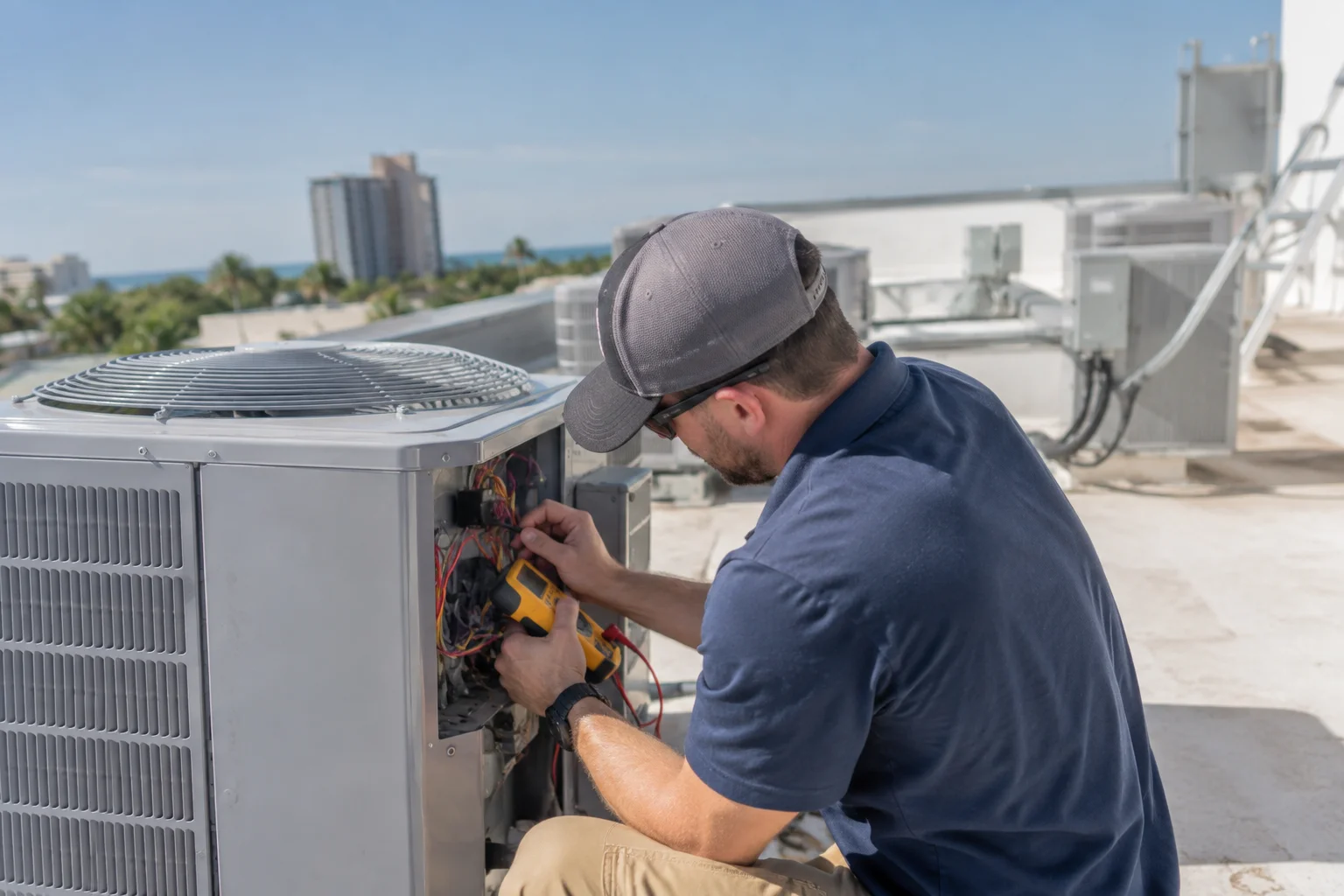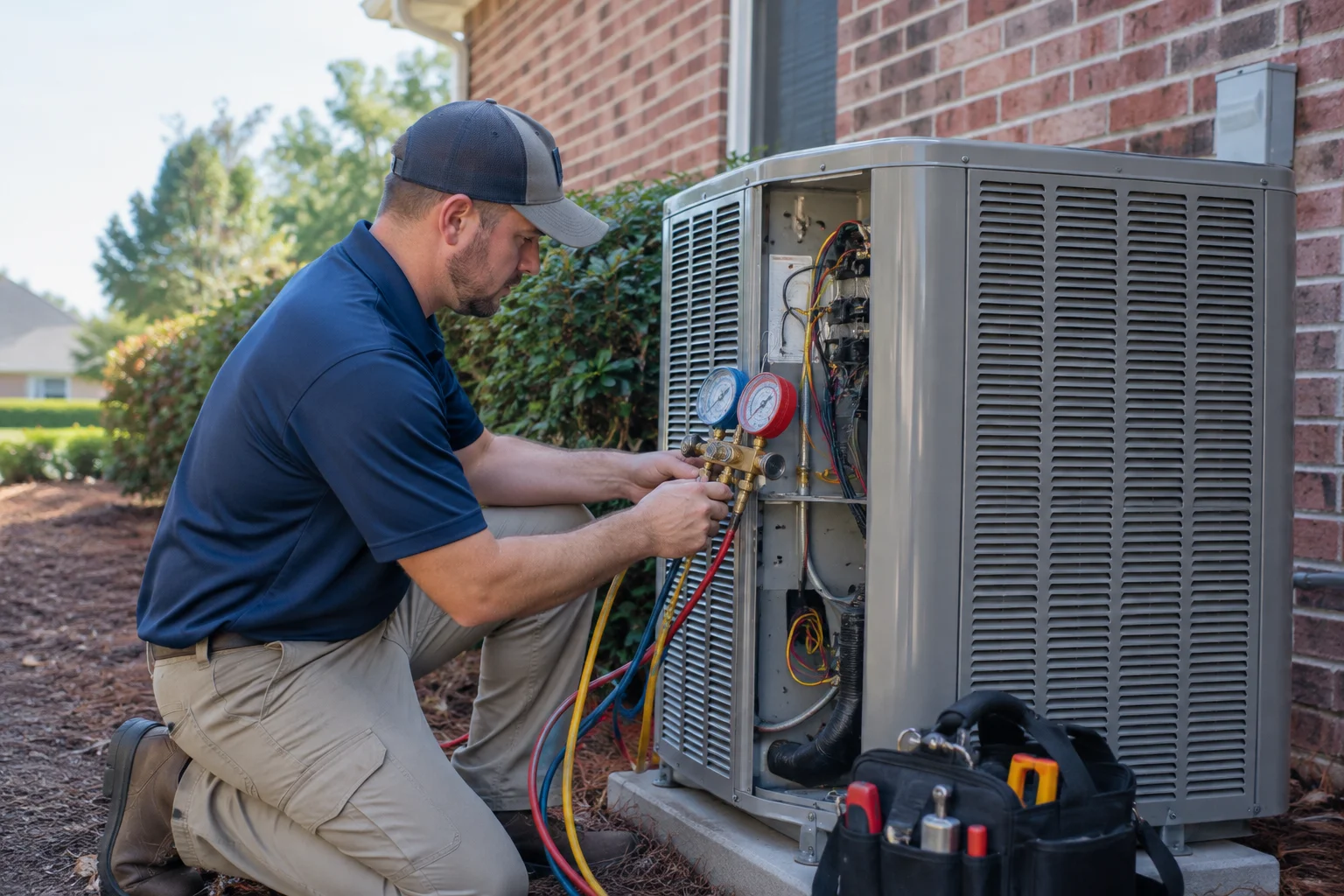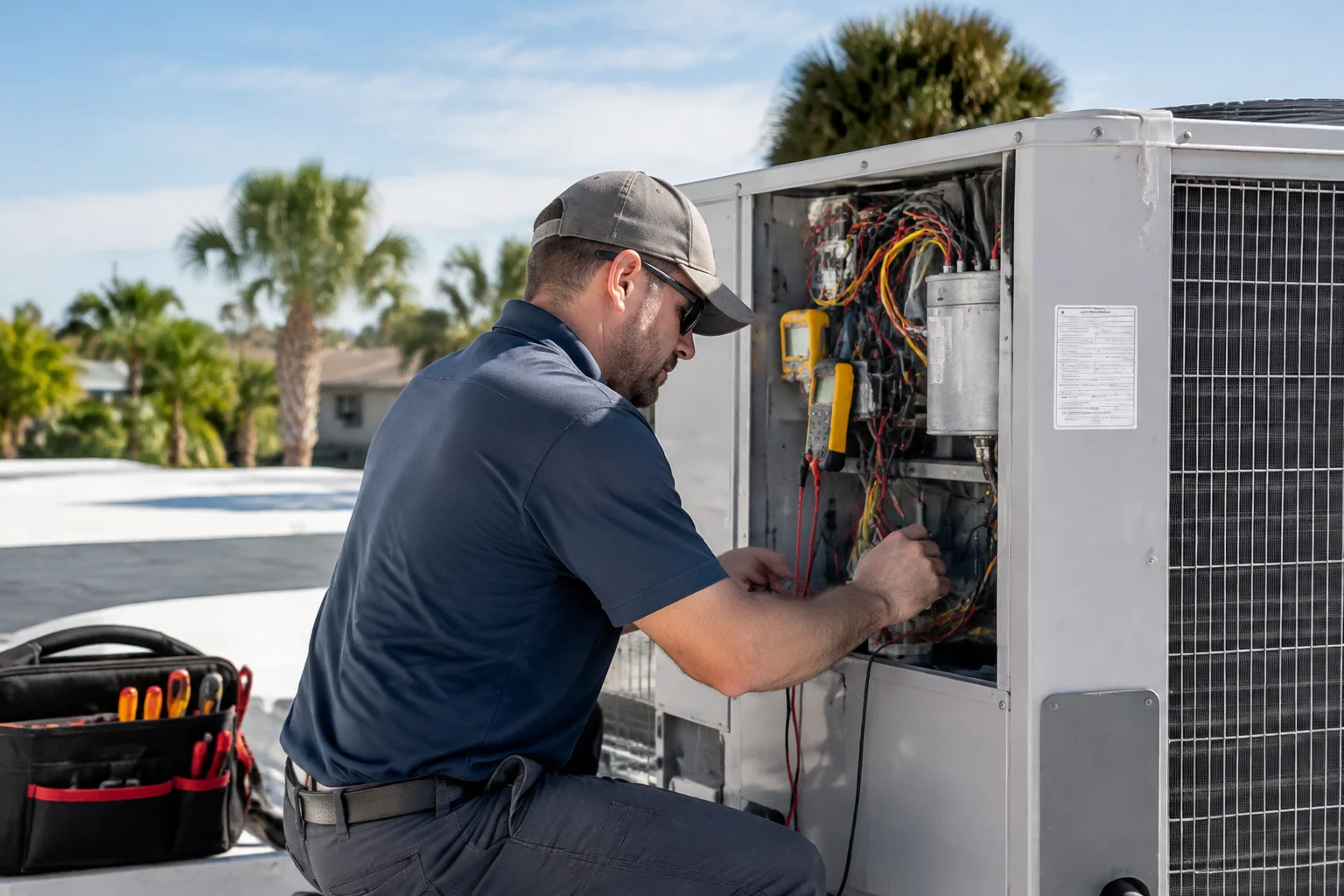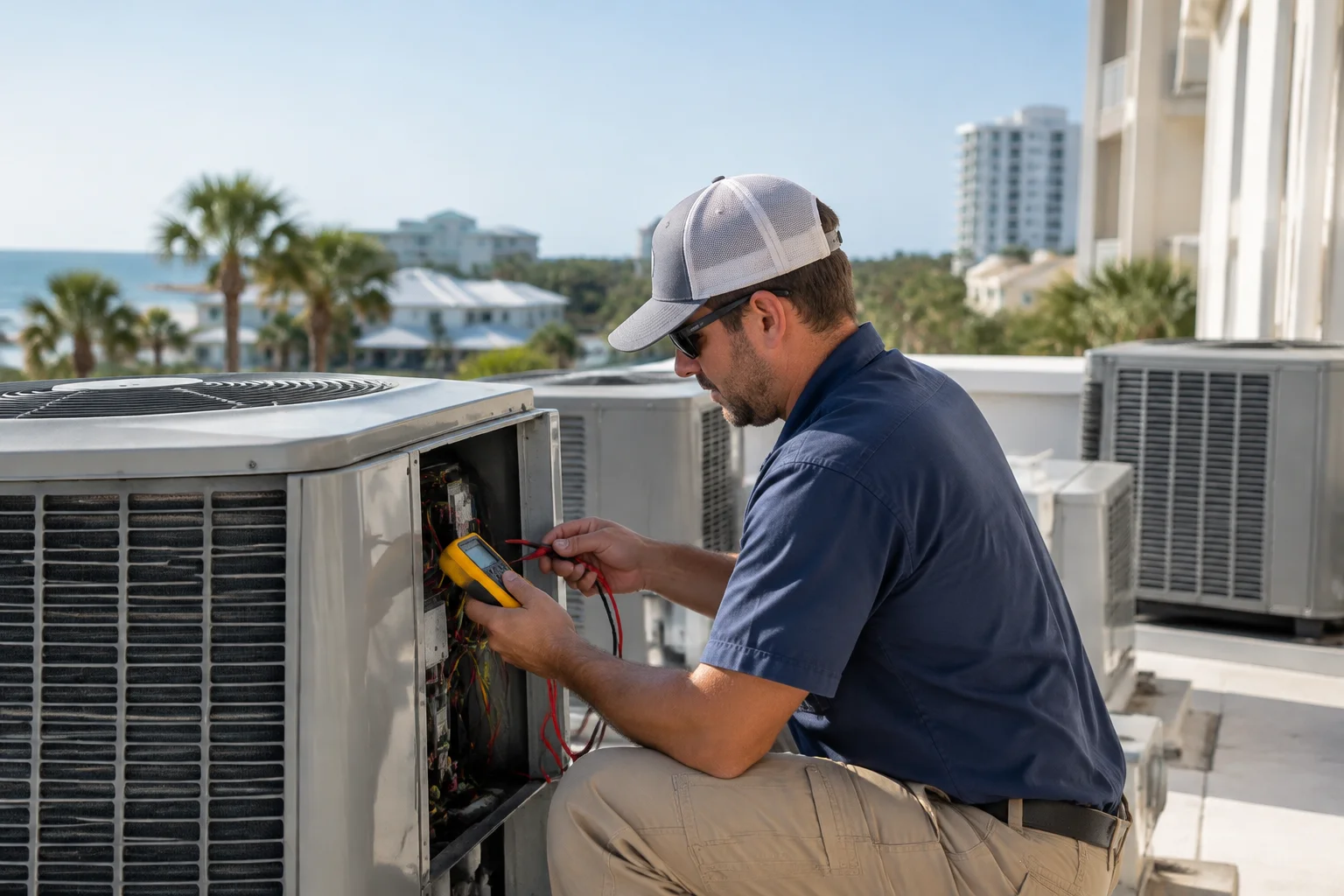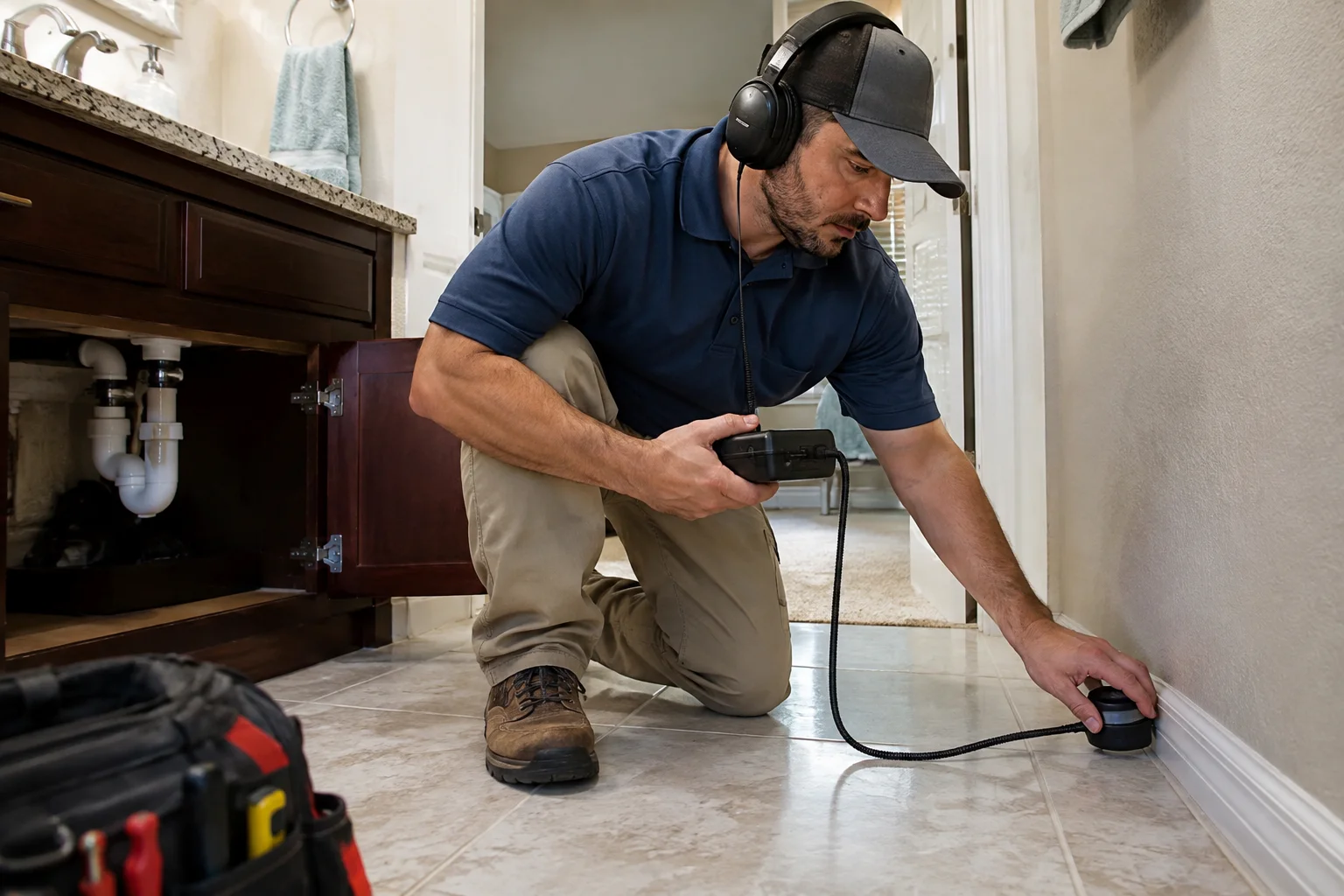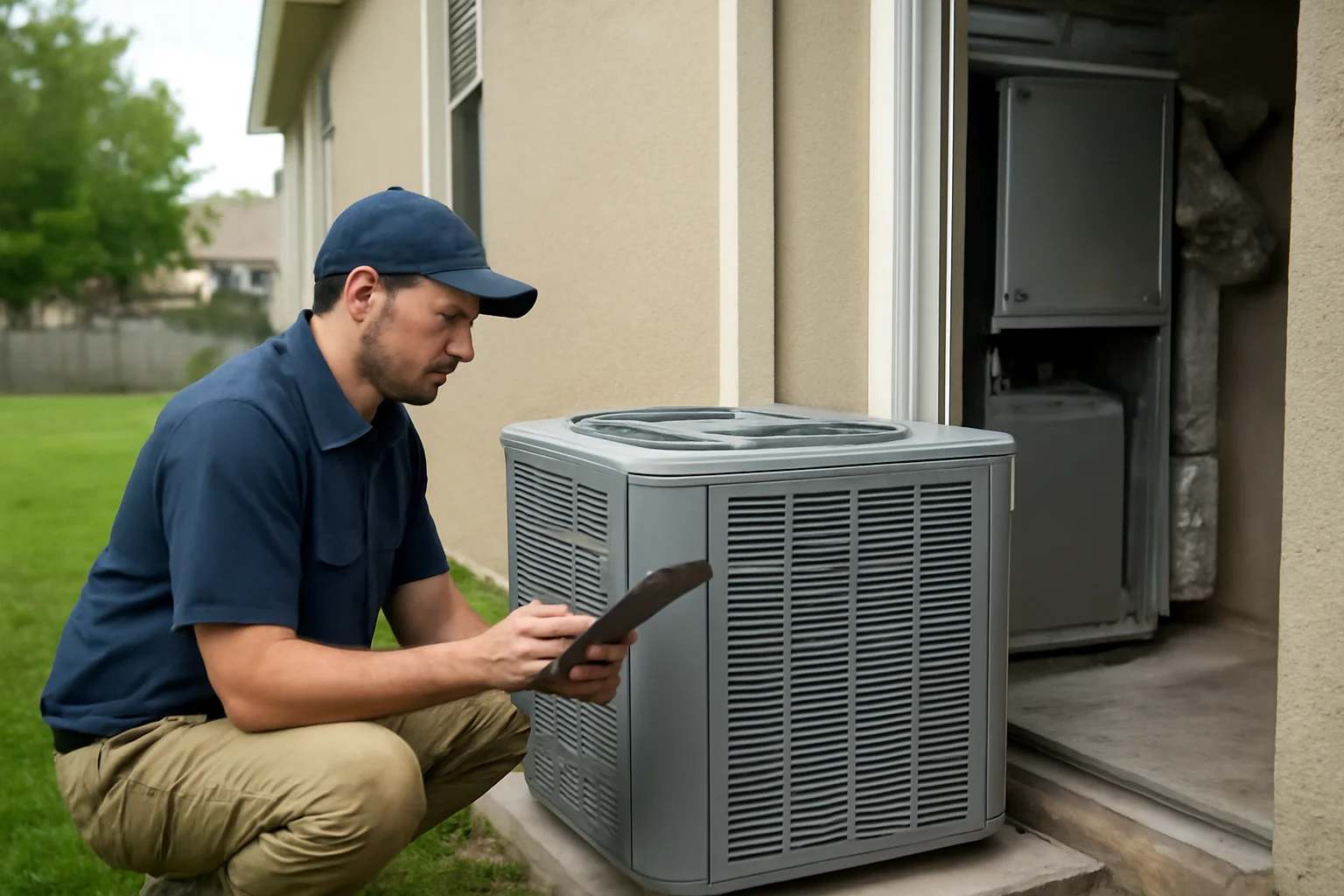
Freeport, FL is a place where comfort depends on steady airflow, reliable moisture control, and HVAC systems that can handle heat and humidity day after day. VRF multi-zone HVAC systems can be a smart choice for both newer builds and older homes that need flexible climate control. They can also be more complex than single-unit systems, which means small warning signs can turn into big comfort problems if they are ignored.
This guide covers common HVAC warning signs connected to VRF multi-zone systems, what they often point to, and how homeowners can plan for repairs while protecting indoor air quality and energy use.
How VRF multi-zone HVAC systems behave in Freeport’s climate
VRF, which stands for variable refrigerant flow, is a refrigerant-based system that can serve multiple indoor zones from one or more outdoor units. Instead of sending conditioned air from a central furnace or air handler through a single duct network, VRF distributes the refrigerant through piping to indoor units, then controls comfort in each zone using zone-level controls and thermostats.
In Freeport, that design has to contend with:
Hot, humid summers that raise cooling demand and increase moisture load.
Salt air near the coast that can accelerate corrosion on outdoor components and affect long-term performance.
Airflow sensitivity where ductwork, indoor unit placement, and filter condition influence comfort and humidity control.
Condensate drainage that must work correctly to prevent water-related issues and comfort setbacks.
Because VRF systems manage refrigerant flow dynamically, homeowners sometimes notice problems as “comfort glitches” rather than a single obvious failure. The warning signs below help you connect those comfort issues to the system components that likely need attention.
VRF comfort warning signs homeowners should not ignore
1) Some rooms stay warm while others cool normally
Uneven temperatures are one of the most common VRF multi-zone HVAC warning signs. You might feel it in bedrooms that run hot, a home office that never reaches setpoint, or a rental unit where one zone seems “stuck.”
Possible causes can include:
Zone-level airflow problems at indoor units, such as clogged filters or blocked returns.
Thermostat or control issues that prevent the correct demand from reaching the system.
Refrigerant system flow limitations that require an in-person assessment.
In older homes, this can also be tied to ductwork and airflow constraints where returns are undersized or supply paths are compromised. Even with VRF, airflow still matters for humidity control and comfort.
2) Humidity feels higher even when the thermostat shows “cooling”
Freeport’s humidity can make comfort feel off even when the temperature is close to target. If the air feels sticky, windows fog, or you notice musty odors, the issue may be moisture removal rather than temperature alone.
Look for clues such as:
Condensate drainage problems around indoor units, including slow drainage or signs of water where it should not be.
Airflow that is too restricted, which can reduce dehumidification performance.
Dirty filters and blocked coils that reduce heat transfer and moisture removal.
Because VRF systems rely on refrigerant processes to cool and dehumidify, humidity complaints should be evaluated by a local HVAC professional. A comfort problem that looks “just humid” can become an indoor air quality issue if moisture control is consistently weak.
3) Strange noises from indoor units or the outdoor unit
VRF systems can produce different sounds than older split systems. However, new or worsening noises are still warning signs. Homeowners may notice:
Rattling or vibrating from an indoor unit near a ceiling or wall.
Whistling or abnormal airflow sounds from vents or duct connections.
Grinding, persistent buzzing, or loud cycling from the outdoor unit.
Some noise issues are tied to airflow, loose components, or installation alignment. Others can indicate a mechanical or refrigerant system concern. Avoid trying to troubleshoot refrigerant-related problems yourself. A technician can determine whether the cause is airflow, condensate drainage, or something deeper in the refrigerant system.
4) The system short cycles or struggles to maintain setpoints
Short cycling is when the system turns on and off more frequently than expected. With VRF, homeowners might notice zones that keep changing output, or the system that seems to “try” to cool but cannot hold steady comfort.
While some cycling is normal in changing conditions, persistent cycling can point to:
Restricted airflow due to dirty filters, poor ductwork performance, or blocked grilles.
Control signals from thermostats and zone controllers not matching actual demand.
System protection behavior when components are not operating within expected conditions.
Short cycling can increase energy use and wear on system parts. In a Freeport summer, it also raises the chance that humidity control will fall short.
5) Condensate drainage issues, water stains, or recurring wetness
VRF indoor units produce condensate during cooling and humidity removal. If condensate drainage is slow, blocked, or misrouted, it can lead to water stains, damp drywall, or localized mustiness.
Common homeowner observations include:
Water spotting near indoor unit drain lines.
Visible moisture around ceilings or adjacent walls.
Frequent “reset” behavior after a drainage problem.
Condensate drainage is not something to ignore. Moisture can degrade indoor air quality and can damage finishes over time. If you see water signs, schedule an HVAC service appointment promptly.
6) Airflow that feels weak or inconsistent at vents
Even in a multi-zone VRF setup, airflow is what moves conditioned air through your living spaces. If you notice weak airflow from certain vents, inconsistent temperature swings, or hot air blowing in cooling mode, the cause could be:
Blocked or dirty filters at indoor units.
Issues with ductwork connections or ductwork performance in zones that use ducted air.
Indoor unit fans not operating properly.
If you are searching for duct repair near me or duct inspection near me because airflow feels off, it is worth noting that VRF systems still depend on good air distribution. A technician can evaluate both the indoor unit and the airflow path.
7) Higher energy use without a clear reason
Energy spikes can be subtle with VRF multi-zone systems because the system modulates output. Still, homeowners often notice:
Rising utility bills during peak humidity periods.
Zones that seem to “run” longer than before.
Frequent thermostat adjustments to feel comfortable.
Energy use can increase when airflow is restricted, filters are overdue, condensate drainage is compromised, or outdoor conditions are stressing the system in salt air environments. A professional HVAC inspection can help you separate normal seasonal variation from an actual performance problem.
What causes VRF multi-zone HVAC warning signs in Freeport homes?
VRF systems can be installed in many ways, so causes can vary by home age, layout, and installation details. Here are several common categories of issues that show up in coastal Florida conditions.
Humidity load and airflow constraints
When airflow is limited, the system may not dehumidify effectively. Dirty filters, blocked returns, and ductwork restrictions can all reduce performance. In older homes, ductwork leaks or poorly balanced airflow can make a VRF system work harder to maintain comfort.
Thermostats and zone control mismatches
VRF multi-zone comfort depends on accurate thermostat inputs and correct zone control. If a thermostat is misreading room conditions, has wiring issues, or is not communicating properly with the system, you can get uneven cooling or cycling that feels wrong.
Because thermostat behavior can mimic mechanical problems, it is important to have an HVAC service technician evaluate the system as a whole rather than focusing on one symptom.
Condensate drainage and indoor unit maintenance gaps
Indoor units can be out of sight, especially in closets, ceilings, or utility spaces. Homeowners may not notice early drainage problems until moisture appears. Regular maintenance helps prevent condensate drainage issues and protects indoor air quality.
Corrosion and outdoor unit exposure to salt air
Freeport’s salt air can accelerate corrosion on outdoor components. Over time, corrosion can affect heat exchange and airflow through coils. Outdoor coil cleanliness, protective measures, and timely service matter for long-term performance.
Refrigerant system concerns that require professional evaluation
VRF systems use refrigerant to provide heating and cooling across multiple zones. If warning signs point toward refrigerant flow or system operation problems, you should plan for a technician inspection. Homeowners should not attempt refrigerant diagnosis or repairs themselves.
Even if you suspect a refrigerant-related issue, a safe and accurate evaluation requires on-site checks and system-specific troubleshooting.
Repair planning: how to respond when you see warning signs
When a VRF multi-zone system starts acting up, it helps to plan the repair process so you do not lose comfort, especially during Florida heat waves.
Document what you notice across zones
Write down:
Which zones are affected and when the issue happens.
Whether humidity feels worse or only temperature is off.
Any unusual noises or airflow changes.
Any visible condensate drainage concerns like water stains.
This makes the HVAC inspection more efficient and helps your HVAC contractor near me understand the pattern quickly.
Check accessible items before the appointment
You can do basic, safe checks:
Confirm filters are installed and not clogged beyond normal use.
Make sure vents and grilles are not blocked by furniture or storage.
Ensure indoor unit drain areas are not visibly obstructed.
Do not open refrigerant lines, bypass safety controls, or attempt refrigerant charging. VRF repairs should be handled by trained professionals.
Ask about airflow and indoor air quality impacts
For homeowners focused on indoor air quality, ask your technician how the symptoms relate to:
Airflow performance in each zone.
Filtration and humidity control effectiveness.
Any need for duct inspection or duct cleaning where applicable.
If you have ducted zones, consider reviewing Duct Cleaning and ask whether duct cleaning or duct inspection near me is appropriate based on what the technician finds.
Plan for emergency cooling concerns
In Freeport, comfort can become urgent during heat and humidity spikes. If you rely on VRF for whole-home cooling, ask the technician how to protect the system and what steps can reduce risk while waiting for repairs.
Also consider how to keep vulnerable spaces comfortable, such as bedrooms for children or older adults, even if one zone is underperforming.
Preventive maintenance that reduces VRF problems
Preventive HVAC maintenance is one of the most practical ways to reduce the chance of mid-season breakdowns. In VRF systems, maintenance helps protect airflow, moisture control, and system stability.
Maintenance priorities for VRF multi-zone homes
Filter and airflow checks for each zone, especially where ductwork or indoor unit grilles affect performance.
Indoor unit inspection for cleanliness and condensate drainage condition.
Outdoor unit evaluation with attention to coil cleanliness and salt-air corrosion concerns.
Thermostat and control verification so zone demand matches actual comfort needs.
Why commercial-style attention can help residential VRF systems
Many VRF installations in the area are used in larger homes, rentals, and mixed-use properties where reliability matters. If you are trying to keep comfort consistent for guests or tenants, the discipline of maintenance planning matters. You can read more about that approach in Why Efficient Heating and Cooling Starts With Commercial HVAC Maintenance in Freeport, FL.
Older homes vs newer builds: what changes with VRF
Older Freeport homes
In older homes, VRF may be added during renovations to improve zoning and comfort. Warning signs can show up when:
Existing ductwork is leaky or poorly balanced.
Airflow paths are constrained by framing changes.
Moisture issues are already present, and humidity control becomes a bigger factor.
If you are comparing comfort from room to room, those differences can point to airflow and indoor unit performance. A technician can also help you understand whether duct repair near me is part of the solution when ducted zones underperform.
Newer Freeport homes
Newer construction may have better insulation and tighter building envelopes, which can make humidity management more sensitive to correct airflow and correct controls. Warning signs can include:
Zones that overshoot or undershoot setpoints due to control or sensor behavior.
Comfort swings that feel like the system is “confused,” especially when multiple zones run at once.
Energy use concerns if airflow design or commissioning did not fully account for real-world conditions.
If you are evaluating an installation or troubleshooting patterns after installation, it can help to review The Details That Get Missed in Commercial HVAC Installation in Freeport, FL.
When system replacement or major upgrades enter the conversation
Homeowners sometimes ask whether VRF replacement near me is the right move when warning signs keep returning. Replacement is a serious decision and depends on what is causing the comfort problems, system age, and overall condition.
A proper evaluation may include:
Assessing airflow and indoor air quality risks.
Reviewing how the system is controlling humidity and meeting zone demand.
Inspecting components impacted by salt air exposure.
Do not assume replacement is appropriate without an in-person professional assessment. If you are weighing options, you can also read A Homeowner’s Guide to HVAC Financing and Why It Matters in Freeport, FL.
Choosing A Superior Mechanical for VRF multi-zone service in Freeport
VRF multi-zone HVAC systems require HVAC service that understands refrigerant-based operation, zone control, condensate drainage, and the airflow details that affect humidity and comfort. For homeowners searching for HVAC service near me or air conditioner service near me, choosing a local team that works in Freeport and Walton County matters because local conditions like heat, humidity, and salt air influence how systems age and how problems show up.
If you need VRF multi-zone HVAC systems support, including installation planning and ongoing service, you can explore VRF Multi-Zone HVAC Systems for Freeport. You can also browse the broader service area information on the Freeport page and Walton County service area.
For homeowners who want to improve comfort beyond VRF alone, pairing good airflow and maintenance practices with the right supporting services can help. Consider additional support such as Heat Pump Services when your comfort system includes heat pump components, and explore Commercial HVAC Maintenance if your property operates like a rental or multi-tenant building.
Find VRF Multi-Zone HVAC Systems in Freeport, FL
If you need VRF Multi-Zone HVAC Systems in Freeport, FL, visit our local service page or contact A Superior Mechanical today.
Map of Freeport, FL
Frequently Asked Questions
Why does my VRF multi-zone system cool some rooms but not others?
Uneven comfort is often tied to zone-level airflow, thermostat and control behavior, or issues within the refrigerant system distribution. A technician can evaluate each affected zone, including airflow paths and indoor unit operation, before suggesting repairs.
Is humidity that feels worse a sign of a VRF problem, even if the temperature is set to cool?
Yes. In Freeport’s heat and humidity, comfort depends on moisture removal. If humidity stays high, it can be related to restricted airflow, dirty filters, or condensate drainage performance. An in-person inspection is the safest way to determine the cause.
What should I check for condensate drainage issues in a VRF system?
Look for water stains near indoor units, damp drywall, or recurring wetness around drain lines. Avoid handling drain piping or refrigerant components yourself. If you see signs of moisture, schedule HVAC service promptly.
Can I diagnose a refrigerant problem in a VRF multi-zone system myself?
No. VRF systems use refrigerant-based operation, and accurate diagnosis requires trained troubleshooting and system-specific checks. Homeowners should focus on documenting symptoms and ensuring accessible filters and vents are not blocked, then let a professional inspect the system.
How does ductwork affect VRF comfort in a multi-zone home?
Even though VRF controls zones with refrigerant and indoor units, ducted zones still rely on airflow. Poor duct performance can reduce comfort and humidity control. If airflow feels weak, ask about duct inspection or duct repair needs as part of the overall VRF evaluation.
Related Articles
- Why Efficient Heating and Cooling Starts With Commercial HVAC Maintenance in Freeport, FL
- The Details That Get Missed in Commercial HVAC Installation in Freeport, FL
- A Homeowner’s Guide to HVAC Financing and Why It Matters in Freeport, FL
- Staying Ahead of Commercial HVAC Problems in Freeport, FL: A Practical Guide for More Reliable Buildings
Photo Gallery