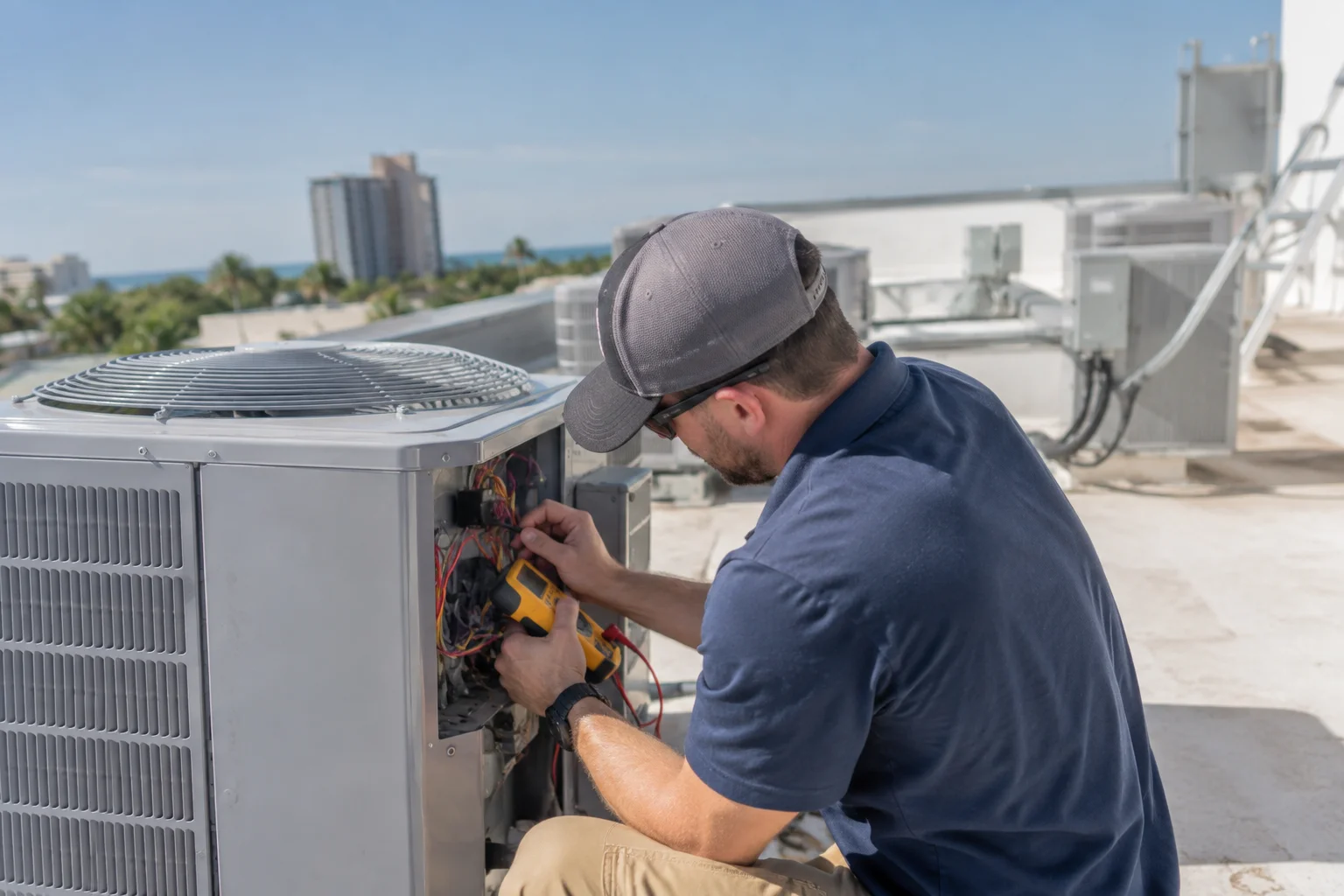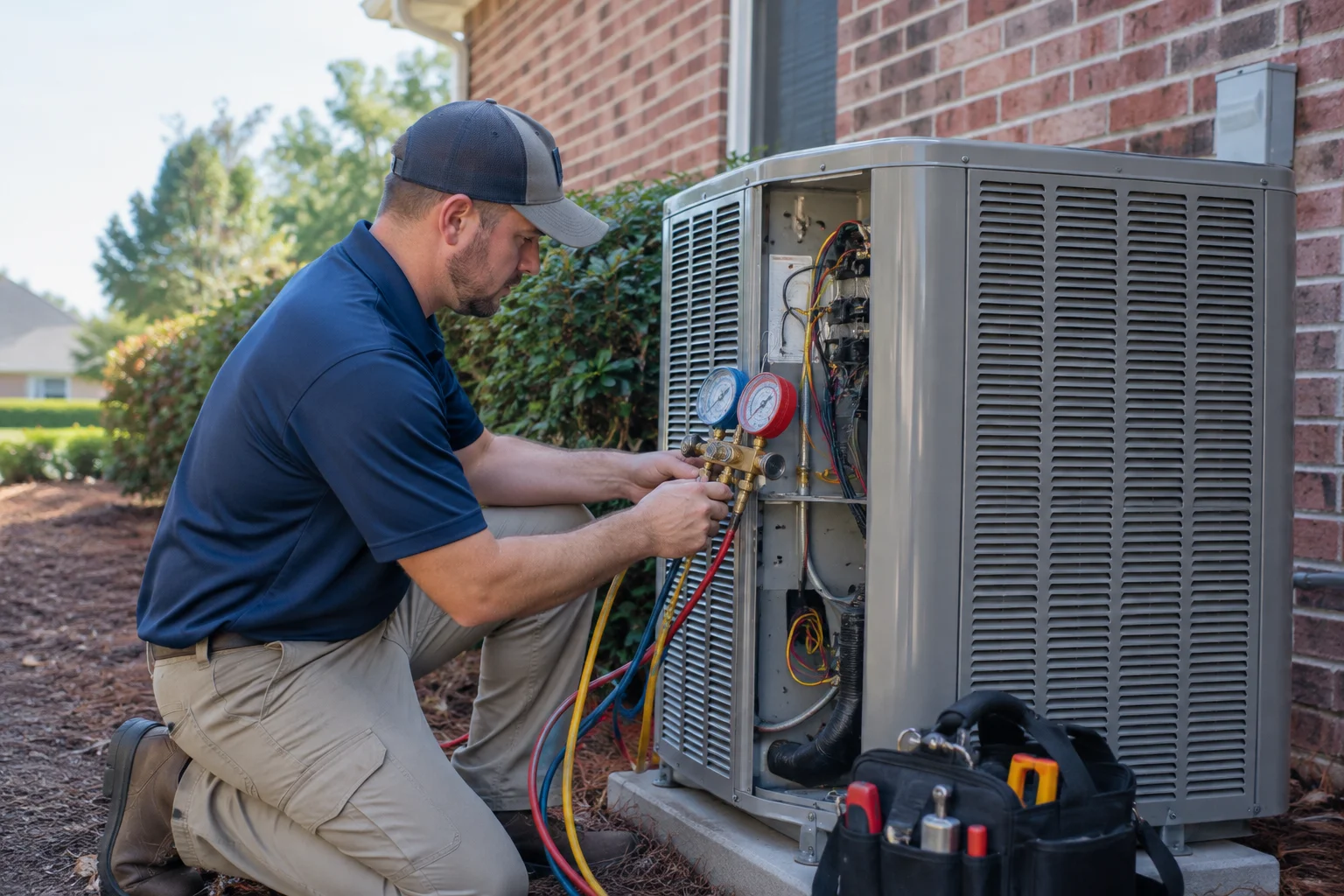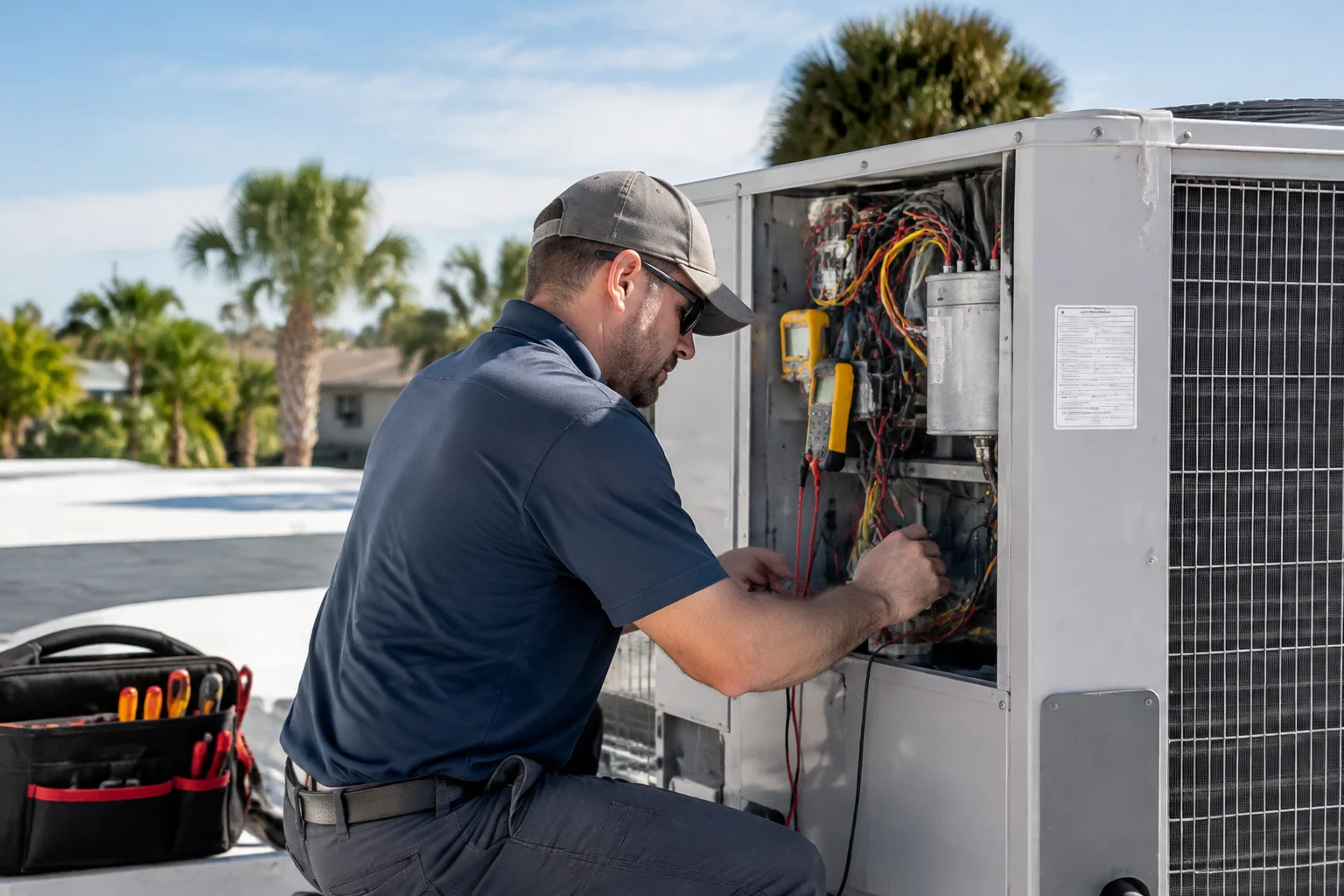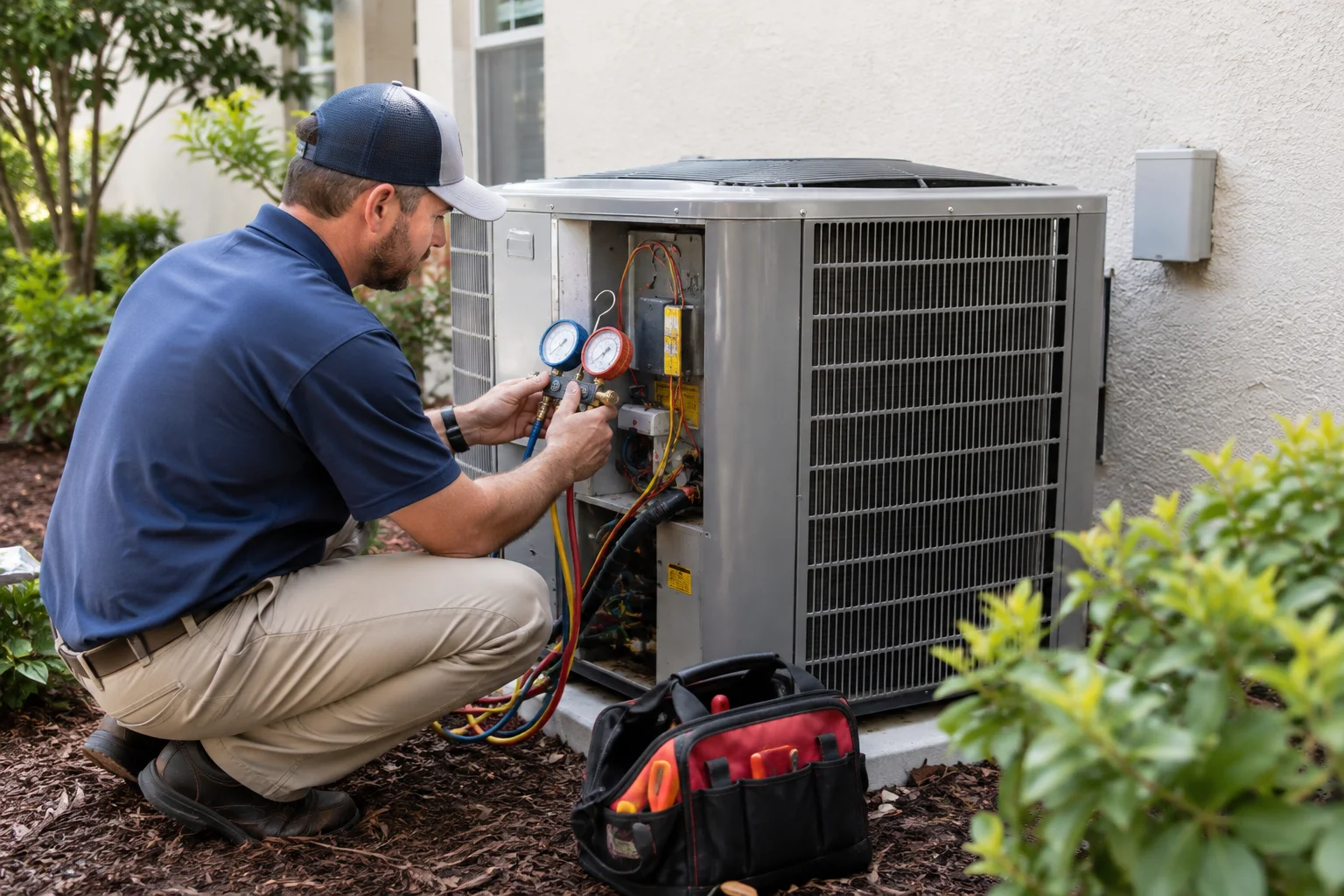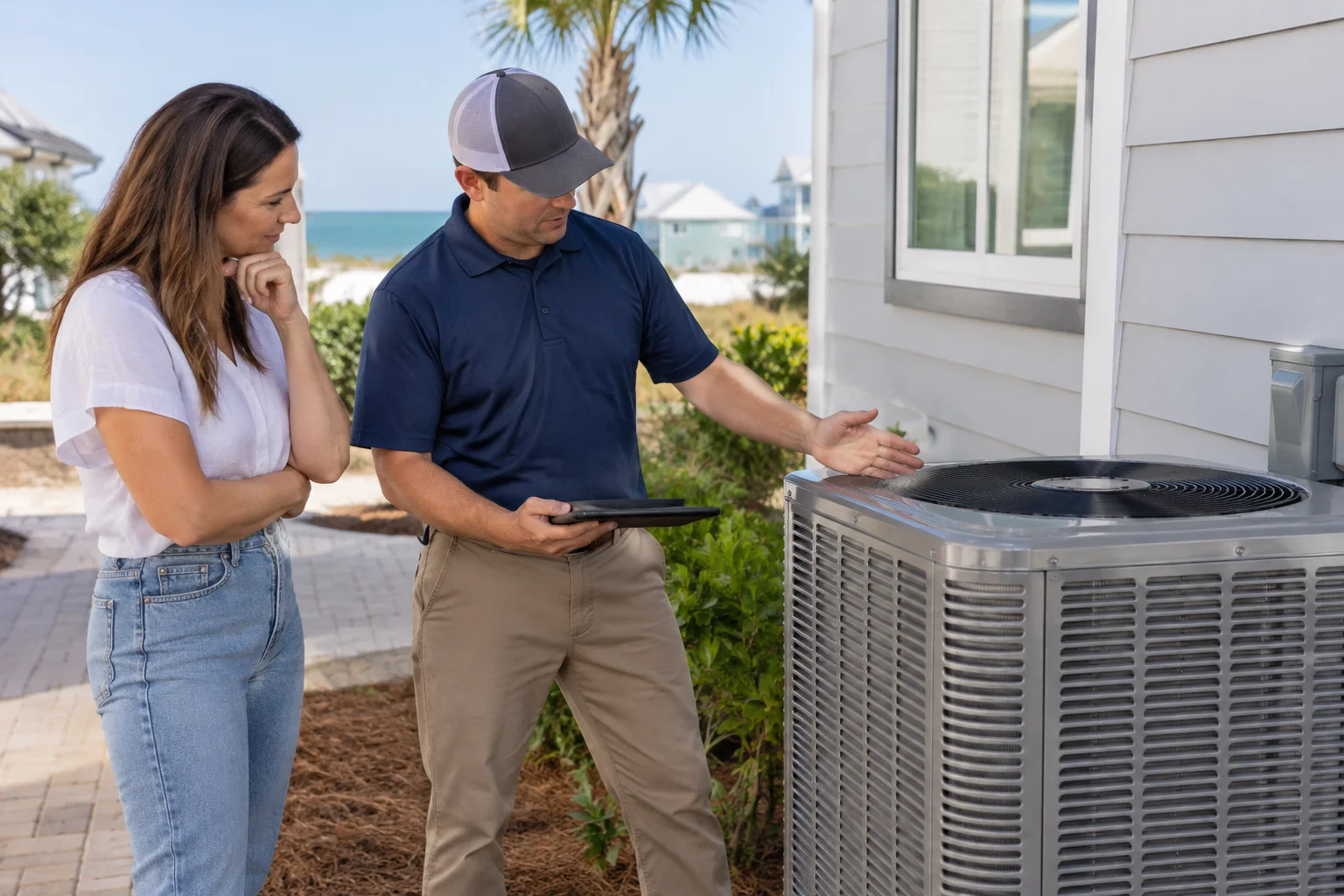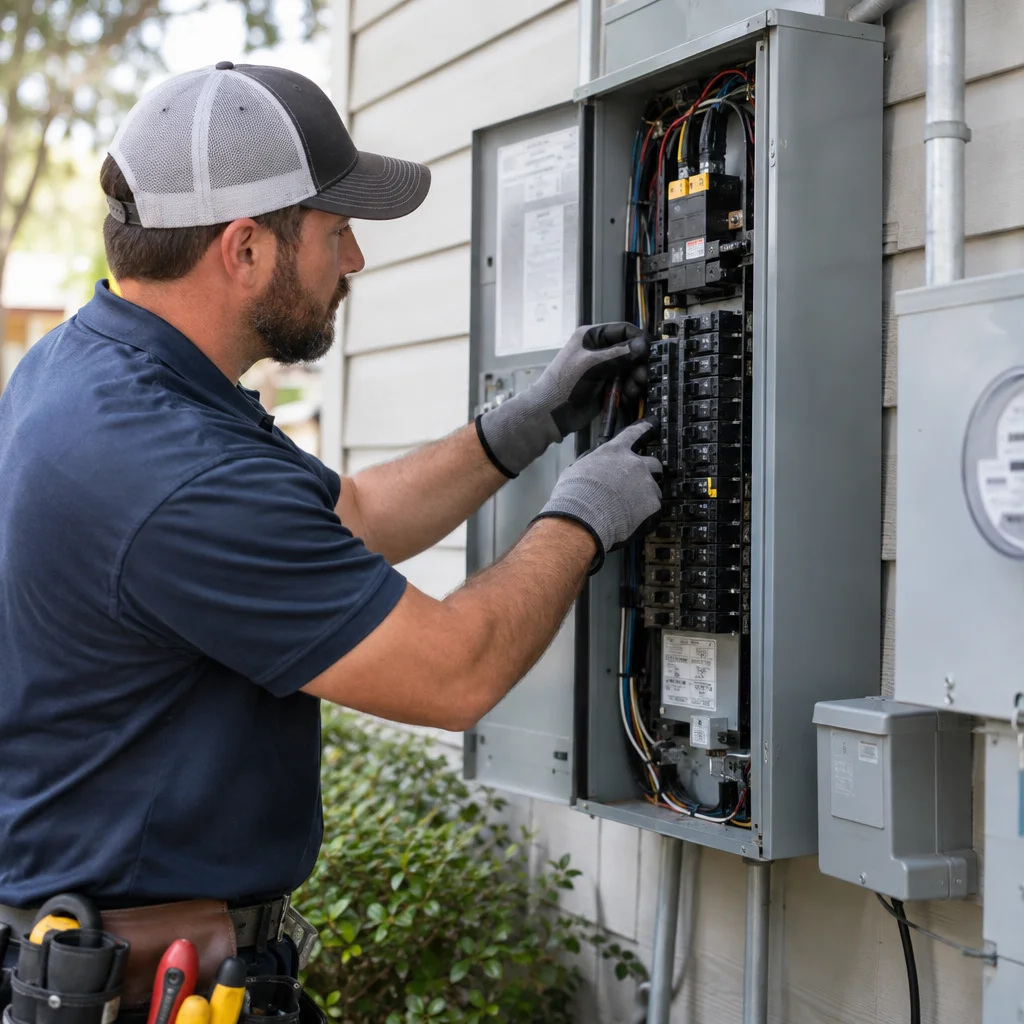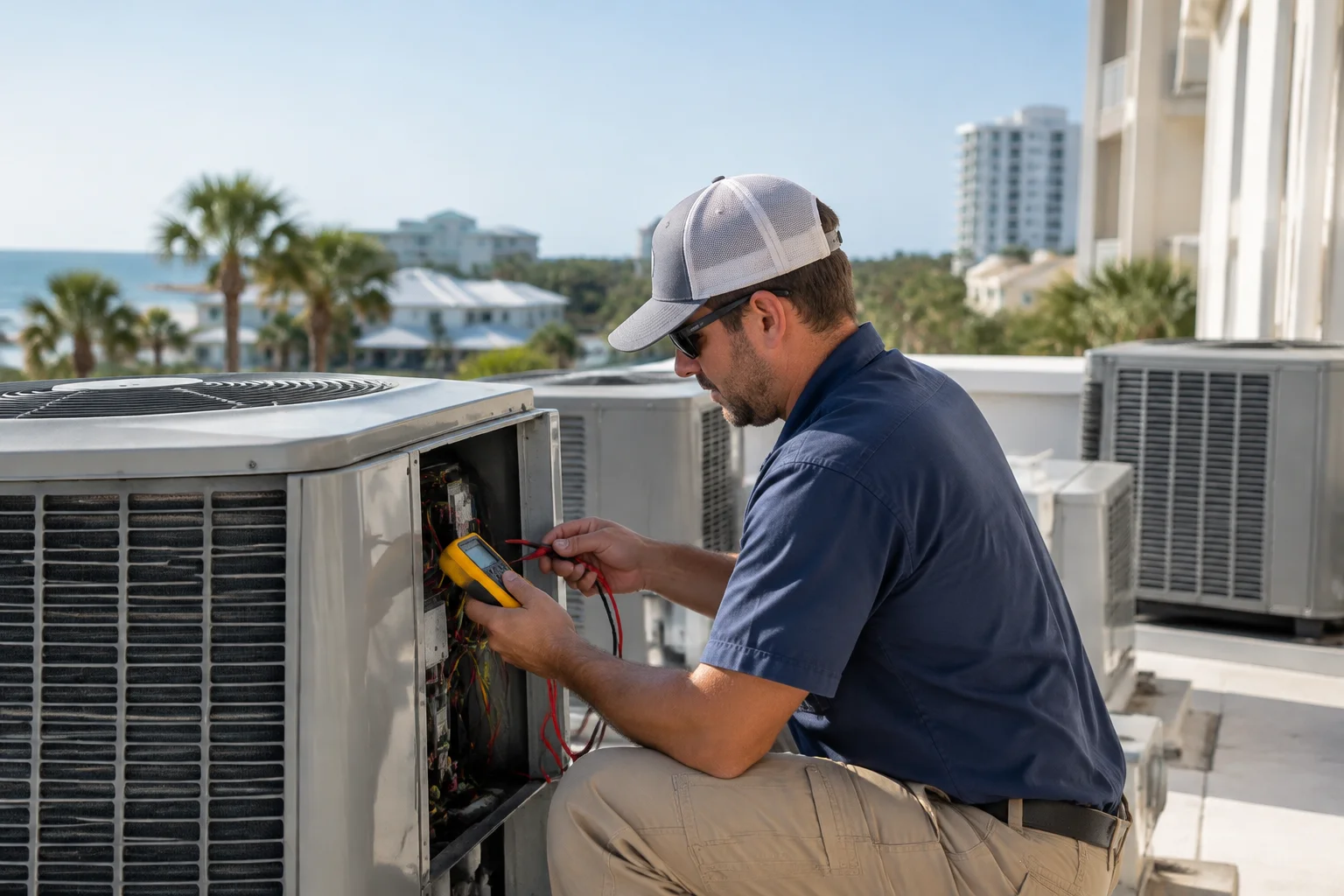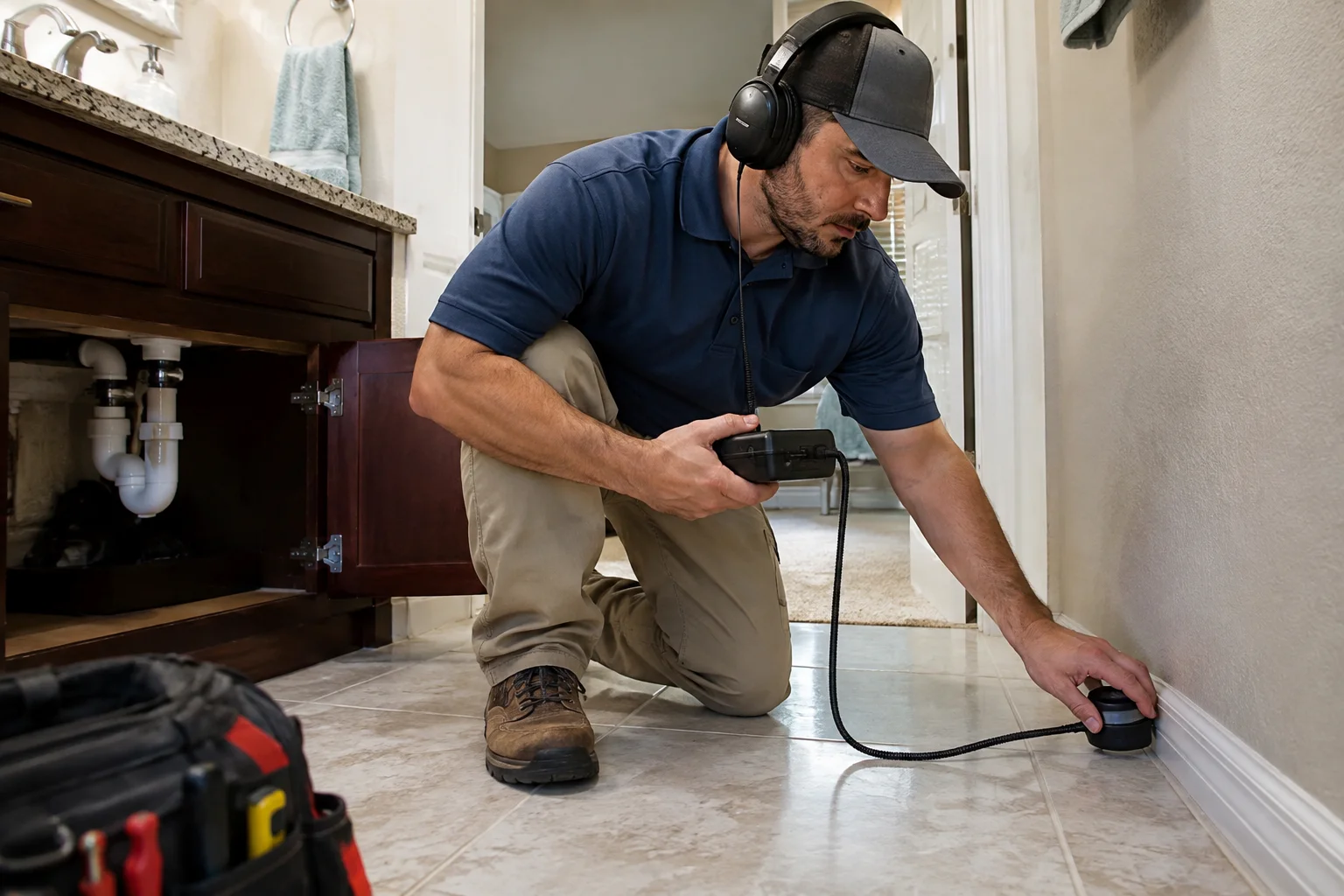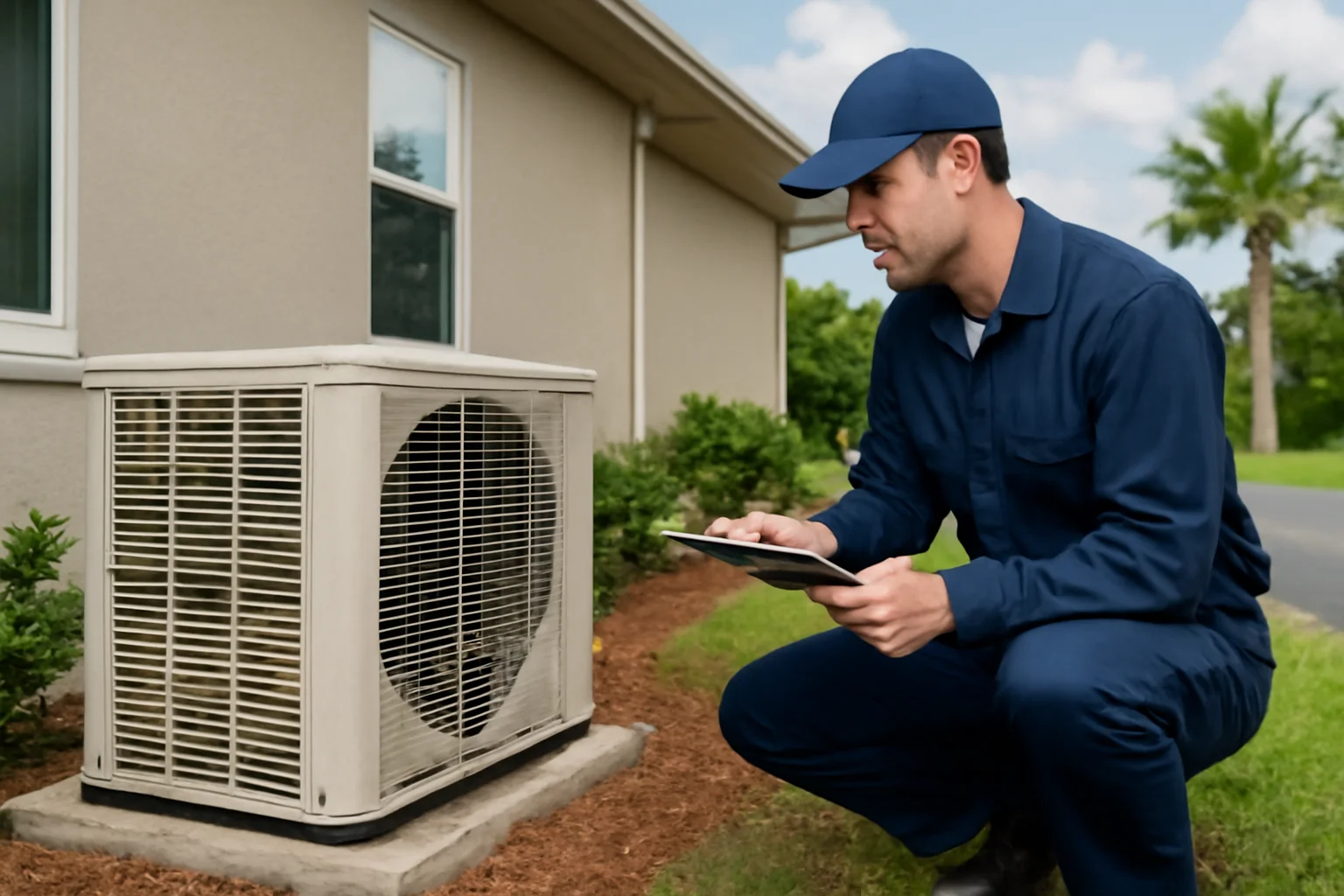
Laguna Beach, FL is beautiful, but the coastal mix of heat, humidity, and salt air can be tough on HVAC systems. With a VRF multi-zone setup, the goal is flexible comfort room by room. When something goes off, the clues often show up as uneven temperatures, unusual humidity, or airflow problems tied to the refrigerant system, condensate drainage, and the way zones respond to thermostats.
This guide walks through practical HVAC warning signs that commonly connect to VRF multi-zone performance, what homeowners can check safely, and how to plan for repair with a local, licensed HVAC contractor. If you are searching for HVAC repair near me or air conditioner service near me for a VRF system in Laguna Beach, the right diagnosis starts with understanding the symptoms.
How VRF multi-zone systems behave when they are working well
VRF multi-zone systems move refrigerant through a network of indoor units and outdoor components so different zones can call for cooling or heating based on their thermostat settings. When the system is balanced, you typically feel consistent comfort, quieter operation, and controlled airflow that matches each zone’s needs.
In Laguna Beach, the climate makes this especially important. Warm afternoons, sticky humidity, and fast weather swings can push comfort demands higher. If your VRF system is healthy, it can respond without dramatic temperature swings or persistent humidity issues. When it is not, the warning signs usually appear as:
- Uneven cooling or heating between rooms
- Weak or inconsistent airflow from certain indoor units
- Condensate drainage concerns that show up around indoor units
- Thermostat or zone control behavior that seems “out of sync”
- Noticeable changes in system noise, cycling patterns, or comfort stability
Comfort problems that often point to VRF multi-zone issues
Because VRF systems manage multiple zones, comfort complaints can be more specific than with single-zone equipment. A single thermostat can feel fine while nearby zones struggle. Here are common comfort-related warning signs homeowners notice.
One or two rooms feel too warm or too cool even when the thermostat is set correctly
If some zones never reach set temperature while others track normally, it can indicate an airflow imbalance, indoor unit restriction, or a refrigerant system performance issue that affects that zone more than others. Coastal humidity can also make “cooling feels weak” seem like a temperature problem when it is really a moisture removal problem.
What to do now: Note which zones are affected and whether the issue changes during morning versus peak afternoon heat. That information helps your HVAC service technician plan the right checks.
Humidity stays high or rooms feel clammy during cooling season
Laguna Beach humidity can be relentless. When a VRF system is not removing moisture effectively, you may notice:
- Rooms feel sticky even when temperatures are acceptable
- Condensation on nearby surfaces
- Musty odors that seem to come and go
Humidity and indoor air quality are closely linked to proper airflow, correct indoor coil conditions, and reliable condensate drainage. If you are also seeing dust buildup or faster filter clogging, that can be tied to airflow patterns and ductwork performance.
Comfort improves in some seasons but fails during heat waves
VRF systems can mask problems until demand spikes. During Florida heat, the system has to move more cooling capacity through the refrigerant system and keep airflow steady. If you only notice trouble during the hottest stretches, it can be a sign that performance is degrading under heavier load.
Airflow clues homeowners can spot around indoor units and vents
Airflow is one of the most visible signals of HVAC health, and VRF systems are no exception. Even when refrigerant flow is correct, restricted airflow can cause poor comfort and higher energy use.
Weak airflow from one indoor unit while others seem normal
When a single zone feels underpowered, it can be related to that indoor unit’s fan operation, filter condition, coil cleanliness, or ductwork connections if the zone uses ducted distribution. In a multi-zone system, it is common for one area to become the “weak link” if airflow gets restricted or if return paths are blocked.
Homeowner checks you can do safely:
- Confirm vents are open and not blocked by furniture or curtains
- Look for obvious filter issues and replace if the filter is disposable
- Check for standing water or wet spots around the indoor unit area
Do not attempt to open sealed refrigerant components. A qualified HVAC technician should handle refrigerant system checks.
Airflow changes after the thermostat cycles, then never fully stabilizes
If airflow ramps up and down in a way that feels unusual, it may be tied to zone control behavior or indoor unit response. VRF systems modulate to meet demand, but persistent instability can also be linked to airflow restriction, condensate drainage issues, or sensor and control problems that require professional evaluation.
More dust or dry air complaints than usual
In Florida, many homeowners expect humidity to stay high. If you see dustier air or frequent dry-air complaints, it can mean airflow and humidity control are not aligning with your comfort needs. Dust can also increase when airflow patterns shift and dirt loads build on filters and coils.
If you are working on indoor air quality, consider whether your ductwork and filtration strategy match how your VRF system distributes air. For homeowners searching for duct inspection near me, a professional duct evaluation can help identify airflow bottlenecks that affect zone performance.
Condensate drainage warning signs tied to comfort and moisture control
During cooling, indoor units remove moisture and drain condensate. In a coastal climate with frequent humidity, condensate management matters. If drainage is slow, blocked, or improperly routed, you may see symptoms that look like “comfort issues” but have a moisture root cause.
Water at the indoor unit, wet drywall, or damp spots near returns
Any standing water or recurring moisture is a red flag. It can lead to odors, mold risk, and corrosion over time. It can also disrupt indoor airflow and reduce humidity removal effectiveness.
What to do now: Stop using the affected zone if you see active leaks, and document where the moisture appears. A technician can inspect the condensate drainage path and confirm the system is operating as intended.
Condensate odors or “musty” smells that return after cooling cycles
Odors that correlate with cooling operation can indicate moisture accumulation or drainage issues. In Laguna Beach, where humidity is high, even small drainage problems can become more noticeable.
Thermostat and zone control behaviors that can signal VRF trouble
VRF multi-zone systems depend on thermostats and zone controls to coordinate heating and cooling calls. When a zone control response is off, comfort can drift and energy use can climb.
Thermostat settings seem to do nothing for certain rooms
If you adjust temperature and the indoor unit does not respond, the issue could be related to zone communication, sensor behavior, or indoor unit performance. Homeowners sometimes assume “the thermostat is broken,” but VRF troubleshooting often requires checking the indoor unit and control inputs together.
What to avoid: Do not repeatedly reset the system in a way that hides symptoms. Note what you observe first, then schedule service.
Frequent zone cycling or “fighting” between heating and cooling
Inconsistent responses, especially during Florida’s warm season transitions, can cause comfort instability. While VRF systems are designed to handle complex loads, persistent cycling or conflicting control behavior should be evaluated in person.
Refrigerant system performance clues and why they matter
VRF systems are refrigerant-based, and refrigerant performance affects cooling capacity, heat transfer, and overall stability. Homeowners usually cannot confirm refrigerant issues by sight, but they can notice the results.
Comfort that never stabilizes, especially during peak demand
If a zone keeps running but cannot hold temperature, it can be a sign of performance limitations. Under Florida heat and humidity, the system’s ability to maintain comfort is tested. Persistent failure to maintain set temperature is a reason to schedule HVAC service near me with technicians familiar with VRF multi-zone systems.
Unusual hissing, banging, or persistent high-pitched noise
VRF systems can produce normal operational sounds, but sudden changes or persistent abnormal noises are not something to ignore. Coastal conditions and age can contribute to wear, and refrigerant system behavior should be evaluated by a professional.
Do not attempt a refrigerant diagnosis yourself. A licensed HVAC contractor can assess the system safely and accurately.
Energy use and “slow decline” warning signs
Some VRF problems do not create instant failures. Instead, they show up as higher energy use, longer run times, or reduced comfort. In a climate where cooling demand is frequent, inefficiencies can become noticeable quickly.
Higher utility bills with no major change in lifestyle
If your household schedule is steady and the only difference is comfort performance, it is worth investigating. Poor airflow, airflow restriction in ductwork, dirty coils, or zone control problems can all increase energy use.
If you are considering HVAC replacement near me because the system feels “tired,” it helps to first get an inspection. A VRF system may need maintenance or targeted repair, not immediate replacement, but that decision depends on an in-person assessment.
Emergency cooling concerns: when to treat it as urgent
Laguna Beach heat can become uncomfortable quickly, especially for older adults, young children, and anyone sensitive to temperature swings. If your VRF system stops delivering cooling to multiple zones or you have signs of active water leakage near indoor units, treat it as urgent.
Search terms like emergency AC repair near me can be useful when comfort is at risk. Still, the best approach is to contact a contractor that can evaluate VRF multi-zone systems and confirm safe operation. If there is active water leakage, shut down the affected zone and avoid contact with wet areas until inspected.
Common Laguna Beach factors that increase VRF wear and comfort issues
VRF systems installed in coastal Bay County properties can face conditions that inland homes do not. These factors can contribute to performance drift, airflow problems, and maintenance needs.
- Salt air exposure can accelerate corrosion on outdoor components and affect long-term reliability.
- High humidity increases condensate production and makes drainage and coil cleanliness more important.
- Florida heat pushes cooling demand during summer peaks and can reveal weaknesses in airflow and refrigerant performance.
- Older housing and mixed ductwork can create airflow bottlenecks that show up as uneven zone comfort.
For homeowners planning heat pump service or VRF heating performance checks, it is smart to treat the system as a connected network. Comfort issues often involve both airflow and refrigerant system behavior.
Repair planning: what to ask during an HVAC repair visit
When you contact a local contractor, you want a technician who understands VRF multi-zone systems and can connect symptoms to likely causes. Use these questions to guide the conversation.
Ask for a zone-by-zone symptom review
Bring notes on which rooms are affected, how long the problem has been happening, and whether the issue changes with outdoor temperature. This matters for VRF because zones can behave differently.
Request an airflow and ductwork check when relevant
If certain zones have weak airflow, ask whether ductwork, returns, and filter conditions are contributing. Homeowners searching for duct inspection near me often find that airflow constraints are a hidden source of comfort complaints.
If your system uses ducted distribution, you may also want to review duct health. If ducts are aging or damaged, duct inspection can help determine whether repairs or duct replacement are part of the solution.
Confirm condensate drainage is inspected
If you see moisture, ask about condensate drainage inspection and how the indoor unit drains during cooling cycles. Moisture control supports both comfort and indoor air quality.
Discuss thermostat and control behavior
If zones do not respond properly, ask whether the thermostat installation, sensor inputs, and zone control logic are functioning as expected. Many homeowners ask about thermostat installation near me or thermostat replacement, but the right step depends on the system’s control design and what is actually failing.
Preventive maintenance that fits VRF multi-zone needs
Preventive HVAC maintenance is one of the best ways to reduce the chance of mid-season surprises. In Laguna Beach, where humidity and heat stress equipment, maintenance helps keep airflow stable, condensate drainage clear, and indoor air quality under control.
Build a maintenance plan around cooling and humidity demands
A solid maintenance visit for VRF multi-zone systems typically includes inspection of indoor units, verification of airflow performance, checks related to condensate drainage, and system health review. The exact scope depends on your setup, but the goal is consistent comfort across zones.
For homeowners looking for a practical routine, read Smart HVAC Planning for Air Conditioning Maintenance in Laguna Beach, FL to align seasonal tasks with local weather patterns.
Keep indoor air quality priorities in the plan
Airflow and moisture control affect how the home feels and how clean the air stays. If you are noticing dust, odors, or humidity complaints, pair maintenance with an indoor air quality strategy. For guidance, see Cleaner Air Starts in the Ducts: A Laguna Beach Homeowner’s Guide to Better HVAC Performance.
Watch filters and airflow pathways, especially in high humidity
Filters and airflow pathways influence how well the system removes moisture and distributes conditioned air. Replace disposable filters on schedule and keep returns clear. If your home’s ductwork is struggling, even a well maintained VRF system may not deliver consistent comfort.
When you should consider replacement versus repair
Homeowners often search for HVAC replacement near me when a system feels unreliable. VRF multi-zone systems are flexible, so replacement decisions depend on the specific condition of indoor units, outdoor components, ductwork, and overall system health.
Do not assume replacement is the right move based on a single symptom. An in-person professional evaluation is needed to confirm whether the system can be repaired safely and effectively, or whether parts of the system are beyond practical service.
If you are weighing duct-related performance and comfort problems, you can also review Duct Replacement and ask how duct condition affects zone airflow.
Choose a contractor who works with VRF multi-zone systems in Laguna Beach
VRF multi-zone systems are not “one size fits all.” The refrigerant network, indoor units, controls, and airflow paths work together. That is why it matters to hire a contractor who has experience with VRF multi-zone systems in coastal Bay County homes and properties.
A Superior Mechanical provides VRF multi-zone systems installation, repair, and maintenance in Laguna Beach. If you want to learn more about local HVAC services, visit our Laguna Beach service area. For broader coverage in Bay County, see our Bay County HVAC service area.
If your VRF system is tied into a commercial setup or mixed-use property, you may also want to review Commercial HVAC Installation in Laguna Beach, FL: The Issues Local Property Owners Should Not Overlook for helpful planning context. For property managers and homeowners focused on ongoing reliability, Keeping Laguna Beach Properties Reliable with Smarter HVAC Management can help you think through maintenance scheduling and comfort goals.
For Laguna Beach homeowners, the fastest path to stable comfort is usually a careful symptom review, a zone-by-zone inspection of airflow and condensate drainage, and an evaluation of how the thermostat and controls are performing. That is the foundation for repair planning that fits Florida heat, humidity, and the realities of coastal air.
If you are dealing with uneven comfort, humidity issues, or airflow warnings tied to your VRF multi-zone system, contact A Superior Mechanical for an inspection and HVAC repair planning. The right fix depends on what the system is doing in your home, not just what the symptoms resemble.
To explore other related services that may come up during diagnostics, consider duct inspection, air conditioning replacement, or commercial HVAC repair.
Find VRF Multi-Zone Systems in Laguna Beach, FL
If you need VRF Multi-Zone Systems in Laguna Beach, FL, visit our local service page or contact A Superior Mechanical today.
Map of Laguna Beach, FL
Frequently Asked Questions
Why does my VRF multi-zone system cool some rooms but not others in Laguna Beach?
VRF multi-zone systems can deliver uneven comfort when airflow is restricted in specific zones, when indoor unit performance changes, or when zone control inputs do not match actual operating conditions. An in-person inspection is the safest way to connect the symptom to the correct cause.
What VRF warning signs are most related to humidity problems?
Clammy rooms, condensation on surfaces, musty odors during cooling, and recurring moisture near indoor units often point to moisture removal and condensate drainage concerns. Because humidity affects indoor air quality, these symptoms should be evaluated promptly.
Can I troubleshoot refrigerant issues in a VRF system myself?
No. Refrigerant system problems require professional tools and safe procedures. Homeowners can observe comfort symptoms, note which zones are affected, and check for obvious airflow blocks, but a licensed HVAC contractor should perform refrigerant-related diagnostics.
How do I know if my VRF problem is urgent during Florida heat?
If multiple zones fail to cool, if you notice active water leakage, or if the home becomes uncomfortably hot quickly, treat it as urgent and seek emergency AC repair near me. A technician can verify safe operation and address the underlying cause.
What preventive maintenance helps VRF multi-zone systems last through coastal humidity and salt air?
Regular inspections focused on indoor airflow performance, condensate drainage, and system health help reduce comfort problems and indoor air quality issues. Scheduling maintenance around seasonal demand is especially useful in Laguna Beach’s heat and humidity.
Related Articles
- Smart HVAC Planning for Air Conditioning Maintenance in Laguna Beach, FL
- Commercial HVAC Installation in Laguna Beach, FL: The Issues Local Property Owners Should Not Overlook
- Keeping Laguna Beach Properties Reliable with Smarter HVAC Management
- Cleaner Air Starts in the Ducts: A Laguna Beach Homeowner’s Guide to Better HVAC Performance
Photo Gallery