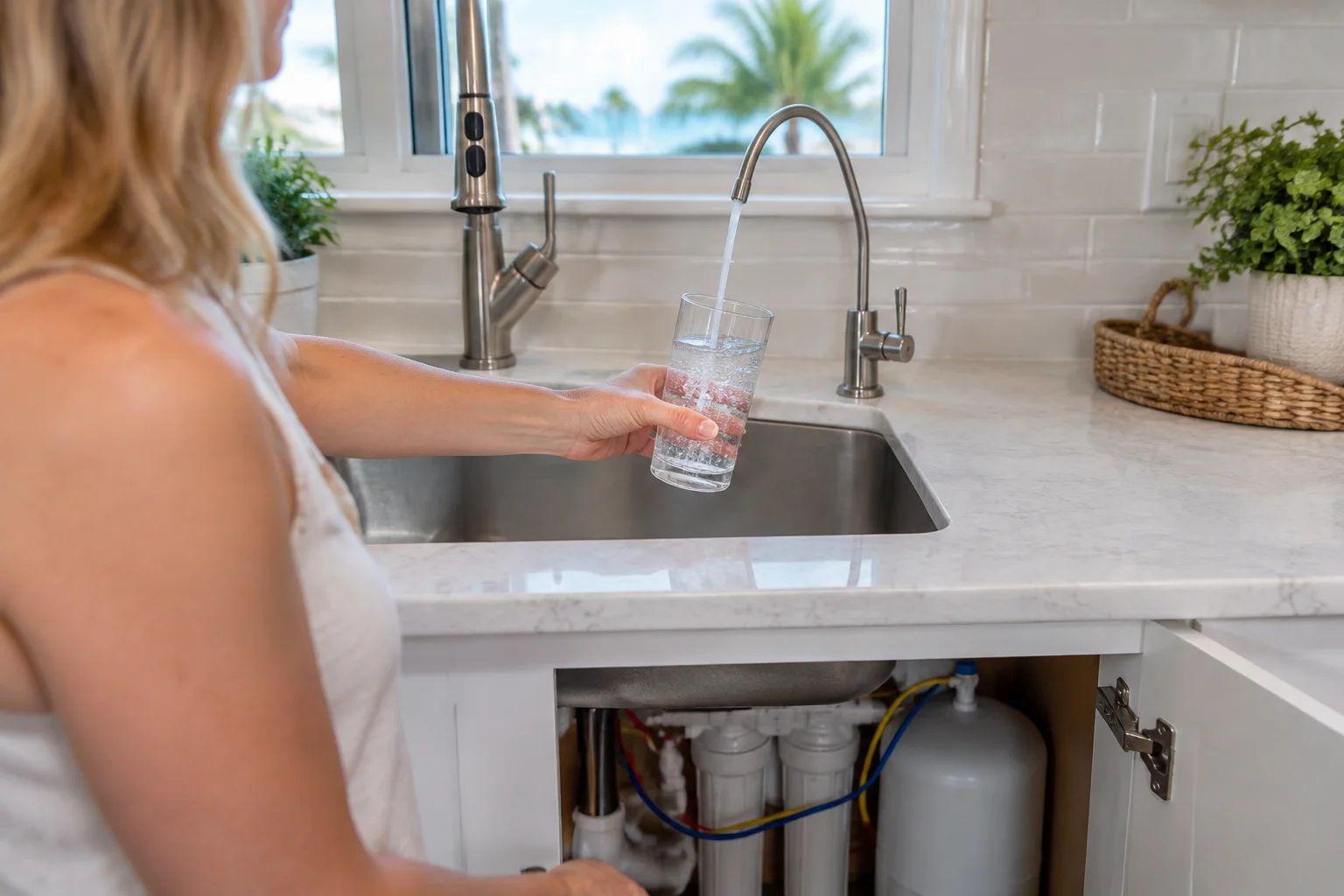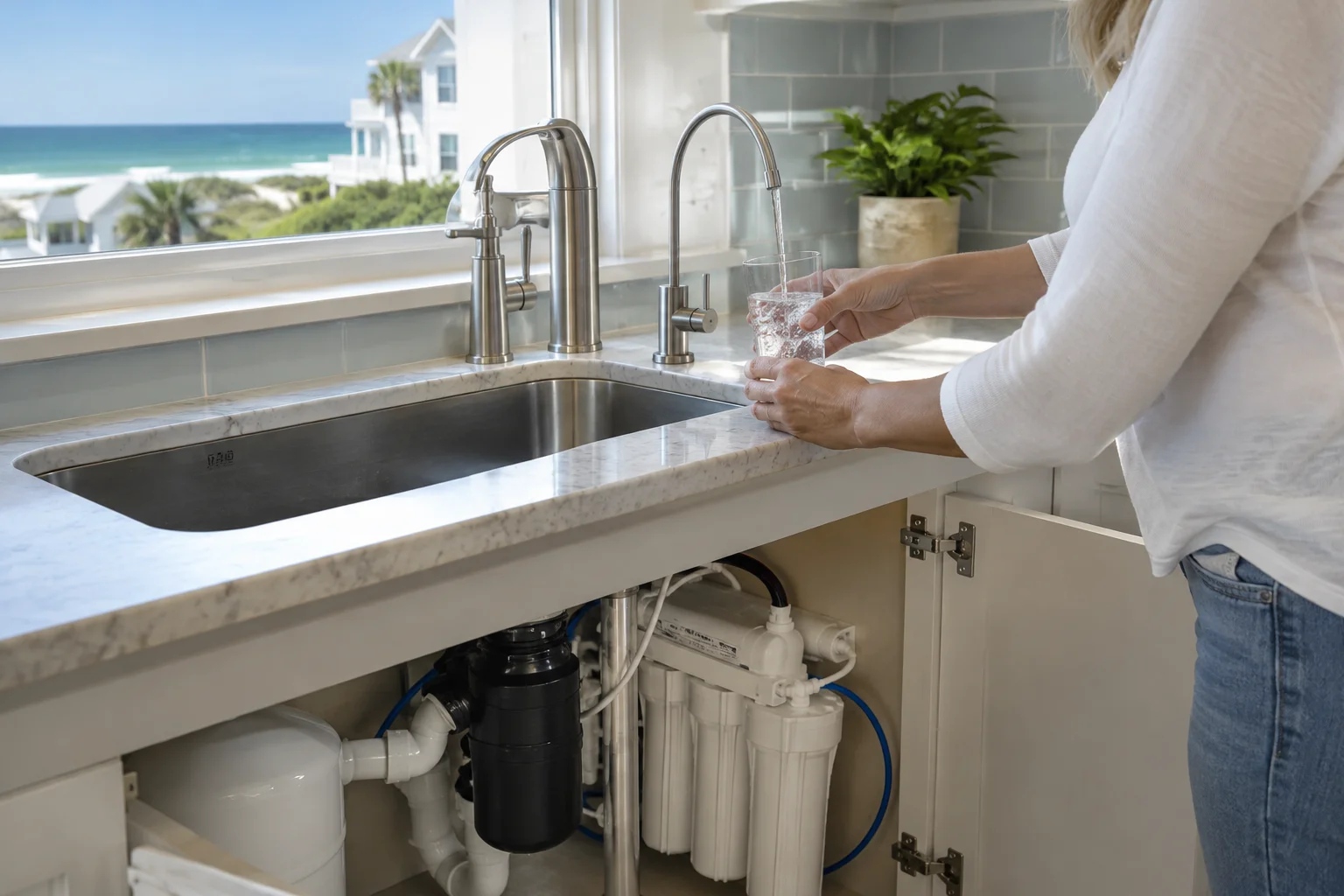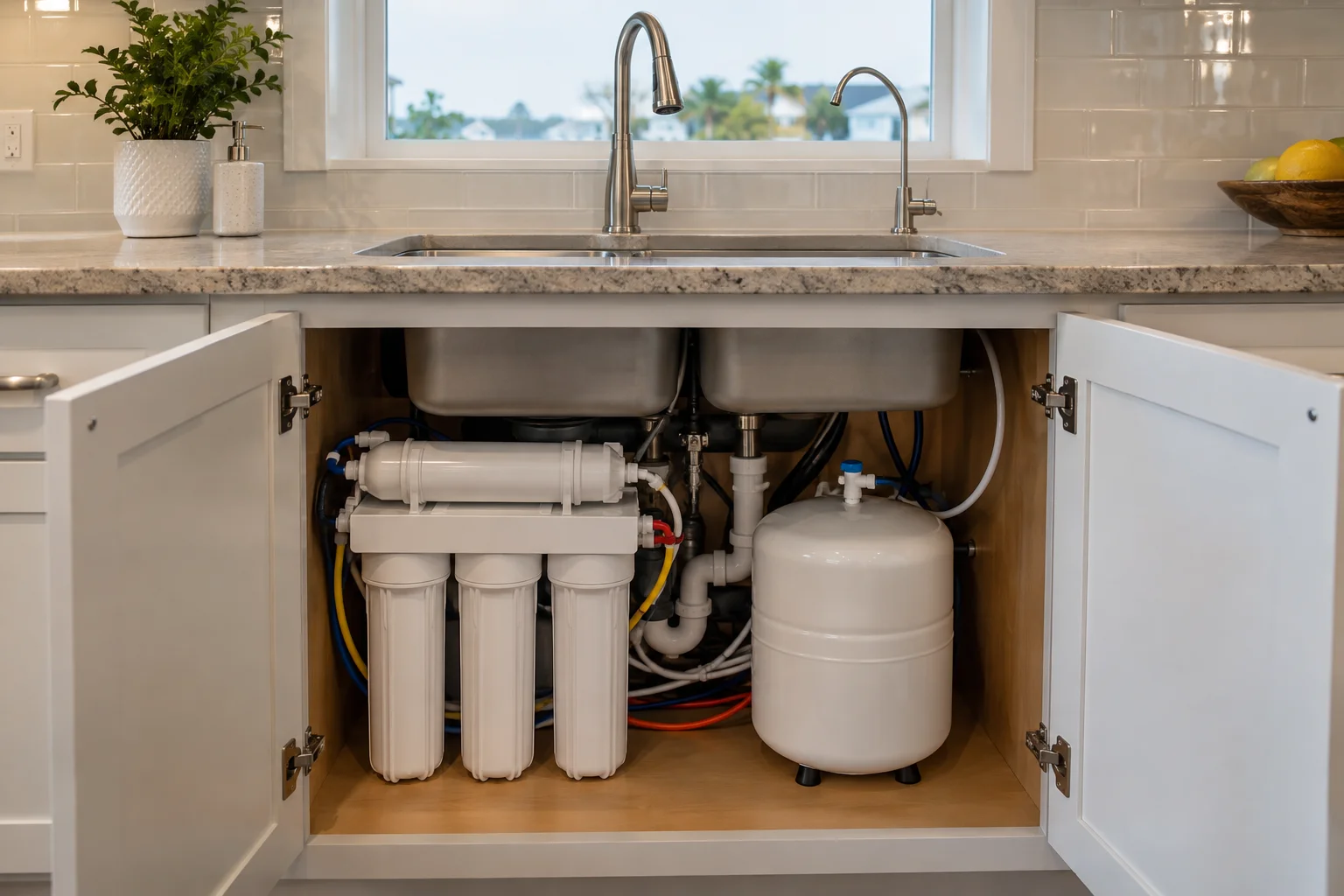
Callaway homes rely on clean water for everything from morning coffee to bathing and laundry. A reverse osmosis (RO) drinking water system can be a strong layer of protection, but it is not “set it and forget it” when water patterns change. In Callaway, FL, seasonal habits like vacationing, reduced kitchen use, and shifting household schedules can let small problems grow into noticeable water quality issues.
This guide covers the most common water quality warning signs connected to reverse osmosis systems, why they happen during seasonal use, and how proper water treatment service helps protect your family year round. If you are comparing options for reverse osmosis installation in Callaway, or you are looking for broader support with water filtration and reverse osmosis, the details below will help you spot what matters.
Why RO water quality can shift when your household use changes
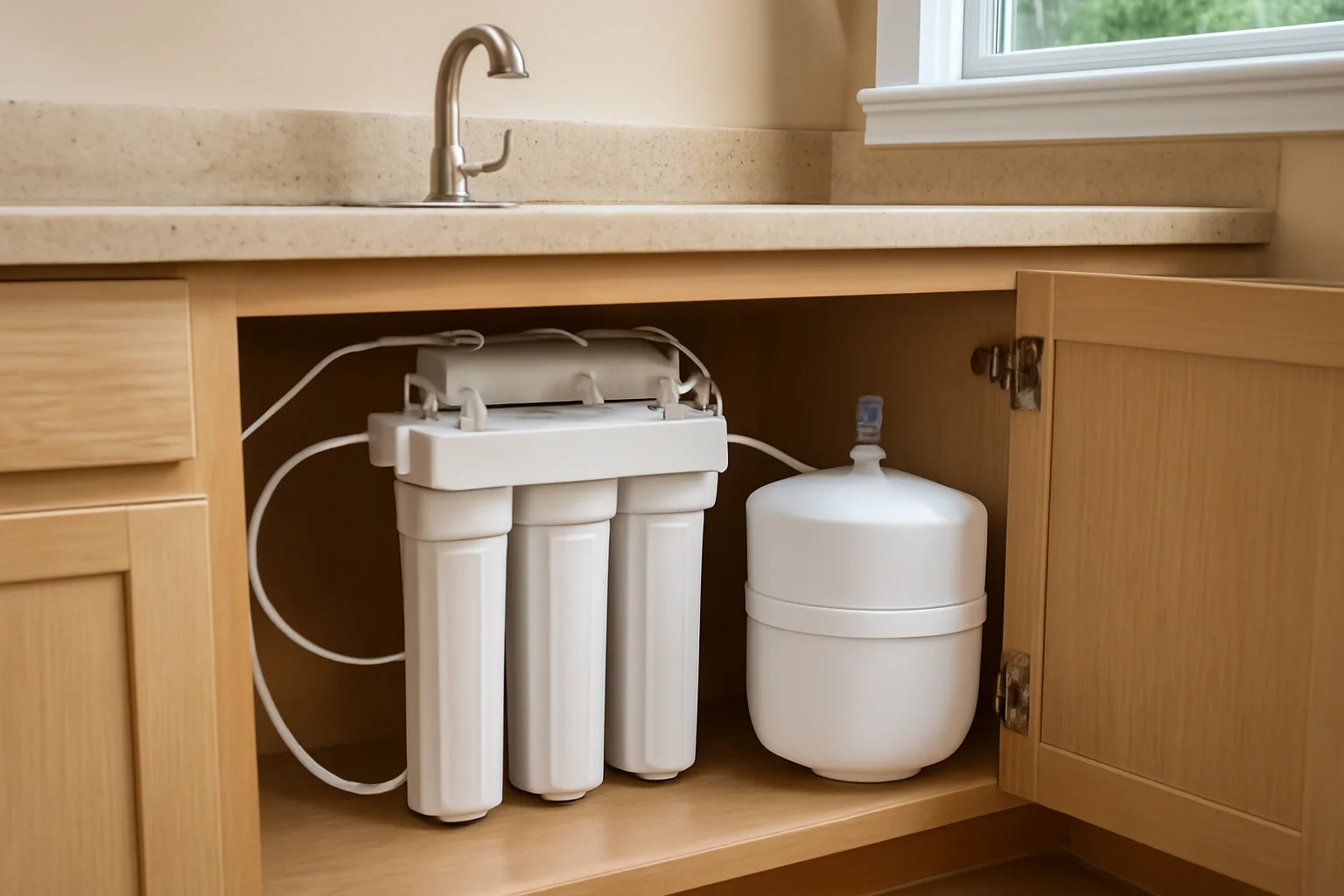
Reverse osmosis works by pushing water through a semi-permeable membrane that removes many dissolved solids and a portion of taste and odor drivers. Most RO systems also include pre-filters and post-filters, plus a storage tank. When the system runs consistently, the membrane and filters experience steady flow and regular flushing.
During seasonal use, the system may sit idle longer, the storage tank can sit between draws, and the filters may not be “cycled” through at the same pace. That does not mean RO suddenly stops working, but it can make water quality changes more obvious. Homeowners often notice these changes first in the kitchen, bathroom, and at fixtures where water chemistry shows up every day.
Local water conditions that make RO performance easier to notice
Callaway is in Bay County, where many homes see water that can be hard enough to leave deposits and scale. When hard water is part of the equation, it can also make maintenance issues more visible. Even if your RO system is improving drinking water, other household water uses still interact with the home’s plumbing, fixtures, and appliances.
That is why homeowners who are searching for water treatment near me often end up considering more than one layer. RO can improve drinking and cooking water, while hard water treatment and whole home water filtration can reduce scale buildup on faucets, showerheads, and plumbing.
For homeowners who want an overview of service options across the area, you can review water treatment in Callaway and then narrow down to RO specifics like the RO systems for Callaway page.
Water quality warning signs tied to reverse osmosis systems
Below are the most common red flags homeowners report when an RO system is nearing filter change time, experiencing membrane stress, or struggling with flow and storage behavior.
1) Metallic, chlorinated, or unpleasant taste
If your filtered water starts tasting metallic or shows more of a chlorine taste in water, it usually points to one of the RO stages losing effectiveness. Carbon-based filters often manage taste and odor, and if they are depleted, unpleasant flavors can slip through.
Seasonal use can accelerate this because the system may sit with water in the lines and tank between draws. When the system is used less frequently, the “freshness” of the water stored in the RO tank can change, and taste issues become more noticeable when the household resumes regular use.
When you see taste changes, it is a good time to schedule an inspection rather than guessing. RO drinking water systems work best when pre-filters, carbon stages, and the membrane are matched to your water and maintained on schedule.
2) Cloudy ice cubes or cloudy water from the RO tap
Cloudy ice cubes are a classic clue that something has changed in the dissolved content or filtration performance. Sometimes homeowners assume it is “just air,” but when cloudiness persists, it can indicate reduced membrane rejection or changes in how dissolved gases and minerals behave in your RO storage tank.
If you notice cloudy ice along with taste or odor changes, treat it as a combined water quality warning sign. RO systems can also be affected by how the system is flushed after idle periods. A professional service visit can confirm whether the issue is filtration, flow, or tank-related.
3) Poor tasting coffee and cooking water
A lot of families in Callaway judge water quality by the kitchen. If your coffee tastes flat, bitter, or “off,” or your cooking water affects the flavor of soups and rice, it can be tied to RO performance.
RO is designed to improve filtered water for coffee and cooking by reducing dissolved solids that can dull flavor. When the RO system is not performing as expected, you may see changes in how beverages and meals turn out. This is especially noticeable after seasonal periods when the system has been used less and then restarted.
Homeowners who are searching for a drinking water filter near me often want results they can taste. If cooking and coffee quality slips, that is a strong reason to check your RO stages and schedule maintenance.
4) Soap that does not lather or rinse well
This sign is not limited to RO, but it often shows up in households that have both RO drinking water and hard water challenges. If you are using RO for drinking and cooking but your shower and laundry water is still hard, you can end up with soap that does not lather and feels like it never rinses clean.
Hard water can create a film on skin and laundry fabrics, which can also make shampoo feel less effective. Many homeowners notice this after returning from a period of lower water use, when they pay closer attention to how things feel during bathing and cleaning.
If you see soap performance issues, scale buildup is often nearby.
5) Dry skin or dull hair after bathing
Dry skin or dull hair can be related to water hardness and mineral residue. Even if your drinking water is improving, hard water in showers can still affect how skin and hair feel. When scale and mineral deposits are present, they can interfere with how bath products spread and rinse.
During seasonal use, the timing of water use can shift what you notice. A household that returns to regular showers after being away may suddenly feel the difference and connect it to “the water.” The underlying cause is often hard water chemistry plus inconsistent treatment maintenance.
6) Visible sediment, discoloration, and odor concerns
Some RO issues show up visually. Visible sediment, discoloration, or persistent odor concerns at the RO tap can indicate problems with pre-filtration, a compromised membrane, or changes in how the system is handling feed water.
These symptoms are especially important to take seriously. If the water looks different or smells different, do not keep using it for drinking and cooking until it is checked. A service visit can verify whether the system needs filter replacement, membrane testing, or a reset and flushing procedure after seasonal inactivity.
Hard water signs at fixtures that pair with RO problems
Many homeowners focus on the RO tap, but hard water shows up everywhere water touches. If you are seeing hard water spots, it can help explain why your overall water experience feels worse, even if RO is “working.”
Scale buildup around faucets, showerheads, and plumbing
Scale buildup is one of the most visible hard water symptoms. Homeowners often see it around faucets, on showerheads, and in plumbing where mineral deposits accumulate. Over time, scale can restrict flow and reduce the efficiency of water heaters and other appliances.
When seasonal use changes how often water is drawn, scale patterns can shift. For example, a home that sits for weeks may accumulate deposits differently and then reveal them when water use resumes.
Hard water spots on glass, dishes, and fixtures
If glassware looks spotted after washing, dishes do not feel truly clean, and fixtures look chalky, hard water is likely involved. These issues often improve when whole home water filtration or water softening reduces mineral content across the home. RO can help drinking water, but it does not automatically solve mineral scale throughout the plumbing.
Appliances wearing out faster
Hard water scale can shorten the life of appliances that heat and use water. Coffee makers, dishwashers, water heaters, and some laundry systems can experience reduced performance when mineral deposits build up inside. Homeowners who want better drinking water sometimes also want fewer appliance repairs, and that is where additional treatment layers can help.
How seasonal use can worsen RO performance in real homes
Callaway households often have seasonal patterns. Some families travel, some rentals sit vacant, and some homeowners reduce kitchen water usage during certain months. These changes can create the perfect conditions for RO warning signs to surface.
Idle time and the RO tank
RO systems store treated water. When the system is used less frequently, that stored water can sit longer. Depending on system design and maintenance, taste, odor, and cloudiness can become more noticeable when you start using the system again.
That is why homeowners returning to a home after time away often report changes like chlorine taste in water or a different flavor in coffee and cooking water. A service technician can check the system, confirm filter status, and perform the appropriate checks to restore consistent performance.
Filter and membrane wear that does not match your “calendar”
RO maintenance schedules are often based on usage and water conditions. Seasonal reductions in use can lead to confusion. Some people change filters only when they “remember,” but filters can still degrade due to water chemistry and the system’s exposure to feed water.
In other cases, seasonal increases in use can push the system harder than expected. When you return to full household routines, the system may need fresh pre-filtration and carbon stages to protect the membrane.
Vacation rentals and shared occupancy
For rentals, water use can spike between check-ins and then drop quickly. That pattern can increase demand on RO membranes and filters, especially if the system is not maintained at a consistent interval. If you manage rentals in Callaway, building a maintenance plan that includes RO inspection can help protect guest expectations for clean, great tasting water.
What to do when you notice RO warning signs
When you see taste changes, cloudy ice, sediment, or odor concerns, the right response depends on severity. Here is a practical approach homeowners can follow.
Stop using RO for drinking until it is checked if water looks or smells unusual
If you notice visible sediment, discoloration, or a strong odor, it is safer to pause drinking and cooking with that water until the system is inspected. RO issues that affect clarity and odor can also affect taste quality, and you want your family protected.
Check whether the problem is only at the RO tap
If the RO tap shows issues but other household water feels normal, the cause is more likely within the RO stages. If you also see soap that does not lather, dry skin, scale buildup, and hard water spots on glass and dishes, your home may need additional hard water treatment and whole home water filtration.
This is also where AO Smith water filtration comes into the conversation. Many homes benefit from pairing RO drinking water improvement with whole home solutions that reduce mineral scale and help protect fixtures and appliances.
Schedule a service inspection for the RO system
Professional service typically includes checking filter life, verifying system pressure and flow, and assessing membrane performance. Technicians can also confirm whether seasonal idle time requires flushing and whether the tank and plumbing need attention.
If you are searching for reverse osmosis installation near me or maintenance support, it helps to choose a contractor that offers both installation and service across Bay County. You can explore water treatment in Bay County for broader coverage and then focus on the Callaway service area.
Prevention: keep RO water quality consistent through the year
Seasonal use does not have to mean seasonal water problems. A simple maintenance plan can keep your RO drinking water system stable and protect everyday life in your home.
Use a maintenance schedule tied to your household’s patterns
If your household is away during certain months or your rental occupancy changes, ask your technician to recommend a schedule that matches actual RO use. That schedule should include pre-filters, carbon stages, and membrane checks, plus system flushing guidance.
Plan for filter changes before the “taste test” fails
Homeowners often detect issues when coffee tastes off or ice cubes look cloudy. By then, the system may already be underperforming. Preventive filter changes help avoid the moment you realize the water quality is slipping.
Consider whole home water filtration and water softening for hard water symptoms
If you see scale buildup around faucets and showerheads, hard water spots on glass and dishes, or appliances wearing out faster, RO alone may not solve the full experience. Whole home water filtration can reduce sediment and improve water consistency across multiple uses.
Water softening is often the best fit for households where mineral hardness is the main driver of scale. Many homeowners find that pairing a properly maintained RO drinking water system with an AO Smith water softener or AO Smith water filtration solution gives the most complete year round protection.
For homeowners comparing options, you can review water filtration, RO systems, and water softeners to understand how layered treatment can support better drinking water and cleaner fixtures.
How better water improves everyday routines in Callaway
When RO and hard water treatment are working together, the change is felt in ordinary moments.
Kitchen scenes: drinking water and filtered water for coffee and cooking
Think about the routine of filling a glass, brewing coffee, or prepping a pot for dinner. With consistent RO performance, water tastes clean and neutral. Cooking water behaves predictably, and flavors come through without that lingering metallic or chlorinated note.
Homeowners who prioritize better drinking water often tell us they notice it most in coffee and tea because those flavors are sensitive to dissolved solids and taste changes.
Bath and shower: skin comfort and hair feel
When hard water is reduced, soap can lather and rinse more normally. That can mean fewer “dry feeling” showers and hair that looks and feels healthier. It is not a medical claim, but many families see a clear difference in how bathing products perform and how the skin feels afterward.
Laundry and cleaning: fewer spots and better results
Laundry can feel softer, and cleaning tasks can become easier when mineral content is managed. Glassware and dishes are less likely to show hard water spots. That means fewer re-washes and less time scrubbing scale buildup on fixtures.
Choosing the right water treatment path for RO and whole home needs
Some homeowners assume they only need RO. Others jump straight to whole home water filtration. In many Callaway homes, the best plan is layered: RO for drinking and cooking quality, plus hard water treatment and filtration for the rest of the home.
If you are trying to decide what to prioritize, start by observing what is changing. Taste and cloudy ice point to RO performance. Soap issues, dry skin, and scale buildup point to mineral hardness and whole home treatment needs.
If you want more guidance specific to local homes and RO realities, these reads can help:
- Why Reverse Osmosis Systems Struggle in Callaway Homes and What Water Treatment Can Fix
- A Callaway Homeowner’s Guide to Smarter Water Filtration and Fewer Plumbing Repairs
If your household patterns look more like a rental schedule, you may also find helpful perspective in Smart Plumbing Habits for Reverse Osmosis Systems in 30A Homes, since seasonal occupancy affects RO maintenance in similar ways.
For additional context on how RO supports cleaner plumbing and drinking water, homeowners sometimes connect with Cleaner Drinking Water and Healthier Plumbing: A Rosemary Beach Homeowner’s Guide to Reverse Osmosis Systems.
When to call A Superior Mechanical for reverse osmosis service
Call a professional water treatment team when you see any of the following:
- Metallic or unpleasant taste, including chlorine taste in water
- Cloudy ice cubes or persistent cloudiness at the RO tap
- Visible sediment, discoloration, or odor concerns
- Cooking and coffee water quality noticeably changes
- Hard water symptoms are increasing alongside RO issues, including scale buildup on faucets and showerheads
A Superior Mechanical provides reverse osmosis systems service in Callaway and across Bay County. If you are considering reverse osmosis installation, or you need maintenance to restore consistent water quality through seasonal shifts, professional testing and filter changes can bring your system back to dependable performance.
For homeowners who want to explore service options throughout the region, you can also review Bay County water treatment coverage, then focus on Callaway details on the Callaway service area page.
Find Reverse Osmosis Systems in Callaway, FL
If you need Reverse Osmosis Systems in Callaway, FL, visit our local service page or contact A Superior Mechanical today.
For a broader look at whole-home water filtration, reverse osmosis, and water softener options, visit our water filtration, RO, and water softener page.
Map of Callaway, FL
Frequently Asked Questions
Why does my RO water taste different after the home sits unused for weeks?
Seasonal idle time can change how RO water sits in the tank and how the system flushes. If filters are also nearing end of life, taste and odor changes like a metallic or chlorinated note can become more noticeable when you start using the RO tap again. A service inspection can confirm what needs replacing and whether flushing is required.
Can reverse osmosis fix hard water spots on glass and scale on faucets?
RO can improve drinking and cooking water, but hard water spots on glass, scale buildup around faucets, and deposits on showerheads often come from whole home water chemistry. Those issues usually require hard water treatment and, in many homes, whole home water filtration or water softening. RO alone is not always the complete solution.
What does cloudy ice from an RO system usually mean?
Cloudy ice can indicate changes in dissolved content or reduced membrane performance. If cloudiness comes with off taste, odor, or visible sediment, it is a strong sign the RO system needs professional testing and maintenance.
How often should RO filters be changed in Callaway, FL?
Filter life depends on water conditions and household usage patterns. Seasonal use can make the timing feel unpredictable. A technician can check your system’s pressure, flow, and filter status to recommend a schedule that keeps your RO drinking water system performing reliably year round.
Do I need AO Smith water filtration or an AO Smith water softener if I already have RO?
Many homeowners benefit from pairing RO with whole home solutions. AO Smith water filtration and water softening can help reduce scale buildup, improve soap performance, and protect fixtures and appliances. RO focuses on drinking and cooking water, while whole home treatment supports the rest of your daily water use.
Related Articles
- Why Reverse Osmosis Systems Struggle in Callaway Homes and What Water Treatment Can Fix
- A Callaway Homeowner’s Guide to Smarter Water Filtration and Fewer Plumbing Repairs
- Smart Plumbing Habits for Reverse Osmosis Systems in 30A Homes
- Cleaner Drinking Water and Healthier Plumbing: A Rosemary Beach Homeowner’s Guide to Reverse Osmosis Systems
Photo Gallery