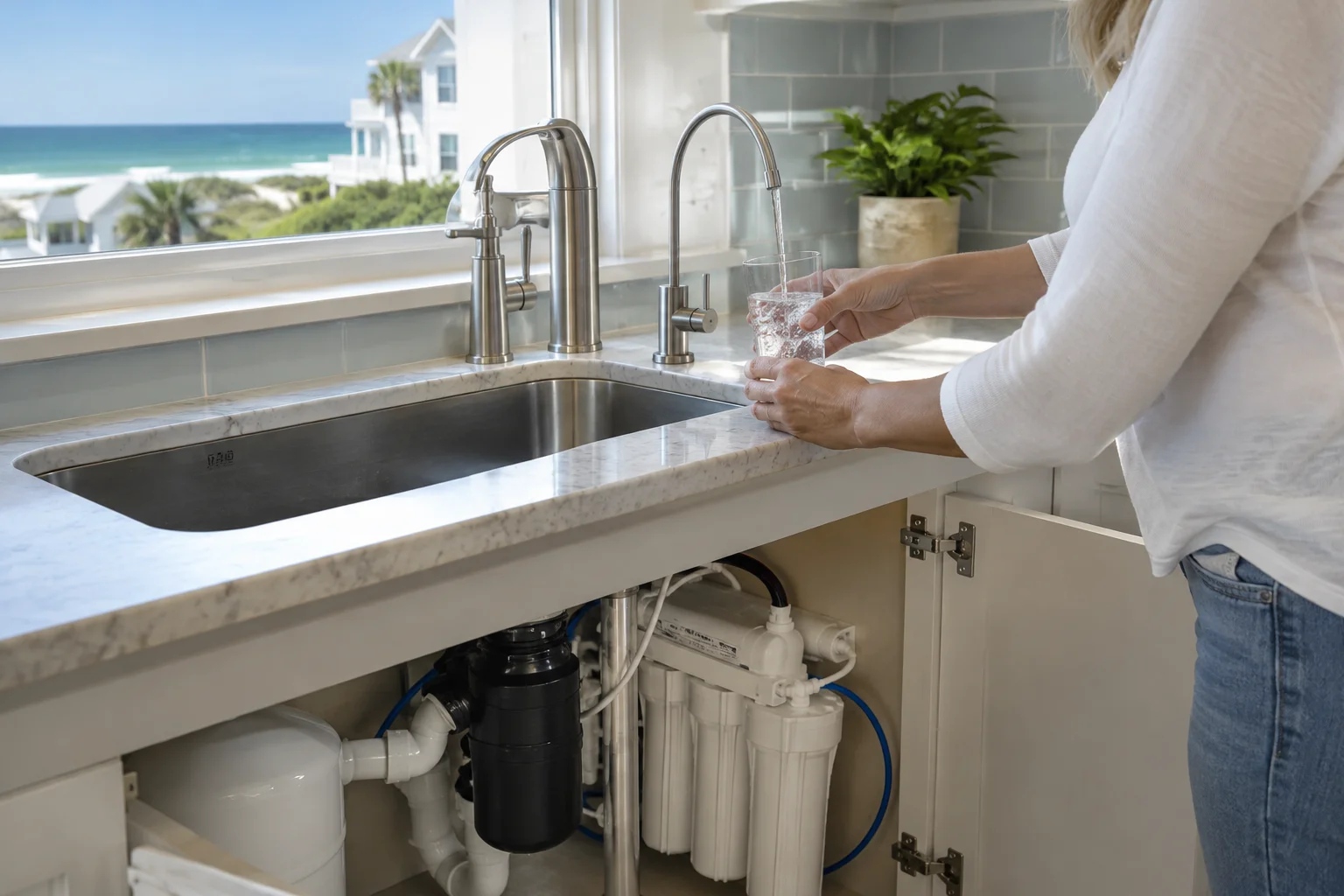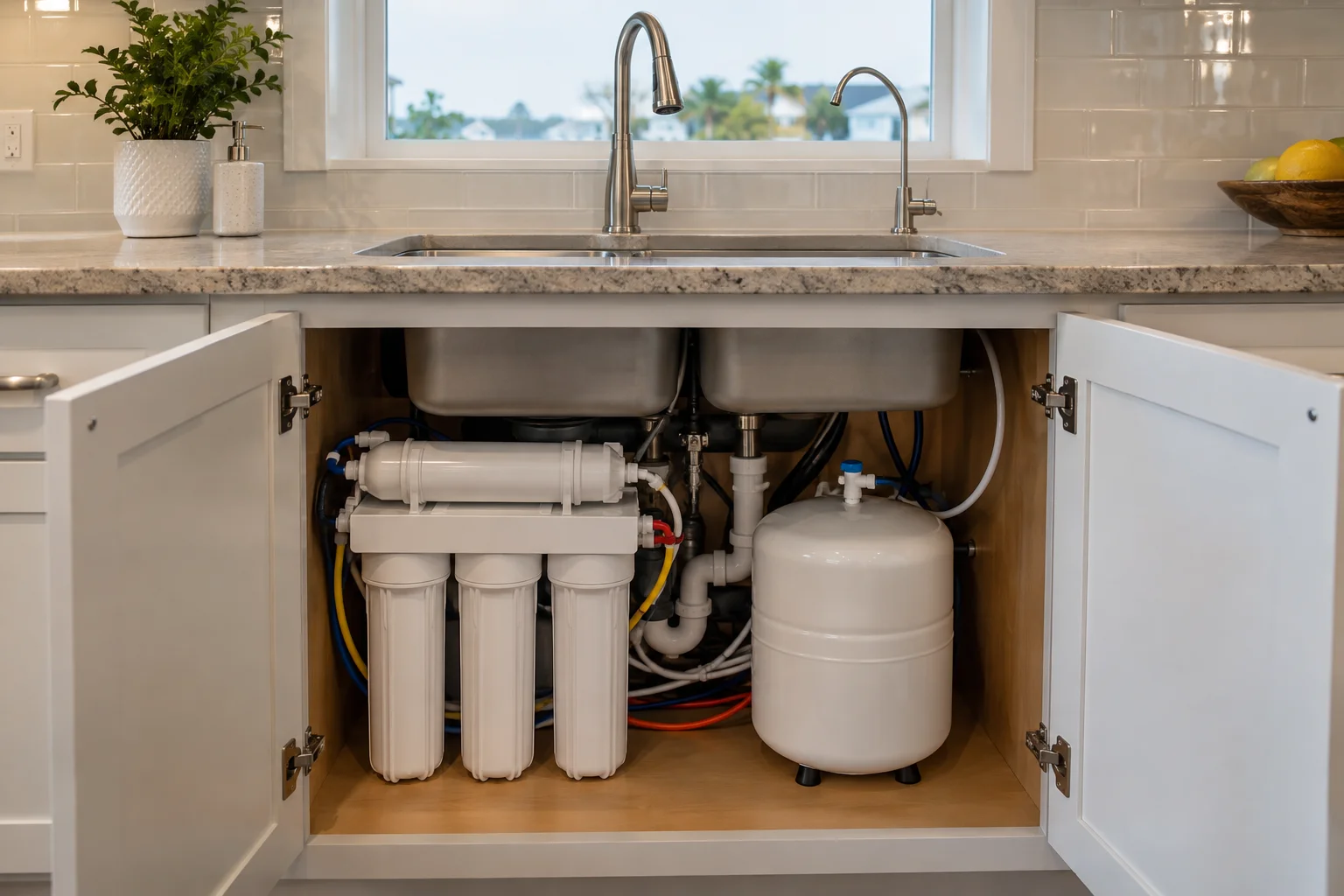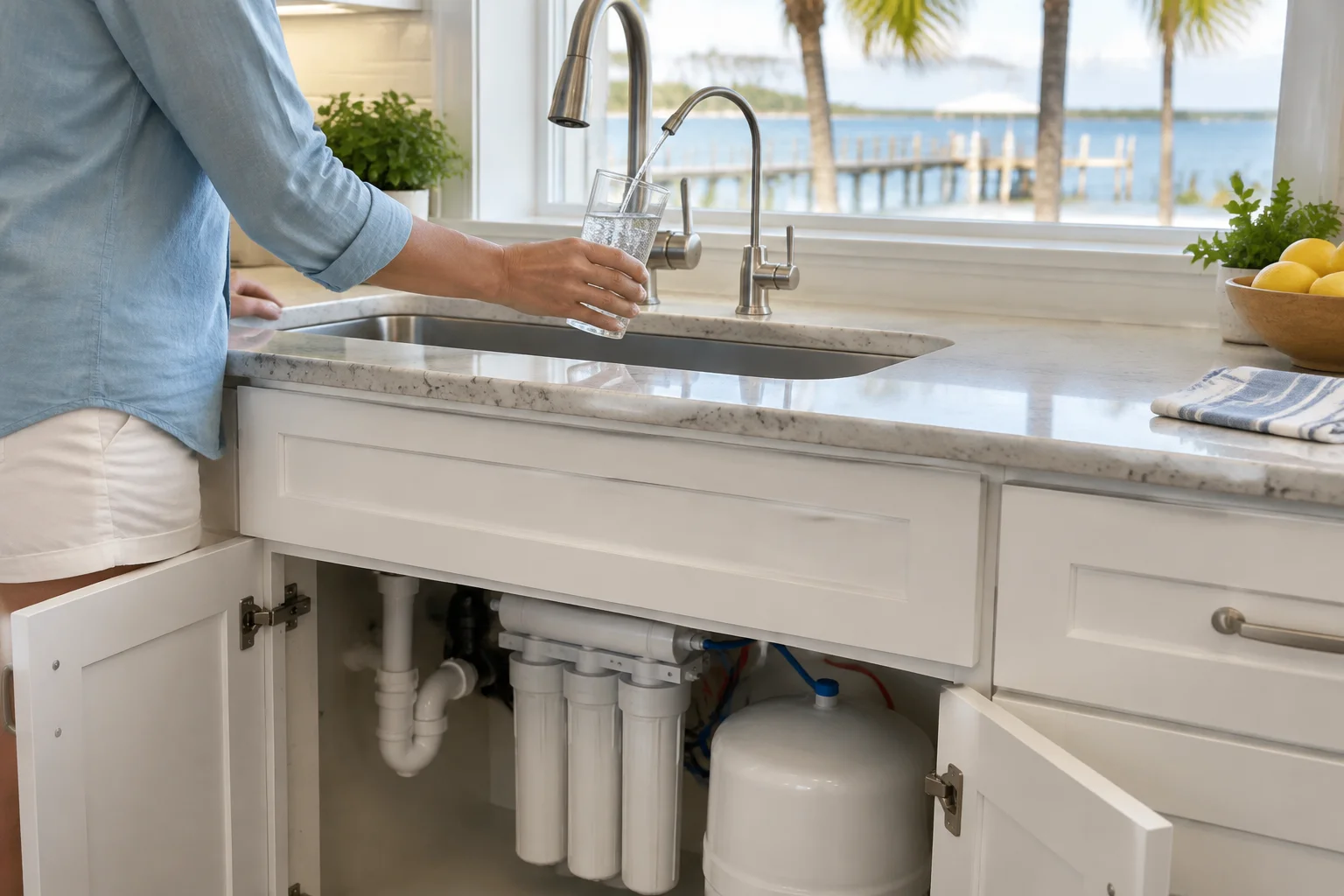
If you installed a reverse osmosis (RO) system to get better drinking water, you already know how much daily life improves when water tastes clean and feels good. But RO systems are not “set it and forget it.” Filters, membranes, and storage components can wear down, and local water conditions in Bid-A-Wee, FL can push problems to the surface faster. Catching water quality warning signs early helps protect your fixtures, appliances, and plumbing, while keeping your kitchen and bathroom routines comfortable for the whole family.
Why reverse osmosis performance matters for Bid-A-Wee households
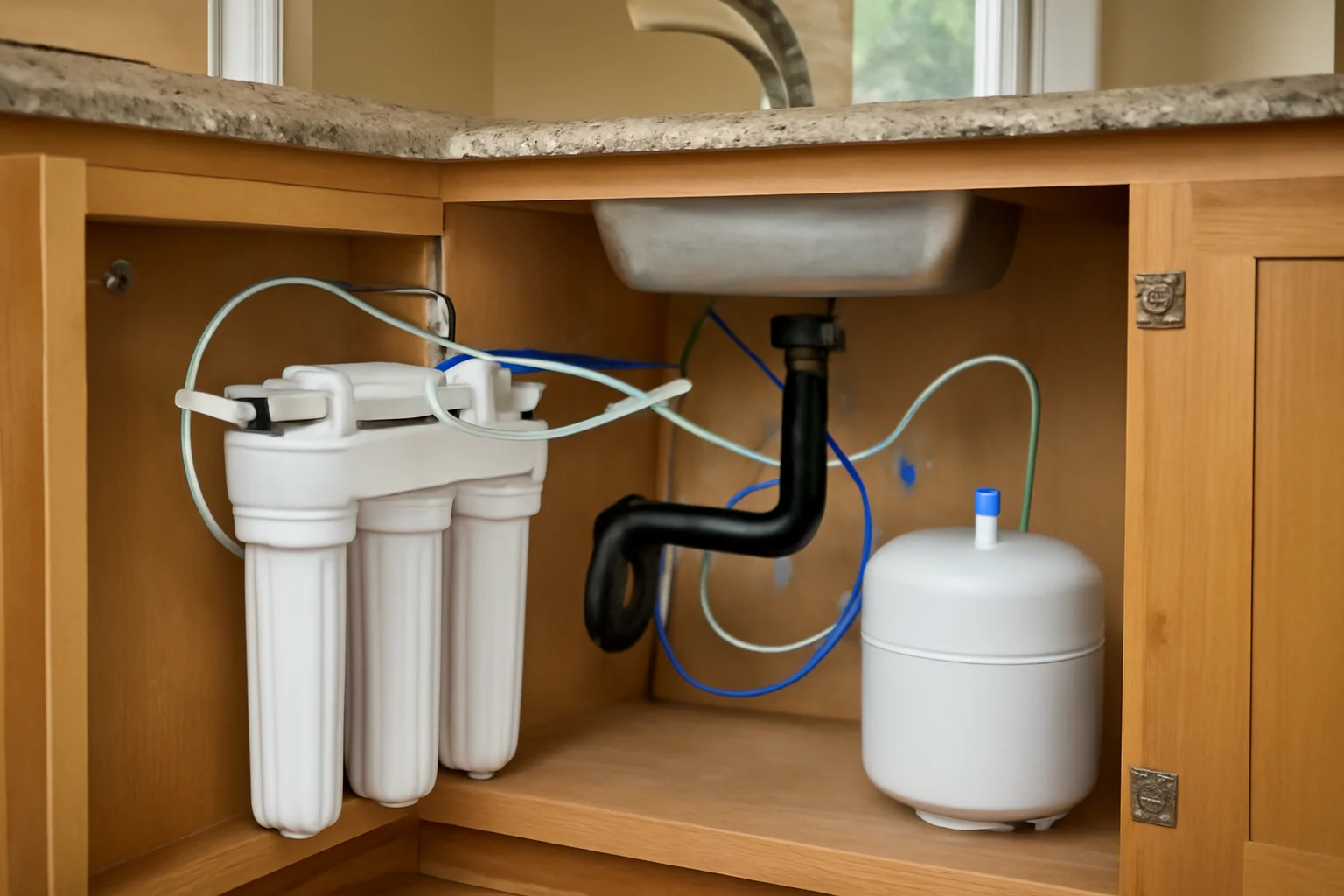
Reverse osmosis systems work by forcing water through a semi-permeable membrane that removes many contaminants, including dissolved solids and many taste and odor issues. Most RO setups also include pre-filters that catch sediment and protect the membrane. When those parts start to fail or get overloaded, the system cannot deliver the same clean water quality you expect.
In Bid-A-Wee, water quality can vary by source and treatment, and many homes deal with mineral content that contributes to hard water scale. Even if your RO system focuses on drinking water, changes in the water feeding your RO unit and the way your plumbing distributes water can affect what you see at sinks, showerheads, and appliances. When hard water treatment is missing or RO is underperforming, scale buildup and “dirty water” symptoms show up in everyday places.
If you are exploring water filtration near me options or looking for reverse osmosis installation near me, it helps to understand what warning signs mean and how they connect back to the RO system and the water feeding it.
Kitchen and bathroom warning signs that RO is not working like it should
1) Metallic, chlorinated, or unpleasant taste and odor
The first clue is often what you notice when you pour a glass. A metallic, chlorinated, or unpleasant taste can point to carbon filter exhaustion, membrane decline, or bypassing. Even small changes in taste can mean the RO system is no longer removing the same contaminants as before.
Homeowners often describe this as “the water no longer tastes like it used to,” especially when making drinking water, cooking water, or poor tasting coffee water. If your RO system is producing water that tastes off, your family will feel it immediately at the kitchen counter.
2) Cloudy ice cubes or hazy drinking water
Cloudy ice cubes can happen when dissolved minerals or fine sediment remain in the RO output. Some cloudiness can be harmless, but persistent haze often signals a membrane or filtration problem. If you notice a change in clarity compared to earlier months, treat it like a warning sign.
3) Soap that does not lather or rinse well
Soap that does not lather or leaves residue is a classic hard water symptom. While RO systems typically target drinking water, the rest of your home water can still be hard. If your household is using more soap than usual, noticing slick film on skin, or dealing with residue on bathroom surfaces, it may be time to evaluate whole home water filtration or water softening, not just the RO unit.
When hard water treatment becomes part of protecting fixtures and appliances, you reduce scale and improve how soap and detergents behave across the home.
4) Dry skin or dull hair after bathing
Dry skin from hard water and dull hair after bathing are common complaints. When minerals and residues build up in water used for showers, the skin and hair experience changes. If your RO drinking water feels fine but the rest of the home still feels “hard,” your RO system alone will not solve the bathing water issue.
Many Bid-A-Wee homeowners find that pairing RO for drinking water with water softening or whole home water filtration creates a noticeable difference in comfort.
5) Hard water spots on glass, dishes, and fixtures
Hard water spots on glassware, dishes, faucets, and shower doors are a visual cue that minerals are depositing as water evaporates. Scale buildup around faucets, showerheads, and plumbing is another tell. These issues can worsen when sediment is present or when your household water is not being treated effectively.
Even if your RO system is only for drinking water, the plumbing carrying the rest of your household water can still be affected by hardness and sediment. When you see these signs getting worse, it is a good time to evaluate your overall clean water systems.
6) Visible sediment, discoloration, and odor concerns
If you ever see sediment, discoloration, or unusual odor in RO water, stop and investigate. Sediment can mean pre-filters are not capturing particles, or the system is allowing more material to pass through than it should. Discoloration can also indicate a problem with the storage tank or the way the system is being maintained.
For homes with a lot of household use, especially rentals or vacation homes, maintenance intervals can be pushed faster. That makes early warning signs more important.
7) Appliances wearing out faster or running less efficiently
Scale buildup around plumbing and appliance lines can reduce efficiency and shorten the life of water-using equipment. Homeowners may notice that dishwashers, coffee makers, ice machines, and water heaters need more attention than expected. If you are seeing more frequent cleaning cycles, reduced performance, or premature wear, your water treatment approach may need an upgrade.
How RO system issues connect to scale and fixture problems
It helps to separate two ideas: what RO removes and what your home plumbing still experiences. RO is designed to improve drinking water quality, but the water feeding the RO unit comes from your home’s water supply. If that supply has sediment or hardness, your RO pre-filters and membrane can load up faster. When pre-filters clog, the membrane has to work harder, and the system may produce lower-quality water.
Meanwhile, the rest of your home water continues to contact fixtures, showerheads, and appliances. If hardness and mineral content are not managed, you still get scale buildup. This is why homeowners often benefit from combining solutions: RO for better tasting drinking water and whole home water filtration or water softening to protect everything else.
For many households, a whole house water filter improves overall water clarity and reduces sediment and taste concerns throughout the home. For hard water treatment, an AO Smith water softener can help reduce mineral scale that leads to spotting and buildup.
Common causes behind each warning sign
Clogged or exhausted pre-filters
Pre-filters are the first line of defense. They protect the RO membrane from sediment and particles. If they are clogged, you may see reduced flow, changes in taste, and increased sediment risk. In homes with noticeable sediment in household water, pre-filter service becomes especially important.
Worn RO membrane
The RO membrane is the heart of the system. Over time, it can lose effectiveness due to age, scaling, or improper maintenance. When the membrane declines, the system may no longer remove contaminants as well, leading to metallic, chlorinated, or unpleasant taste, cloudiness, and odor concerns.
Carbon filter depletion
Many RO systems include carbon filtration to reduce chlorine taste and odor. When carbon media is exhausted, chlorine taste in water can return. That is often one of the quickest ways homeowners notice RO is not performing.
Storage tank and system sanitization needs
If your RO system includes a storage tank, water quality can be affected by how the system is maintained. Odors, discoloration, or unexpected changes in water clarity can sometimes point to tank issues or the need for proper sanitization.
Local water variability and household usage patterns
Bid-A-Wee homes can have seasonal changes in water characteristics and fluctuating demand. Also, households with high usage, frequent guests, or rental turnover can shorten the time between service needs. If your RO system recently had a period of little use and then started producing water that tastes off, the system may need a checkup.
What to check at home before you call
You can gather helpful clues without guessing. These quick checks support troubleshooting and make service visits more efficient.
Compare taste and odor to what you remember from earlier months. Note whether it is metallic, chlorinated, or simply “off.”
Look at ice cubes and drinking water clarity. Take a photo if you see persistent haze.
Check for increased hard water spots on glass and fixtures. Compare bathroom showerheads and faucet aerators to earlier condition.
Inspect for scale buildup around faucets and showerheads. If buildup is accelerating, it may mean your broader water treatment plan needs attention.
Pay attention to laundry and bathing comfort. Dry skin or dull hair from hard water can indicate mineral issues beyond RO.
If you notice visible sediment, discoloration, or odor concerns in RO water, it is best not to “wait it out.” Those are strong indicators that a professional should inspect the system.
How to protect fixtures and appliances while keeping drinking water clean
Homeowners in Bid-A-Wee often want two things at once: clean water for drinking and cooking, and protection from scale for fixtures and appliances. A balanced approach can look different depending on your household needs, but the goal stays the same: reduce mineral buildup and keep RO performance consistent.
Use RO for drinking water and cooking water
RO excels at improving better tasting drinking water and reducing taste and odor concerns. It can also help with poor tasting coffee water and cooking water that affects flavor. If your kitchen scenes include daily coffee, family meals, and kids drinking water straight from the glass, RO quality matters every day.
Add water softening or whole home filtration for scale control
To reduce hard water spots on glass, scale buildup around faucets and showerheads, and the soap that does not lather, many homes benefit from water softening or whole home water filtration. Whole home water filtration can help address sediment in household water and improve water quality throughout the home, not just at the drinking tap.
AO Smith water softener options can be a strong match for households dealing with hard water treatment needs. When minerals are managed at the source, you reduce the conditions that cause scale to form in plumbing and appliances.
If you are comparing clean water systems near me, it is worth asking how your RO system and whole home strategy work together.
Keep up with filter and membrane maintenance
Most RO performance problems come down to maintenance timing. Filter cartridges and membranes have service lives that depend on water conditions and usage. When you stay current, you reduce the chance of sediment passing through, chlorine taste returning, and cloudy ice cubes showing up.
Maintenance and prevention tips tailored to Bid-A-Wee homes
Bid-A-Wee is a coastal Florida area where homes may experience humidity and seasonal changes that affect water use patterns. If you have a vacation rental or a home that sits for stretches, RO systems can still need scheduled service so water quality does not drift.
Service your RO system based on performance, not just time. If you notice metallic taste or cloudy ice cubes earlier than expected, schedule inspection.
Watch faucet aerators and showerheads for early scale. Scale buildup around plumbing is easier to manage when caught early.
Use your RO output for drinking and cooking, but treat the rest of the home water separately if it remains hard. That is where water softening or whole home filtration helps.
For households with visible sediment, ask about pre-filtration and whether your system needs adjustments to handle sediment in household water.
If you are considering AO Smith water filtration beyond RO, ask how whole house water filter options can reduce mineral and sediment issues before they reach fixtures and appliances.
When it is time to call A Superior Mechanical
Some RO issues are minor and can be corrected with standard maintenance. Others can indicate scaling, membrane decline, or a failing component. Calling a professional helps you avoid wasted water, continued poor tasting drinking water, and the risk of protecting fixtures and appliances with an approach that matches your actual water conditions.
Contact A Superior Mechanical if you see any of the following:
Metallic, chlorinated, or unpleasant taste in RO drinking water
Cloudy ice cubes that persist
Visible sediment, discoloration, or persistent odor concerns
Noticeable changes in flow rate or performance
Hard water spots and scale buildup getting worse despite regular household cleaning
If you want to review reverse osmosis installation and service options, start with our dedicated service page: /service-areas/bay-county/bid-a-wee/reverse-osmosis-systems-bidbcfl. For broader water treatment planning, browse our water filtration landing page: /water-filtration-ro-water-softeners. You can also explore service coverage in the area on /service-areas/bay-county/bid-a-wee and the full county page /service-areas/bay-county.
Related water treatment topics that connect to RO warning signs
RO performance does not exist in isolation. Plumbing conditions, maintenance habits, and the larger water treatment setup all influence what you experience at home. These reads can help you connect the dots:
- Cleaner Everyday Water Starts With Reverse Osmosis Systems in Bid-A-Wee, FL
- How Plumbing Conditions Change Water Purification in Bid-A-Wee Homes
- Why plumbing problems in Bid-A-Wee deserve earlier attention
- Why Property Management Plumbing Keeps Bid-A-Wee Homes Comfortable and Repairs Under Control
FAQ: quick answers about RO warning signs
If you are trying to decide whether your RO system needs service, the FAQs below cover the most common homeowner questions. For anything that involves odor, discoloration, or persistent sediment, it is still smart to schedule an inspection rather than attempting DIY fixes.
Find Reverse Osmosis Systems in Bid-A-Wee, FL
If you need Reverse Osmosis Systems in Bid-A-Wee, FL, visit our local service page or contact A Superior Mechanical today.
For a broader look at whole-home water filtration, reverse osmosis, and water softener options, visit our water filtration, RO, and water softener page.
Map of Bid-A-Wee, FL
Frequently Asked Questions
Why does my reverse osmosis water taste chlorinated or metallic?
That usually points to an exhausted carbon filter, a declining membrane, or a maintenance gap that allows more taste and odor compounds to pass through. A technician can test RO performance and check which stage is failing.
What causes cloudy ice cubes from an RO system?
Cloudy ice cubes often mean dissolved minerals or fine sediment are getting through the filtration stages. It can also relate to membrane decline or pre-filter clogging. If the cloudiness persists, schedule service.
Will a reverse osmosis system stop hard water spots on showerheads and faucets?
Most RO systems treat drinking water only. Hard water spots on glass, dishes, and fixtures usually come from hardness in the rest of your plumbing. Whole home water filtration or water softening is typically needed to reduce scale buildup around faucets, showerheads, and plumbing.
How often should RO filters and membranes be replaced in Bid-A-Wee?
Replacement timing depends on your water quality and household usage. Many systems need filter changes on a set schedule, but performance changes like sediment in household water, bad taste, or reduced flow are strong signals that it is time to inspect and service.
Can improving water quality protect appliances like dishwashers and coffee makers?
Yes. When scale buildup is reduced through appropriate treatment, appliances often run more efficiently and last longer. Pairing RO for better-tasting drinking water with water softening or whole home water filtration can help protect both fixtures and appliances.
Related Articles
Photo Gallery