Spend a morning in WaterColor and you will see how much homeowners care about comfort and details. The kitchen is where family life happens, the shower is where everyone resets, and the laundry room keeps everyday routines moving. When your water is hard, those daily moments start to feel off. Soap does not lather well, coffee tastes dull, and your glassware shows hard water spots. Over time, scale buildup on faucets, showerheads, and plumbing can turn a “minor nuisance” into a costly water treatment problem.
This guide explains how water softening works, what hard water looks like in WaterColor, FL, and how to choose the right solution before the damage gets expensive. If you are exploring water softening in WaterColor, or comparing options alongside whole home water filtration, this will help you make sense of the next steps.
What hard water is doing inside a WaterColor home
Hard water is not usually a health emergency, but it is a performance problem. It contains dissolved minerals, commonly calcium and magnesium. When water heats up or evaporates, those minerals leave deposits. That is why homeowners notice hard water spots on glass, dishes, and fixtures. It is also why scale buildup on faucets and showerheads shows up as rough, chalky residue.
In coastal Walton County conditions, homeowners often deal with water that can be mineral-rich, and it can be affected by local sources and seasonal changes. Even when the water looks clear, the minerals can still accumulate in pipes, water heaters, and appliances. That buildup reduces flow, increases energy use, and shortens equipment life.
The everyday signs that hard water is getting expensive
Hard water issues tend to start quietly. Then they spread across the home. Here are the most common signs WaterColor homeowners run into, especially when water treatment has not been tuned to the household.
Scale buildup on faucets, showerheads, and plumbing
If you have ever scrubbed cloudy residue off your shower doors, noticed scale buildup around faucets, or seen rough buildup inside plumbing fixtures, that is mineral deposition. Scale can reduce how efficiently water moves through your home, and it can make cleaning harder each month.
Hard water spots on glass and dishes
Glassware that comes out streaked, spotting on drinking glasses, and dishes that never quite look “sparkly” are classic hard water symptoms. You may also notice a film that makes it feel like soap is not rinsing away completely.
Dry skin or dull hair after bathing
When the water is hard, soap and shampoo do not work as well. The minerals can interfere with lather and leave residue behind. Many families notice dry skin, tightness after showers, and dull hair that does not feel as clean or soft as it should.
Soap that does not lather or rinse well
Another telltale sign is how your laundry and bath products behave. If your soap seems to require more product to get the same results, or if you keep re-rinsing because it feels slippery or filmy, your water is likely contributing to the problem.
Metallic, chlorinated, or unpleasant taste
Some households also notice metallic tasting water, chlorine taste in water, or an unpleasant odor. While taste and odor concerns can involve multiple factors, homeowners often benefit from pairing softening with additional filtration that targets contaminants and improves drinking water quality.
Cloudy ice cubes and sediment concerns
Cloudy ice cubes can be a sign of dissolved solids or other water quality issues. You might also see visible sediment, discoloration, and odor concerns, especially in certain fixtures or at specific times of day. If you are seeing discoloration or recurring sediment, it is worth addressing with a professional water treatment plan.
Poor tasting coffee and cooking water
Your kitchen water affects everything from coffee to pasta to soups. If your coffee tastes off, or your cooking water leaves residue on cookware, the minerals and water quality are likely influencing flavor and consistency. Better water for drinking and cooking can make a noticeable difference, especially for families who rely on daily routines.
Appliances wearing out faster
Scale does not stop at the bathroom. It builds inside appliances and water heaters. Over time, that can mean reduced performance, higher energy bills, and earlier wear. When hard water treatment becomes part of protecting fixtures and appliances, you often avoid the “replace too soon” cycle.
How water softening works, and why it matters in WaterColor
Water softening is designed to reduce the minerals that cause hardness. Most residential systems use a process called ion exchange. The system replaces calcium and magnesium ions with sodium or potassium ions, which prevents the minerals from forming scale in the same way.
When properly sized and maintained, water softening can help with the visible and invisible effects of hard water. You get fewer hard water spots on dishes and glass, improved lather and rinsing, and less scale buildup on faucets and showerheads. That also helps appliances run more efficiently because mineral deposits build up more slowly.
For WaterColor homeowners, this is not just about appearance. It is about protecting the systems you rely on every day, from laundry machines to water heaters, and keeping maintenance predictable.
Where water softening fits with whole home water filtration
Softening focuses on hardness minerals. But many households want more than scale control. That is where whole home water filtration and layered clean water systems come in.
Softener plus filtration for better taste and odor
If you are dealing with chlorine taste in water, metallic tasting water, or unpleasant odor, softening alone may not fully address those issues. A filtration strategy can reduce additional contaminants and improve water quality for drinking and cooking.
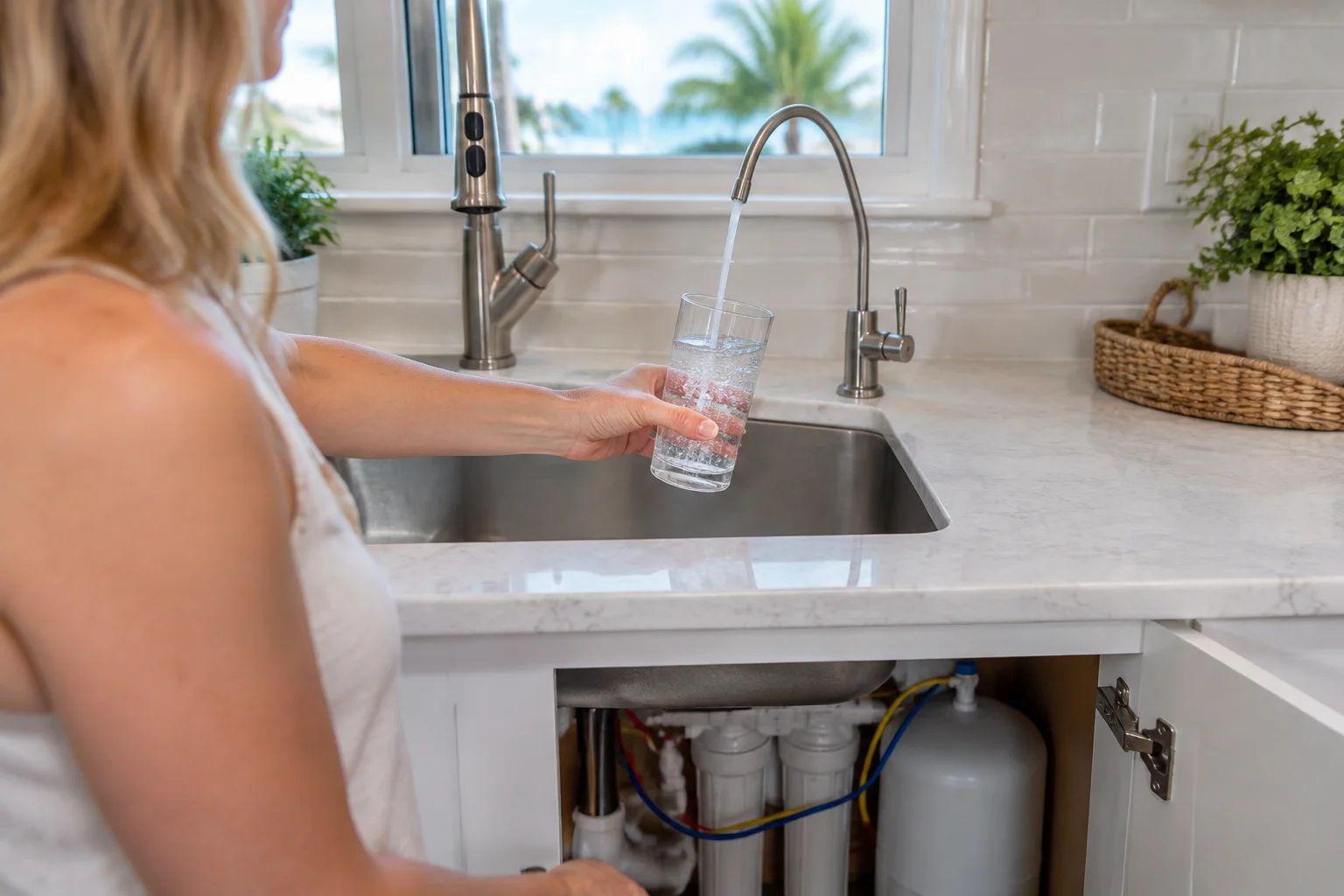
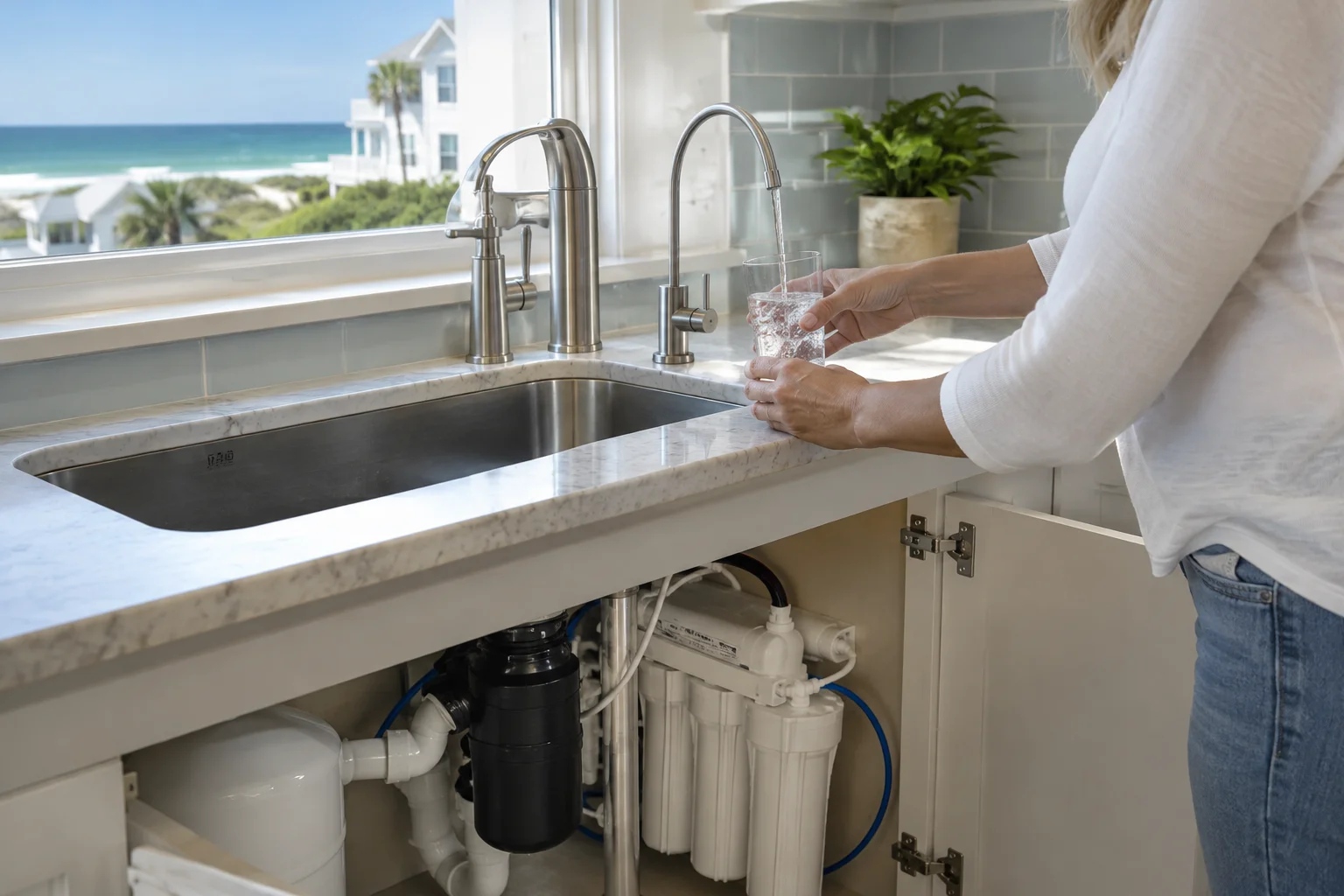
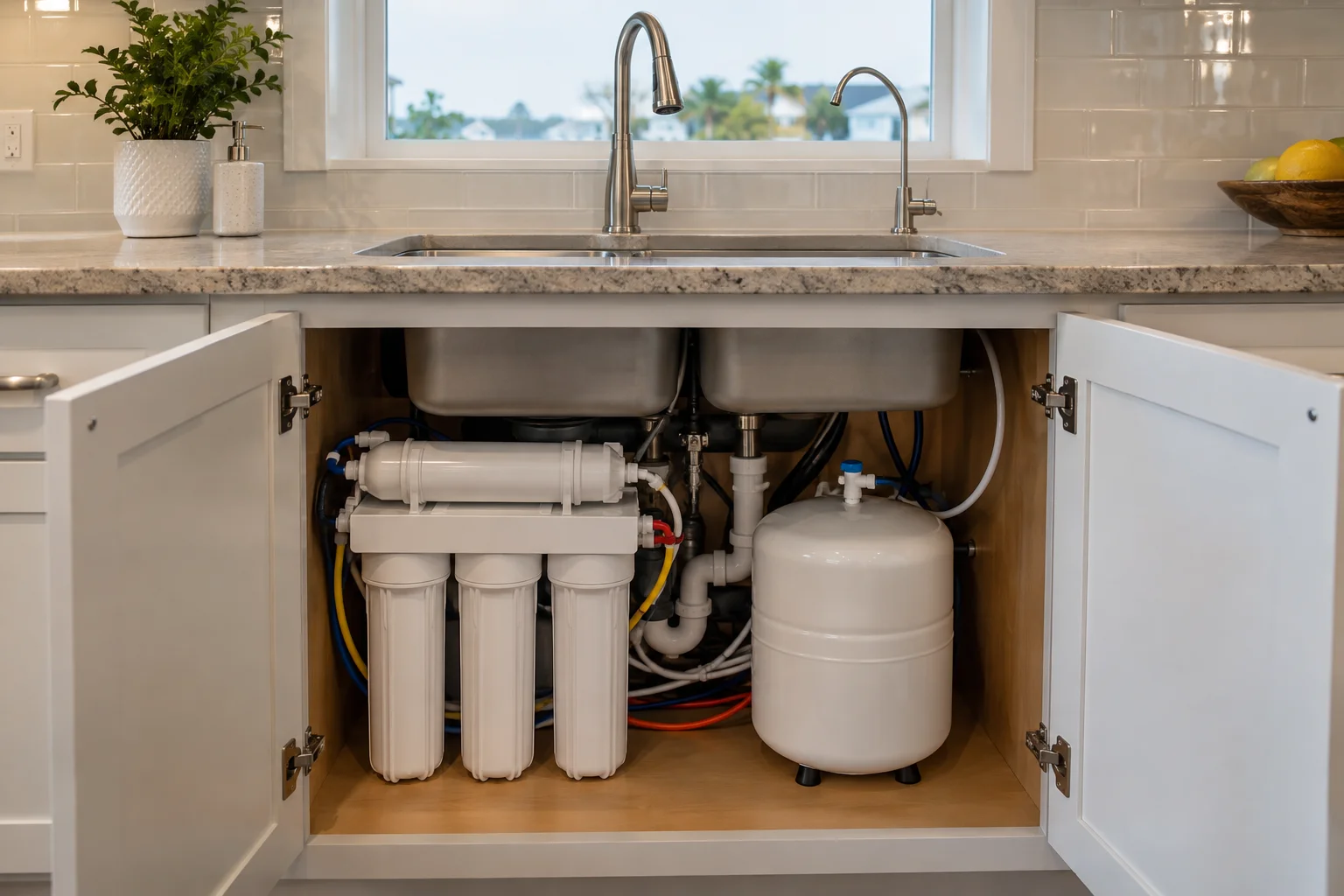
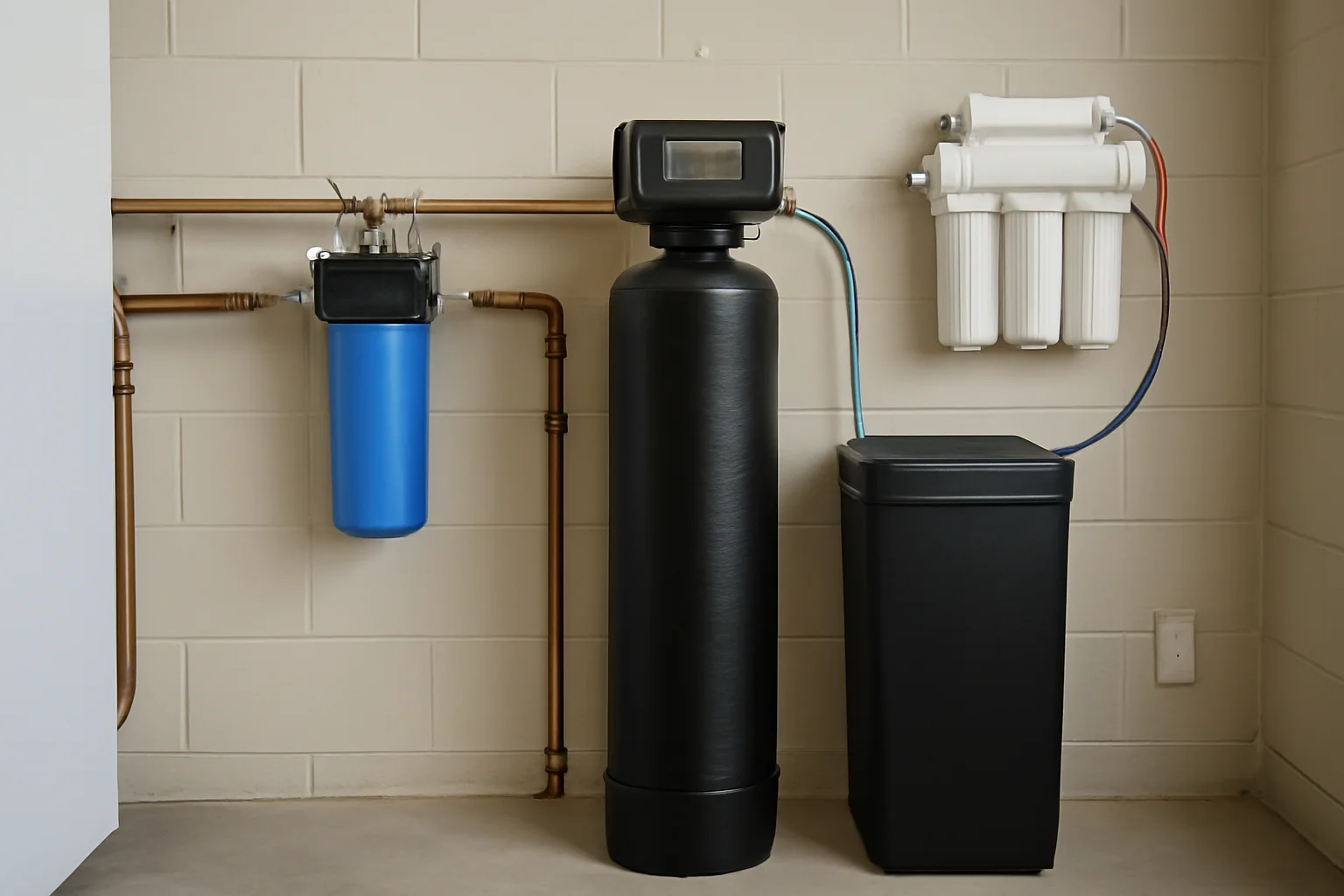
Some homes also choose reverse osmosis for specific points like the kitchen sink or refrigerator line. A reverse osmosis system near me is often requested by homeowners who want very clean drinking water for everyday use, while still using softening to protect the rest of the home.
Reverse osmosis for drinking water, softening for the whole house
A common approach is to soften the entire home water supply to reduce scale and protect plumbing and appliances, then use reverse osmosis for drinking water and ice. This can help with cloudy ice cubes and improve the taste of water used for coffee and cooking.
For families who care about what goes into the kitchen, this setup can create a noticeable difference. Picture a busy WaterColor morning: kids making instant oatmeal, someone brewing coffee, and dinner plans needing reliable cooking water. Cleaner drinking water and better water for drinking and cooking can make those routines feel smoother.
Choosing the right system: AO Smith options and sizing matters
Homeowners in WaterColor often ask about the right brand and the right configuration. One name that comes up often is AO Smith water filtration and water treatment equipment. AO Smith systems are widely used because they are built for long-term residential performance and are designed to support consistent water quality.
Even the best equipment will not perform the way you want if it is not properly sized for your household. A water softener should match your water hardness, your household size, and your typical water usage. If the system is undersized, it may regenerate too often or not keep up with demand. If it is oversized or not set correctly, you can waste water and salt or miss performance targets.
That is why working with a local water treatment specialist matters. A Superior Mechanical can help you evaluate your current water conditions and recommend a plan that fits your home, your plumbing layout, and your goals for bathing, laundry, and drinking water.
Maintenance that prevents the “why is this getting worse?” cycle
Water softening is not a set-it-and-forget-it appliance. Systems need periodic attention to keep working efficiently. Homeowners can avoid surprises by understanding what maintenance involves and what to watch for.
Keep an eye on regeneration performance
If you notice the return of hard water symptoms, such as soap that does not lather well, new hard water spots on dishes, or scale buildup on showerheads, the system may not be regenerating correctly or may need adjustment. Sometimes the issue is settings. Other times it is media performance.
Watch for salt and brine levels
Most softeners rely on salt for regeneration. If salt levels are too low or the brine tank is not functioning as intended, the system cannot properly exchange minerals. That can lead to a gradual decline in performance that homeowners notice in the bathroom first.
Consider sediment and odor concerns
If you also see visible sediment, discoloration, and odor concerns, you may need filtration support beyond softening. That is especially relevant if you have cloudy ice cubes, metallic tasting water, or chlorine taste in water that does not improve after softening.
If you are looking for water filtration near me or clean water systems near me, it helps to ask how the system will handle both hardness and other quality factors.
How to prevent expensive water damage in Walton County homes
When scale buildup grows unchecked, it can affect more than aesthetics. Over time, mineral deposits can reduce hot water performance, increase energy use, and contribute to premature wear on water heaters and other equipment. It can also make cleaning more frequent and labor-intensive.
Water softening protects plumbing from costly water damage by reducing scale formation. It also helps keep fixtures and appliances running closer to their intended performance.
If you want related guidance on protecting your home systems, these reads can help:
- How Water Softening Protects Rosemary Beach Plumbing from Costly Water Damage
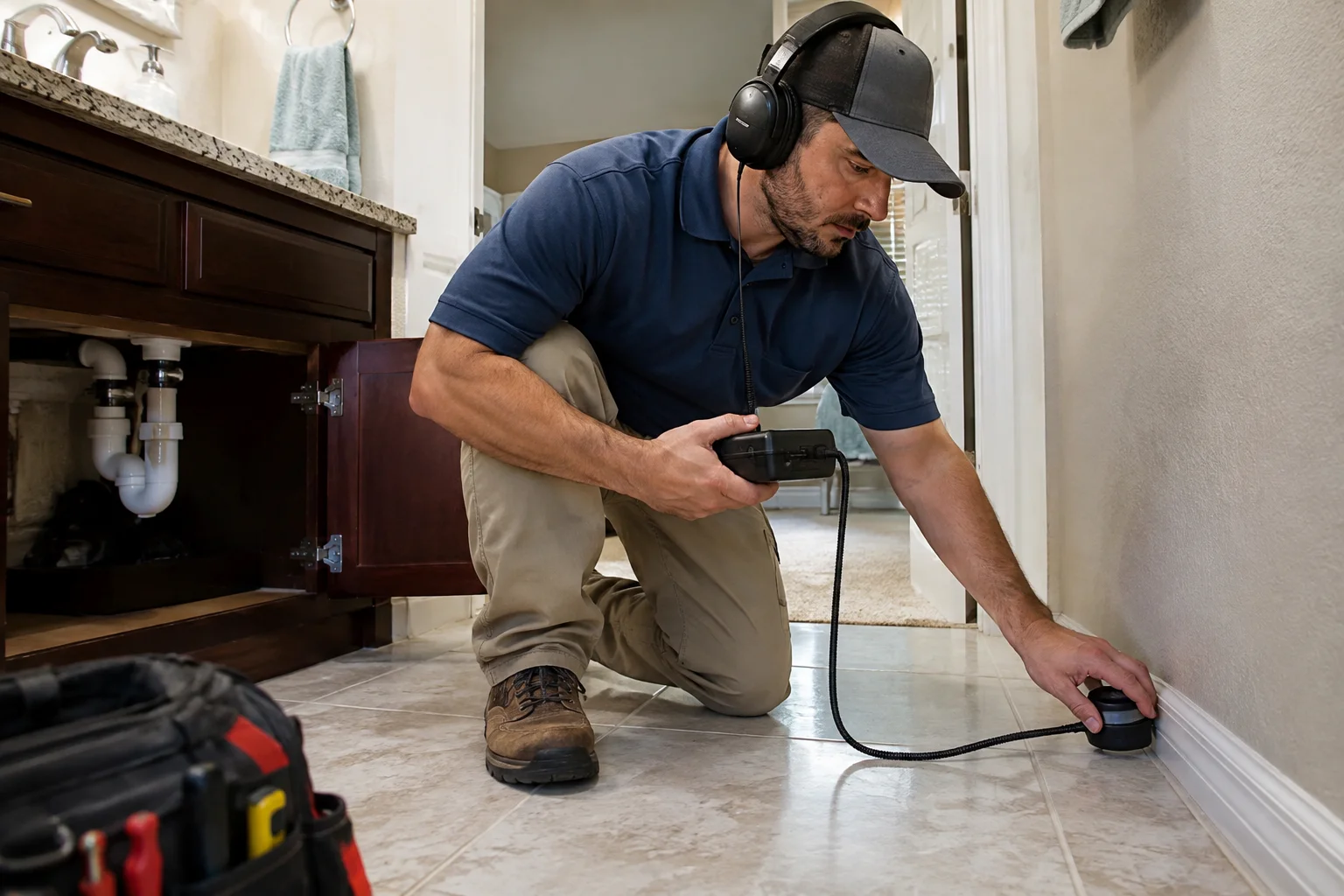
- How WaterColor Homeowners Can Stay Ahead of Hidden Plumbing Problems With Camera Inspections
- Water Heater Replacement in WaterColor: What Homeowners Should Watch For
Reverse osmosis vs. softening: what homeowners usually need first
Many WaterColor homeowners start with a single problem. Maybe it is hard water spots on glass. Maybe it is dry skin. Or maybe it is poor tasting coffee and cloudy ice cubes. The best plan depends on what is driving the symptoms.
If your main issue is scale and bath or laundry performance
Water softening is usually the first priority. It addresses the minerals behind scale buildup around faucets and showerheads, improves lather and rinsing, and can help with dry skin or dull hair after bathing.
If your main issue is drinking water taste, odor, or ice quality
Whole home filtration and reverse osmosis for drinking water are often considered. A reverse osmosis system near me is a common solution when homeowners want better drinking water for the kitchen, including water used for cooking and ice.
Some families also choose a layered approach: softening for the house and reverse osmosis for drinking water. That way, you protect plumbing and enjoy better water where it matters most.
If you see both scale and water quality concerns
This is where a professional water treatment evaluation helps. It is common for homeowners to need both water softening and additional filtration to address sediment, discoloration, odor concerns, and taste issues alongside hardness.
Local service matters: WaterColor water habits and maintenance planning
WaterColor homes are often designed for comfort and curb appeal, with attention to fixtures and finishes. That means hard water problems show up quickly because you can see them. Scale buildup on faucets, showerheads, and glass doors becomes part of the routine, and appliances can show wear sooner than expected.
Local water treatment service matters because your household needs to be matched to your water conditions and your home’s plumbing layout. A system that works well for one neighborhood may not be the best fit for another. Water treatment professionals can help you avoid guesswork and choose the right approach for your home in Walton County.
If you are comparing options or want a direct path to help, you can explore water softening in WaterColor and review how water filtration and reverse osmosis can work together. You can also browse broader service coverage on WaterColor service areas and Walton County for more context.
When it is time to call a water treatment professional
If you are seeing multiple hard water symptoms at once, it is usually time to get a proper evaluation rather than relying on repeated cleaning and chemical descalers. Call a professional when you notice:
- Persistent hard water spots on dishes and glass despite regular cleaning
- Scale buildup on faucets, showerheads, and plumbing that keeps returning
- Dry skin or dull hair after bathing that does not improve with product changes
- Soap that does not lather or rinse well
- Cloudy ice cubes, visible sediment, discoloration, or odor concerns
- Metallic tasting water, chlorine taste in water, or unpleasant flavor in cooking water
- Appliances wearing out faster than expected or water heater performance changes
Getting help early is what keeps water treatment from becoming expensive. A properly designed system helps prevent scale buildup before it affects plumbing performance, appliance life, and the feel of everyday routines.
Find Water Softening in WaterColor, FL
If you need Water Softening in WaterColor, FL, visit our local service page or contact A Superior Mechanical today.
For a broader look at whole-home water filtration, reverse osmosis, and water softener options, visit our water filtration, RO, and water softener page.
Map of WaterColor, FL
Frequently Asked Questions
Will water softening make my drinking water taste better?
Water softening mainly reduces hardness minerals that cause scale. If you have chlorine taste in water, metallic tasting water, or unpleasant odor, you may also need filtration. Many WaterColor homes use softening plus whole home filtration or reverse osmosis for drinking water.
How can I tell if the problem is hard water or something else?
Hard water symptoms often include scale buildup on faucets and showerheads, hard water spots on dishes and glass, and soap that does not lather well. If you also notice cloudy ice cubes, sediment, or discoloration, you likely need additional water filtration beyond softening.
What is the difference between a water softener and reverse osmosis?
A water softener reduces calcium and magnesium to prevent scale buildup. Reverse osmosis is often used to improve drinking water quality and taste at the kitchen tap, and it can help with issues like cloudy ice cubes.
How do I choose the right AO Smith water filtration or softener setup for my home?
Proper sizing is key. A professional evaluation typically considers your household size, water usage, and hardness levels. The right setup may combine an AO Smith water softener with whole home filtration and, if desired, reverse osmosis for drinking water.
How often should a water softener be serviced?
Most systems benefit from periodic checks to confirm settings, regeneration performance, and salt or brine operation. If you notice symptoms returning, such as scale buildup on fixtures or soap not rinsing well, schedule service sooner.
Related Articles
- How WaterColor Homeowners Can Stay Ahead of Hidden Plumbing Problems With Camera Inspections
- Practical Sewer Care for WaterColor Homes That Helps Avoid Bigger Plumbing Repairs
- How Water Softening Protects Rosemary Beach Plumbing from Costly Water Damage
- Water Heater Replacement in WaterColor: What Homeowners Should Watch For
Photo Gallery