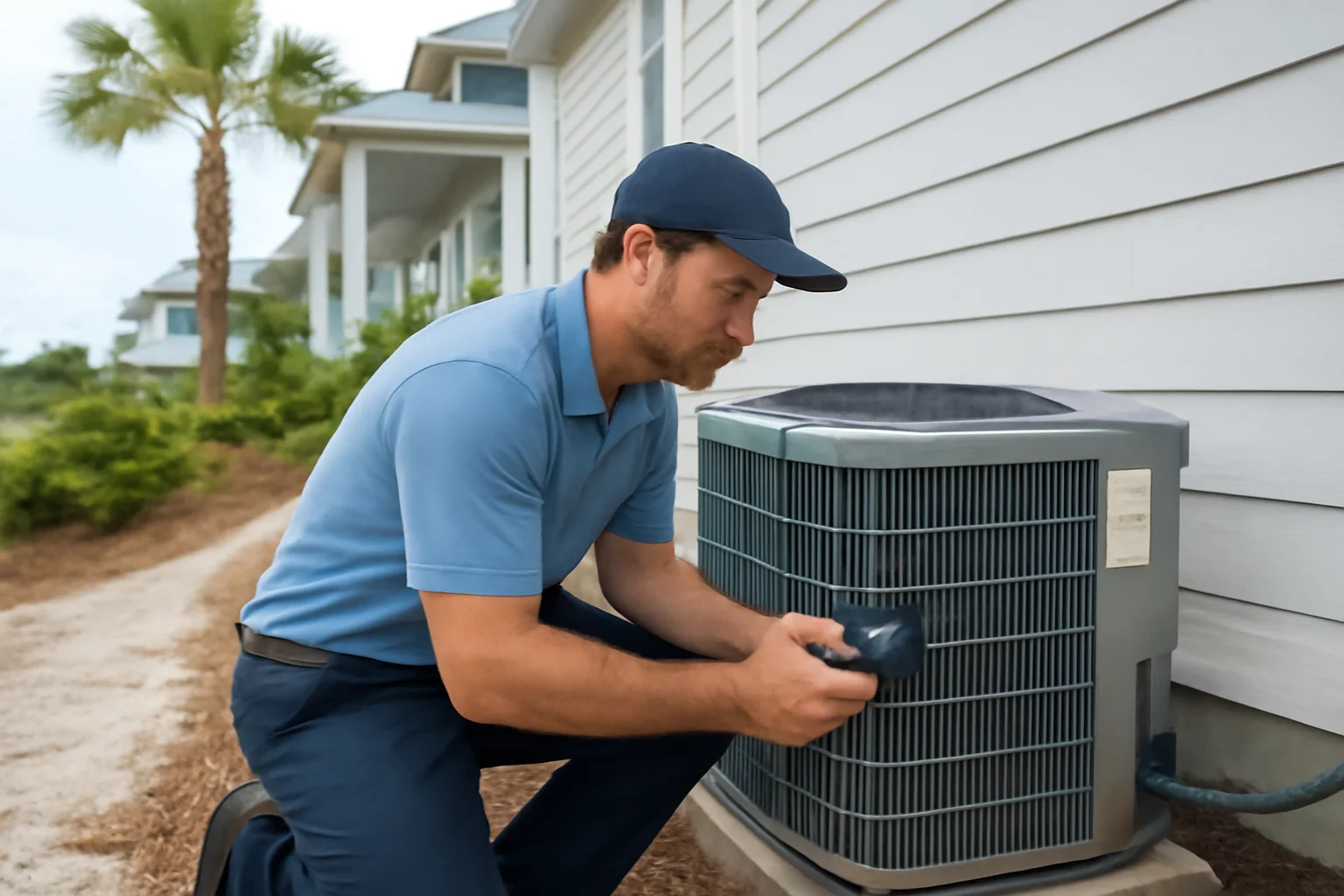
Living in Seaside, FL means your air conditioner works hard. The combination of Florida heat, high humidity, and salt air from the coast can push HVAC systems beyond what they were designed to handle year after year. When problems start brewing, they often show up as comfort issues first. The good news is that many HVAC warning signs can be caught early during a thorough air conditioning inspection with a local, licensed HVAC team.
This guide walks through the most common warning signs homeowners notice in and around Seaside homes, what they usually point to, and how an inspection helps confirm the real cause. If you are searching for air conditioning inspection near me, this is the checklist you can use before the technician arrives.
Why Seaside’s coastal climate makes HVAC warning signs show up sooner
Seaside sits in Walton County and experiences humid summers, frequent heavy rain, and salty air that can be tough on HVAC components. Even well-maintained systems can develop issues when:
- Humidity stays high, stressing cooling performance and indoor air quality.
- Airflow becomes restricted through dirty filters, clogged ductwork, or obstructed registers.
- Condensate drainage systems get overwhelmed or partially blocked.
- Refrigerant systems operate less efficiently when airflow or heat transfer is not balanced.
- Corrosion risk increases around outdoor units and metal components due to salt exposure.
Those conditions often lead to comfort problems before a full failure. That is why homeowners in Seaside benefit from preventive HVAC maintenance paired with a real inspection, not just a quick “it feels cold” check.
Comfort warnings that often tie directly to inspection findings
1) The house feels cool at first, then struggles to stay comfortable
If your AC starts strong and then loses cooling, it can point to airflow problems, heat transfer issues, or system imbalance. A technician will look at airflow across the indoor coil, check whether the evaporator and blower are performing as expected, and evaluate the overall cooling cycle.
In humid Florida weather, low airflow can also cause the system to remove less moisture, leaving the home feeling clammy even when the thermostat shows that cooling is running.
2) Humidity feels out of control, even when the thermostat is set correctly
In Seaside homes, high humidity is not just uncomfortable. It can contribute to musty odors, condensation on surfaces, and reduced indoor air quality. When humidity stays high, an inspection may focus on:
- Whether the system is actually dehumidifying during cooling cycles
- Airflow across the indoor coil and how it affects moisture removal
- Condensate drainage performance and whether the system is managing moisture properly
- Thermostat settings and operation to ensure the system is responding as intended
Homeowners sometimes assume humidity problems automatically mean ductwork leaks or “dirty air.” Those can be factors, but humidity is also a direct performance signal that should be evaluated during air conditioning service.
3) Uneven temperatures from room to room
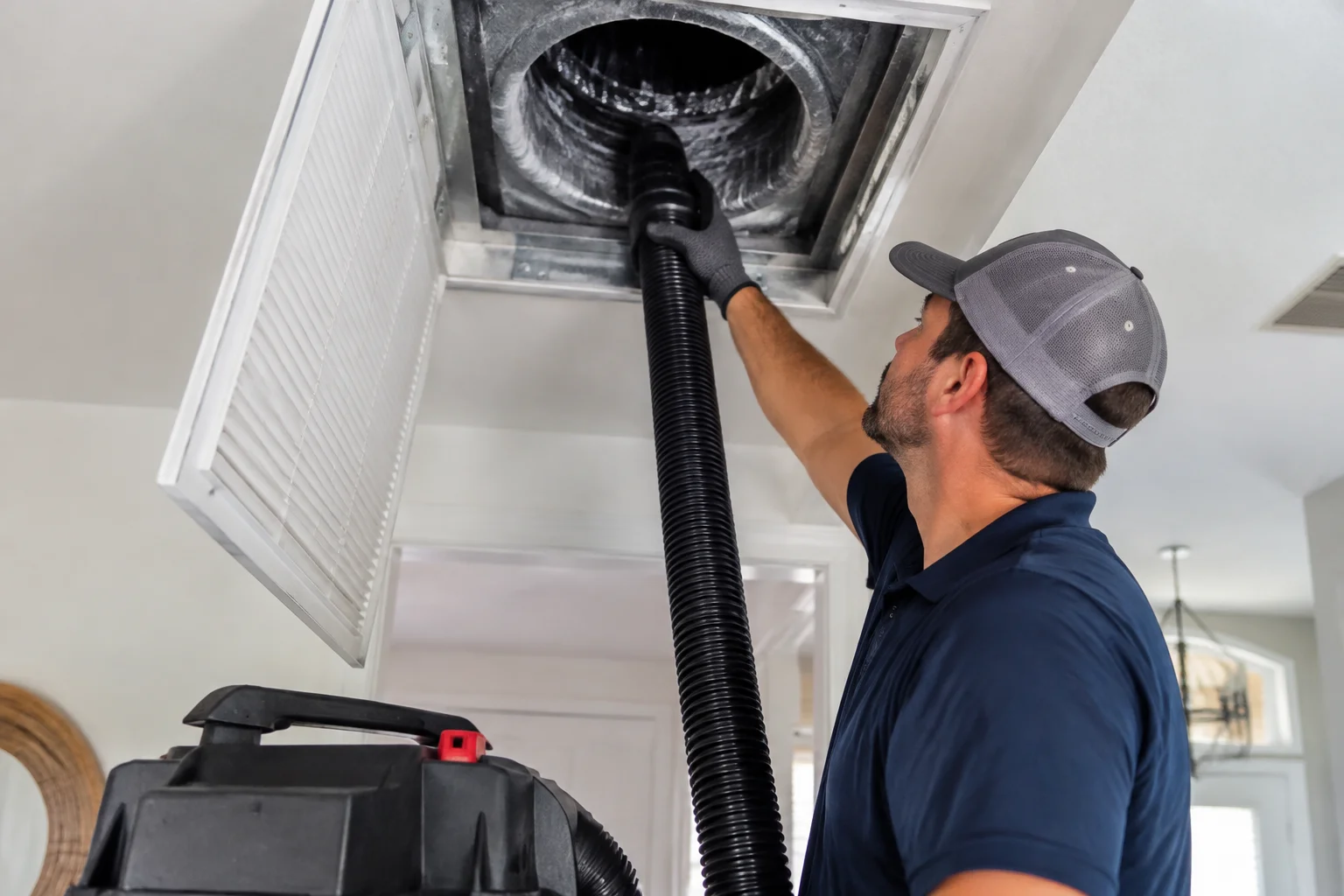
Hot rooms, cold rooms, and sudden swings in comfort are often a sign of restricted airflow or ductwork issues. During an inspection, a technician may evaluate supply and return airflow, check whether registers are blocked or poorly balanced, and review ductwork condition.
If you have been searching for duct inspection near me because some rooms feel stuck in summer, this is exactly the kind of symptom that can lead to a more targeted ductwork plan. In many cases, duct sealing or duct repair improves airflow distribution and helps your air conditioner run more effectively.
For Seaside homeowners, you can also explore Duct Sealing to address airflow losses that may show up as comfort complaints.
4) Condensate drainage concerns, like water around the indoor unit
During cooling, an air conditioner produces condensate. That water must drain properly through the condensate line and drainage system. Warning signs include:
- Water pooling near the air handler or furnace closet
- Gurgling sounds or slow draining
- A damp smell that seems to appear during humid weeks
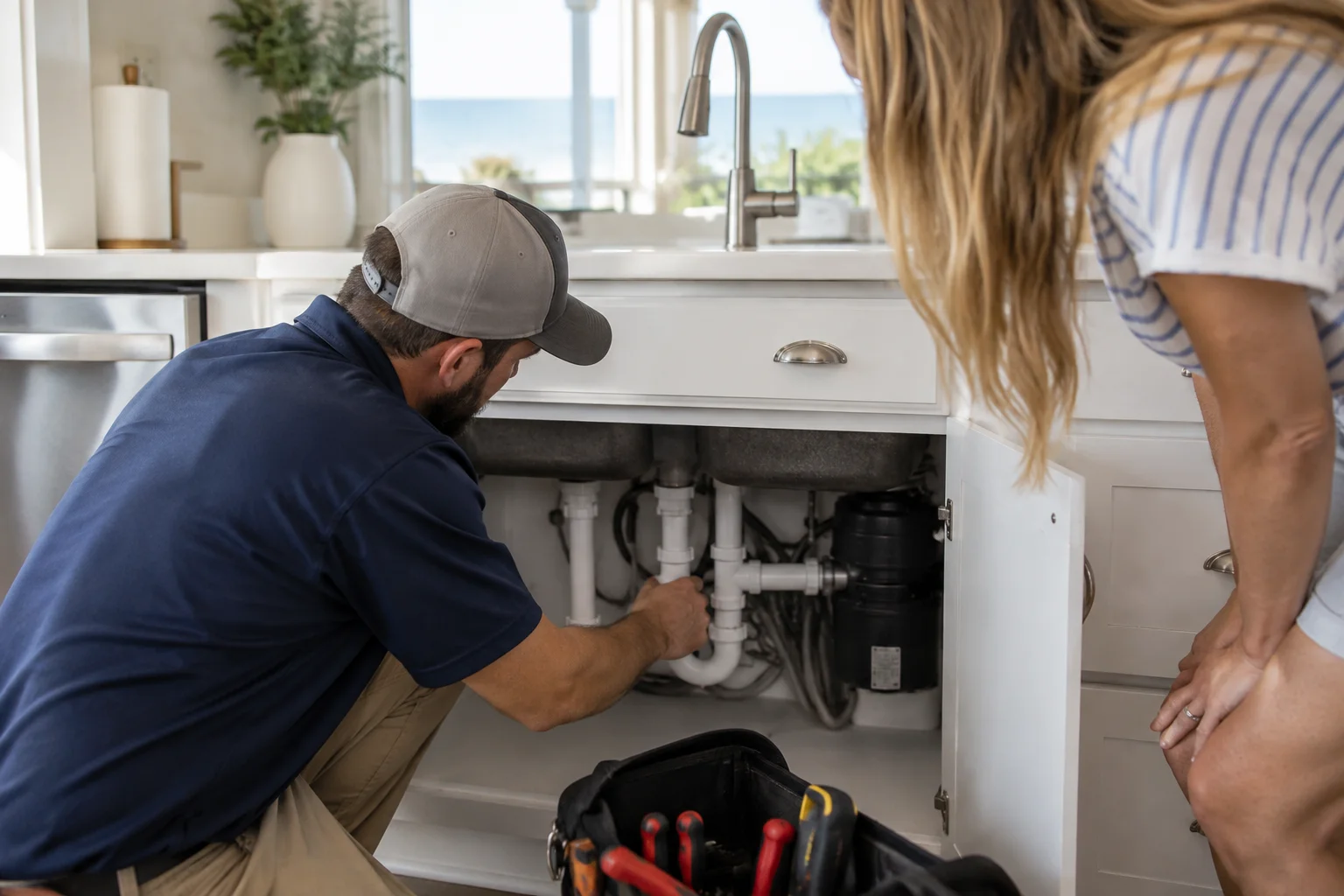
These issues can become emergency cooling concerns if drainage fails and the system has to shut down or operates inefficiently. A professional inspection checks condensate drainage pathways and related components to reduce the chance of overflow or moisture buildup.
5) Strange noises or vibrations during cooling
Some sounds are normal, but recurring rattling, grinding, squealing, or loud vibration can indicate issues that affect performance. During an air conditioning inspection, the technician can evaluate blower operation, check for obstructions, and assess how the system is running under load.
Salt air and coastal dust can also contribute to buildup on components, which can change how air moves and how parts interact.
6) The air feels weak or inconsistent at the vents
Airflow is a major part of system performance. If air feels weak, intermittent, or “bursts” instead of steady circulation, it can point to:
- Dirty filters or restricted return paths
- Blower performance issues
- Ductwork restrictions
- Coil conditions that reduce heat transfer
When airflow drops, the refrigerant system has to work differently to move heat. That can lead to inefficient energy use and shortened comfort. If you notice these symptoms, consider scheduling air conditioning inspection rather than waiting for the unit to stop cooling completely.
7) The system runs longer than usual or cycles too often
Short cycling and long run times are both warning signs. They can be caused by airflow restrictions, thermostat behavior, coil performance, or other factors that affect the cooling cycle. An inspection helps determine whether the system is responding correctly to temperature and humidity demands.
For homeowners searching for HVAC repair near me because the unit seems “never off,” it is worth asking for a performance-focused inspection. That approach can reveal whether the problem is operational, airflow related, or connected to refrigerant system behavior that needs professional evaluation.
Electrical-like symptoms that are actually HVAC performance signals
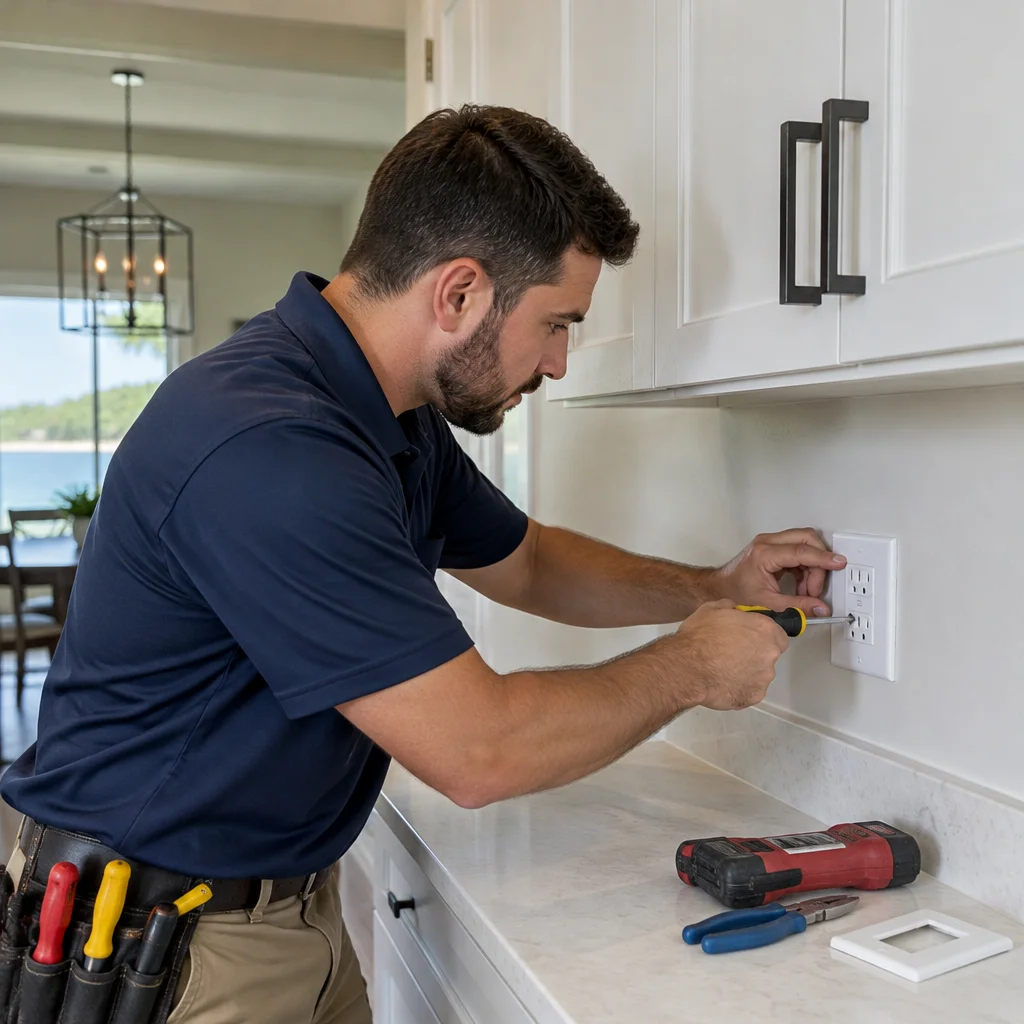
Homeowners sometimes describe problems as “electrical” when the real issue is HVAC operation. For example, a thermostat may display normal settings while the system struggles to maintain cooling. Or a unit may trip protective controls due to airflow or coil conditions. During an inspection, technicians evaluate HVAC components and controls as part of the cooling system performance picture.
Even if you suspect a thermostat issue, it should be verified on site. Thermostat wiring, thermostat configuration, and system control behavior can affect comfort, but a professional inspection is the safest way to confirm what is happening.
Refrigerant system concerns: what homeowners should and should not do
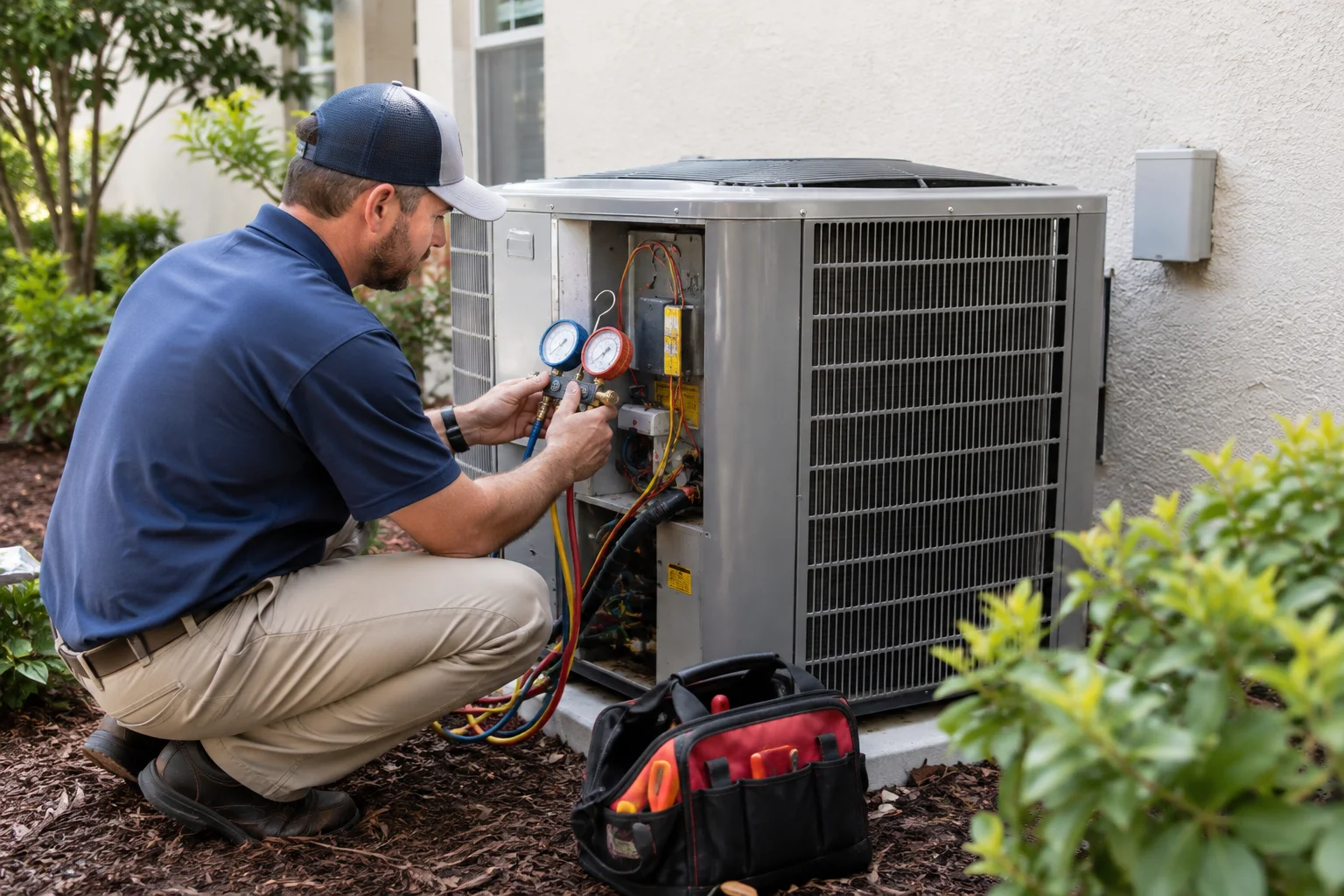
Refrigerant is a core part of how air conditioners move heat. In the field, symptoms related to refrigerant systems can overlap with other causes like airflow issues or dirty coils. That is why it is not appropriate for homeowners to attempt a refrigerant diagnosis on their own.
What you can do is watch for performance patterns that warrant a professional look, such as:
- Cooling that feels consistently weak
- Frequent cycling or inability to reach set temperatures
- Ice buildup on parts of the cooling system
- Unusual sounds during operation
A licensed HVAC contractor can evaluate the cooling cycle and determine what needs attention. If refrigerant is involved, it must be handled by a professional following safety and legal requirements.
Airflow and ductwork: why inspections go beyond the thermostat
In Seaside homes, ductwork and airflow can be a hidden driver of comfort complaints. Leaks, poor sealing, damaged sections, or undersized duct runs can reduce delivered air and increase energy use. When homeowners search for HVAC service near me due to rising bills or uneven comfort, ductwork is often part of the conversation.
During an air conditioning inspection, the technician can assess airflow performance and duct condition. If you suspect ductwork problems, you may also want to review options like duct sealing or duct repair depending on what is found.
For homeowners who want to be proactive, duct inspection and preventive HVAC maintenance are especially useful before the hottest weeks when systems are under peak demand.
Indoor air quality warning signs that show up during cooling
Cooling is also connected to indoor air quality. When airflow is restricted or humidity is not managed properly, indoor air can feel stale. Homeowners may notice:
- More dust settling around vents
- Odors that return after the system runs
- Allergy-like symptoms that worsen during peak summer
- Dry or muggy air that does not match the thermostat setting
If you are trying to connect comfort issues to indoor air quality, it helps to read about how inspections can identify underlying causes. See Why Seaside Homes Benefit From Indoor Air Quality Testing Before Comfort Issues Spread for additional context.
Energy use and “why is my bill higher?” clues
When an air conditioner runs less efficiently, energy use usually rises. In Seaside, higher energy use can be tied to:
- Airflow restrictions that make the system work harder
- Coil performance issues
- Humidity management problems that force longer cooling cycles
- General wear that reduces system effectiveness
An inspection helps separate normal seasonal changes from performance-related inefficiency. That matters because the best solution depends on the real cause, not just the symptom.
Heat pump and multi-system homes: inspection signs still matter
Some Seaside homes use heat pumps or have multiple indoor units. Even when heating demand is low, summer cooling performance still depends on airflow, refrigerant system behavior, and moisture management. If you have been searching for heat pump repair near me because cooling feels weak or humidity is high, an inspection can clarify whether the issue is isolated to cooling mode, airflow, ductwork, or other system components.
For multi-zone setups, the inspection may include how zones respond and whether the system is delivering airflow where it is needed. If you have a complex system, you can learn more about VRF Multi-Zone Systems to understand why performance checks matter for each area.
Commercial properties in Seaside: different stakes, similar warning signs
For business owners and property managers, comfort failures can disrupt operations, especially during peak humidity and heat. Commercial HVAC warning signs often show up as inconsistent temperatures, humidity complaints, or frequent callouts. If you manage a rental or commercial space, you may need a more frequent and structured inspection routine.
For guidance, explore Commercial HVAC Repair and consider how preventive maintenance can reduce emergency cooling concerns.
How to prepare for an air conditioning inspection in Seaside
You can make the inspection more productive by sharing the right details. Before your appointment, note:
- When the problem happens (only during the hottest hours, after rain, at night, etc.)
- Whether the issue is cooling performance, humidity, airflow, or odors
- Any visible water concerns near the indoor unit
- Thermostat behavior, such as frequent cycling or unusual settings
- Filter changes and whether the filter was replaced recently
Also, be ready to describe your ductwork layout if you know it. For example, if certain rooms are always uncomfortable, that can help narrow down whether airflow distribution is part of the issue.
Why professional local HVAC service matters in Walton County
Seaside homes are close to salt air, and that influences how equipment ages and how components collect buildup. A local HVAC contractor that understands coastal conditions can spot early warning signs and recommend the right next step.
Professional technicians can perform a multi-point evaluation of your cooling system, including airflow performance, humidity management indicators, condensate drainage concerns, and how the refrigerant system is behaving as part of the overall cycle. This helps homeowners avoid guesswork and reduces the chance of pushing the system past its limits.
If you want to connect comfort issues to emergency preparedness, this article is a helpful companion: Keeping Seaside Homes Ready for HVAC Emergencies.
When to schedule an inspection instead of waiting
Schedule an air conditioning inspection as soon as you notice patterns that repeat. It is especially important to act if you see:
- Comfort problems that persist for more than a few days
- Rising humidity or musty odors during cooling
- Water around the indoor unit or drainage line
- Weak airflow in multiple rooms
- Frequent cycling or longer run times
Waiting until the system fails can turn a fixable issue into an urgent situation during peak summer heat. When emergency cooling concerns happen, you may need faster scheduling and more extensive repairs.
Preventive steps homeowners can take between inspections
Preventive HVAC maintenance helps keep your system operating within a healthier performance range. Homeowners can support inspections and AC repair efforts by:
- Replacing air filters on schedule and using the correct filter size
- Keeping vents and returns clear so airflow is not restricted
- Closing outdoor unit area hazards like debris and ensuring normal clearance
- Monitoring humidity and noting when the home feels clammy
- Watching for condensate drainage issues after heavy humidity or storms
These steps do not replace professional evaluation, but they can reduce the odds that small issues grow into bigger failures.
When inspection results point toward bigger decisions
Sometimes an inspection confirms that the system is approaching the end of its useful life or that multiple components are contributing to poor performance. Homeowners often search for HVAC replacement near me when comfort issues have become frequent or when repairs no longer restore normal operation.
A professional evaluation should be based on what is actually happening in your home, including airflow, humidity management, ductwork condition, and how the cooling system performs as a whole. If replacement becomes a consideration, it should be discussed after an on-site inspection, not based on guesswork.
If you are planning ahead for a replacement, you can also review Air Conditioning Installation to understand how a proper installation supports long-term comfort and efficiency.
Need the right inspection for your situation?
If you are noticing any of the warning signs above, A Superior Mechanical can help you connect the symptoms to the cooling system performance issues that matter. For homeowners searching for licensed HVAC contractor near me or air conditioning repair near me, starting with a comprehensive air conditioning inspection is often the fastest way to move from uncertainty to a clear plan.
You can learn more about our Seaside service area here: Seaside, FL HVAC services and about Walton County here: Walton County HVAC services.
Find Air Conditioning Inspection in Seaside, FL
If you need Air Conditioning Inspection in Seaside, FL, visit our local service page or contact A Superior Mechanical today.
Map of Seaside, FL
Frequently Asked Questions
What are the most common HVAC warning signs homeowners notice in Seaside during summer?
Many homeowners report weak or uneven airflow, the home staying humid even with the thermostat set to cool, longer run times, musty odors, and occasional water near the indoor unit. These symptoms often connect to airflow restrictions, condensate drainage concerns, or cooling cycle performance issues that an air conditioning inspection can evaluate.
Does a thermostat problem cause AC issues, or is it usually something else?
Thermostat settings and thermostat behavior can contribute, but they are not the only cause. Cooling performance depends on airflow, coil heat transfer, humidity management, and system controls. A professional inspection checks how the system responds in real conditions, not just what the thermostat display shows.
If my AC is running but the house feels clammy, what should I check first?
Start by noting whether humidity is high even when the system is cooling, and check whether filters are clean and vents are unobstructed. Then schedule an air conditioning inspection focused on airflow and moisture removal performance. Humidity problems are often a sign that the system is not dehumidifying effectively.
Can I troubleshoot refrigerant issues myself?
No. Refrigerant system concerns require in-person evaluation by a licensed HVAC professional. Homeowners should avoid attempting refrigerant diagnosis or adjustments. Instead, watch for performance symptoms and schedule an inspection so the technician can determine the actual cause safely.
How often should Seaside homeowners schedule preventive HVAC maintenance and inspections?
Many homeowners benefit from preventive maintenance before peak summer demand, especially in humid coastal conditions. If you notice repeated comfort issues, humidity changes, drainage concerns, or airflow problems, schedule an air conditioning inspection sooner rather than waiting for the next seasonal appointment.
Related Articles
Photo Gallery