Alys Beach homes are built for comfort, but the local water conditions along the Gulf Coast can be tough on plumbing, appliances, and everyday routines. When water softening is working correctly, it helps reduce hard water scale, improves how soap rinses, and makes bathing and laundry feel better. When it is not, you can see the problems quickly in the kitchen and on bathroom fixtures.
This guide explains what can cause problems with water softening near Alys Beach, FL, and what helps protect coffee, ice, cooking water, bathing, laundry, and the plumbing behind the scenes. It also covers how reverse osmosis and whole home filtration can complement softening for cleaner, better drinking water.
What water softening is designed to fix in Alys Beach homes
Most water softening systems are built to address hardness. Hard water is caused by minerals, primarily calcium and magnesium. Over time, those minerals can leave visible deposits and create buildup in pipes, water heaters, and water-using fixtures.
When softening is effective, you typically notice fewer hard water spots on glass and dishes, less scale buildup around faucets and showerheads, and better results from soaps and detergents. You may also see appliances wear more slowly and feel a difference in bathing, including less dry skin from hard water and hair that looks less dull.
In Alys Beach and surrounding Walton County, homeowners often notice these effects seasonally as water use changes across beach rentals, families, and different household schedules. That is why water treatment service matters locally. A system that is properly sized and maintained for your household can help keep the whole home experience consistent.
Common causes of water softening problems
1) The softener is undersized for your household or rental schedule
Water softeners are sized around water hardness and household demand. In beach areas, demand can swing. A rental property might see heavy hot water use during peak weeks, while a full-time home might have steadier daily use. If the system is undersized, it can regenerate too late or not often enough. The result is partial softening, which shows up as scale and spotty residue.
Homeowners often first notice it as hard water spots on glass, cloudy film on shower doors, and scale buildup around faucets and showerheads. In the kitchen, you may also see soap residue that rinses poorly and cooking water that does not taste as clean.
If you are searching for water softener installation near me or water softener service near me, sizing is one of the most important factors to discuss. It is not just about the equipment. It is about your actual water usage patterns.
2) Salt or brine issues prevent proper regeneration
A typical softener uses salt to create brine and regenerate the resin. If salt is low, the brine tank is not drawing correctly, or the system is set incorrectly, the resin can stop doing its job.
Signs can include continued scale buildup around plumbing components, soap that does not lather or rinse well, and dry skin from hard water after bathing. Even if the system is running, it may not be regenerating effectively.
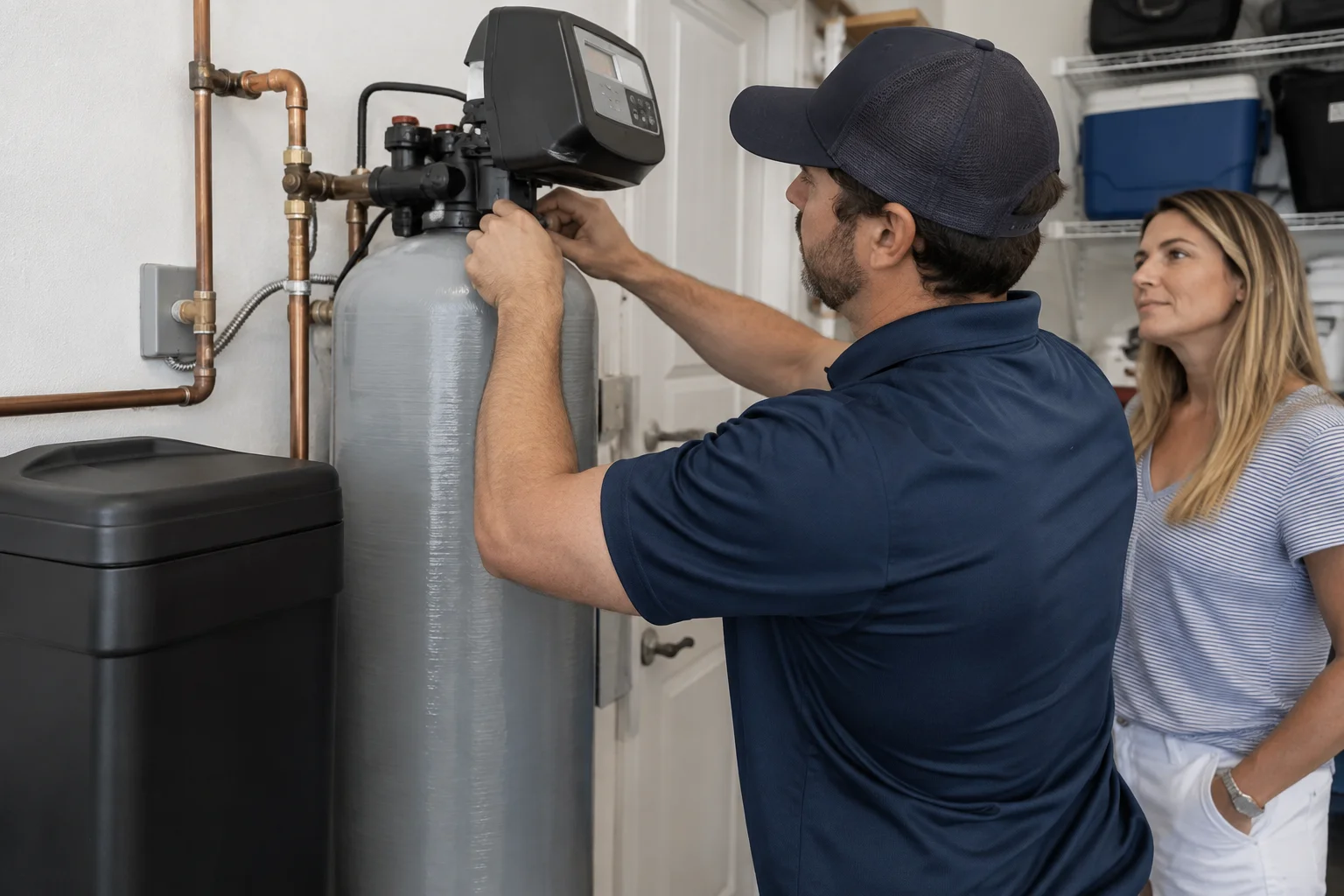
Salt bridges, blocked lines, incorrect salt type, and water level problems can all interfere. This is one reason professional water treatment near me services are valuable. A technician can check the brine draw, verify settings, and inspect the system as part of clean water systems near me maintenance.
3) Resin wear or channeling reduces softening performance
Over years of use, the softener resin can degrade. Resin can also develop channeling, where water flows through pathways instead of contacting the media evenly. When that happens, the system may soften water inconsistently.
In daily life, inconsistencies can show up in the kitchen and bath. For example, you might notice metallic tasting water at times, or you might see that soap scum returns more quickly than expected. You can also see visible sediment or discoloration concerns if other parts of the water treatment system are not keeping up.
This is a common scenario when homeowners run a softener but skip maintenance. AO Smith water filtration and softening systems are built for long-term performance, but they still require scheduled care and timely media or component service when performance declines.
4) Sediment, chlorine, or other contaminants overwhelm the system
Water softening targets hardness minerals. It does not automatically remove everything that affects taste, odor, or water clarity. If your home water has sediment, higher chlorine levels, or other contaminants, they can create problems that feel like “softener issues.”
For instance, you may notice cloudy ice cubes, poor tasting coffee water, or a metallic, chlorinated, or unpleasant taste. Cooking water can taste off as well, which affects soups, rice, and beverages. Even with softening, those issues can persist if you need filtration or additional treatment.
That is where whole home water filtration, including sediment reduction and carbon filtration, often helps. Many homeowners choose a whole house filter paired with softening to protect the entire home. If you are looking for clean water systems near me, ask about how your filtration plan works with your softener.
5) Bypass valves or plumbing changes leave part of the home untreated
Some systems include bypass valves for service. If a valve is left open after maintenance, or if plumbing changes were made in a remodel, parts of the home might receive hard water. That can create confusing symptoms, like soft water in one bathroom but scale in another.
Look for uneven results: one showerhead stays clean while another builds scale quickly. Dishes might show scale on some racks but not others. If you have more than one water-using zone, uneven treatment can be a clue.
6) Incorrect settings, timing, or regeneration mode
Modern softeners often have controls that regenerate based on time or demand. Incorrect settings can lead to wasted water or incomplete regeneration. If the control is not matched to your hardness level and usage, the system may not keep up.
When settings are off, you can see a cycle of good water followed by hard water days. That is often when homeowners notice hard water spots on dishes, dull hair after bathing, and soap that does not rinse well.
How water softening problems show up in your everyday life
Water treatment issues are not just “plumbing problems.” They show up in the routines families rely on, especially in a coastal community where many homes are occupied by different schedules.
Coffee, tea, and cooking water
Coffee tastes are sensitive to water quality. When softening is not working, mineral buildup and inconsistent water chemistry can affect extraction. If chlorine or other contaminants are present, you may also notice a metallic, chlorinated, or unpleasant taste in beverages.
Homeowners often describe poor tasting coffee water and ask for home water purification near me because the difference is noticeable. Cooking can be affected too. You might see longer cooking times, less consistent results with rice and pasta, and a “flat” flavor profile in soups.
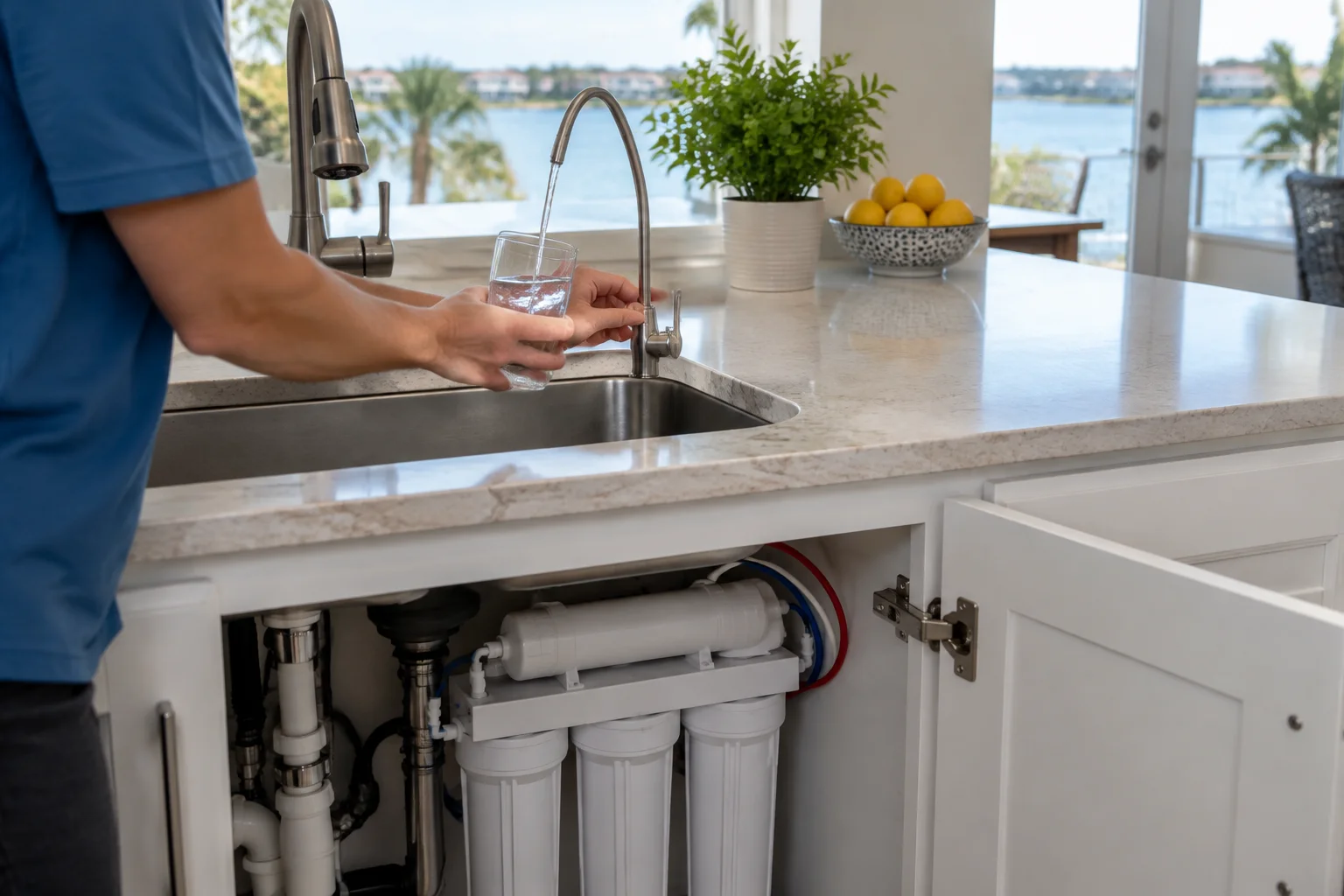
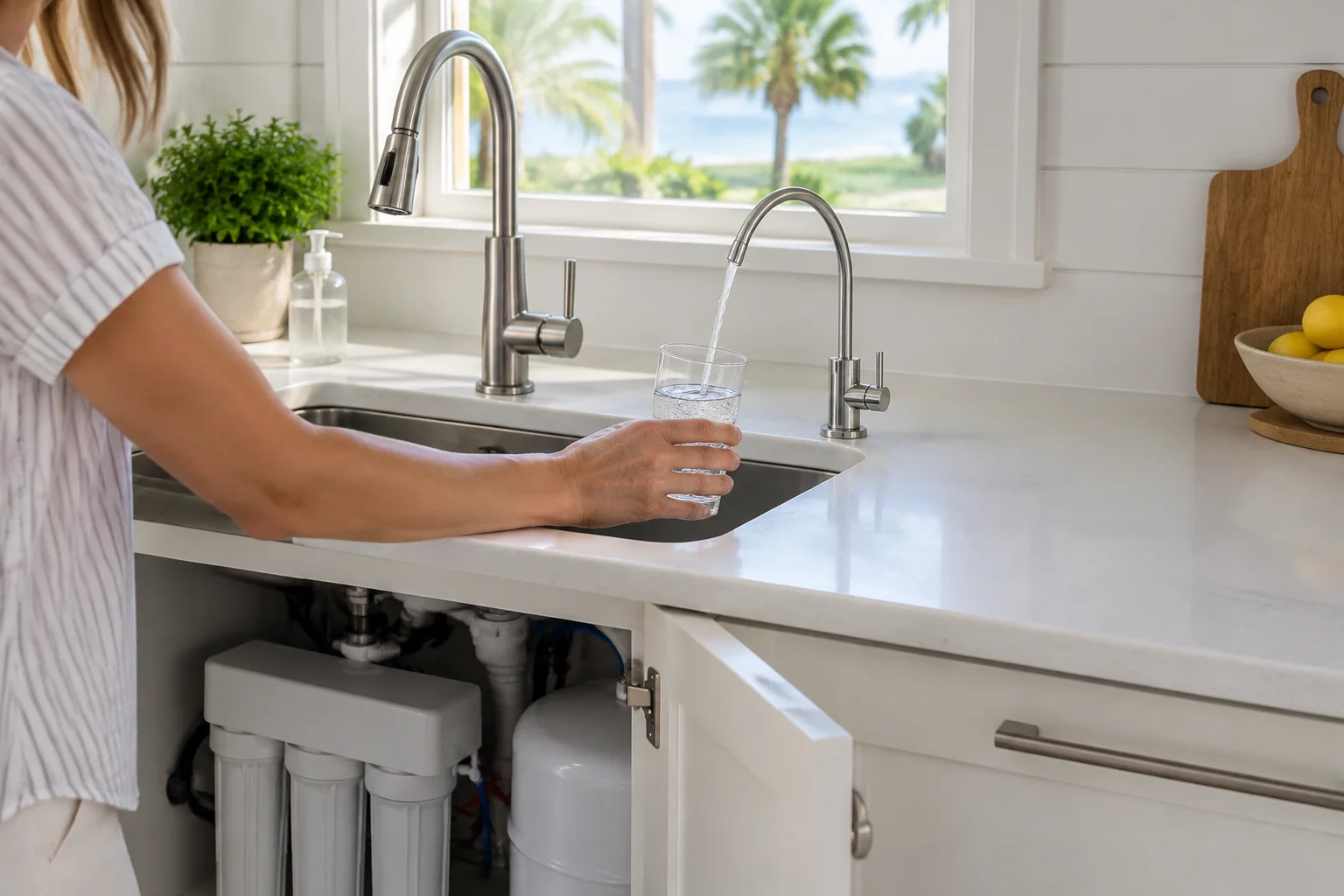
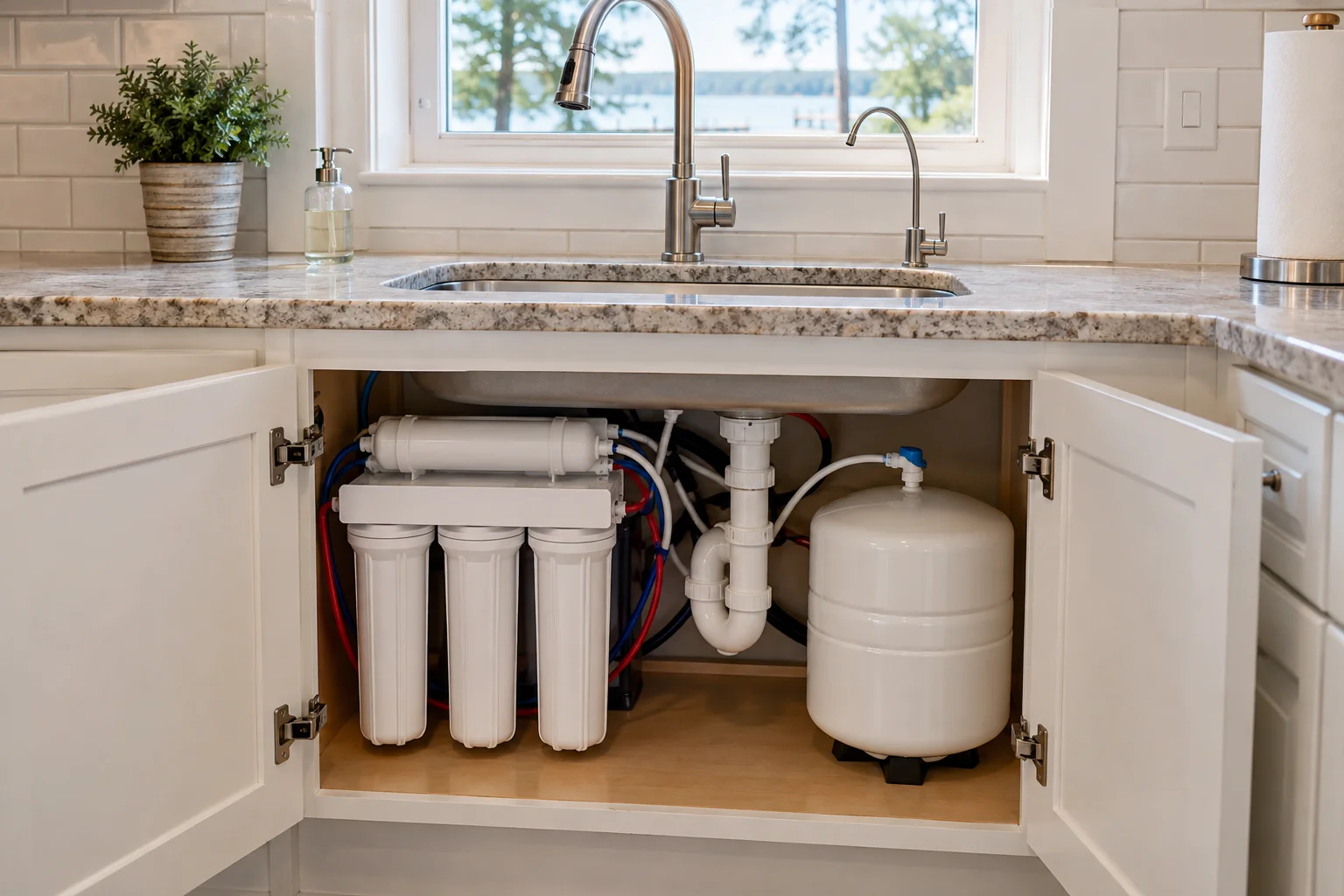
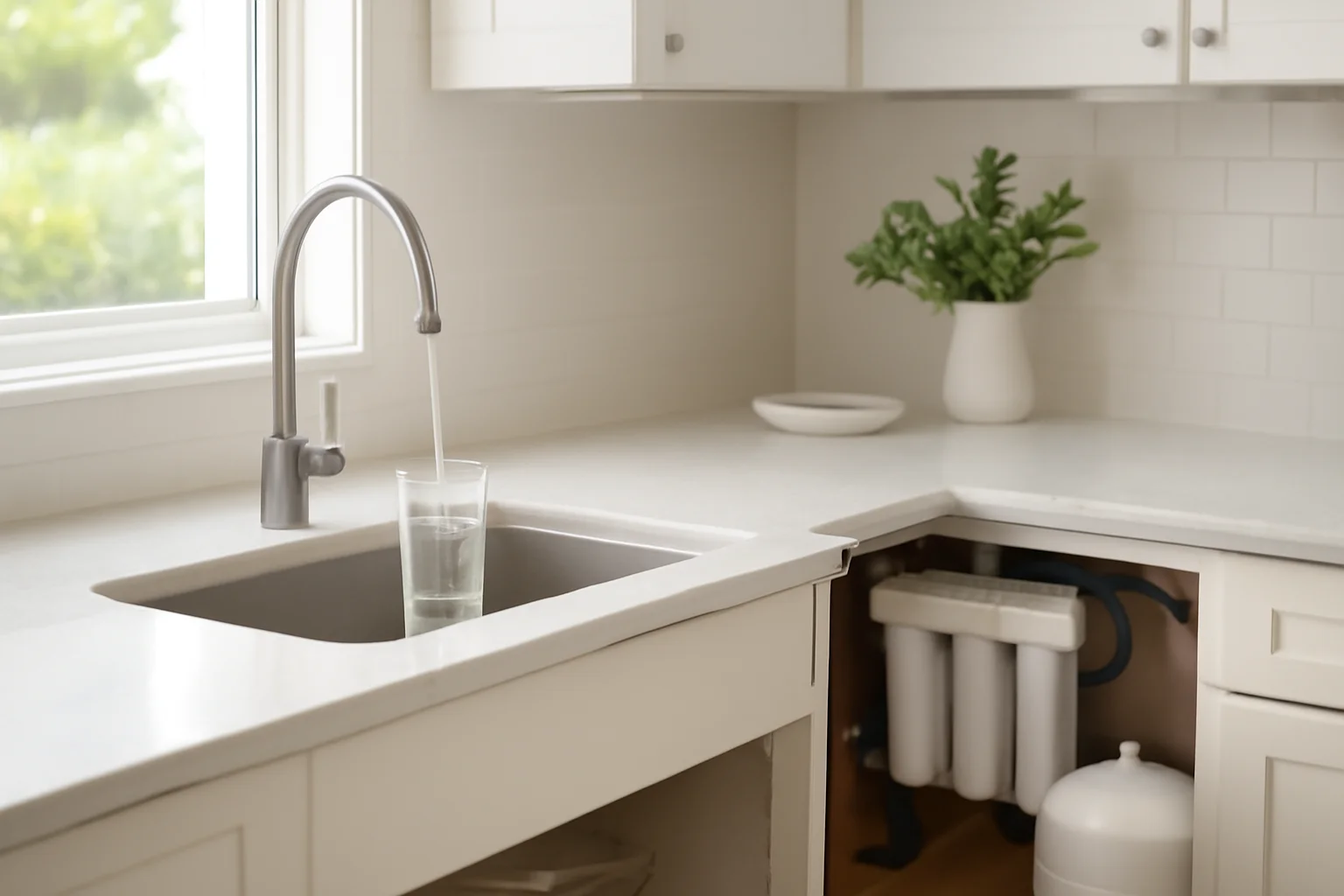
For the kitchen, many families pair water softening with reverse osmosis for drinking water and ice. Reverse osmosis systems can help improve taste and clarity, protecting what you drink and what you brew. If you are planning a system, this related guide can help: Planning a Reverse Osmosis System for an Alys Beach Home.
Ice cubes and bottled-water cravings
Cloudy ice cubes can point to dissolved minerals, air, or water chemistry that affects clarity. If your ice looks cloudy or tastes off, that is a strong signal to review your full water treatment approach, not just hardness.
Even if the softener is running, you may need filtration to address taste and clarity. Whole home water filtration can reduce scale-forming minerals throughout the house, while reverse osmosis can target drinking and ice water quality at the point of use.
Bathing, skin, and hair
Dry skin from hard water is a common complaint. When minerals coat skin and hair, soap does not lather as well, and rinsing can feel like it leaves residue behind. After a shower, you may notice tightness, itching, or hair that looks dull.
Softening that is working properly can reduce that effect. But if softening performance drops, the symptoms return. You might also see scale buildup around showerheads, which is another visual clue that hardness is slipping through.
If you are also thinking about overall home comfort, cleaner water and healthier air often go together. A Superior Mechanical also supports indoor comfort topics like Coastal Comfort Starts With Cleaner Air in Alys Beach Homes.
Laundry and soap performance
When softeners are struggling, you may notice soap that does not lather or rinse well. Laundry can feel rough, colors can look less vibrant, and detergents may seem like they are not doing what they should.
In homes with hard water, mineral buildup can also contribute to soap scum in tubs and sinks. If you are seeing recurring buildup despite cleaning, it is worth checking whether your water softener is performing.
Fixtures and appliances
Hard water spots on glass, dishes, and bathroom surfaces are some of the most visible signs of hardness. Scale buildup around faucets, showerheads, and plumbing connections can lead to maintenance headaches.
Appliances also pay the price. Coffee makers, dishwashers, and water heaters can accumulate mineral deposits that reduce efficiency and wear components faster. Over time, you might see reduced performance, shorter lifespans, and higher energy costs.
Proper hard water treatment becomes part of protecting fixtures and appliances. If you want a deeper look at how softening supports plumbing longevity, see How Water Softening Protects Rosemary Beach Plumbing from Costly Water Damage. The water quality patterns and coastal use habits are similar across the area.
How reverse osmosis and whole home filtration protect the kitchen and bathrooms
Many Alys Beach homeowners want one solution for everything. The better approach is usually a system strategy: softening for hardness, plus filtration for taste, odor, sediment, and clarity.
Whole home water filtration for cleaner water throughout the house
Whole house filter systems can help reduce sediment and chlorine-related taste and odor. This supports better drinking water quality, helps appliances run more smoothly, and can improve how water feels on skin and hair.
If you are looking for water filtration near me or clean water systems near me, ask how a whole house filter works with your softener. The goal is to protect both the plumbing and the water you use daily.
Reverse osmosis for drinking water, coffee, and ice
For homeowners focused on coffee, cooking, and ice, reverse osmosis can provide a noticeable upgrade. It reduces dissolved solids and can improve taste and clarity. That means fewer cloudy ice cubes and better-tasting water for brewing.
If your home already has a softener but you still notice poor tasting coffee water or metallic taste, reverse osmosis is often the missing piece. It is also a common choice for families who want a reliable option for drinking water and meal prep.
To explore installation and planning considerations, review Planning a Reverse Osmosis System for an Alys Beach Home.
AO Smith water filtration and softening for long-term performance
AO Smith systems are widely used for water softening and filtration. Homeowners in Alys Beach often choose AO Smith water filtration because it is built for whole home water treatment performance and consistent results when maintained.
Whether your priority is water softener installation near me, replacing an aging unit, or upgrading to include whole home filtration, a professional assessment can help you match equipment to your water conditions and household needs.
Local water conditions and why Alys Beach maintenance matters
Coastal Florida homes face unique challenges. Water use can change quickly between seasons, and many properties are occupied by families and beach rental guests on shifting schedules. Those changes can stress systems that are not properly sized or not maintained on a consistent plan.
In addition, water quality can vary. If hardness levels are higher at certain times or if chlorine and sediment levels fluctuate, your softener and filtration system may need a coordinated approach. That is why local service matters. A Superior Mechanical can help homeowners and property managers in Walton County dial in their setup for better drinking water, better bathing, and fewer plumbing problems.
If you want to compare options and learn how softeners and filters fit together, start with /water-filtration-ro-water-softeners. For service coverage in your area, visit /service-areas/walton-county/alys-beach and the specific water softening page /service-areas/walton-county/alys-beach/water-softening-abfl.
Prevention and maintenance that keeps softening working
Check salt level and brine tank health regularly
Salt bridges or low salt levels can cause incomplete regeneration. Keep an eye on salt supply and ask a technician to inspect the brine system during service visits. This is one of the most effective ways to prevent water softening problems before they show up as scale buildup around fixtures.
Watch for visual and “feel” clues
Homeowners do not need lab equipment to notice trouble. Track what you see and feel:
- Hard water spots on glass and dishes
- Scale buildup around faucets, showerheads, and plumbing connections
- Dry skin or dull hair after bathing
- Soap that does not lather or rinse well
- Metallic, chlorinated, or unpleasant taste
- Cloudy ice cubes
- Visible sediment, discoloration, and odor concerns
If multiple symptoms appear together, it often means you need a full water treatment review, not just a salt refill.
Schedule professional water testing and system checks
Hardness can change, and system performance changes as components age. A professional can verify softener operation, check filtration status, and confirm whether reverse osmosis or whole home water filtration is needed to protect drinking and cooking water quality.
If you are searching for water treatment near me, look for a provider that can evaluate the whole system and explain the plan in plain language. That is especially important for Alys Beach homes where the kitchen and bathrooms are central to day-to-day comfort.
Match treatment to the water you care about most
Some families prioritize bathing comfort and laundry. Others focus on coffee, cooking, and ice. Many want both. A balanced approach might look like:
- Water softening to reduce scale and protect fixtures and appliances
- Whole home water filtration to improve overall taste, odor, and water clarity
- Reverse osmosis for drinking water, ice, and cooking water where flavor matters
When these pieces work together, you reduce hard water stains and also protect the water that families actually drink.
When to call A Superior Mechanical
If you see scale buildup around faucets or showerheads, notice dry skin from hard water, or deal with cloudy ice cubes and poor tasting coffee water, it is a good time to evaluate your system. The earlier you address the cause, the more you can protect plumbing, appliances, and daily comfort.
Call for help if:
- Your softener runs but you still get hard water spots on dishes and glass
- You notice metallic, chlorinated, or unpleasant taste that affects drinking and cooking
- Appliances are wearing out faster than expected
- You have visible sediment, discoloration, or odor concerns
- Bathing feels harsher even though the system is supposed to soften water
A Superior Mechanical supports water softener service, water softener installation, and upgrades that combine AO Smith water filtration, whole home filtration, and reverse osmosis when appropriate. For Alys Beach homeowners, that means cleaner water for the kitchen and softer water for the whole home.
Find Water Softening in Alys Beach, FL
If you need Water Softening in Alys Beach, FL, visit our local service page or contact A Superior Mechanical today.
For a broader look at whole-home water filtration, reverse osmosis, and water softener options, visit our water filtration, RO, and water softener page.
Map of Alys Beach, FL
Frequently Asked Questions
Why does my water still leave scale on showerheads even though I have a water softener?
Common causes include an undersized softener for your household demand, salt or brine draw problems that prevent proper regeneration, worn or channeled resin media, or a bypass valve left open after service. A water treatment professional can check settings, regeneration performance, and system components.
Can water softening alone fix bad taste, cloudy ice cubes, or unpleasant odors?
Usually not. Water softening primarily targets hardness minerals. If you have metallic, chlorinated, or unpleasant taste, cloudy ice cubes, or visible sediment and odor concerns, you may need whole home water filtration and possibly reverse osmosis for drinking water and ice.
What is the difference between whole home water filtration and reverse osmosis?
Whole home water filtration treats water as it enters your home, helping improve clarity, taste, and odor throughout the plumbing. Reverse osmosis is typically installed for drinking water, ice, and cooking water at one or more points, providing a stronger taste and contaminant reduction where flavor matters most.
How can I tell if my family is getting dry skin from hard water versus something else?
Hard water symptoms often come with soap that does not lather or rinse well, scale buildup around fixtures, and dull hair after bathing. If you notice these patterns together and they improve when the water softener is functioning correctly, hard water is a likely contributor.
Do AO Smith water softeners and filtration systems require maintenance?
Yes. While AO Smith systems are designed for long-term performance, they still need periodic checks and servicing to maintain regeneration quality, filtration effectiveness, and overall water softening performance. Regular maintenance helps protect appliances, fixtures, and everyday water quality.
Related Articles
Photo Gallery