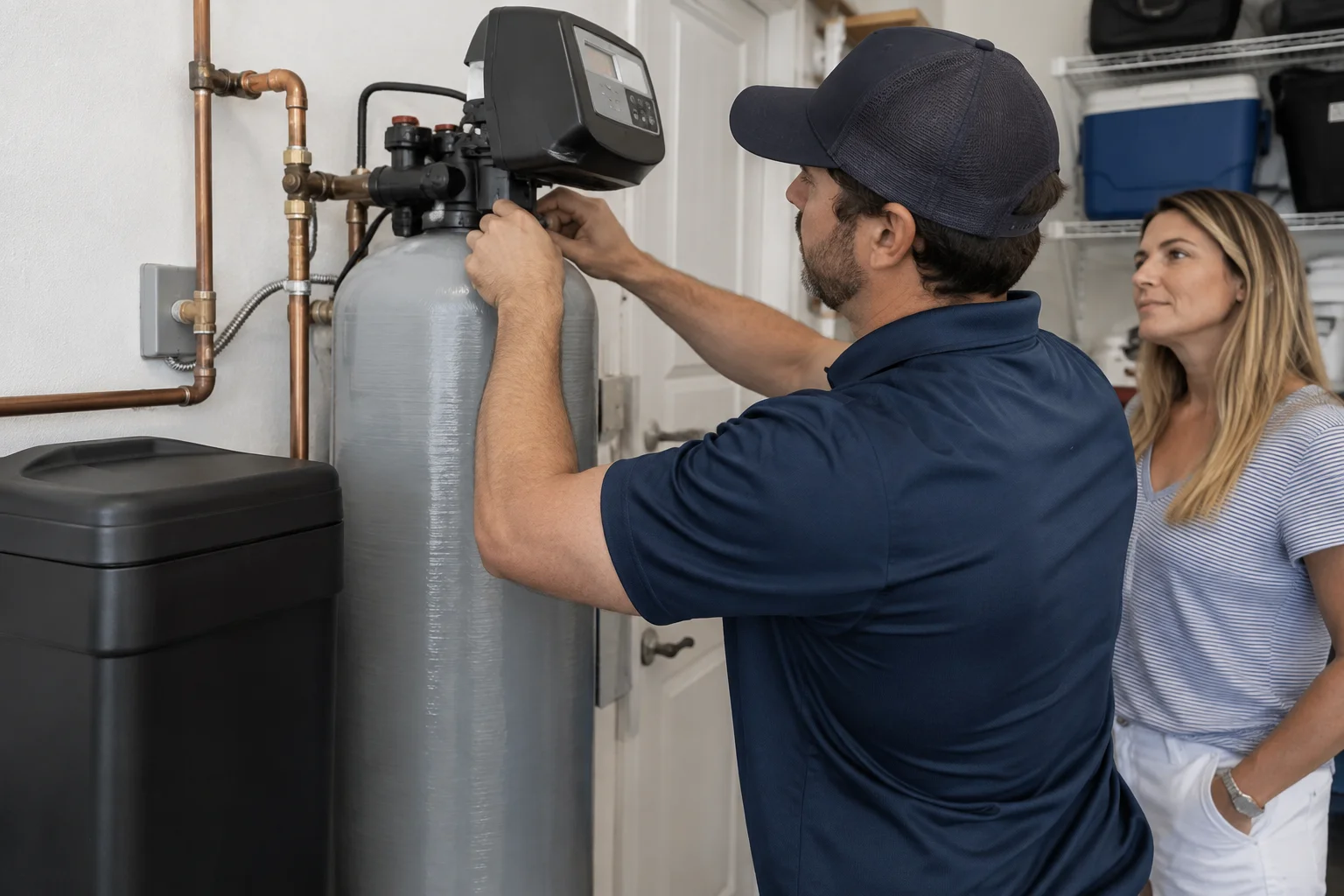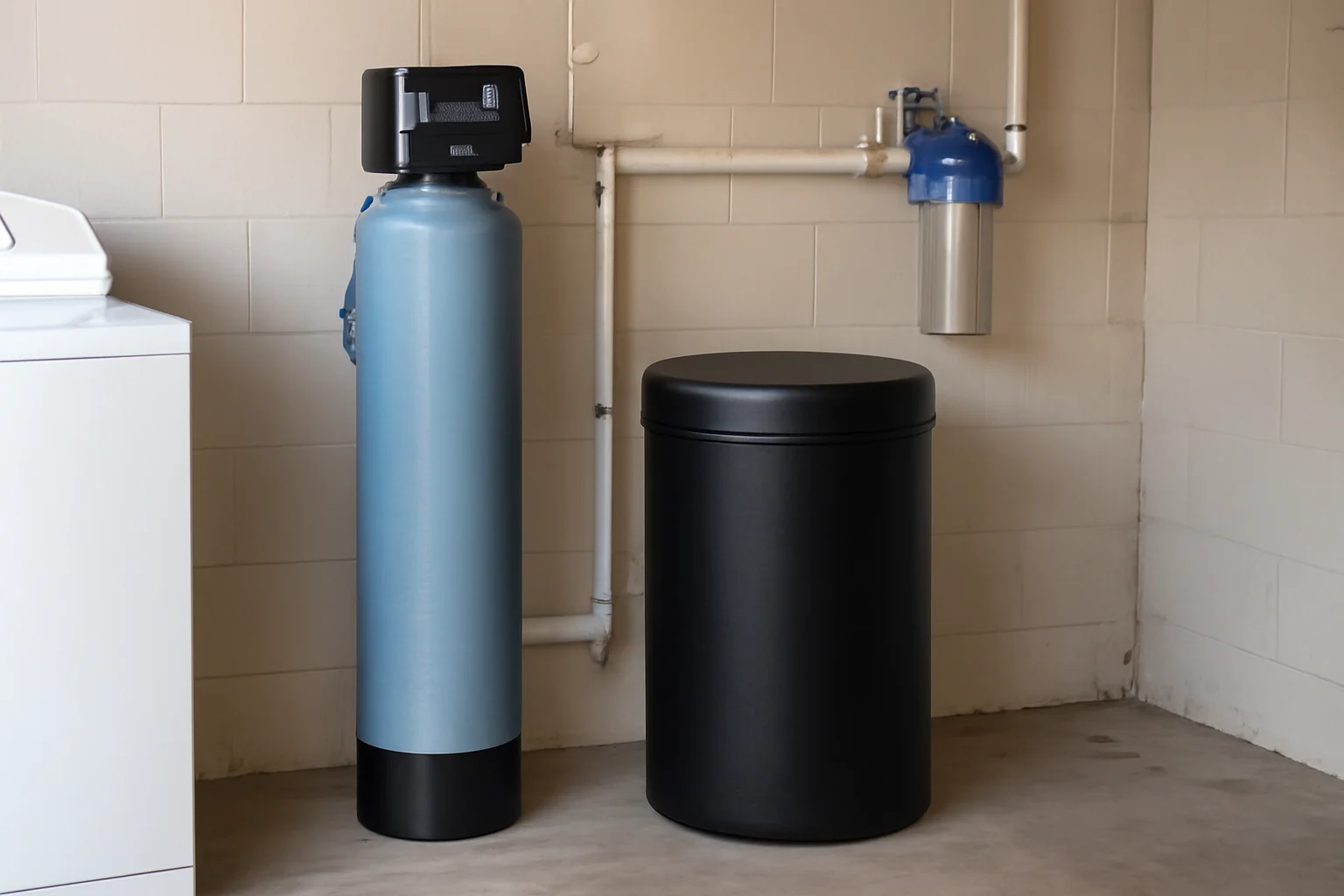
In many Camp Creek, FL homes, water softening is the go-to solution for hard water. It can reduce hard water spots on glass, help dishes come out cleaner, and protect showerheads and faucets from scale buildup around faucets and plumbing. But homeowners sometimes notice that “softened” water does not always feel or taste better. That is when sediment, odor, and chlorine concerns start to show up in everyday life, from cloudy ice cubes to dry skin from hard water.
This guide breaks down what can cause problems with water softening in Camp Creek and what you can do to reduce sediment, odor, and chlorine-related complaints. We will also cover how water filtration, reverse osmosis, and whole home clean water systems work together with an AO Smith water softener for better kitchen and bath water.
Hard water is only part of the story in Camp Creek
Camp Creek homes often deal with mineral-rich water that creates classic signs of hardness. You might see scale buildup on fixtures, cloudy glassware, or white crust around showerheads and faucet aerators. Laundry can feel stiff, and you may notice soap does not lather or rinse well. After bathing, dry skin from hard water and dull hair can leave you feeling like the water is still “rough” even after softening.
However, hard water minerals are not the only factor that affects water quality. In real households, water softening can run into issues caused by sediment, changing source water conditions, incorrect system settings, or missing filtration steps. When those factors combine, you can end up with:
- Visible sediment in household water
- Discoloration or an odd smell coming from tap water
- Metallic, chlorinated, or unpleasant taste in drinking water
- Cloudy ice cubes and poor tasting coffee and cooking water
- Appliances wearing out faster due to mineral and particle buildup
That is why homeowners searching for water filtration near me or clean water systems near me often end up comparing multiple approaches, not just one device.
What causes sediment and cloudy water even after softening?
Water softeners are designed to exchange hardness minerals, not to remove all particles. If sediment is entering the plumbing or building up in the system, softened water can still look cloudy or carry gritty material.
1) Sediment from the water source or plumbing system
Camp Creek homes can be affected by natural changes in source water, seasonal conditions, and variations in how water travels through local lines. If your home has older plumbing, a corroding water line, or a history of sediment in the system, that material can find its way into the softener and distribution plumbing. The result might be visible sediment, discoloration, or a gritty feel.
Common household clues include cloudy ice cubes from the freezer, water that looks slightly off in a clear glass, or sediment settling at the bottom of a drinking glass. If you ever see scale buildup around faucets that looks more like sand than mineral crust, sediment may be part of the cause.
2) A clogged pre-filter or maintenance that is overdue
If your system uses a sediment filter pre-stage, it needs periodic replacement or cleaning. A clogged filter can reduce flow, interfere with regeneration cycles, and allow more particles to pass through. The softener may still work, but the water you experience at the kitchen sink can remain cloudy or off-color.
This is especially important in households where multiple fixtures are used daily, such as busy family mornings with showers, laundry, and dishwashing. When the softener is stressed, it can become harder to maintain consistent water quality.
3) Resin bed issues or improper regeneration
Inside an AO Smith water softener, the resin bed handles the ion exchange process. If the resin is exhausted, contaminated, or not regenerating on schedule, you can see incomplete hardness removal. That can show up as persistent scale buildup on faucets, soap that does not lather, and film on dishes.
In some cases, if the regeneration process is not pulling brine correctly, the system may not fully clean and recharge the resin. This can leave you with water that feels less soft and can carry an odor or taste issue that is tied to brine handling or system performance.
Why softened water can smell off or taste metallic
Odor and taste problems are often linked to chlorine, water chemistry, or the way the system is configured. Water softening alone does not always address these concerns, especially if the complaint is “chlorinated” or “metallic.”
1) Chlorine taste or smell that softening does not remove
Many municipal water systems use chlorine or related disinfectants. A water softener treats hardness minerals, but it does not necessarily remove chlorine. If you notice metallic, chlorinated, or unpleasant taste at the kitchen tap, you may need additional filtration specifically built for taste and odor.
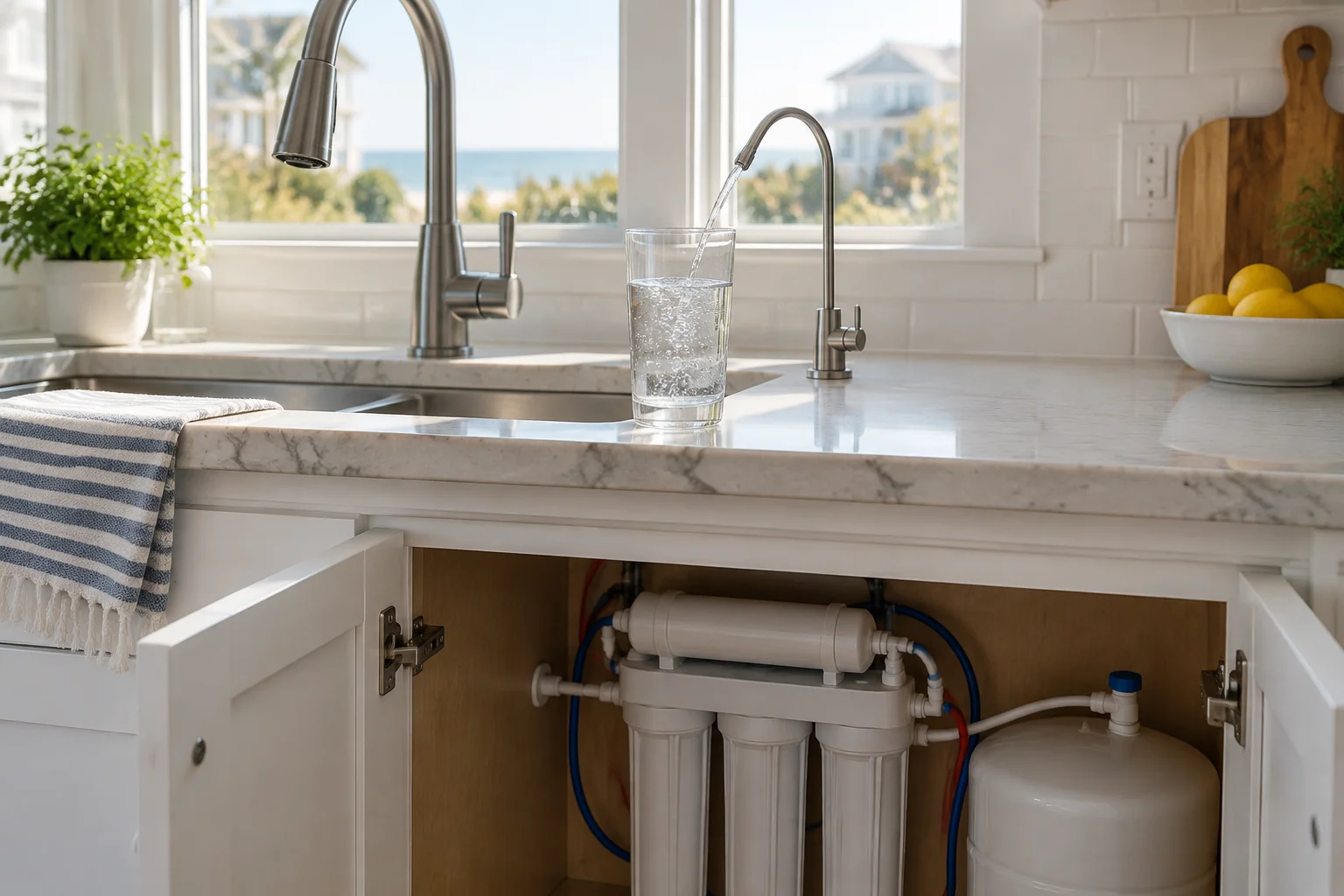
This is where reverse osmosis installation near me searches often make sense. Reverse osmosis can reduce a wide range of dissolved contaminants and improve drinking water quality for better water for drinking and cooking. Whole home water filtration near me solutions can also help by reducing chlorine and other common taste drivers at the point of entry.
2) Stagnation and low flow in certain fixtures
In some Camp Creek homes, odor complaints show up more in rarely used sinks or upstairs bathrooms. When water sits in pipes, it can pick up taste and smell characteristics that become more noticeable. Softened water can still carry that issue if the underlying cause is disinfectant-related or tied to plumbing materials.
If you run the tap for a short time and the taste improves, you may be dealing with stagnation rather than a failure of the softener itself.
3) Brine, salt, or system handling problems
Some odor issues can be traced back to the softener’s brine system. If salt is contaminated, if the brine tank has an issue, or if the system is not maintaining proper regeneration, the water may develop an unusual smell. This is also a safety and performance concern, because improper brine handling can affect how well the softener cycles.
Homeowners often notice it during kitchen scenes like filling a pot for pasta or making a family iced drink. If your poor tasting coffee and cooking water is consistent, it is worth having the system inspected rather than assuming the softener is simply “not strong enough.”
How water softening can contribute to scale problems if it is not tuned correctly
One of the most frustrating experiences in Camp Creek is when you still see scale buildup around faucets, showerheads, and plumbing even though the home has a water softener. That usually means the softener is not performing as intended or that hardness is getting through.
1) Incorrect settings for hardness level and household usage
Water softeners rely on settings that match your water hardness and your household demand. If the hardness setting is too low, the system will not remove enough minerals. If the regeneration schedule does not match your usage, you can end up with hardness “spikes” that show up as new hard water spots on glass and residue on dishes.
In a busy home, dishwashing and laundry may increase during the week, while showers and cleaning happen in bursts. If the softener is not calibrated, it can miss those peaks.
2) Salt bridging, empty salt, or inconsistent brine production
Salt bridging can prevent brine from forming correctly. Empty tanks or inconsistent salt levels can cause the system to skip proper regeneration. The result is often clear: you see scale buildup on faucets, soap does not lather, and the water feels less soft for days at a time.
3) Bypass valves left open after service
Sometimes after maintenance or plumbing work, a bypass valve is left in the wrong position. That can cause water to flow around the softener. You might notice a sudden return of hard water signs, including dull hair, dry skin from hard water, and film on shower glass.
Where filtration fits: sediment, taste, and chlorine concerns
Think of water softening as “hardness control.” Filtration is often what addresses sediment, odor, and taste. Many Camp Creek homeowners see the best results when these components work together as clean water systems near me.
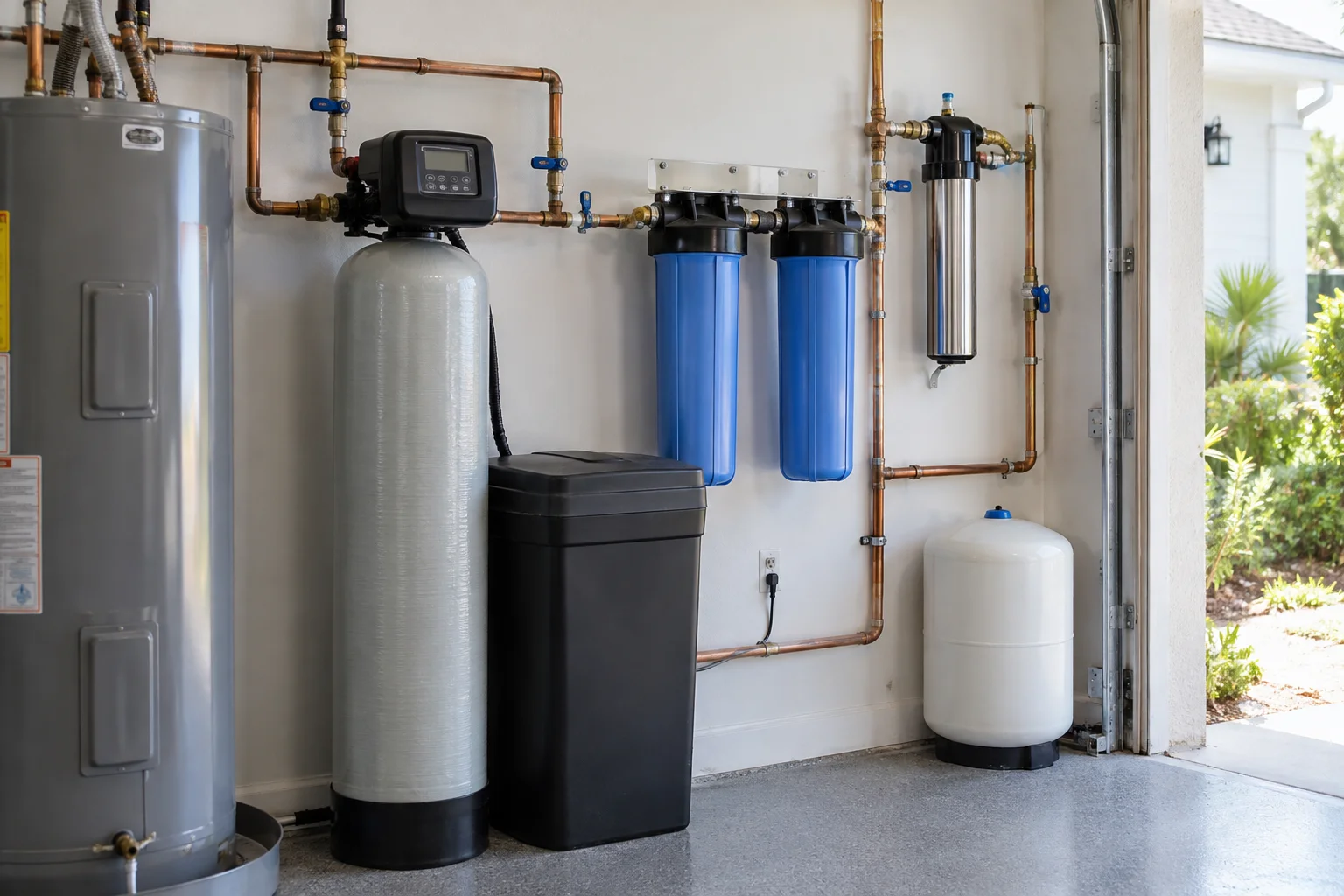
Whole home water filtration for consistent water quality
Whole home water filtration can reduce sediment and improve overall water quality throughout the house. That matters when multiple family routines depend on clean water: morning showers, laundry loads, and the family kitchen where cooking water and drinking water both come from the same tap.
If you are noticing visible sediment, discoloration, or odor concerns at more than one fixture, a whole home approach can help before water reaches faucets, showerheads, and appliances.
Point-of-use reverse osmosis for better drinking and cooking water
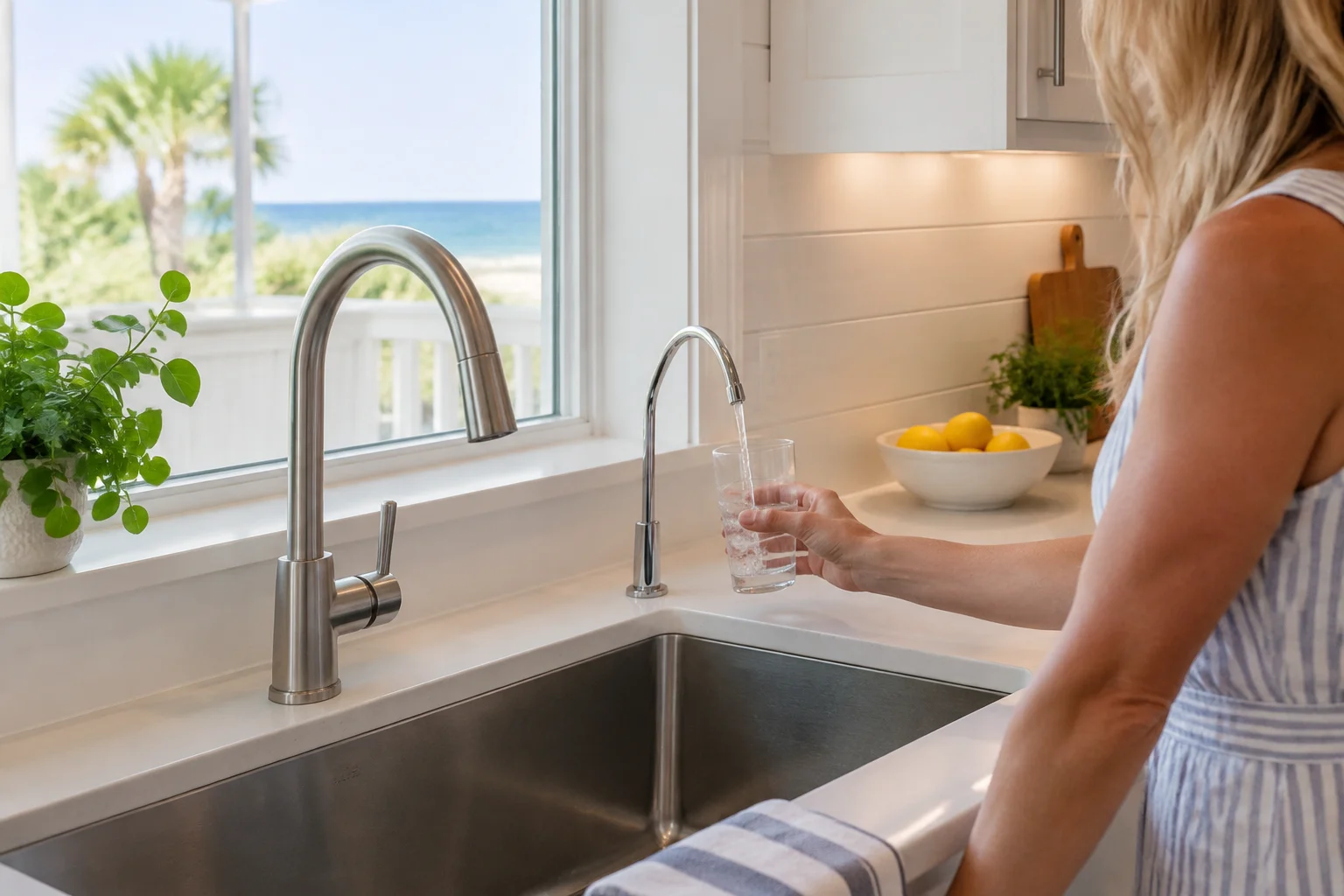
For homeowners focused on better water for drinking and cooking, reverse osmosis installation is a common solution. It can reduce chlorine taste, improve water clarity, and help with issues like cloudy ice cubes and poor tasting coffee and cooking water.
If your family uses a lot of ice, it is worth paying attention to the freezer. Cloudy ice cubes often point to dissolved solids, taste drivers, or filtration limitations. RO can make a noticeable difference for beverages and cooking.
AO Smith water softener paired with filtration
AO Smith water filtration and softening can be part of a layered strategy. A properly maintained AO Smith water softener reduces hardness so scale buildup on faucets and showerheads slows down. Add filtration to reduce sediment and improve taste and odor, and you address both the visual and sensory sides of water quality.
This layered approach also supports appliance longevity. When minerals and particles are reduced, water heaters, dishwashers, and other fixtures can wear out more slowly.
Everyday signs in Camp Creek homes that point to water treatment problems
It helps to connect water quality issues to real household routines. Here are common signs homeowners in Camp Creek notice, and what they often mean.
Hard water spots on glass, dishes, and fixtures
If you see hard water spots on glass after the dishwasher, film on drinking glasses, or a cloudy look on shower doors, it usually indicates scale buildup around faucets. That can happen when hardness is not being removed fully or when hardness is getting through due to settings, regeneration, or bypass issues.
Scale buildup around faucets and showerheads
Scale buildup around faucets, showerheads, and plumbing is not just cosmetic. It can reduce flow rates, clog aerators, and increase maintenance. Over time, it can also make appliances run less efficiently.
Soap that does not lather or rinse well
When soap does not lather, people often assume they need a different soap. But the more common cause is hardness minerals in the water. If softening is working properly, soap should lather more easily and rinse cleanly.
Dry skin from hard water and dull hair after bathing
Many homeowners describe dry skin or hair that feels coated or dull after showers. That is consistent with hard water effects on skin and hair. If you are still seeing this after installing an AO Smith water softener, the system may need tuning, maintenance, or additional filtration to improve water consistency.
Metallic, chlorinated, or unpleasant taste
If drinking water tastes metallic or chlorinated, softening alone may not address it. Whole home water filtration near me and reverse osmosis installation near me are often considered when taste and odor are the primary complaints, especially for drinking and cooking.
Cloudy ice cubes
Cloudy ice cubes can be caused by dissolved solids, filtration gaps, or taste and odor issues that affect how ice looks. If your ice looks cloudy but the water looks clear at first glance, it is still a valuable clue for clean water systems planning.
Poor tasting coffee and cooking water
Water quality affects flavor extraction. If your coffee tastes off or your soups and pasta water do not taste right, it is often tied to dissolved minerals and disinfectant taste drivers. Reverse osmosis and whole home filtration can improve better water for drinking and cooking.
Appliances wearing out faster
When scale buildup and sediment persist, water heaters, coffee makers, and dishwashers can experience reduced efficiency and shorter service life. That is one reason homeowners think about water filtration near me and whole home water filtration near me as part of protecting their investment.
How to reduce sediment, odor, and chlorine concerns step by step
You do not have to guess. A logical approach in Camp Creek homes is to confirm what is happening and then match the solution to the cause.
1) Start with a water quality check that matches your symptoms
If you are dealing with sediment in household water, discoloration, or cloudy ice cubes, ask your water treatment provider about testing for both hardness and particulates, plus taste and odor drivers. If the issue is mainly odor and taste, testing for chlorine and other dissolved contaminants helps determine whether reverse osmosis installation or whole home water filtration is the better fit.
2) Review your softener settings and regeneration performance
A properly tuned softener reduces scale buildup around faucets and helps keep soap behavior normal. If you still see hard water spots on glass or persistent scale buildup on faucets, the system may need a setting adjustment, brine tank check, or resin bed evaluation.
If you want to explore water softener service in Camp Creek, you can review the specific service area page here: /service-areas/walton-county/camp-creek/water-softening-ccfl.
3) Add filtration where it matters most
For many families, the best results come from combining water softening with filtration. Whole home water filtration near me searches often reflect the desire to protect plumbing and fixtures. Reverse osmosis installation near me searches often reflect the desire for better drinking water quality for coffee, cooking, and ice.
If you are comparing options, start with the main water filtration overview here: /water-filtration-ro-water-softeners.
4) Keep maintenance consistent and seasonal
Camp Creek weather can influence how water systems behave. Humidity and seasonal changes can affect how homes use water and can influence filtration performance. Maintenance should not be “set it and forget it.” Keeping salt levels steady, changing pre-filters on schedule, and having your system checked periodically can reduce the chances of odor or sediment complaints returning.
5) Improve household habits that reveal problems
You can learn a lot from routine observations. For example, check whether the water is clear at first and then clouds after sitting. Notice whether the taste is worse at certain taps. Compare ice from different times of day. These details help a technician pinpoint whether the issue is hardness breakthrough, sediment flow, or taste and odor treatment.
Why local water treatment service matters in Camp Creek
Camp Creek is part of Walton County, and local water conditions can vary enough that a generic setup may not match your household needs. That is why professional water softener service and whole home clean water systems planning matter. Your home may need more than one treatment layer, especially if sediment, odor, and chlorine concerns show up together.
For a broader look at service options in the area, visit /service-areas/walton-county/camp-creek and /service-areas/walton-county.
Related improvements that protect plumbing and water heaters
Water softening and filtration are part of a larger water management strategy. If you see recurring hardness symptoms, it can also mean you are dealing with strain on plumbing components and heating equipment. Homeowners often pair water treatment upgrades with plumbing system improvements that help prevent premature wear.
If you want to connect water quality to equipment longevity, these posts can be helpful:
- How Better Water Softening Changes Daily Life in Camp Creek Homes
- A Practical Guide to Water Heater Replacement in Camp Creek, FL and the Plumbing Problems That Shorten System Life
- How Better Plumbing Management Protects Camp Creek Homes
- What Camp Creek Homeowners Often Miss During Plumbing Installation
When it is time to call a professional water treatment team
DIY troubleshooting can only go so far when you are dealing with sediment, odor, and chlorine taste concerns. It is a good time to call a professional if:
- Hard water spots on glass and dishes keep coming back after softener use
- You see scale buildup around faucets and showerheads that continues to worsen
- Cloudy ice cubes and poor tasting coffee and cooking water persist
- You notice metallic, chlorinated, or unpleasant taste in drinking water
- You have visible sediment or discoloration that appears at multiple fixtures
- Appliances seem to wear out faster than expected
A technician can evaluate the softener performance, check for bypass or regeneration problems, and recommend the right filtration add-ons. That might include whole home water filtration, reverse osmosis for better drinking water, or an updated approach to clean water systems that fit how your Camp Creek household uses water.
For homeowners looking for professional help, A Superior Mechanical offers water softening services in Camp Creek. You can start your search here: /service-areas/walton-county/camp-creek/water-softening-ccfl.
Find Water Softening in Camp Creek, FL
If you need Water Softening in Camp Creek, FL, visit our local service page or contact A Superior Mechanical today.
For a broader look at whole-home water filtration, reverse osmosis, and water softener options, visit our water filtration, RO, and water softener page.
Map of Camp Creek, FL
Frequently Asked Questions
Why does my water still have a bad taste or smell after installing a water softener?
A water softener mainly reduces hardness minerals. It may not remove chlorine taste or odor. If you notice metallic, chlorinated, or unpleasant taste, adding whole home water filtration or reverse osmosis for drinking water can make a big difference.
Can sediment get through a softener and make my ice cloudy?
Yes. Softening does not remove all particles. Sediment from the source, plumbing, or a clogged pre-filter can cause visible sediment and cloudy ice cubes. Whole home filtration and system maintenance usually address this.
What should I check if I still see scale buildup on faucets and showerheads?
Common causes include incorrect hardness settings, regeneration problems, salt bridging or low salt, or a bypass valve left open after service. A professional inspection can confirm whether your AO Smith water softener is performing correctly.
Do I need reverse osmosis if I already have water softening?
Not always, but many Camp Creek homeowners choose reverse osmosis installation near the kitchen for better water for drinking and cooking, especially when they have chlorine taste, cloudy ice cubes, or poor tasting coffee water. Whole home filtration can also help across the entire house.
Related Articles
- How Better Water Softening Changes Daily Life in Camp Creek Homes
- A Practical Guide to Water Heater Replacement in Camp Creek, FL and the Plumbing Problems That Shorten System Life
- How Better Plumbing Management Protects Camp Creek Homes
- What Camp Creek Homeowners Often Miss During Plumbing Installation
Photo Gallery