Electric vehicle ownership is changing how Bid-A-Wee homes use electricity. A charger that works well in one house may overload another, especially in older coastal properties, remodeled homes, or houses that already run hot tubs, EVs, and air conditioning on the same service. That is why EV charger installation is more than a convenience upgrade. It is an electrical planning decision that affects safety, reliability, and long term performance.
For local property owners, the right charger setup can make daily life easier while reducing strain on panels, breakers, outlets, and wiring. It also helps avoid the kind of nuisance issues that lead homeowners to search for a residential electrician near me after a breaker starts tripping or a garage outlet stops keeping up. In a place like Bid-A-Wee, where coastal weather, humidity, and storm season can all affect electrical systems, a proper installation matters.
A Superior Mechanical provides EV charger installation in Bid-A-Wee, FL for homeowners who want a charging setup that is safe, code compliant, and matched to the home’s electrical capacity. The same attention that goes into a panel upgrade, outlet repair, or electrical inspection should go into an EV charger project too.
Why EV charging puts new demands on local homes
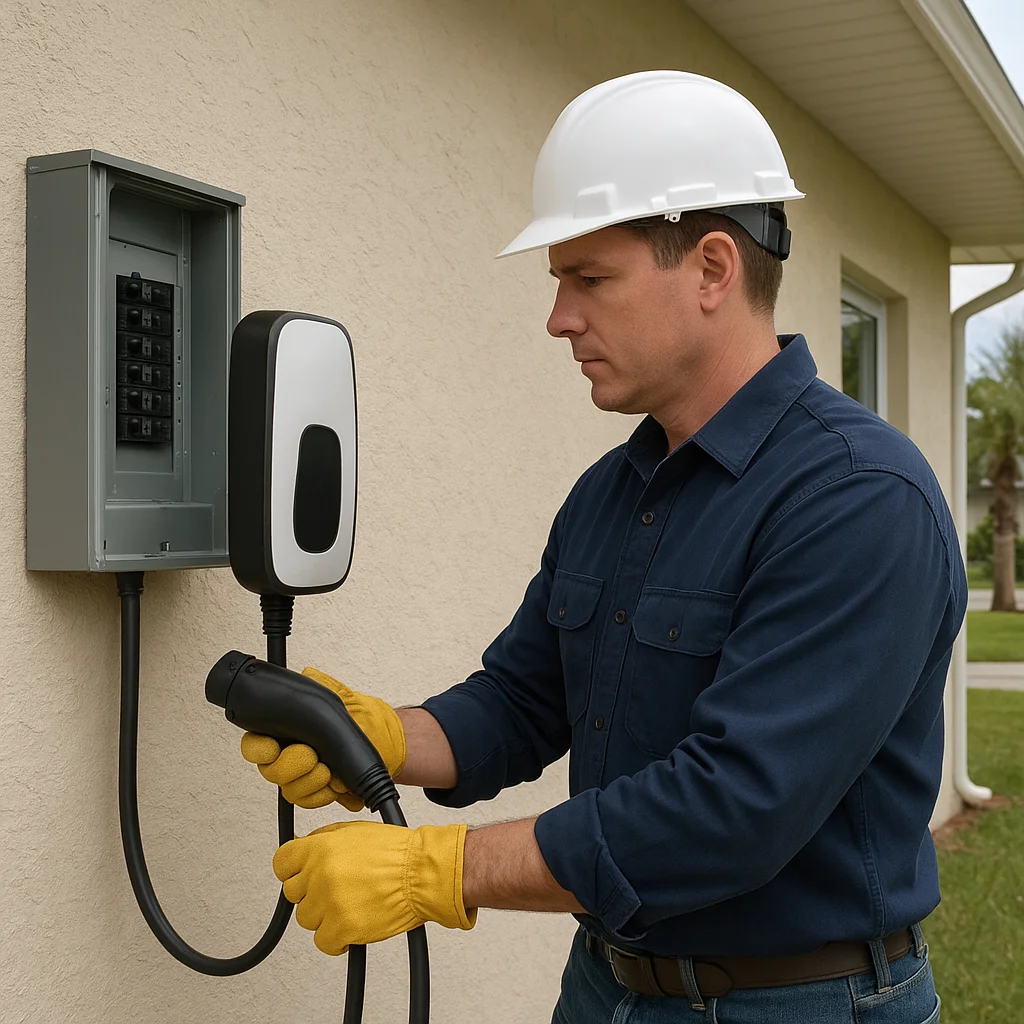
Level 1 charging uses a standard outlet, but it is slow and often not practical for daily driving. Level 2 charging is the better fit for most homeowners because it charges much faster and works well for overnight use. The tradeoff is electrical demand. A Level 2 unit usually needs a dedicated circuit, proper breaker sizing, and enough spare capacity in the panel to handle the load safely.
In Bid-A-Wee, that matters because many homes were built before today’s appliance loads, smart home devices, and electric vehicles became common. Even newer homes can run tight on capacity once lighting, ceiling fans, kitchen equipment, and outdoor circuits are all in use. If the panel is already close to full, an EV charger may require a sub panel installation, a 200 amp panel upgrade, or another type of service adjustment before the charger can be added.
That is why homeowners searching for electrical services often discover that EV charging is tied to larger system planning. A charger is only as dependable as the wiring, grounding, breaker, and circuit design behind it.
What a proper installation protects
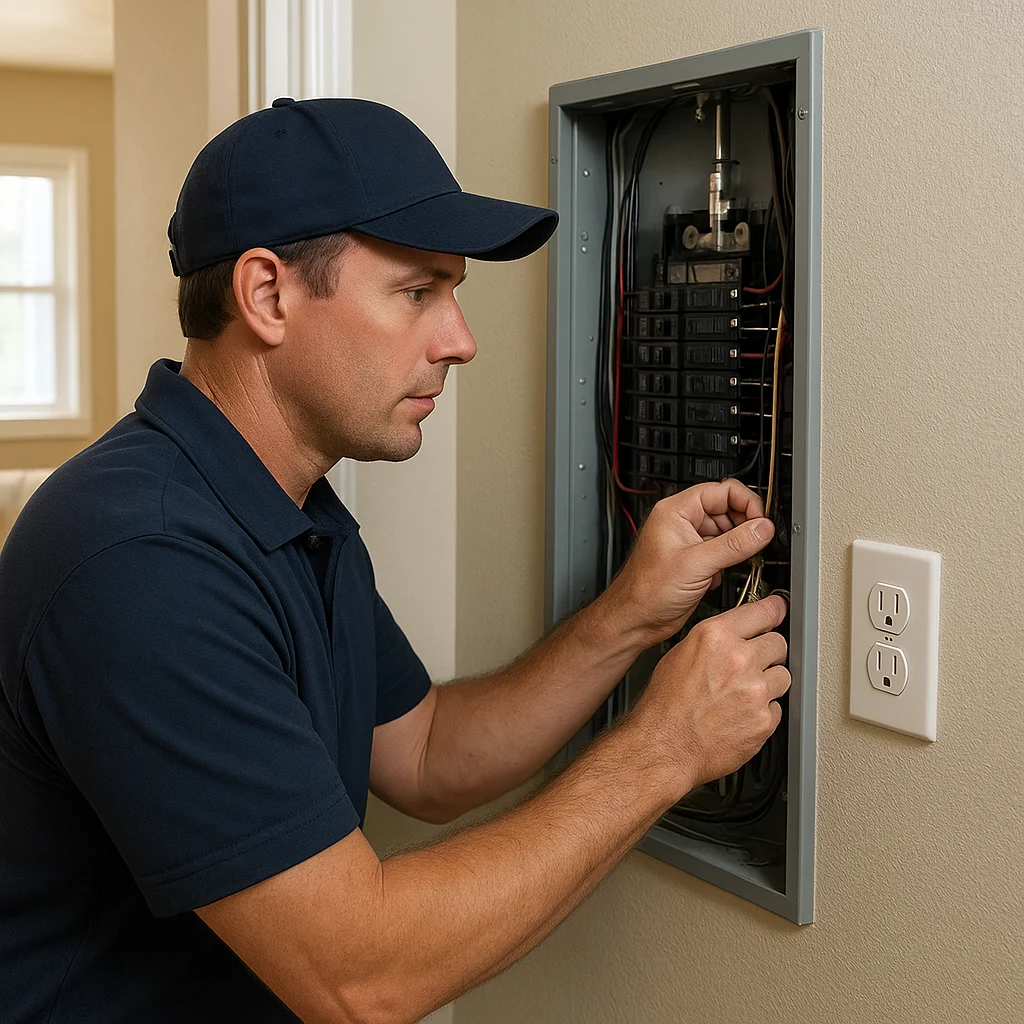
A professionally installed EV charger does more than power a car. It helps protect the rest of the home from electrical stress. When the load is too high or the circuit is undersized, homeowners may notice warm outlets, repeated breaker trips, dimming lights, or charging interruptions. Those are not just inconveniences. They can be early warning signs of a circuit that is carrying more than it should.
Correct installation helps with:
Dedicated circuit sizing for the charger
Breaker selection that matches the equipment
Grounding and bonding that support safe operation
GFCI protection where required by code
Proper conductor sizing for the run length
Location planning for garages, carports, or exterior walls
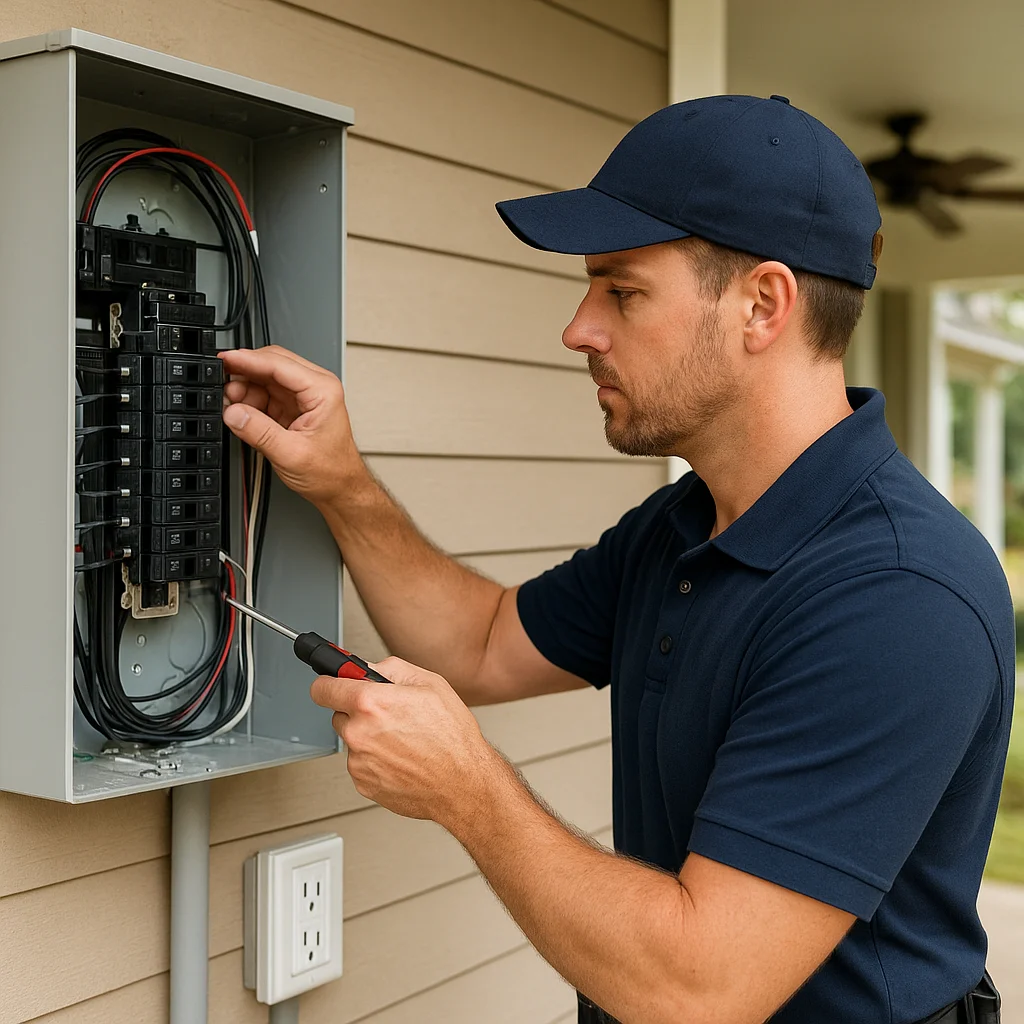
Weather resistance in areas exposed to coastal moisture and storms
When a homeowner is already dealing with an outlet repair near me search, or a breaker panel repair near me issue, adding a charger without checking the system first can create bigger problems later. A charger should fit the home’s electrical layout, not force the system to work beyond its limits.
Why Bid-A-Wee properties need local electrical knowledge
Bid-A-Wee homes see a mix of conditions. Some have older panels, original wiring, or past additions that were done in stages. Others have been remodeled with new kitchens, updated baths, and added garage circuits. Coastal weather adds another layer. Salt air, humidity, and storm season can wear on breakers, outdoor enclosures, receptacles, and grounding components over time.
Local electrical service matters because these details change how an EV charger should be installed. A charger mounted in a garage may have different needs than one installed on an exterior wall. A home with aluminum branch wiring or aging receptacles may need corrective work before the charger can be added. In some cases, homeowners searching for Bid-A-Wee electrical help need an inspection first, then a repair plan, then the charger installation.
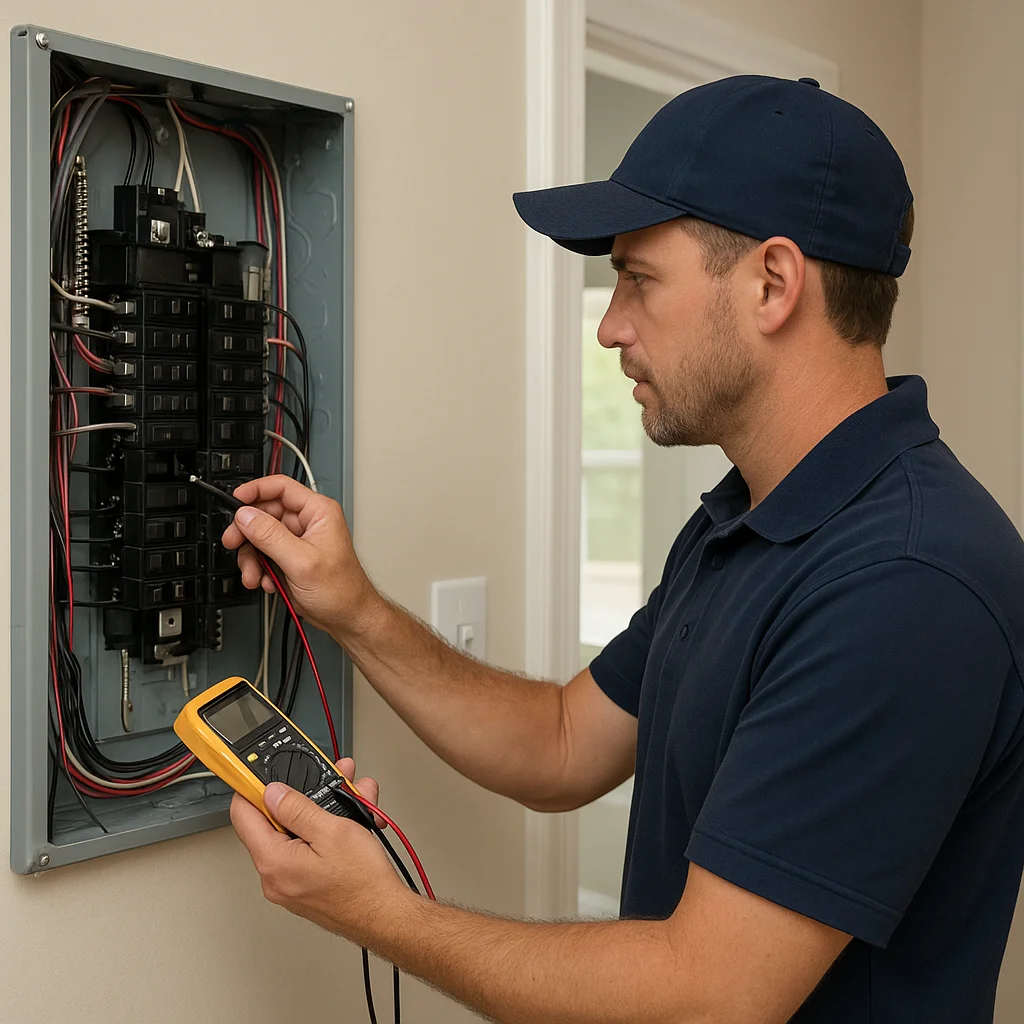
That is also why an electrical inspection near me search can be useful before committing to a charger. A careful inspection can reveal overloaded circuits, loose connections, missing grounding, outdated panels, or code issues that should be addressed first.
Common issues that show the system needs attention first
Not every home is ready for an EV charger on day one. Some of the most common problems that show up during planning include:
Panels with too little spare capacity
Breakers that trip during normal household use
Outlets that are worn, loose, or not properly grounded
Older wiring that may need repair or replacement
Improper previous work in additions or remodels
Exterior circuits that were not built for continuous charging loads
Homes with outdated service equipment or limited grounding protection
In older homes, issues like knob and tube wiring replacement near me, aluminum wiring repair near me, or house rewiring near me often come up during a broader electrical review. In those cases, the charger project becomes part of a larger safety improvement, not just a single device install.
Even in newer homes, an EV charger can reveal a need for a range outlet installation near me, spa wiring near me, or other dedicated circuit work if the existing service is already heavily used.
How charger installation supports daily convenience
Home charging is most useful when it is simple. Instead of relying on public charging stations or waiting for a slow outlet to recover overnight, a properly installed charger lets homeowners plug in after work and start the day with a full battery. For families with multiple drivers or rental properties that support EV tenants, that convenience quickly becomes part of the property’s value.
It can also reduce wear on general purpose outlets. A standard receptacle is not meant to handle continuous high load for long periods without the right electrical design. A dedicated charger circuit is built for that job. This is especially important in garages and carports where moisture, dust, and temperature swings can affect equipment over time.
For property owners who are thinking ahead, charger installation can be paired with other upgrades such as indoor lighting, ceiling fan services, or surge protection installation near me style projects to improve the whole home’s electrical performance. A charger is often one part of a broader modernization plan.
Why code compliance matters in Bay County
Electrical code exists to reduce risk. For EV charging, that means correct breaker sizing, proper disconnects where needed, safe mounting height, correct wire routing, and equipment listed for the application. It also means paying attention to outdoor exposure, local permitting, and the condition of the existing service.
In Bay County, code compliance is especially important because storm conditions can put stress on electrical systems. Surge protection, grounding, and proper equipment placement all help protect the home. If a property already needs a surge protector installation near me project or smoke detector installation near me service, it is a good time to review charger placement too.
When an installation is done the right way, homeowners reduce the chance of nuisance outages, overheated components, and repeated service calls. That matters whether the property is a primary residence, a rental, or a seasonal home.
When a charger project points to a bigger electrical upgrade
Some homes need more than a charger. If the panel is full, the service is undersized, or the wiring is outdated, the safest solution may involve additional electrical work first. That can include breaker replacement, panel upgrades, new grounding, or a dedicated sub panel for the garage or charging location.
This is also where homeowners searching for a 200 amp panel upgrade near me or generator installation near me may be looking at the same underlying issue: the home needs more dependable power management. A charger, backup generator, and modern appliance load all depend on a healthy electrical system.
Storm readiness matters too. Bid-A-Wee homeowners know coastal weather can interrupt utility power. If a home already needs a power outage electrician near me response or has experienced repeated outages, it may be smart to talk about both EV charging and power backup generators at the same time. That way the home is prepared for daily use and emergency conditions.
Maintenance that keeps charging reliable
After installation, a charger should be checked as part of normal electrical maintenance. Homeowners should watch for heat at the receptacle or charger body, unusual breaker trips, error lights on the unit, or charging interruptions. Those issues can point to a loose connection, a breaker problem, or wear in the circuit.
Routine electrical inspections are helpful in homes with EV charging because they can catch small issues before they become failures. That is especially true in coastal homes where corrosion and moisture can affect connections over time. Preventive service also helps keep other systems in good shape, including switches, outlets, lighting, and smoke detectors.
Some homeowners combine charger work with other upgrades after reading about how modern homes in Bid-A-Wee gain more from simple electrical device upgrades or why preventive electrical service matters for data network cabling in Bid-A-Wee homes. That kind of planning can improve the whole home, not just the garage.
When to bring in a professional electrician
EV charger installation is not a plug and play project for most homes. A licensed electrician can determine whether the panel can handle the load, whether the circuit run is safe, and whether the installation needs code corrections first. That is especially important if the home has aging equipment, previous DIY wiring, or signs of overload.
Call a professional if the panel is crowded, if breakers trip during normal use, if outlets feel warm, if the home has old or damaged wiring, or if the charger location is exposed to weather. A homeowner looking for an affordable electrician near me may be tempted to choose the quickest option, but a charger install should be based on safety and long term reliability, not just price.
For some properties, the right first step is not the charger itself but a broader review of the electrical system. That may include lighting installation, switch repair near me, ceiling fan services, or a full electrical inspection to make sure the home is ready for added demand.
A Superior Mechanical helps Bid-A-Wee homeowners choose the right EV charging solution for their property, whether that means a straightforward charger install or a more involved upgrade involving breakers, circuits, or panel work. For homes in Bay County, the best charging setup is the one that fits the house, the climate, and the way the family actually uses power.
To learn more about local service options, explore the Bay County service area and see how the right electrical plan can support daily charging, storm readiness, and safer power use throughout the home.
Find EV Charger Installation in Bid-A-Wee, FL
If you need EV Charger Installation in Bid-A-Wee, FL, visit our local service page or contact A Superior Mechanical today.
Map of Bid-A-Wee, FL
Frequently Asked Questions
Do most Bid-A-Wee homes need a panel upgrade before EV charger installation?
Not always, but many homes need a load calculation first. If the panel is full or the home already runs several high demand circuits, a panel upgrade or sub panel may be needed before the charger is added.
Can an EV charger be installed on an older home with original wiring?
Sometimes, but the wiring, grounding, and breaker condition need to be checked first. Older homes may need repairs, code corrections, or a dedicated circuit before charger installation is safe.
Why is a dedicated circuit important for an EV charger?
A dedicated circuit helps prevent overloads and keeps the charger from sharing power with other appliances or outlets. It also improves reliability and lowers the chance of nuisance breaker trips.
What should homeowners do if the charger keeps tripping the breaker?
Stop using the charger and have the circuit inspected. Repeated trips can point to an undersized breaker, loose wiring, an overloaded panel, or a charger that was not matched correctly to the home.
Related Articles
- Why preventive electrical service matters for data network cabling in Bid-A-Wee homes
- How Modern Homes in Bid-A-Wee Gain More from Simple Electrical Device Upgrades
- What Homeowners Miss Most in Clogged Pipe and Drain Service Calls in Bid-A-Wee
- How Plumbing Conditions Change Water Purification in Bid-A-Wee Homes
Photo Gallery