Freeport, FL homes use reverse osmosis (RO) to improve drinking water and protect everyday fixtures and appliances. But local water conditions can also create problems that show up as cloudy ice, unpleasant taste, or buildup around faucets and showerheads. When RO systems are stressed by sediment, odor, or chlorine, the system can underperform and your home can feel the effects throughout the kitchen, bath, laundry, and even in how appliances age over time.
This guide breaks down the most common causes of reverse osmosis problems in Freeport and Walton County, the signs to watch for, and practical steps that reduce sediment, odor, and chlorine concerns. It also covers how whole home water filtration, water softening, and properly maintained RO components work together to protect your plumbing and make better water part of daily life.
First, what an RO system is really trying to do
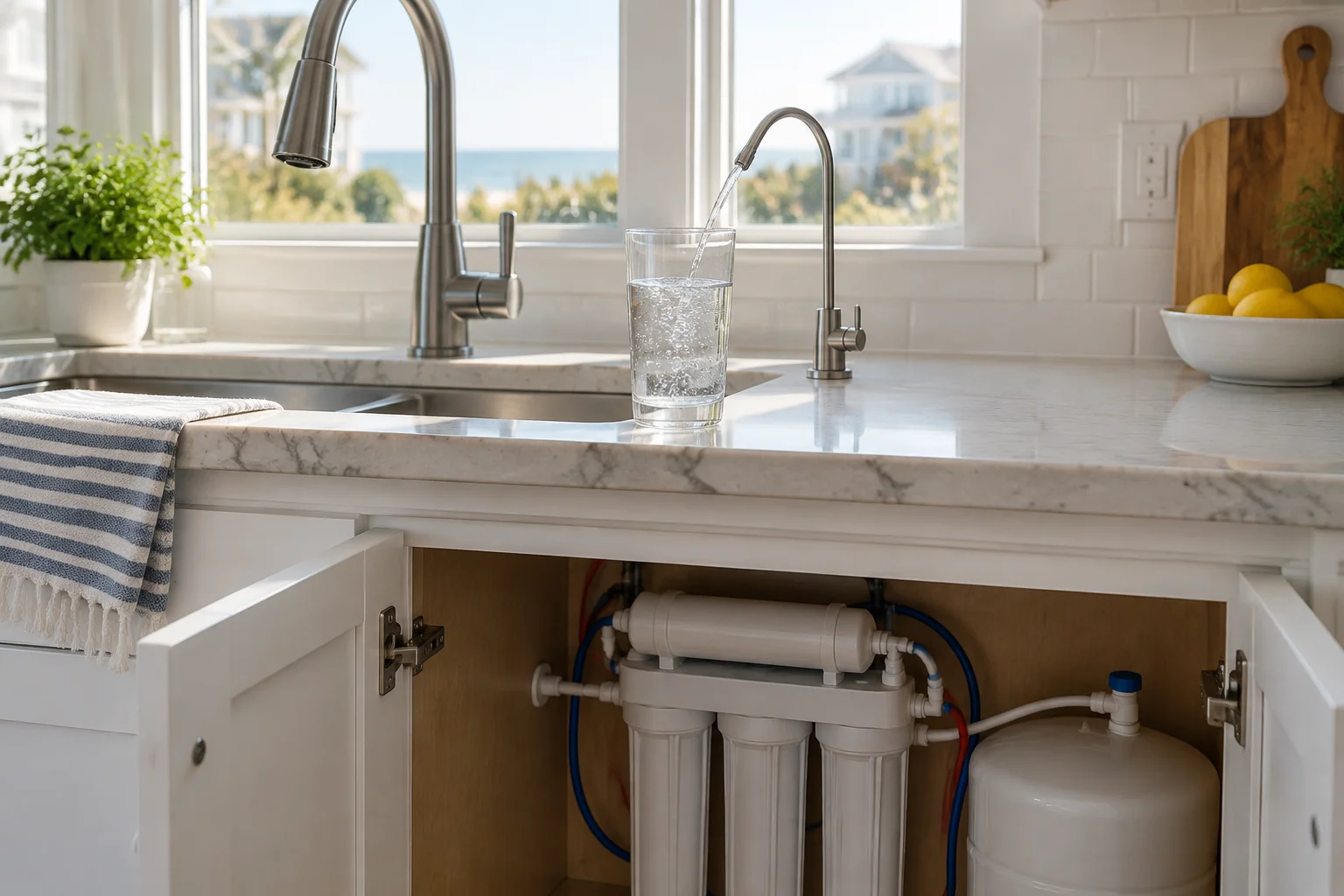
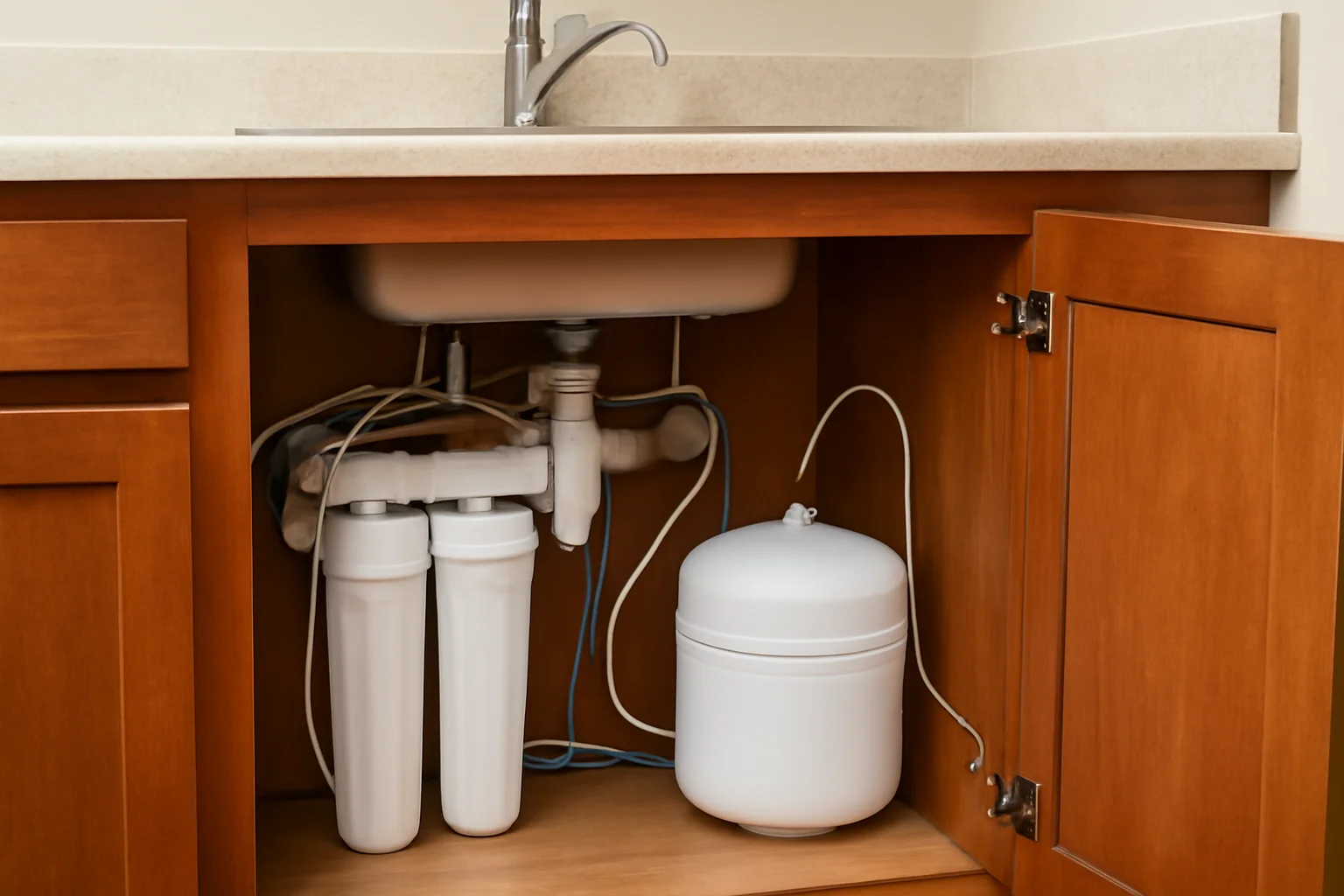
An RO drinking water system sends water through multiple stages to reduce contaminants and improve taste. Most systems include:
- Sediment filtration to catch sand, rust particles, and fine debris
- Carbon filtration to reduce chlorine taste and odor
- RO membrane that separates dissolved contaminants from the water you drink
- Post-filters (often carbon) to polish taste and odor before water reaches your faucet
When any stage becomes overloaded, the system can produce water that looks or tastes “off.” Even if the RO still runs, the membrane and filters may be working harder than intended, which can lead to faster wear. That is where protecting fixtures and appliances becomes more than a water taste issue. It becomes a whole home performance issue.
Local Freeport conditions that can stress reverse osmosis systems
Freeport sits in Walton County, where many homes experience water quality issues tied to source water, treatment variability, and the way water moves through pipes. Even when your municipal water is treated, it can still carry minerals and occasional particles that matter to RO systems. The climate also plays a role. Humid conditions, seasonal changes, and varying household water use patterns can contribute to scale formation and filter loading.
Two common outcomes for RO systems in the area are:
- Scale buildup around fixtures such as faucets, showerheads, and exposed plumbing lines
- Visible sediment, discoloration, and odor concerns that show up in drinking water, ice, and cooking water
Homeowners often notice these issues alongside classic hard water symptoms. You may see hard water spots on glass, scale on dishes, and water that leaves plumbing looking chalky. Over time, you may also notice dry skin or dull hair after bathing and soaps that do not lather or rinse well.
Problem #1: Sediment loading that clogs pre-filters
RO systems depend on pre-filtration. If sediment bypasses or overwhelms the first filter stage, it can clog quickly and reduce flow rate. That can cause the system to cycle more often, produce less water, or deliver weaker filtration.
How sediment shows up in daily life
- Cloudy ice cubes or ice that looks milky
- Visible particles in drinking water or in a clear glass
- Faster filter changes than you expected
- Poor tasting coffee and cooking water that does not match what you remember from “fresh” RO water
Why sediment can also affect fixtures and appliances
Even if the RO point-of-use system filters drinking water, sediment and hardness minerals can still move through the rest of your home. That is why hard water spots on glass and scale around faucets and showerheads remain common if your home has not been protected with the right water treatment setup.
When hard water is not addressed, buildup can also cause appliances to wear out faster. You may notice a decline in performance for water heaters, dishwashers, and other water-using appliances, along with higher energy use because scale makes heating less efficient.
Problem #2: Chlorine and odor that strain the carbon stages
Chlorine is a common part of municipal water treatment. RO systems typically use carbon to reduce chlorine taste and odor before water reaches the membrane. When the carbon is exhausted or the system is undersized for your household, chlorine can reach the RO membrane. That can reduce membrane life and make your RO drinking water taste metallic or chlorinated.
Common odor and taste complaints
- Metallic, chlorinated, or unpleasant taste in drinking water
- Odor concerns that are more noticeable at certain times of day
- Water that tastes worse even though the system still makes water
Why chlorine matters for RO performance
Chlorine can degrade RO membranes over time. When that happens, you may see a decline in water quality and a shorter lifespan for the system components. That is why homeowners searching for a reverse osmosis system near me often benefit from a maintenance plan that includes checking carbon capacity, not just changing filters on a calendar.
Problem #3: Hardness minerals that drive scale inside and outside the system
Hard water contains calcium and magnesium. In Freeport, hardness can contribute to both visible scale and invisible performance issues. Scale can form inside plumbing, on showerheads, and on internal RO components when the system is not protected from high mineral content.
Signs of hardness you can see
- Scale buildup around faucets and showerheads
- Hard water spots on glass after drinking and cooking
- Soap does not lather or leaves residue that feels slippery or chalky
- Dull hair or dry skin after bathing
Signs of hardness you can taste
Hardness does not always create a dramatic taste change, but it can contribute to how water tastes in coffee and cooking. Many homeowners notice that when water is treated properly, it becomes easier to make consistent, better-flavored drinks. If your RO water is producing poor tasting coffee water, it can be a filter issue, a carbon issue, or a broader hardness and taste problem.
Problem #4: Filter schedules that do not match your household and usage
Many RO problems come down to maintenance timing. A filter might be rated for a certain volume, but real life varies. Larger households, heavy drinking and cooking use, seasonal changes, and plumbing conditions can all change the loading rate.
When filters run too long, you can get sediment carryover, reduced flow, and weaker taste and odor control. That can also show up as cloudy ice cubes or “off” water that makes family kitchen scenes harder, especially when everyone is grabbing water for cooking, coffee, and hydration.
A quick checklist for RO maintenance
- Track when filters were last replaced and how the system has been performing
- Watch for changes in taste, odor, and ice clarity
- Check for leaks or unusual noises under the sink
- Make sure the system is tested and adjusted as needed
Problem #5: Installation and system sizing issues
Even a high-quality RO system can underperform if it is not installed correctly. Common installation and sizing problems include:
- Inadequate pre-filtration for your incoming water conditions
- Incorrect flow rate or pressure that stresses the membrane
- Improper tank or line connection that affects storage and delivery
- Missing or bypassed stages that reduce contaminant reduction
This is one reason homeowners often search for drinking water filter near me or reverse osmosis system near me after they notice issues like metallic taste, poor coffee water, or scale buildup around fixtures. A professional RO assessment can confirm whether the system is configured to match local water conditions in Freeport.
How to reduce sediment, odor, and chlorine concerns in Freeport homes
There is no single fix that works for every household. The goal is to reduce the load on your RO system and protect the rest of the home from scale and mineral buildup. Here are the most effective approaches homeowners use in Walton County.
1) Upgrade sediment protection before RO
If sediment is reaching the RO system, focus on pre-filtration. A properly sized sediment filter stage can reduce visible particles and help prevent rapid clogging. This also supports clearer drinking water and helps keep RO performance stable.
If you are dealing with cloudy ice cubes or visible discoloration, sediment control is often the first lever to pull.
2) Strengthen chlorine and odor control with carbon stages
Carbon filtration is your first line of defense for chlorine taste and odor. If your RO water tastes metallic or chlorinated, the carbon stage may be exhausted or not sized correctly. Professional service can confirm the system configuration and recommend appropriate replacement intervals.
Many homeowners notice the difference when they have consistent better water for drinking and cooking, especially for families who rely on filtered water for hydration, coffee, and meal prep.
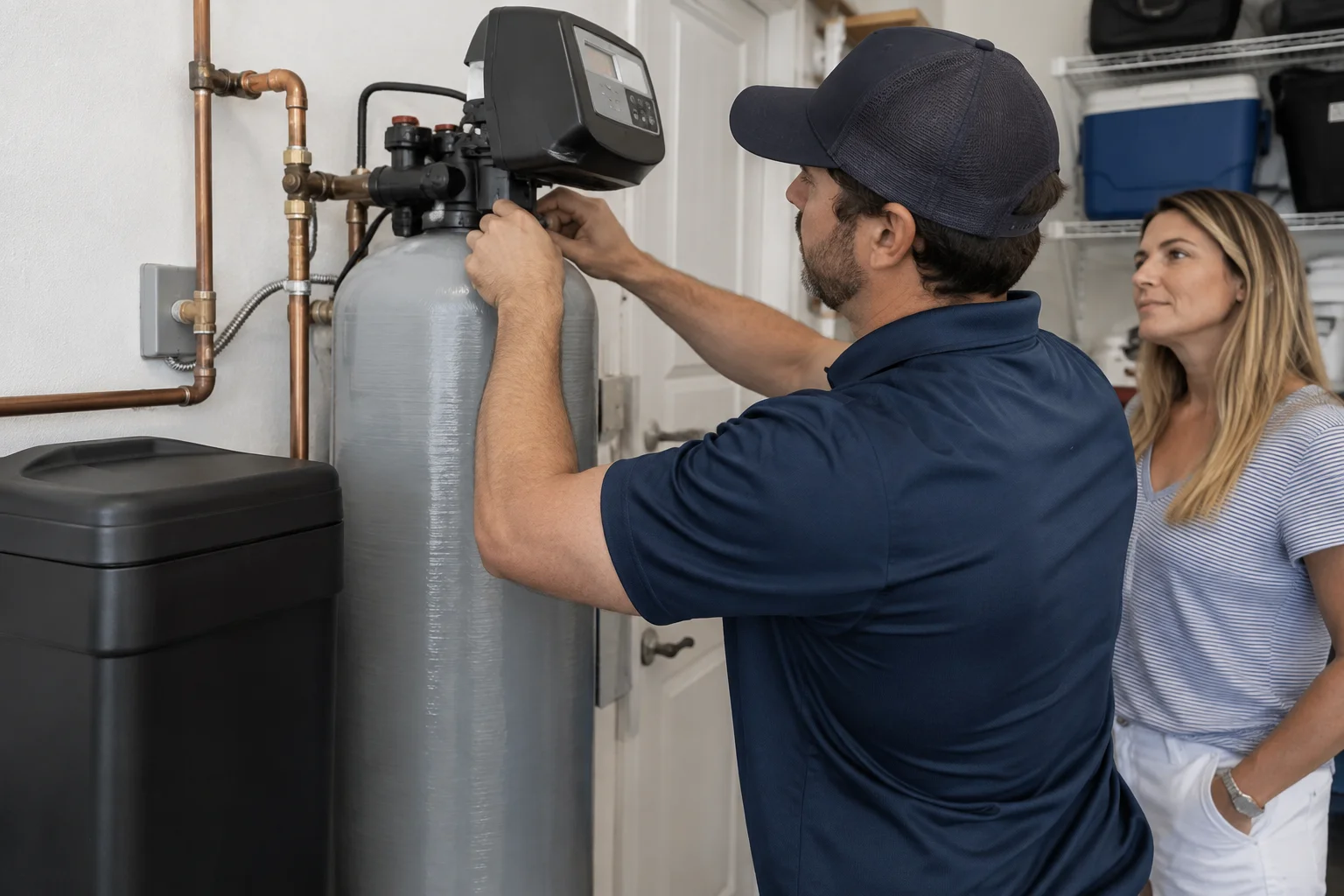
3) Consider water softening to protect fixtures and appliances
RO systems primarily improve drinking water. To protect fixtures and appliances across your home, many Freeport homeowners add water softening or a broader filtration strategy. Softening reduces scale buildup around faucets, showerheads, and plumbing lines, which helps with:
- Less visible chalky residue
- Improved soap performance (soap that lathers and rinses better)
- Health and comfort benefits like less dry skin from hard water
- Longer appliance life due to reduced scale buildup
When hard water treatment becomes part of protecting fixtures and appliances, you often see improvements in laundry, bathing, and kitchen cleanup. Dishes may look cleaner with fewer spots. Glasses may stay clearer longer.
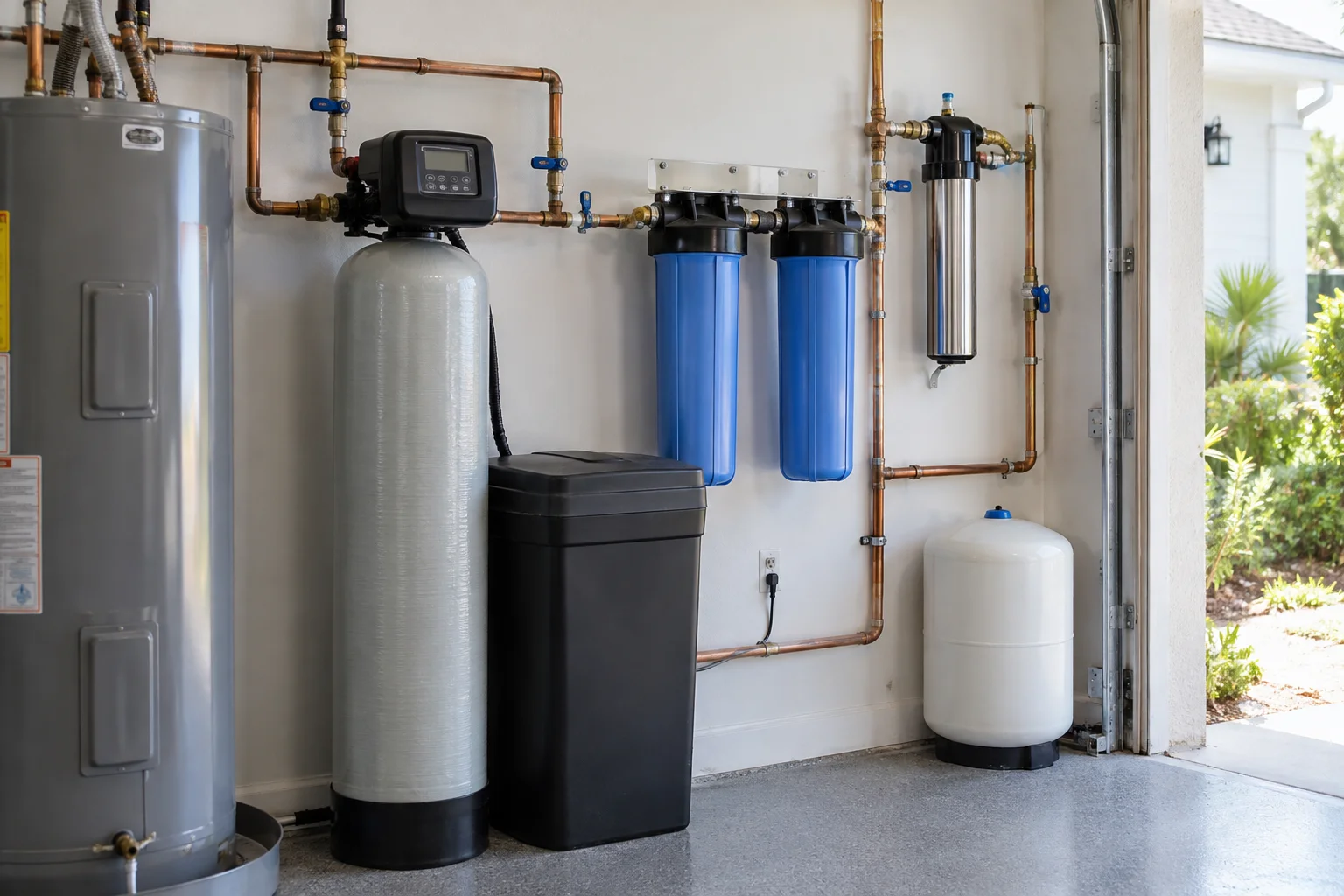
4) Use whole home water filtration when sediment and taste issues show up beyond the sink
If you are noticing odor, discoloration, or sediment concerns in more than just the RO tap, whole home water filtration near me can be the missing piece. Whole home filtration helps protect your plumbing and reduces the load on point-of-use systems.
In practical terms, it means better water for bathing, washing, and laundry, not just drinking. It also supports a cleaner baseline that can make your RO drinking water system perform more consistently.
For homeowners searching for clean water systems near me in Freeport, this layered approach often delivers the most visible results.
5) Choose dependable equipment, including AO Smith water filtration options
When it is time to install or replace an RO system, equipment quality matters. AO Smith water filtration systems are commonly used for residential water treatment, and they can be part of a complete plan that includes sediment reduction, carbon filtration, and RO performance. A Superior Mechanical can help you select components that match your household needs and local conditions.
If you are considering an RO drinking water system for everyday use, ask about how pre-filtration and carbon stages are handled and how the system will be maintained.
What better RO water looks like around the house
It is not just about the RO faucet. When reverse osmosis and the right supporting water treatment are working together, the benefits spread through daily routines.
Kitchen: clearer ice and better coffee
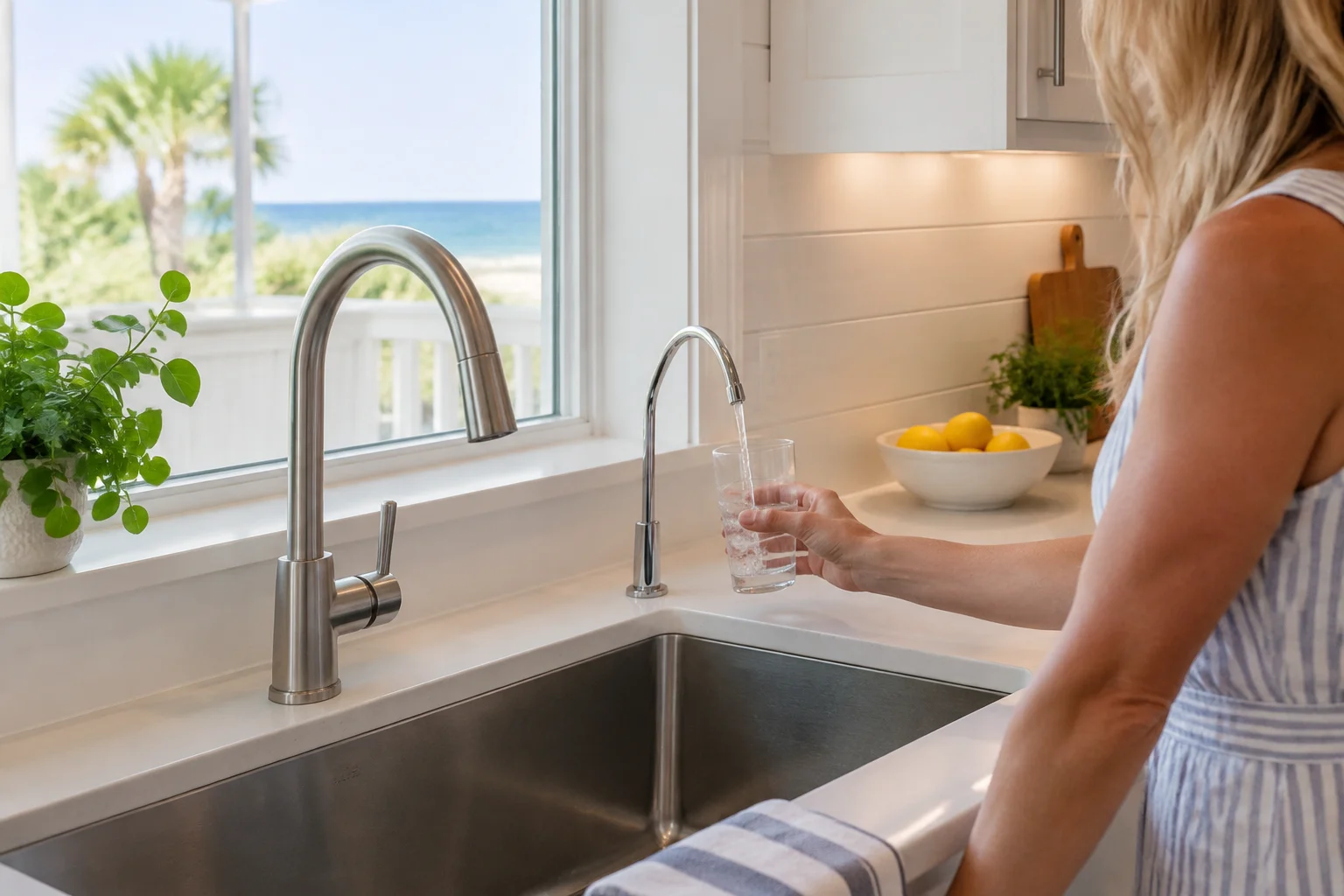
Think about the first pour in the morning. If your ice cubes are cloudy, it is hard to ignore. When RO water is properly maintained and protected from chlorine and sediment, ice typically becomes clearer, and the water tastes more neutral.
Filtered water for coffee and cooking can also taste more consistent. Many homeowners notice that flavors come through better when the water is not carrying metallic or chlorinated notes.
Bath: less dry skin from hard water
Dry skin from hard water is a common complaint in the region. When scale and mineral residue are reduced, bathing can feel different. You may notice less tightness after showering and hair that feels less dull.
That is especially meaningful for families, where everyone is sharing the same water system for daily routines.
Laundry and cleaning: soap that works
When hardness is addressed, soap does not have to fight mineral residue. Clothes can feel cleaner, and laundry can rinse more completely. You may also see fewer streaks and less buildup on fixtures.
In the kitchen, better water for drinking and cooking also means cleanup can be easier because you are starting with cleaner rinse water.
Appliances: fewer scale-related slowdowns
Scale buildup around faucets and showerheads is visible, but scale inside appliances is less obvious until performance declines. Protecting your plumbing and reducing hardness can help appliances wear out slower and keep heating efficiency closer to normal.
How to tell if your RO system needs professional service
Homeowners can often catch the early warning signs before the problem gets expensive. Watch for these red flags:
- Cloudy ice cubes or sudden changes in clarity
- Metallic, chlorinated, or unpleasant taste
- Odor concerns that return sooner than expected
- Visible sediment or discoloration at the RO tap
- Reduced flow rate from the RO faucet
- More scale buildup around fixtures than usual
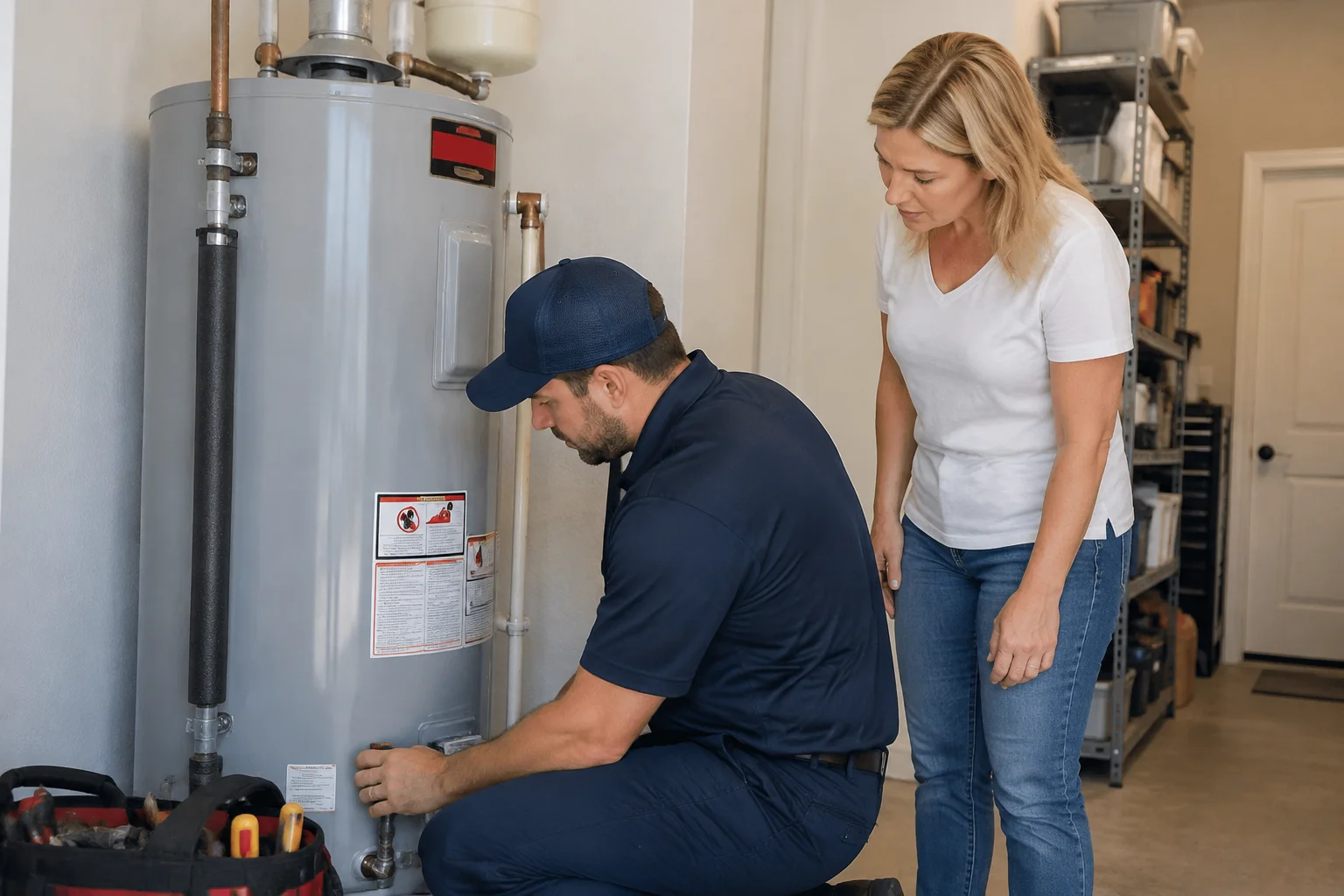
If you are seeing these symptoms, it is time to schedule RO service. For many Freeport homeowners, the most effective next step is a professional evaluation through A Superior Mechanical reverse osmosis systems in Freeport, where technicians can assess filtration stages, check performance, and recommend a maintenance plan that fits your household.
Maintenance habits that help between service visits
Maintenance is not only about filter changes. A few habits can help keep your system stable and reduce surprises.
Use the RO water consistently
Systems that sit unused for long periods can experience changes in stored water quality. If your home uses RO mainly for occasional drinks, consider how the system is used and ask about best practices for your setup.
Keep the area under the sink dry and accessible
RO systems include tubing and connections that should remain secure. Check for dampness under the cabinet and make sure the area stays reachable for inspections.
Do not ignore the rest of the home water
If you are fighting hard water spots on glass, scale around faucets, or dry skin from hard water, point-of-use RO alone may not solve everything. Many homeowners pair RO with water softening and whole home water filtration. This is especially helpful when your home needs home water purification near me solutions that address both drinking water and the rest of the plumbing.
If you want to explore a broader plan, review options on the main water filtration landing page.
Where whole home protection fits in Freeport’s water picture
When homeowners search for water filtration near me, they often mean one of two things: better drinking water, or less scale and residue throughout the home. In Freeport, those goals overlap because hard water and treatment byproducts can show up across multiple rooms.
That is why layered clean water systems near me recommendations frequently include both:
- RO for drinking water and cooking water
- Whole home water filtration and/or water softening to protect fixtures, appliances, and skin and hair
To learn more about local service context, you can also browse A Superior Mechanical service in Freeport and see how the company approaches water treatment across the area. If you want to understand the broader Walton County landscape, the Walton County service area page is another useful reference.
Related reading for Freeport homeowners
If you are thinking about your overall water system, these guides can help you connect the dots between RO performance, plumbing protection, and daily habits:
- What Freeport Homeowners Often Miss During Plumbing Service Visits
- Smart Plumbing Habits for Reverse Osmosis Systems in 30A Homes
- Cleaner Drinking Water and Healthier Plumbing: A Rosemary Beach Homeowner’s Guide to Reverse Osmosis Systems
- Why Professional Pipe Replacement Matters for Freeport Homes
Even if your focus is reverse osmosis, these topics matter because sediment, scale, and water quality issues often connect back to the condition of the plumbing system and the way water moves through your home.
Putting it all together: protect RO, protect your home
In Freeport, RO systems can run into problems when sediment clogs pre-filters, chlorine and odor overwhelm carbon stages, or hardness creates scale that affects performance and fixtures. You can reduce these issues with proper maintenance, correctly sized filtration stages, and support like water softening and whole home water filtration.
When the right clean water systems are in place, the benefits show up where you live. Drinking water tastes better. Ice looks clearer. Coffee and cooking water become more reliable. Bathing feels better. Laundry rinses cleaner. And fixtures and appliances stay protected from the buildup that hard water leaves behind.
If you are troubleshooting RO concerns in Freeport, start with an assessment through reverse osmosis system service in Freeport so your system is matched to your home’s water conditions and your household’s day-to-day use.
Find Reverse Osmosis Systems in Freeport, FL
If you need Reverse Osmosis Systems in Freeport, FL, visit our local service page or contact A Superior Mechanical today.
For a broader look at whole-home water filtration, reverse osmosis, and water softener options, visit our water filtration, RO, and water softener page.
Map of Freeport, FL
Frequently Asked Questions
Why does my RO water taste metallic or chlorinated in Freeport?
Metallic or chlorinated taste often points to carbon stages that are exhausted or not sized correctly for your household. If chlorine reaches the RO membrane, performance can also decline. A professional RO check can confirm which stage needs replacement or adjustment.
What causes cloudy ice cubes from an RO system?
Cloudy ice cubes can be caused by sediment carryover, exhausted filters, or poor system performance that allows particles into the stored water. The fix is usually tied to replacing the correct pre-filters and verifying the system is operating within normal flow and pressure.
Will reverse osmosis stop hard water spots on glass and scale on faucets?
RO improves the drinking water line, but hard water spots and scale across the home are usually driven by hardness in the rest of your plumbing. Many homeowners pair RO with water softening or whole home water filtration to reduce scale buildup around faucets, showerheads, and pipes.
How often should an RO system filter be replaced in Walton County homes?
Replacement timing depends on incoming water conditions, household usage, and how quickly sediment and chlorine load the filters. Instead of relying only on a calendar, a maintenance plan that includes performance checks is the best way to keep RO drinking water system quality consistent.
Do I need whole home water filtration if I already have RO drinking water?
If you are seeing odor, discoloration, or heavy scale throughout the home, whole home water filtration near me solutions can reduce the overall water load. This helps protect fixtures and appliances and can also make RO taste and clarity more consistent.
Related Articles
Photo Gallery