If you live near Upper Grand Lagoon, you already know the water in Bay County can feel different from what you might expect. Reverse osmosis systems are designed to produce cleaner drinking water, but their performance depends on the water they treat. Local conditions can affect everything from taste and clarity to how quickly filters clog and how much scale forms on plumbing fixtures.
This guide explains how Upper Grand Lagoon water chemistry and day to day household water use influence reverse osmosis systems, what homeowners often notice, and how professional water treatment service helps you protect your system and your family’s water.
Reverse osmosis is powerful, but it is not one size fits all
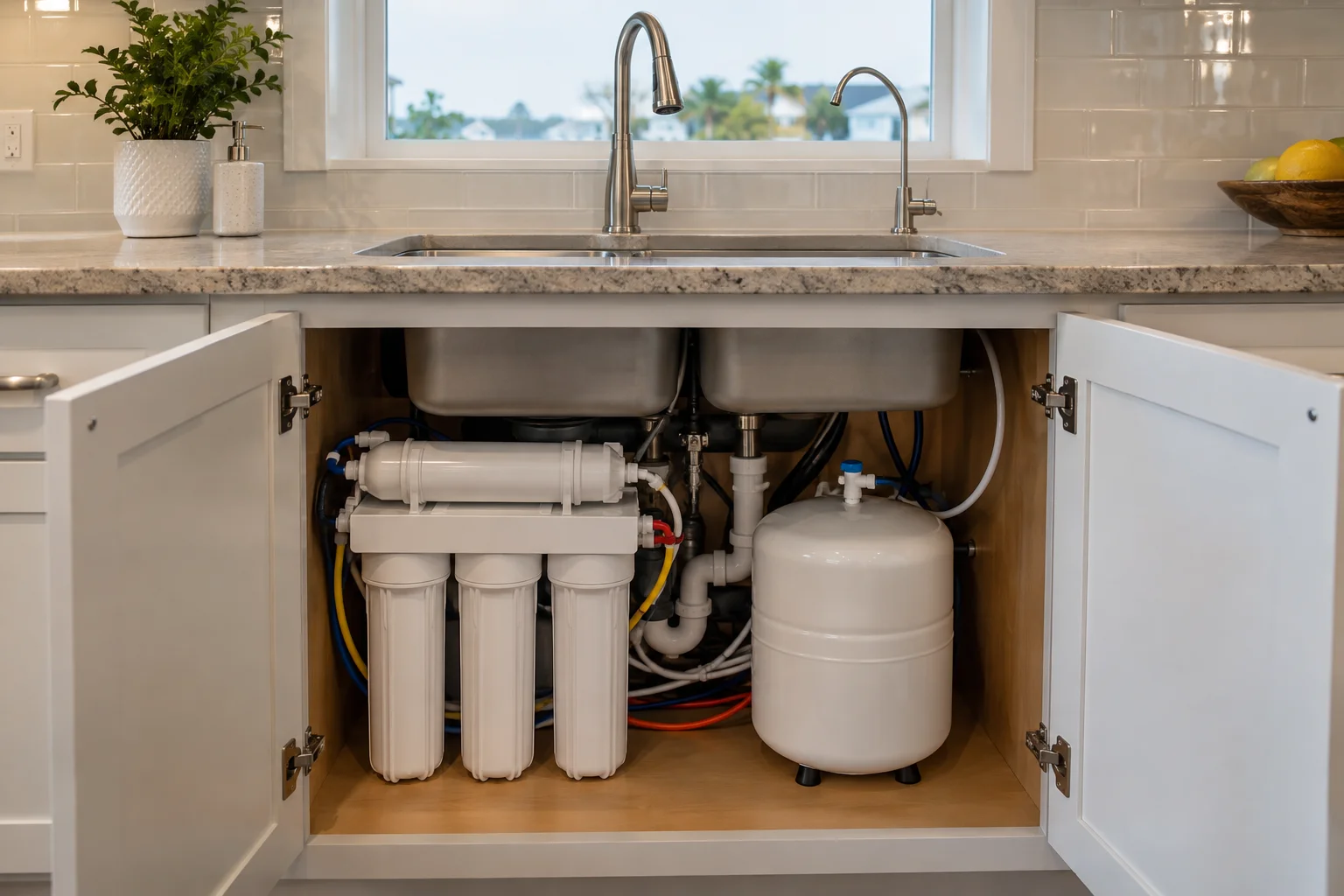
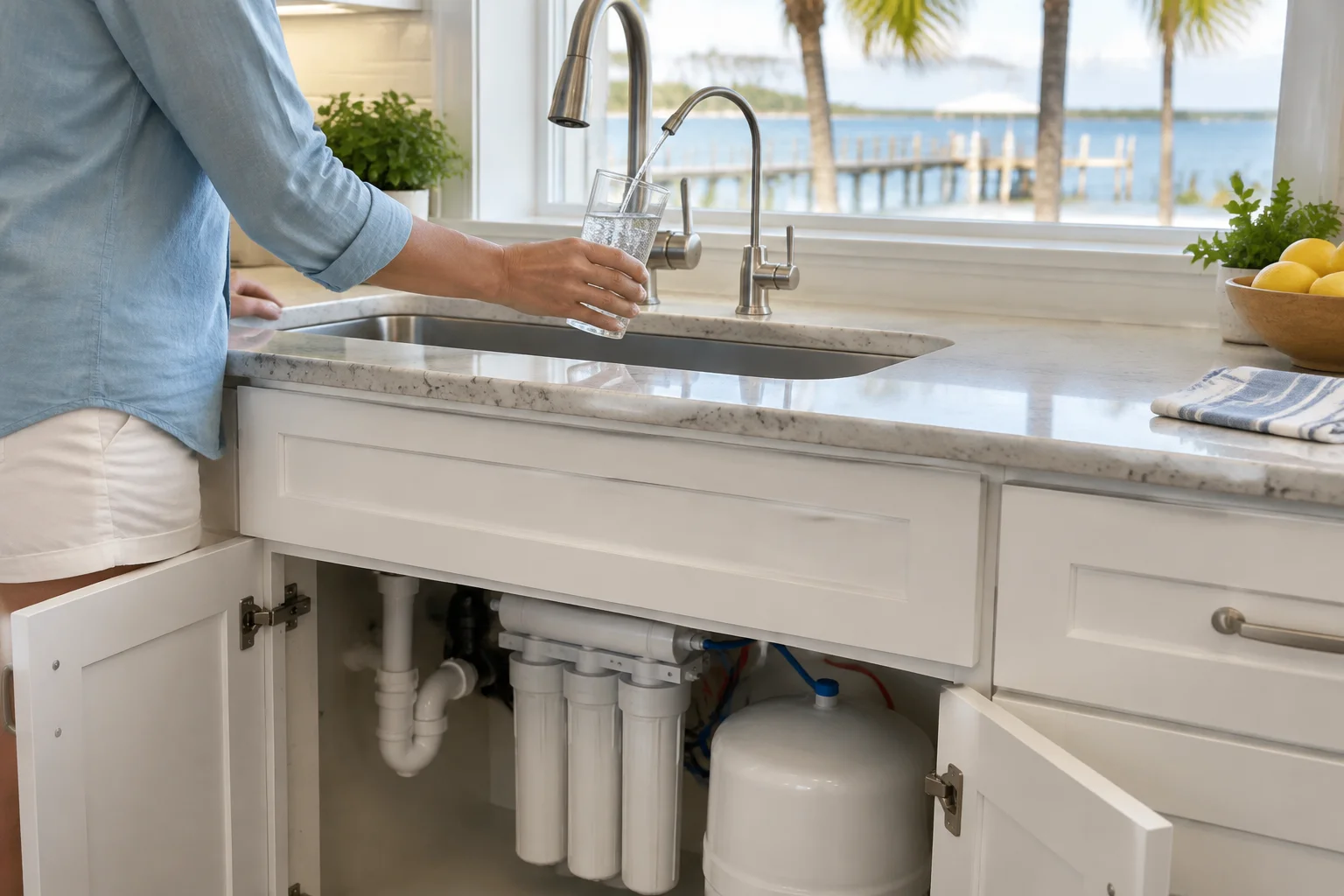
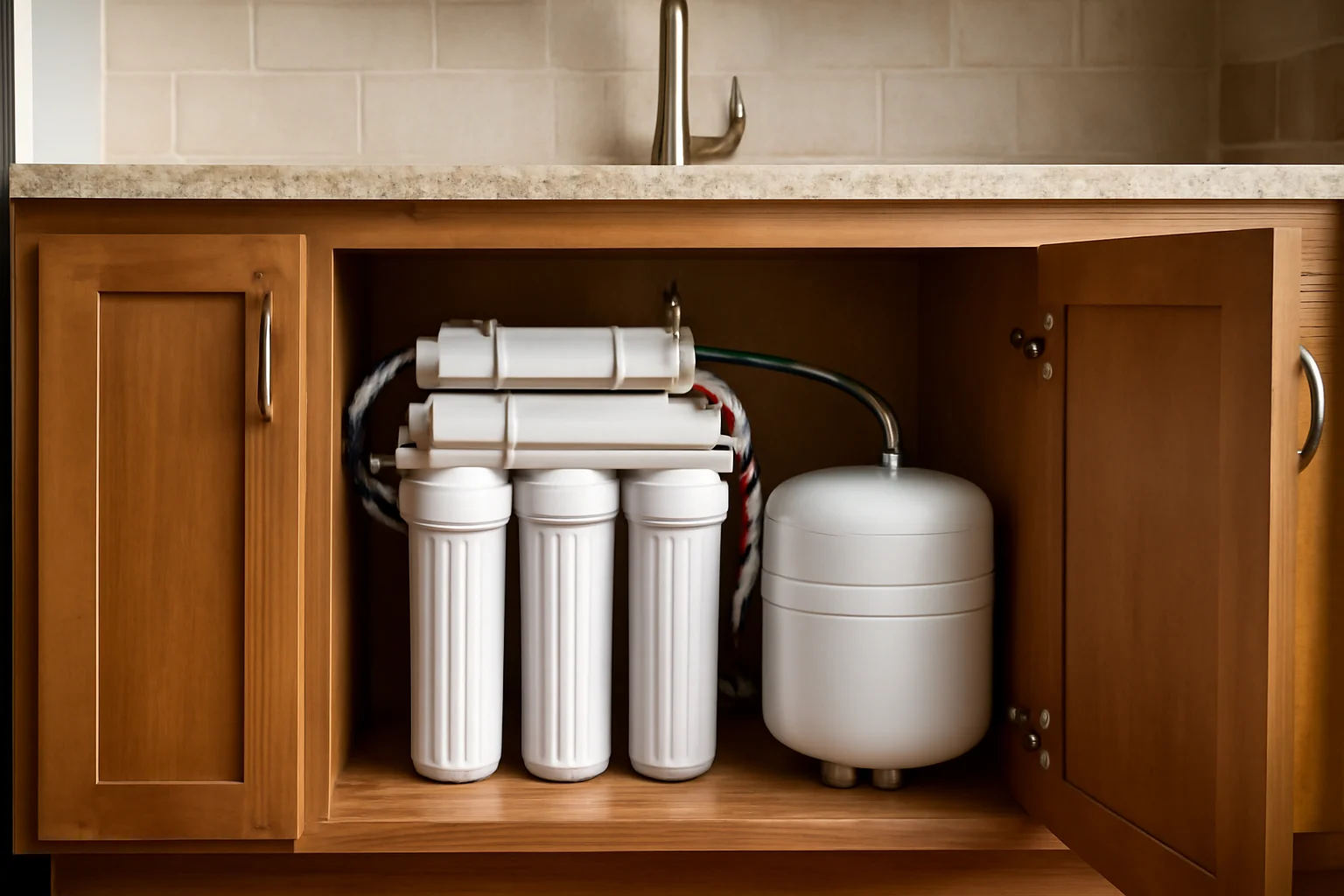
Reverse osmosis (RO) uses pressure to push water through a semi-permeable membrane. Many contaminants are reduced as water passes through the system, and the result is often better drinking water for glassware, coffee, cooking water, and direct consumption.
However, RO systems are sensitive to what is already in your incoming water. In Upper Grand Lagoon homes, common issues homeowners report include hard water spots on glass, scale buildup around faucets and showerheads, and visible sediment or discoloration at times. Those conditions can change how quickly the RO membrane and pre-filters load up, and they can influence how often you need maintenance.
When you are considering reverse osmosis systems in Upper Grand Lagoon, the goal is not just installation. It is matching the equipment and maintenance plan to local water conditions so the system stays efficient and produces consistently clean water.
Hard water and scale buildup can strain RO systems
One of the most noticeable effects of local water chemistry is hard water. Hard water is typically linked to minerals such as calcium and magnesium. Even if your RO system removes many contaminants, those minerals can still contribute to scale buildup.
Homeowners often see the results around everyday fixtures and appliances:
- Hard water spots on glass, especially after the dishwasher or when filling drinking glasses
- Scale buildup on faucets, showerheads, and plumbing lines
- Dry skin or dull hair after bathing, because mineral-rich water can make it harder to rinse away soap
- Soap that does not lather or rinse well, leading to more soap use and residue
- Appliances wearing out faster, since mineral deposits can reduce efficiency
Hard water can also affect the RO membrane indirectly. If minerals contribute to scaling, the system may need more frequent filter changes, and the membrane can foul faster. That can reduce production rate and, over time, impact how clean your drinking water tastes.
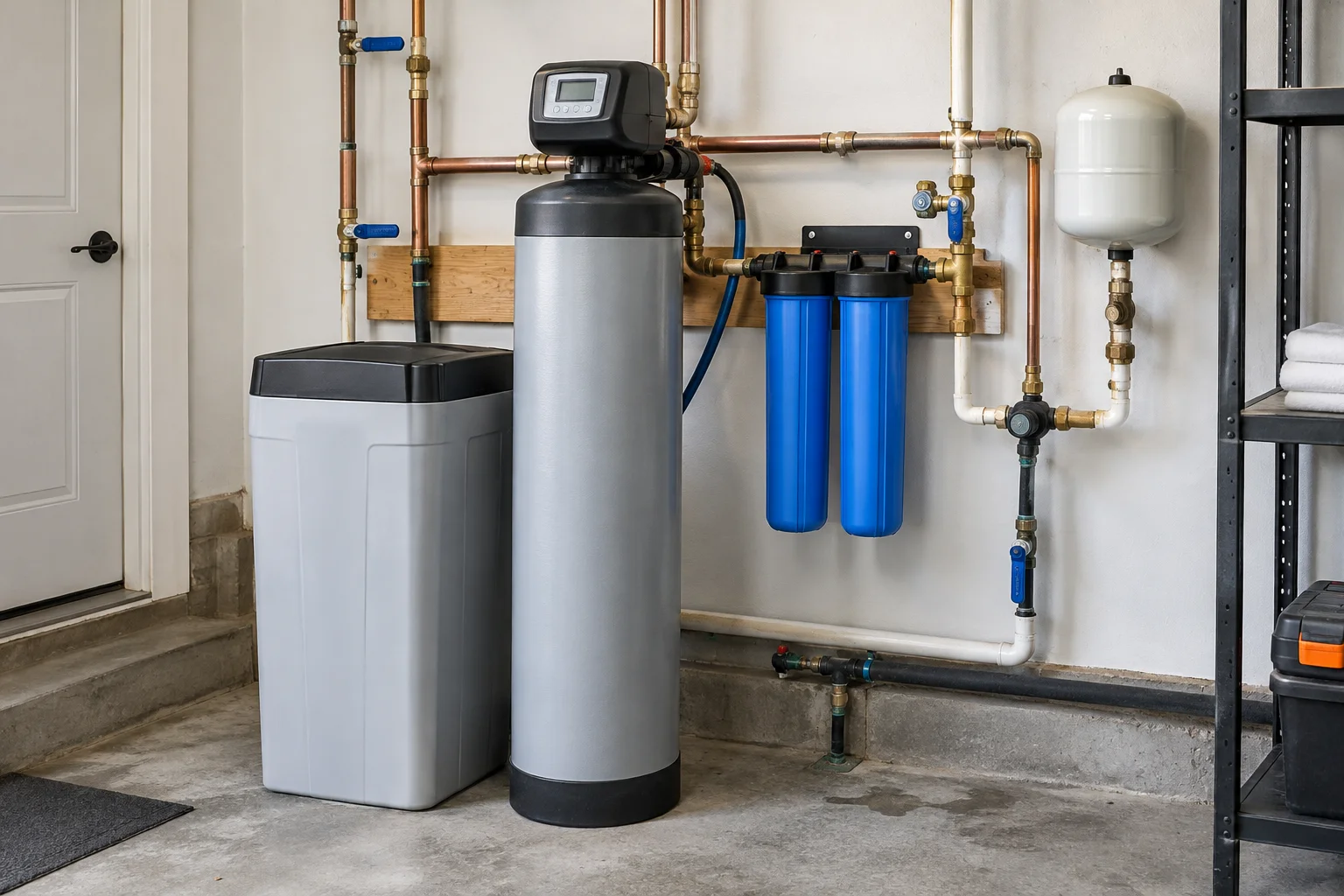
Many homeowners in the area benefit from combining reverse osmosis with the right pre-treatment, such as water softening or other filtration steps. That approach is a big part of why whole home water filtration and targeted water softener service matter alongside RO.
Odor, metallic taste, and chlorinated water concerns
Another reason local water treatment is important is taste and odor. Some households notice metallic tasting water, a chlorinated or unpleasant taste, or concerns with visible discoloration. Even when an RO system improves taste, the incoming water can still influence how the system performs.
If your water has an odor or a metallic note, it can also mean there are compounds present that can challenge filtration. Over time, those compounds can shorten the lifespan of certain RO components, especially pre-filters.
Common signs that your system may need attention include:
- Cloudy ice cubes, even when you are using RO water for ice trays
- Poor tasting coffee and cooking water, with a noticeable difference from what you expect from filtered water
- Water that looks slightly different than it used to, including lingering discoloration
RO can help with many contaminants, but the best results often come from matching the system to your water quality. A technician can identify whether the issue is mainly taste and odor, mineral scale, or sediment, then recommend the right configuration and maintenance schedule.
Why Upper Grand Lagoon weather and water habits matter
Upper Grand Lagoon is part of Bay County, and homes in the area experience seasonal changes that can affect water use patterns. When families travel, run more laundry, or increase cooking and bathing during certain months, the demand on your water treatment can rise. Higher demand can also reveal problems sooner, such as reduced RO flow or faster filter loading.
Humidity and temperature swings can also influence how water is stored and used. For example, cloudy ice cubes can be linked to fine particles, dissolved gases, or changes in water quality that become more noticeable when water freezes. If you see cloudy ice cubes consistently, it is worth checking your RO system and overall filtration.
In many Upper Grand Lagoon kitchens, you will see how quickly water quality shows up in daily life:
- Drinking water for the family, where taste matters more than anything
- Filtered water for coffee and cooking, where mineral content can affect flavor
- Quick rinses for fruits, vegetables, and baby bottles, where odor and sediment concerns are more noticeable
When the system is performing well, filtered water for everyday use feels effortless. When it is not, the difference shows up fast.
RO performance signals homeowners notice first
Water treatment problems are often easier to spot than you think. Here are the most common signs that local water conditions may be stressing your reverse osmosis system or that maintenance is overdue.
1) Taste changes and “metallic” or “chlorinated” notes
If your drinking water starts tasting metallic tasting water, chlorinated, or unpleasant, the RO system may need new cartridges or a membrane check. Taste changes can also happen when pre-filters are overloaded and no longer protect the membrane effectively.
2) Cloudy ice cubes
Cloudy ice cubes can be a sign of dissolved solids, fine sediment, or other particles that are not being removed as well as before. If you are using RO water for ice, consistent cloudiness is a signal to test water and inspect the system.
3) Scale buildup around faucets and showerheads
Scale buildup on faucets and showerheads is a classic hard water sign. Even with RO at a kitchen tap, your shower and fixture water may still be hard. If you are seeing scale around plumbing fixtures, it is a strong indicator that hard water treatment for the rest of the home may be needed to protect skin, hair, and plumbing.
4) Soap that does not lather or rinse well
Soap that does not lather or rinse well often points to mineral buildup. This can lead to residue on skin and hair, contributing to dry skin or dull hair after bathing.
5) Appliances wearing out faster
When minerals are present, water heaters, dishwashers, and other appliances can accumulate deposits. That can reduce efficiency and increase maintenance or replacement costs.
How to protect your RO system: pre-treatment, filters, and maintenance
The biggest factor in RO lifespan is protecting the membrane from what it cannot easily handle. In Upper Grand Lagoon homes, the right solution depends on whether the primary issue is hardness, sediment, odor, or a combination.
A Superior Mechanical focuses on practical water treatment steps that help reverse osmosis work the way it is supposed to. That often includes:
- Water quality testing to understand what is in your incoming water
- Proper pre-filtration to reduce sediment and protect the membrane
- Water softening or other hard water treatment strategies when scale is a recurring problem
- Regular filter and membrane replacement schedules based on real usage and water conditions
For homeowners thinking about water filtration and reverse osmosis or water softeners, the key is building a system that fits your household. A whole house water filter can reduce sediment and improve overall cleanliness, while RO targets drinking water specifically.
Many customers also ask about AO Smith water filtration and RO equipment. AO Smith systems are designed for reliable performance, and pairing them with the correct water treatment approach can help you get cleaner, better-tasting water in the kitchen without overworking the RO membrane.
Whole home water filtration vs. under sink RO: how they work together
It is common for homeowners to install an RO drinking water system and still notice hard water problems elsewhere. That is because RO typically treats only a specific tap or line, while the rest of the home continues to receive untreated water.
Whole home water filtration and water softening service can address the broader issues that show up throughout the house:
- Less scale buildup around faucets, showerheads, and plumbing
- Better soap performance, meaning soap lathers and rinses more cleanly
- Improved bathing feel, including less dry skin and dull hair after bathing
- Help protecting appliances from mineral deposits
When you combine whole home water filtration with reverse osmosis for drinking, you can cover both sides of the problem. The result is cleaner water for daily use and more consistent drinking water quality for coffee, cooking, and hydration.
If you want to explore options, you can learn more through our Upper Grand Lagoon service area and then discuss the best setup for your home’s water.
Everyday kitchen examples: what better water changes
Upper Grand Lagoon families often notice water quality in the places they use it most. A few common scenarios:
Coffee and iced drinks
When water tastes metallic or chlorinated, coffee can taste off even if the beans are great. Better filtered water for coffee and cooking often produces a cleaner flavor and a more predictable result, whether you brew hot coffee or make cold brew.
Cooking water and meal prep
Poor tasting cooking water can be subtle but noticeable, especially with rice, pasta, soups, and sauces. When your RO system is working properly, filtered water for cooking helps meals taste fresher and reduces concerns about sediment or odor.
Drinking water for the family
Many households want drinking water filter near me convenience because they use it daily. A well maintained RO system supports consistent better water for drinking and cooking, which is especially helpful for kids, guests, and anyone sensitive to taste changes.
Ice trays and water clarity
Cloudy ice cubes are a frequent complaint. It can be frustrating when you serve drinks and the ice looks different than you remember. A maintenance check can often restore clarity by addressing filter or membrane performance.
Prevention and maintenance habits that help between service visits
Even with the right system, homeowners can help keep RO performance steady. Small habits reduce strain and help catch issues early.
- Follow the replacement schedule recommended by your water treatment professional, not just by time on a calendar.
- Pay attention to taste and clarity changes, including metallic tasting water or cloudy ice cubes.
- Check for unusual flow reduction from the RO faucet. Slower output can indicate clogged pre-filters or membrane stress.
- Keep the under sink area dry and accessible. Leaks can damage components and create bigger problems.
- If you see scale buildup on faucets or showerheads, treat the root hard water issue, not just the kitchen tap.
If you are also dealing with visible sediment, discoloration, and odor concerns, it is a good idea to test water and review your entire filtration approach. That is where professional water treatment service near me becomes valuable, because guessing can lead to unnecessary filter changes or incomplete solutions.
When to call A Superior Mechanical for reverse osmosis service
Homeowners near Upper Grand Lagoon should contact a professional when RO performance shifts or water quality concerns show up across the kitchen and bath. It is especially important if you are seeing:
- Metallic tasting water, chlorinated, or unpleasant taste that persists
- Cloudy ice cubes that do not resolve
- Reduced RO flow rate or inconsistent production
- Visible sediment, discoloration, or odor concerns
- Ongoing scale buildup around faucets, showerheads, and plumbing fixtures
- Dry skin or dull hair after bathing that suggests mineral issues beyond the RO tap
A Superior Mechanical provides reverse osmosis installation and service for Upper Grand Lagoon homes and helps connect drinking water filtration with whole home water solutions when needed. If you want to discuss reverse osmosis installation near me, you can start with the dedicated service page for your area: reverse osmosis systems in Upper Grand Lagoon.
For broader water treatment questions, the team can also guide you through water filtration and RO water softeners. And if you need help understanding how local Bay County water conditions affect your home, you can explore resources at the Bay County service area.
Helpful related reads for Upper Grand Lagoon homeowners
Want to keep your RO system running smoothly and reduce nuisance issues? These local guides may help:
- Keeping Reverse Osmosis Systems Quiet, Clean, and Drain Friendly in Upper Grand Lagoon
- Smart Plumbing Habits for Reverse Osmosis Systems in 30A Homes
- Choosing the Right Time for Plumbing Fixture Replacement in Upper Grand Lagoon
Find Reverse Osmosis Systems in Upper Grand Lagoon, FL
If you need Reverse Osmosis Systems in Upper Grand Lagoon, FL, visit our local service page or contact A Superior Mechanical today.
For a broader look at whole-home water filtration, reverse osmosis, and water softener options, visit our water filtration, RO, and water softener page.
Map of Upper Grand Lagoon, FL
Frequently Asked Questions
Can hard water still cause problems if I have a reverse osmosis system for my kitchen tap?
Yes. Most RO systems treat only drinking water at the kitchen tap. Hard water can still affect your showers, faucets, and appliances, leading to scale buildup on faucets and showerheads, dry skin or dull hair after bathing, and soap that does not lather or rinse well.
Why do my ice cubes look cloudy when I use RO water?
Cloudy ice cubes can happen when fine particles, dissolved solids, or air and temperature effects are not being controlled as well as before. It is often related to RO filter or membrane performance, so testing and inspection are recommended.
How do local water conditions in Upper Grand Lagoon affect RO filter life?
Incoming water chemistry can change how quickly pre-filters load with sediment and how quickly the membrane can foul or scale. Hard water and mineral scaling are common reasons RO systems need earlier maintenance if pre-treatment is not adequate.
Is AO Smith water filtration a good choice for reverse osmosis in this area?
AO Smith RO systems can be a strong option for homeowners seeking consistent drinking water quality. The best results come from matching the system and pre-treatment to your water quality, then following a maintenance plan based on your actual usage.
What should I do first if my drinking water taste is metallic or chlorinated?
Start with water quality testing and a system inspection. Taste changes often point to filter or membrane performance issues, and local water conditions may require pre-treatment adjustments like water softening or whole home filtration.
Related Articles
- Keeping Reverse Osmosis Systems Quiet, Clean, and Drain Friendly in Upper Grand Lagoon
- Choosing the Right Time for Plumbing Fixture Replacement in Upper Grand Lagoon
- A Smarter Way to Handle Commercial Plumbing Services in Upper Grand Lagoon
- Smart Plumbing Habits for Reverse Osmosis Systems in 30A Homes
Photo Gallery