Seaside, FL homes feel the difference when water is right. Dishes come out cleaner, showers feel softer, and fixtures stay clearer instead of building up that chalky film. When water softening services struggle, the results can be frustrating: hard water spots on glass, scale buildup around faucets and showerheads, and even dry skin or dull hair after bathing. You may also notice metallic, chlorinated, or unpleasant taste, cloudy ice cubes, or laundry that feels less fresh.
This guide breaks down what can cause problems with water softening in Seaside and Walton County, what those issues look like, and how homeowners can reduce sediment, odor, and chlorine concerns. If you are searching for water filtration near me or planning water softener service, you will also see where whole home options like AO Smith water filtration and reverse osmosis can fit in.
What “hard water headaches” usually mean
Hard water is typically linked to dissolved minerals, most often calcium and magnesium. Water softening works by replacing those minerals with sodium or potassium so soap lathers better, scale forms less easily, and appliances last longer. When softening is not working properly, you may see the everyday clues around your house.
Common signs include:
- Hard water spots on glass after the dishwasher or when wiping shower doors.
- Scale buildup around faucets, showerheads, and plumbing connections.
- Soap that does not lather or rinse well, leaving a film on skin or tub surfaces.
- Dry skin from hard water or dull hair after bathing.
- Appliances wearing out faster due to mineral buildup in tanks, lines, and heating elements.
- Visible sediment, discoloration, and odor concerns that show up in sinks, showers, or drinking water.
Some of these symptoms overlap with filtration issues, not just softening. Seaside homes need the right combination of treatment to address both mineral scale and water quality concerns like sediment, taste, and odor.
How sediment can sabotage a water softener
Many homeowners assume a water softener alone handles everything. In reality, sediment and particulate matter can overwhelm or interfere with the system. When water carries sand, silt, or rust particles, the softener’s internal components and resin bed can become less effective.
What sediment problems look like:
- Cloudy ice cubes or a hazy look in drinking water.
- Water that appears discolored at times, especially after water sits or after plumbing work.
- Visible particles in sinks or near plumbing fixtures.
- A noticeable decline in softening performance, followed by more scale buildup around faucets and showerheads.
In coastal areas like Seaside, it is also common for homeowners to deal with shifting water chemistry and occasional fluctuations in source water quality. Even when changes are subtle, sediment can still cause a downstream chain reaction: more buildup, more demand on the softener, and more chances for odor and taste complaints.
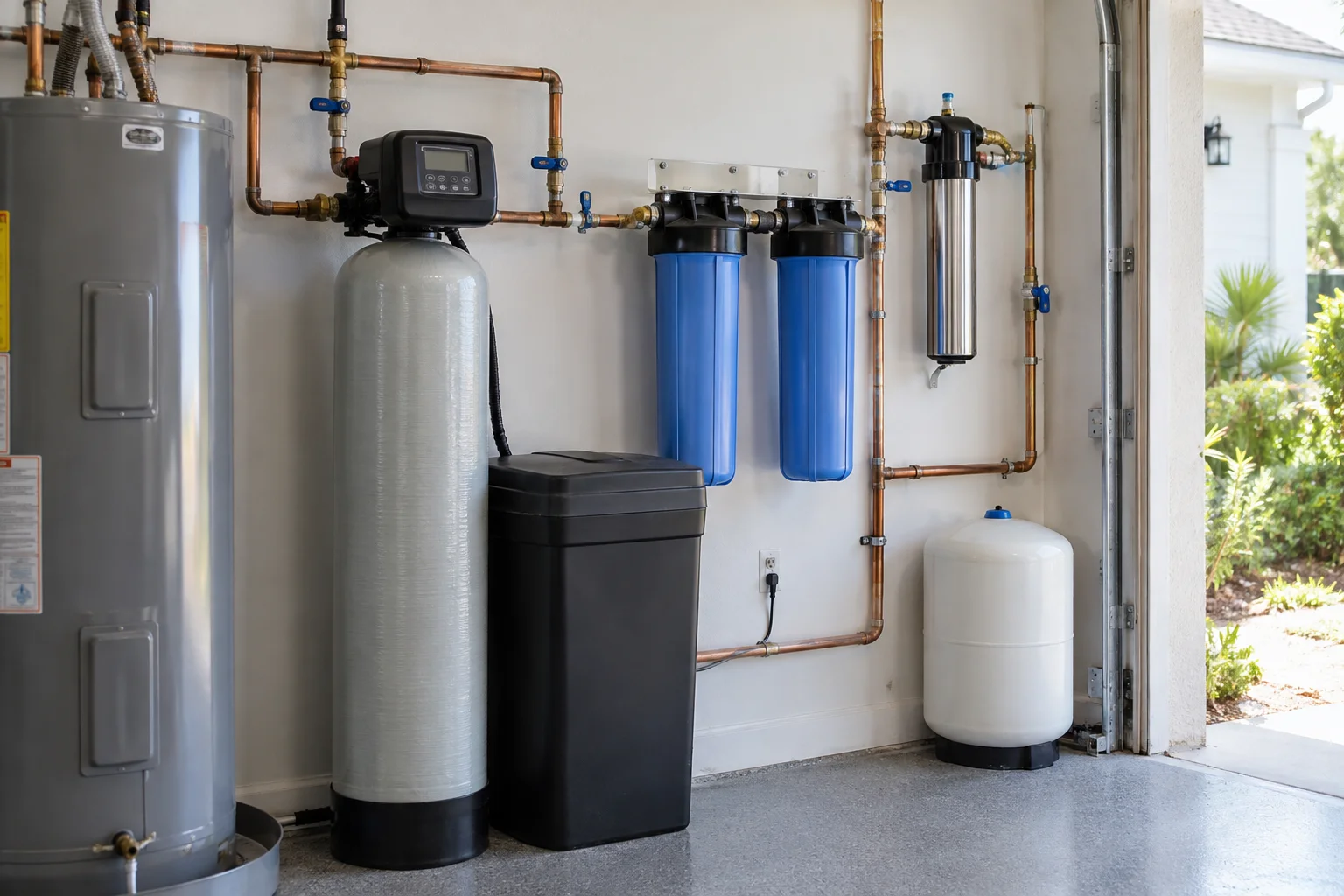
Practical fix: pairing the softener with the right whole home water filtration or pre-filtration step can reduce sediment entering the system. That is one reason many homeowners explore water softening services in Seaside, FL that include evaluation of sediment and system protection.
Odor and “chlorine concerns” that show up after treatment
Chlorine is often used as a disinfectant. Some homeowners notice a stronger chlorine smell or a metallic, chlorinated, or unpleasant taste. A softener is not designed as a primary odor removal device, so odor concerns can persist even when scale is improving.
Odor related causes homeowners often run into:
- High chlorine demand due to organic matter in the water, which can produce taste and odor issues.
- Carbon filtration not included or not functioning properly. Activated carbon systems can help reduce chlorine taste and odor for drinking and kitchen use.
- Stagnation in lines if a home has low water usage in certain areas. The smell can be more noticeable at kitchen taps or after water has been sitting.
- Improper system maintenance, such as missed filter changes or a softener that is not regenerating on schedule.
How it shows up in daily life: you might taste a difference in cooking water, notice poor tasting coffee water, or find that ice cubes look cloudy and smell “off.” In a typical Seaside kitchen scene, that is the moment you realize something is wrong. The coffee maker is clean, the beans are fresh, but the flavor is not right. Then it becomes laundry and bathing, too.
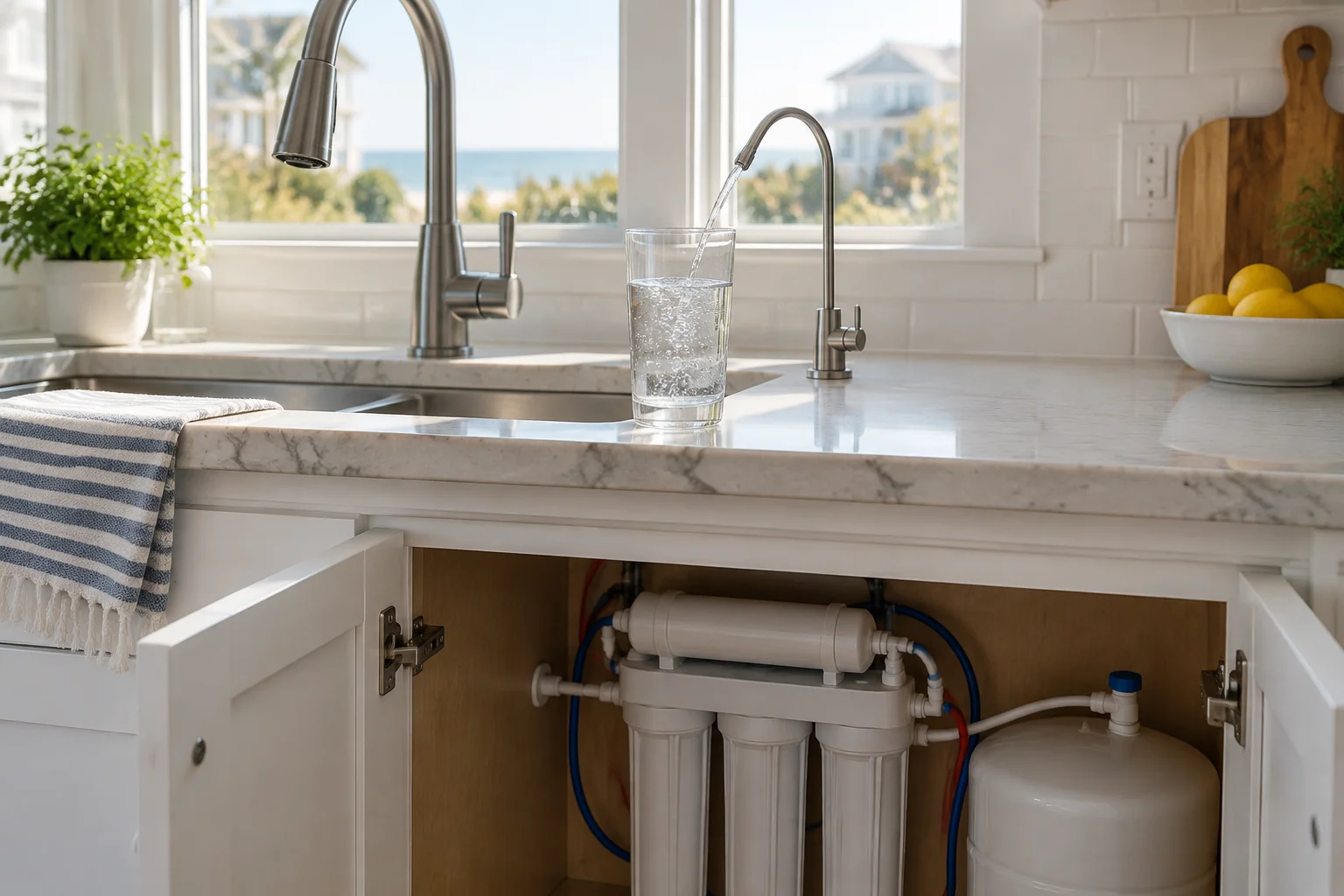
Practical fix: for many families, the best approach combines softening for scale control with filtration for taste and odor. This is where AO Smith water filtration solutions and whole home filtration can matter, and where a dedicated reverse osmosis system can be useful for drinking water and ice.
To explore options for home water purification, visit /water-filtration-ro-water-softeners.
Regeneration problems and salt or potassium issues
A water softener’s job depends on correct regeneration. If the system does not regenerate properly, the resin bed cannot keep up with incoming hard water. That leads to more calcium and magnesium slipping through, which means more scale and less soap performance.
Common regeneration and brine-related causes include:
- Salt bridging, where salt forms a crust and water cannot dissolve it effectively.
- Low salt levels between refills, especially if your household water usage changes seasonally.
- Clogged brine line or injector, which can stop proper flow during regeneration.
- Incorrect settings for hardness level, household size, or regeneration schedule.
- Faulty valves or control timing, leading to incomplete or overly frequent regenerations.
What it looks like when regeneration is off: you may notice scale buildup returning faster, water feels less “slick” in the shower, and soap that used to rinse clean now leaves residue. Sometimes homeowners also notice changes in water taste if the system is not cycling correctly and other filtration steps are affected.
Prevention: keep an eye on salt levels, check for bridging, and schedule regular service so settings match your water conditions. If you are using an AO Smith water softener, follow manufacturer guidance and have the system inspected when performance drifts.
Resin bed wear, channeling, and aging components
Over time, the resin bed can wear out or become uneven. Resin channeling can happen when water flows through paths rather than evenly through the bed. When that happens, softening capacity drops and you see more minerals in the water leaving the system.
Resin bed and component aging can cause:
- Scale buildup around faucets and showerheads restarting sooner than expected.
- Hard water spots on glass returning even though the home has a softener.
- Soap scum that is harder to rinse away.
- Some sediment-related symptoms if filters are also aging or not keeping up.
In Seaside, many homeowners also rely on their water treatment year-round. That means systems can be pushed by consistent daily use plus seasonal humidity and lifestyle changes. A well-maintained system should still perform, but when parts age, water quality can drift.
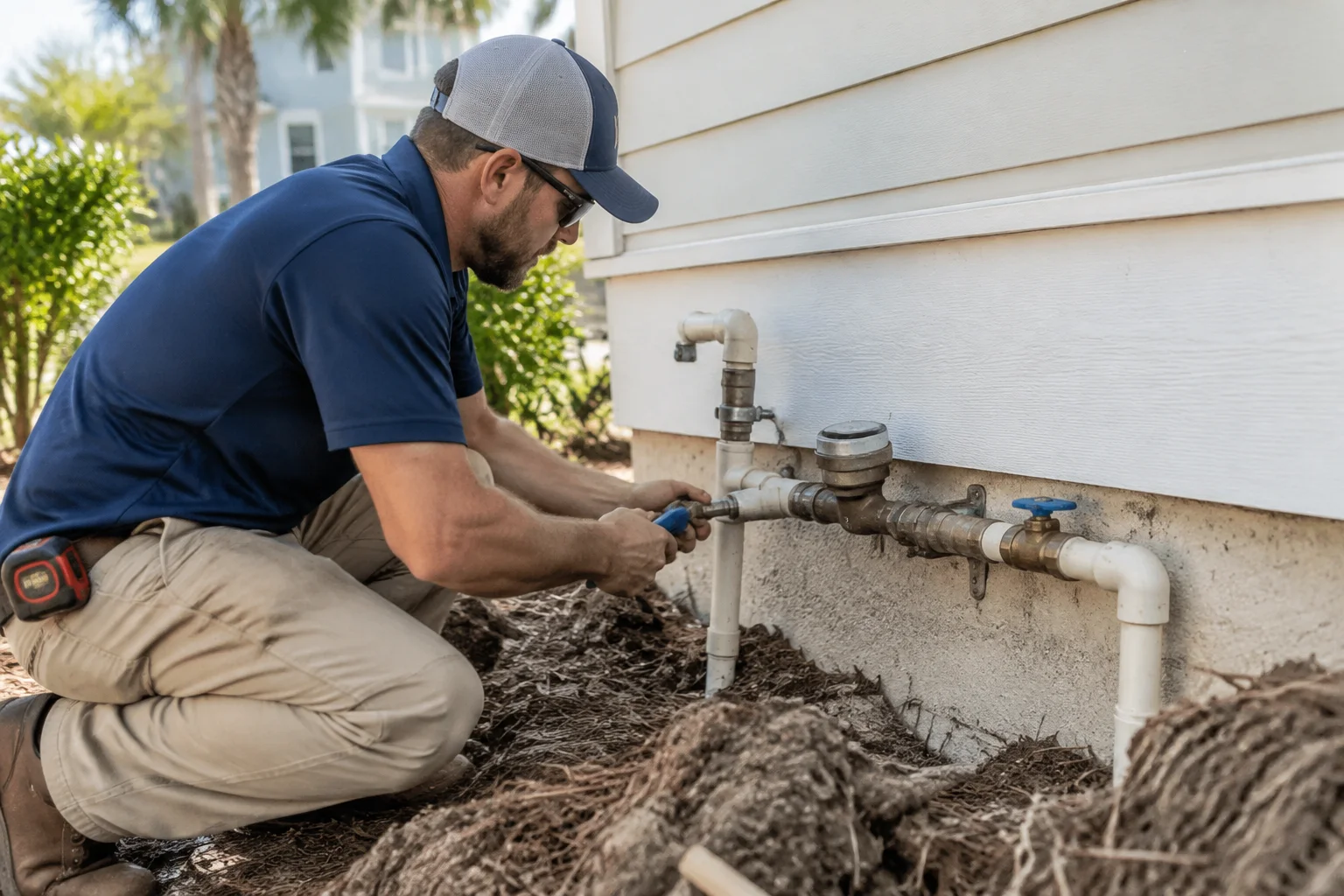
Solution: have a technician check resin condition, verify hardness readings, inspect valves and seals, and confirm that any filtration components are in good shape. For homeowners searching for water softener service near me, this is the kind of diagnostic work that makes the difference between guessing and getting results.
When reverse osmosis and drinking water filtration make the biggest difference
Softening is excellent for protecting fixtures and appliances, but drinking water needs can be different. If you are dealing with metallic or chlorinated taste, cloudy ice cubes, or poor tasting coffee and cooking water, you may need targeted drinking water filtration.
Two common approaches:
Whole home water filtration for cleaner water throughout the house
Whole home water filtration can reduce sediment and improve overall water quality for bathing, laundry, and fixtures. This helps reduce visible discoloration and odor concerns that show up at multiple taps.
Reverse osmosis system for drinking water and ice
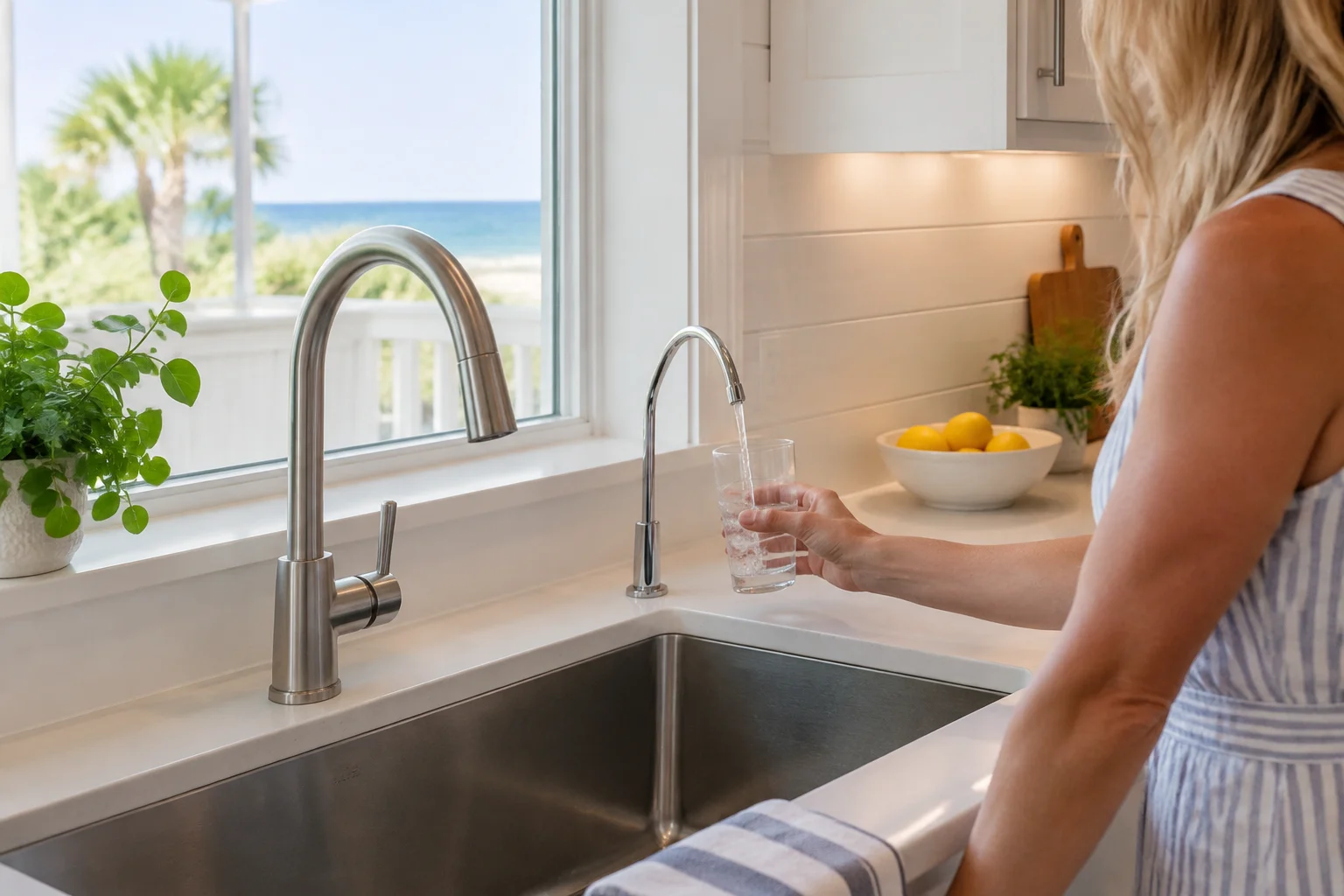
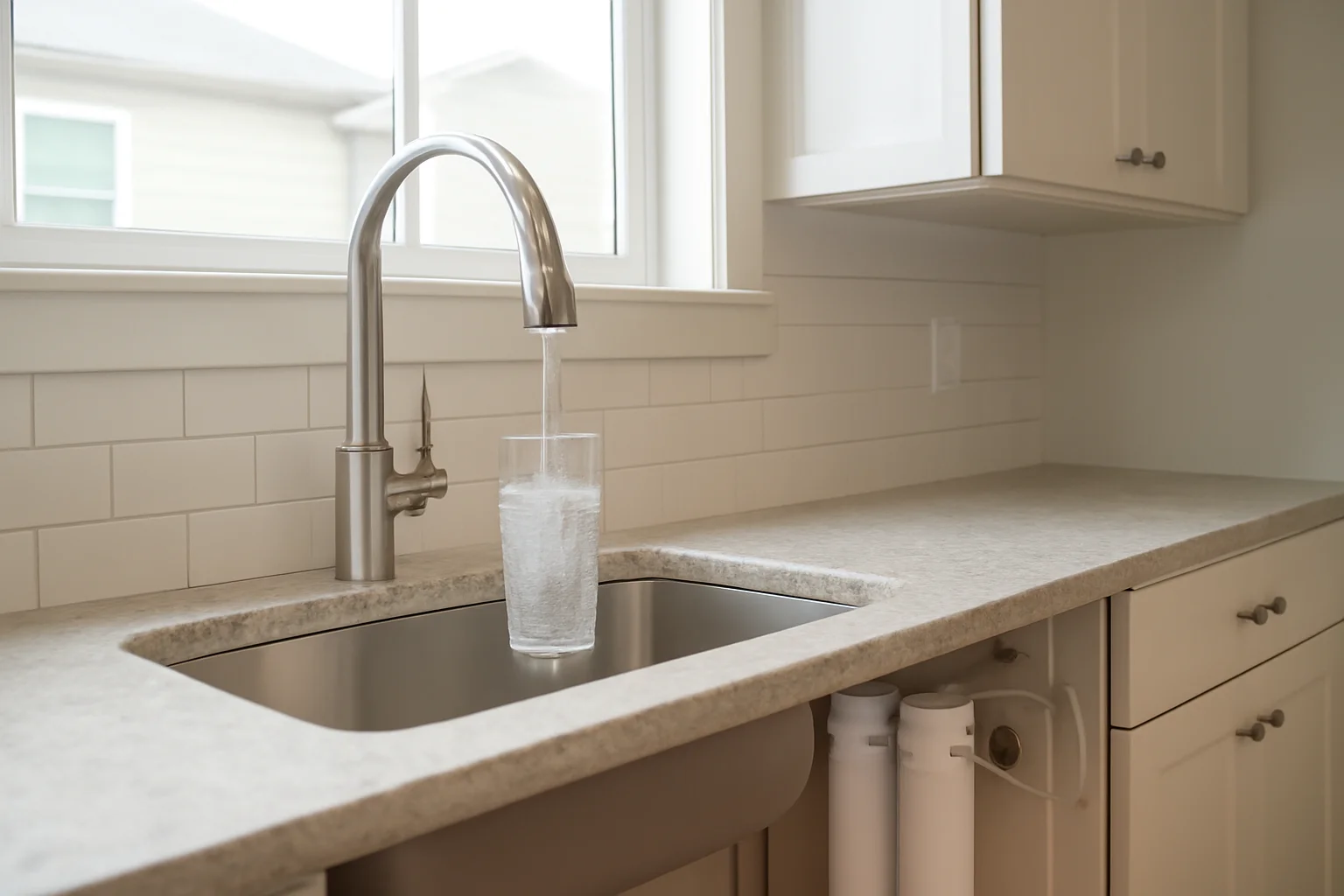
A reverse osmosis system is often the best match when the family wants consistently clean drinking water. It can help address taste and odor concerns and improve water clarity for ice cubes. Many homeowners pair a whole home system for protection with an RO unit at the kitchen sink for daily drinking and cooking.
Think about the small moments: rinsing produce, filling a glass for the afternoon, making tea, or brewing coffee. When treatment is dialed in, those routines feel normal again, and you stop wondering whether the flavor is coming from the water.
If you are exploring options for reverse osmosis system near me or want guidance on how to combine RO with softening and filtration, browse the service overview at /water-filtration-ro-water-softeners.
How homeowners can reduce scale without “chasing symptoms”
It is easy to respond to hard water spots by cleaning more often. While that helps, it does not stop mineral buildup from reforming. The best prevention focuses on water treatment performance.
Here are homeowner-friendly steps that support long term results:
- Watch for patterns: Do spots get worse after vacations or after you refill salt? Do odors show up more at certain taps?
- Check salt level and quality: Use the recommended type and keep the brine tank filled enough for your household.
- Inspect fixtures: When you see scale buildup around faucets and showerheads, it is a clue that minerals are passing through or that filtration is not protecting the system.
- Monitor drinking water: Cloudy ice cubes, metallic taste, and poor coffee water often point to filtration needs beyond softening.
- Replace filters on schedule: Even a great softener cannot protect your kitchen water if filtration stages are overdue.
If you want a deeper look at how better water affects the home, read Cleaner Water, Clearer Living in Seaside: How Better Treatment Helps With Spots, Scale, Taste, and Odor.
Why local conditions in Seaside matter
Water treatment is not one-size-fits-all. Seaside is a coastal community in Walton County, and homes nearby often face unique challenges tied to local water sources, seasonal changes, and the way water moves through household plumbing. Even when the water supply is treated, minerals, sediment, and disinfectants can still vary.
That is why homeowners looking for water treatment near me or whole home water filtration benefit from local service teams that understand how treatment needs show up in real homes. A system that performs well in one part of the country might not match Seaside’s conditions without adjustment.
If you want to see how A Superior Mechanical approaches service in the area, visit /service-areas/walton-county/seaside and the specific softening page at /service-areas/walton-county/seaside/water-softening-services-ssfl.
For broader Walton County context, see /service-areas/walton-county.
Related household issues that often point back to water treatment
When water treatment is off, it rarely affects only one room. Homeowners often notice connected issues across the house:
- Laundry that feels stiff or does not smell as fresh, especially when soap does not rinse well.
- Bathing that leaves skin feeling dry or hair looking dull, even with quality shampoo and conditioner.
- Dishwashing problems, including spots on glassware and residue on plates.
- Appliances that wear out faster, including water heaters and any fixtures with mineral buildup.
- Cooking issues, such as poor tasting coffee water or flat tasting cooking water.
This is also why homeowners searching for home water purification near me often end up with a combined plan. Softening protects plumbing and reduces scale, while filtration improves taste, odor, and clarity. Together, they help families enjoy better water in day-to-day routines.
Maintenance and service steps to keep your system stable
Even the best-installed system needs ongoing care. For Seaside homeowners, a good maintenance plan can prevent the cycle of “fixing” symptoms with cleaning and descaling products.
Maintenance items your technician should check during water softener service include:
- Hardness performance testing to confirm softening effectiveness.
- Inspection of brine settings and regeneration cycles.
- Checks for sediment or filter loading that could lead to odor and cloudy water.
- Verification of any carbon filtration stages for taste and chlorine odor reduction.
- Condition of valves, seals, and internal components.
If you have an RO system for drinking water, maintenance also includes membrane and filter changes based on performance and usage patterns. A properly maintained RO system supports clear ice cubes and better drinking water, especially when your family uses a lot of cold water for cooking and beverages.
When it is time to call A Superior Mechanical
Call a professional water treatment team when you see more than one symptom or when performance declines after it had been stable. It is especially important if you notice:
- Scale buildup returning faster than expected around faucets, showerheads, and plumbing connections.
- Visible sediment, discoloration, and odor concerns showing up in multiple rooms.
- Metallic or chlorinated taste that affects drinking water, coffee, and cooking.
- Cloudy ice cubes that persist even after basic cleaning.
- Skin and hair changes such as dry skin from hard water that do not match your previous experience.
A Superior Mechanical can help you evaluate whether the issue is softening capacity, sediment intrusion, filtration performance, or a combination. If the goal is fewer hard water headaches, the solution is usually not one product. It is the right system design with the right maintenance schedule for your Seaside home.
If you want more on how water interacts with the home over time, you may also find these reads helpful: Keeping Seaside Homes Running Smoothly with Better Waterline Care and Practical Plumbing Advice for Seaside Homeowners Living Near the Coast.
Find Water Softening Services in Seaside, FL
If you need Water Softening Services in Seaside, FL, visit our local service page or contact A Superior Mechanical today.
For a broader look at whole-home water filtration, reverse osmosis, and water softener options, visit our water filtration, RO, and water softener page.
Map of Seaside, FL
Frequently Asked Questions
Can a water softener cause bad taste or chlorine odor?
Yes, indirectly. A softener mainly targets hardness minerals, not odor and taste. If sediment or disinfectant issues are present, or if carbon filtration is missing or not working, you can still notice chlorinated or unpleasant taste and odor. A technician can test and recommend the right filtration steps to pair with softening.
Why do I still see hard water spots on glass even after installing a softener?
That usually means the softener is not fully regenerating, the settings do not match your water hardness, the resin bed is worn, or sediment is interfering with performance. It can also happen if your shower and kitchen lines are not receiving softened water or if additional filtration is needed to address other water quality issues.
What causes cloudy ice cubes in a home with water treatment?
Cloudy ice cubes are often linked to air bubbles, but persistent cloudiness can also point to sediment, taste and odor problems, or filtration not keeping up. If you are dealing with cloudy ice plus metallic or chlorinated taste, pairing whole home filtration with reverse osmosis for drinking water often helps.
Do I need reverse osmosis if I already have a water softener?
Not always. A softener helps protect plumbing and reduce scale, but it does not automatically improve drinking water taste, odor, and clarity. Many Seaside homeowners choose reverse osmosis when they want consistently clean drinking water for coffee, cooking, and ice, especially when chlorine concerns are noticeable.
Related Articles
- Practical Plumbing Advice for Seaside Homeowners Living Near the Coast
- Cleaner Water, Clearer Living in Seaside: How Better Treatment Helps With Spots, Scale, Taste, and Odor
- Keeping Seaside Homes Running Smoothly with Better Waterline Care
- Reading the Warning Clues in Seaside Homes Before a Panel Upgrade Becomes Urgent
Photo Gallery