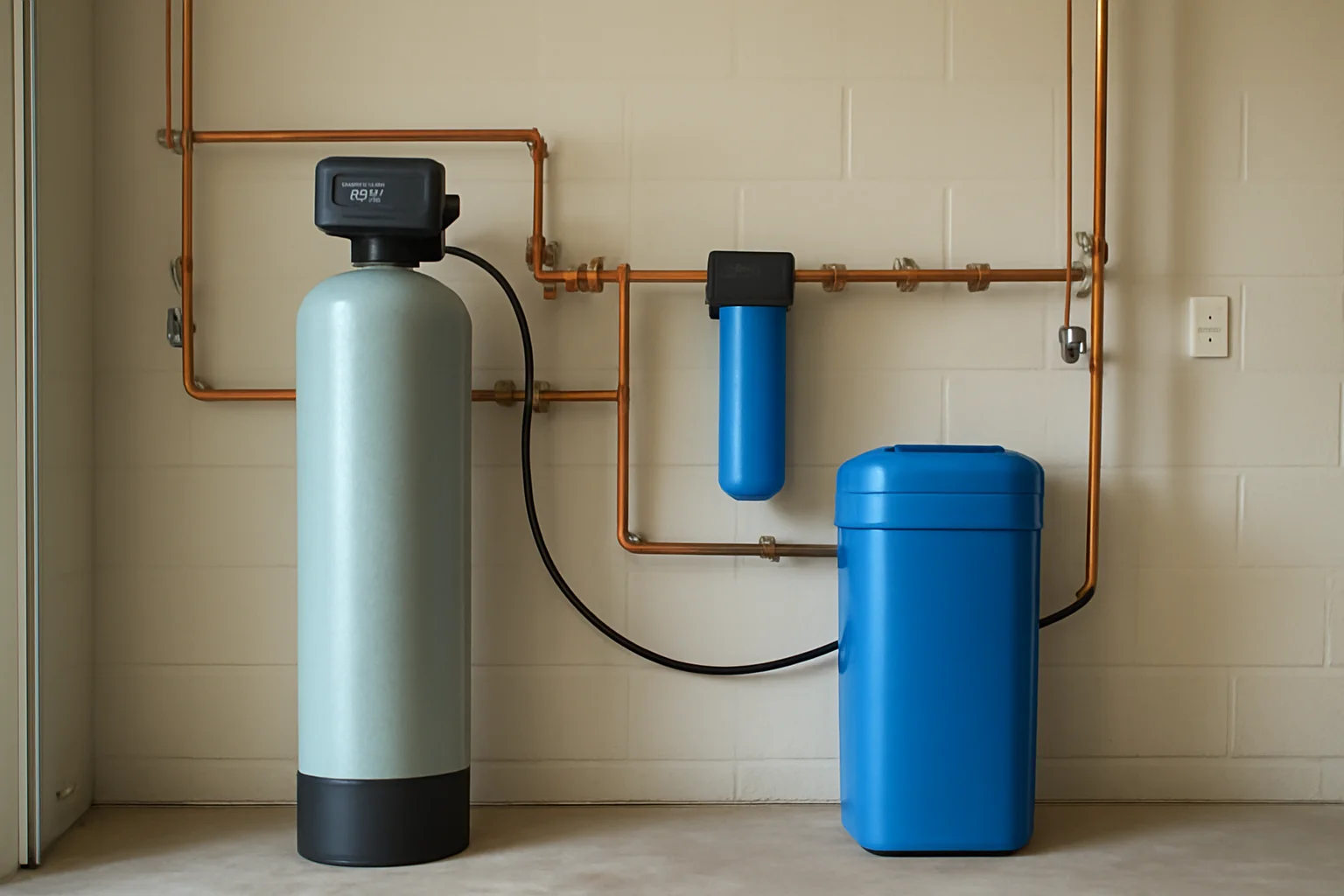
Pretty Bayou homes use water for everything: quick morning showers, big family laundry days, and the everyday coffee and cooking water that keeps meals consistent. When water softening works, it feels easy. Soap lathers, fixtures stay cleaner, and skin and hair do not feel dry. When softening starts to slip, the change is usually noticeable in the bathroom and kitchen first.
This guide walks through what can cause problems with water softening in Pretty Bayou, FL, how those problems show up in real life, and what you can do to catch water quality issues early. If you are looking for water softening in Pretty Bayou, FL, the details below will help you know what to ask for and what to monitor between service visits.
Hard water and soft water do not behave the same way
Water softeners are designed to reduce hardness minerals, mainly calcium and magnesium. In Pretty Bayou, hard water can show up quickly: hard water spots on glass, chalky residue on hard water spots on dishes, and scale buildup around faucets, showerheads, and plumbing connections. When the softener is working properly, those deposits slow down and cleaning becomes simpler.
When something goes wrong, you may still have water flow, but the water quality behavior changes. That is why early detection often comes from small clues you notice at home, not from a complicated test.
Common reasons water softeners fail or soften less effectively
1) Salt issues and incorrect brine levels
Most traditional water softeners rely on salt to regenerate the resin bed. If the salt level is wrong, the brine solution cannot regenerate the system the way it should. Homeowners sometimes assume the tank is fine because there is “some” salt in it, but the system needs the right amount and the right conditions.
Watch for:
- Salt bridging, where a hard shell forms above the salt and water cannot pull brine through properly
- Salt mush or clumping that prevents consistent regeneration
- A noticeable return of scale, especially after heavy laundry or bathing days
If you are searching for water softener service near me because your system is not keeping up, salt and brine performance is often the first place technicians check.
2) Resin bed problems from sediment or iron in the water
Softening uses a resin that exchanges hardness minerals. Sediment, fine particles, or high iron can foul that resin over time. When the resin becomes coated or restricted, it cannot exchange minerals efficiently.
Signs that point toward sediment or resin fouling include:
- visible sediment or discoloration in household water
- Water that has an odor concern or an unusual smell after showers or water use
- Scale that forms faster than usual, even though the softener seems powered and running
In some homes, adding or improving filtration before softening can make a big difference. Many homeowners also benefit from a whole house water filter paired with softening to reduce sediment and protect the system components. If you are weighing options like a whole home water filtration approach or AO Smith water filtration, a local water treatment assessment can clarify what the water is carrying into your plumbing.
3) A bypass valve left open or partially closed
Many systems have a bypass for maintenance. If a bypass is accidentally left open, hard water can mix back into your home supply. The effect can be subtle at first, then suddenly obvious when scale returns.
Home clues include:
- Soap that does not lather or feels slimy even after you rinse
- Shower glass that looks “foggy” even after wiping
- Scale buildup around showerheads and faucet aerators
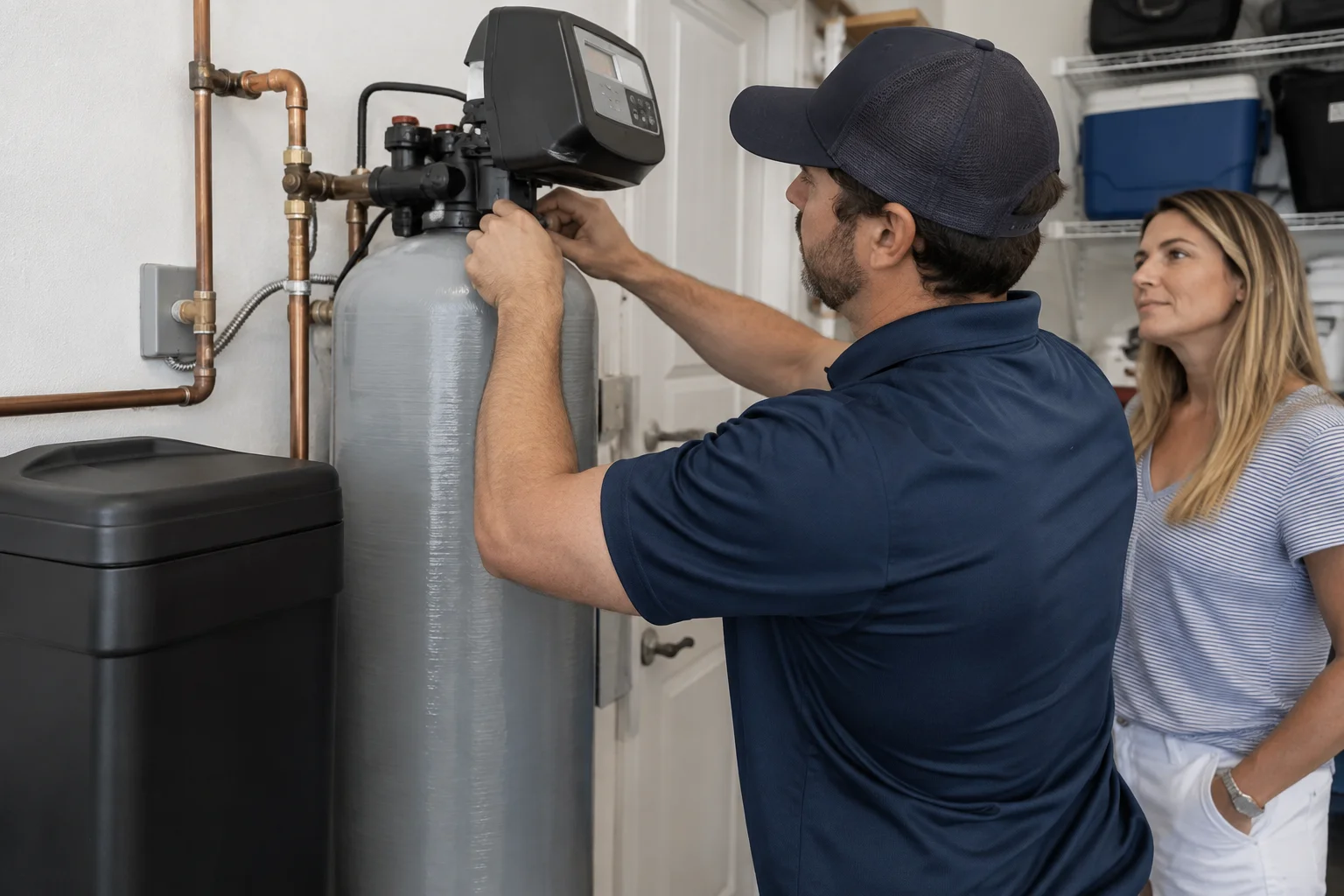
This is a mechanical issue, but it is also a water quality issue. A technician can confirm the valve position and verify system performance.
4) Regeneration timing problems or water usage changes
Softener regeneration is usually scheduled based on time or water usage. If your household pattern changes, the softener may regenerate too infrequently or not at the right times. Common triggers in Pretty Bayou include:
- Seasonal increases in laundry and shower frequency
- Vacation rental occupancy where usage spikes unpredictably
- New appliances, like a dishwasher upgrade or an extra load of laundry daily
When regeneration is off, you may notice early signs such as dull hair after bathing, dry skin, and a gradual increase in cleaning effort.
5) Clogged filters or worn components
Even well-sized softeners can underperform if pre-filters are clogged or if parts wear out. Dirt and sediment can build up in internal components, reducing flow and effectiveness. Over time, seals, injectors, and control parts can also wear.
Look for:
- Reduced water pressure at fixtures
- Inconsistent performance, like “good” water on some days and hard water on others
- Appliances wearing out faster than expected, especially those that rely on clean water and consistent heating
This is where water treatment service near me becomes more than a convenience. A maintenance check can prevent a full loss of softening and help protect your plumbing investment.
How water quality problems show up in everyday Pretty Bayou life
It is easy to ignore water quality changes until they start affecting the household routine. In many homes, the first clues appear in the places you use water most.
Bathroom signs: skin, hair, and shower glass
When hard water is getting through, you may notice dry skin or dull hair after bathing. That is not just comfort. Mineral buildup can interfere with how soap and shampoo rinse, leaving residue behind.
You might also see:
- Showerheads that develop rings and scale
- Soap scum that seems harder to remove
- Hard water spots on glass that return quickly after cleaning
Many families in Pretty Bayou have a “bathroom reset” routine. If the buildup comes back faster than it used to, it is a strong indicator that softening is not doing its job.
Kitchen signs: taste, ice, and cooking water
Water softeners primarily target hardness. But when your system is struggling, you may also see other quality concerns that point to filtration needs. Pay attention if you notice:
- A metallic, chlorinated, or unpleasant taste in drinking water
- cloudy ice cubes or ice that looks hazy
- Poor tasting coffee and cooking water
That “coffee test” is surprisingly useful. If your espresso tastes flat or bitter, or if cooking water affects pasta texture, it may be time to evaluate filtration alongside softening.
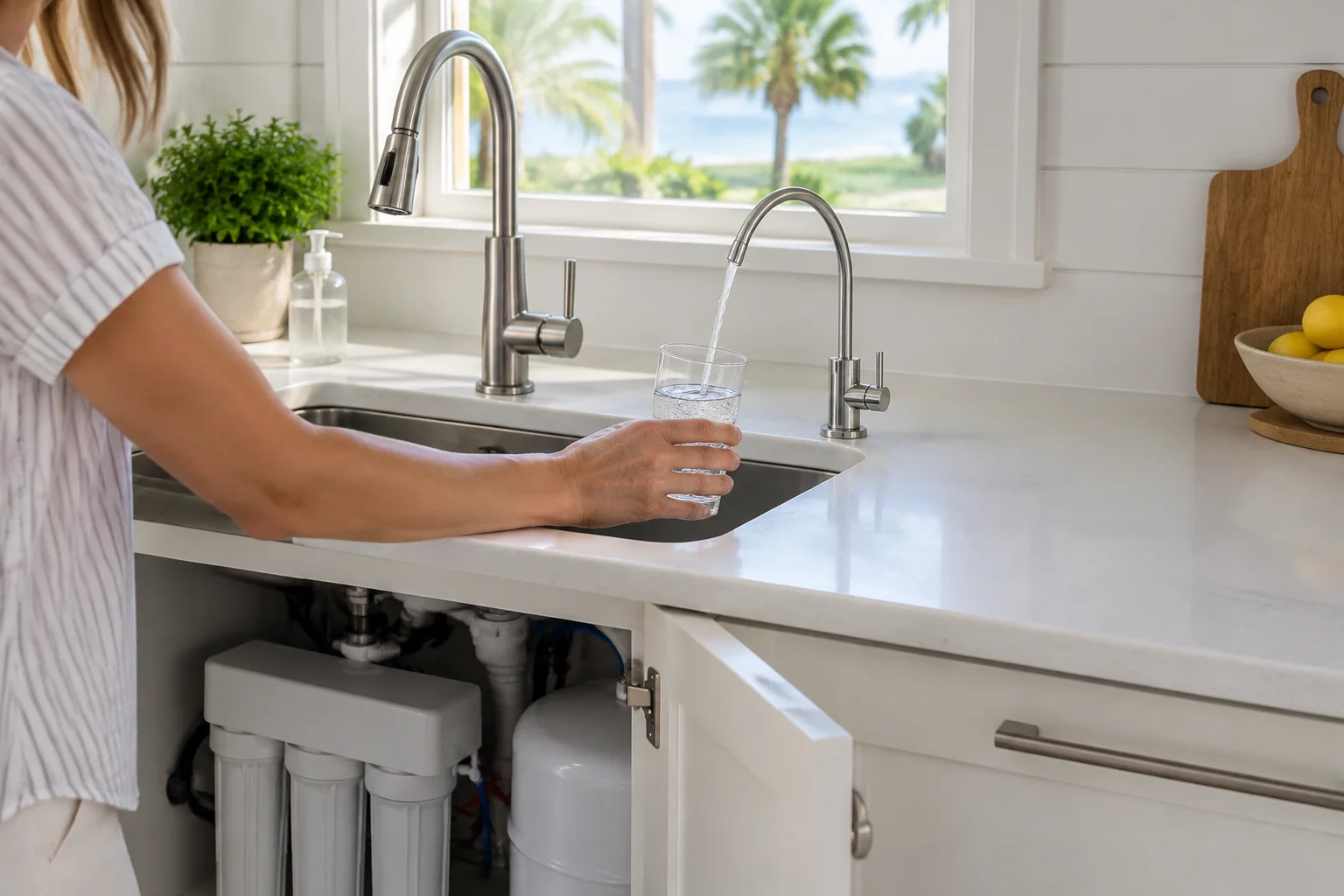
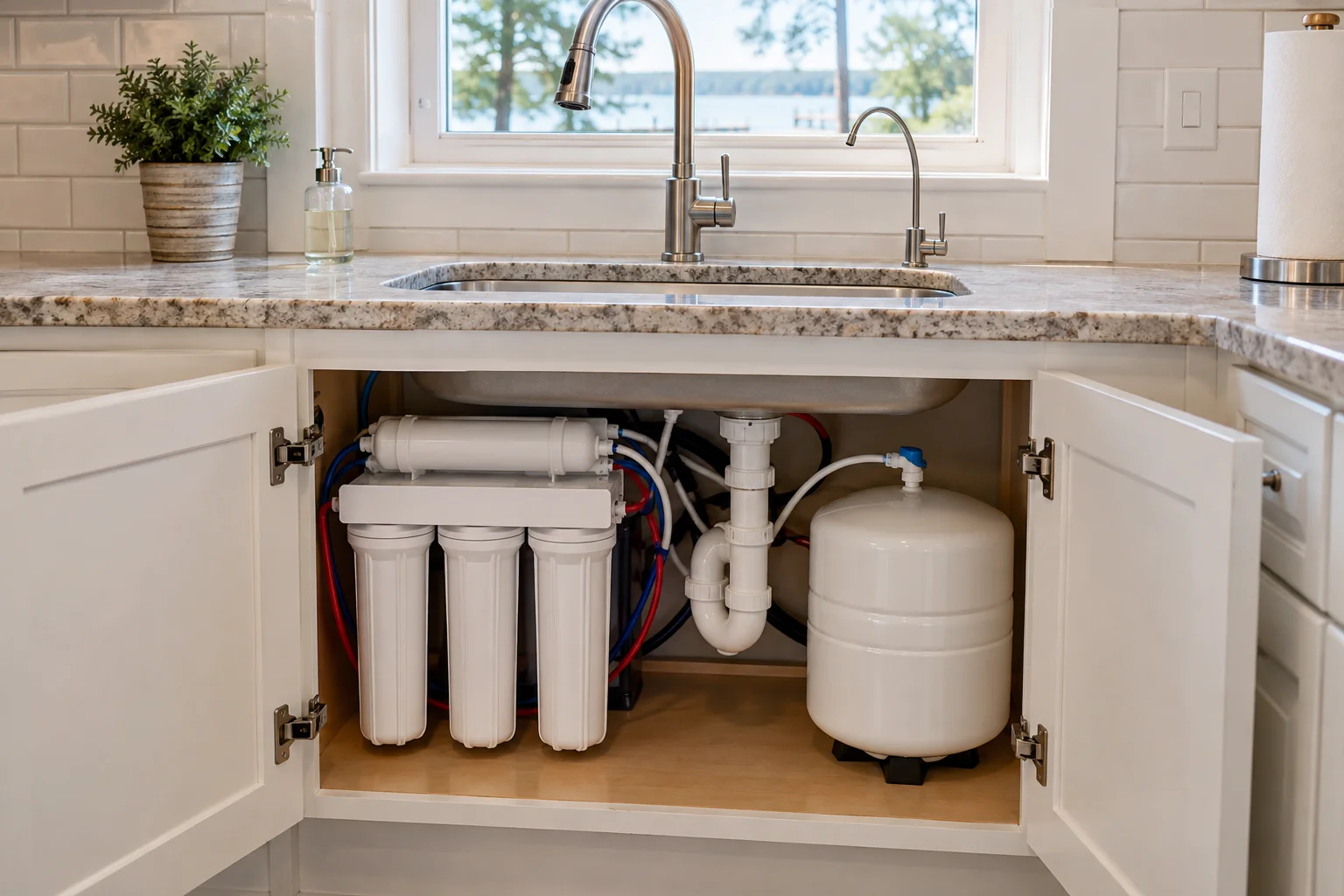
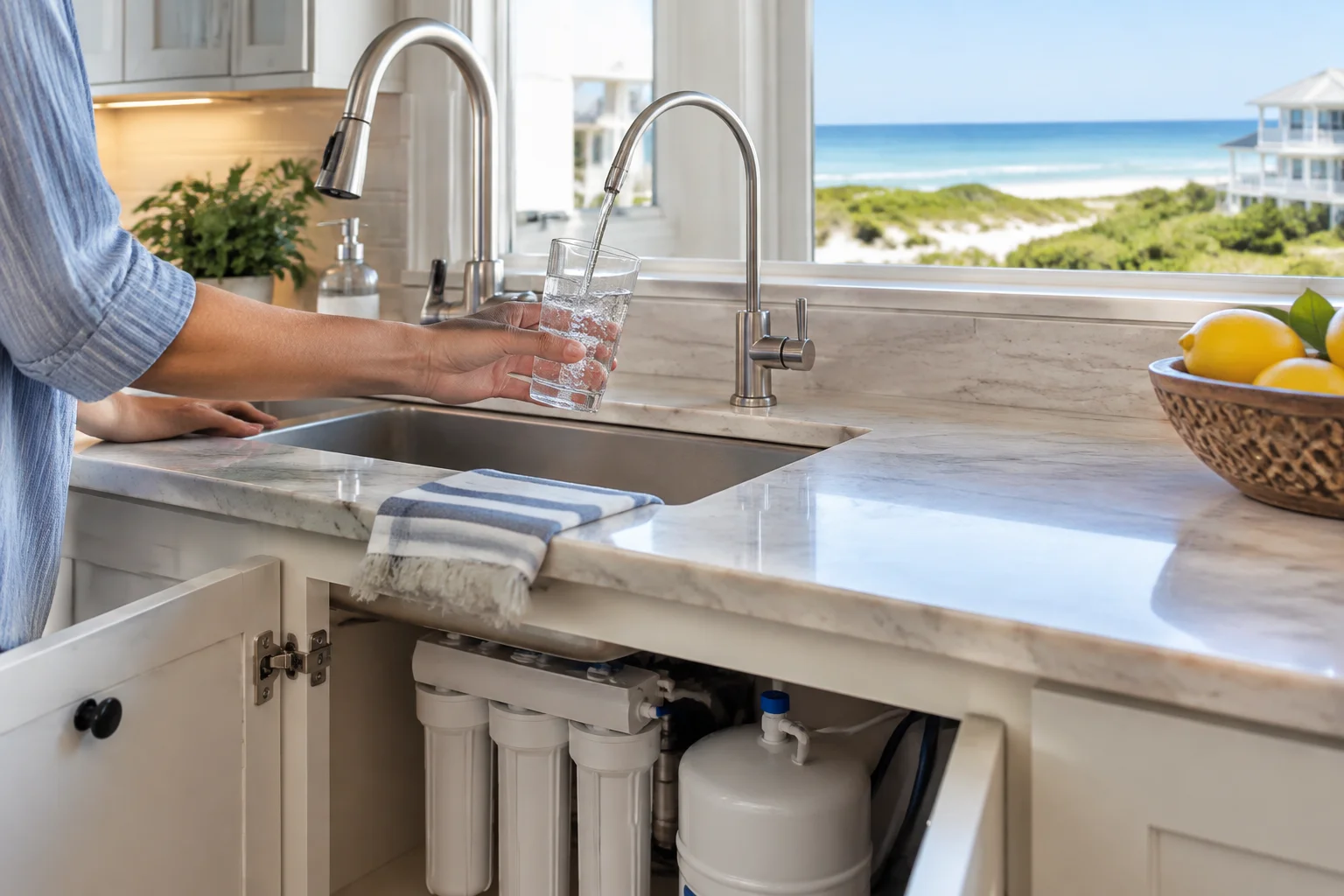
Some homeowners choose reverse osmosis for drinking and cooking because it targets dissolved contaminants more aggressively than softening alone. If you are looking for reverse osmosis system near me, it helps to know that RO is often used at the kitchen tap while the home continues to benefit from softening for showering and laundry.
Laundry and dishwashing signs: soap behavior and residue
Hard water makes laundry and dishwashing feel like a losing battle. You may see:
- Clothes that feel stiff or dull
- Soap that does not lather or rinses poorly
- Dishware that looks spotty or chalky after the cycle
When softening works, you often need less detergent and you get cleaner results. When it fails, soap and detergent can react with hardness minerals, leaving residue behind.
Appliances and plumbing signs: scale buildup and faster wear
Scale buildup around faucets, showerheads, and plumbing is more than an annoyance. It can reduce efficiency and shorten appliance life.
Homeowners frequently notice:
- Water heater recovery changes and higher energy use
- Appliances wearing out faster than expected
- More frequent cleaning of showerheads, faucet screens, and aerators
These are the “slow” signs that become expensive. Hard water scale can also contribute to restricted flow in plumbing lines over time. This is why many homeowners explore whole home filtration and softening as part of protecting plumbing, not just improving comfort.
If you want a deeper look at how these effects connect to protection, read Pretty Bayou Homes and the Real Cost of Hard Water: How Reverse Osmosis Helps Protect Plumbing.
Local Pretty Bayou factors that make water treatment matter
Pretty Bayou sits in Bay County, where many homes rely on municipal water that can vary seasonally in hardness and other dissolved characteristics. Coastal Florida conditions also mean some homes experience challenges related to sediment and water quality swings, especially when plumbing systems are older or when water usage patterns change.
Homes with older pipes, long plumbing runs, or previous renovations may also experience higher buildup rates. And in vacation rental properties, the water use pattern can spike and drop quickly, which can stress a softener’s regeneration schedule.
That is why local water treatment service matters. A technician who understands Bay County water realities can recommend the right combination of equipment, such as:
- Water softening for hardness control
- whole house water filter for sediment reduction
- Drinking water filtration like reverse osmosis when taste, odor, or cloudy ice are concerns
- AO Smith water filtration components that match your household needs and maintenance preferences
If you are comparing options for water filtration near me, it helps to ask whether the plan addresses both hardness and other quality factors that softening alone may not resolve.
How to catch softening and water quality problems early
You do not need to be a water expert to spot trouble. A few simple checks help you catch issues before they turn into recurring scale and appliance damage.
Track the “scale timeline”
Pick two or three fixtures you can inspect weekly, like a showerhead, faucet aerator, and a glass near the sink. Compare how fast spots return. If hard water spots on glass or dishes appear sooner than they used to, softening performance may be slipping.
Do a quick soap lather test
Use a consistent soap or hand cleanser and observe lather and rinse behavior. If soap does not lather well or rinses inconsistently, hardness minerals may be getting through.
Watch for taste and ice changes
If you see cloudy ice cubes or notice a metallic, chlorinated, or unpleasant taste, do not assume it is only a softener issue. That can point to filtration needs for drinking water. Consider solutions that include drinking water filtration, and ask about reverse osmosis or other clean water systems for the kitchen tap.
Check for visible sediment and odor concerns
Inspect the inside of a glass after filling. If you see discoloration or sediment, schedule a water quality evaluation promptly. Odors that show up after showers or during certain usage windows can also indicate a filtration or system maintenance issue.
Review regeneration and usage patterns
If your household schedule changes, update the expectation for regeneration. For vacation rentals, keep a close eye on how quickly scale returns after guest turnover. A more responsive setup, or a service adjustment, may be needed.
What solutions typically fix the problem
The right fix depends on the cause, which is why a professional water treatment assessment is valuable. Still, many homeowners benefit from a layered approach that matches the water problem to the right equipment.
Water softening plus pre-filtration
If sediment or iron fouling is contributing to softener underperformance, adding or upgrading filtration upstream can protect the resin bed and improve overall results. This is a common reason homeowners seek home water purification near me rather than focusing only on the softener unit.
Drinking water filtration for taste and clarity
Softening usually does not remove everything that affects drinking water taste. If you have metallic tasting water, chlorine taste in water, or cloudy ice cubes, you may need drinking water filtration. Many families choose reverse osmosis for drinking and cooking water while keeping softening for the rest of the home.
To understand how these choices affect plumbing and daily comfort, see Why Better Water Treatment Makes Water Softening Work in Pretty Bayou, FL.
Whole home water filtration for protection and consistency
Whole home filtration can reduce sediment and help improve how your softener performs, which can reduce the recurrence of scale buildup around faucets and showerheads. When you are looking for a whole house water filter, ask how it will integrate with your softener and whether it is sized for your household flow needs.
For homeowners focused on system longevity, it can also reduce the strain on appliances. If you are curious about how plumbing wear and water treatment interact, read How Plumbing Wear and Tear Shapes Water Purification in Pretty Bayou Homes.
Maintenance habits that keep softening consistent
Even the best equipment needs basic care. These habits reduce the chances of sudden softener problems:
- Check salt level regularly and keep the tank filled based on your system’s guidance
- Look for salt bridging or clumping during humid periods
- Inspect and clean faucet aerators and showerheads periodically so you can tell whether buildup is slowing or accelerating
- Follow recommended filter change schedules if your system includes filtration stages
- Schedule annual service or performance checks, especially for rental properties with fluctuating water use
Maintenance also helps you avoid the “everything looks fine until it is not” scenario, where scale and residue build up quickly and become harder to remove.
When to call a professional water treatment team
It is smart to call for help if you notice any combination of the following:
- Scale buildup around faucets, showerheads, and plumbing that is increasing week to week
- Soap does not lather or rinse well, even when you use proper amounts
- Dry skin or dull hair after bathing that persists
- Metallic, chlorinated, or unpleasant taste in drinking water
- Cloudy ice cubes, poor tasting coffee, or cooking water that tastes off
- Visible sediment, discoloration, or odor concerns
- Appliances wearing out faster than expected
If you are dealing with these symptoms, A Superior Mechanical can help you evaluate your system and recommend the right water softener service and filtration options for your home. Start by reviewing our water filtration and RO water softeners information, then connect with the service team through the Pretty Bayou water softening page: /service-areas/bay-county/pretty-bayou/water-softening-pbbcfl. You can also explore the broader coverage area on our Pretty Bayou page and Bay County service area.
Homeowners who treat water quality as part of protecting their plumbing often see better day-to-day results, too. For example, the right softening and filtration plan can reduce scale that clogs fixtures and helps keep your shower experience consistent. If you want another local perspective, read How Water Softening Protects Rosemary Beach Plumbing from Costly Water Damage.
Find Water Softening in Pretty Bayou, FL
If you need Water Softening in Pretty Bayou, FL, visit our local service page or contact A Superior Mechanical today.
For a broader look at whole-home water filtration, reverse osmosis, and water softener options, visit our water filtration, RO, and water softener page.
Map of Pretty Bayou, FL
Frequently Asked Questions
Why do I still see hard water spots even though my home has a water softener?
Common causes include low or bridged salt, a resin bed that is fouled by sediment or iron, a bypass valve left open, or regeneration timing that does not match your household water use. A water treatment professional can verify softener performance and check for filtration needs.
Can a water softener fix cloudy ice cubes and metallic taste?
Softening targets hardness minerals, but cloudy ice and metallic or unpleasant taste often point to additional water quality issues such as sediment, chlorine, or other dissolved contaminants. Many homeowners use drinking water filtration or a reverse osmosis system for the kitchen tap while keeping softening for the rest of the home.
How do I know if my softener needs servicing in Pretty Bayou?
Look for increasing scale buildup around faucets and showerheads, hard water spots on glass and dishes, soap that does not lather or rinse well, dry skin or dull hair after bathing, and changes in taste or odor. If these show up or worsen, schedule a performance check.
Is reverse osmosis a good add-on for whole home water quality?
Reverse osmosis is often a strong option for drinking and cooking water because it can improve taste and clarity at the tap. It is commonly paired with water softening and whole home water filtration to protect plumbing while delivering better drinking water for the family kitchen.
What should I ask about when looking for whole home water filtration near me?
Ask how the filtration stage will work with your water softener, what it is designed to remove (such as sediment), how it is sized for your flow, and how often filters should be changed. If you are considering AO Smith water filtration, ask which configuration fits your water conditions and maintenance preferences.
Related Articles
- Why Better Water Treatment Makes Water Softening Work in Pretty Bayou, FL
- Pretty Bayou Homes and the Real Cost of Hard Water: How Reverse Osmosis Helps Protect Plumbing
- How Plumbing Wear and Tear Shapes Water Purification in Pretty Bayou Homes
- How Water Softening Protects Rosemary Beach Plumbing from Costly Water Damage
Photo Gallery