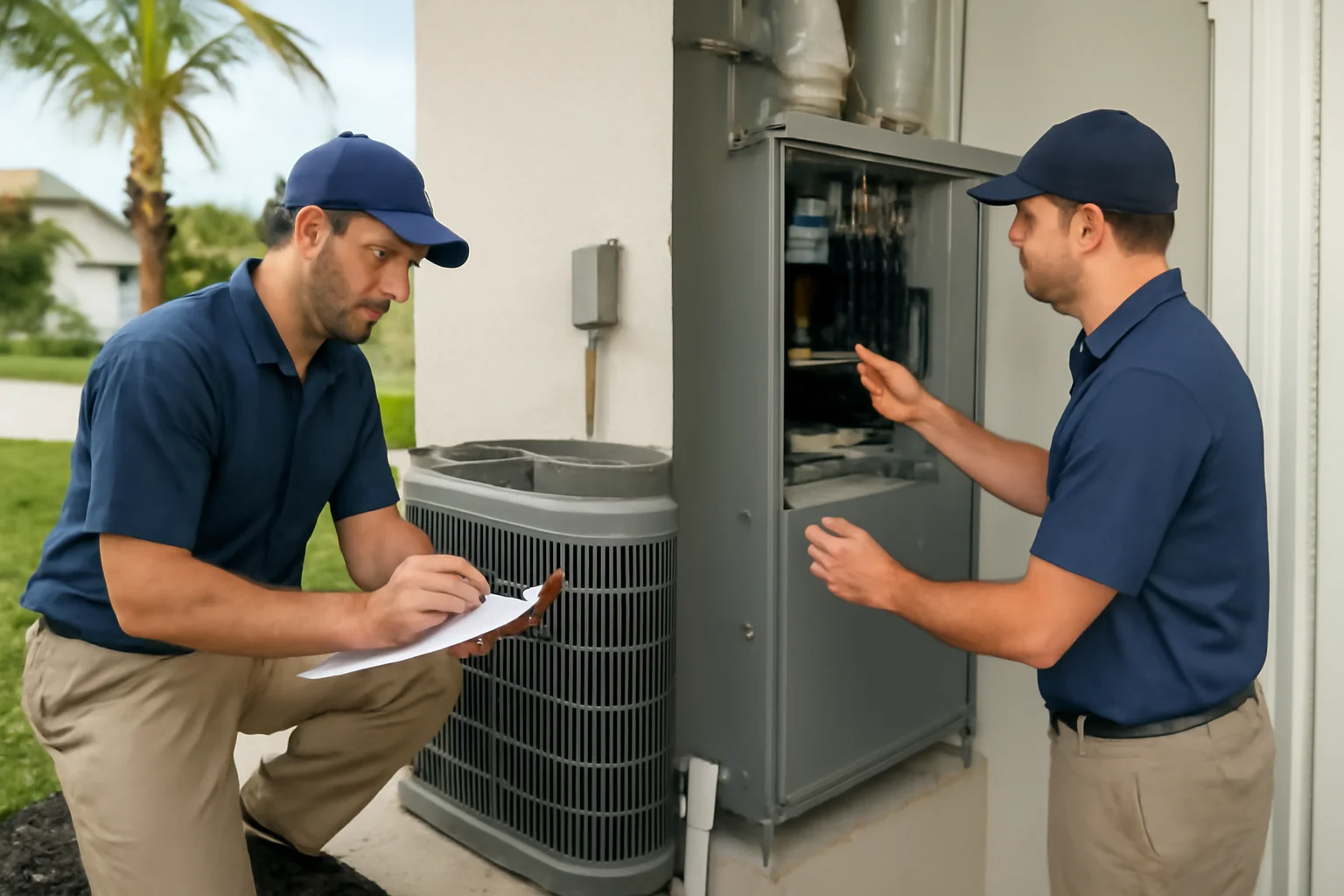
Hammock Bay summers do not wait. Between Florida heat, high humidity, and the salty air that can ride in on coastal breezes, air conditioning systems work hard all season. A professional air conditioning inspection in Hammock Bay, FL is one of the most practical ways to protect comfort and avoid the kind of breakdown that happens right when outdoor temperatures peak.
This guide walks through what a thorough AC inspection should include, the common causes of poor airflow and uncomfortable cooling in Walton County homes, and the maintenance steps you can take between professional visits.
Why air conditioning inspections matter more in Hammock Bay
Air conditioning problems in Hammock Bay often start slowly. You might notice rooms that never feel quite right, a thermostat that seems “off,” or airflow that feels weaker than it used to. In a typical Florida coastal climate, those comfort issues can quickly turn into higher energy use, faster wear on cooling components, and more frequent calls for air conditioning repair.
Several local factors make inspections especially valuable:
- Humidity and moisture: Warm, humid air increases the load on cooling systems and can affect condensate drainage and indoor air quality.
- Salt air and coastal exposure: Outdoor coils, fan components, and cabinet surfaces can collect deposits that impact heat transfer and airflow.
- Heat load and long run times: When the system runs more often, small issues such as restricted airflow or minor coil buildup can become bigger.
- Homes with varying ductwork and insulation: In many Walton County neighborhoods, duct leakage, duct sizing, and insulation differences can create uneven cooling.
When homeowners search for air conditioning inspection near me, they are usually trying to solve something specific. A good inspection connects the dots between airflow, humidity control, refrigerant system performance, and the thermostat settings that guide how the system cycles.
What an AC inspection should actually cover
A quality inspection is more than a quick look at the thermostat and a brief listen to the blower. It should be systematic, focused on cooling performance and the full path air and moisture travel through the system.
1) Cooling performance and airflow checks
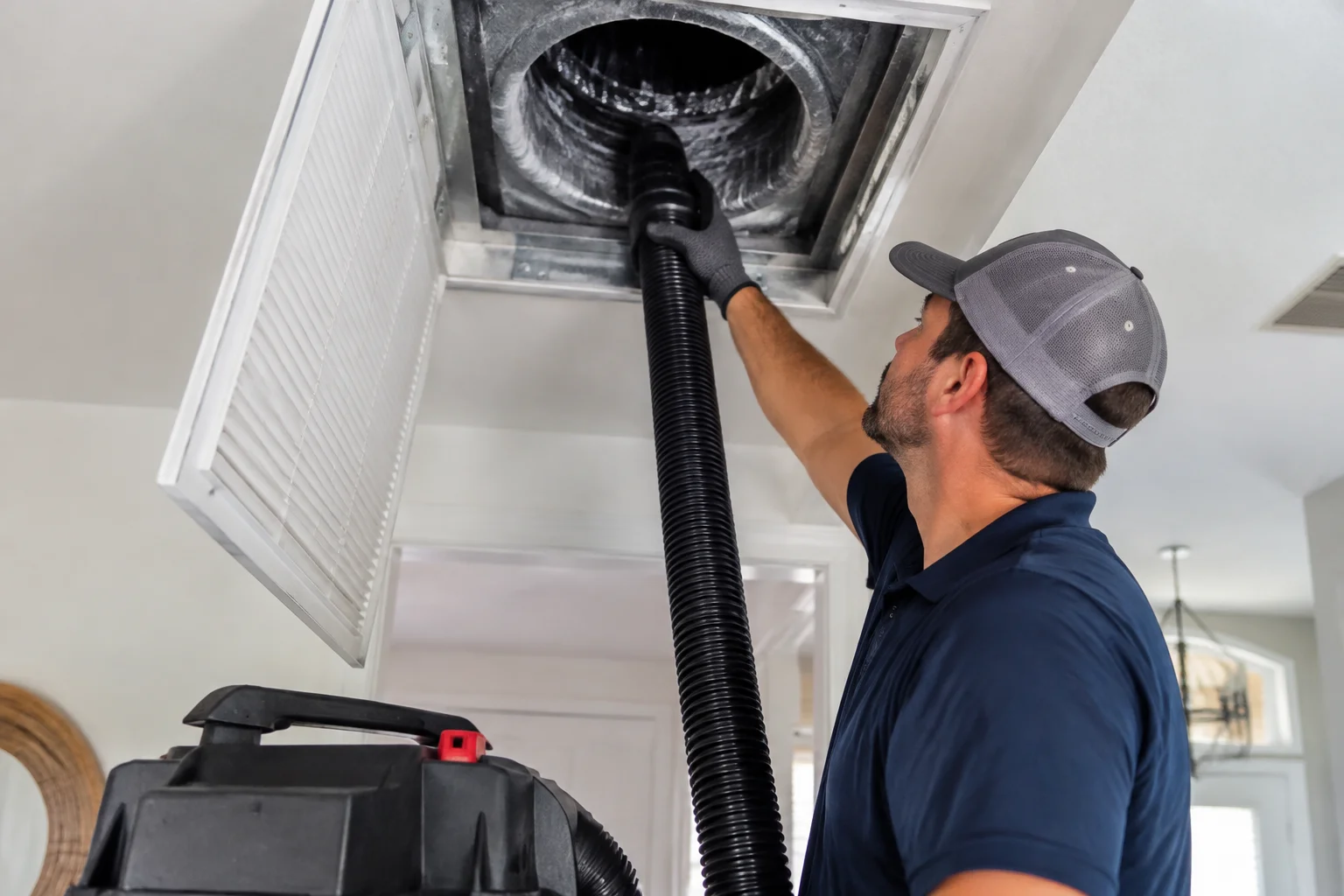
Airflow is the foundation of comfort. If air cannot move through the system the way it should, the unit has to work harder to produce the same cooling effect. During an air conditioning service inspection, a technician should evaluate:
- Supply and return airflow balance across the system
- Indoor blower operation and how consistently it runs
- Air filter condition and whether it matches the system’s needs
- Register and grille airflow (including obstructions from furniture, rugs, or closed vents)
If you have rooms that run warmer, weak airflow from vents, or the system cycles too frequently, airflow problems are often part of the story. That is why ductwork and airflow issues should be part of the inspection conversation.
If you suspect ductwork is limiting airflow, you can also ask about ductwork services that target leakage and efficiency issues.
2) Indoor coil and evaporator coil condition
In humid climates, coil cleanliness matters. An evaporator coil that is dirty or partially restricted can reduce cooling output and make humidity control harder. During inspection, the technician should look for signs of:
- Coil buildup and airflow restriction
- Moisture-related issues around the coil area
- Evidence of past performance problems that may show up as uneven cooling
Because coil condition affects both comfort and humidity control, coil inspection is tightly connected to indoor air quality.
3) Refrigerant system indicators, without guesswork
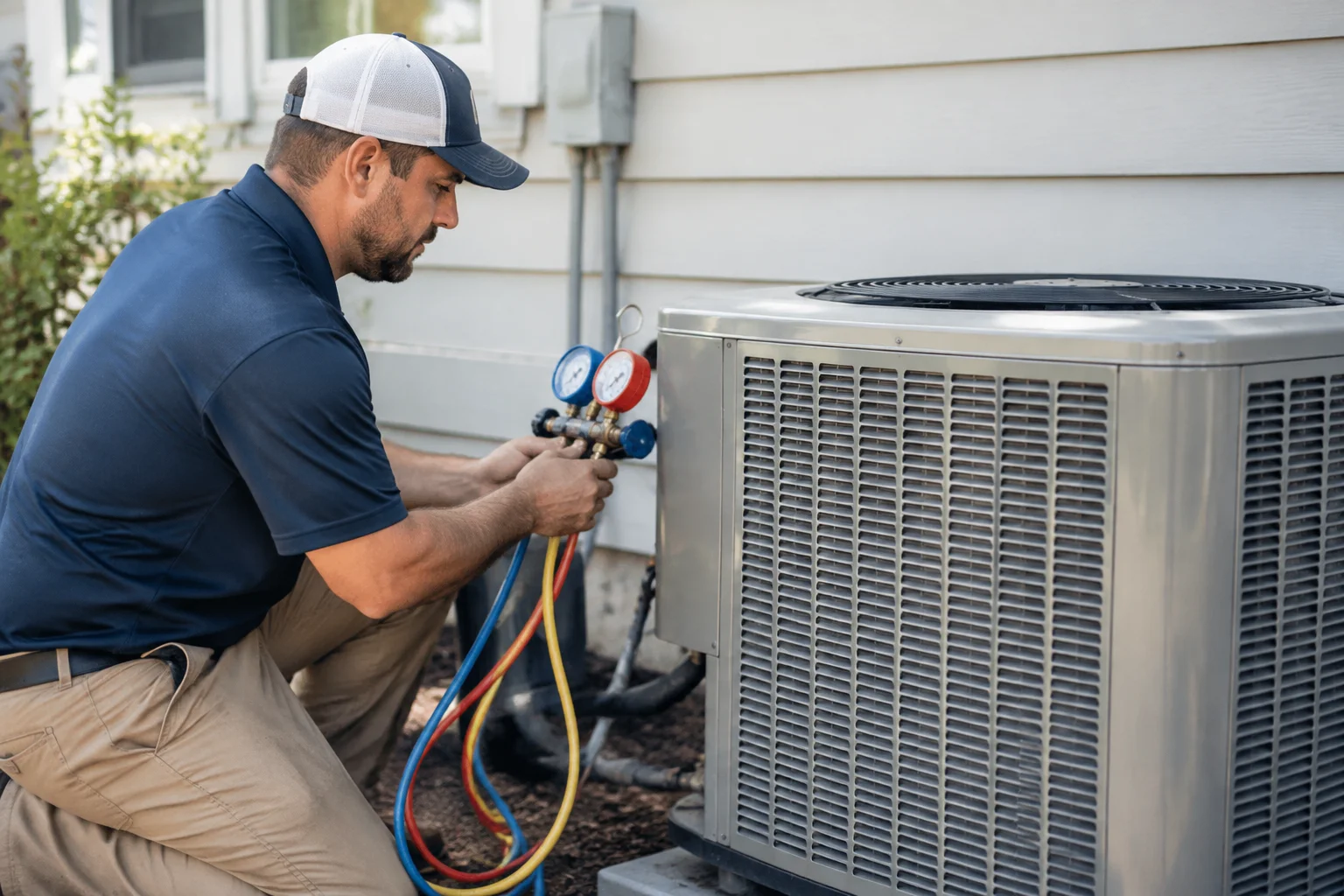
The refrigerant system is designed to move heat from inside to outside. If airflow is restricted or the coil is not performing, refrigerant-related symptoms can appear. Homeowners often ask whether a “refrigerant check” can be done quickly. A careful professional approach matters, because diagnosing refrigerant issues is not the same as “adding refrigerant.”
A licensed HVAC technician should:
- Evaluate system performance data alongside airflow and coil conditions
- Check for signs that point to refrigerant system imbalance, while recognizing that multiple issues can cause similar symptoms
- Use appropriate tools and interpret results based on the system’s operating conditions
Any refrigerant diagnosis or refrigerant adjustment should be based on an in-person evaluation. The goal is to identify root causes that affect cooling and airflow, not just treat symptoms.
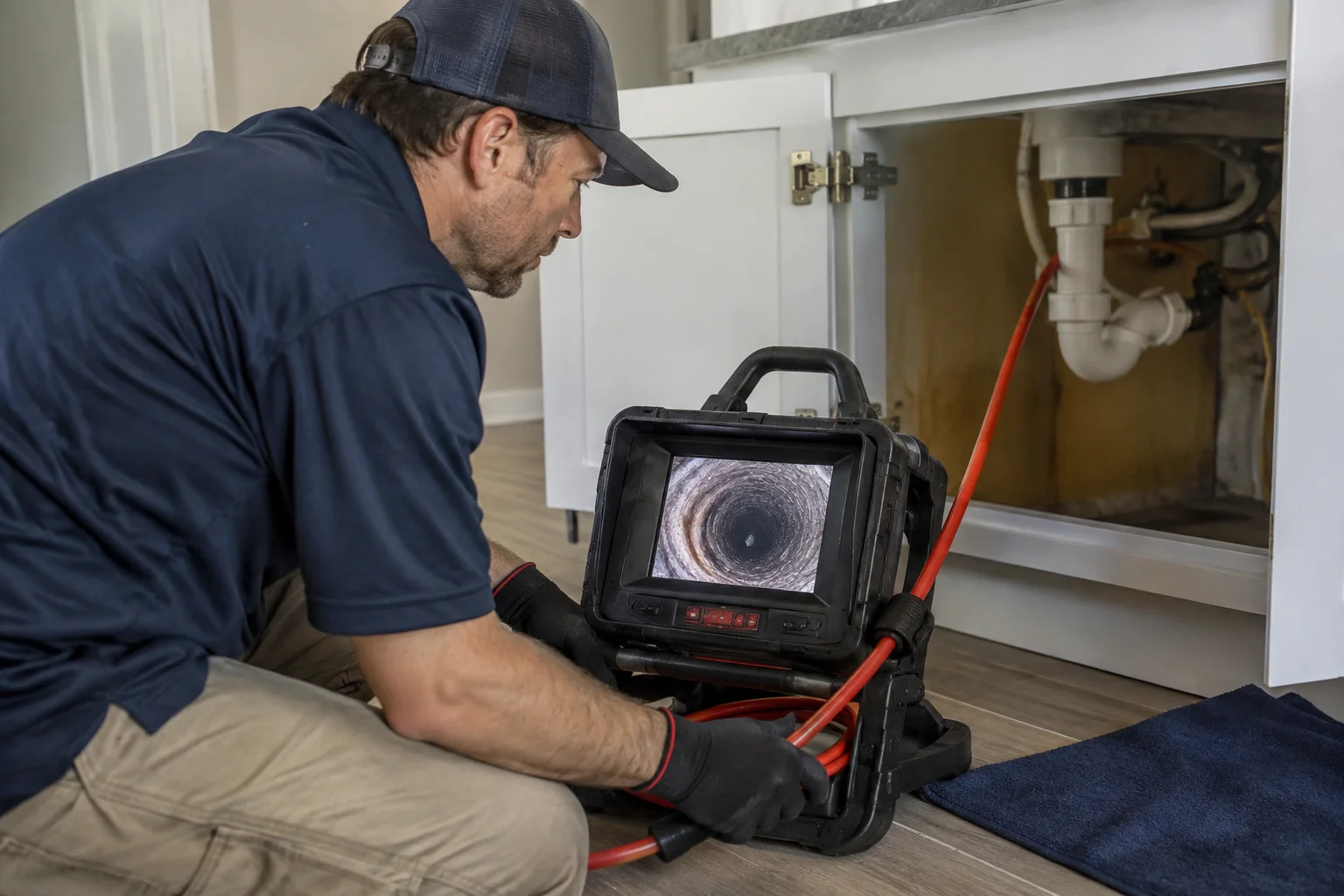
4) Condensate drainage and moisture management
Air conditioning removes moisture from indoor air. When condensate drainage is restricted, it can cause:
- Water leaks or damp areas
- Musty odors
- Reduced dehumidification performance
- Higher indoor humidity that makes the home feel warmer than the thermostat setting
In Hammock Bay, where humidity is part of daily life, condensate drainage is a key inspection item. A thorough technician should check the condensate drainage path and look for signs that water is not draining as intended.
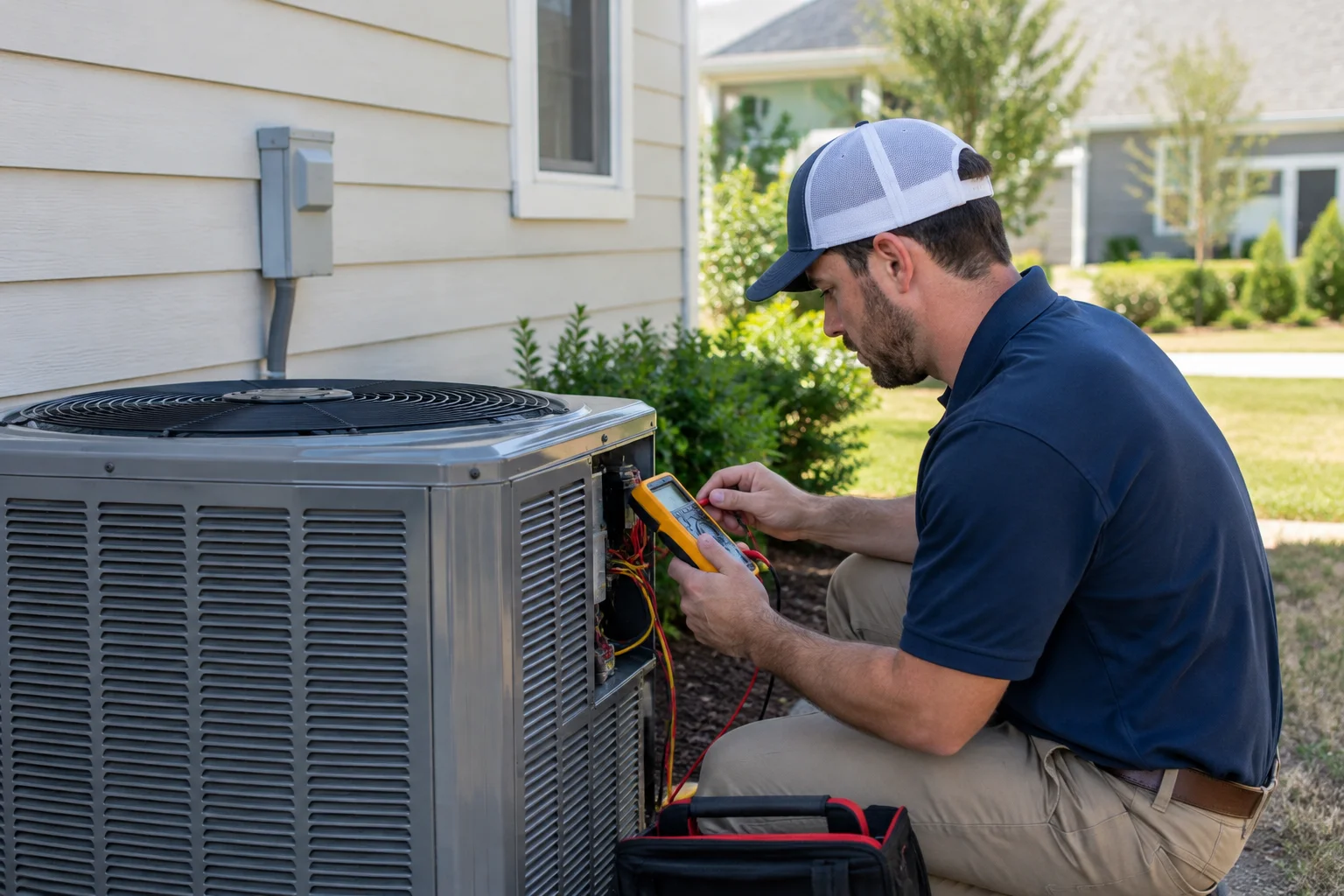
5) Outdoor unit and heat transfer performance
Outdoor units face nonstop summer exposure. During inspection, technicians should evaluate the outdoor unit for issues that can reduce heat transfer and airflow, such as:
- Restricted airflow from debris or vegetation
- Coil condition and buildup
- Fan operation and general component condition
- Signs of corrosion that can be more common in coastal areas
Salt air can accelerate corrosion, and that is another reason an inspection is not only about comfort, but also about protecting long-term system reliability.
6) Thermostat operation and comfort settings
The thermostat is the control center for your cooling cycle. If it is misreading temperature, failing to communicate correctly, or set up in a way that does not match how your home needs to cool, you can experience uncomfortable swings even when the system is functioning.
An inspection should include a review of:
- Thermostat settings and scheduling
- How the system responds to temperature calls
- Any signs of control issues that could contribute to short cycling or inconsistent comfort
If you are considering a thermostat installation near me because comfort feels unpredictable, it is still smart to start with an inspection of the HVAC system first. Control problems and airflow problems can look similar.
7) Electrical and safety-related component checks
While homeowners do not need to perform electrical diagnostics, a professional inspection should include safety and operational checks of key components. This can include verifying that controls and safety devices function as expected and that wiring and connections appear in good condition.
Important note: electrical diagnosis and repairs should only be handled by a qualified, licensed HVAC technician. If you ever see burning smells, tripped breakers, or repeated system lockouts, treat it as an emergency cooling concern and contact a professional immediately.
Common Hammock Bay AC problems that show up during inspections
When technicians in Walton County perform AC tune ups and inspections, they often find patterns. Here are some common issues that directly impact airflow, humidity control, and system efficiency.
Weak airflow or uneven cooling
Weak airflow can come from dirty filters, blocked returns, blower issues, or ductwork restrictions. In some homes, ductwork may be undersized, poorly sealed, or damaged over time. If you are noticing hot spots, cold spots, or rooms that never reach the thermostat setpoint, the inspection should consider ductwork performance, not just the air handler.
If you are looking at duct repair near me because air distribution feels inconsistent, ask your technician to evaluate the duct system as part of the inspection process.
Humidity that makes the home feel warmer than the thermostat
Cooling is not only about temperature. In a humid coastal climate, a system must also dehumidify. If indoor humidity is high, the home can feel sticky and uncomfortable even when the thermostat display looks “correct.”
During inspection, a technician should look at coil performance, condensate drainage, and airflow patterns that influence moisture removal. This is one reason preventive HVAC maintenance matters in Hammock Bay. Small airflow limits can reduce dehumidification and increase indoor humidity.
Short cycling and frequent starts
Short cycling can increase wear on components and lead to higher energy use. It can be caused by airflow issues, thermostat issues, or other system performance problems. A careful inspection should identify why the system is cycling and whether the cooling process is completing as designed.
Rising energy use during peak summer weeks
Energy use often rises when cooling output drops or when the system runs longer than it should. Air conditioning inspection helps homeowners understand whether the system is struggling with airflow, coil buildup, or other performance limitations that can lead to higher electricity costs.
How inspections help you avoid expensive “mid-summer” repairs
AC breakdowns feel random, but many are the result of issues that were present for weeks or months. A professional inspection can surface problems early, when they are often easier to address.
Examples of what early detection can prevent:
- Airflow restrictions turning into coil performance failures
- Moisture and drainage problems leading to indoor comfort complaints and potential water damage
- Control issues that cause repeated cycling and component stress
- Outdoor unit performance limits that increase run time and wear
If you are a vacation rental owner or manage a commercial property, consistent cooling is part of guest experience and operational reliability. That is why many homeowners and business managers schedule an HVAC maintenance near me approach rather than waiting for performance to fail.
When an inspection turns into AC repair or service planning
An inspection may confirm that your system is performing well. It may also recommend targeted AC repair, ductwork fixes, or thermostat adjustments based on what the technician observes.
Some homeowners assume that problems always mean a full system replacement. That is not always the case. A professional assessment can help you understand whether the issue is:
- Limited to airflow and ductwork
- Related to coil cleanliness and moisture control
- Connected to component performance that can be repaired
- Indicative of broader system aging that may require planning for system replacement
If your inspection suggests that your current equipment may be nearing the end of its useful life, it can also be a good time to review options for installation. For homeowners weighing next steps, you can explore air conditioning installation and ask how a new system should be matched to your home’s airflow needs.
For homes that use or are considering heat pumps, you can also compare comfort approaches with heat pump services.
Preventive maintenance homeowners can do between inspections
Professional inspection is the best way to catch issues you cannot see. Still, a few homeowner tasks can reduce strain on the system and support better airflow.
Replace or check filters regularly
Dirty filters restrict airflow and can cause the system to run longer. Follow your HVAC system’s filter guidance and check filters more often during peak humidity and pollen seasons.
Keep registers and returns clear
Do not block vents with furniture, rugs, or drapes. Make sure return air pathways are unobstructed.
Watch the condensate drain area
If you notice water where it should not be, recurring dampness, or unusual odors, it is a sign that condensate drainage may be failing. Schedule an inspection rather than waiting for the problem to “go away.”
Use thermostat settings that support humidity control
Set the thermostat so it can maintain comfort without aggressive cycling. If you are constantly adjusting temperature because rooms feel off, that can indicate airflow or humidity control issues that an inspection should address.
Keep outdoor airflow pathways open
Clear leaves and debris from around the outdoor unit. Avoid planting shrubs too close to the unit where they can restrict airflow over time.
When to call A Superior Mechanical for inspection or emergency cooling concerns
If you are noticing uneven cooling, weak airflow, persistent humidity, or repeated cycling, schedule an air conditioning inspection before the system fails during the hottest stretch of the year.
Call right away for emergency cooling concerns if you experience:
- No cool air coming from vents
- Burning smells, visible smoke, or repeated electrical shutdowns
- Water leaks from the indoor unit area
- Thermostat alerts that indicate a system lockout or safety issue
For homeowners searching for emergency AC repair near me, having a professional you trust matters. A Superior Mechanical provides licensed, local HVAC service across Walton County, including Hammock Bay, where the combination of heat, humidity, and coastal conditions can challenge systems year after year.
How to choose the right HVAC contractor for inspection quality
Not all inspections feel the same. When you call, ask questions that confirm the inspection will be thorough and HVAC-focused:
- Will the inspection include airflow evaluation, coil and drainage checks, and review of system operation?
- How will the technician explain the relationship between airflow, humidity control, and refrigerant system performance?
- Will recommendations be based on what is found in person, not assumptions?
- Can the technician help you plan next steps if repair is needed or if system replacement is likely?
Homeowners searching for a licensed HVAC contractor near me should prioritize clear communication and a methodical approach. That is especially important in coastal areas like Hammock Bay, where airflow and moisture management can determine how comfortable your home feels.
If ductwork is part of the issue and you need more than quick patching, you can also ask about duct replacement options and how the duct material and layout affect airflow.
A practical local timeline for inspections and tune ups
Many homeowners schedule AC tune ups just before peak summer. In Hammock Bay, that timing can help, but it is also smart to align inspections with how your system behaves. If your system struggles during humid weeks, runs longer than expected, or shows comfort inconsistencies, an inspection sooner is often more effective than waiting.
If you want more perspective, these related reads can help you connect comfort symptoms to inspection priorities:
- Seagrove Beach Comfort Clues That Point to a Better Air Conditioning Inspection
- What to Expect From Air Conditioning Inspection in Parker, FL
- What Laguna Beach Homeowners Should Know About Air Conditioning Inspections and Catching Problems Early
- Protecting 30A Homes Starts With a Better Air Conditioning Inspection
For Walton County homeowners, the key is simple: inspect while you still have time to address issues calmly, not during an emergency cooling moment.
If you are ready to protect comfort and airflow, scheduling an air conditioning inspection in Hammock Bay is the best next step. You can review service details on the Hammock Bay AC inspection page or browse other HVAC service coverage at /service-areas/walton-county.
Find Air Conditioning Inspection in Hammock Bay, FL
If you need Air Conditioning Inspection in Hammock Bay, FL, visit our local service page or contact A Superior Mechanical today.
Map of Hammock Bay, FL
Frequently Asked Questions
How often should I schedule an air conditioning inspection in Hammock Bay?
Many homeowners schedule inspections once per cooling season, especially before the hottest weeks. If your home has humidity comfort issues, uneven airflow, or the system cycles frequently, scheduling earlier can help prevent bigger repairs.
Can poor airflow be caused by something other than the air conditioner?
Yes. Ductwork restrictions, blocked returns, closed or obstructed vents, and filter issues can all limit airflow. A good inspection evaluates airflow paths, ducts, and indoor comfort conditions so the cause is not guessed.
What does condensate drainage have to do with indoor air quality?
When condensate drainage is restricted, moisture can build up around the indoor unit area. That can contribute to odors and higher indoor humidity. Proper drainage is part of keeping comfort consistent and supporting better indoor air quality.
Should I add refrigerant if my system seems to cool poorly?
No. Low or imbalanced refrigerant can be caused by different issues, and adding refrigerant without an in-person evaluation is not an appropriate fix. A licensed technician should inspect airflow, coil performance, and system operation to identify the true cause.
When is it an emergency cooling concern in Hammock Bay?
If the system stops cooling, you notice burning smells or repeated electrical shutdowns, or you see water leaking where it should not, treat it as urgent. Contact a professional right away for emergency AC repair needs.
Related Articles
- Seagrove Beach Comfort Clues That Point to a Better Air Conditioning Inspection
- What to Expect From Air Conditioning Inspection in Parker, FL
- What Laguna Beach Homeowners Should Know About Air Conditioning Inspections and Catching Problems Early
- Protecting 30A Homes Starts With a Better Air Conditioning Inspection
Photo Gallery